Welcome to Hoyarn
Call Us Any Time:+86 19801805999
Email Us: info@hoyarn.cn
Playground Grass Turf: Safe, Sustainable Surfaces for Modern Playgrounds
Dec . 03, 2025 10:46 Back to list
Playground Grass Turf: Safe, Sustainable Surfaces for Modern Playgrounds
Playground Grass Turf: The Soft Foundation for Safe, Sustainable Play Spaces
Playground grass turf. At first glance, it might just sound like a fancy way of saying “fake grass.” But frankly, it’s so much more than that. Across the globe, playground grass turf has become a crucial component in creating safe, durable, and low-maintenance play environments for children. In an age where urbanization and environmental consciousness are reshaping public spaces, understanding the value and application of quality turf can really make a difference.
Why does this matter globally? The United Nations estimates that over half the world’s population now lives in urban areas, and with shrinking green spaces, playgrounds serve as vital places for childhood development, exercise, and social interaction. Yet, traditional grass often struggles under heavy use and changing climate conditions. This is where playground grass turf steps in—bringing resilience, safety, and sustainability together.
Global Context: The Growing Demand for Sustainable Playground Surfaces
Urban planners, schools, and community centers worldwide grapple with maintaining safe play areas that can withstand constant foot traffic, adverse weather, and limited budgets. According to the International Organization for Standardization (ISO), surfaces must comply with safety standards like impact attenuation to protect kids from injury.
Natural grass often fails here—getting muddy in rain or patchy during droughts—posing hazards or leading to costly upkeep. In contrast, playground grass turf offers a controlled, consistent surface that meets safety standards while reducing water and chemical use. For instance, data from the World Bank points out that water saving is critical in many urban regions facing scarcity, and artificial turf helps curb excess irrigation.
What Exactly Is Playground Grass Turf?
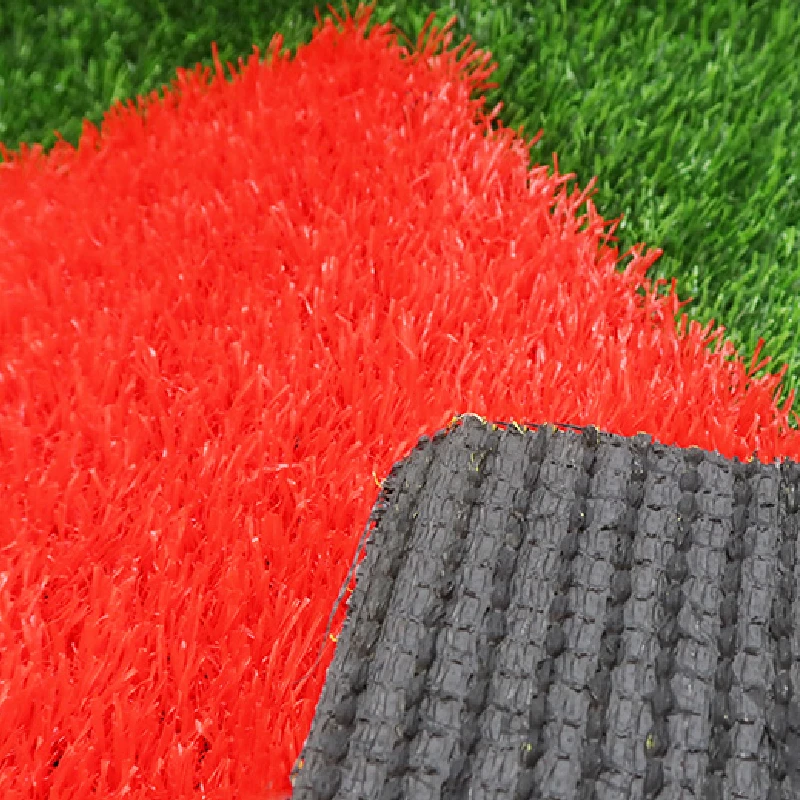
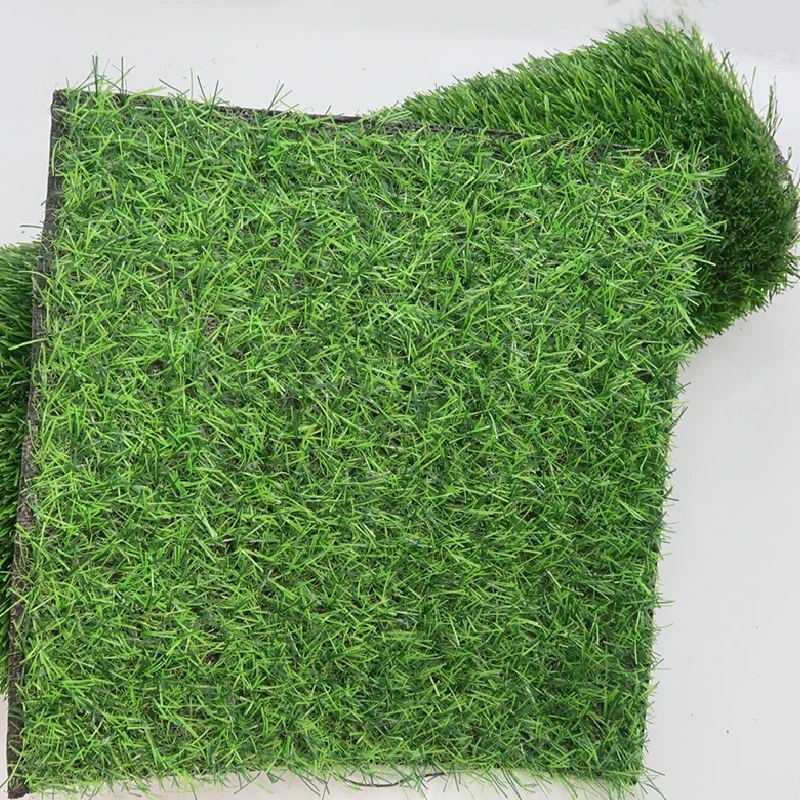
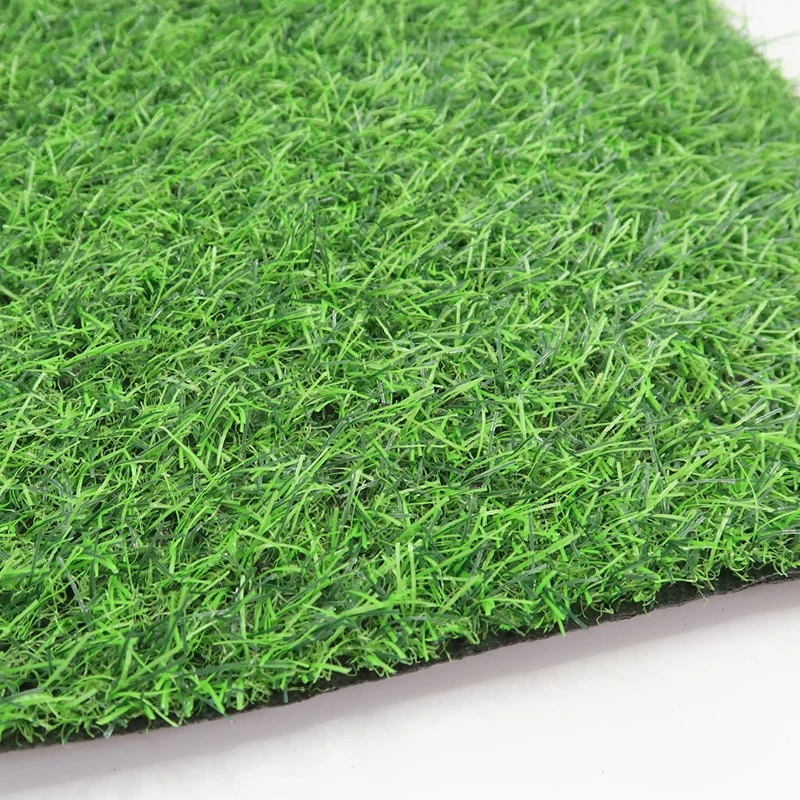
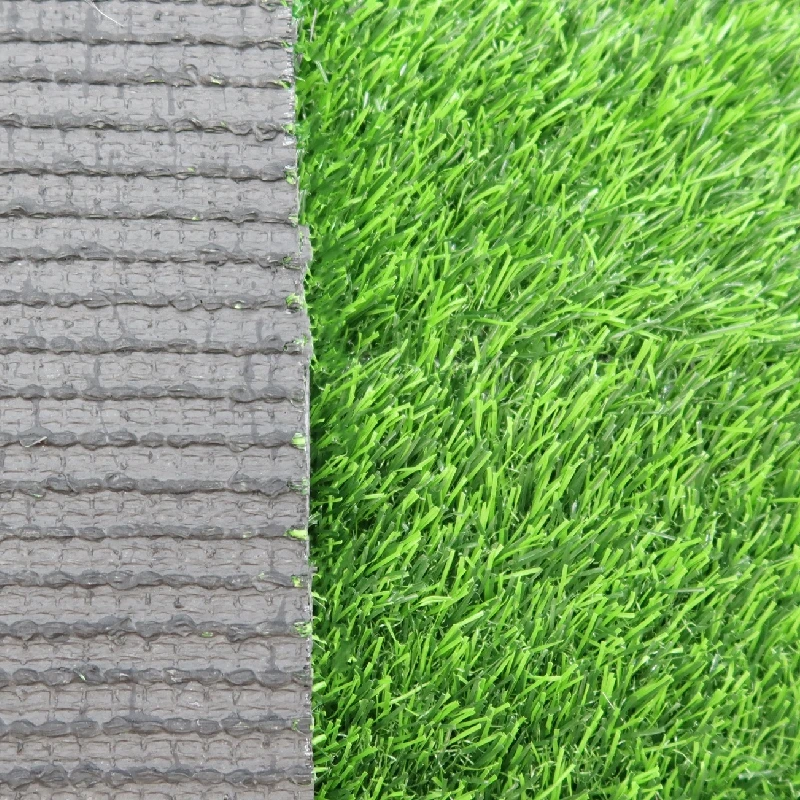
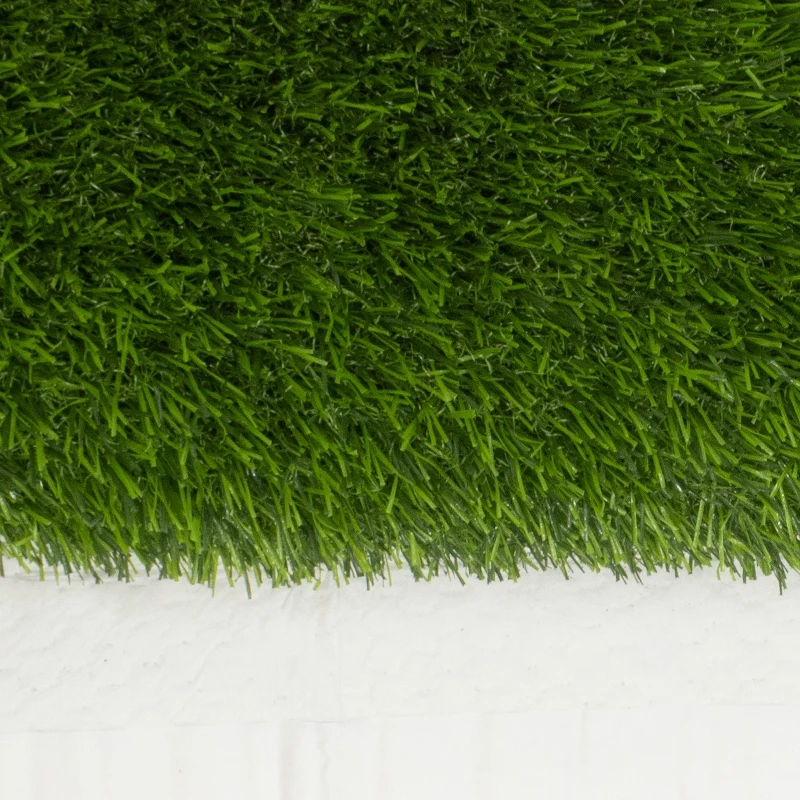
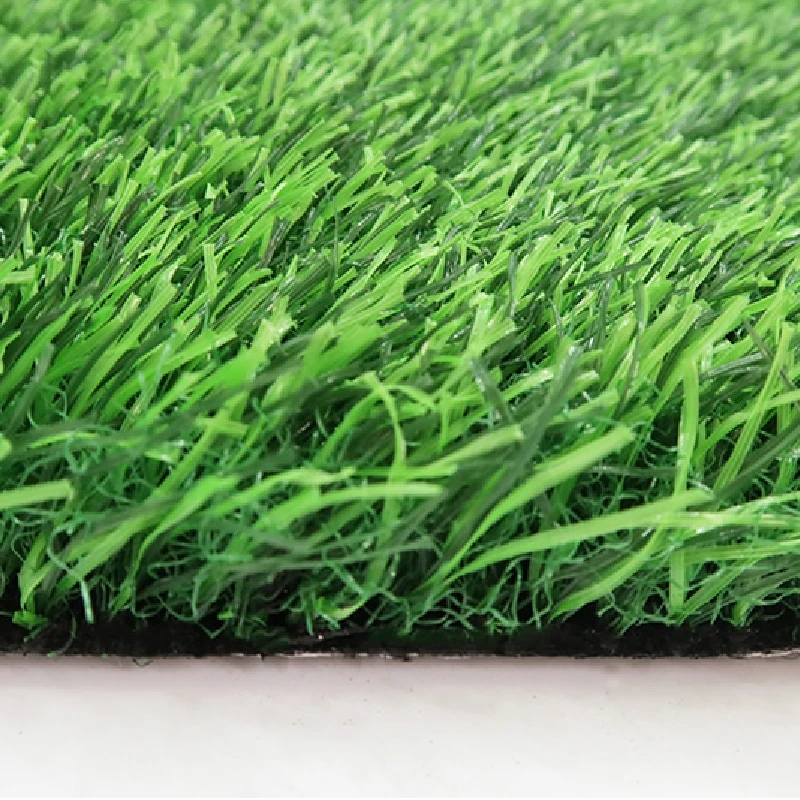
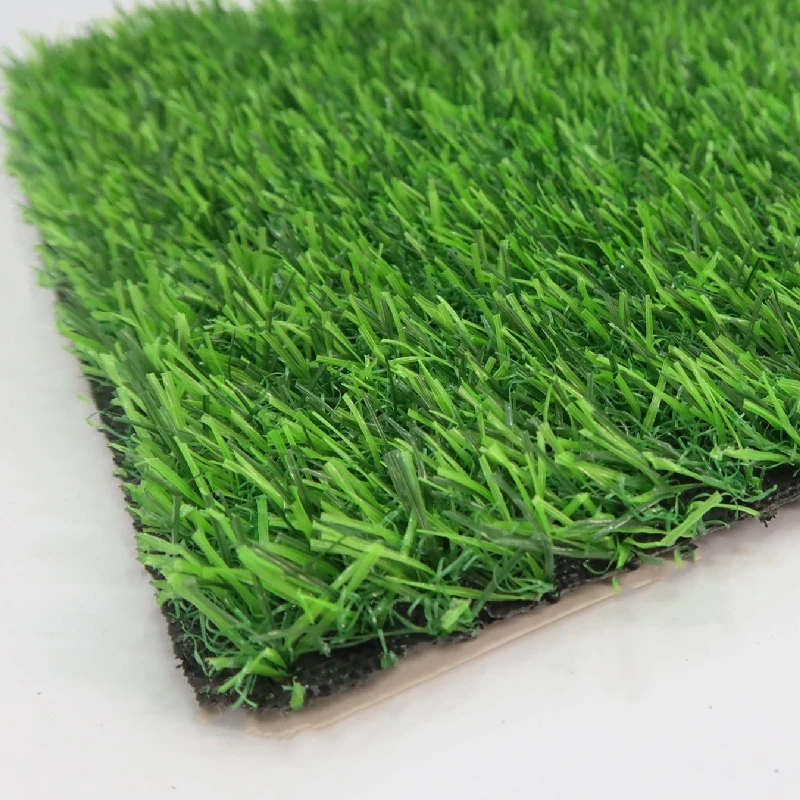
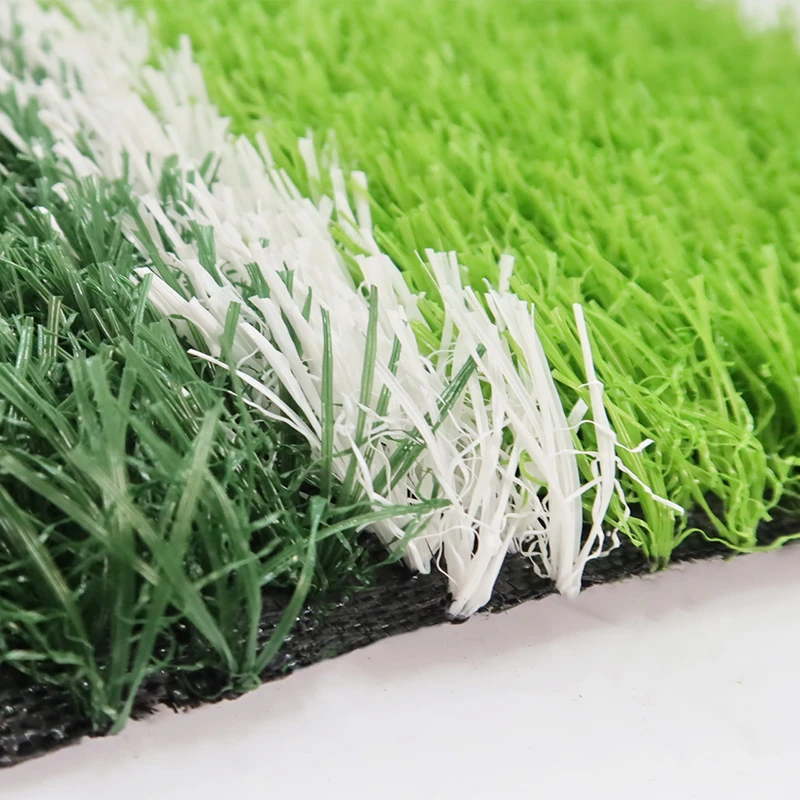
Simply put, playground grass turf is a synthetic surface designed specifically to mimic the look, feel, and function of natural grass but engineered for playground safety and durability. It’s made from materials such as polyethylene fibers combined with shock-absorbing infill layers that help cushion falls and reduce injuries. The turf's construction aligns with guidelines like ASTM F1292, which governs playground impact attenuation levels.
It uniquely bridges the needs of modern urban design with child safety and environmental responsibility. Beyond playgrounds, this turf is also used in sports fields and recreational areas that demand robust, safe surfaces.
Key Components of Quality Playground Grass Turf
- Durability: Playground surfaces face heavy foot traffic and exposure to elements. Good turf resists UV rays, wear, and tear for years without degrading.
- Safety: The turf’s shock absorption is critical to prevent injuries. The combination of a resilient fiber and cushioned infill helps meet strict safety standards.
- Eco-friendliness: Unlike natural grass requiring water, pesticides, and mowing, synthetic turf reduces water usage drastically and eliminates chemical treatments.
- Maintenance Efficiency: Because grass turf doesn’t need watering or regular mowing, operational costs drop significantly.
- Appearance & Comfort: Premium products look and feel surprisingly close to natural grass, with soft fibers and consistent coloring.
- Scalability: Easily scaled for small parks or large school campuses, the modular installation process allows flexible deployment.
Mini takeaway: Durable, safe, eco-friendly, and low-maintenance — these traits explain why playground grass turf is winning over urban planners and caretakers.
Global Applications & Use Cases
In cities like Tokyo and New York, schools replace worn-out grass with synthetic turf to keep play areas open year-round, regardless of weather. In Australia, drought-prone zones benefit immensely from the water-saving qualities of playground grass turf to sustain recreational spaces.
Even humanitarian efforts use playground turf in refugee camps, providing children with spaces that are safe and relatively easy to maintain despite harsh conditions. I recall an NGO report describing installations in camps in Jordan, where conventional grass simply could not survive the arid environment.
| Specification | Value |
|---|---|
| Fiber Material | Polyethylene / Nylon blend |
| Pile Height | 25–35 mm (optimal for cushioning) |
| Infill Type | Rubber granules & sand blend |
| Warranty | 8–12 years |
| Compliance Standards | ASTM F1292, EN 1177 |
Advantages & Long-Term Value
Most agree that upfront costs for playground grass turf can be higher than simple soil or natural grass. But over time, savings from eliminated irrigation, mowing, and pesticide use accumulate significantly. Plus, you are investing in child safety — which frankly isn’t something you can put a price on easily.
Socially, playgrounds serve as hubs for development, especially in urban neighborhoods lacking natural parks. A durable and safe turf encourages more playtime, which promotes health and community cohesion. Emotionally, parents and educators often feel more at ease knowing the play surface cushions falls better than concrete or patchy grass.
Environmentally, synthetic turf reduces water consumption by up to 70–80%, according to EPA data. When combined with recyclable materials, it’s a forward-thinking choice aligned with sustainability goals.
Vendor Comparison: Market Leaders for Playground Grass Turf
| Vendor | Material Quality | Warranty | Eco Features | Price Range (USD/sq.m) |
|---|---|---|---|---|
| GreenFields Turf | Premium polyethylene with UV protection | 12 years | Recyclable backing, low volatile organic compounds | $30–45 |
| PlaySafe Systems | Nylon-polyethylene blend, enhanced softness | 10 years | Water-saving installation technology | $27–40 |
| EcoTurf Solutions | Medium-density polyethylene, recycled infill | 8 years | 100% recyclable materials | $25–38 |
Future Trends & Innovations in Playground Turf
The playground turf world is evolving quickly. Innovations like bio-based synthetic fibers reduce petroleum dependency. Smart turf embedded with sensors to monitor wear or environmental conditions is already under development—imagine instant alerts when maintenance is needed.
Look also for increasingly sophisticated infill materials: biodegradable, dust-free, and safer alternatives to crumb rubber. Cities pushing green energy policies are adopting turf installations powered by solar lighting or integrated into smart park systems.
Challenges & Solutions
No solution is perfect though. Some concerns involve heat buildup on sunny days, which can raise surface temperatures uncomfortably. Experts recommend lighter fiber colors and cooling infill products to mitigate these effects.
Then there’s end-of-life disposal. While many manufacturers now offer recycling programs, turf waste management still requires more infrastructure. Industry leaders advocate circular economy initiatives to tackle this.
FAQ: Frequently Asked Questions About Playground Grass Turf
- What makes playground grass turf safer than natural grass?
Playground grass turf incorporates shock-absorbing layers that meet ASTM and EN standards, providing better cushioning for falls than often uneven or hard natural surfaces. - How long does synthetic playground turf typically last?
With proper installation and maintenance, quality turf generally lasts 8 to 12 years before fibers begin to show wear or infill needs replenishing. - Can playground grass turf be installed over concrete or asphalt?
Yes, turf can be installed over hard surfaces with a proper shock-absorbing base, expanding playground options where soil installation isn’t feasible. - Is artificial playground turf eco-friendly?
While it reduces water use and eliminates pesticides, eco-friendliness depends on materials and disposal. Using recyclable turf and responsible maintenance boosts sustainability. - How do I choose the right turf for my playground?
Consider usage intensity, climate, safety certifications, and budget. Consulting with reputable vendors or playground grass turf specialists is wise.
Conclusion: Why Playground Grass Turf Is the Future of Safe Play Areas
Long-term, playground grass turf offers a stable, sustainable, and safe foundation for play that traditional grass struggles to provide. Its durability combined with environmental benefits aligns with global urban development goals, especially where water is scarce and safety is paramount.
Thanks to ongoing innovation and growing industry experience, selecting and installing playground grass turf is becoming easier and more affordable. For anyone interested in creating inviting, resilient play spaces, it’s a smart investment. Curious? Visit our website for details and tailored solutions: playground grass turf.
One takeaway: The right playground grass turf doesn’t just look good—it fosters safe, joyful childhood memories for years to come.
References
Latest news
-
Creating the Perfect Fake Grass Area for Dogs Complete Guide
NewsApr.16,2026
-
Guide to Using Fake Grass and Pets for a Pet Friendly Lawn
NewsApr.09,2026
-
Fake Grass and Dogs Creating a Pet Friendly and Durable Yard
NewsApr.07,2026
-
Maintaining a Pristine Lawn with Fake Grass and Dog Wee Management Solutions
NewsApr.04,2026
-
The Ultimate Guide to Choosing the Perfect Fake Dog Grass Patch for Your Pet
NewsMar.31,2026
-
Discover the Benefits of High Quality Fake Dog Grass for Potty Training
NewsMar.28,2026
Products categories