Welcome to Hoyarn
Call Us Any Time:+86 19801805999
Email Us: info@hoyarn.cn
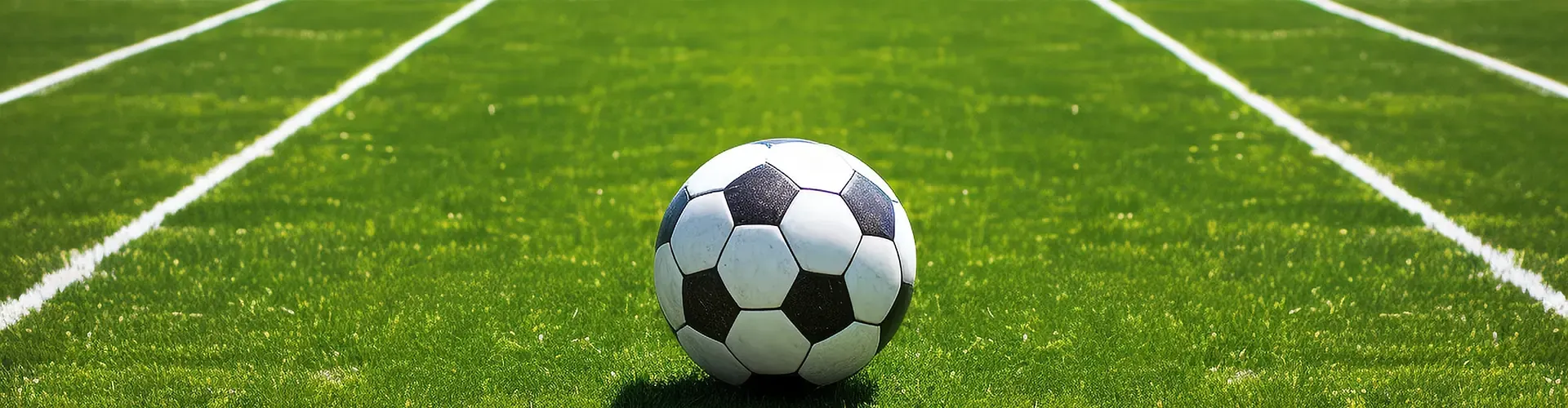
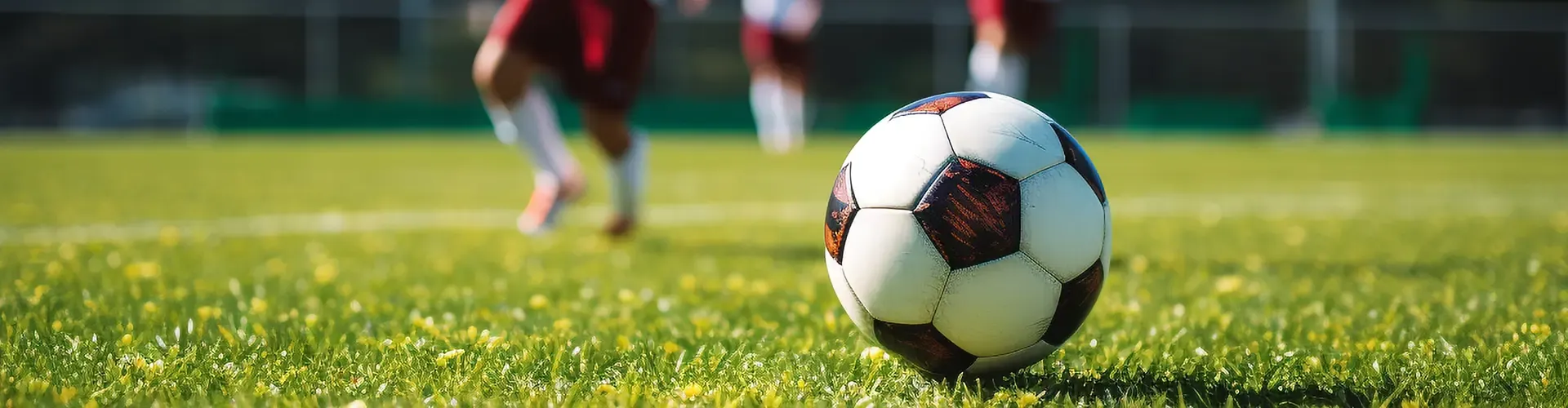
Play Ground Turf: Durable, Safe, and Sustainable Solutions for Modern Play Areas
Dec . 03, 2025 10:28 Back to list
Play Ground Turf: Durable, Safe, and Sustainable Solutions for Modern Play Areas
Understanding Play Ground Turf: Durable, Sustainable, and Essential
Play ground turf — you might think it’s just green grass made for kids to play on. But frankly, it’s so much more than that. From schools in urban centers to refugee camps in harsh climates, play ground turf plays an unexpectedly vital role worldwide. It’s a smart solution addressing safety, sustainability, and cost in spaces where natural grass either can’t survive or simply isn’t practical.
The global push toward creating safe spaces for children and communities is growing. According to UNICEF, more than 1 billion children live in areas with limited access to safe, open play areas. Meanwhile, The World Bank highlights urbanization's pressure on natural landscapes. So, understanding the importance of resilient and eco-friendly play ground turf is more relevant than ever.
What Exactly Is Play Ground Turf?
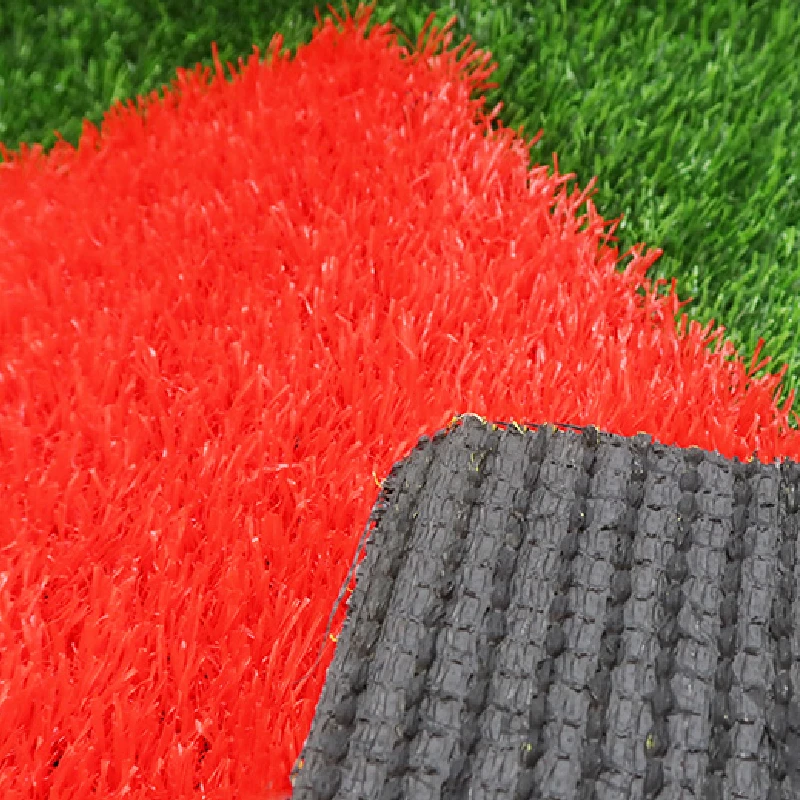
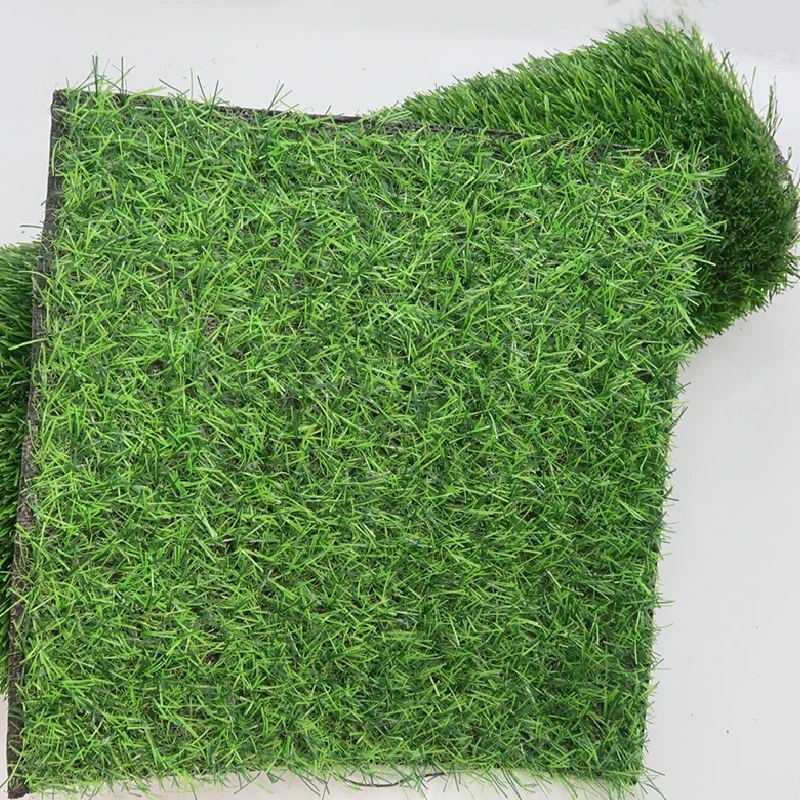
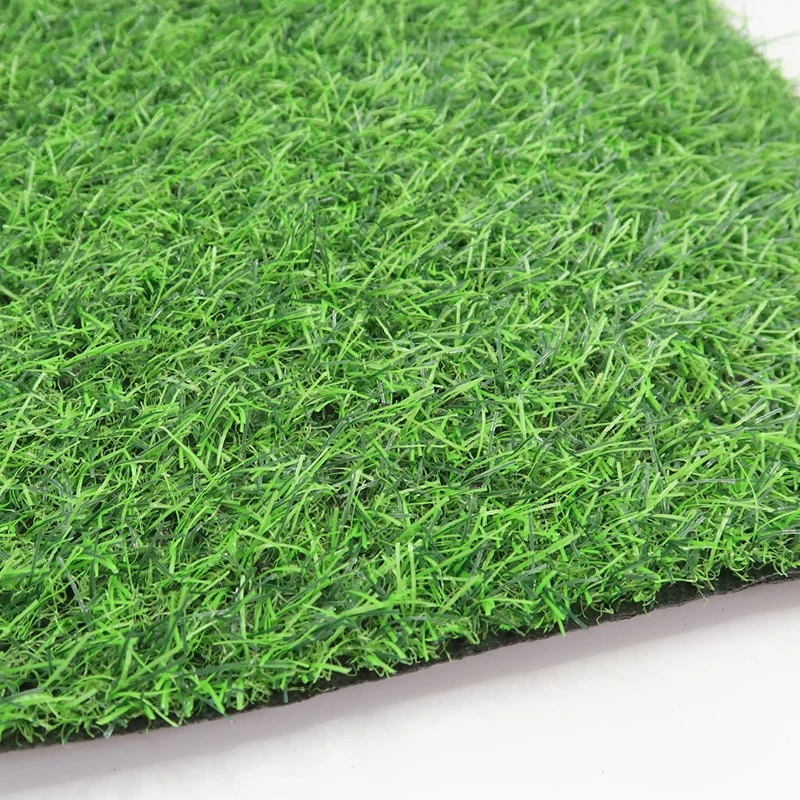
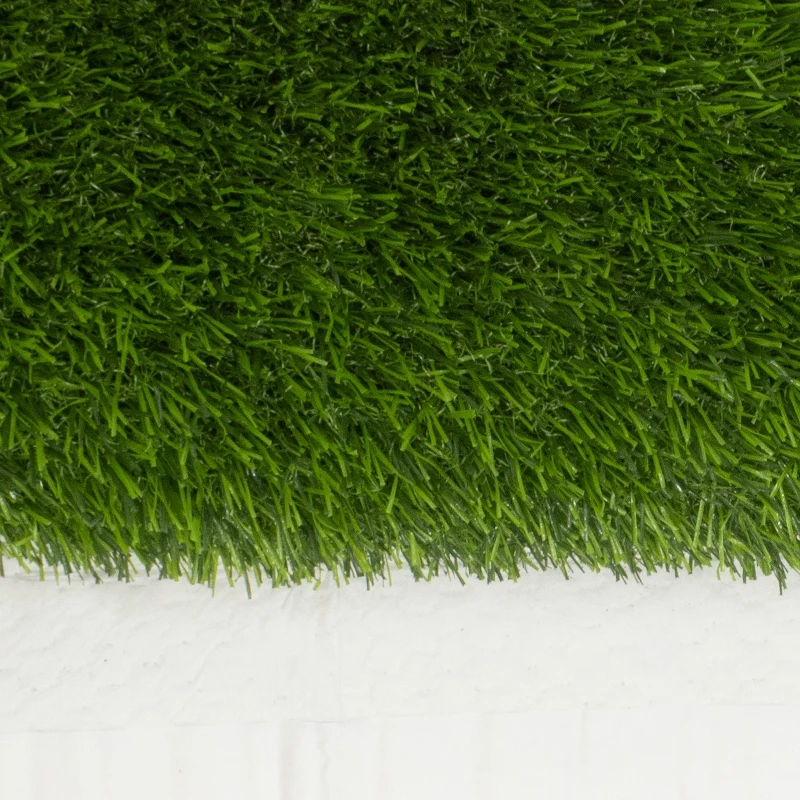
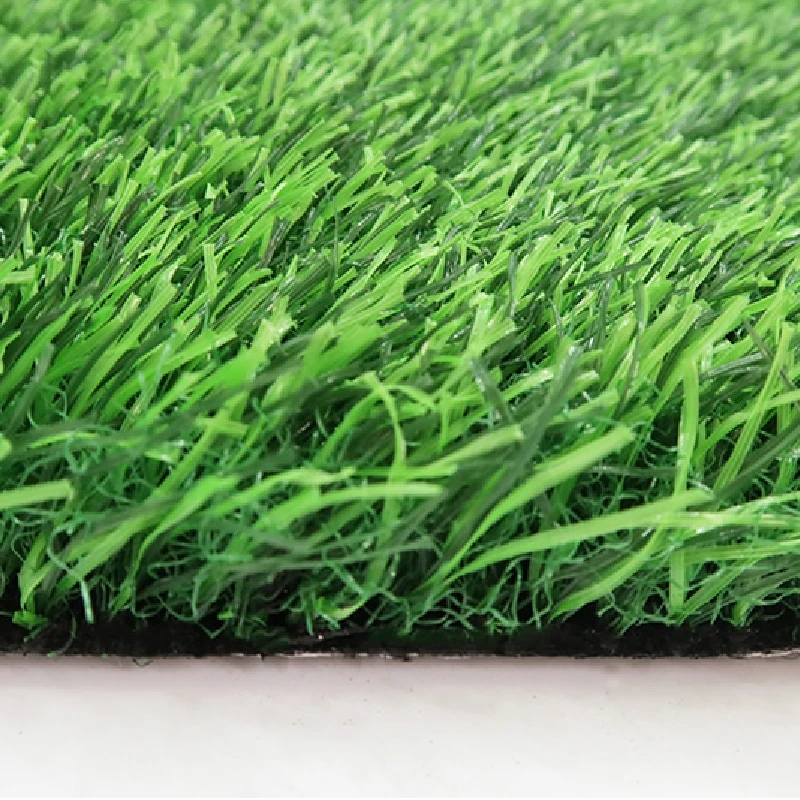
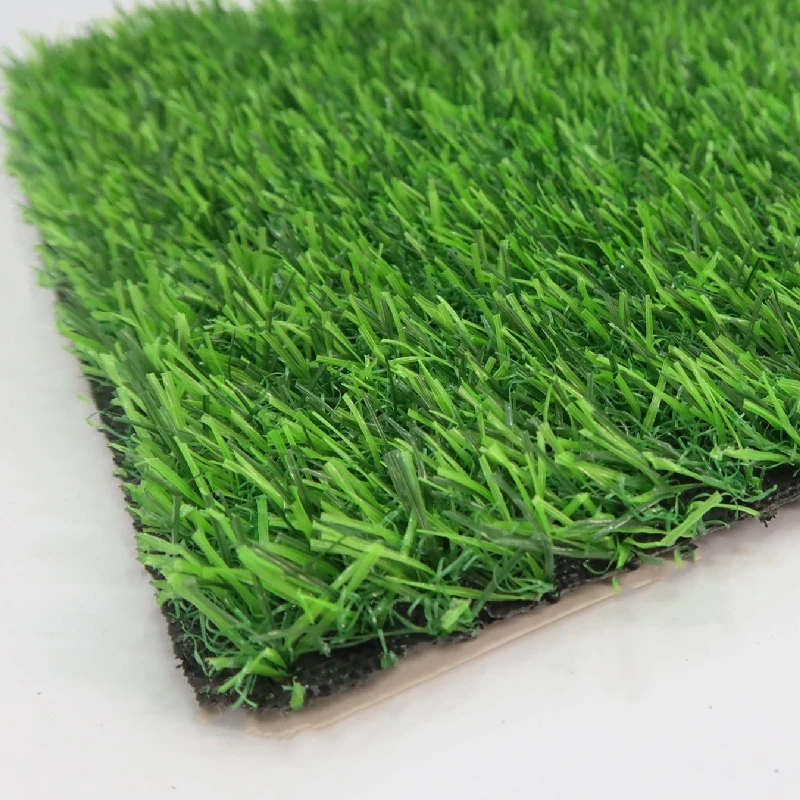
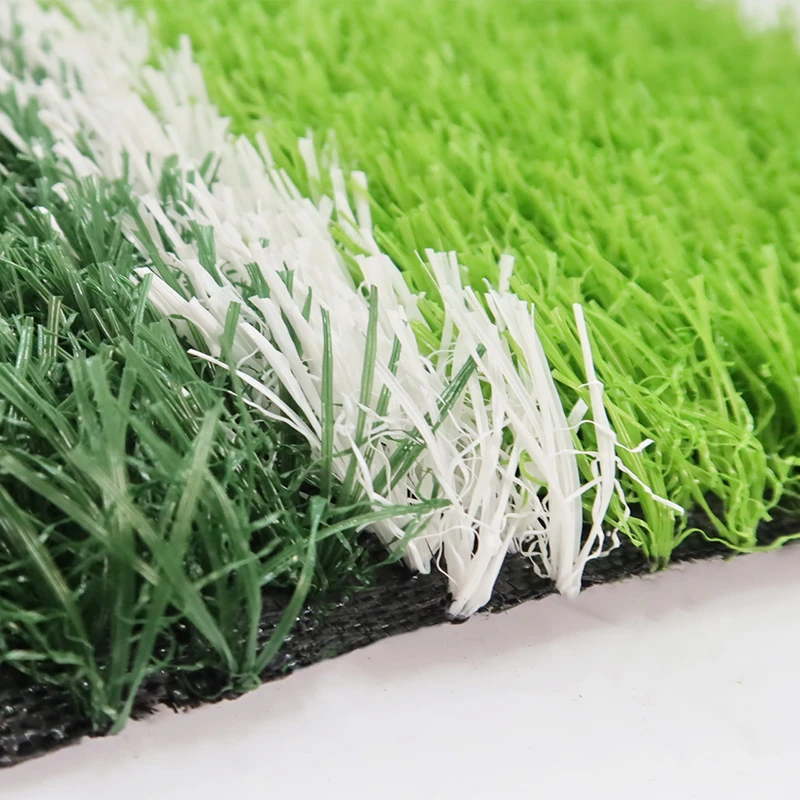
Simply put, play ground turf is an artificial grass surface designed to mimic the look and feel of natural grass but engineered to be durable, low maintenance, and safe. It's the synthetic solution that provides cushioning, reduces injuries, and withstands heavy foot traffic — qualities essential for play areas in schools, parks, and even sports fields.
In humanitarian contexts, like refugee camps or disaster-stricken zones, where soil quality is poor or the environment is harsh, installing real grass can be near impossible. That’s where synthetic play ground turf shines, offering a stable and clean surface for children’s recreation or community activities.
Key Factors of Play Ground Turf You Should Know
1. Durability and Resilience
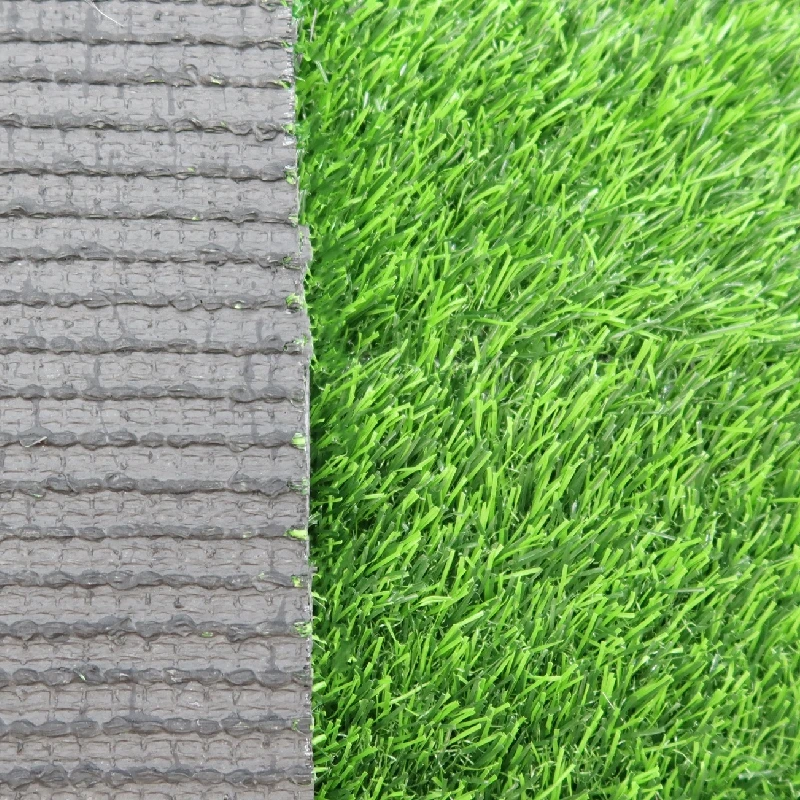
One major advantage is the turf's ability to endure heavy use without patching or downtime. Unlike natural grass, it won’t turn into a muddy mess after rain or lose its greenery in droughts. Materials are typically UV-resistant and bonded with strong backing layers to maintain shape and color for years.
2. Safety & Shock Absorption
Many play ground turf products include shock pads beneath the artificial grass to soften falls and reduce injury risk. This makes them preferable in schoolyards where kids are active and unpredictable — safety counts a lot here.
3. Cost Efficiency Over Time
Though upfront costs can be higher than slapping down sod, the long-term savings paint a different picture. No fertilizers, no mowing, no watering bills — these operational savings accumulate, especially in large installations.
4. Environmental Impact
That’s a tricky one. On the plus side, synthetic turf eliminates watering and pesticide usage. However, it relies on plastic materials and requires proper disposal or recycling. The eco conversation is nuanced — some companies now produce recyclable or bio-based turfs, a promising innovation.
5. Installation Flexibility
Whether it’s a sloped rooftop playground, a schoolyard with poor soil, or an urban park in a dense city, artificial turf can be installed virtually anywhere. It’s a boon in settings that defy traditional landscaping.
Product Specification Table: Typical Play Ground Turf Features
| Feature | Description | Typical Values |
|---|---|---|
| Pile Height | Length of individual grass blades | 20–40 mm |
| Density | Blades per square meter, affects softness | 10,000–20,000 blades/m² |
| Backing Material | Material supporting fibers | Polyurethane or latex |
| Shock Pad Thickness | Underlay for injury protection | 10–30 mm |
| UV Stability | Resistance to sun damage | 10+ years lifespan |
Global Applications & Use Cases of Play Ground Turf
This turf isn't just for fancy suburban schools, not by a long shot. In Japan, where space is scarce, rooftop play ground turf gives children safe playing grounds with a layer of cushioning that natural grass simply couldn't manage without massive upkeep.
In refugee camps like those in Jordan or Bangladesh, NGOs use artificial turf to create hygienic, mud-free play areas for kids, which is crucial in preventing injuries and diseases. In industrial mining zones in Australia, companies install turf in staff play areas, reducing dust and improving morale.
Vendor Comparison Table: Leading Play Ground Turf Providers
| Vendor | Material Quality | Installation Speed | Sustainability | Price Range |
|---|---|---|---|---|
| GreenField Turf Co. | High-grade polyethylene fibers | 2-3 days for 1000m² | Uses recycled backing | $$$ |
| SafePlay Surfaces | UV stabilized nylon blend | 1-2 days | Limited recyclability | $$$$ |
| EcoTurf Innovations | Bio-based polymers | 3-4 days | Compostable turf fibers | $$$ |
Advantages and Long-Term Value
Choosing play ground turf is about investing in safety, sustainability, and practicality. The turf is easy on the eyes and on the environment if selected carefully, saving water and eliminating pesticide use. It also fosters trust with parents and community members who want safe, clean spaces for children.
Emotionally, having a lush green play area — even if synthetic — can uplift spirits in otherwise bleak urban settings. It feels like a touch of nature in steel-and-concrete jungles. Logically, the savings on upkeep and injuries make turf a sound investment, not just a luxury.
Future Trends & Innovations in Play Ground Turf
It’s fascinating to see progress in turf materials — bio-plastics and recycled fibers are becoming mainstream. Some companies are integrating IoT sensors to monitor usage and wear for proactive maintenance. There’s also a rising trend to combine turf with solar panels (known as agrivoltaics) to make dual-use spaces sustainable.
Additionally, new regulations from ISO are pushing for safer, more environmentally friendly materials, which may soon be a requirement rather than an option in public playground installations.
Challenges & Solutions
Of course, challenges remain. Artificial turf can heat up under strong sun, sometimes becoming uncomfortable or even unsafe. Some worry about microplastic pollution from turf fibers shedding over time. Disposal at end-of-life is another wrinkle — but thankfully, recycling programs are catching up.
Innovators are exploring cooling infills, biodegradable fibers, and modular designs that make sections easy to replace instead of throwing out entire fields. Frankly, if you ask many engineers in the field, the technology is still evolving rapidly.
FAQ: Frequently Asked Questions About Play Ground Turf
- Q: How long does typical play ground turf last under heavy use?
- A: Most quality play ground turf can last between 8 to 15 years depending on material quality, installation, and maintenance. High-traffic urban playgrounds may see wear sooner, but periodic grooming helps extend lifespan.
- Q: Is synthetic turf safe for children with allergies?
- A: Synthetic turf eliminates pollen and dirt allergens common with natural grass, often making it a safer alternative. However, some materials or infill types might cause irritation — checking certifications for non-toxicity is recommended.
- Q: What are the environmental trade-offs with artificial turf?
- A: Artificial turf saves water and pesticides but uses plastic fibers and backing that pose disposal challenges. Newer products made of bio-based or recyclable materials are reducing these concerns.
- Q: Can play ground turf be installed on uneven or sloped terrain?
- A: Yes! Turf installation is highly flexible and can be adapted with proper base preparation and drainage solutions, making it viable on tricky landscapes.
- Q: How does maintenance differ from natural grass?
- A: Maintenance mostly involves brushing fibers to keep them upright, rinsing off debris, and inspecting shock pads. There's no mowing, fertilizing, or watering needed, which drastically reduces ongoing costs.
Conclusion & Call to Action
In sum, play ground turf is more than just synthetic grass — it’s a practical, safe, and increasingly sustainable choice for communities worldwide. Whether for expanding urban schools, remote installations, or temporary relief camps, it offers a reliable solution that works where nature can’t always play along.
If you want to explore high-quality options or see case studies in action, do visit https://www.hoyarngrass.com. After all, creating safer play spaces isn’t just about green grass — it’s about nurturing a healthier and happier future.
Mini takeaway: Play ground turf is a smart blend of engineering, safety, and sustainability that’s shaping how kids play and communities grow globally.
References:
1. UNICEF Play and Recreation Rights, 2023
2. World Bank Urban Development Reports, 2022
3. ISO Standards for Artificial Turf Safety, 2021
Latest news
-
Creating the Perfect Fake Grass Area for Dogs Complete Guide
NewsApr.16,2026
-
Guide to Using Fake Grass and Pets for a Pet Friendly Lawn
NewsApr.09,2026
-
Fake Grass and Dogs Creating a Pet Friendly and Durable Yard
NewsApr.07,2026
-
Maintaining a Pristine Lawn with Fake Grass and Dog Wee Management Solutions
NewsApr.04,2026
-
The Ultimate Guide to Choosing the Perfect Fake Dog Grass Patch for Your Pet
NewsMar.31,2026
-
Discover the Benefits of High Quality Fake Dog Grass for Potty Training
NewsMar.28,2026
Products categories