Welcome to Hoyarn
Call Us Any Time:+86 19801805999
Email Us: info@hoyarn.cn
The Complete Guide to Playground Padded Turf: Safety, Materials, and Trends
Dec . 03, 2025 11:04 Back to list
The Complete Guide to Playground Padded Turf: Safety, Materials, and Trends
Understanding Playground Padded Turf: Safety and Innovation in Outdoor Spaces
Playground padded turf is one of those materials that often gets overlooked until you suddenly realize just how important it is—in parks, schools, or even community centers around the globe. As more communities prioritize safe, sustainable, and durable outdoor play areas, understanding what playground padded turf is and why it matters has become crucial. This synthetic surface combines cushioning with resilience to protect children during play, reduce maintenance costs, and enhance aesthetic appeal. Considering global trends around child safety and urban green spaces, playground padded turf isn’t just a convenience; it’s a necessity.
Introduction: The Global Context of Playground Safety
Across the world, playground injuries remain a prominent public health concern. According to the World Health Organization, falls represent a significant share of childhood injuries, many of which occur in recreational settings. Urbanization, rising awareness of child welfare, and the push for inclusive inclusive play areas have collectively raised demand for innovative safety surfaces. The playground padded turf industry is addressing this by offering shock-absorbing, durable, and environmentally-conscious solutions. Oddly enough, while open green fields are comforting, they often don’t provide the consistent protection children need—hence the global shift to engineered turf solutions.
What Exactly is Playground Padded Turf?
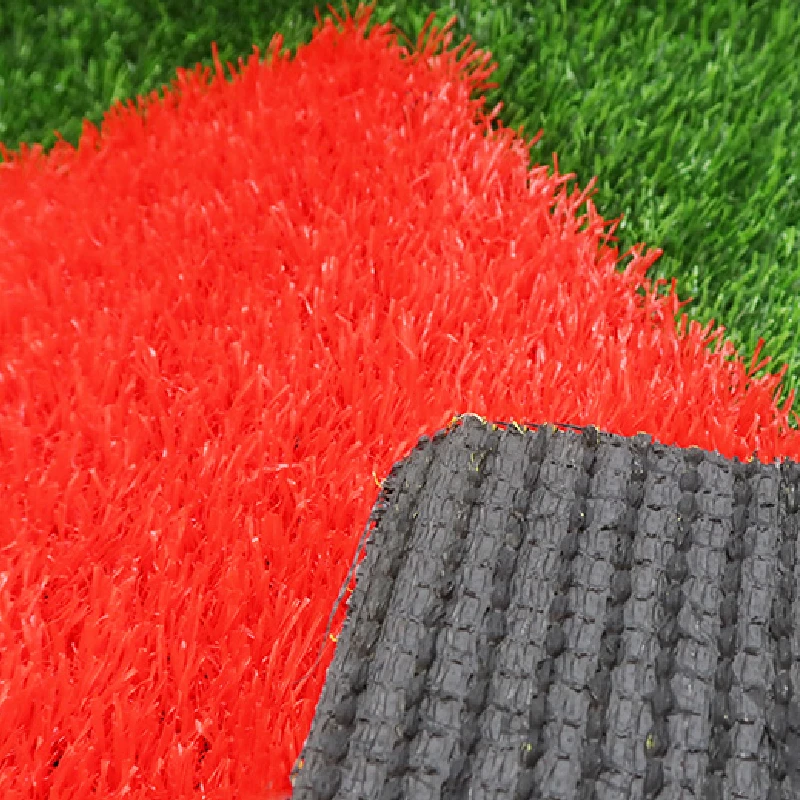
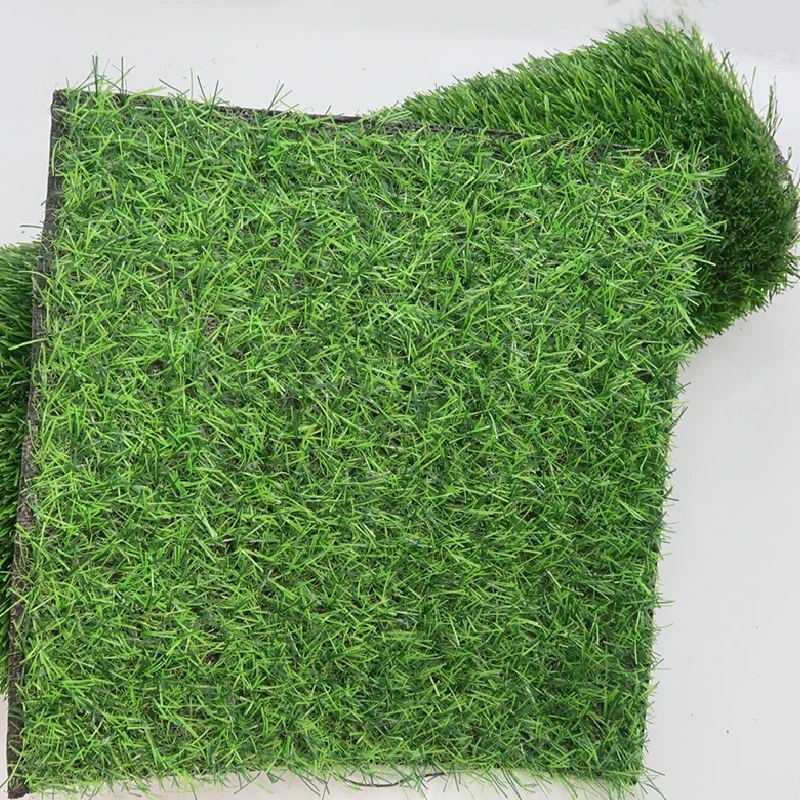
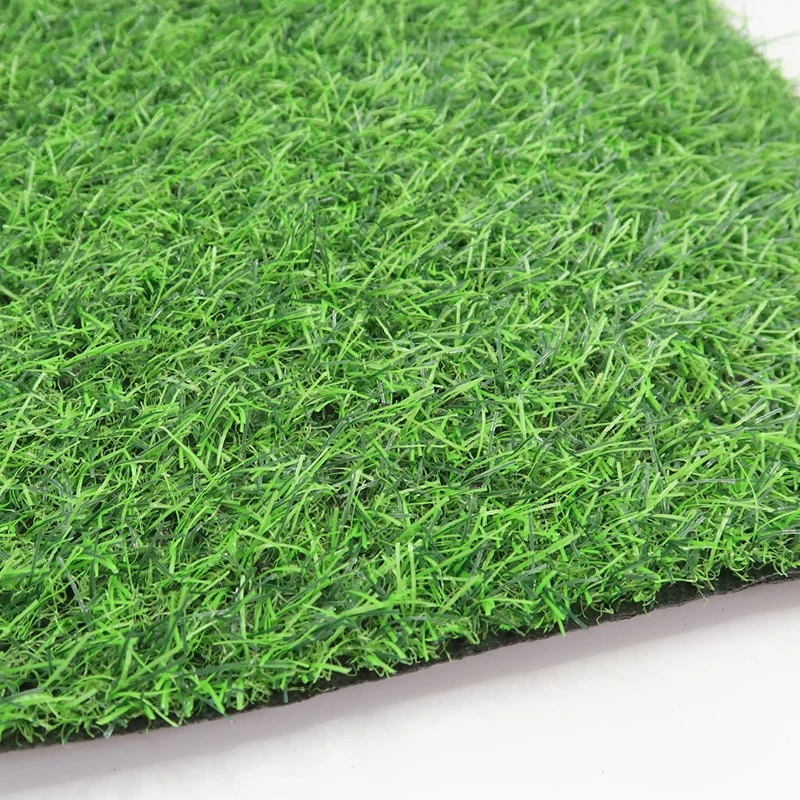
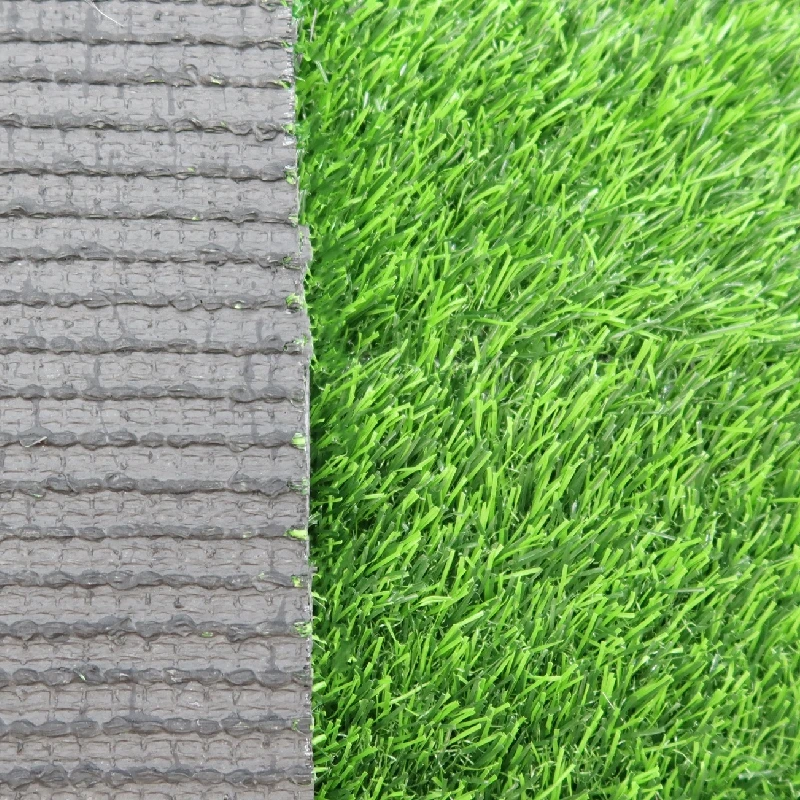
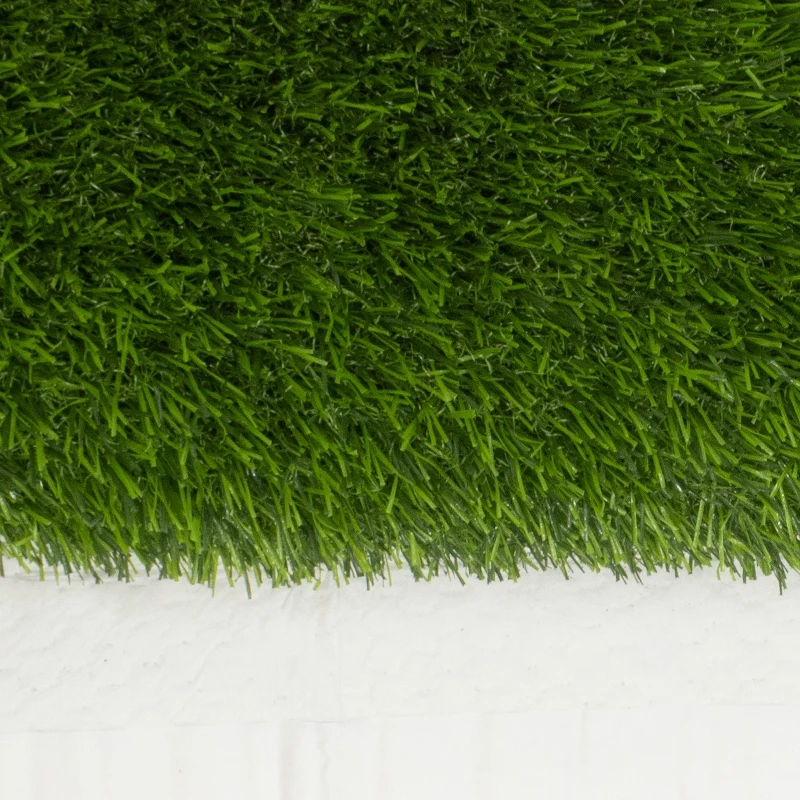
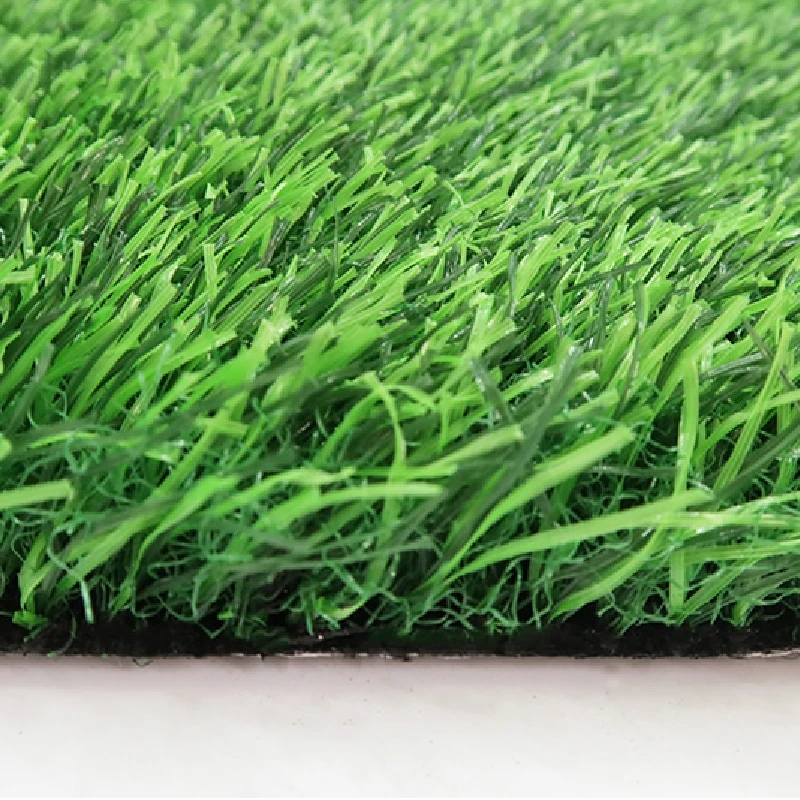
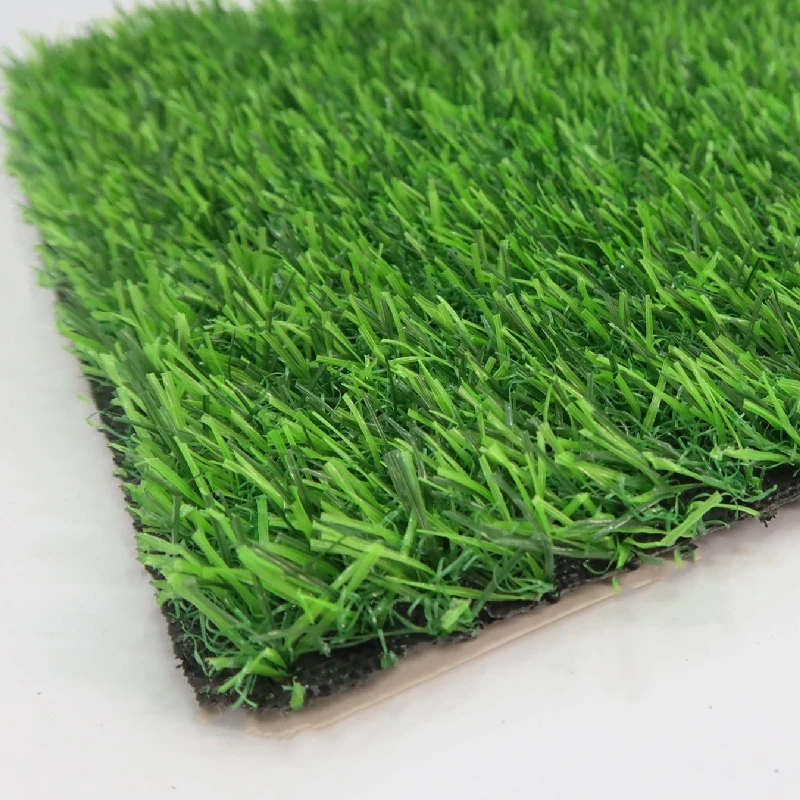
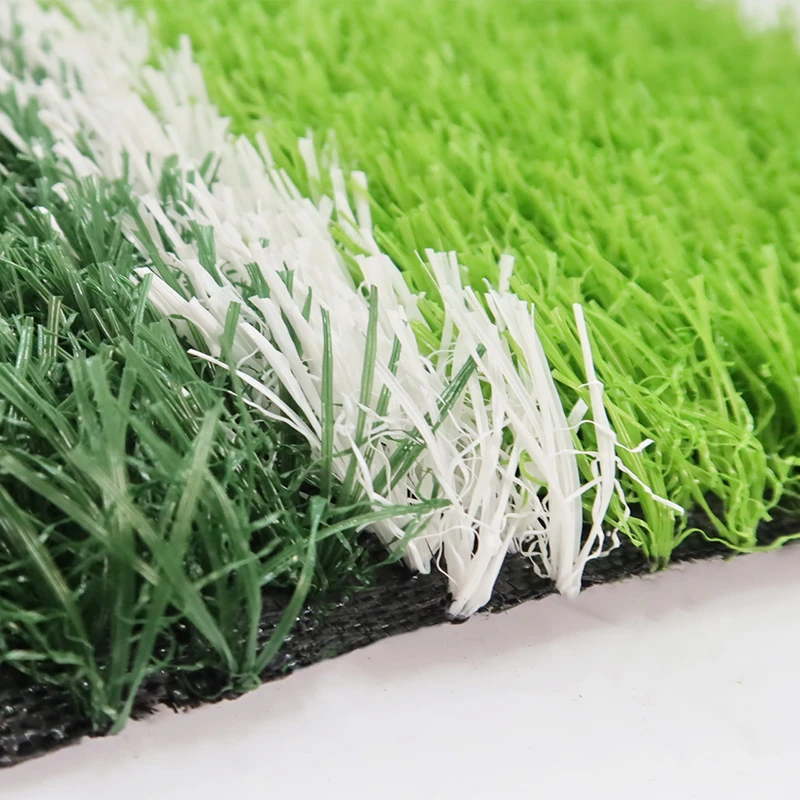
Put simply, playground padded turf is a synthetic grass surface layered over a shock-absorbing pad (usually made of rubber or foam). Unlike traditional artificial grass used in sports fields, this version is specifically designed to soften impacts without compromising on durability or appearance. This turf mimics natural grass aesthetics yet resists wear, UV damage, and moisture. It’s relevant not only for schools and playgrounds but also for rehabilitation centers, urban parks, and even indoor play spaces. In humanitarian contexts, such as refugee camps or disaster-affected zones, this turf can provide a safer surface for children in makeshift playgrounds.
Key Features of Playground Padded Turf
1. Durability and Impact Absorption
One of the core benefits is its excellent shock absorption capacity—reducing the likelihood of injuries from falls. The padding beneath the turf complies with ISO 13499 standards for playground safety, which means it’s been rigorously tested for impact attenuation. In real terms, this means fewer hospital visits and more peace of mind for families and schools.
2. Weather Resistance
Unlike natural grass, playground padded turf is unaffected by rain, frost, or drought. It drains quickly, stays soft in cold weather, and keeps its green color year-round. Many manufacturers use UV-stabilized fibers to prevent breakdown from sunlight exposure—a priority in sunnier regions.
3. Easy Maintenance
You don’t need a lawnmower or fertilizers here. A simple rinse and occasional brush restore its look. This reduces water use and the need for toxic chemicals, making it a greener choice compared to natural turf that demands constant upkeep.
4. Customization & Installation
Turf systems come in various thicknesses and padding densities to meet different safety standards and user needs. Installation can be relatively quick, even on uneven surfaces, making it suitable for fast community upgrades or temporary installations.
5. Environmental and Health Considerations
Many high-quality playground padded turf products now focus on non-toxic materials and recyclability. There’s also growing use of crumb rubber alternatives—like ethylene-vinyl acetate (EVA) foams—to minimize environmental footprints and reduce concerns about off-gassing.
Playground Padded Turf Product Specifications
| Feature | Specification |
|---|---|
| Turf Height | 20–40 mm |
| Padding Thickness | 20–50 mm (rubber, foam variants) |
| Shock Absorption | Meets ASTM F1292 standards |
| Drainage Rate | ≥ 30 in/hr (760 mm/hr) |
| Material Composition | Polyethylene fibers, EVA/Rubber padding |
Leading Vendors: Playground Padded Turf Comparison
| Vendor | Safety Certification | Sustainability Features | Installation Time | Price Range (USD/sq.m) |
|---|---|---|---|---|
| SafePlay Turf Co. | ASTM F1292, EN 1177 | Recycled materials, low VOC | 2–3 days | 35–50 |
| GreenMat Solutions | ISO 9001, ASTM F1292 | Bio-based padding, UV resistant | 3–4 days | 45–60 |
| UrbanTurf Innovations | ASTM, EN 1177 | Crumb rubber alternatives, recyclable | 1–2 days | 30–55 |
Applications and Use Cases Across the Globe
Where does playground padded turf really shine? The spectrum is surprisingly broad. Urban schools in Europe and North America have embraced it to upgrade playgrounds, reducing injuries and maintenance headaches. In Australia, where droughts make green grass a challenge, these systems keep play spaces inviting year-round. I’ve even come across refugee camps and temporary shelters in crisis zones where padded turf is laid to create safe play spots amid difficult conditions. And let’s not forget indoor pediatric centers or therapy rooms using it to stimulate and protect young patients.
These scenarios underscore how playground padded turf bridges safety concerns with practicality, especially in areas where natural grass either fails or requires too much care. In short: it’s about making spaces safer and more inclusive, wherever they might be.
Advantages and Long-Term Value of Playground Padded Turf
- Cost Efficiency: Reduced need for intensive landscaping and watering cuts long-term costs.
- Safety Improvements: Meets or exceeds important impact attenuation standards, helping prevent serious injuries.
- Sustainability: Lower water usage and recyclable materials reduce environmental impact.
- Visual Appeal: Maintains green vibrancy regardless of seasons or weather changes.
- Emotional Benefits: Provides peace of mind to caregivers, teachers, and communities knowing children play on safer ground.
Future Trends and Innovations in Playground Padded Turf
Looking ahead, innovations lean heavily on sustainability and smart technology. New turf fibers incorporate biodegradable or recycled polymers to minimize landfill waste. The padding is evolving toward plant-based foam that’s both safer and easier to recycle. Oddly enough, some firms are experimenting with IoT sensors embedded beneath turf to monitor usage, wear, and surface conditions, which could make maintenance even more predictive and efficient. Policies to encourage greener building standards and public health initiatives are also pushing demand toward safer, more eco-friendly surfaces.
Challenges and Solutions
Despite all the benefits, challenges remain. Installation cost is a sticking point for lower-resource areas, and not every product fully meets every safety standard. UV degradation and microbial growth can also affect longevity if not carefully managed. Thankfully, industry leaders are tackling these by developing modular turf panels for cheaper partial upgrades and using antimicrobial treatment technologies.
FAQ: Frequently Asked Questions About Playground Padded Turf
- What makes playground padded turf safer than regular artificial grass?
- Playground padded turf includes an impact-absorbing layer beneath the grass fibers, designed specifically to reduce injuries from falls. This padding meets safety standards like ASTM F1292, unlike regular artificial turf which focuses more on durability than safety.
- How long does playground padded turf typically last?
- With proper installation and maintenance, it can last 8 to 15 years. UV resistance and quality padding materials are key factors affecting lifespan.
- Is playground padded turf suitable for all climates?
- Yes, most are engineered to handle extreme temperatures, heavy rainfall, and drought conditions, though local climate considerations help determine the best product choice.
- How do organizations source and install padded turf internationally?
- Many vendors offer international shipping and work with local contractors for installation. NGOs often partner with certified suppliers to ensure compliance with regional safety standards.
- Can playground padded turf be recycled or reused?
- Recycling options are improving, especially with newer eco-friendly padding materials. While some older systems are hard to recycle, leading vendors now prioritize end-of-life reuse or recycling programs.
Conclusion
Playground padded turf reflects a significant advance in how we build safer, more resilient, and sustainable play spaces worldwide. It blends technology with environmental awareness in a way few other materials can. For communities, schools, and organizations aiming to invest in long-term safety and aesthetics, it certainly deserves a spot at the top of the list. If you’re considering upgrading or building a new playground, I recommend checking out trusted sources—like playground padded turf providers—who combine quality, safety, and sustainability in one package.
After all, kids deserve a play area that’s as tough as it is tender.
That’s a wrap for now — thanks for reading!
References
Latest news
-
Creating the Perfect Fake Grass Area for Dogs Complete Guide
NewsApr.16,2026
-
Guide to Using Fake Grass and Pets for a Pet Friendly Lawn
NewsApr.09,2026
-
Fake Grass and Dogs Creating a Pet Friendly and Durable Yard
NewsApr.07,2026
-
Maintaining a Pristine Lawn with Fake Grass and Dog Wee Management Solutions
NewsApr.04,2026
-
The Ultimate Guide to Choosing the Perfect Fake Dog Grass Patch for Your Pet
NewsMar.31,2026
-
Discover the Benefits of High Quality Fake Dog Grass for Potty Training
NewsMar.28,2026
Products categories