Welcome to Hoyarn
Call Us Any Time:+86 19801805999
Email Us: info@hoyarn.cn
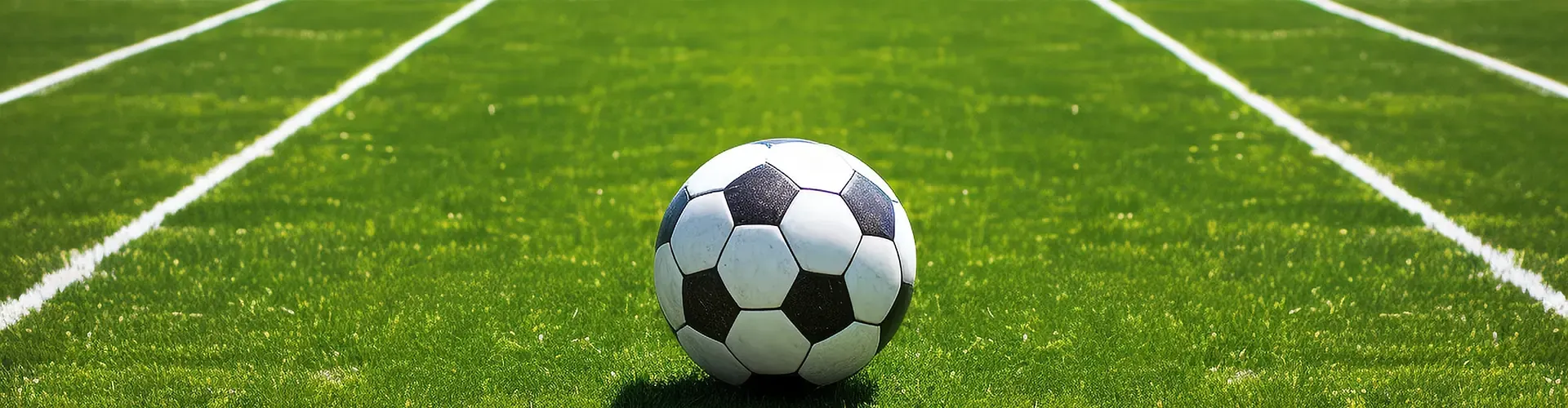
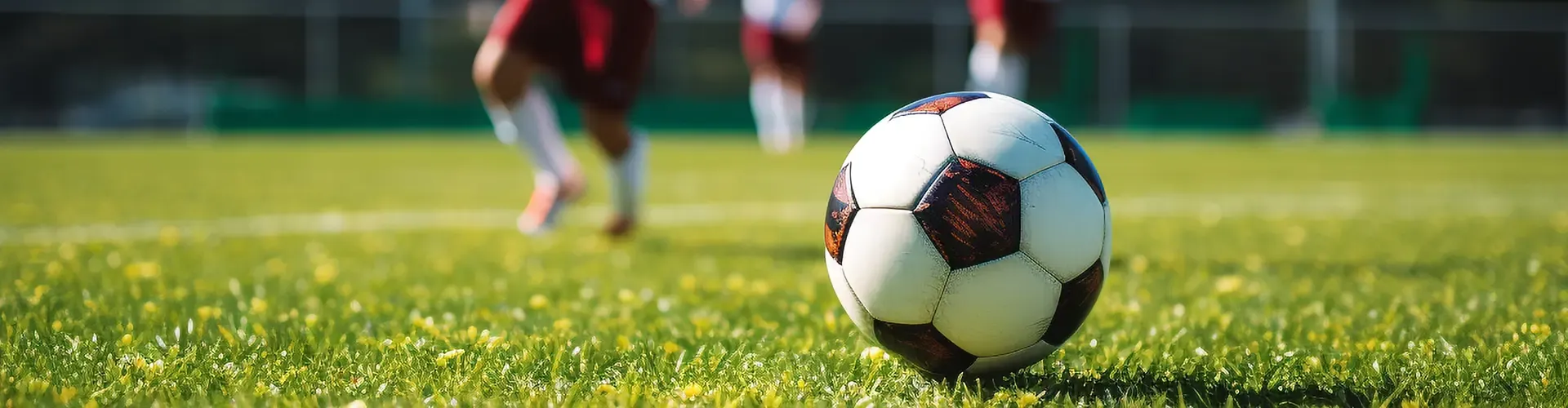
Innovative Turf That Doesn’t Get Hot – Stay Cool and Safe Outdoors
Nov . 27, 2025 06:15 Back to list
Innovative Turf That Doesn’t Get Hot – Stay Cool and Safe Outdoors
Understanding Turf That Doesn’t Get Hot: A Cool Solution for Warmer Times
When summer hits its peak, stepping onto artificial turf can sometimes feel like stepping onto a skillet. “Turf that doesn’t get hot” isn’t just a neat marketing phrase—it’s a real innovation that addresses a surprisingly widespread issue. Globally, with rising temperatures and urban heat islands becoming more prevalent, finding outdoor surfaces that remain cool is crucial, not only for comfort but also for safety and sustainability. Understanding this turf technology offers benefits ranging from sports fields and playgrounds to green roofs and urban landscaping, helping communities stay cool and connected to nature.
Why “Turf That Doesn’t Get Hot” Matters — A Global Perspective
On a planetary scale, urban areas are heating up faster than rural zones, creating heat islands where temperatures can soar 5–7°C higher than surrounding regions. The United Nations Environment Programme (UNEP) estimates that over half the world’s population now lives in cities (1), so the choice of outdoor materials has never been more impactful. Traditional synthetic turfs—usually made from dark, dense polymers—absorb and retain heat, leading to surface temperatures that can exceed 60°C on sunny days. This creates risks, especially for children playing on playgrounds and athletes training on fields, besides increasing cooling demands in nearby buildings.
Addressing this challenge, turf products engineered specifically to remain cool offer a sustainable way to reduce heat stress and promote outdoor activity safely. From schools in Arizona to soccer fields in Spain, these surfaces are helping reduce the urban heat effect, tackling a problem the ISO has highlighted in its urban climate guidelines (2).
Mini Takeaway:
“Turf that doesn’t get hot” stands at the intersection of urban comfort, climate resilience, and human safety, gaining importance as cities struggle with escalating temperatures worldwide.
What Exactly Is “Turf That Doesn’t Get Hot”?
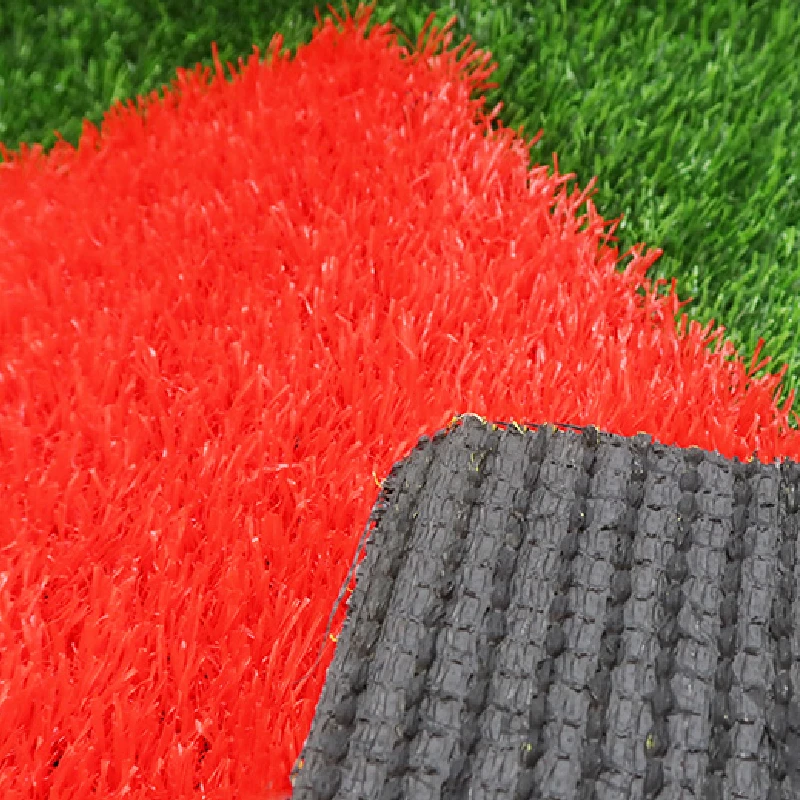
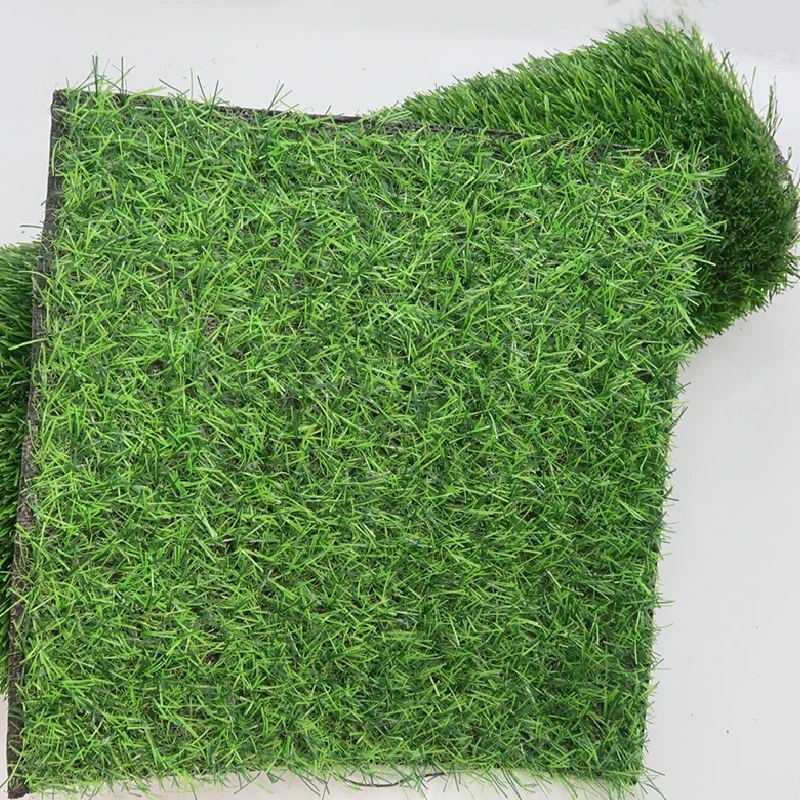
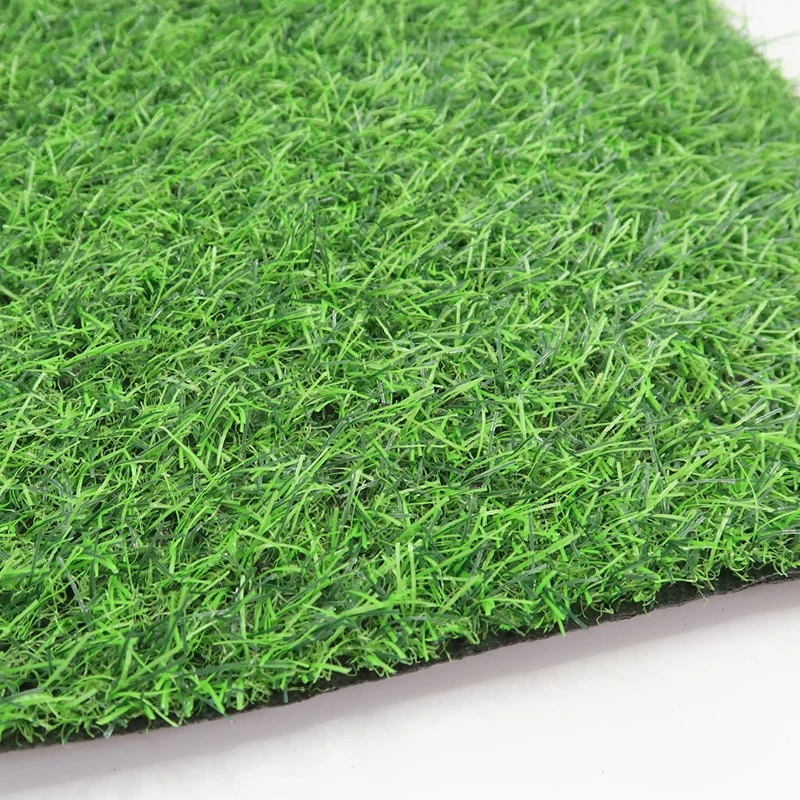
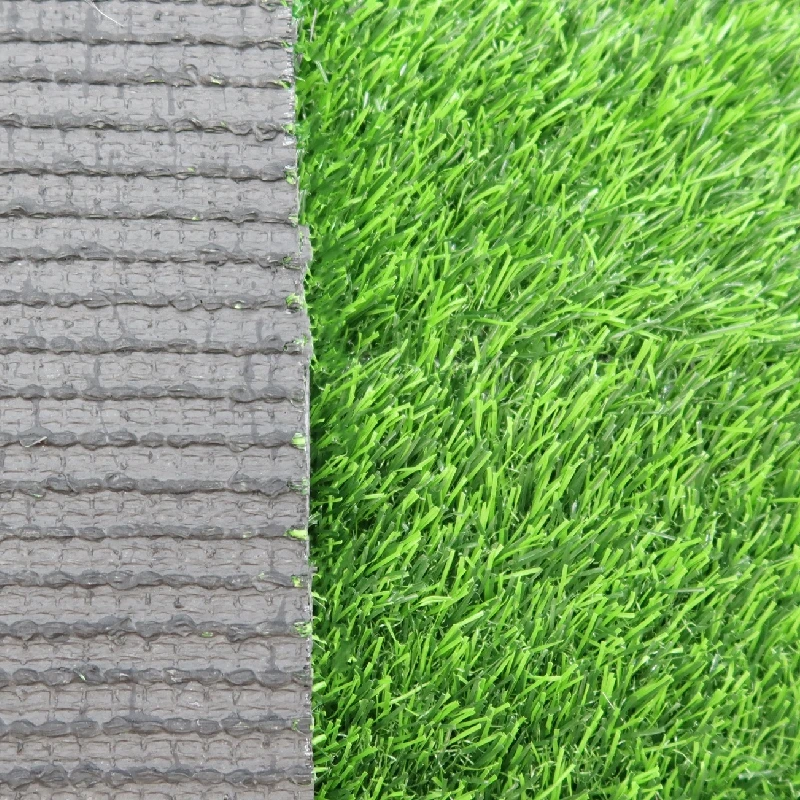
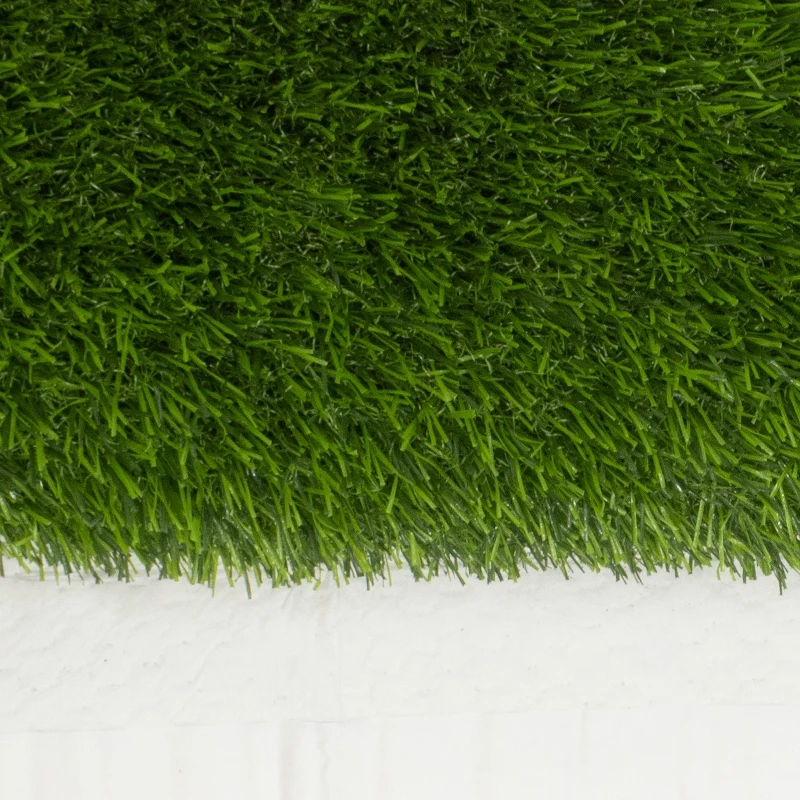
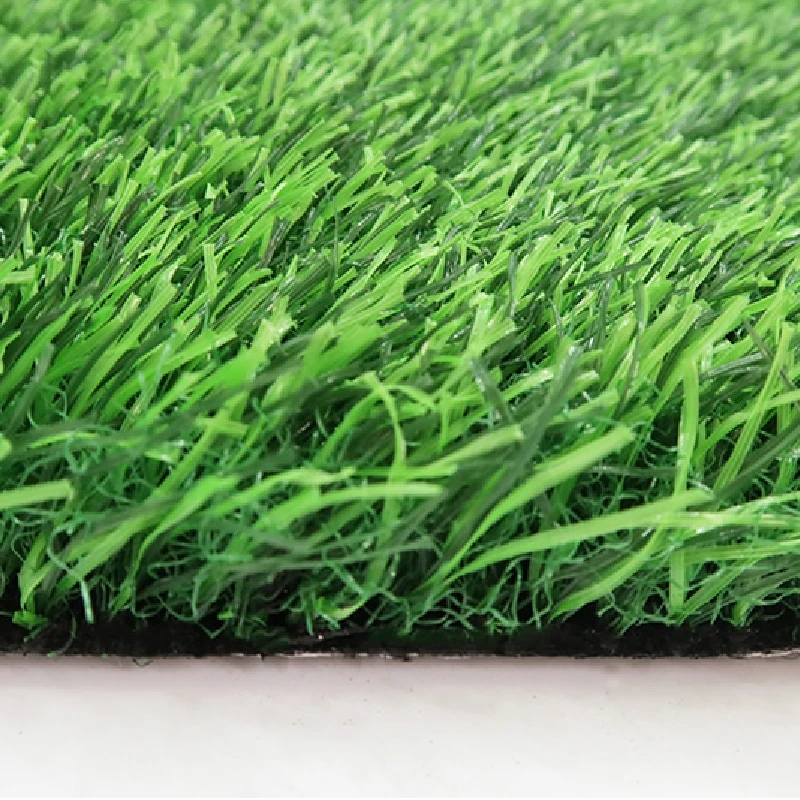
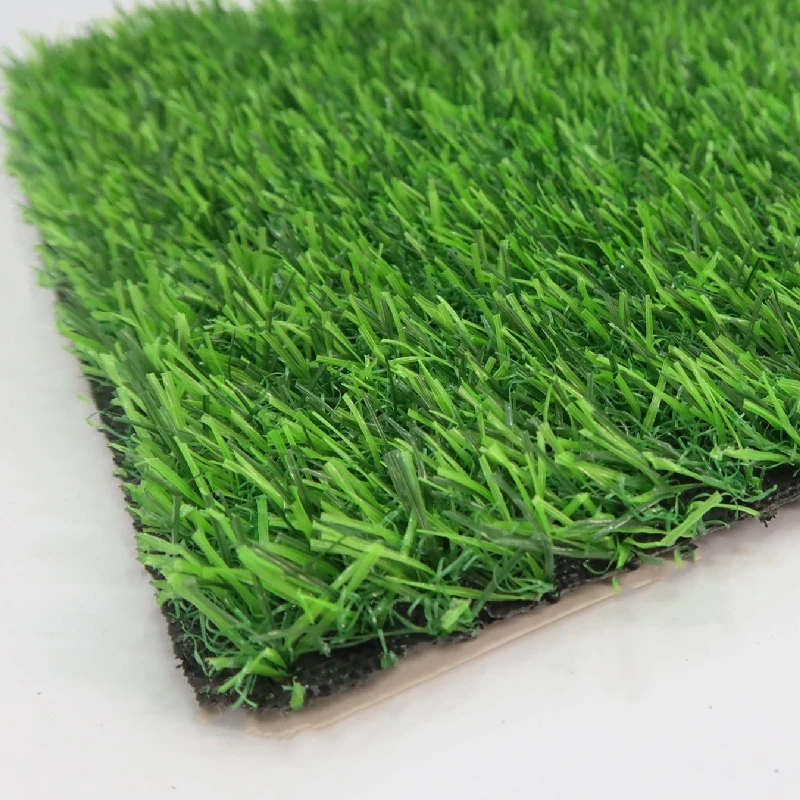
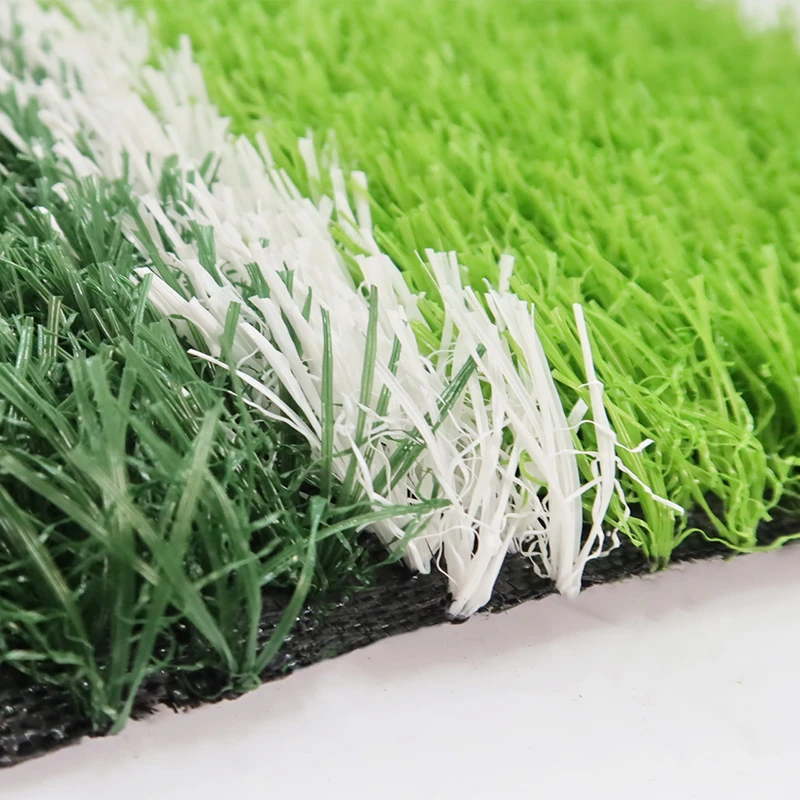
Simply put, this type of turf is an engineered synthetic surface designed to reflect more sunlight and retain less heat compared to conventional artificial grass. Unlike the standard dark green or black backing plastic turfs, these cool turfs use lighter-colored fibers, advanced materials, and specific pile designs to facilitate better airflow and reduce heat buildup.
These cooler surfaces serve modern needs in sports infrastructure, school yards, pet spaces, and even temporary event flooring. Interestingly, humanitarian organizations have started exploring these turfs for refugee camps and disaster relief zones—places where comfort and safety can be hard to come by but critical.
Key Characteristics in Practical Terms:
- Heat Reflectivity: Materials reflect sunlight, reducing temperature spikes.
- Permeability: Enhanced airflow helps cool the turf layer from beneath.
- Durability: Maintains structural integrity even under intense weather.
- Eco-Friendly Options: Some variants use recycled or bio-based polymers.
Mini Takeaway:
At its core, “turf that doesn’t get hot” integrates smart material science with design, meeting needs from playground use to disaster relief efforts.
Core Components That Keep Turf Cool
1. Fiber Material & Color
Light-colored fibers tend to absorb less heat. Many manufacturers now use specially formulated polyethylenes combined with UV inhibitors to keep turf cool—even under prolonged sun exposure.
2. Backing Perforation and Drainage
Airflow is crucial. Advanced turfs use perforated backings and innovative drainage systems that let heat escape downward, instead of becoming trapped.
3. Infill Choices
The traditional black crumb rubber infill brings heat retention issues. Switching to organic infill or coated sand significantly reduces temperature.
4. Installation Techniques
Proper sub-surface preparation, including layers of reflective membranes or sand bases, can further mitigate heat.
Mini Takeaway:
Manufacturing turf that stays cool isn’t random—it’s a clever combo of fibers, backing properties, infill choices, and installation methods working in concert.
Where Is Turf That Doesn’t Get Hot Making a Difference?
Applications range widely—from residential rooftop gardens in New York City to sports arenas in extremely hot regions like Dubai. In Europe, schools in Spain and Italy are adopting cooler turf to keep playgrounds safe. NGOs working in disaster zones in Africa and Asia use portable cool turf pads for temporary shelters, enhancing comfort and reducing heat-related illness risks.
Industry prefers cool turf for warehouses and factory worker rest areas where air conditioning isn’t practical outdoors. NASA even experimented with cool surfaces to manage heat on launchpads.
Mini Takeaway:
Cool surface turf technology is no niche product—it’s crossing boundaries from elite sports to humanitarian aid to commercial use.
Product Specifications at a Glance
| Feature | Standard Turf | Cool Turf |
|---|---|---|
| Surface Temperature (max) | 60–65°C (140–149°F) | 35–40°C (95–104°F) |
| Fiber Material | Polyethylene (dark) | UV-treated polyethylene (light) |
| Backing | Non-perforated rubber | Perforated synthetic with drainage |
| Infill | Crumb rubber | Treated organic granules |
| Warranty | 5–8 years | 8–10 years |
Comparing Leading Vendors of Cool Turf Solutions
| Vendor | Cool Turf Technology | Price Range (per m²) | Lead Time | Eco Certifications |
|---|---|---|---|---|
| CoolGrass Inc. | Reflective fiber + organic infill | $30–$45 | 4 weeks | ISO 14001 |
| EcoTurf Solutions | Perforated backing + UV fibers | $25–$40 | 3–5 weeks | LEED Certified |
| SunCool Turf | Light-colored fibers + sand drainage infill | $35–$50 | 5 weeks | ISO 9001, GreenGuard |
Advantages – Why Should You Choose Cool Turf?
- Cost Reduction over Time: Less heat means less cooling expenses for nearby buildings.
- Enhanced Safety: Safer surfaces for children and athletes, decreasing burns and heat illnesses.
- Environmental Benefit: Reduced urban heat island effect and often recyclable materials.
- Comfort & Aesthetics: Inviting spaces that encourage outdoor activity year-round.
Frankly, it’s a win-win in terms of social impact and innovation; investors and urban planners alike are paying attention.
Looking Ahead: Innovations and Trends in Cool Turf
Recent research incorporates nano-coatings and phase-change materials to actively absorb and release heat. Digital landscaping tools paired with thermal imaging help customize turf installations for the coolest outcomes in specific microclimates. Green energy initiatives incorporate cool turf into solar panel arrays and rooftop gardens to maximize overall heat management and sustainability.
Automation in manufacturing is enabling bespoke fiber colors and patterns to improve both aesthetics and cooling performance. It’s not just about function anymore; it’s about blending seamlessly into living environments.
Challenges and Solutions You Should Know
One persistent challenge is balancing turf durability with cooling ability. Lighter fibers sometimes wear out faster or show dirt easily, which calls for ongoing product innovation. Additionally, some cool turfs may be slightly more expensive upfront—a hurdle in cost-sensitive projects.
That said, innovative infill materials made from recycled agricultural waste and improved fiber coatings help overcome cost and durability trade-offs. Staff training on installation techniques further enhances lifespan and performance.
FAQ: Practical Questions About Turf That Doesn’t Get Hot
Q1: How much cooler is turf that doesn’t get hot compared to standard artificial grass?
A1: Typically, cool turf surfaces reduce peak temperatures by 20–25°C, making playgrounds and sports fields significantly safer for direct contact on sunny days.
Q2: Can cool turf be installed in existing sports fields without major renovations?
A2: Yes, many cool turf products are designed as direct replacements for traditional turf and can often be installed with minimal sub-surface adjustments, saving time and costs.
Q3: Are these turfs eco-friendly?
A3: Many manufacturers now use recyclable fibers and organic infills, plus eco-conscious production methods that meet ISO 14001 or LEED standards, making them a greener choice.
Q4: How long does cool turf last under harsh sunlight?
A4: With proper UV protection and maintenance, cool turf typically lasts 8–10 years, longer than some older turf systems.
Q5: Are there any specific regions where cool turf is most beneficial?
A5: Cool turf is particularly valuable in hot climates—think southern US, Middle East, Australia—but even temperate zones benefit by reducing seasonal heat spikes.
If you’re curious to see some of this turf in action or want to explore options for your next project, consider visiting turf that doesn t get hot for detailed info and expert consultations.
Wrapping It Up
“Turf that doesn’t get hot” isn’t just a technical detail for surface designers; it’s part of a broader movement to make outdoor spaces safer, cooler, and more enjoyable. Its long-term benefits touch on economics, ecology, and even social well-being. Whether it’s kids running freely on school grounds or communities creating safer urban oases, this cool turf technology is quietly changing how we interact with the outdoors.
For anyone considering a turf replacement or new installation where heat is a concern, this solution deserves a close look. And if you want to go deeper, head over to turf that doesn t get hot — you won’t be disappointed.
References
Latest news
-
Creating the Perfect Fake Grass Area for Dogs Complete Guide
NewsApr.16,2026
-
Guide to Using Fake Grass and Pets for a Pet Friendly Lawn
NewsApr.09,2026
-
Fake Grass and Dogs Creating a Pet Friendly and Durable Yard
NewsApr.07,2026
-
Maintaining a Pristine Lawn with Fake Grass and Dog Wee Management Solutions
NewsApr.04,2026
-
The Ultimate Guide to Choosing the Perfect Fake Dog Grass Patch for Your Pet
NewsMar.31,2026
-
Discover the Benefits of High Quality Fake Dog Grass for Potty Training
NewsMar.28,2026
Products categories