Welcome to Hoyarn
Call Us Any Time:+86 19801805999
Email Us: info@hoyarn.cn
Exploring Turf That Looks Like Grass: Benefits, Trends, and Applications
Nov . 27, 2025 08:35 Back to list
Exploring Turf That Looks Like Grass: Benefits, Trends, and Applications
Understanding Turf That Looks Like Grass: Why It Matters Today
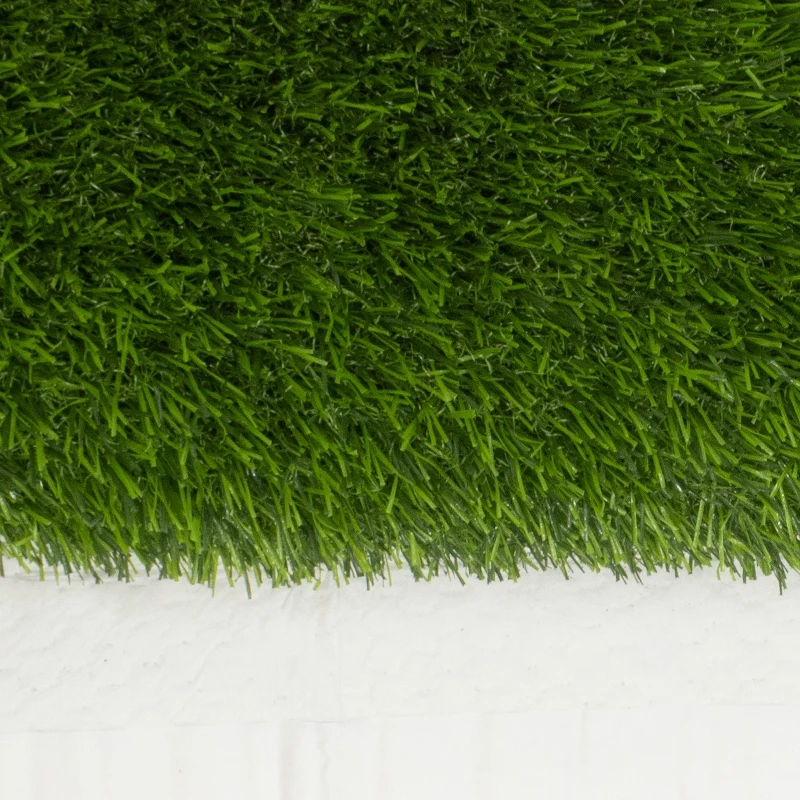
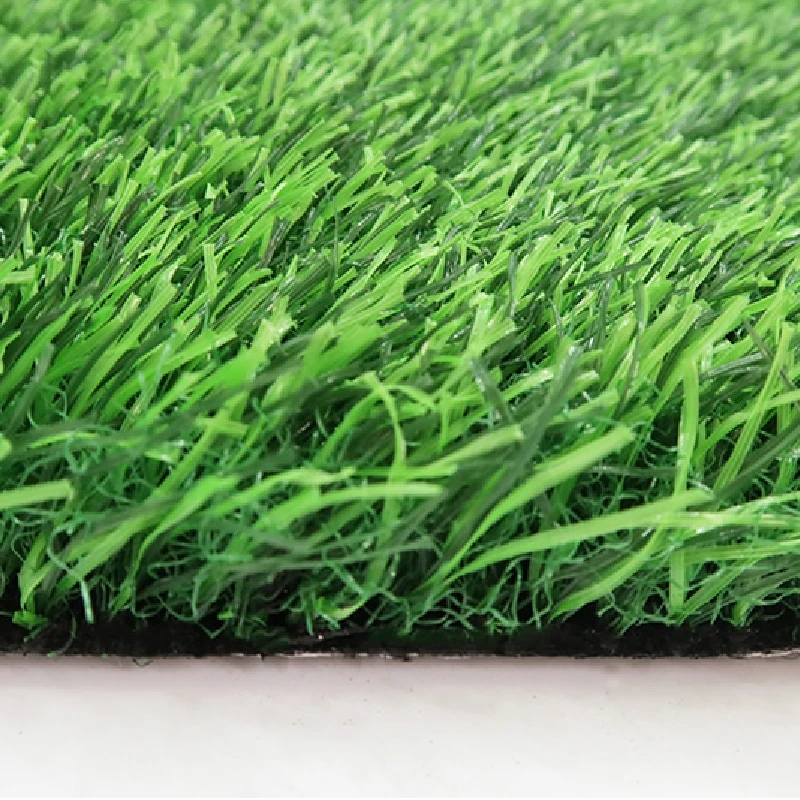
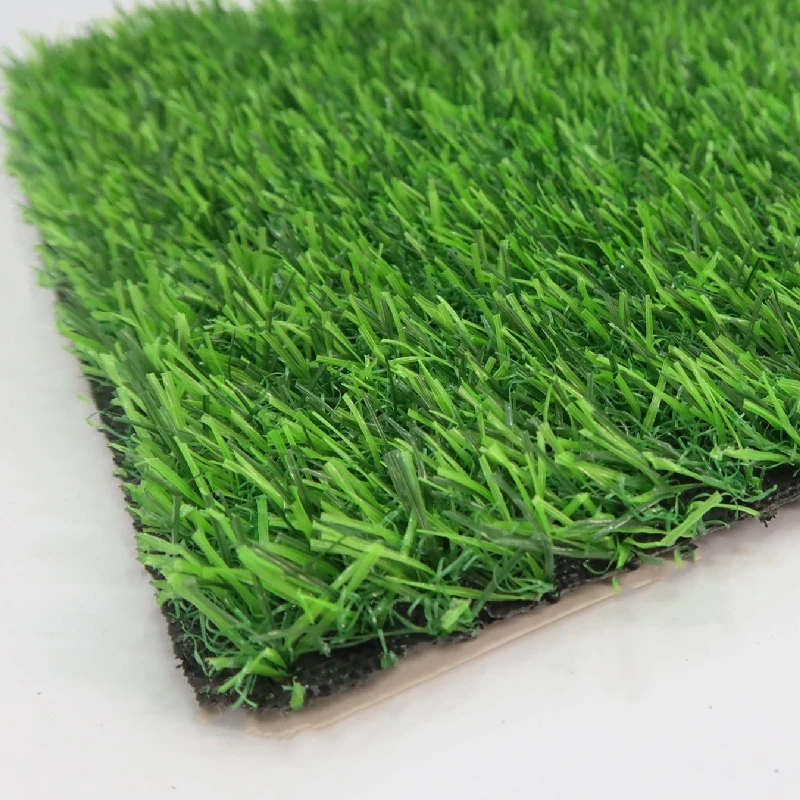
There’s something quietly transformative about turf that looks like grass. At first glance, it’s just a simple synthetic product designed to mimic the look and feel of natural grass. But zoom out a bit and you glimpse its enormous role in sustainability, urban planning, and even sports safety worldwide. More cities, businesses, and homeowners have embraced it to reduce water consumption and maintenance costs while keeping outdoor spaces visually appealing. For the eco-conscious or simply those yearning for a lush lawn without the hassle, understanding turf that replicates grass is becoming a modern necessity.
The Global Context: Why Turf That Looks Like Grass Is Booming
With the UN estimating that by 2050 around 68% of the world’s population will live in urban areas, green spaces are both more valuable and scarcer than ever. Natural lawns demand considerable water and chemical inputs, which strain resources. Turf that looks like grass offers a compelling solution, reducing water use by up to 90% in some cases according to ISO environmental reports. Plus, regions grappling with drought or extreme weather can maintain greenery without the usual upkeep, alleviating some urban environmental stress.
But here’s a snag: not all artificial turf properties are equal, and there’s a fine line between durable, eco-friendly products and cheaper, quick-fix options that don’t last. That’s why understanding the details — cost, materials, installation, performance — really pays off.
What Is Turf That Looks Like Grass?
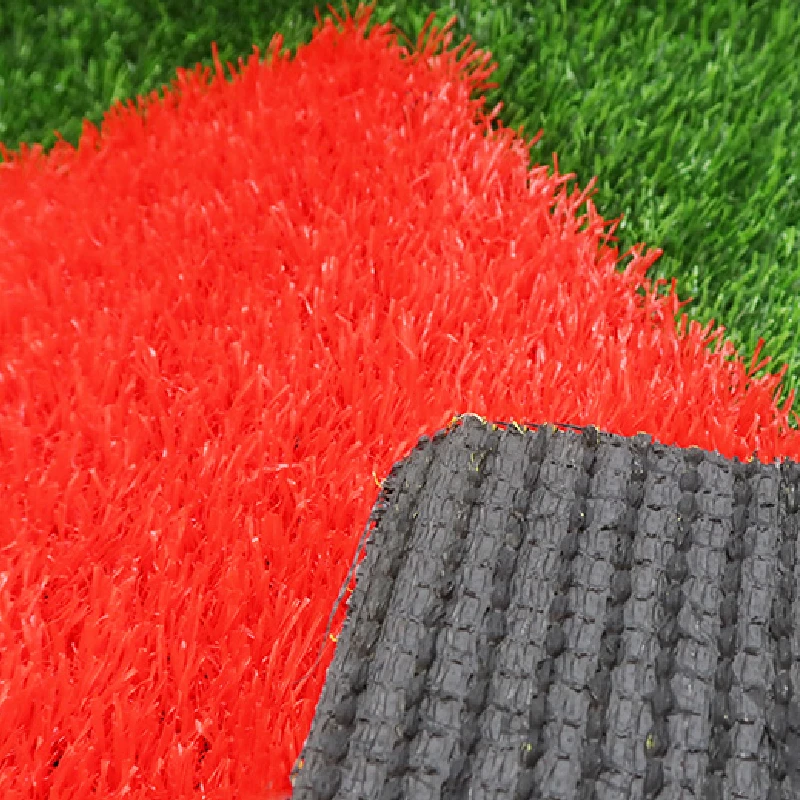
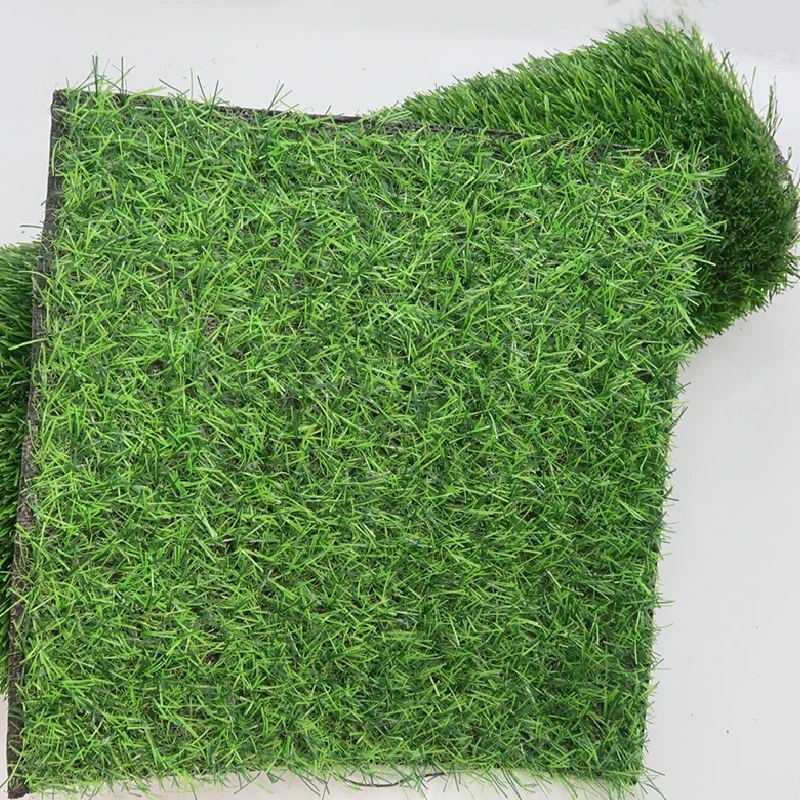
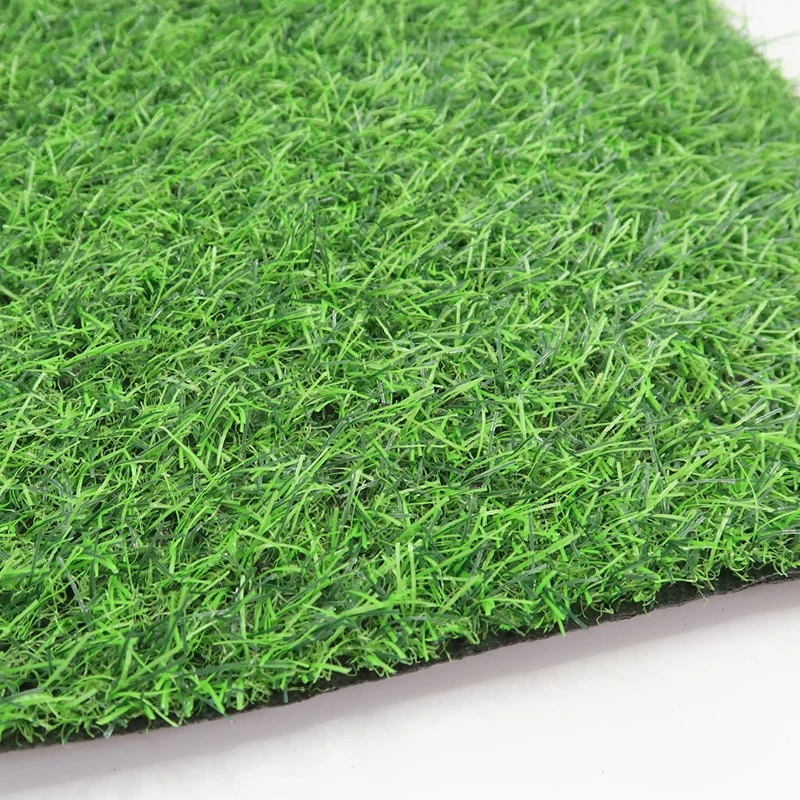
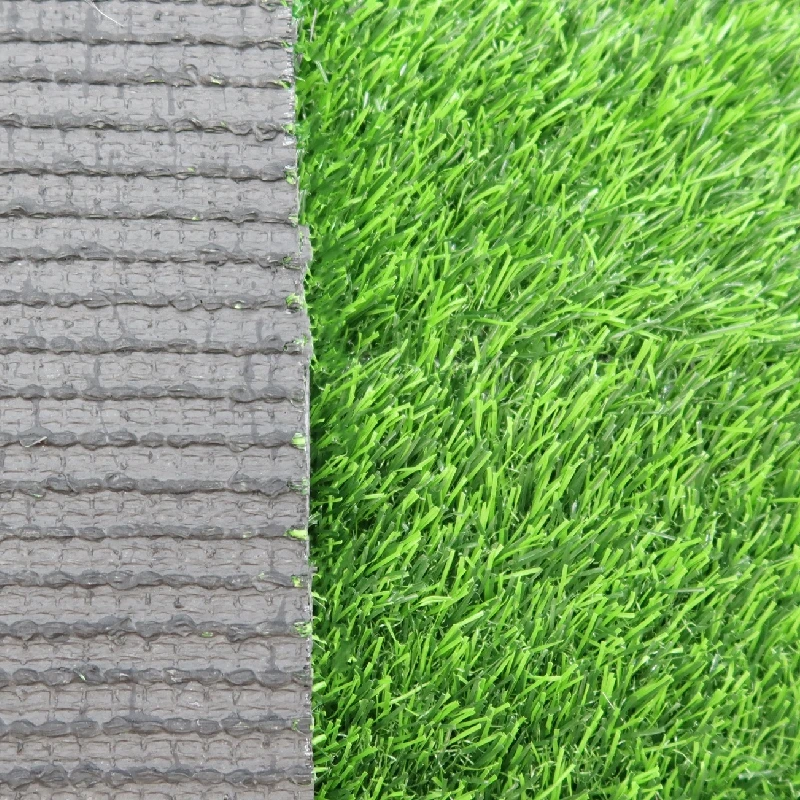
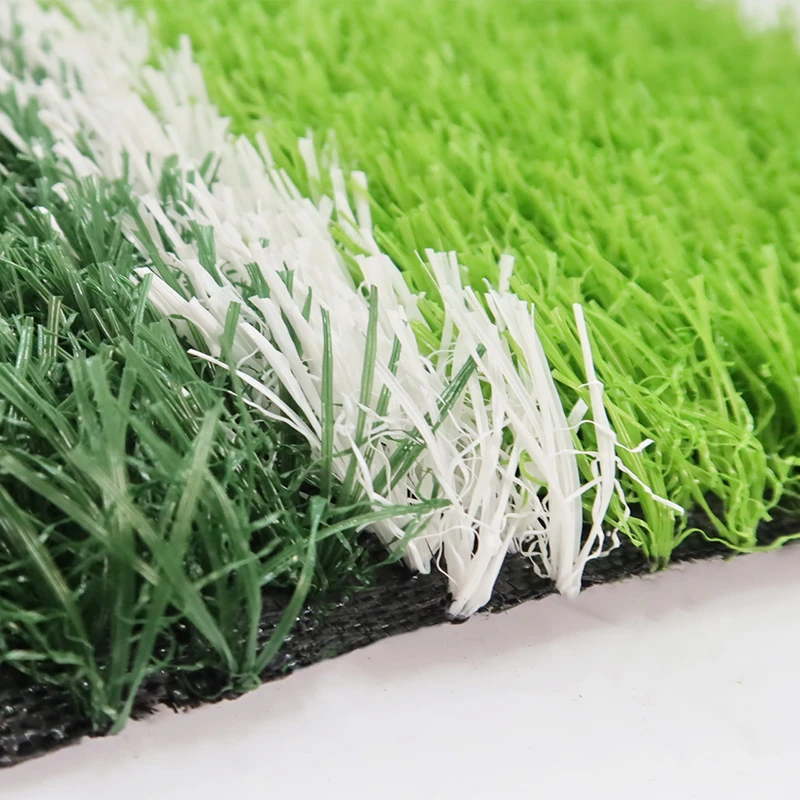
Put simply, turf that looks like grass is a synthetic surface made to imitate natural grass in appearance and texture. Typically crafted from polyethylene, polypropylene, or nylon fibers woven into a backing material, it can be customized for softness, color, and density. But it’s not just a cosmetic replacement. Its origins trace back to the need for consistent playing fields in stadiums without the pitfalls of muddy or patchy grass.
Nowadays, the scope has broadened dramatically. From industrial rooftops to playgrounds, and even indoor landscaping, turf serves practical purposes—including durability and low maintenance—to humanitarian needs such as creating safe recreational spaces in urban communities that lack green areas.
Key Aspects Driving Modern Turf Success
1. Durability
One of the top priorities for turf that looks like grass is its resistance to weather extremes and heavy foot traffic. Many manufacturers treat fibers to resist UV fading and wear, meaning playgrounds and sports fields retain their look for years.
2. Water Conservation
Artificial turf slashes water use significantly — a real boon in drought-prone locales. No mowing or watering means fewer emissions from gas-powered equipment, reducing the carbon footprint too.
3. Installation Flexibility
Apart from traditional lawns, turf adapts well to uneven terrain, rooftop gardens, and even indoors. The quick installation timeline is often cited by landscapers as a game-changer.
4. Safety and Comfort
Earlier generations of turf felt hard and abrasive, but new cushioning technologies mean less injury risk—something especially valuable in schools and sports facilities.
5. Cost-Efficiency
Upfront costs may be higher than seeding natural grass but factor in reduced maintenance, watering, and chemical use, and the lifetime value grows.
| Feature | Details |
|---|---|
| Material | Polyethylene fibers with latex backing |
| Pile Height | 20–40 mm (varies by use) |
| UV Protection | Included; prevents fading for up to 8 years |
| Drainage Rate | 10 inches/hr typically; depends on backing |
| Life Expectancy | 8–15 years depending on use and maintenance |
Real-World Applications: Turf That Looks Like Grass in Action
From the Google campuses in Silicon Valley to drought-sensitive suburbs in Australia, synthetic turf is delivering on promises. In urban parks lacking reliable irrigation, it’s enabled vibrant play spaces that require far less upkeep. Some remote industrial zones deploy it on temporary sites where maintenance crews are scarce.
In sports, stadiums like the NBA’s Staples Center use high-end artificial turf to tolerate constant use without the expense of natural grass replacement. Meanwhile, disaster relief organizations sometimes lay down turf post-flood to quickly restore communal spaces — a bit of greenery that lifts spirits and restores a sense of normalcy.
A Quick Comparison of Leading Turf Suppliers
| Vendor | Material Quality | Eco Certifications | Price Range (USD/sq ft) | Warranty |
|---|---|---|---|---|
| GreenLawn Pro | Premium HDPE fibers | ISO 14001 | $5.50 – $7.00 | 10 years |
| EcoTurf Solutions | Recycled polyethylene blend | LEED certified | $4.75 – $6.25 | 8 years |
| FieldMaster Turf | Nylon reinforced fibers | None | $6.00 – $7.50 | 12 years |
Why Choose Turf That Looks Like Grass? The Long-Term Payoff
It’s tempting to look at upfront costs and balk, but once you factor in water bills, lawn service, fertilizers, and lost weekend hours, the equation tilts the other way. Then there’s the emotional piece — less worry about brown patches before a barbecue, or muddy messes after a rainstorm. For urban dwellers wanting a touch of nature’s feel without nature’s demands, it’s a win.
Socially, some nonprofits highlight turf’s role in creating safe, clean recreational spaces in underserved areas—a subtle but powerful boost for community health and well-being.
The Future: What’s Next for Turf That Looks Like Grass?
Material scientists are busy developing biodegradable fibers and coatings that further reduce environmental impact. Some firms are integrating smart sensors beneath turf surfaces to monitor usage or moisture levels remotely, marrying green with digital innovation. Policy-wise, expect stricter eco standards from governments encouraging sustainable landscaping practices.
Practical Challenges and Smart Fixes
Not everything’s perfect. Heat absorption can make some turf uncomfortably warm underfoot. Also, cheaper turfs risk fiber breakdown, creating microplastics concerns. But companies are tackling these issues by adding cooling infills or developing hybrid surfaces that combine real and synthetic elements. Installation also requires expertise to avoid drainage problems or uneven wear zones.
FAQs About Turf That Looks Like Grass
- Is artificial turf suitable for pets and children?
- Yes, many turfs are designed with non-toxic materials and built to handle pet activity. Good drainage also helps prevent odors, but regular cleaning is key.
- How long does turf that looks like grass typically last?
- Roughly 8 to 15 years depending on the quality, installation, and usage. Higher traffic areas may need replacement sooner.
- Can turf help reduce urban heat islands?
- While turf is cooler than asphalt, it generally absorbs more heat than natural grass. Innovations with cooling materials are addressing this challenge.
- Is turf maintenance really minimal?
- Compared to natural grass, yes. It requires no mowing or watering, but occasional brushing and debris removal keep it looking fresh.
- Can I install turf on a rooftop or balcony?
- Absolutely, many urban dwellers use turf to create green outdoor spaces on rooftops or balconies where traditional lawns aren’t feasible.
Wrapping Up: Making Turf That Looks Like Grass Work For You
It feels like artificial turf really hits a unique sweet spot—offering the look and feel of a natural lawn with a fraction of the effort and environmental cost. While not a perfect replica of nature itself, it plays a crucial role in urban sustainability, sports, and recreation worldwide.
Interested in exploring the options? Visit our website for detailed product guides and expert consultations on turf that looks like grass.
References
Latest news
-
Creating the Perfect Fake Grass Area for Dogs Complete Guide
NewsApr.16,2026
-
Guide to Using Fake Grass and Pets for a Pet Friendly Lawn
NewsApr.09,2026
-
Fake Grass and Dogs Creating a Pet Friendly and Durable Yard
NewsApr.07,2026
-
Maintaining a Pristine Lawn with Fake Grass and Dog Wee Management Solutions
NewsApr.04,2026
-
The Ultimate Guide to Choosing the Perfect Fake Dog Grass Patch for Your Pet
NewsMar.31,2026
-
Discover the Benefits of High Quality Fake Dog Grass for Potty Training
NewsMar.28,2026
Products categories