Welcome to Hoyarn
Call Us Any Time:+86 19801805999
Email Us: info@hoyarn.cn
Comprehensive Guide to Turf Pieces: Benefits, Uses, and Trends
Nov . 27, 2025 03:50 Back to list
Comprehensive Guide to Turf Pieces: Benefits, Uses, and Trends
What Are Turf Pieces and Why Do They Matter Worldwide?
If you’ve ever walked barefoot on a lush patch of grass or admired the neat segments of a sports field, you’ve encountered turf pieces in their most familiar form. But turf pieces aren’t just about aesthetics or comfort — they represent an industry that balances nature, technology, and sustainability. Globally, turf pieces are becoming critical in urban planning, sporting venues, environmental management, and even humanitarian efforts.
Understanding turf pieces and their benefits helps countries and industries reduce environmental footprints, encourage greener cities, and even address land degradation. The benefits? They’re not just green patches but carefully engineered products that restore soil, support outdoor activities year-round, and contribute to climate resilience.
The Global Context: Why Turf Pieces Are Gaining Momentum
From sprawling parks in Europe to newly deployed sports arenas in Asia, turf pieces are pushing boundaries. The United Nations Environment Programme estimates urban green spaces can reduce ambient temperatures by up to 5°C — a crucial figure as cities heat up. Meanwhile, the global demand for sports turfs alone is projected to reach $4 billion by 2030 across multiple continents.
Yet, there’s a bigger story here. Turf pieces help combat soil erosion, reduce water runoff, and contribute to carbon sequestration. The challenge? Not all turf pieces are created equal, and many developing regions struggle with poor-quality materials or installation techniques. That’s where reliable, well-designed turf pieces come in to transform landscapes and local economies.
Breaking Down Turf Pieces: What Exactly Are They?
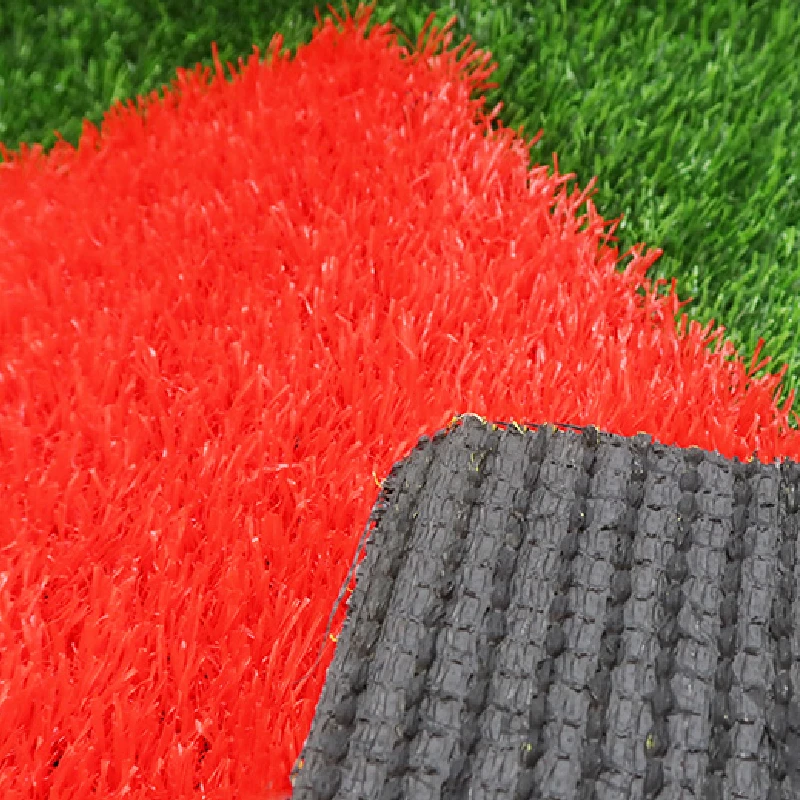
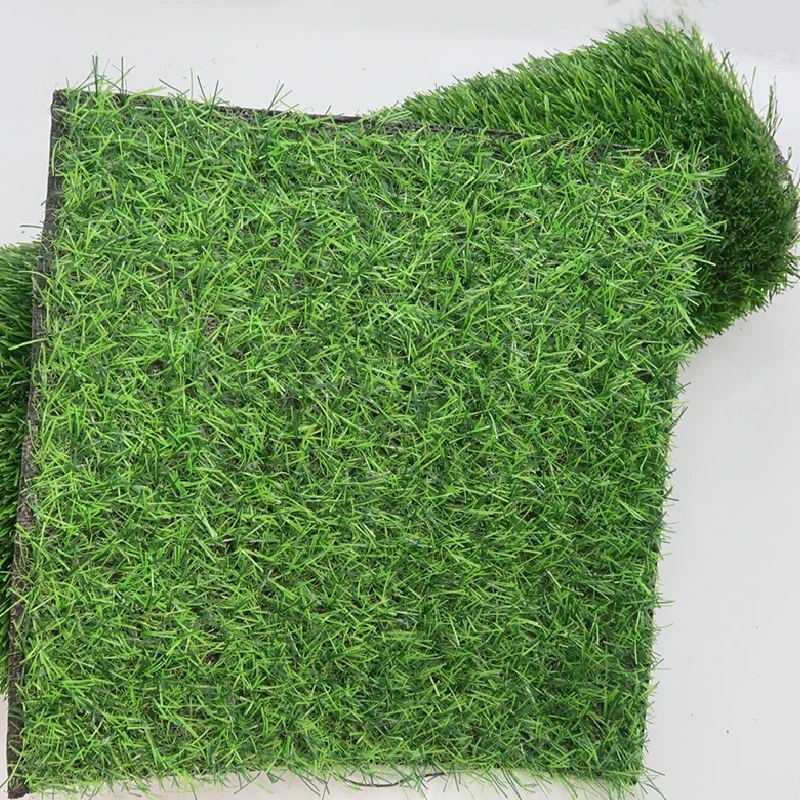
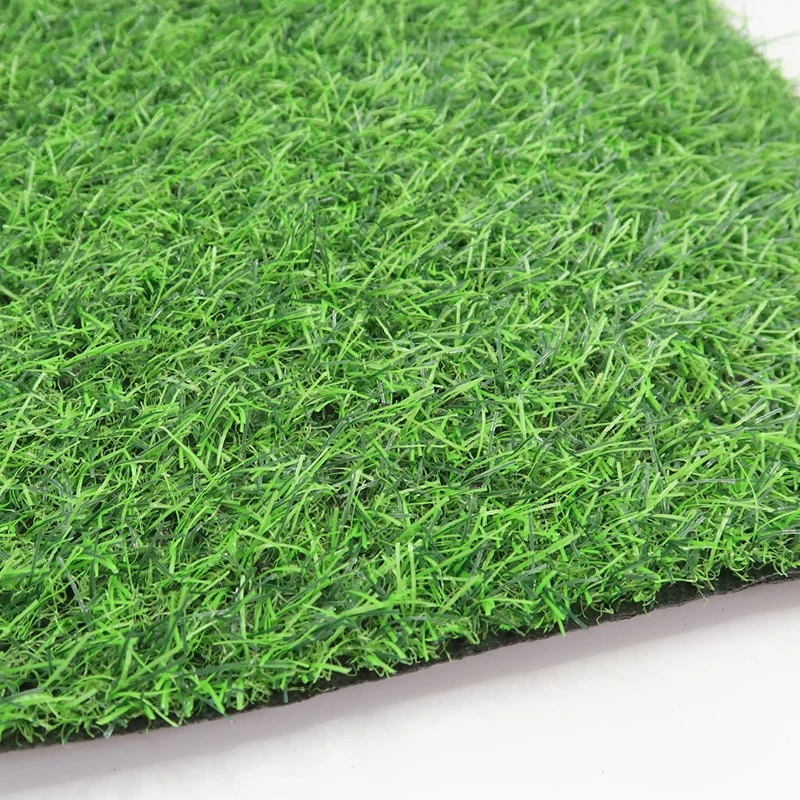
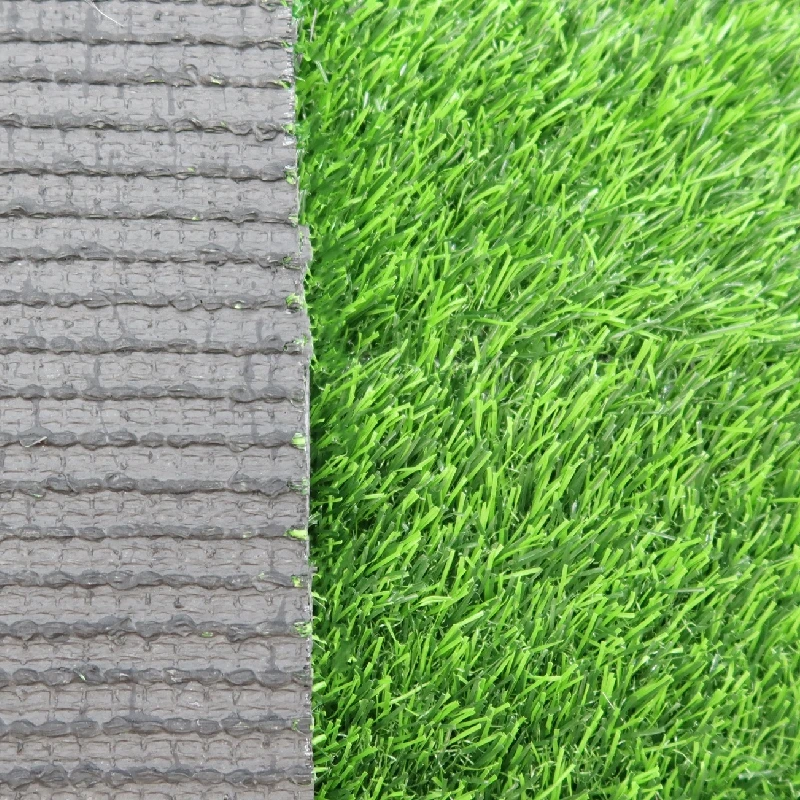
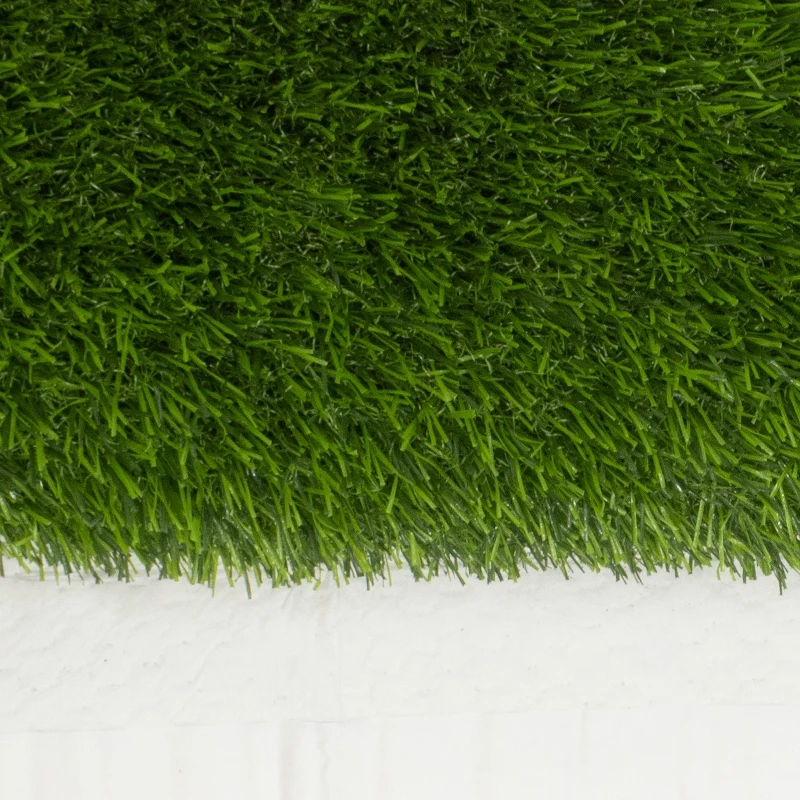
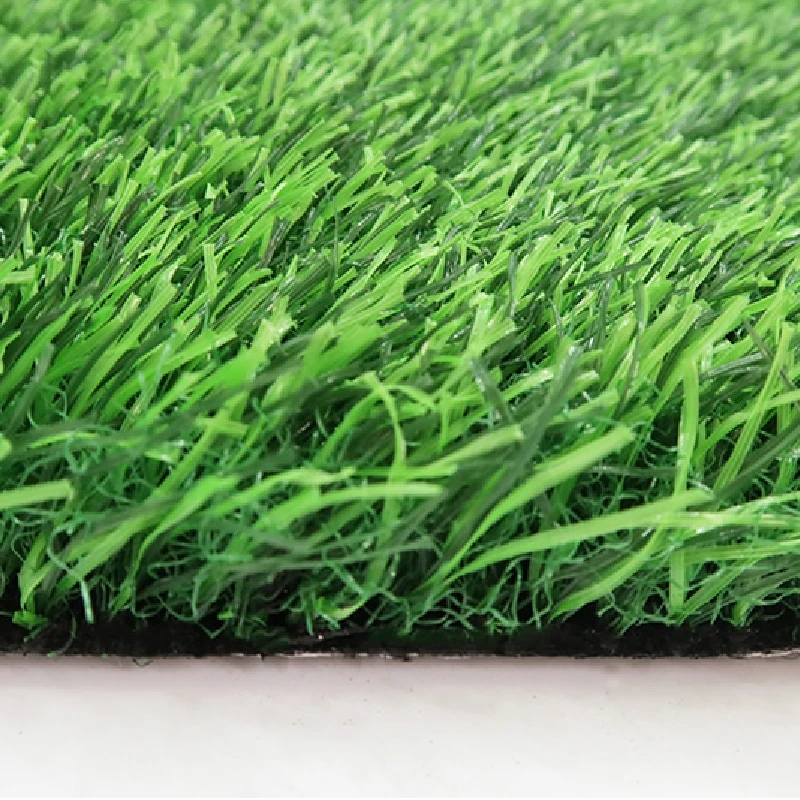
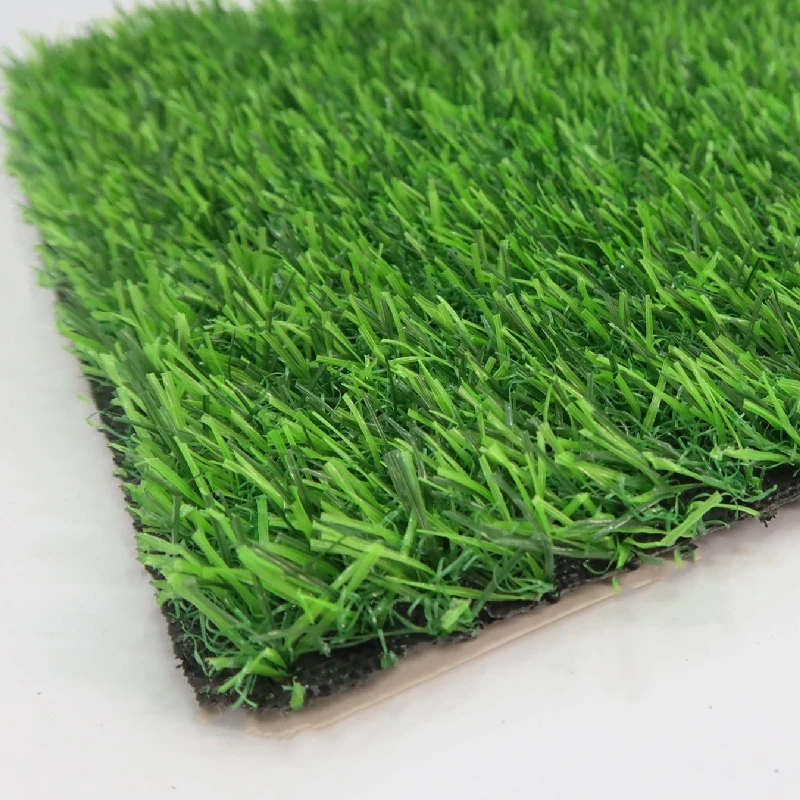
Simply put, turf pieces are sections or panels of natural or synthetic grass designed for easy installation, replacement, or customization. They can be harvested sod rolls, precut lawn sections, or even modular segments of artificial turf that snap together.
In modern industries—think: urban landscaping, sports facility management, or even temporary event grounds—turf pieces serve as quick, practical solutions. They blend craftsmanship with technology. In humanitarian settings, such as rebuilding parks after disasters, turf pieces provide rapid greening solutions that help restore community spaces and local ecosystems.
Key Factors to Consider About Turf Pieces
Durability
Turf pieces must withstand foot traffic, weather, and sometimes mechanical wear. Natural turf is tender, needing care, but properly prepared and thick turf pieces can last through seasons of use. Synthetic turf pieces are crafted from materials like polyethylene or nylon, offering year-round durability without the need for water.
Cost Efficiency
It’s not uncommon for purchasers to weigh upfront price versus maintenance. Natural turf pieces cost less initially but require watering, mowing, and fertilizing. In contrast, synthetic turf pieces have higher installation costs but lower upkeep — and they last longer in high-use environments.
Scalability and Customization
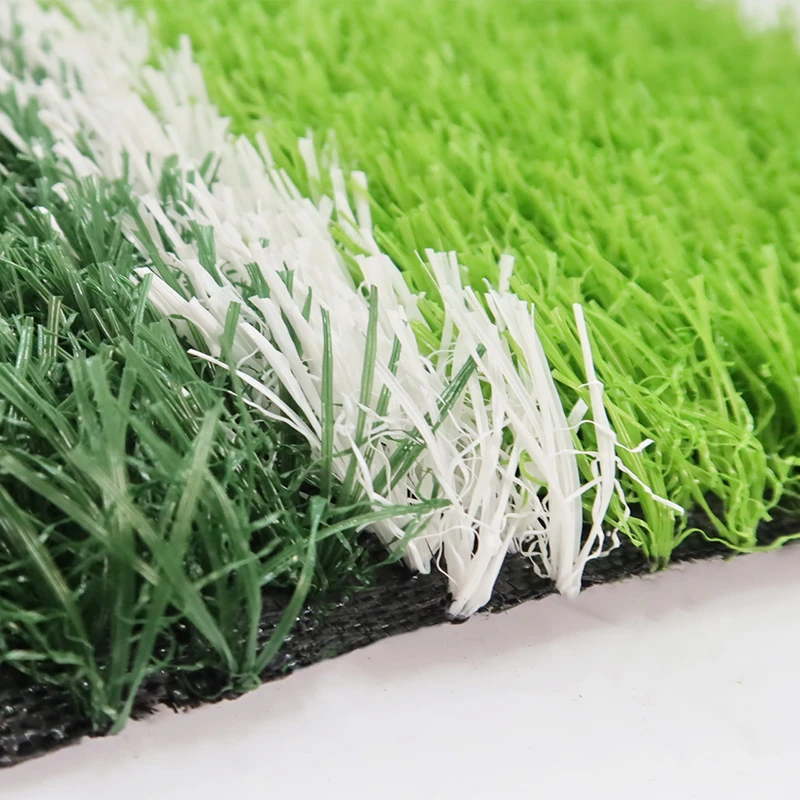
Modular turf pieces allow landscapers and planners to scale projects up or down easily. Need a small turf patch for a courtyard or expansive fields? Sizes and shapes adjust accordingly. Plus, artificial turf pieces come customized with infills, color blends, and pile height variations tailored to the final use.
Sustainability
Organic turf pieces contribute to carbon absorption and local biodiversity; however, they require significant water and energy inputs. Meanwhile, some new synthetic turf pieces are developed with recycled materials, aiming to balance durability and environmental impact.
Installation Speed
Depending on the project, fast deployment of turf pieces can save weeks or even months of landscaping work — a huge advantage for stadiums prepping for tournaments or municipalities establishing parks ahead of events.
Mini takeaway: Whether natural or synthetic, turf pieces marry convenience with performance, and understanding these key factors helps you select what truly fits your environment and budget.
Global Turf Pieces Use Cases: From Sports Arenas to Disaster Zones
- Sports and Recreation: Major league soccer fields in Europe and baseball stadiums in America rely on precision-cut turf pieces for quick recovery and field rotation.
- Urban Greening: Cities from Tokyo to Toronto use turf pieces to green rooftops and open spaces, aiding urban heat island mitigation.
- Post-Disaster Relief: Organizations like the Red Cross integrate turf pieces in rebuilding community parks after floods or earthquakes, helping restore social cohesion.
- Industrial Applications: Remote mining camps or oil exploration zones implement synthetic turf pieces for clean, safe work environments.
Mini takeaway: Turf pieces meet needs far beyond sport, shaping spaces across disaster relief, urban development, and industrial safety.
Advantages & Long-Term Value of Turf Pieces
In real terms, turf pieces are about more than grass. They're about preserving the dignity and wellbeing of communities, creating safe play areas for kids, and leaving behind greener footprints. Financially, they reduce expenditure on frequent soil replacement or patch repairs. Socially, they foster open, green spaces in dense urban areas, supporting mental health and community engagement.
Environmentally, turf pieces often cut down water usage, enhance soil retention, and when made from recycled synthetic materials, embody circular economy principles. Emotionally, there's comfort in knowing a playing field won’t turn to mud after rain or a park space isn’t just empty dirt.
Product Specifications: A Closer Look at Popular Turf Pieces
| Specification | Natural Turf Pieces | Synthetic Turf Pieces |
|---|---|---|
| Material | Organic grass and soil | Polyethylene, nylon, polypropylene fibers |
| Average Lifespan | 5-10 years with maintenance | 10-15 years depending on use |
| Water Requirement | High (daily irrigation in dry climates) | None |
| Installation Time (per 100m²) | 2-3 days | 1-2 days |
| Maintenance | Regular mowing, fertilizing | Brushing, occasional cleaning |
Top Vendors of Turf Pieces Compared
| Vendor | Product Range | Lead Time | Eco Initiatives | Price Level |
|---|---|---|---|---|
| GreenScape Solutions | Natural, synthetic & hybrid turf pieces | 2 weeks | Recycles plastic waste into turf fibers | Mid-range |
| EverTurf Industries | Primarily synthetic turf pieces | 1 week | Focus on low-energy manufacturing | Premium |
| EcoGreen Turf | Organic turf pieces, compostable backing | 3 weeks | 100% biodegradable solutions | Mid to high |
Future Trends and Innovations In Turf Pieces
The world of turf pieces is evolving fast. Advancements in bioengineered grass species promise natural turfs with better drought resistance and pest resilience. On synthetic fronts, manufacturers are experimenting with cooling infills to combat heat retention on artificial surfaces — a particular issue in sunny climates.
Digital technologies like drone-based thermal mapping now help landscapers monitor turf health remotely, reducing water and fertilizer use substantially. And oddly enough, some startups are merging turf with solar technologies, embedding micro solar films beneath synthetic turf to generate clean energy from unused outdoor spaces.
Challenges and Solutions in Turf Pieces Usage
Despite many advances, challenges linger. For natural turf, water scarcity and maintenance costs remain hurdles especially in arid regions. Synthetic options, while low-maintenance, face criticism for microplastic pollution and eventual disposal problems.
Innovative solutions are cropping up. Hybrid turf systems combine hardy natural grasses with synthetic bases to cut down water use without sacrificing playability. Recycling programs and biodegradable fibers also tackle the synthetic turf lifecycle worry.
Frequently Asked Questions About Turf Pieces
- Q: How long do natural turf pieces typically last?
A: With proper care—including regular watering, mowing, and fertilization—natural turf pieces can last 5 to 10 years. Harsh climates may shorten this, so consulting local specialists helps optimize lifespan. - Q: Are synthetic turf pieces environmentally friendly?
A: Synthetic turf reduces water use and pesticides, but traditional products raise concerns about microplastics and disposal. New eco-friendly materials and recycling initiatives are improving their environmental profile. - Q: Can turf pieces be installed quickly for events?
A: Absolutely. Modular turf pieces can be laid down within days, making them ideal for events, temporary installations, or rapid landscaping projects. - Q: What maintenance do synthetic turf pieces need?
A: Synthetic turf requires periodic brushing to keep fibers upright, debris removal, and occasional antimicrobial treatments. Overall, maintenance is less resource-intensive than natural turf. - Q: Are turf pieces suitable for humanitarian projects?
A: Yes, turf pieces help restore green spaces rapidly in disaster zones, improving community morale and environmental health. Natural or synthetic options are chosen based on local conditions and resource availability.
Wrapping It All Up
Over time, turf pieces show up as unsung heroes in landscaping, sports, urban planning, and disaster recovery. They blend nature and technology, offering tangible benefits that touch everyday lives, economies, and even the planet. Whether you lean towards organic or synthetic, understanding the nuances helps you make informed decisions for enduring results—green, resilient, and fit for tomorrow’s challenges.
Curious to explore premium turf pieces for your next project? Visit turf pieces to discover cutting-edge options tailored to your needs.
References
Latest news
-
Creating the Perfect Fake Grass Area for Dogs Complete Guide
NewsApr.16,2026
-
Guide to Using Fake Grass and Pets for a Pet Friendly Lawn
NewsApr.09,2026
-
Fake Grass and Dogs Creating a Pet Friendly and Durable Yard
NewsApr.07,2026
-
Maintaining a Pristine Lawn with Fake Grass and Dog Wee Management Solutions
NewsApr.04,2026
-
The Ultimate Guide to Choosing the Perfect Fake Dog Grass Patch for Your Pet
NewsMar.31,2026
-
Discover the Benefits of High Quality Fake Dog Grass for Potty Training
NewsMar.28,2026
Products categories