Look, artificial grass rolls for sale, honestly, it’s been a wild year. Everyone’s talking about sustainable landscaping, right? Not just homeowners, but big developers, schools… even folks building pet parks. They're all scrambling for alternatives to real turf, and it’s not just about water conservation anymore. Labor costs for upkeep are killing people. Seriously, finding a good crew to mow and edge is harder than finding a parking spot downtown.
What’s really interesting is the demand for more realistic textures. People don't want that plastic-looking stuff anymore. They want something that feels good underfoot, that looks like it actually grew there. And it's gotten pretty good, I have to admit. We’re seeing a lot more multi-tone fibers, different pile heights... it’s not your grandma’s AstroTurf anymore. But believe me, getting that "natural look" is tricky.
You think it’s all just rolling out some green carpet, don't you? Ha! It's way more complex than that.
The Rise of Artificial Grass Rolls for Sale
To be honest, I’ve seen this coming for years. We started noticing the uptick around 2018, with the drought in California. But it’s not just about drought anymore. It’s about maintenance, it’s about consistency, and frankly, it's about making life easier for property managers.
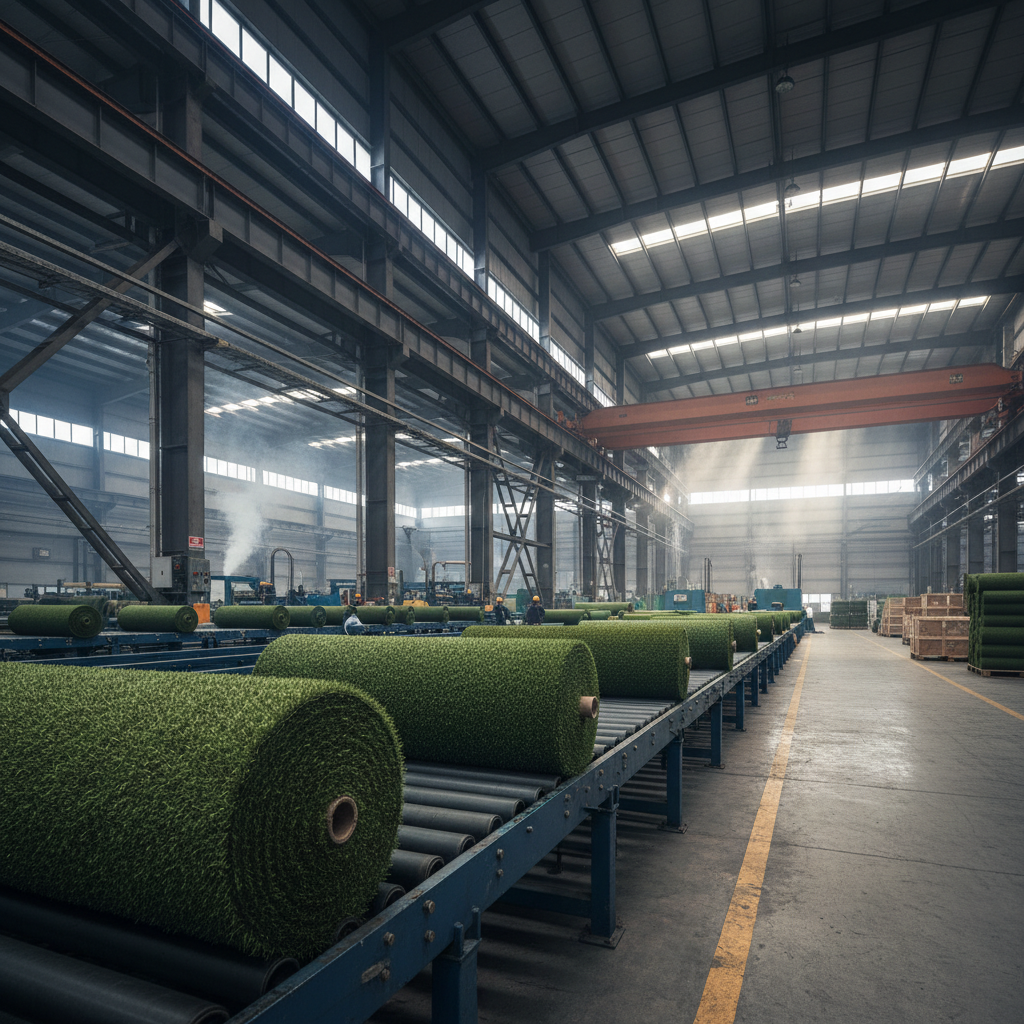
You see a lot of folks jumping into the manufacturing side, which is…well, it’s a mixed bag. Quality varies wildly. I’ve seen stuff that smells like burnt rubber after a week in the sun, and fibers that fall apart if you look at them wrong. That's why focusing on quality rolls, the ones that really hold up, is crucial.
Defining Artificial Grass Rolls for Sale
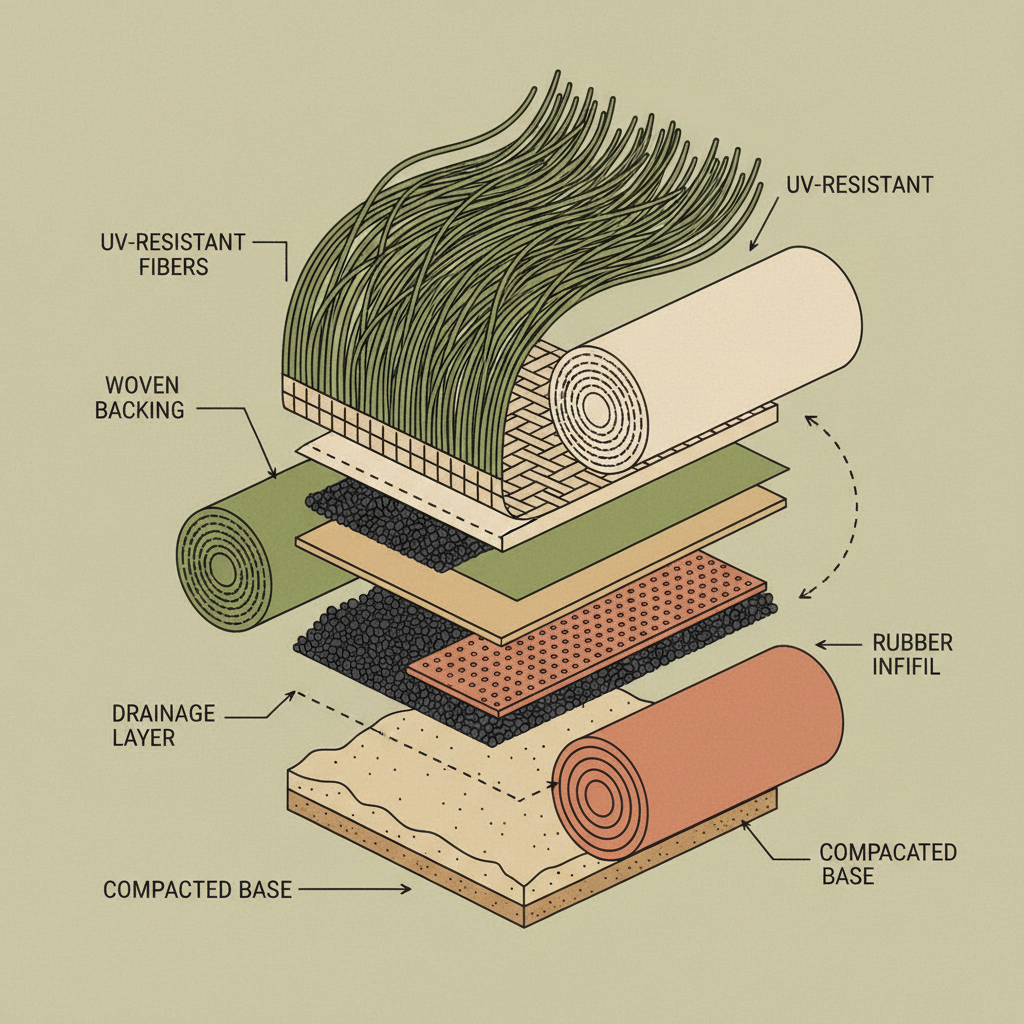
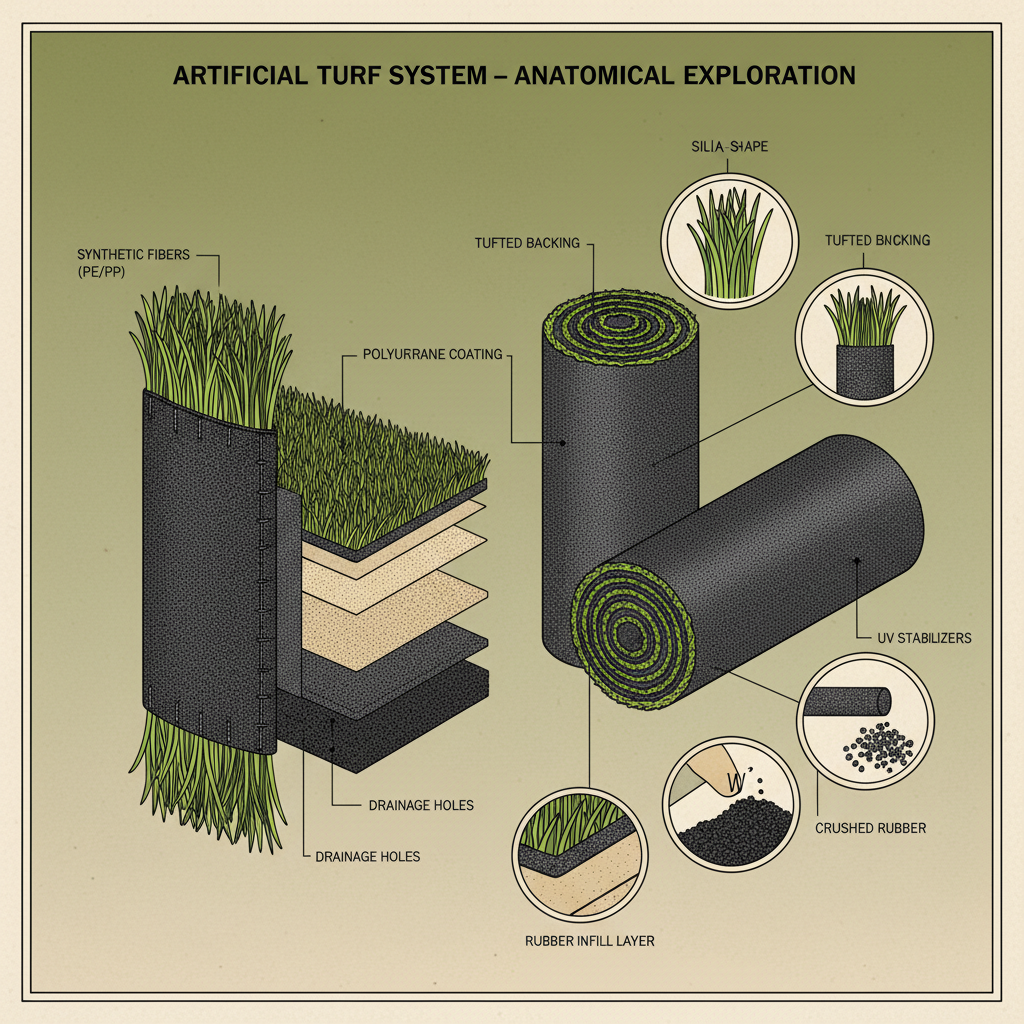
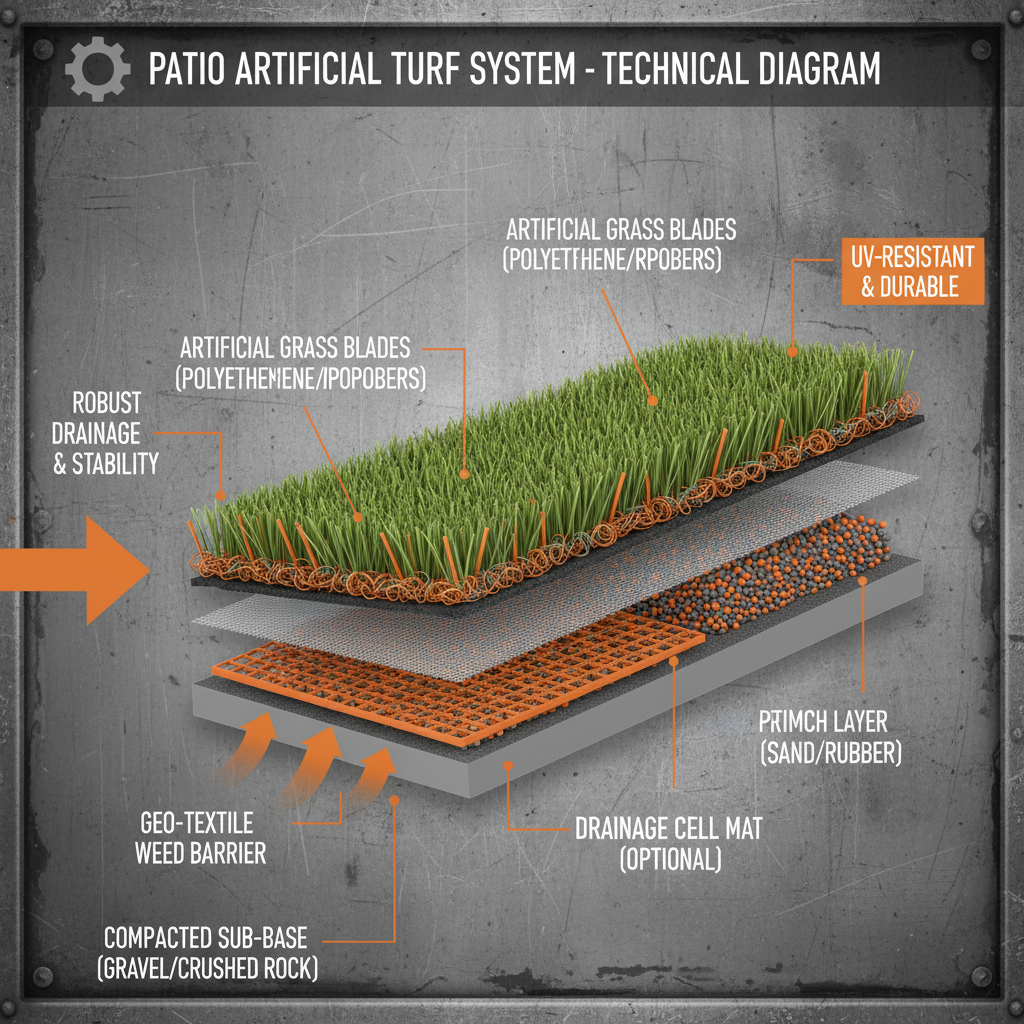
Okay, so what are we talking about? Artificial grass rolls for sale are essentially woven or tufted synthetic fibers designed to mimic the appearance and feel of natural grass. They typically consist of a polyethylene (PE), polypropylene (PP), or nylon base, with infill materials like crumb rubber or silica sand to provide support and cushioning. They come in rolls, obviously, of varying widths and lengths – usually 15ft to 20ft wide and anywhere from 25ft to 100ft long, depending on the manufacturer.
It’s not just about aesthetics anymore, though. It’s about functionality. These rolls need to be durable, UV-resistant, and able to drain properly. We're starting to see more “smart” artificial grass, too, with built-in irrigation systems or even sensors to monitor moisture levels. Fancy stuff, but it adds cost.
It all ties into the larger trend of sustainable landscaping, offering a solution for areas where natural grass struggles – think arid climates, heavily shaded spots, or high-traffic zones.
Key Components of Quality Artificial Grass Rolls for Sale
Now, let’s talk about what makes a good roll. First off, the fiber material. Polyethylene is the most common, it’s soft and looks realistic, but it can flatten over time. Polypropylene is cheaper, more durable, but doesn't look as good. Nylon is the premium option – super durable, resists wear and tear, but it's also the most expensive. I encountered this at a factory in Changzhou last time, they were blending PP and PE to get a balance, strangely, the result wasn’t bad.
Then you’ve got the backing. This is critical. It needs to be strong enough to hold everything together, but also permeable enough to allow for drainage. A lot of cheaper rolls use a flimsy backing that falls apart after a year or two. You want a woven polypropylene or a polyurethane backing – those are much more durable. And the stitching… that's where a lot of manufacturers cut corners. Weak stitching means fibers pull out easily.
Finally, the infill. This is the stuff you sprinkle on top. Crumb rubber is the traditional choice, it's cheap and provides good cushioning. But it gets hot in the sun and can have a rubbery smell. Silica sand is a cooler alternative, but it doesn't provide as much cushioning. There are also newer infill options, like cork or coconut fiber, which are more eco-friendly but also more expensive.
Global Applications and Use Cases
Have you noticed the surge in artificial grass for sports fields? Football, soccer, baseball… they're all switching over. It allows for more consistent playing surfaces, reduces maintenance costs, and allows for year-round use. It’s a game-changer, literally.
But it's not just sports. We’re seeing it in residential landscapes, of course. Backyards, patios, even balconies. Pet owners love it because it's easy to clean. Schools are using it for playgrounds. And increasingly, municipalities are using it for medians, parks, and other public spaces.
In some parts of the world, it's a necessity. In the Middle East, where water is scarce, artificial grass is becoming the norm. In post-disaster relief operations, it provides a quick and easy way to create safe and usable green spaces for displaced communities.
Artificial Grass Rolls for Sale: Application Breakdown
Advantages and Long-Term Value
The biggest advantage, plain and simple, is reduced maintenance. No more mowing, watering, fertilizing, or weeding. That saves time, money, and resources. It’s also a more sustainable option, especially in areas where water is scarce.
But there’s more to it than that. Artificial grass provides a consistent, safe playing surface for athletes. It’s hypoallergenic, which is great for people with allergies. And, frankly, it just looks good. A well-installed artificial lawn can significantly increase the curb appeal of a property. Although, the initial investment is higher, the long-term cost savings usually outweigh that.
Future Trends and Innovations
We're seeing a lot of innovation in the materials space. Recycled materials are becoming more common, which is good for the environment. There's also research into bio-based plastics, which could eventually replace traditional petroleum-based polymers.
And the "smart" features are going to get more sophisticated. Imagine artificial grass that can automatically adjust its temperature, or that can detect and repair itself. Sounds like science fiction, I know, but it's coming. Anyway, I think the real key will be integration with smart home systems.
Challenges and Solutions
Look, it's not all sunshine and rainbows. One of the biggest challenges is heat buildup. Darker colors absorb more heat, making the surface uncomfortably hot to the touch. That's why lighter-colored infills and evaporative cooling systems are becoming more popular.
Another challenge is drainage. If the backing isn't permeable enough, water can pool on the surface, creating a breeding ground for bacteria. Proper installation and the use of a good drainage system are essential. And then there’s the whole issue of microplastics… that's a concern we're still trying to figure out how to address.
Last month, that small boss in Shenzhen who makes smart home devices insisted on changing the interface to , and the result was… a nightmare. He wanted to integrate artificial grass moisture sensors into his system, but the USB-C connector kept failing with humidity. He lost a whole batch of prototypes! It just goes to show, you need to think about the real-world conditions.
Key Considerations for Artificial Grass Roll Selection
| Fiber Type |
Durability Score (1-10) |
Cost (per sq. ft) |
Ideal Application |
| Polyethylene (PE) |
6 |
$3 - $5 |
Residential Lawns, Pet Areas |
| Polypropylene (PP) |
7 |
$2 - $4 |
High-Traffic Areas, Playgrounds |
| Nylon |
9 |
$5 - $8 |
Sports Fields, Commercial Landscapes |
| PE with Added UV Stabilizers |
7 |
$3.50 - $5.50 |
Sunny Climates, Outdoor Play Areas |
| Recycled Materials Blend |
5 |
$2.50 - $4.50 |
Eco-Conscious Projects, Budget-Friendly Options |
| Dual Fiber (PE & PP) |
8 |
$4 - $6 |
Versatile Applications, Enhanced Performance |
FAQS
That’s a good question. With proper care, a high-quality artificial grass roll can last anywhere from 8 to 15 years, depending on the amount of foot traffic and exposure to the elements. It's not a "set it and forget it" solution, though. You still need to brush it occasionally to keep the fibers upright and remove debris. Regular cleaning also helps prevent matting and extends its lifespan.
It's complicated. It definitely saves water compared to natural grass, and reduces the need for pesticides and fertilizers. However, the manufacturing process can be energy-intensive, and the materials aren’t always biodegradable. The newer options with recycled materials are a step in the right direction, and proper disposal is key. It's a trade-off, but often a net positive, especially in drought-prone areas.
Pet owners need to think carefully about infill. Crumb rubber can get hot and may retain odors. Silica sand is a cooler option, but it doesn’t cushion as well. There are specialized infills designed for pet areas, made from cork or acrylic-coated sand, which are more comfortable, offer better drainage, and control odors more effectively. They're more expensive, but worth it for a happy pup.
Installation costs vary depending on the size of the area, the complexity of the project, and your location. Generally, you can expect to pay anywhere from $5 to $12 per square foot for professional installation. This includes site preparation, the cost of the artificial grass, infill, and labor. It's tempting to DIY, but honestly, a professional installation will save you headaches in the long run.
Yes, it can. Darker colors absorb more heat, making the surface significantly hotter than natural grass. Lighter-colored fibers, evaporative cooling systems (like sprinkling water), and specialized infills can help mitigate this issue. Choosing the right materials for your climate is crucial. I once saw a kid burn his feet on a dark green lawn in Arizona. Not fun.
Generally, yes. Most debris can be easily removed with a leaf blower or a stiff broom. For pet messes, you can use a hose and a mild detergent. There are also specialized artificial grass cleaning solutions available. Regular cleaning prevents the buildup of bacteria and odors and keeps your lawn looking its best. Don’t use harsh chemicals, though – you’ll damage the fibers.
Conclusion
So, there you have it. Artificial grass rolls for sale have come a long way. They offer a compelling alternative to natural grass, with significant benefits in terms of maintenance, sustainability, and aesthetics. But it’s not a perfect solution. There are challenges to overcome, and careful consideration must be given to material selection, installation, and ongoing care.
Ultimately, whether this thing works or not, the worker will know the moment he tightens the screw. It’s about getting the details right, understanding the nuances of the materials, and paying attention to the specific needs of the project. And if you’re looking for quality rolls, you know where to find us. Visit our website at artificial grass rolls for sale.