Welcome to Hoyarn
Call Us Any Time:+86 19801805999
Email Us: info@hoyarn.cn
Discover Durable 38mm Artificial Grass – Sustainable, Low Maintenance Turf Solutions
Nov . 28, 2025 18:05 Back to list
Discover Durable 38mm Artificial Grass – Sustainable, Low Maintenance Turf Solutions
Why 38mm Artificial Grass Matters Globally
Artificial grass might not be the first thing you think about when discussing environmental or industrial solutions—but 38mm artificial grass in particular is carving out a crucial role worldwide. Its 38mm pile height strikes a sweet spot between durability and realistic feel, making it a favorite for both residential landscaping and heavy-use commercial or sports environments. Considering global urbanization trends—with more than 56% of the world's population living in urban areas as per the UN—spaces that combine low maintenance with visual appeal become essential.
Enter 38mm artificial grass. It offers a sustainable alternative to high water-use natural grass, reduces upkeep costs, and holds up well under frequent foot traffic. Knowing about it doesn’t just give gardeners and facility managers an edge—it speaks to urban planners, environmental policymakers, and sports facility operators who seek smart, durable groundcover solutions.
The Big Picture: Why 38mm Artificial Grass is Gaining Worldwide Attention
Globally, water scarcity affects nearly 2 billion people, according to the UN Water Report 2023. Maintaining lush natural lawns in dry or heavily trafficked urban spaces is a stretch—financially and ecologically. That’s where synthetic turf, especially with a 38mm pile, steps in. The World Bank has also highlighted the rising costs of public green space maintenance, which artificial grass helps curb significantly. Still, challenges like heat retention and upfront installation costs remain.
The 38mm artificial grass variety offers enough blade height to feel plush without excessive material weight or cost, making it popular in places grappling with climate shifts, drought, and intensive use—think playgrounds, parks in arid zones, and event lawns.
Understanding 38mm Artificial Grass: What Is It Exactly?
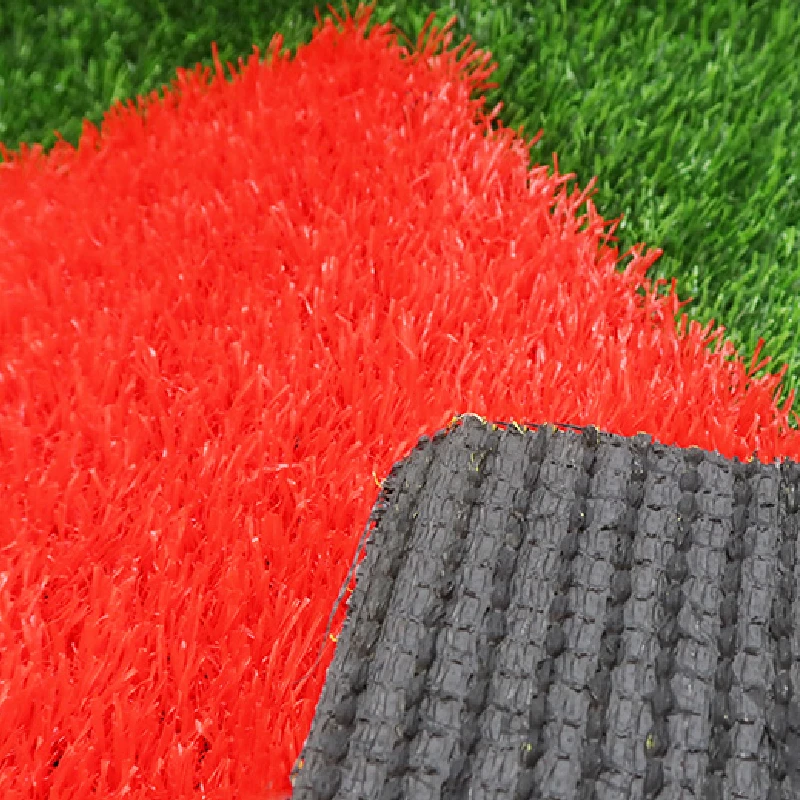
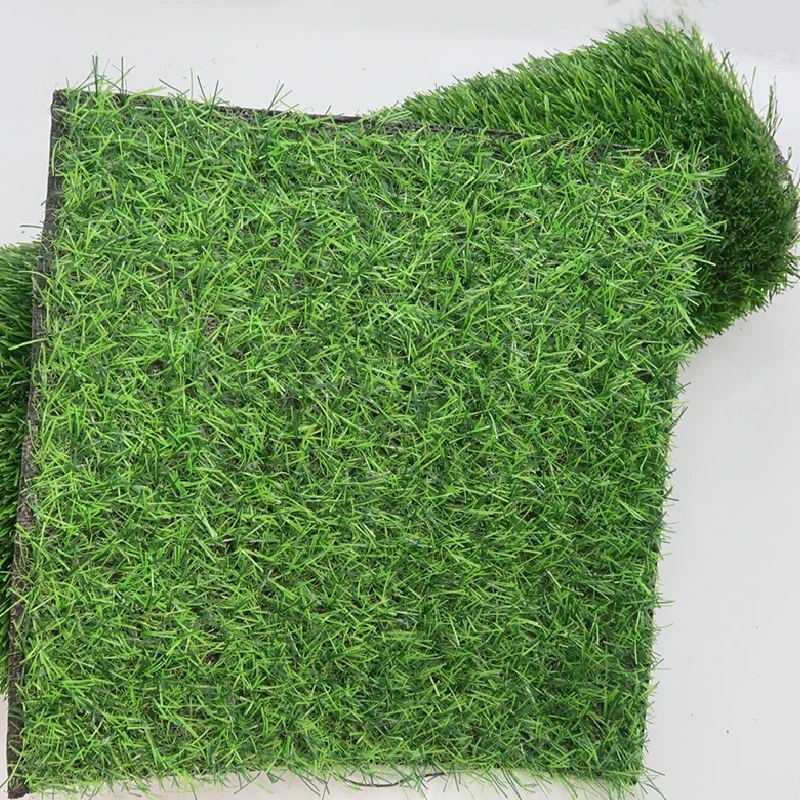
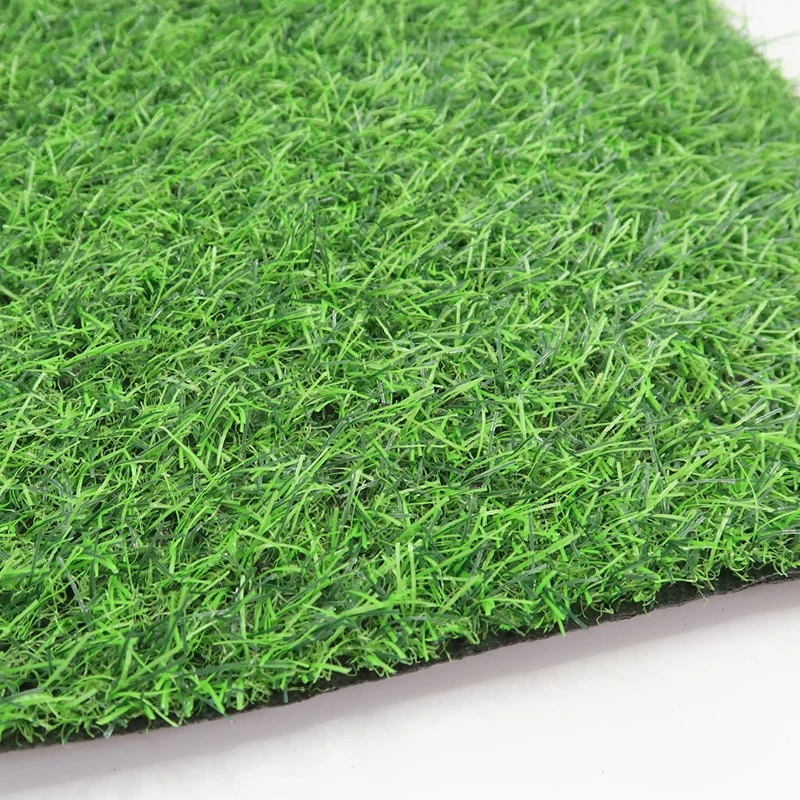
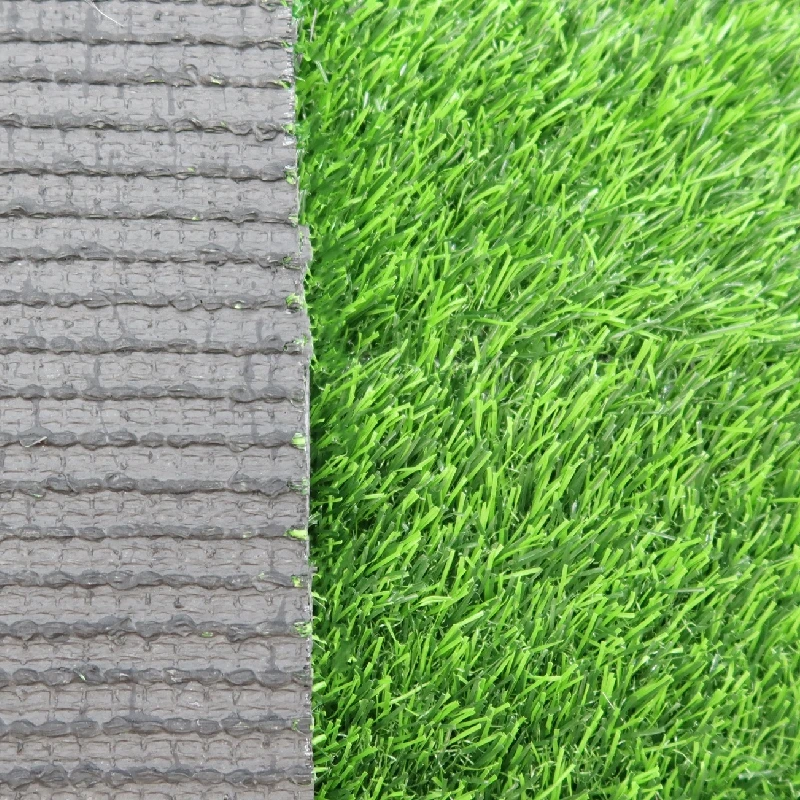
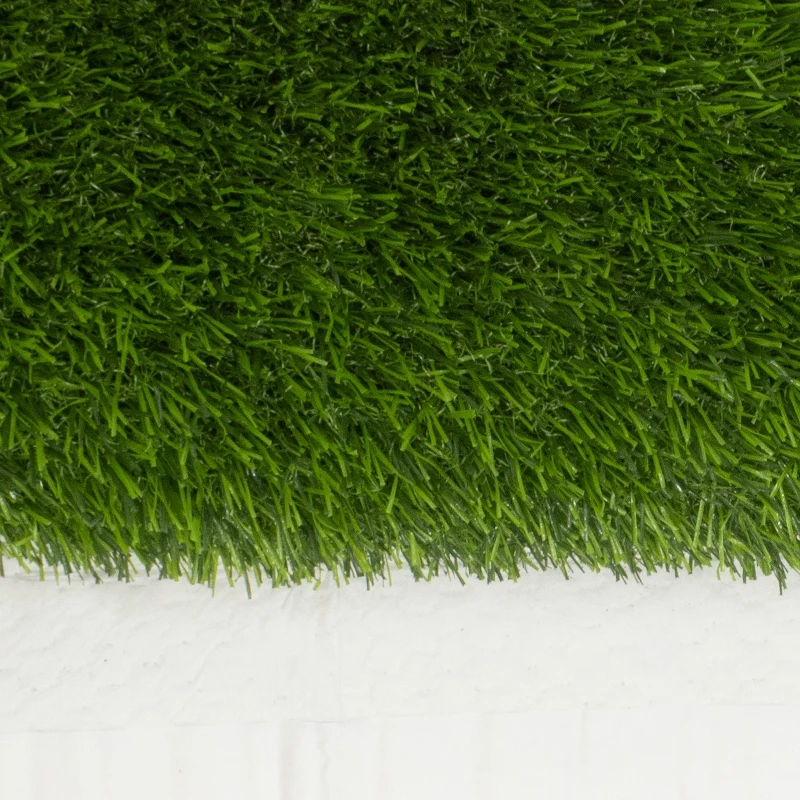
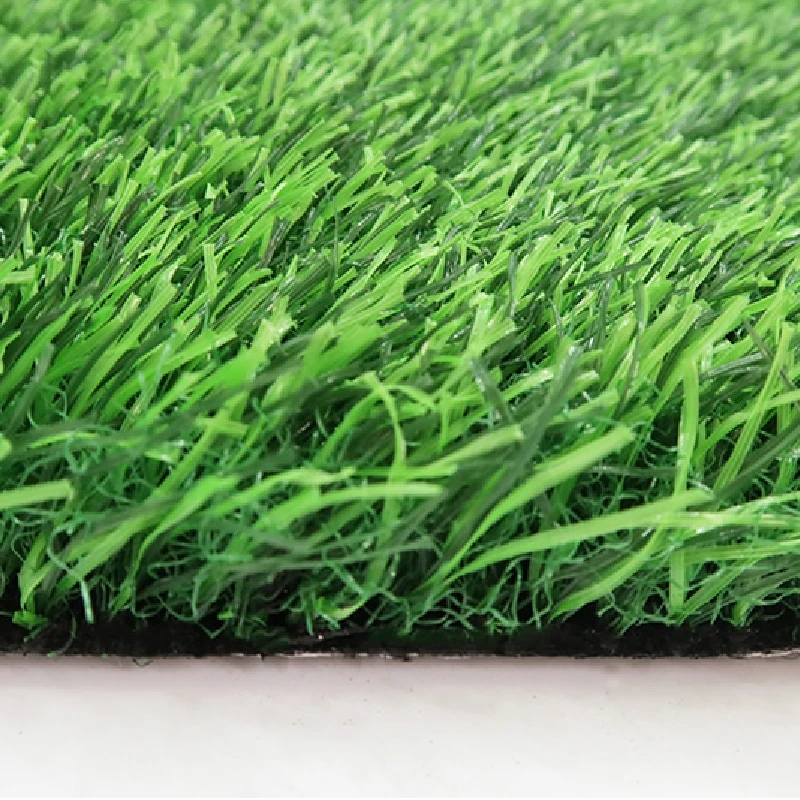
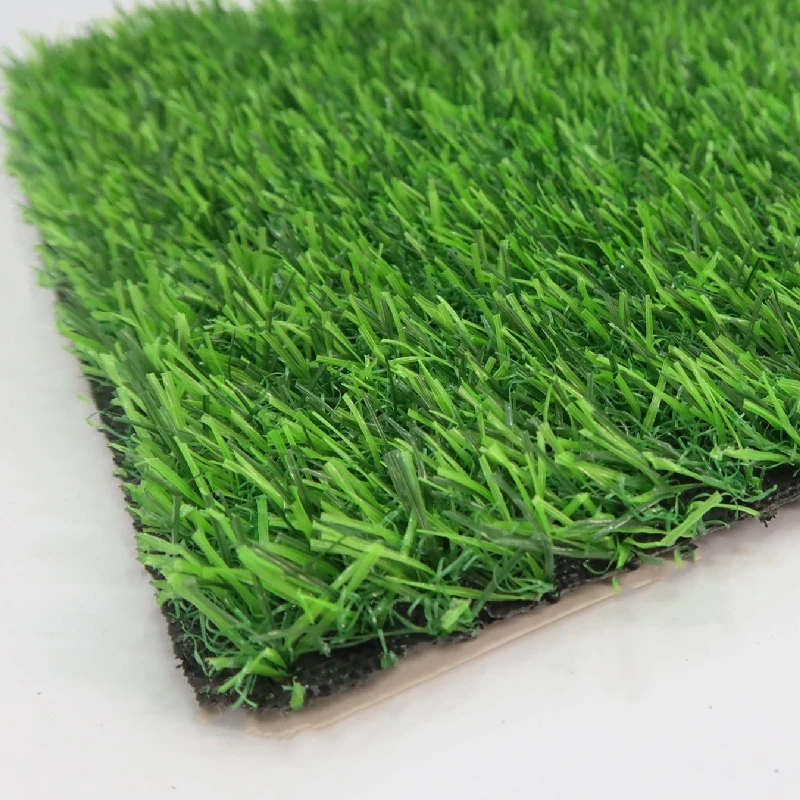
Simply put, 38mm artificial grass refers to synthetic turf with blades measuring roughly 38 millimeters in length. This measurement places it in the mid-range height category—long enough to feel soft and natural, yet short enough for durability and cleanability. The blades are usually made from polyethylene or polypropylene fibers, supported by tough backing materials and often combined with infill to add resilience.
In industries ranging from sports surfaces to humanitarian housing landscaping, this turf mimics nature with less hassle. It’s not just decorative; it addresses growing needs for water conservation, long-term cost savings, and low-maintenance aesthetic solutions.
Key Aspects of 38mm Artificial Grass that Surprise You
Durability and Wear Resistance
One reason 38mm artificial grass stands out is its balance of resilience and softness. It sustains heavy foot traffic and harsh weather without flattening quickly. This factor is crucial in public parks and school grounds where daily use is intense, and replacement costs would otherwise be high.
UV Stability and Fade Resistance
Fade resistance is often overlooked. The UV inhibitors built into quality 38mm turf formulations help prevent rapid discoloration—meaning your lawn or field won’t look patchy after a season baking in the sun. ISO standards related to UV resistance back this, ensuring turf stays vibrant for years.
Drainage Efficiency
I noticed that some lower-grade synthetic grasses tend to trap water, creating puddles and mud underneath. Thankfully, the 38mm artificial grass products typically come with permeable backing enhancing drainage, which keeps the surface dry and less prone to bacteria or mold buildup.
Cost Efficiency and Sustainability
While the initial investment is higher than natural seeds or sod, the long-term maintenance savings—no watering, mowing, or fertilizing—make the 38mm turf quite cost-effective. It’s also recyclable in some product lines and helps reduce chemical runoff, supporting eco-friendly landscaping.
Realistic Appearance
For many, the look and feel are central. The 38mm blade height mimics natural grass blade length found in residential lawns and many sports fields, so it tricks the eye and foot nicely—important for consumer satisfaction and usage in high-profile spaces.
38mm Artificial Grass Around the World: Real-World Impact
In hot, arid regions such as parts of Australia and the American Southwest, public parks utilize 38mm turf extensively to cut water consumption by up to 70%. Similarly, UK schoolyards where mud and worn grass patches were once constant complaints replaced natural turf with synthetic 38mm grass, resulting in safer, cleaner play areas.
Humanitarian organizations have also begun incorporating 38mm artificial grass as landscaping for temporary shelters and community centers in disaster-stricken zones. These synthetic lawns not only stabilize soil but provide familiar green spaces that help maintain a sense of dignity and normalcy.
For a recent case, a tech campus in Singapore opted for 38mm artificial grass on their outdoor recreational zones, balancing aesthetics with a push for water and maintenance savings in one of the world’s most urbanized countries.
Summary Takeaway:
38mm artificial grass is more than surface dressing—it’s a versatile, water-saving, soil-stabilizing solution recognized internationally by urban planners, schools, and NGOs alike.
What Makes 38mm Artificial Grass a Smart Investment?
- Long-Term Financial Savings: Cuts down watering and maintenance expenses significantly.
- Environmental Benefits: Reduces water use, chemical runoff, and need for fossil fuel-powered lawn equipment.
- Social Impact: Safer and cleaner outdoor spaces improve community wellbeing, especially in vulnerable areas.
- Consistent Aesthetics: Holds its color and form much longer than natural turf in variable climates.
There's a subtle psychological effect too—a well-kept green space gives communities a feeling of pride and ownership that synthetic grass with its low upkeep supports beautifully.
Looking Ahead: Innovations Shaping 38mm Artificial Grass
The future isn't just about making this turf greener in color, but greener in impact. Manufacturers are experimenting with bio-based polymers and recyclable backings to reduce environmental footprints further. Smart turf with embedded cooling tech or IoT sensors to monitor wear and usage are in the pipeline.
Increasingly, legislation is encouraging synthetic turf with eco-certifications, pressing brands to design for circularity from production to disposal. Coupled with improved installation methods that reduce microplastic runoff, the next few years could reshape how synthetic grass fits into urban ecosystems.
Challenges and Bright Ideas to Overcome Them
Despite all the perks, 38mm artificial grass isn't without issues. Heat retention can be uncomfortable in extreme sun. Disposal at end-of-life poses recycling challenges if not pre-planned. Also, some users initially balk at upfront costs.
Innovative reflective fibers and infills that lower surface temps help mitigate heat. On recycling, partnerships between landscaping firms and waste processors are growing, with take-back programs starting to appear. And for budgets, phased installations or hybrid natural-synthetic layouts offer creative compromises.
Product Specifications for a Typical 38mm Artificial Grass
| Feature | Specification | Notes |
|---|---|---|
| Pile Height | 38mm | Optimized balance of comfort and durability |
| Material | Polyethylene (PE) fibers | Soft texture, UV resistant |
| Backing | Perforated polypropylene | Allows drainage |
| Total Weight | Approx. 2.4 kg/m² | Depends on infill type and density |
| UV Resistance | Yes, ISO 105-A02 certified | Maintains color for 3–5 years+ |
Comparing Leading Vendors of 38mm Artificial Grass
| Vendor | Price Range ($/m²) | Material Quality | Warranty | Eco-certification |
|---|---|---|---|---|
| GreenTurf Co. | 15–20 | UV Stabilized PE | 8 years | ISO 14001 |
| EcoLawn Solutions | 18–25 | Bio-based polymers blend | 10 years | Cradle to Cradle Silver |
| TurfMaster Ltd. | 12–18 | Standard PE/PP mix | 5 years | None |
Frequently Asked Questions About 38mm Artificial Grass
- Is 38mm artificial grass suitable for sports fields?
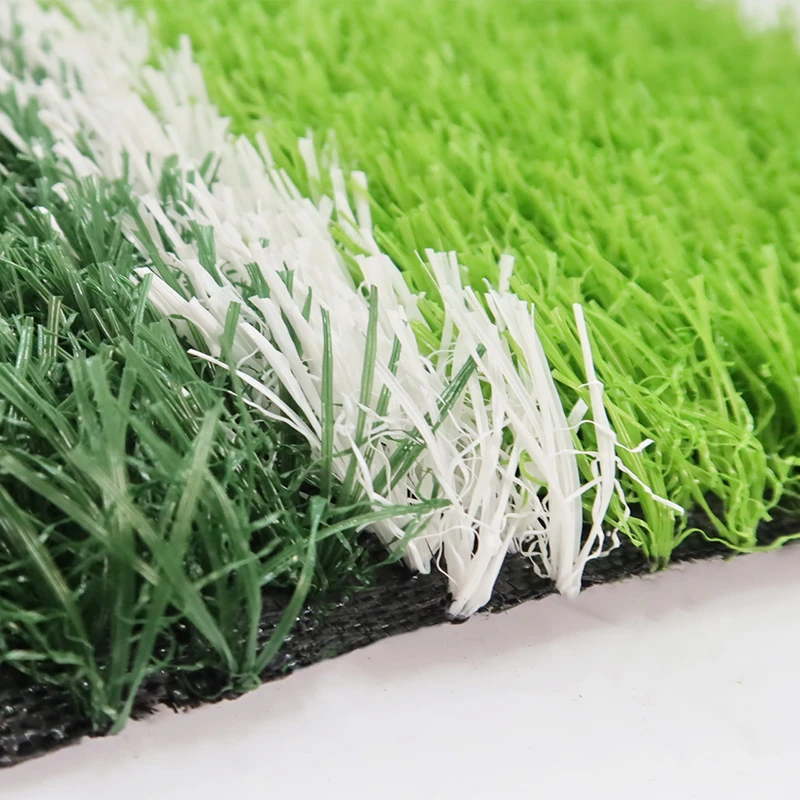
- Yes, 38mm turf is commonly used for multi-purpose sports fields like football, rugby, and playgrounds because it offers a good balance of softness and durability. It can handle high foot traffic and offers consistent ball roll characteristics.
- How long does 38mm artificial grass typically last?
- With proper installation and maintenance, 38mm artificial grass can last anywhere from 8 to 15 years, depending on environmental exposure and usage intensity.
- Can I install 38mm turf over existing soil or concrete?
- Both are possible, but preparation differs. Soil requires leveling and drainage improvements, while concrete needs proper underlay to manage moisture and provide cushioning to prevent wear.
- How eco-friendly is 38mm artificial grass?
- It can significantly reduce water use and maintenance emissions. Some products use recyclable or bio-based fibers, improving sustainability. However, disposal remains a challenge unless recycled properly.
- What maintenance does 38mm artificial grass require?
- Routine cleaning (removing debris), occasional brushing to keep blades upright, and infill replenishment are common. Avoid harsh chemicals; water spraying helps with dust and dirt.
Wrapping It Up: Why 38mm Artificial Grass is Worth Considering
Whether you’re a facility manager aiming to tame maintenance budgets or a community planner eyeing water conservation goals, 38mm artificial grass is a smart play. It meets rising demands for sustainability, durability, and aesthetic appeal with surprising flexibility. If you want to explore top-tier options or get expert advice on installation, 38mm artificial grass marked for quality and environmental standards is a great place to start.
Ultimately, as cities grow and climates change, solutions like 38mm artificial grass remind us that innovation isn’t always gadgetry—it can be as simple as giving “grass” a second life, and a smarter one at that.
References
Latest news
-
Creating the Perfect Fake Grass Area for Dogs Complete Guide
NewsApr.16,2026
-
Guide to Using Fake Grass and Pets for a Pet Friendly Lawn
NewsApr.09,2026
-
Fake Grass and Dogs Creating a Pet Friendly and Durable Yard
NewsApr.07,2026
-
Maintaining a Pristine Lawn with Fake Grass and Dog Wee Management Solutions
NewsApr.04,2026
-
The Ultimate Guide to Choosing the Perfect Fake Dog Grass Patch for Your Pet
NewsMar.31,2026
-
Discover the Benefits of High Quality Fake Dog Grass for Potty Training
NewsMar.28,2026
Products categories