Welcome to Hoyarn
Call Us Any Time:+86 19801805999
Email Us: info@hoyarn.cn
Understanding 3G Artificial Grass: Benefits, Applications & Innovations
Nov . 28, 2025 19:35 Back to list
Understanding 3G Artificial Grass: Benefits, Applications & Innovations
The Growing Importance of 3G Artificial Grass in Today’s World
If you’ve ever tried walking or playing sports on natural grass during heavy rain, you know how quickly it turns into a muddy mess — frustrating at best, unusable at worst. Enter 3g artificial grass, a game-changer in recreational surfaces and landscaping. It’s become a hot topic worldwide for good reasons: environmental sustainability, reduced maintenance, and resilience. With increasing urbanization and climate challenges, industries and communities globally are searching for better, smarter turf solutions.
Understanding 3g artificial grass isn't just a trend; it’s about addressing real challenges such as water conservation, wear resistance, and safe play surfaces. Given the United Nations’ push towards sustainable urban development and ISO’s standards for environmental quality, it’s clear this technology ticks so many boxes. Intrigued? Let’s unpack what it’s all about.
What Exactly Is 3G Artificial Grass?
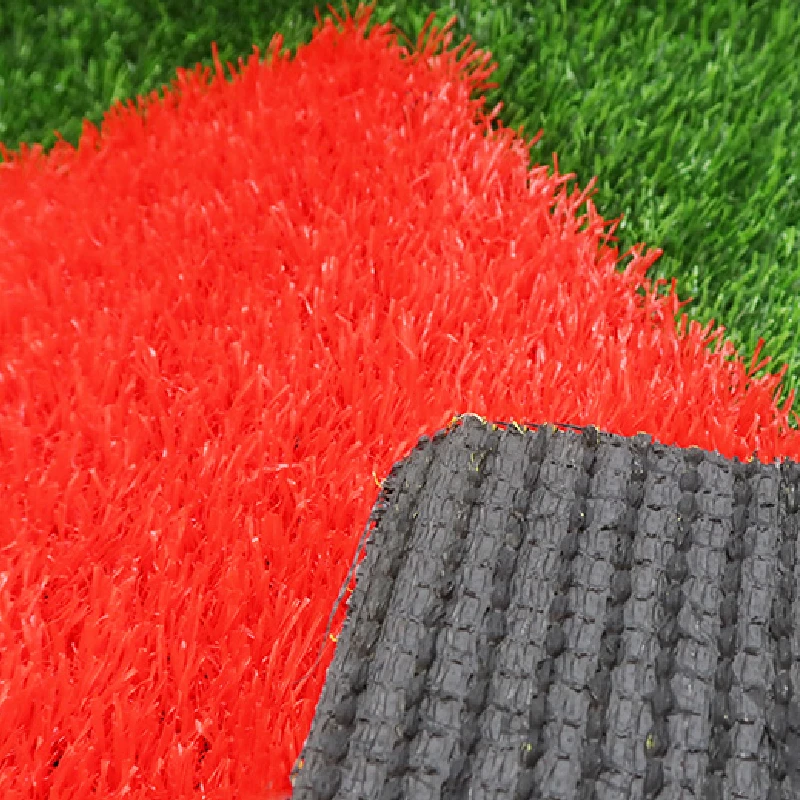
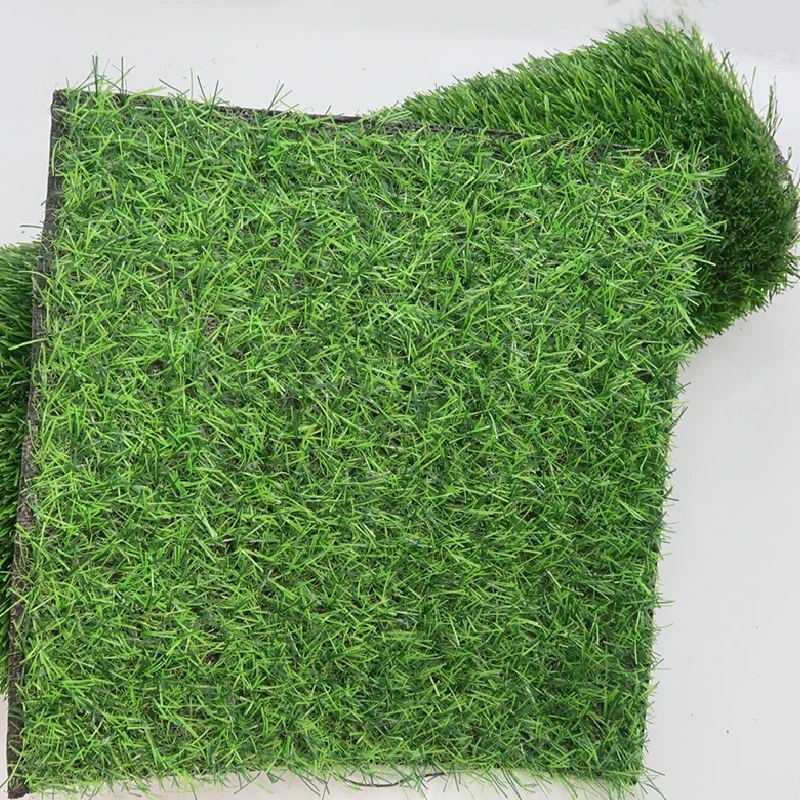
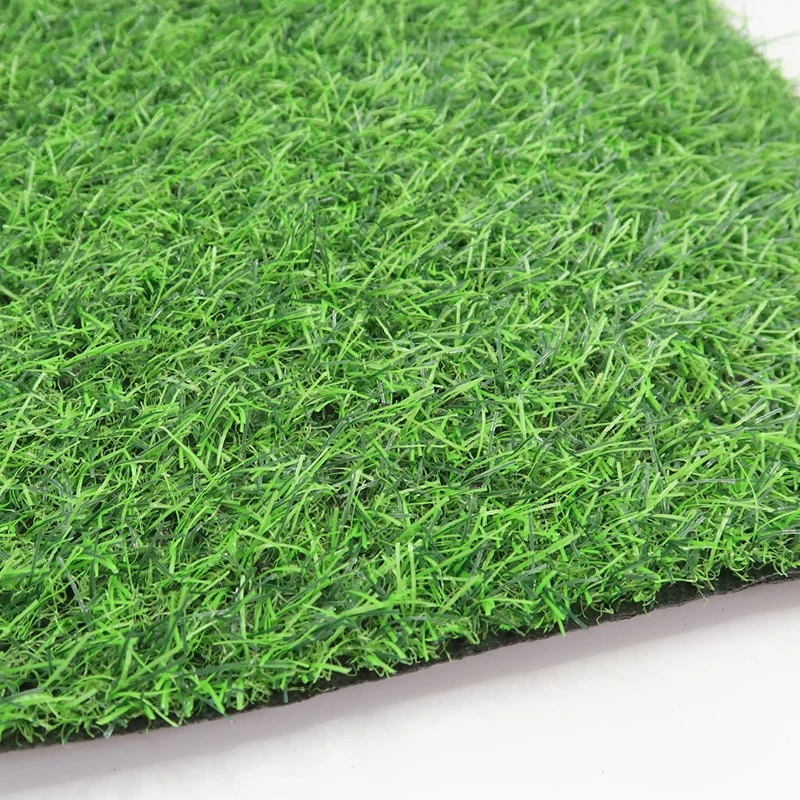
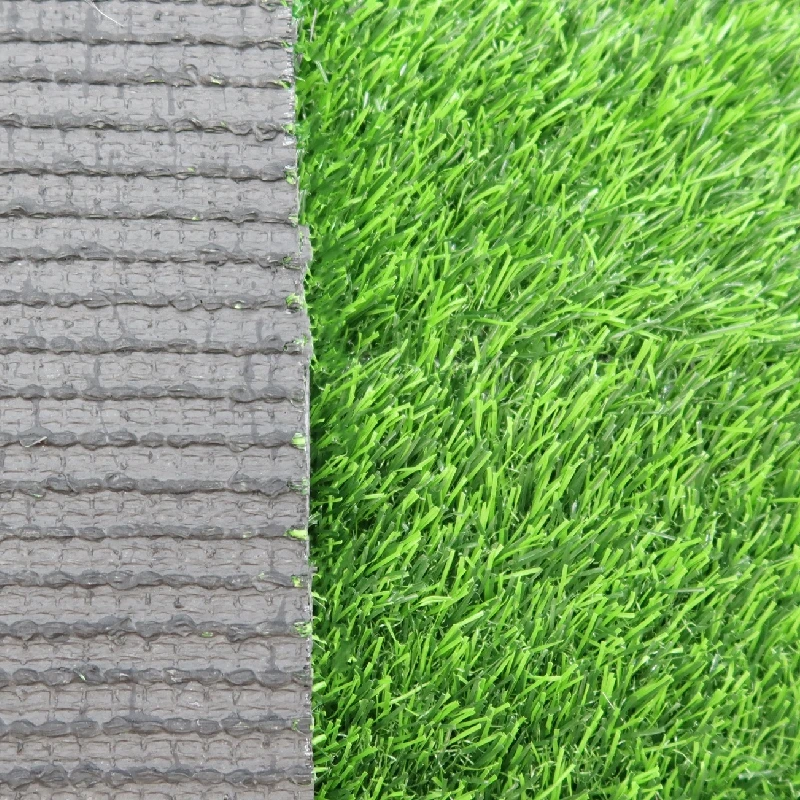
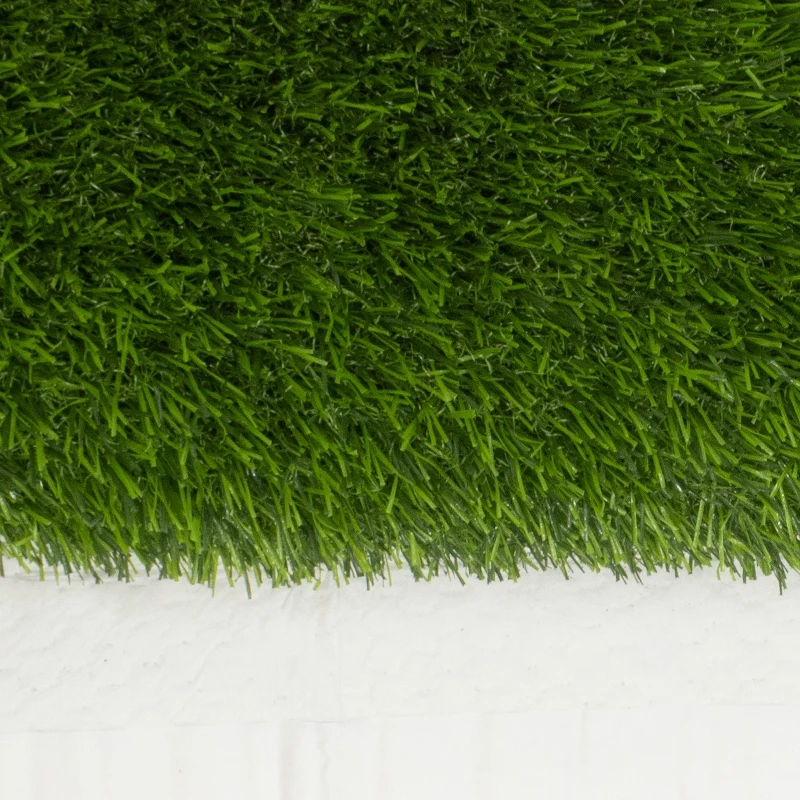
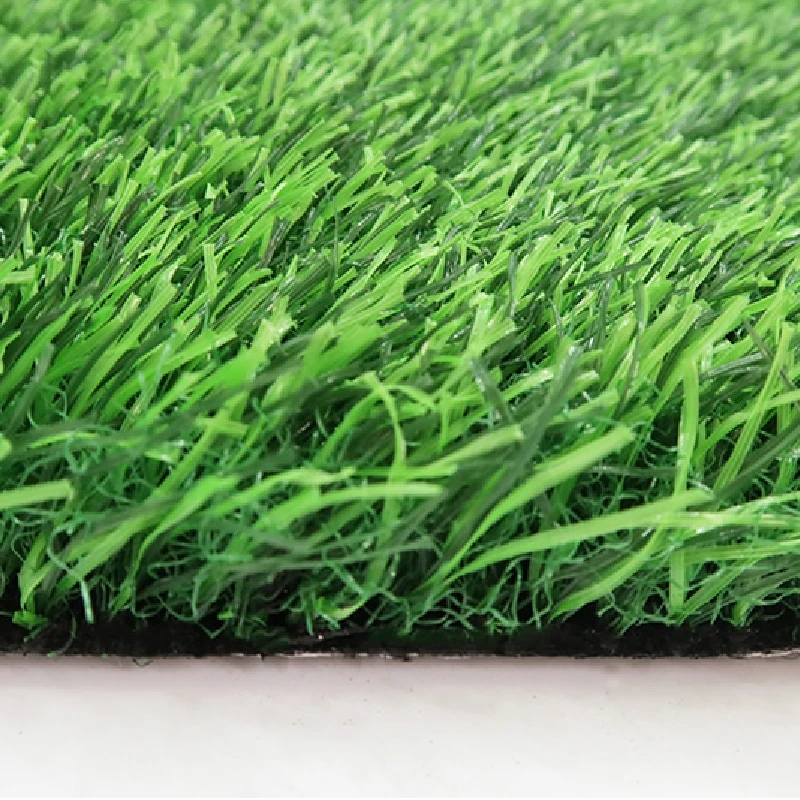
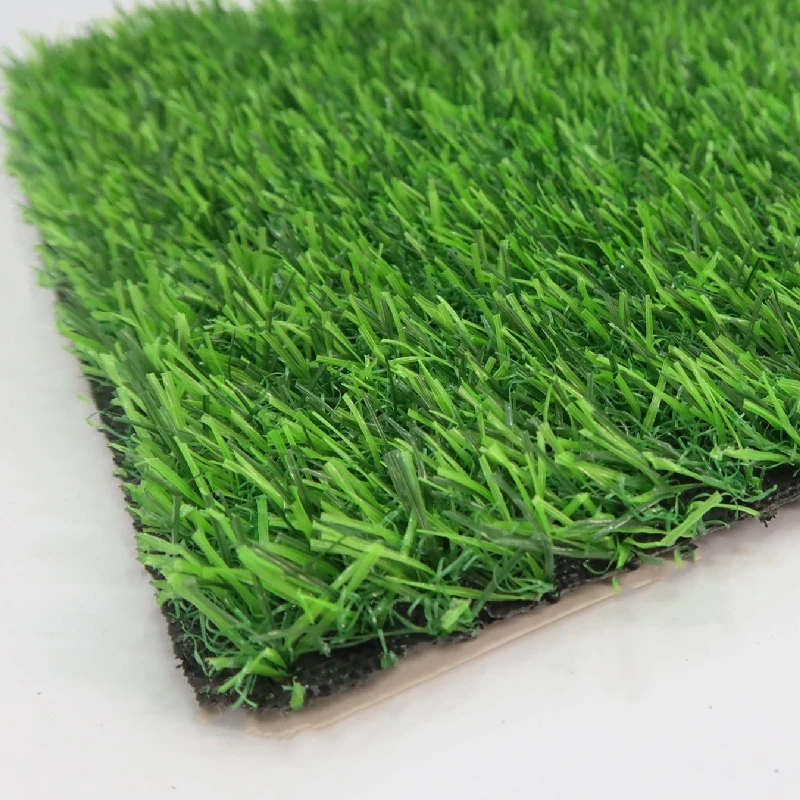
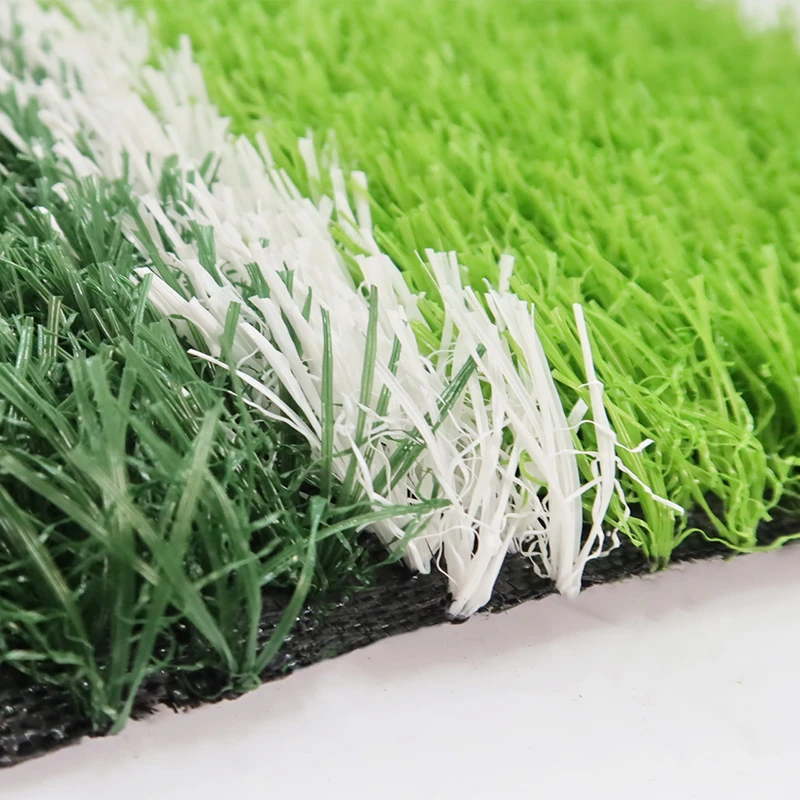
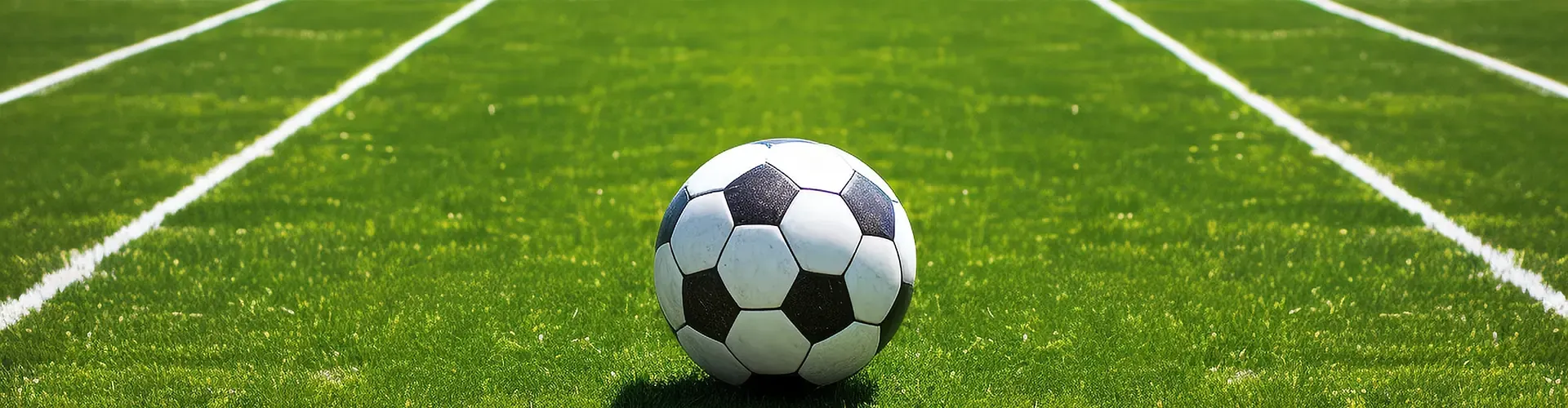
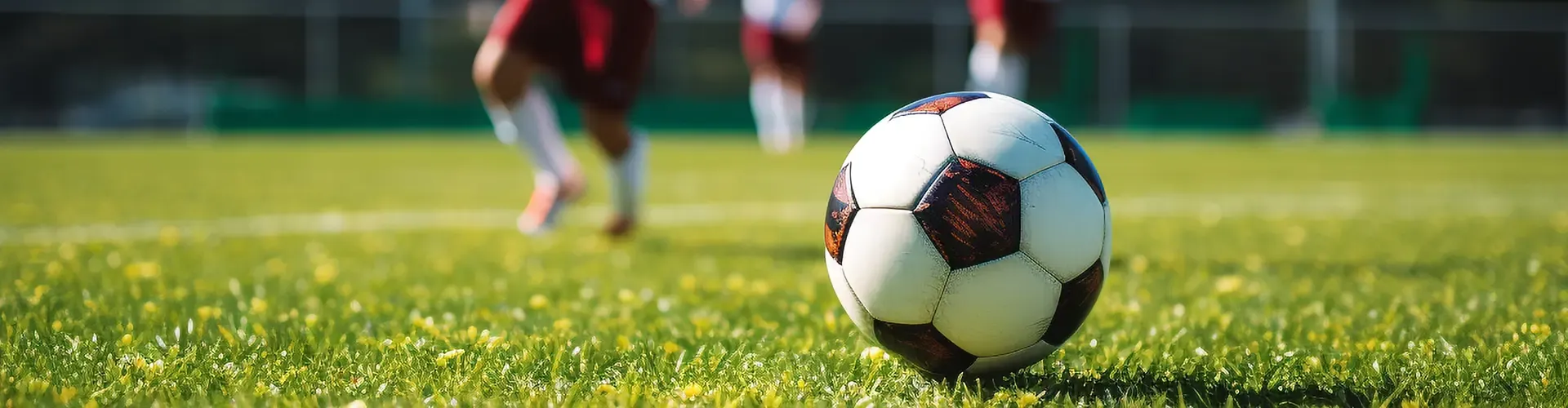
Simply put, 3g artificial grass refers to third-generation synthetic turf systems, primarily used in sports fields, playgrounds, landscaping, and even event spaces. The "3G" tag differentiates it from earlier artificial grass types by featuring a blend of synthetic fibers, rubber infill, and sand to mimic natural grass's feel and performance.
Unlike the older artificial carpets that felt plasticky and often caused injuries, 3g turf incorporates rubber granules and sand beneath the fibers to provide cushioning, flexibility, and durability. This makes it ideal for football pitches, schools, and even backyards needing a maintenance-light, all-weather surface. More importantly, it addresses global concerns about water usage, land degradation, and costly upkeep associated with natural grass.
Key Features That Make 3G Artificial Grass a Smart Choice
Durability and Resilience
3g artificial grass is designed to withstand heavy foot traffic and extreme weather. The combination of synthetic fibers with the rubber infill adds shock absorption and prevents surface compaction. This resiliency means fewer repairs and longer-lasting fields, crucial for community sports or facilities that can’t afford downtime.
Water and Cost Efficiency
Natural grass demands irrigation, fertilizers, and mowing — a pricey affair especially in drought-prone areas. Oddly enough, switching to 3g artificial grass dramatically reduces water consumption and maintenance costs. It's a way for sports clubs and municipalities to cut their environmental footprint without compromising functionality.
Safety and Comfort
Safety on the field is paramount. Rubber infill gives 3g grass a softer landing compared to traditional turf or bare ground. Many athletes and coaches note fewer abrasions and joint impacts during games, which frankly can be a big deal over a season full of training and matches.
Scalability and Customization
Another perk — you can tailor the grass length, fiber density, and infill ratio based on intended use. From professional stadiums demanding high-performance surfaces to playgrounds needing safer but affordable options, 3g systems scale pretty well.
Eco-Friendly Materials
Recent innovations have introduced recyclable fibers and organic infills, aligning the turf industry with global sustainability goals (think UN Environment Programme and ISO 14000 standards). Granted, there’s still room to improve in reducing microplastics, but it’s a positive shift.
Where Around the World Is 3G Artificial Grass Making an Impact?
The versatility of 3g artificial grass means it’s popping up everywhere—from European football stadiums to American schoolyards, Middle Eastern sports academies, and Australian community parks. In fact:
- Europe: Football clubs heavily rely on 3g pitches to extend play throughout the year despite rainy winters.
- North America: Schools and municipalities install 3g turf to reduce water bills and increase field availability.
- Middle East: Where natural grass struggles under intense heat, these synthetic solutions keep fields playable.
- Asia-Pacific: Rapid urbanization calls for greener, low-maintenance ground covers in residential and commercial projects.
On a humanitarian note, organizations constructing rapid-deployment sports facilities in post-disaster zones find 3g turf invaluable for community rebuilding and youth engagement. It feels like a small but mighty tool to restore normalcy.
Mini Takeaway
3g artificial grass isn’t just surface dressing—it offers resilience, cost savings, comfort, and sustainability in one neat, green package. The global footprint testifies to its diverse and practical value.
Product Specification Table: Typical 3G Artificial Grass System
| Feature | Specification | Importance |
|---|---|---|
| Fiber Type | Polyethylene or Polypropylene Monofilament | Durability & Softness |
| Infill Material | SBR Rubber + Silica Sand Blend | Shock Absorption & Stability |
| Pile Height | 40-60 mm (varies by sport) | Realistic Grass Feel |
| Drainage Rate | ≥ 60 liters/minute/m² | All-Weather Performance |
| UV Stabilization | ISO 4892-2 Certified | Color & Material Longevity |
Vendor Comparison: Leading 3G Artificial Grass Suppliers
| Vendor | Product Range | Sustainability Features | Typical Use Cases | Price Range |
|---|---|---|---|---|
| GreenField Turf | Sports pitches, commercial landscaping | Recycled infill, low-energy production | Pro football, schools | $$$ |
| EcoTurf Solutions | Playgrounds, residential, commercial | Organic infills, biodegradable fibers | Urban landscaping, parks | $$ |
| ProPlay Turf | Professional-grade sports fields | UV resistance, recycling programs | Stadiums, sports academies | $$$$ |
Advantages & Long-Term Value of 3G Artificial Grass
When it comes to investing in surfaces, the upfront cost of 3g artificial grass may look steep compared to seeding natural turf. But if you ask facility managers, they’ll talk about “total cost of ownership” — factoring in water, fertilizer, equipment, labor, and downtime. In real terms, many have cut maintenance budgets by 40–60% over five years.
Logically, the environmental upside can’t be overstated. Reduced water usage helps municipalities adapt to climate unpredictability. Socially, it means more reliable playtime for kids, less cancelled matches, and fields that stay beautiful throughout seasons. Emotionally, there’s a sense of pride and trust in having a surface everyone can enjoy safely — that’s often overlooked but makes a difference.
What’s Next? Innovations Shaping the Future of 3G Artificial Grass
The turf world is quietly buzzing with improvements:
- Bio-based infills: Using cork, coconut fibers, or even recycled coffee grounds to replace synthetic rubber, cutting environmental impact.
- Smart turf technologies: Integrating sensors that monitor usage, temperature, and wear — increasingly popular in professional stadiums.
- Recycling programs: Manufacturers now offer end-of-life recycling, reducing landfill waste.
- Digital showrooming: Buyers can preview and customize turf installations through augmented reality apps — fun and practical.
Such trends align perfectly with broader policies on green energy, digital transformation, and urban sustainability frameworks promoted by entities like the World Bank and ISO.
Common Challenges & Clever Solutions
That said, some issues remain:
- Surface temperature: Artificial turf tends to get hotter than natural grass in direct sun, which can be unpleasant or unsafe.
- Microplastic pollution: Rubber infill can contribute to environment contamination if not managed well.
- Installation quality: Improper prepping can reduce drainage and lifespan.
How do top companies handle this? Many now integrate cooling infills, mandate certified installation teams, and invest in closed-loop recycling to keep their environmental promises. A bit like everything worth doing — it’s all in the details.
FAQ: Your 3G Artificial Grass Questions Answered
- Q: How long does 3G artificial grass typically last?
- A: Most 3G turf systems last roughly 8-12 years with routine maintenance. Durability depends on installation, use intensity, and climate.
- Q: Is 3G artificial grass safe for kids and pets?
- A: Generally yes. The rubber infill cushions falls and reduces injuries, but ensure materials are non-toxic and UV resistant.
- Q: How does 3G artificial grass compare cost-wise to natural turf?
- A: Initial cost is higher, but water, fertilizer, mowing savings make it more economical over time, especially in tough climates.
- Q: Can 3G turf be installed in residential backyards?
- A: Absolutely, many homeowners choose it for its low upkeep and year-round green look.
- Q: What’s the environmental impact of disposing 3G turf?
- A: Disposal used to be an issue, but many vendors now offer recycling programs and bio-based infill options to reduce waste.
Wrapping It All Up: Why 3G Artificial Grass Makes Sense
There’s something oddly satisfying about a perfect patch of green that doesn’t quit — 3g artificial grass stands for that reliability, sustainability, and versatility. As resources tighten and expectations rise, it’s the kind of technology that quietly transforms spaces and communities alike. For anyone considering modern grass alternatives, it’s worth exploring — whether for sport, play, or beautification.
Ready to take the leap into smarter turf solutions? Check out 3g artificial grass for product details, vendor contacts, and installation support. It just might change how you view your outdoor space.
Mini Reflections
At the end of the day, using 3g artificial grass feels like investing in the future — a blend of innovation, pragmatism, and care for the planet and people. Not bad for some green fibers, right?
References:
Latest news
-
Creating the Perfect Fake Grass Area for Dogs Complete Guide
NewsApr.16,2026
-
Guide to Using Fake Grass and Pets for a Pet Friendly Lawn
NewsApr.09,2026
-
Fake Grass and Dogs Creating a Pet Friendly and Durable Yard
NewsApr.07,2026
-
Maintaining a Pristine Lawn with Fake Grass and Dog Wee Management Solutions
NewsApr.04,2026
-
The Ultimate Guide to Choosing the Perfect Fake Dog Grass Patch for Your Pet
NewsMar.31,2026
-
Discover the Benefits of High Quality Fake Dog Grass for Potty Training
NewsMar.28,2026
Products categories