Welcome to Hoyarn
Call Us Any Time:+86 19801805999
Email Us: info@hoyarn.cn
Benefits and Applications of 35mm Artificial Grass | Sustainable Synthetic Turf Solutions
Nov . 28, 2025 16:30 Back to list
Benefits and Applications of 35mm Artificial Grass | Sustainable Synthetic Turf Solutions
Discovering 35mm Artificial Grass: Why It’s More Than Just “Fake” Turf
At first glance, 35mm artificial grass might sound like a niche topic for landscapers and sports arenas. But, if you dig a bit deeper, it’s clear this technology touches on global challenges like water conservation, urban heat reduction, and even humanitarian relief efforts. It’s fascinating how something as simple as synthetic turf can pack multiple environmental and economic punches—and why so many industries now swear by it.
In this article, we’ll explore what exactly 35mm artificial grass is, why it matters on a global scale, and how it delivers practical benefits that are edging it into mainstream use far beyond your backyard lawn.
The Global Context: Why 35mm Artificial Grass Is Getting Real Attention
Globally, efforts to curb water usage and reduce carbon footprints have been taking center stage. According to the UN’s water scarcity campaign, traditional lawns consume a shocking amount of potable water—up to 55 gallons per square foot annually. Combine that with the World Bank’s warnings about urban heat islands worsening in cities worldwide, and you see why alternatives like artificial grass are catching on fast.
But the challenges don’t stop there: natural grass can be costly and unreliable in drought-prone or industrial zones, which leads many governments and corporations to seek low-maintenance, sustainable turf solutions. Enter the 35mm artificial grass—the “sweet spot” pile height that offers a near-perfect balance of realistic appearance and durability.
Mini takeaway: The rise of 35mm artificial grass is a response to pressing environmental and urban challenges, offering a water-wise, low-maintenance alternative to natural lawns.
What Exactly Is 35mm Artificial Grass?
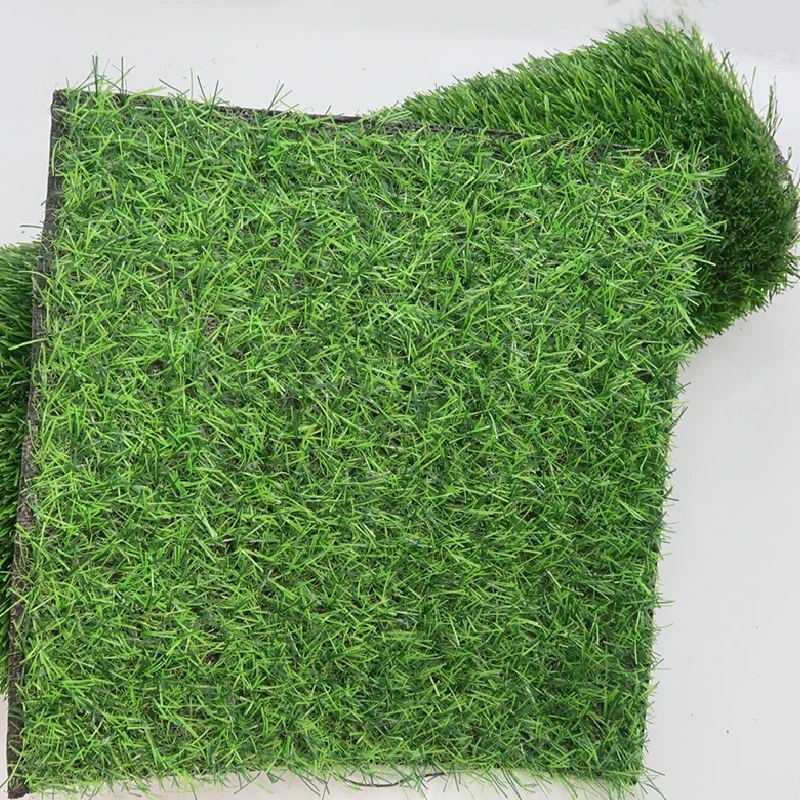
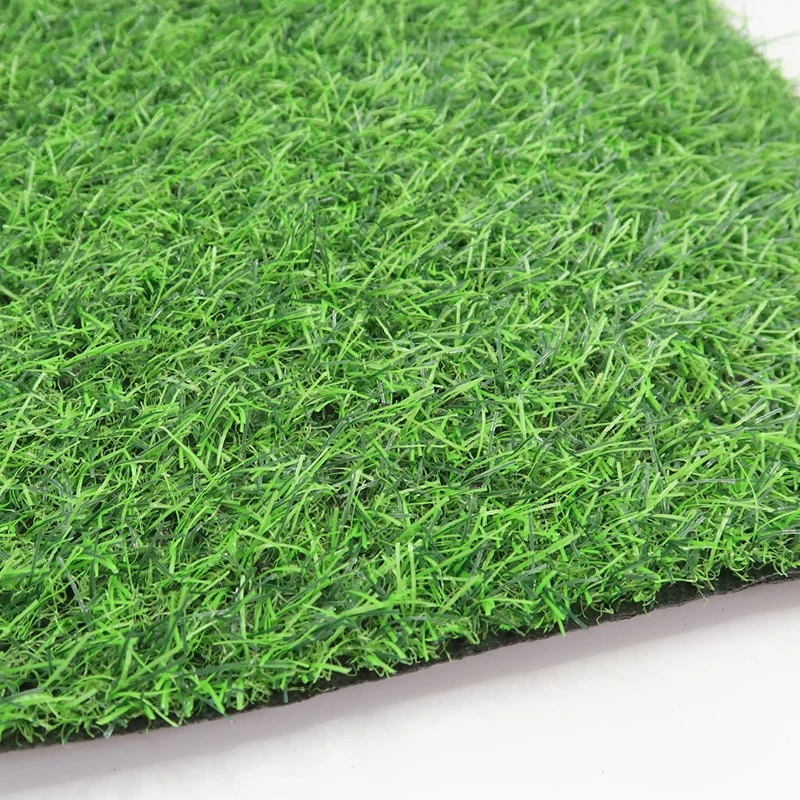
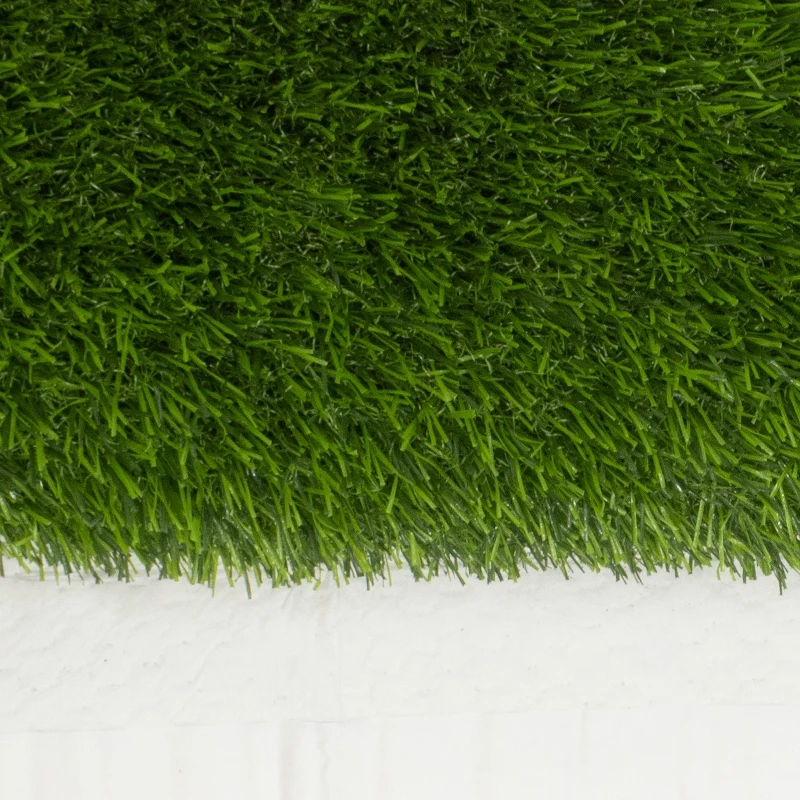
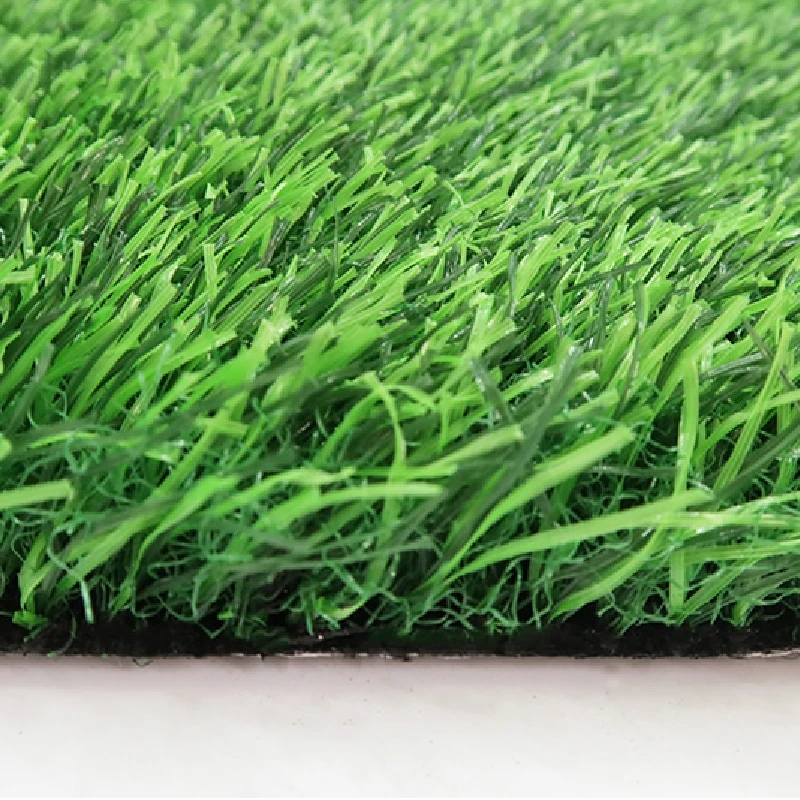
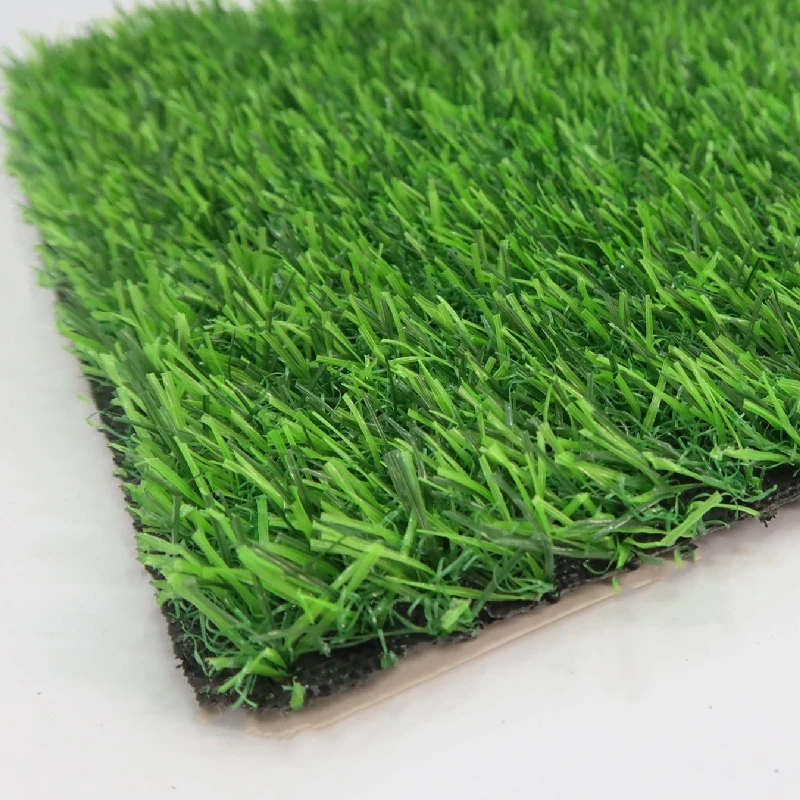
Simply put, 35mm artificial grass refers to synthetic turf where the blades (or pile height) measure roughly 35 millimeters tall. This height delivers a natural “feel” and aesthetic often preferred for residential lawns, playgrounds, and sports fields alike.
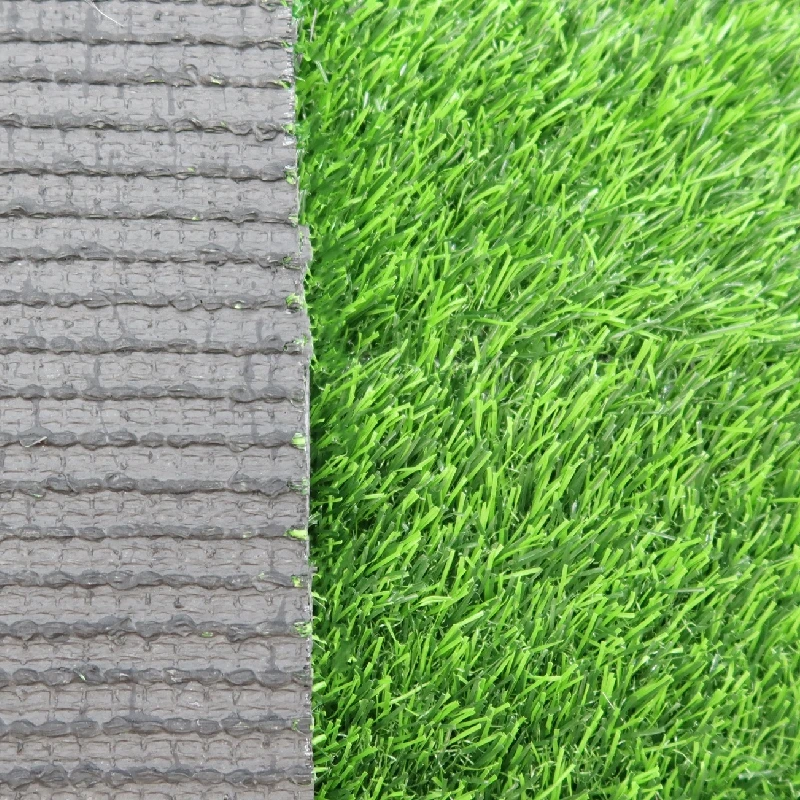
While the term “artificial grass” lazily paints it as just a grass substitute, it’s actually an engineered product crafted from UV-stabilized polyethylene or polypropylene fibers anchored over a backing that ensures drainage and durability. These materials have been refined over decades thanks to advances in polymer science, making the turf resistant to fading, fraying, and mildew.
In humanitarian contexts, organizations use 35mm artificial grass in rapid deployment playgrounds for refugee camps or urban recreational projects where soil quality and upkeep are major concerns. So its significance goes beyond the aesthetic—it fulfills practical, often vital roles.
Core Elements That Make 35mm Artificial Grass a Game-Changer
1. Durability
Thanks to highly resilient polymers, 35mm artificial grass withstands heavy foot traffic and extreme weather—be it blazing sun or heavy rain. This means fewer repairs and replacements.
2. Realistic Appearance
That specific 35mm height is a near-perfect mimic of freshly mown grass, satisfying homeowners and sports professionals craving an authentic look without fuss.
3. Cost Efficiency
Despite upfront installation costs, long-term savings on water bills, lawn care, and fertilizers make artificial grass economically sensible.
4. Environmental Impact
It drastically reduces water consumption and eliminates pesticides and fertilizers, supporting greener practices.
5. Scalability & Customization
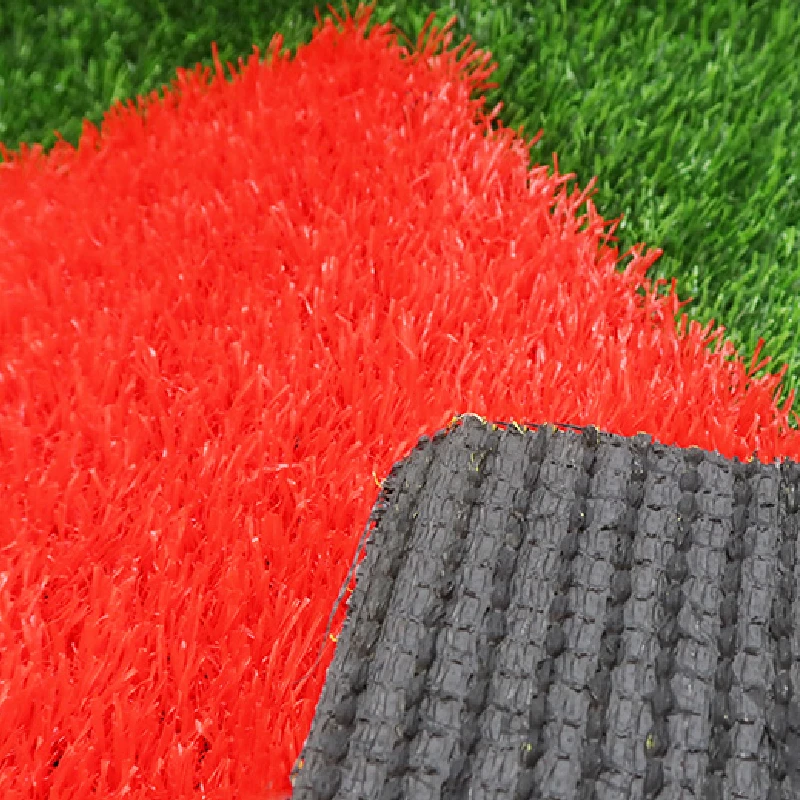
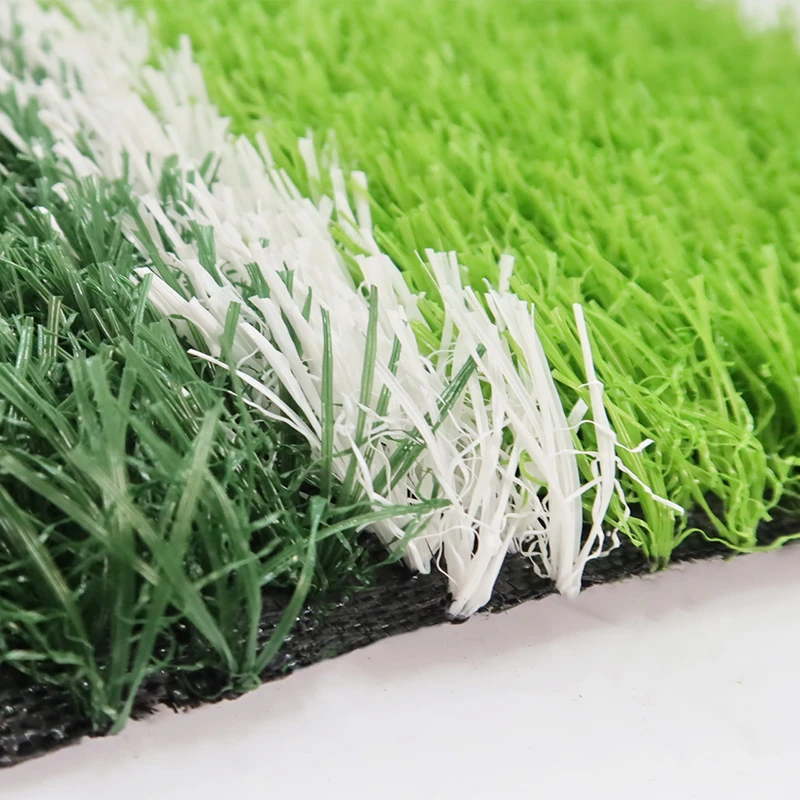
Manufacturers can tailor turf density, color blends, and backing types—ideal for anything from golf courses to rooftop gardens.
Mini takeaway: Whether it’s lasting through tough weather or cutting ongoing garden costs, these core benefits explain why 35mm artificial grass is steadily replacing traditional lawns.
How 35mm Artificial Grass Is Being Used Around the World
Its versatility shines globally. In Europe’s drought-hit Mediterranean countries, municipalities install artificial grass parks to save millions of liters annually. In North America, artificial surfaces dominate youth sports fields where maintenance must be swift and reliable.
Humanitarian groups like the Red Cross have incorporated 35mm artificial grass to create safe play zones in refugee camps, improving children’s mental health and community cohesion.
Industrial zones with contaminated soil have found turf to be an inexpensive way to green their premises without costly soil remediation.
| Specification | Detail |
|---|---|
| Pile Height | 35mm (±2mm) |
| Material | UV-Stabilized Polyethylene |
| Backing | Perforated Latex-Based with PU Coating |
| Weight | ~2.0 kg/m² |
| Drainage Rate | >45 L/min/m² |
| Warranty | 8–10 Years (UV Resistant) |
Weighing the Advantages: Why You Should Consider 35mm Artificial Grass
- Sustainability: Less water, zero pesticides, and lower carbon footprint compared to natural grass maintenance.
- Reliability: Uniform look year-round, unaffected by seasonal changes or drought.
- Cost Savings: Significant reductions in water bills and lawn service fees eventually offset installation expenses.
- Social Impact: Creates accessible green spaces in urban areas and temporary settlements enhancing community wellbeing.
- Safety: Non-toxic, often made with shock-absorbent layers beneath for children’s playgrounds.
It feels like artificial grass has finally crossed from “just a backyard novelty” into a serious contender for modern landscaping and urban planning efforts, and people can relate to that—especially in water-restricted regions.
Looking Ahead: Innovations and Trends in 35mm Artificial Grass
The future of 35mm artificial grass is intriguing. Manufacturers are experimenting with bio-based polymers to reduce dependency on fossil fuels and improve biodegradability. Integration of smart sensors to monitor wear or usage in commercial settings is also on the rise—oddly enough turning turf into “connected” technology.
Green energy practices dominate production processes, cutting emissions right from the factory floor. Additionally, color customization using recycled materials is becoming mainstream, allowing more affordable, tailor-made solutions.
Challenges in Using 35mm Artificial Grass—and How to Tackle Them
Admittedly, artificial turf isn’t perfect. Heat retention on hot days can be uncomfortable unless properly shaded or cooled. Disposal at end-of-life remains a hurdle due to limited recycling pathways. Some communities raise concerns about microplastic runoff.
Solutions involve advanced infill materials that cool the surface naturally and regulations pushing manufacturers toward circular economy principles. As with any evolving technology, ongoing research and policies will remain key.
| Vendor | Material Quality | Price Range (per m²) | Warranty | Customization |
|---|---|---|---|---|
| Hoya Synthetic Turf | Premium UV-Stabilized Polyethylene | $25–$35 | 10 Years | High (color, density) |
| GreenField Co. | Standard Polypropylene Mix | $20–$28 | 8 Years | Medium |
| EcoLawn Solutions | Bio-Based Pellets Composite | $30–$40 | 7 Years | Limited |
FAQ: What People Really Ask About 35mm Artificial Grass
- Is 35mm artificial grass suitable for all climates?
- Generally, yes. It performs well in dry, temperate, and even cold climates. However, in very hot regions, additional cooling measures might be needed to reduce surface heat.
- How long does 35mm artificial turf typically last?
- Most high-quality products, including those with UV stabilization, last between 8 to 10 years with proper care—sometimes longer depending on usage intensity.
- Can I install 35mm artificial grass over existing soil?
- Yes, but preparing the base with compacted gravel or sand improves drainage and longevity. Professionals usually recommend thorough groundwork to avoid uneven settling.
- Is artificial grass eco-friendly?
- The latest artificial grass reduces water use and pesticide applications, but it’s still made from synthetic materials. Many brands now focus on recycling and bio-based polymers to improve sustainability.
- How do I find reliable suppliers for 35mm artificial grass?
- Look for vendors with transparent specs, solid warranties, and positive customer feedback. Comparing products like those from Hoya Synthetic Turf helps ensure quality and value.
Wrapping Up: Why 35mm Artificial Grass Deserves Your Consideration
In the face of global environmental challenges and evolving urban living needs, 35mm artificial grass stands out as a smart, sustainable alternative to conventional lawns. It blends durability, aesthetic appeal, and cost-efficiency in a way that feels fresh yet familiar.
If you’re curious about how this synthetic grass can enhance your space—be it residential, commercial, or community-focused—consider diving a bit deeper. Visit https://www.hoyarngrass.com for insights, product options, and expert guidance tailored to your needs.
Artificial grass isn’t just turf—it’s a small step toward greener, smarter landscaping that fits our rapidly changing world.
References
Latest news
-
Creating the Perfect Fake Grass Area for Dogs Complete Guide
NewsApr.16,2026
-
Guide to Using Fake Grass and Pets for a Pet Friendly Lawn
NewsApr.09,2026
-
Fake Grass and Dogs Creating a Pet Friendly and Durable Yard
NewsApr.07,2026
-
Maintaining a Pristine Lawn with Fake Grass and Dog Wee Management Solutions
NewsApr.04,2026
-
The Ultimate Guide to Choosing the Perfect Fake Dog Grass Patch for Your Pet
NewsMar.31,2026
-
Discover the Benefits of High Quality Fake Dog Grass for Potty Training
NewsMar.28,2026
Products categories