Welcome to Hoyarn
Call Us Any Time:+86 19801805999
Email Us: info@hoyarn.cn
Comprehensive Guide to Turf Squares: Benefits, Uses, and Innovations
Nov . 27, 2025 13:50 Back to list
Comprehensive Guide to Turf Squares: Benefits, Uses, and Innovations
Understanding Turf Squares: Why They Matter in Today's World
At first glance, the term turf squares might bring to mind the neatly trimmed patches of grass sprawled across sports fields or lush gardens. But in today's fast-evolving environmental and industrial landscape, turf squares represent something much more significant—and globally relevant. Whether for erosion control, quick landscape restoration, or modular green infrastructure, turf squares offer practical solutions to pressing ecological and urban challenges. In real terms, knowing how turf squares function and where they can be employed unlocks advantages for industries, governments, and communities worldwide.
The global population is urbanizing rapidly, with over 56% of people living in cities today, expected to rise to nearly 70% by 2050 (source: United Nations). This urban spread exerts enormous pressure on green spaces and natural terrain, making turf squares a crucial asset in both sustainability and infrastructure resilience.
Mini takeaway: Turf squares are more than grass patches. They’re versatile tools helping cities and industries manage land sustainably at scale.
Global Shift and Challenges Tackled by Turf Squares
Imagine the massive demand for green landscaping in fast-growing urban hubs—from restoring slopes after construction to creating green roofs that cool buildings and manage stormwater. Globally, soil erosion alone causes annual losses of 75 billion tons of fertile soil (FAO estimate), and turf squares play a quiet but essential role in mitigating such degradation.
Plus, in disaster zones where rebuilding green cover takes time, turf squares offer speedy restoration, helping fight flooding and improve air quality. The challenge is balancing environmental needs with cost and practicality. Turf squares — those modular blocks or rolls of live grass, roots, and soil — provide an answer that's efficient, scalable, and increasingly adopted in industry and humanitarian work alike.
What Exactly Are Turf Squares?
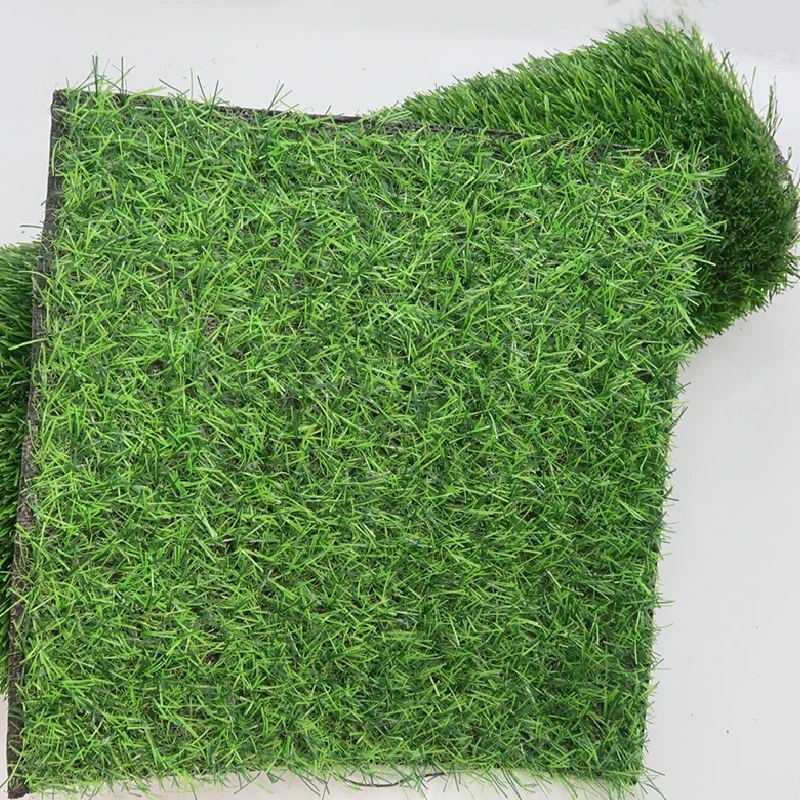
In simplest terms, turf squares are small, ready-to-install sections of grass with underlying soil and root systems intact, typically cut into manageable squares or rectangles. Unlike seeding an area from scratch, these squares are live, transplantable units that establish green cover quickly.
Modern industrial turf squares come with engineered soil mixtures and specially selected grass types designed for specific climates or applications—be it sports fields, embankments, or eco-restorations. They bridge natural landscaping with modular industrial technology, becoming essential in any green infrastructure toolkit.
It's also worth noting that humanitarian agencies increasingly rely on turf squares for quick ground recovery, especially in vulnerable regions where erosion or dust storms compound challenges after natural disasters.
Mini takeaway: Turf squares = instant green cover packaged for quick deployment — nature meets industrial efficiency.
Core Features That Make Turf Squares Work
1. Durability and Root Strength
Good turf squares come fortified with robust root systems that quickly anchor into the new soil, preventing washouts and soil erosion. Durability also means they resist foot traffic and weather stress—important for public parks or heavy-use industrial areas.
2. Scalability and Modular Design
The modular nature allows installation over large areas without the delays of traditional seeding. Industries like landscaping suppliers or civil engineers appreciate that square or rectangular formats can be laid with minimal waste.
3. Cost Efficiency and Maintenance
While turf squares have a higher upfront cost than grass seeds, the speed of growth and reduced water needs translate to lower maintenance costs over time. This is critical for government green infrastructure projects aiming for long-term sustainability.
4. Environmental Impact and Sustainability
Many modern turf squares use organic farming methods and native grasses, reducing chemical use and supporting biodiversity. Installation reduces dust and air pollution, improving urban microclimates.
5. Versatility for Different Terrains
Not all soils and climates are equal. Turf squares can be cultivated for sandy, clay, or rocky soils and adapted for drought-prone or humid zones. This flexibility is a massive plus for global deployment.
Practical Applications of Turf Squares Around the World
Across continents, turf squares have found diverse uses:
- Post-Disaster Relief: After floods or landslides, rapid greening of slopes with turf squares prevents further erosion, protects infrastructure, and restores community dignity.
- Sports and Recreational Fields: Installing turf squares ensures even playing surfaces with quick recovery time after damage, popular across Europe and North America.
- Urban Green Roofs: In dense cities like Tokyo or New York, turf squares support eco-roofs that reduce building heat loads and capture rainwater.
- Industrial Zones: Mining and construction sites in Australia and Canada use turf squares for rehabilitation and dust control.
If you’re curious, check out the turf squares options tailored for such applications—each offers detailed specs and environmental certifications.
Comparing Leading Turf Square Vendors
| Vendor | Grass Type | Root Depth (cm) | Typical Applications | Environmental Certifications |
|---|---|---|---|---|
| GreenScape Turf | Kentucky Bluegrass | 10-15 | Sports fields, Urban Parks | ISO 14001, LEED |
| EcoRoot Greens | Fescue Blend | 12-18 | Industrial sites, Reclamation | Organic Certified |
| UrbanLawn Systems | Native Zoysia | 8-12 | Green Roofs, Public Spaces | EPA Smartscape |
Tangible Long-Term Benefits of Turf Squares
There’s a kind of lasting satisfaction knowing that a turf installation isn’t just a quick fix. With turf squares, you gain:
- Long-term cost savings by reducing water usage and cutting down on landscaping labor.
- Environmental stewardship through improved air quality, biodiversity, and carbon sequestration.
- Social value by enhancing public spaces, promoting community engagement, and restoring damaged land.
- Reliable performance under varied conditions — from dry plains to storm-prone floodplains.
On a human level, these benefits translate into safer, greener, and more welcoming environments for all—whether a child playing on a freshly turfed field or a business operating on eco-conscious land.
Innovations and the Future of Turf Squares
What’s next? Frankly, the future of turf squares is intertwined with digital and material science innovations:
- Smart Turf Systems: Integration of moisture sensors and automated irrigation to optimize growth and cut water waste.
- Bioengineered Grasses: Developing grasses with enhanced drought resistance and carbon absorption capabilities.
- 3D-Printed Soil Substrates: Custom soil mixes layered for specific terrain needs created with additive manufacturing techniques.
- Green Energy Incorporation: Solar-powered tools for turf installation and maintenance reducing the carbon footprint.
All these advancements mean turf squares won’t just be greener but smarter and more adaptive to climatic challenges.
Challenges in Current Turf Square Practices & How to Overcome Them
Despite their advantages, turf squares face hurdles:
- Transport and Handling: Heavy and perishable, turf squares need careful logistics—solutions include cold-chain management and improved packaging.
- Seasonal Constraints: Optimal installation periods vary, pushing for innovations in storage and growth cycle research.
- Cost Barriers: High initial costs can deter smaller projects, now addressed by developing affordable, smaller-scale options.
Many experts recommend blending turf squares with complementary erosion control methods and local species to maximize effectiveness and reduce costs.
FAQ: Frequently Asked Questions About Turf Squares
Q1: How quickly can turf squares establish on new soil?
A: Typically, turf squares root firmly within 2 to 3 weeks under ideal conditions. Full integration with soil and vigorous growth usually takes 6 to 8 weeks, depending on species and climate.
Q2: Are turf squares suitable for steep slopes?
A: Yes. Their compact root mat helps stabilize slopes and prevents erosion better than seeding alone. Installation techniques are adapted for angle and soil type.
Q3: Can turf squares be used in arid or drought-prone areas?
A: Absolutely. Using drought-resistant grass species and specially designed soil substrates, several turf square options cater specifically to low-water environments.
Q4: What maintenance is required after installation?
A: Initially, irrigation and minimal foot traffic are vital. After establishment, routine mowing, fertilizing, and occasional aeration keep turf healthy. Maintenance intensity depends on use cases.
Q5: How does turf square installation impact sustainability efforts?
A: Turf squares enhance sustainability by decreasing soil loss, sequestering carbon, reducing urban heat islands, and offering habitats for various species. They're often part of eco-certification programs.
Conclusion: Why Turf Squares Are Worth Considering
In sum, turf squares pack a powerful punch: a smart, modular, and sustainable solution for modern landscaping and environmental management. They not only fulfill practical needs but also enrich communities and ecosystems. As we push toward greener cities and resilient infrastructure, turf squares are bound to be part of the conversation.
Curious to explore options for your projects? Visit us at turf squares and find the right fit for your needs.
| Specification | Details |
|---|---|
| Material | Live grass with organic soil base |
| Dimensions | Typically 40cm x 40cm per square (custom sizes available) |
| Weight | Approximately 5-7 kg per square |
| Installation Time | 2-5 days per 100 m² (depending on site conditions) |
| Water Requirements | Initial frequent watering, then reduced over time |
References
Latest news
-
Creating the Perfect Fake Grass Area for Dogs Complete Guide
NewsApr.16,2026
-
Guide to Using Fake Grass and Pets for a Pet Friendly Lawn
NewsApr.09,2026
-
Fake Grass and Dogs Creating a Pet Friendly and Durable Yard
NewsApr.07,2026
-
Maintaining a Pristine Lawn with Fake Grass and Dog Wee Management Solutions
NewsApr.04,2026
-
The Ultimate Guide to Choosing the Perfect Fake Dog Grass Patch for Your Pet
NewsMar.31,2026
-
Discover the Benefits of High Quality Fake Dog Grass for Potty Training
NewsMar.28,2026
Products categories