Welcome to Hoyarn
Call Us Any Time:+86 19801805999
Email Us: info@hoyarn.cn
Yard Turf Solutions: Sustainability, Durability & Innovation for Modern Green Spaces
Nov . 27, 2025 12:20 Back to list
Yard Turf Solutions: Sustainability, Durability & Innovation for Modern Green Spaces
The Growing Importance of Yard Turf in a Changing World
Yard turf might sound like just grass or some green carpet laid outside, but in today's world, it's far more strategic and impactful than you might think. As urban spaces densify and climate challenges become increasingly pressing, yard turf solutions—particularly synthetic and hybrid varieties—are helping redefine landscaping, event spaces, and even disaster response zones. Understanding yard turf's multifaceted role unlocks benefits from cost savings to sustainability and community resilience worldwide.
Sure, at first glance it seems simple: green space equals comfort, beauty, maybe a little environmental relief. But scratch deeper and you'll find major global trends pushing yard turf into the spotlight: rapid urbanization, water scarcity, and the push for green infrastructure. According to UN-Habitat, over half the world's population lives in urban areas, a figure expected to reach 68% by 20501. That's a lot of green to manage efficiently — enter innovative yard turf solutions.
What Exactly Is Yard Turf?
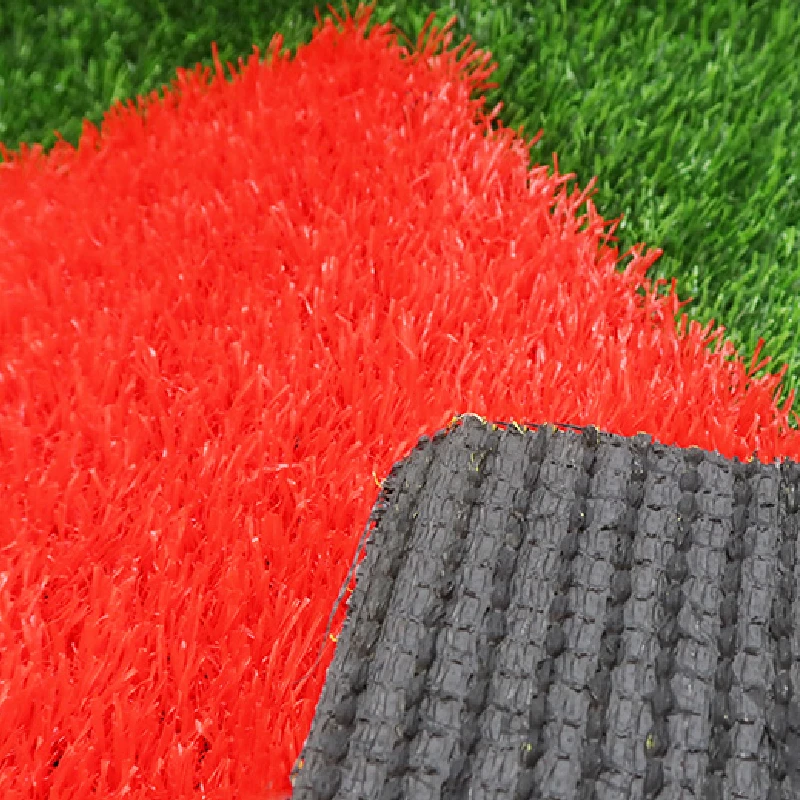
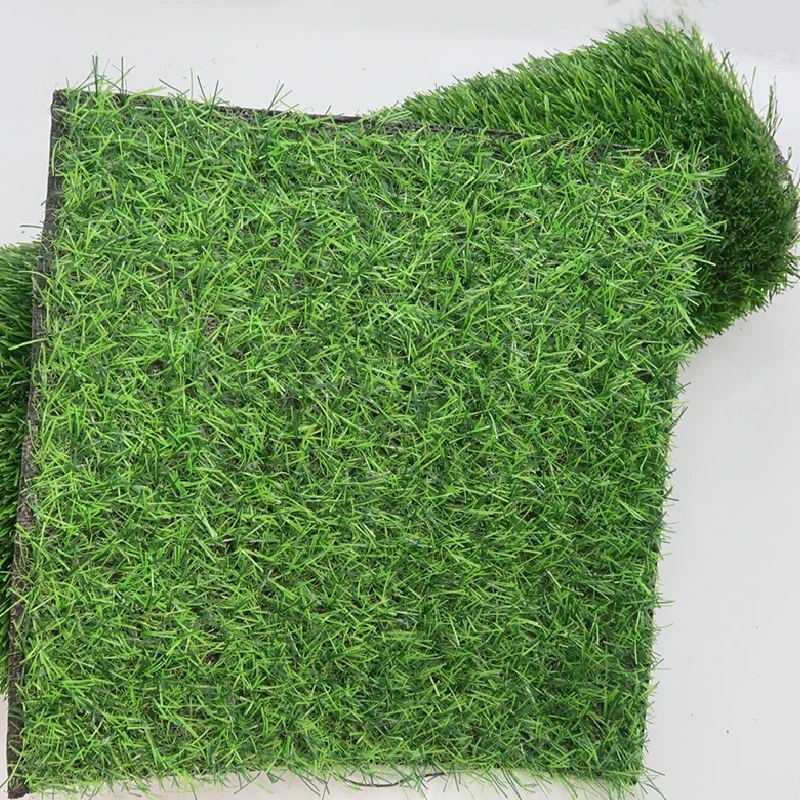
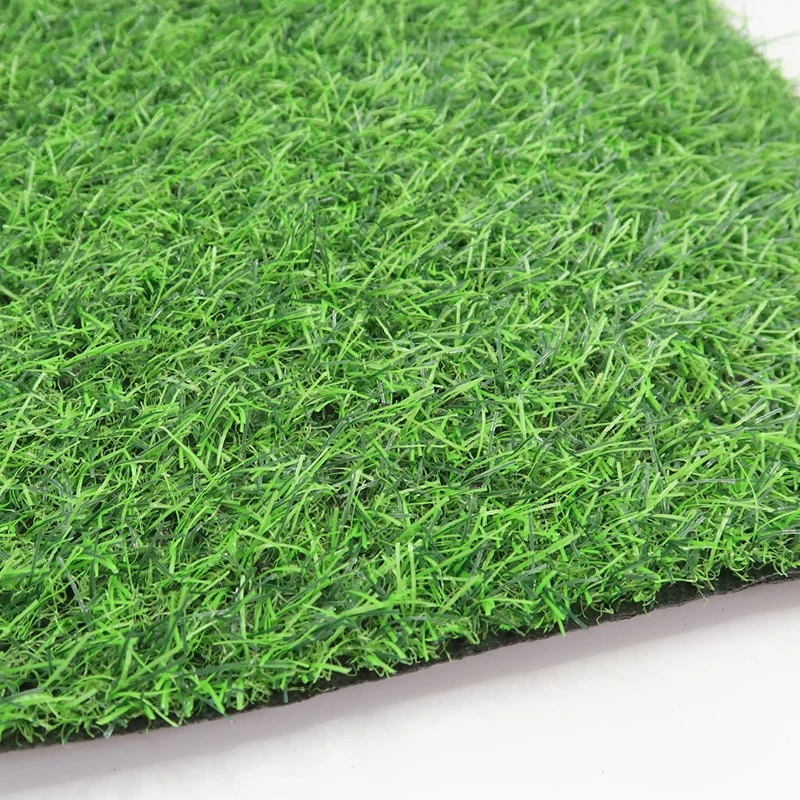
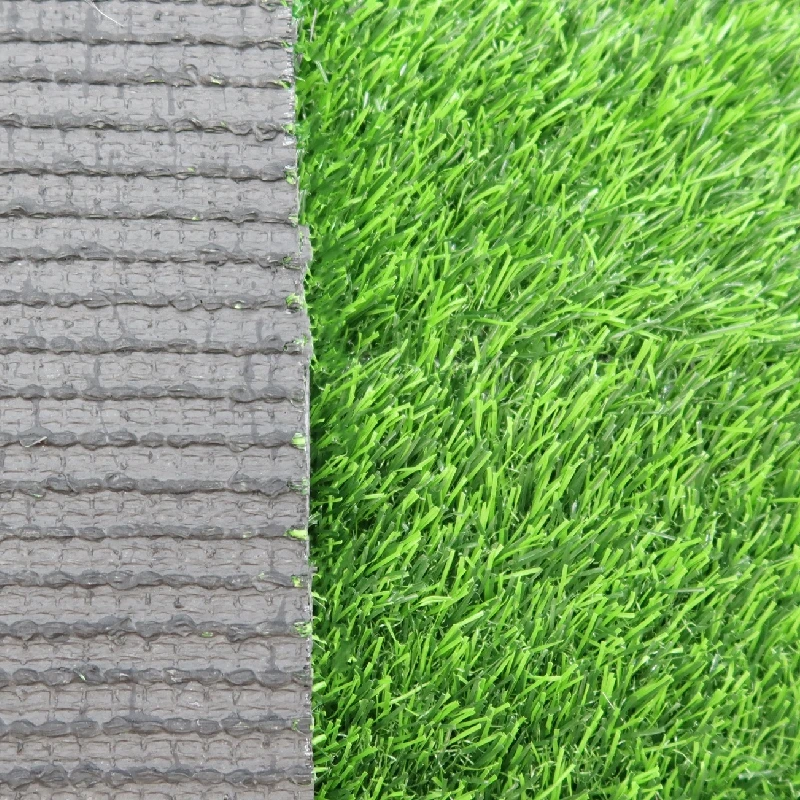
At its core, yard turf refers to specially prepared grass or grass-like material covering the ground in residential yards, commercial spaces, sports fields, and more — but these days, it often means artificial or hybrid turf designed to mimic natural grass while solving traditional limitations. Think vibrant, durable greenery that’s not at the mercy of drought or heavy foot traffic. This makes yard turf a critical player in modern landscaping, sports, urban planning, and even humanitarian aid fields.
For example, many non-profits working in refugee camps or temporary settlements rely on modular yards with turf systems to improve hygiene, reduce dust, and create comfortable, familiar living spaces. Interestingly, it's not just beauty or utility — it's a tool to uphold dignity in tough situations.
Key Features That Define Quality Yard Turf
Durability and Wear Resistance
Whether it’s kids playing soccer or heavy machinery passing by, yard turf has to hold up. Synthetic fibers are engineered to resist wear, UV exposure, and climate extremes — sometimes lasting over 15 years without major degradation. Durability means less frequent replacement, reducing both cost and waste.
Water Efficiency
In drought-prone areas, real grass demands gallons of water daily. Yard turf, especially artificial varieties, cuts this down dramatically. This means less strain on municipal water supplies, which is a massive win when the UN estimates by 2025, half the world could face water stress2.
Maintenance Simplified
Regular lawns require mowing, fertilizing, pest control—the list goes on. Yard turf often just needs a sweep, some rinsing, and occasional grooming. This leads to fewer toxic chemical run-offs, making it more environmentally friendly overall.
Comfort and Aesthetics
High-quality turf doesn’t just look real; it feels natural underfoot — an important psychological and physical benefit. We all know green spaces reduce stress and encourage outdoor activity...
Customization and Scalability
From small residential yards to massive sports venues or industrial sites, turf solutions can be tailored in size, pile height, color, and fiber type. This flexibility helps clients across sectors optimize performance and appearance.
Where Yard Turf Makes an Impact: Global Use Cases
In the U.S., artificial turf is standard in many sports stadiums, but that’s just the tip of the iceberg. Across arid regions like the Middle East, synthetic turf combats desertification around homes and offices. In Europe, hybrid systems combine natural grass roots with synthetic fibers to extend playing seasons and reduce injuries.
Even humanitarian groups have embraced yard turf. Post-disaster relief camps in Southeast Asia use modular turf sections to control mud and dust, improving hygiene and morale. Here, yard turf isn’t decorative — it’s a practical innovation improving quality of life and accelerating recovery.
Advantages & Why Yard Turf Offers Long-Term Value
- Cost savings: Though initial investment may be higher, savings on water, maintenance, and replacement add up over time.
- Environmental benefits: Less water, fewer chemicals, and longer life cycles mean a smaller ecological footprint.
- Social impact: Improved outdoor spaces foster community, play, and well-being.
- Reliability: Turf stands firm in high traffic and extreme climate scenarios, providing consistent performance.
On a more emotional note, green spaces with well-maintained turf provide a sense of normalcy and happiness — values that are so crucial, especially in urban and stressed communities.
Looking Ahead: Trends and Innovations in Yard Turf
Technology is pushing turf into new territories. Biodegradable synthetic fibers, infills made from recycled rubber or cork, and smart turf with embedded sensors monitor moisture and temperature for precision maintenance. Some companies explore solar-harvesting turf that powers outdoor lighting.
Plus, with rising interest in circular economy principles, yards that regenerate nutrients or recycle materials could soon become commonplace. It’s a fascinating crossroads of nature and engineering.
Common Challenges and How They're Tackled
Despite the perks, yard turf isn’t without hurdles. A few users point to initial costs, heat retention (some synthetic varieties feel very hot underfoot), and microplastic concerns as issues. But manufacturers are addressing these by enhancing fiber composition and integrating cooling additives.
Additionally, regulatory changes push for safer recycling and disposal standards, and installations increasingly emphasize proper drainage to avoid puddling or mold growth.
Frequently Asked Questions About Yard Turf
- How do I know if yard turf is the right choice for my climate?
- Modern turf offers varieties tailored to different climates, from UV-resistant fibers for sunny areas to heat-reflective options for hot zones. Consulting vendors about your zone helps ensure optimal performance and longevity.
- Is synthetic yard turf safe for pets and children?
- Yes, most high-quality turf products are non-toxic and designed with hygiene in mind. Some feature antimicrobial treatments and easy-clean surfaces, making them a great family-friendly option.
- What is the average lifespan of yard turf installations?
- Generally, artificial turf lasts between 10-15 years depending on quality, usage, and maintenance. Hybrid systems often last longer due to the natural grass component complementing synthetic fibers.
- Can yard turf help reduce water bills?
- Absolutely. Since artificial turf doesn't need watering and hybrid systems use less water than traditional lawns, many homeowners report significant water bill reductions after installation.
Yard Turf Specifications at a Glance
| Specification | Standard A | Premium Hybrid B | Eco Friendly C |
|---|---|---|---|
| Fiber Type | Polyethylene | Polypropylene + Natural Grass | Recycled Nylon |
| Pile Height | 25 mm | 35 mm | 28 mm |
| UV Resistance | Standard | Enhanced | Standard |
| Warranty | 8 years | 12 years | 10 years |
| Approx. Cost per m² | $25 | $40 | $35 |
Comparing Leading Yard Turf Vendors
| Vendor | Product Range | Sustainability Focus | Global Reach | Pricing |
|---|---|---|---|---|
| GreenScape Solutions | Wide (residential, sports, commercial) | Uses recycled fibers, biodegradable infills | North America, Europe | Moderate |
| EcoTurf Industries | Specializes in eco-friendly and hybrid turf | Strong focus on sustainability and circularity | Global, incl. Asia & Africa | Premium |
| UrbanGreen | Urban landscaping & modular turf | Targets low-water usage products | Primarily US & Canada | Economical |
In summary, the versatility and evolving technology behind yard turf solutions make it a remarkable asset for modern landscaping, sustainability goals, and more. It’s a testament to how a seemingly simple concept can ripple across industries from sports arenas to disaster relief zones.
If you’re curious about scaling your own green spaces with durable, efficient turf, why not explore yard turf options and see what fits best?
References
Latest news
-
Creating the Perfect Fake Grass Area for Dogs Complete Guide
NewsApr.16,2026
-
Guide to Using Fake Grass and Pets for a Pet Friendly Lawn
NewsApr.09,2026
-
Fake Grass and Dogs Creating a Pet Friendly and Durable Yard
NewsApr.07,2026
-
Maintaining a Pristine Lawn with Fake Grass and Dog Wee Management Solutions
NewsApr.04,2026
-
The Ultimate Guide to Choosing the Perfect Fake Dog Grass Patch for Your Pet
NewsMar.31,2026
-
Discover the Benefits of High Quality Fake Dog Grass for Potty Training
NewsMar.28,2026
Products categories