Welcome to Hoyarn
Call Us Any Time:+86 19801805999
Email Us: info@hoyarn.cn
Artificial Golf Turf: Sustainable, Durable, and Cost-Effective Greens for Every Course
Nov . 27, 2025 15:25 Back to list
Artificial Golf Turf: Sustainable, Durable, and Cost-Effective Greens for Every Course
What Is Artificial Golf Turf and Why Should We Care?
Artificial golf turf has quietly revolutionized the turf industry worldwide, especially as demands for sustainable landscaping soar. Simply put, it’s synthetic grass designed to look and feel like natural putting greens—but without the constant watering, mowing, and fertilizing. That might seem trivial to the casual golfer, but globally, the benefits run much deeper: water conservation, year-round playability, and drastically reduced maintenance costs. In parts of the world battling drought or limited green space, understanding artificial golf turf is no longer a luxury, but a necessity in sports facility management and urban landscaping.
So before you think “just fake grass,” consider what it entails on a larger scale: a blend of science, sustainability, and design innovation that’s reshaping how we think about outdoor spaces worldwide.
Mini takeaway: Artificial golf turf offers a smart solution for sustainability and ease of maintenance, adapting well to global environmental challenges.
The Global Context: Why Artificial Golf Turf Matters Now
Over 320 million people worldwide enjoy golf, but traditional golf courses come with hefty environmental costs—averaging 200,000 gallons of water per week to maintain lush fairways, according to some estimates. The United Nations Water Scarcity Reports highlight water shortages worsened by climate change, pushing golf courses and communities to rethink landscaping.
Enter artificial golf turf. It solves a crucial problem: how to sustain green spaces without draining local resources. Beyond drought-prone regions, it enables golf courses in arid lands, urban rooftops, or industrial areas to stay green without the ecological footprint. The World Bank also flags urban sprawl, raising the need for adaptive green infrastructure—in which synthetic turf can play a vital role.
Mini takeaway: The rise in water scarcity and urbanization globally drives the shift toward artificial golf turf as an eco-friendly alternative.
Artificial Golf Turf: A Simple yet Smart Definition
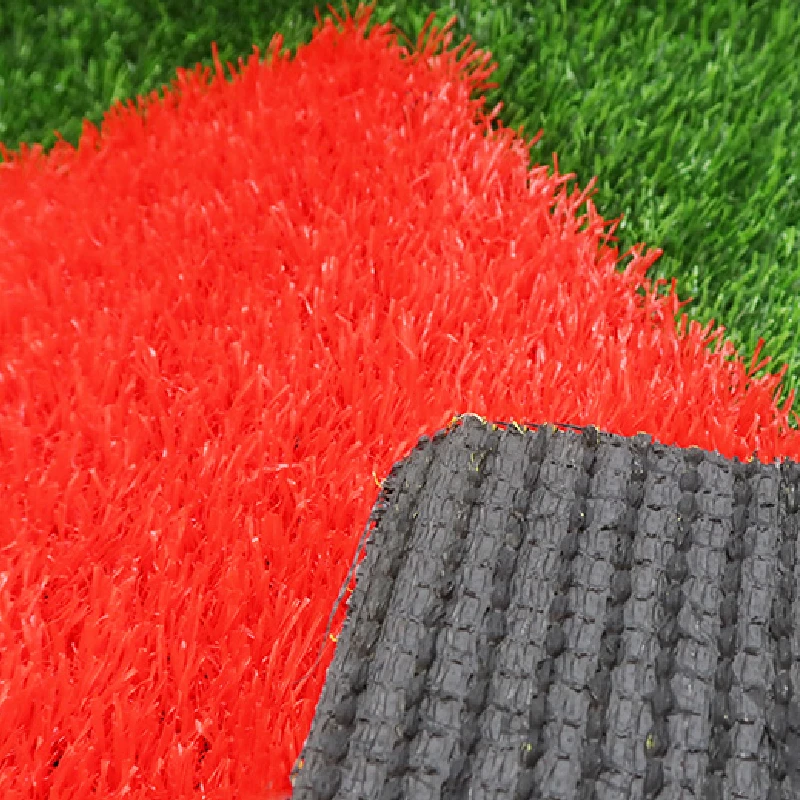
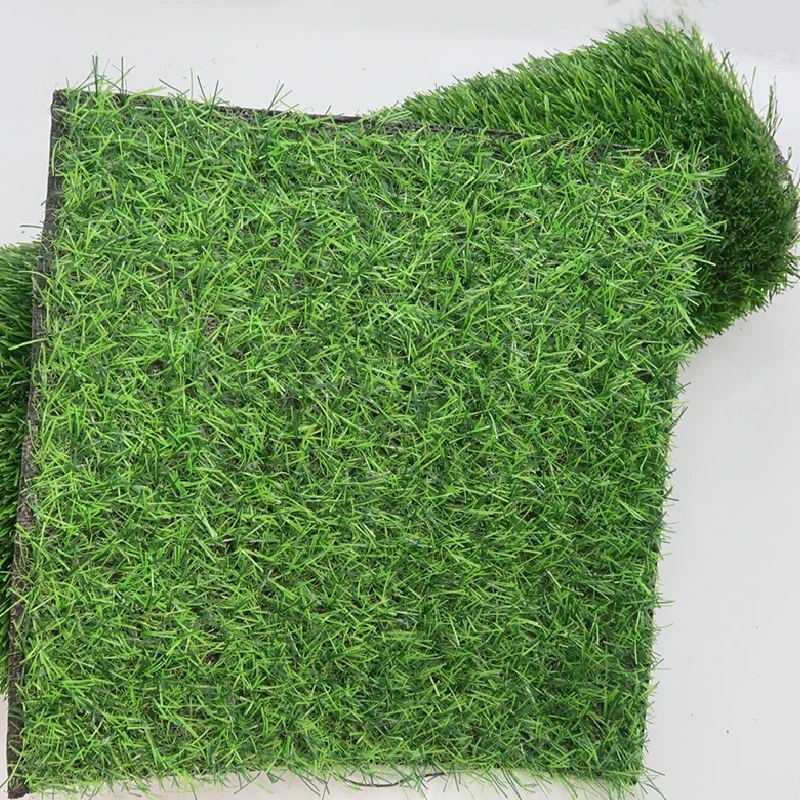
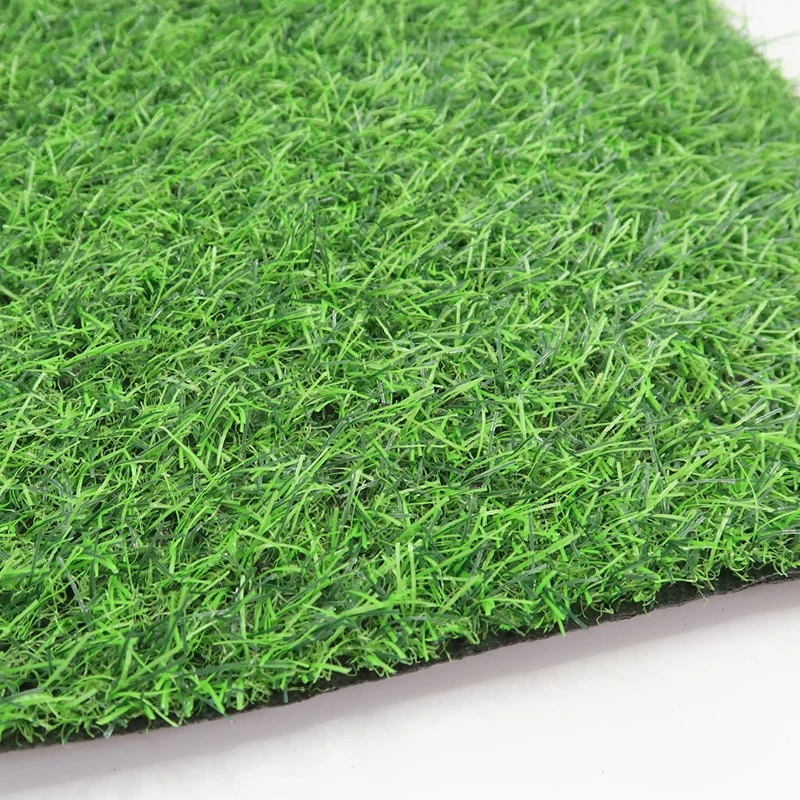
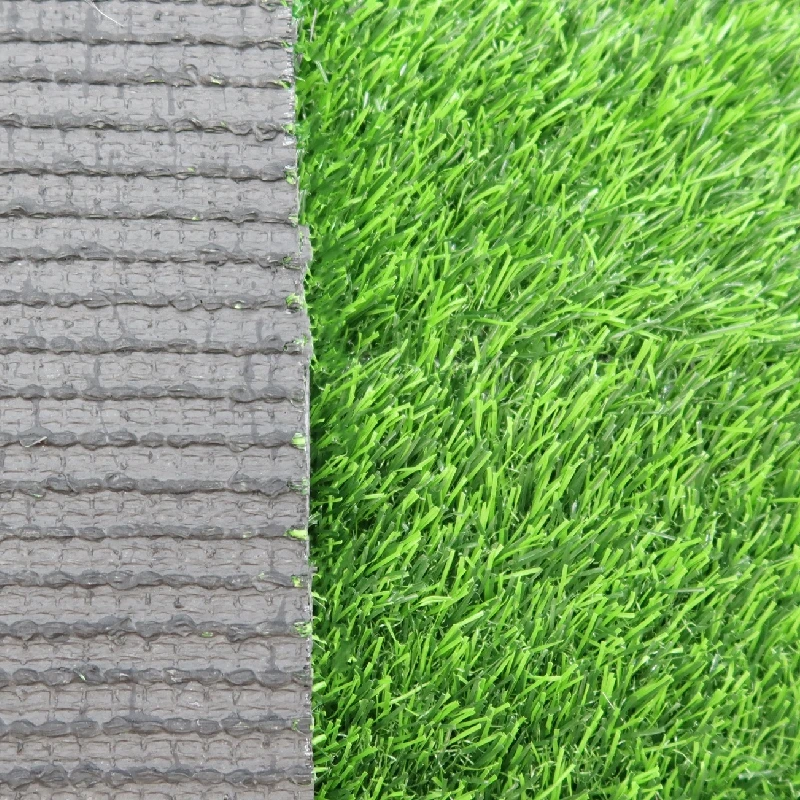
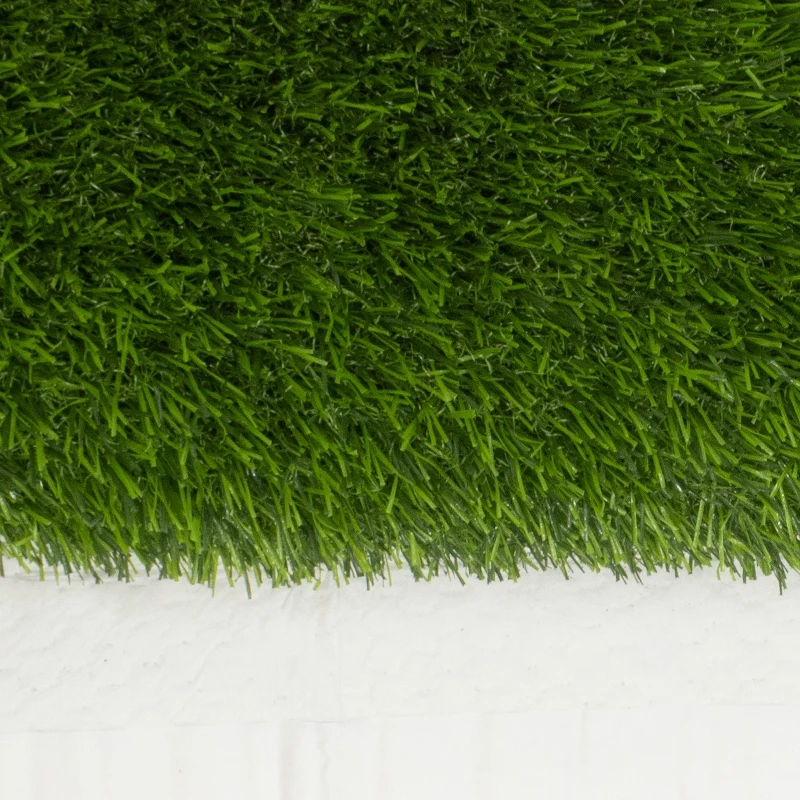
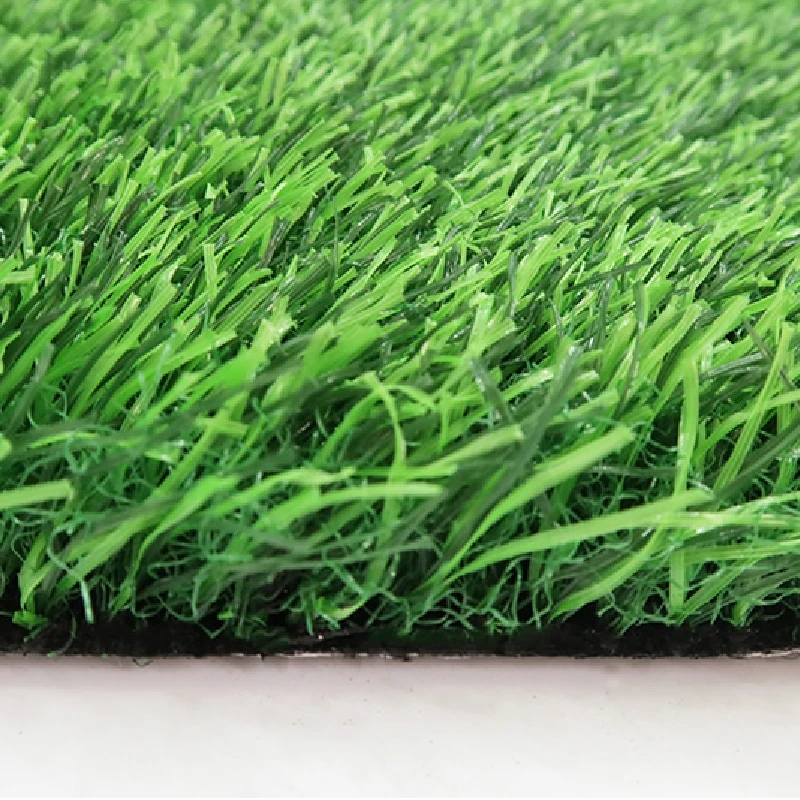
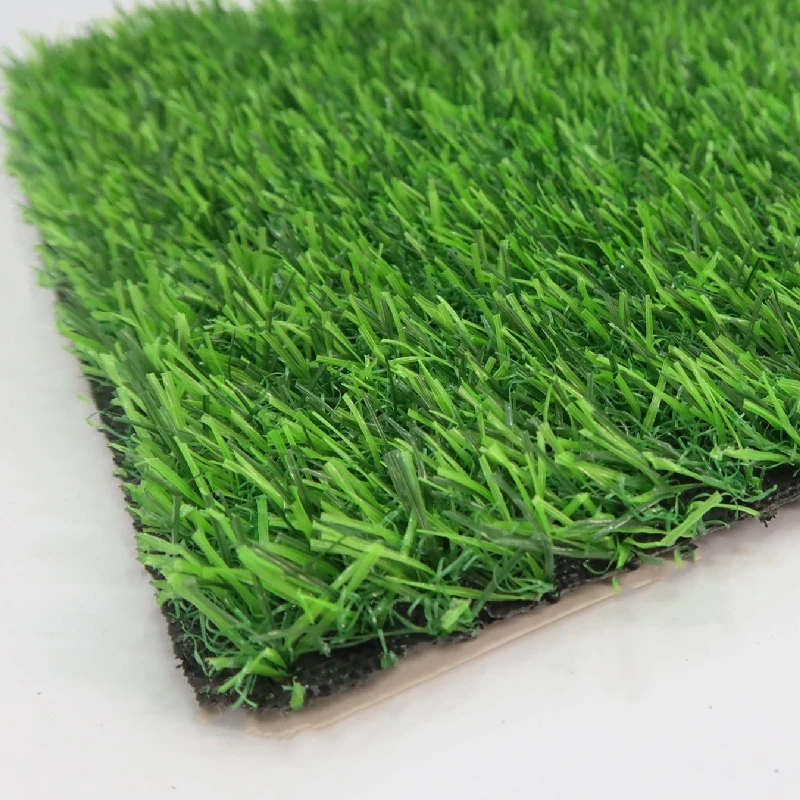
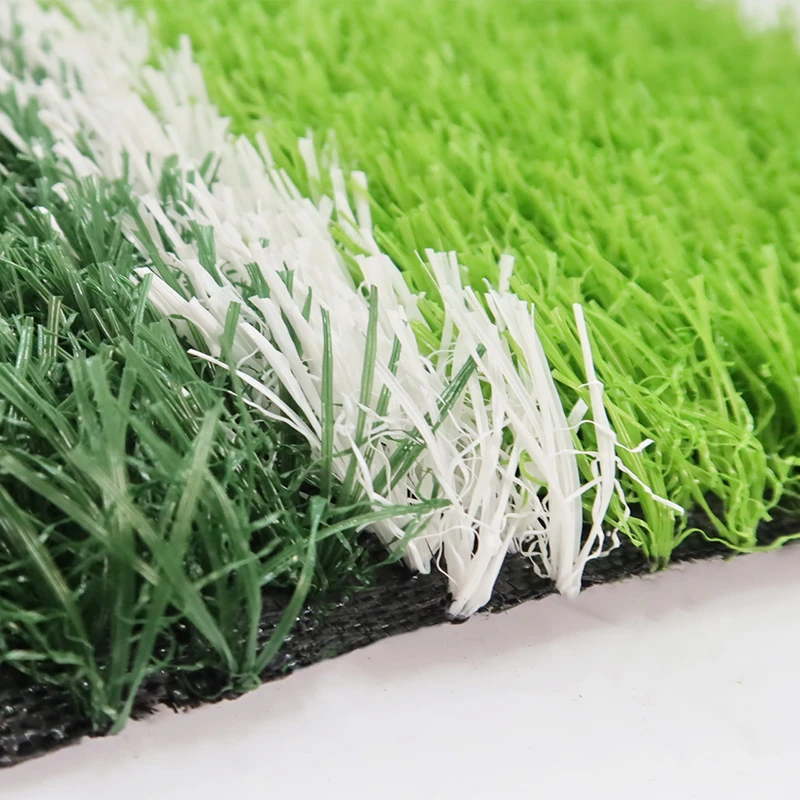
Artificial golf turf is a man-made surface crafted from polymer fibers that mimic the appearance and texture of natural grass. Modern iterations use materials like polyethylene and nylon, with backing layers to provide drainage and stability. Unlike earlier versions that felt like plastic playgrounds, today’s products offer realistic “greens” with appropriate ball roll, cushioning, and durability.
This technology isn’t just a turf replacement; it ties to broader industrial goals like water conservation, low-maintenance landscaping, and sustainability in leisure industries. Plus, its quick installation and adaptability make it suitable for humanitarian and recreational settings where natural grass struggles.
Mini takeaway: Think of artificial golf turf as high-tech, eco-conscious landscaping designed for performance and practicality.
Core Components That Make Artificial Golf Turf Work
1. Durability & Wear Resistance
Since golf involves repetitive foot traffic and occasional equipment impact, durability is key. Modern artificial golf turf undergoes rigorous testing for UV resistance, weathering, and mechanical abrasion, ensuring years of consistent use even in harsh climates.
2. Realistic Ball Roll & Consistent Play
Unlike playground turf or sports fields, golf requires precision in ball behavior. Manufacturers carefully engineer fiber length, density, and infill material to mimic grass blades that allow smooth, predictable ball roll—crucial for players’ technique and enjoyment.
3. Drainage and Stability
Water doesn’t pool on a well-designed artificial golf surface. The backing system includes perforations and porous layers to channel rain and irrigation beneath, preventing soggy patches or damage.
4. Cost Efficiency Over Time
Initial installation might seem steep, but slashed water bills, minimal upkeep, and long lifespan (typically 10–15 years) balance the cost. Many course managers notice real savings in three to five years.
5. Environmental Impact
Reduced pesticide use, no fertilizers, and lower water consumption combine for a greener footprint. Plus, synthetic turf can be made with recycled materials, aligning with circular economy goals.
Mini takeaway: The best artificial golf turf merges durability, play quality, and sustainability for a long-lasting plus enjoyable experience.
Where Artificial Golf Turf Is Making a Real Difference Globally
This isn’t just about posh country clubs anymore. Here are some practical use cases:
- Arid regions: Southwestern U.S. and Australia use artificial turf to cope with severe droughts limiting natural grass.
- Urban rooftops and mini-golf courses: Synthetic turf allows green spaces in places where soil and watering aren’t options.
- Golf training centers: These use turf to ensure all-weather, low-maintenance practice areas.
- Post-disaster or temporary event grounds: Quick and clean installation means recovery landscapes or festival courses can flourish without muddy messes.
Mini takeaway: Artificial golf turf adapts from deserts to rooftops to disaster zones, proving its versatility across sectors.
Advantages and Long-Term Value You Can Count On
Besides cutting water use by up to 90%, artificial golf turf reduces carbon emissions from mowing machinery, fertilizers, and irrigation pumps. Course managers and players benefit from more reliable surfaces unaffected by weather swings. It’s also safer — no muddy slips or uneven greens. Beyond economics, it fosters a sense of pride and community because the course is always game-ready.
Emotionally, players appreciate the consistent feel; environmentally conscious golfers feel aligned with sustainability. Facility operators save time and resources to focus on other improvements.
Mini takeaway: Artificial golf turf delivers measurable savings, eco gains, and a quality experience—hard to beat.
Future Trends: What’s Next for Artificial Golf Turf?
Innovation isn’t sleeping here. Expect new bio-based polymers replacing petroleum-derived polymers, enhancing biodegradability. Smart turf with embedded sensors could one day monitor wear, moisture, or temperature. Digital fabrication and robotic installation might make laying turf faster and more precise than ever.
On the policy side, stricter environmental regulations might push wider adoption, while subsidies for water-saving technologies could reduce upfront costs.
Mini takeaway: The intersection of sustainability and tech promises a greener, smarter future for artificial putting greens.
Challenges and How Industry Experts Tackle Them
Of course, it’s not perfect. Some turf products suffer from heat retention, making surfaces hotter in sun. Environmental critics question synthetic microplastic shedding. Initial costs can deter smaller clubs. Yet ongoing R&D focuses on heat-reflective fibers, recyclable turf systems, and cost-effective modular solutions.
Plus, combining artificial turf with natural landscaping elements can balance aesthetics and environmental concerns.
Mini takeaway: Awareness and innovation help overcome artificial turf’s current pain points, making it a continuously evolving solution.
Artificial Golf Turf: Product Specification Table
| Specification | Typical Value | Notes |
|---|---|---|
| Pile Height | 10-14 mm | Optimal for roll & ball behavior |
| Material Composition | Polyethylene/Nylon mix | Balance of softness & durability |
| UV Resistance | 8,000+ hours | Ensures color fastness & longevity |
| Drainage Rate | 30 inches/hour | Prevents surface pooling |
| Warranty | 10-15 years | Coverage against wear & UV fading |
Vendor Comparison: Leading Artificial Golf Turf Providers
| Provider | Material Quality | Customization Options | Price Range | Warranty |
|---|---|---|---|---|
| GreenBlade Turf Co. | High-grade polyethylene with UV inhibitors | Custom fiber length & color options | $$$ (Premium) | 15 years |
| EcoTurf Solutions | Recycled nylon/poly blends | Standard designs with modular kits | $$ (Mid-range) | 12 years |
| SunGreen Artificial Turf | Heat-reflective polymers | Color customization & heat control tech | $$$ (Premium) | 10 years |
FAQ: Your Top Questions on Artificial Golf Turf
Q1: How long does artificial golf turf typically last?
Most high-quality artificial golf turf products have a lifespan of 10 to 15 years with proper care. Factors like UV exposure, weather conditions, and foot traffic affect durability. Regular cleaning and professional installation help maximize longevity.
Q2: Is artificial golf turf really eco-friendly?
While not biodegradable, synthetic turf reduces water consumption, pesticide use, and mowing emissions—leading to significant environmental benefits. Advances in recyclable materials and carbon-neutral manufacturing also improve overall sustainability.
Q3: Can artificial turf handle heavy rainfall?
Yes! Well-designed artificial golf turf features specialized backing and drainage systems to channel water quickly, preventing puddles or soggy surfaces. This allows year-round usability even in wet regions.
Q4: How does the cost of artificial golf turf compare to natural grass?
Upfront costs are higher for artificial turf due to materials and installation. However, over 5 to 7 years, savings from lower water bills, maintenance, and fertilizers typically offset initial investment, making it cost-competitive long-term.
Q5: Can artificial golf turf be customized for different playing conditions?
Absolutely. Manufacturers offer options for fiber length, infill types, and density to tune surface speed and ball roll, catering to everything from casual putting greens to competitive tournament standards.
In Conclusion: The Long-Term Benefits of Artificial Golf Turf
Artificial golf turf is no passing fad. It’s a thoughtfully engineered solution marrying environmental stewardship with practical benefits—a green space that’s always ready for play, sparing precious water, and reducing upkeep headaches. As climate concerns grow, these synthetic greens will only gain importance.
Interested in upgrading your course or recreational space? Visit our website at artificial golf turf to explore cutting-edge products designed to fit your unique needs.
References
Latest news
-
Creating the Perfect Fake Grass Area for Dogs Complete Guide
NewsApr.16,2026
-
Guide to Using Fake Grass and Pets for a Pet Friendly Lawn
NewsApr.09,2026
-
Fake Grass and Dogs Creating a Pet Friendly and Durable Yard
NewsApr.07,2026
-
Maintaining a Pristine Lawn with Fake Grass and Dog Wee Management Solutions
NewsApr.04,2026
-
The Ultimate Guide to Choosing the Perfect Fake Dog Grass Patch for Your Pet
NewsMar.31,2026
-
Discover the Benefits of High Quality Fake Dog Grass for Potty Training
NewsMar.28,2026
Products categories