Welcome to Hoyarn
Call Us Any Time:+86 19801805999
Email Us: info@hoyarn.cn
Comprehensive Guide to the Cost for Turf Installation: Insights & Trends
Dec . 02, 2025 05:30 Back to list
Comprehensive Guide to the Cost for Turf Installation: Insights & Trends
Understanding the Cost for Turf Installation: What You Need to Know
When you first think about turf installation, what comes to mind? Maybe lush green sports fields, or a pristine backyard lawn. But the cost for turf installation is more than just a dollar figure—it’s a blend of material choices, site conditions, labor, and long-term upkeep that impact projects worldwide. Given increasing urbanization and environmental concerns, knowing these costs has become crucial not just for homeowners but for industry professionals, municipalities, and even humanitarian efforts.
Why does this matter globally? Well, turf installation affects water usage, landscaping budgets, and environmental footprints. As cities stretch and climate patterns shift, selecting cost-effective, sustainable turf solutions grows in urgency. The key benefits of digging into the cost structures include improved budgeting accuracy, smarter resource allocation, and ultimately, greener spaces that last.
Introduction: A Global Lens on Turf Installation Costs
Across continents, from North America’s vast sports complexes to Europe’s urban parks, the cost for turf installation is an essential piece of the puzzle. According to the United Nations FAO, urban green spaces have risen in priority thanks to their health and social benefits—yet many cities struggle to fund quality turf installation without waste. The World Bank estimates that around 55% of the global population will live in cities by 2050, magnifying the need for practical, affordable turf solutions that conserve water and energy.
But here’s the challenge: turf projects often run over budget due to hidden factors like soil preparation and drainage. Without clarity on what drives these costs, planners and homeowners alike can face surprises that stall projects or degrade their quality.
Defining the Cost for Turf Installation
Simply put, the cost for turf installation encompasses all expenses involved in turning a raw patch of ground into a flourishing green surface. This includes:
- Materials: The turf itself (natural or synthetic), underlayments, and amendments.
- Labor: Skilled work for ground prep, laying turf, and finishing touches.
- Site prep: Clearing, grading, soil testing, and drainage setup.
- Maintenance setup: Irrigation systems, fertilization schedules, and weed control.
It connects tightly with modern landscaping industries striving for sustainability, as well as humanitarian and public works sectors looking for durable, cost-efficient ground coverage in both urban and remote zones.
Core Components That Shape Installation Costs
1. Quality and Type of Turf
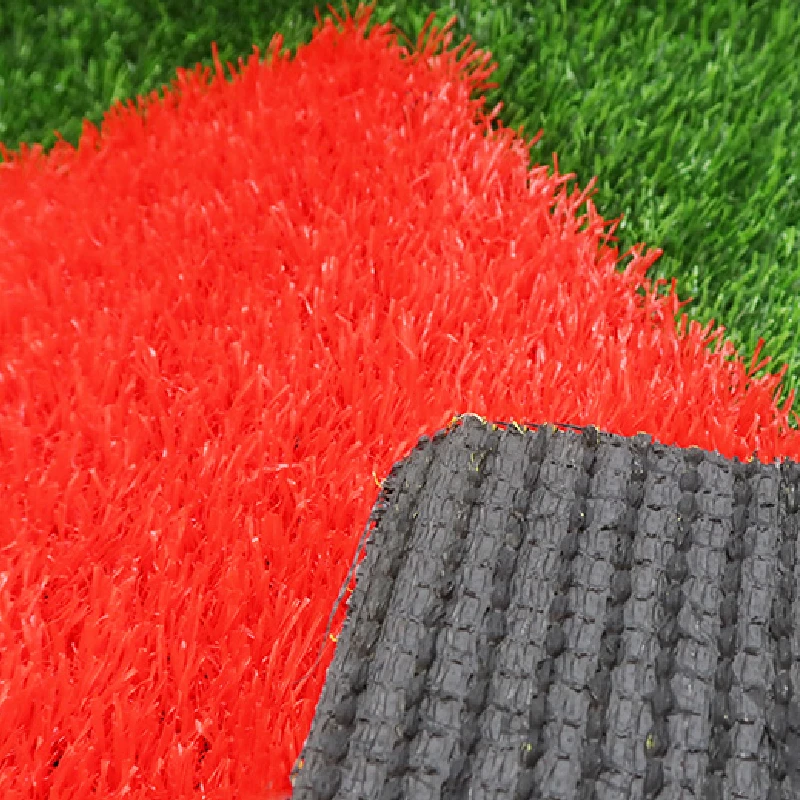
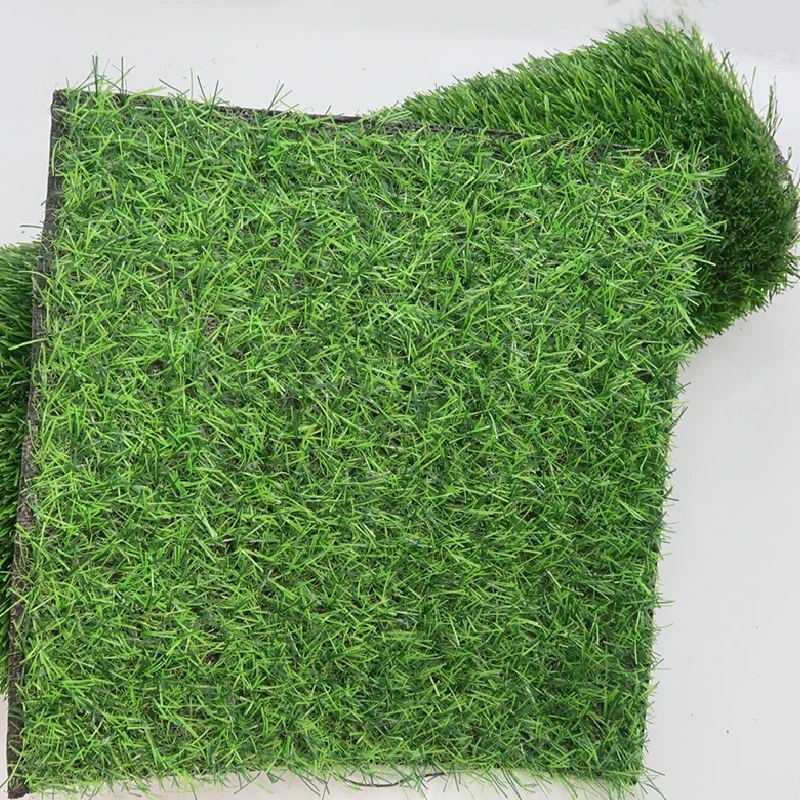
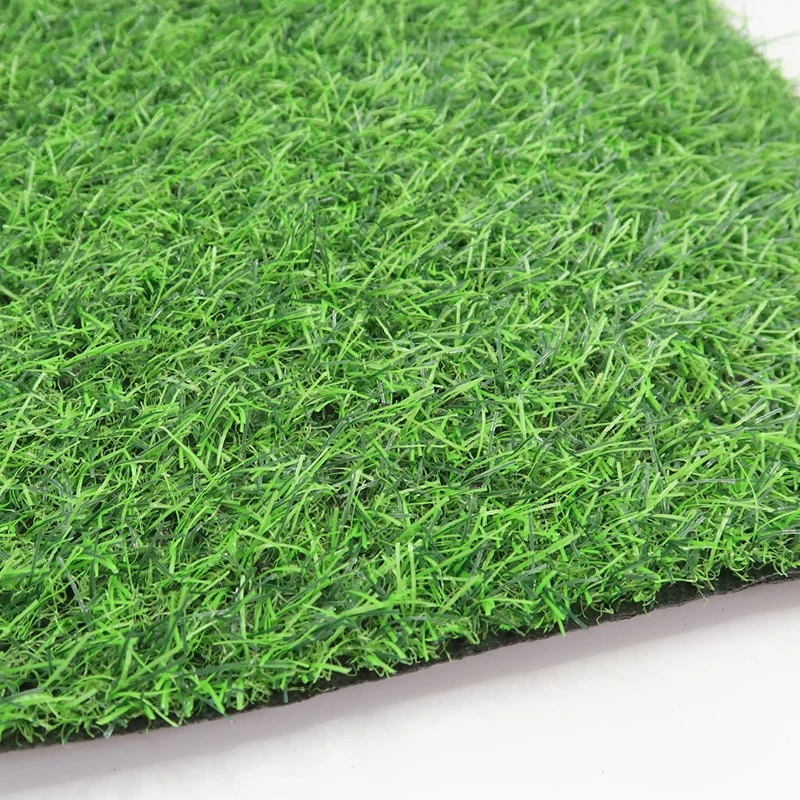
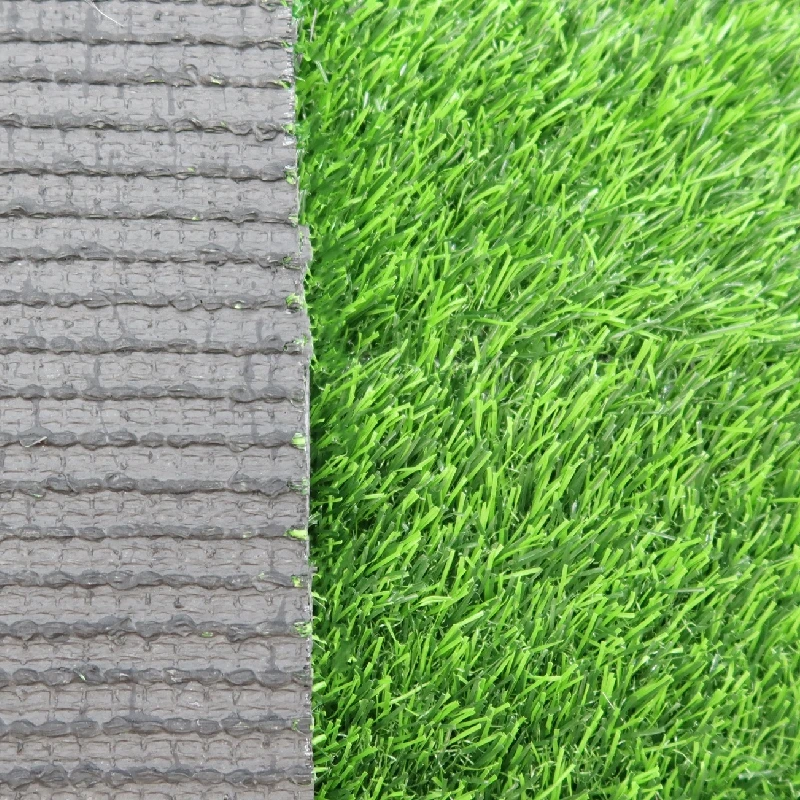
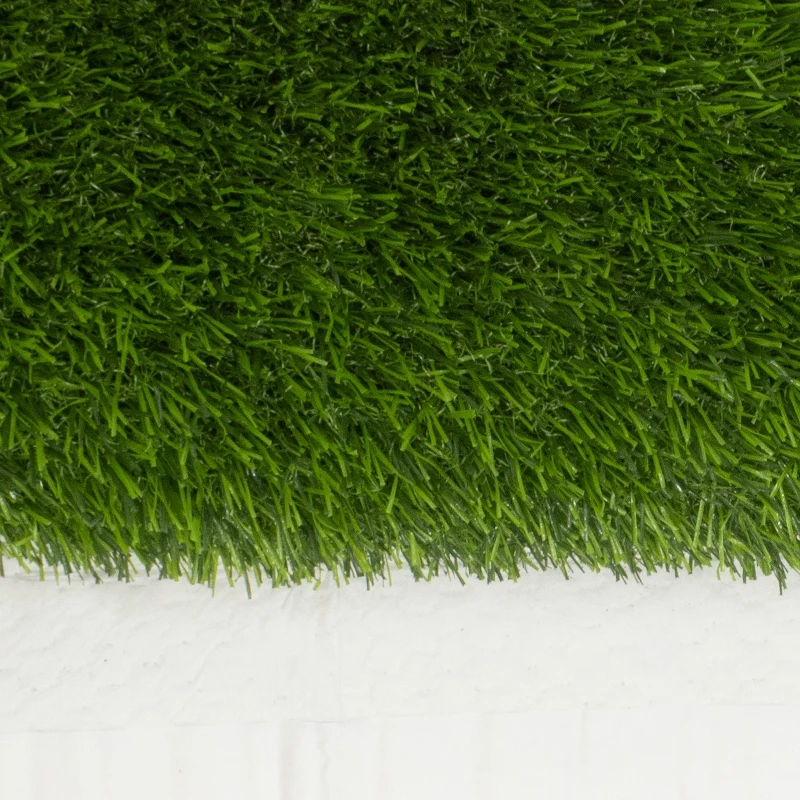
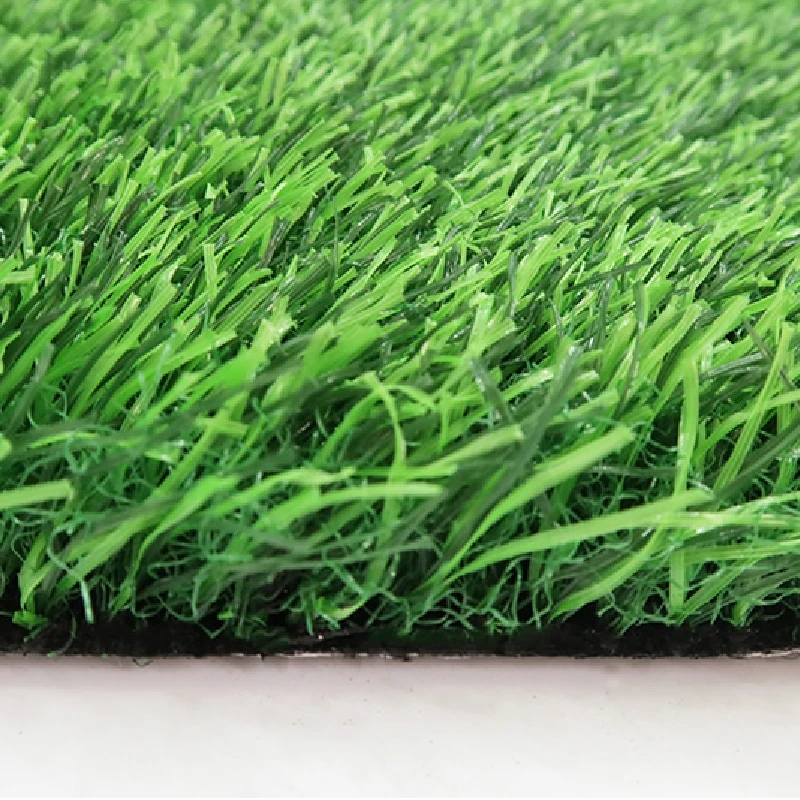
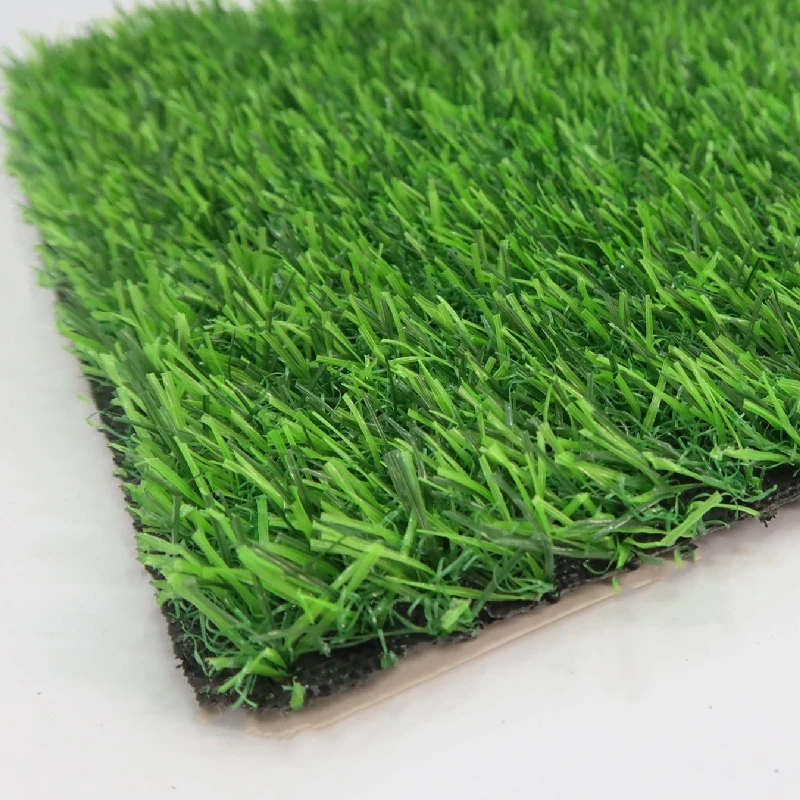
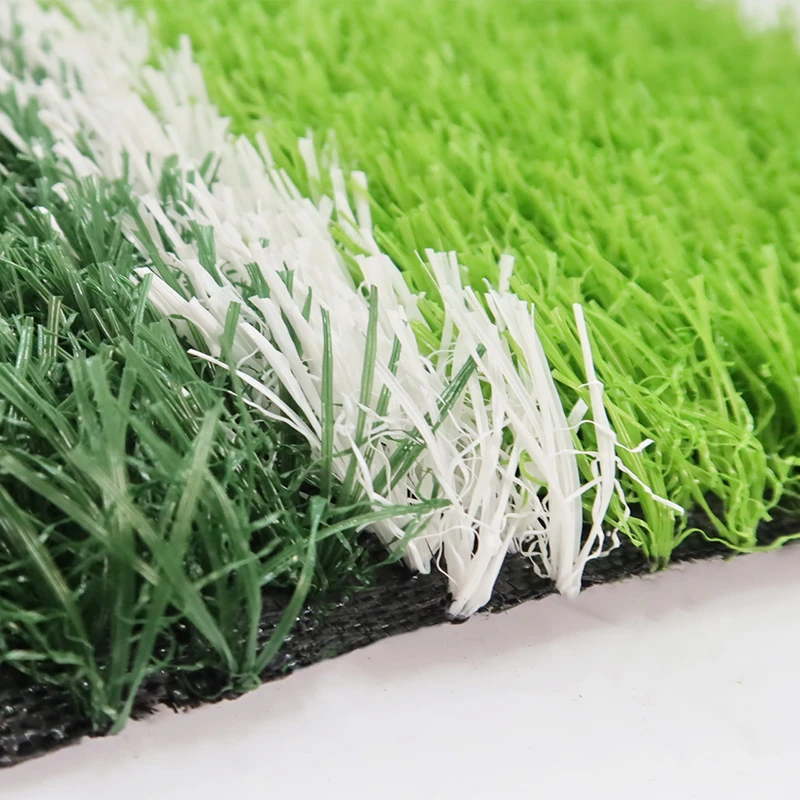
Natural turf demands regular upkeep but costs less upfront. Synthetic turf has a higher initial price but offers longevity and lower maintenance demands. Each choice affects the total cost differently.
2. Site Preparation
Preparing the ground can be the trickiest bit. Soil amendments, leveling, drainage improvements—all factor heavily into labor and material expenses.
3. Labor and Expertise
Expert installers can streamline the process, lowering risk of failure or uneven surfaces, but they typically come at a premium.
4. Irrigation and Maintenance Systems
Smart irrigation not only promotes healthy turf but reduces water consumption, a factor that pays off long term despite initial investment.
5. Environmental Considerations
Using recycled materials or drought-resistant varieties can influence installation costs but often offers environmental dividends.
6. Scale and Complexity of the Project
Larger or irregularly shaped areas might inflate costs due to increased labor and material wastage.
Product Specifications for Common Turf Options
| Specification | Natural Turf | Synthetic Turf |
|---|---|---|
| Initial Cost (per sq. ft.) | $0.30 - $0.50 | $5 - $10 |
| Maintenance Requirements | High (watering, mowing) | Low (occasional cleaning) |
| Lifespan | 5-10 years | 15-20 years |
| Environmental Impact | Helps CO2 absorption | Depends on materials used |
Global Applications & Use Cases
Turf installation is everywhere, from suburban homes to mega stadiums. For instance, in drought-prone areas like parts of Australia and California, synthetic turf helps conserve water even if upfront costs are higher. Meanwhile, in European public parks, natural turf is preferred for its ecological benefits and community appeal.
Oddly enough, humanitarian organizations like the Red Cross have employed turf solutions in temporary clinics or relief camps to provide clean, stable ground surfaces quickly. Remote industrial zones similarly benefit from tailored turf installations that reduce dust and erosion while staying within budget constraints.
Advantages and the Long-Term Value of Turf Installation
Choosing the right turf solution delivers obvious financial savings over time (lower maintenance often means lower lifetime cost) but it’s more than dollars and cents. It’s about safety—giving athletes a reliable playing surface; dignity—crafting pleasant community spaces; and innovation—embracing sustainability through reduced water use and smart tech.
Landscapes with thoughtfully installed turf invite community gatherings, elevate property values, and improve air quality. These ripple effects mean the cost for turf installation pays off far beyond the initial outlay.
Future Trends & Innovations Affecting Turf Costs
Technology is reshaping turf installation faster than many realize. Biodegradable synthetic fibers, drone-assisted site surveys, and AI-powered irrigation control systems are making projects smarter and often more affordable. Plus, new policies under ISO standards focus increasingly on sustainable materials, pushing vendors toward greener options.
One promising trend is hybrid turf combining natural grass with synthetic strands — blending cost and performance for specialized markets like professional sports or public parks.
Challenges & Their Solutions in Turf Installation
Common issues like uneven ground, poor drainage, or supplier delays can spike costs or degrade turf longevity. However, expert landscaping companies use 3D terrain scanning to optimize grading, and new permeable base layers to promote water drainage, reducing problems downstream.
Educating clients early about full lifecycle costs also helps manage expectations and prevents costly revisions. Overall, investing in experience up front tends to reduce surprises later on.
Vendor Comparison for Turf Installation Services
| Vendor | Price Range (per sq. ft.) | Installation Time | Sustainability Features | Warranty |
|---|---|---|---|---|
| GreenScape Turf | $3.50 - $6.00 | 3-5 days | 100% recyclable materials | 10 years |
| EcoTurf Solutions | $4.00 - $7.50 | 2-4 days | Low water usage tech | 15 years |
| TurfMaster Inc. | $2.75 - $5.25 | 4-6 days | PVC-free materials | 8 years |
FAQ: Frequently Asked Questions About Cost for Turf Installation
Q1: What factors most affect the cost for turf installation?
A1: The biggest cost drivers are the type of turf, the site preparation needed, labor rates, and any added features like irrigation or drainage. Location also matters because logistics and climate affect installation complexity. Planning with a detailed site survey helps avoid unexpected expenses.
Q2: Is synthetic turf more cost-effective than natural turf in the long run?
A2: Generally, yes. Synthetic turf demands a higher upfront investment but reduces water use, mowing, and fertilizing costs over time. It can last 15–20 years, compared to roughly half that for natural grass, making it a better value for many commercial or drought-prone settings.
Q3: How do maintenance costs influence overall turf installation expenses?
A3: Ongoing maintenance costs (watering, mowing, weed control) can sometimes exceed installation costs, especially for natural turf. Incorporating smart irrigation and using drought-resistant turf varieties can mitigate these expenses significantly.
Q4: Can turf installation be cost-effective for large-scale public projects?
A4: Yes, especially when phased budgeting and efficient project management are used. Group purchasing and modular installation techniques lower costs, and grants or urban greening funds often subsidize environmentally friendly options.
Q5: How can I estimate my own cost for turf installation?
A5: Start by measuring the area in square feet, then research local vendors for material and labor rates. Don’t forget to factor in site prep, irrigation, and maintenance setups. For more detailed guidance, check out cost for turf installation resources online.
Conclusion
Understanding the cost for turf installation isn’t just about money. It’s about making choices that protect budgets, communities, and the environment while delivering beautiful, functional landscapes that last for years. Whether you’re managing a stadium build, municipal park, or your backyard, knowing these details helps you plan smarter and act more sustainably. To explore options and expert advice, visit our website: https://www.hoyarngrass.com.
Oddly enough, turf installation combines science, craft, and a touch of art—each square foot telling a story of effort, innovation, and care.
Takeaway:
Cost for turf installation is a nuanced, evolving topic—balancing quality, budget, and sustainability, and it pays to dig a little deeper before laying down roots.
References
Latest news
-
Creating the Perfect Fake Grass Area for Dogs Complete Guide
NewsApr.16,2026
-
Guide to Using Fake Grass and Pets for a Pet Friendly Lawn
NewsApr.09,2026
-
Fake Grass and Dogs Creating a Pet Friendly and Durable Yard
NewsApr.07,2026
-
Maintaining a Pristine Lawn with Fake Grass and Dog Wee Management Solutions
NewsApr.04,2026
-
The Ultimate Guide to Choosing the Perfect Fake Dog Grass Patch for Your Pet
NewsMar.31,2026
-
Discover the Benefits of High Quality Fake Dog Grass for Potty Training
NewsMar.28,2026
Products categories