Welcome to Hoyarn
Call Us Any Time:+86 19801805999
Email Us: info@hoyarn.cn
Comprehensive Guide to the Cost to Turf Backyard – Budget, Benefits & Trends
Dec . 02, 2025 04:55 Back to list
Comprehensive Guide to the Cost to Turf Backyard – Budget, Benefits & Trends
Understanding the Cost to Turf Backyard: A Practical Guide
If you've ever pondered how much it really takes to turf a backyard, you're not alone. With growing urban populations and a global push for sustainable outdoor spaces, knowing the cost to turf backyard has become a surprisingly important consideration worldwide. Whether you're a homeowner planning a garden makeover or a landscaping professional budgeting a project, understanding the ins and outs of turfing costs helps balance aesthetics, function, and value over time.
Introduction: Why Cost to Turf Backyard Matters Globally
Globally, urban green spaces are increasingly recognized as vital to wellbeing, the environment, and even local economies. The United Nations Environment Programme (UNEP) suggests that green spaces mitigate air pollution and urban heat effects, while promoting mental health.1 Still, green space creation often hinges on simple questions: How much will it cost? And will it last?
For homeowners and city planners alike, the cost to turf backyard isn’t just about price—it’s about long-term sustainability, efficient water use, and even climate resilience. In many parts of the world, harsh climates, water restrictions, and soil challenges make traditional turf installation expensive or ecologically complicated. So how do these factors come together? Let’s break it down.
What Does "Cost to Turf Backyard" Mean?
In straightforward terms, cost to turf backyard encapsulates all expenses related to installing and maintaining turf—a live grass covering—in a residential backyard setting. This includes everything from the turf material itself, soil preparation, installation labor, to ongoing upkeep like mowing and watering.
In the landscape industry, it also links closely to innovations like synthetic turf, drought-tolerant blends, or modular green systems. The cost reflects not just the upfront outlay but the lifecycle value, factoring in durability and environmental impact. For humanitarian and urban projects, careful consideración of these costs informs decision-making about green space planning and resource allocation.
Key Factors That Influence the Cost to Turf Backyard
1. Turf Type and Quality
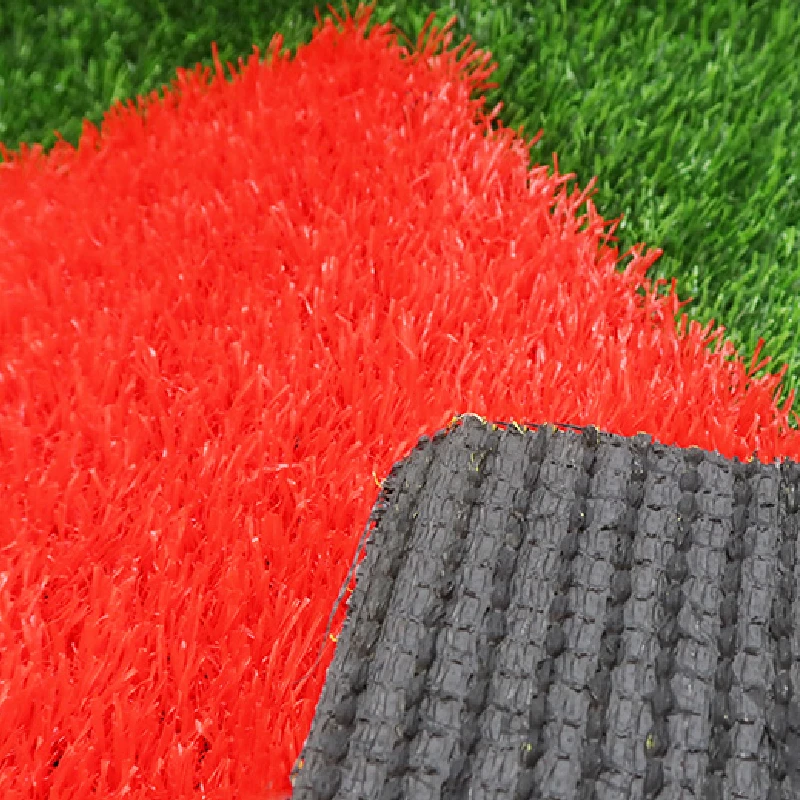
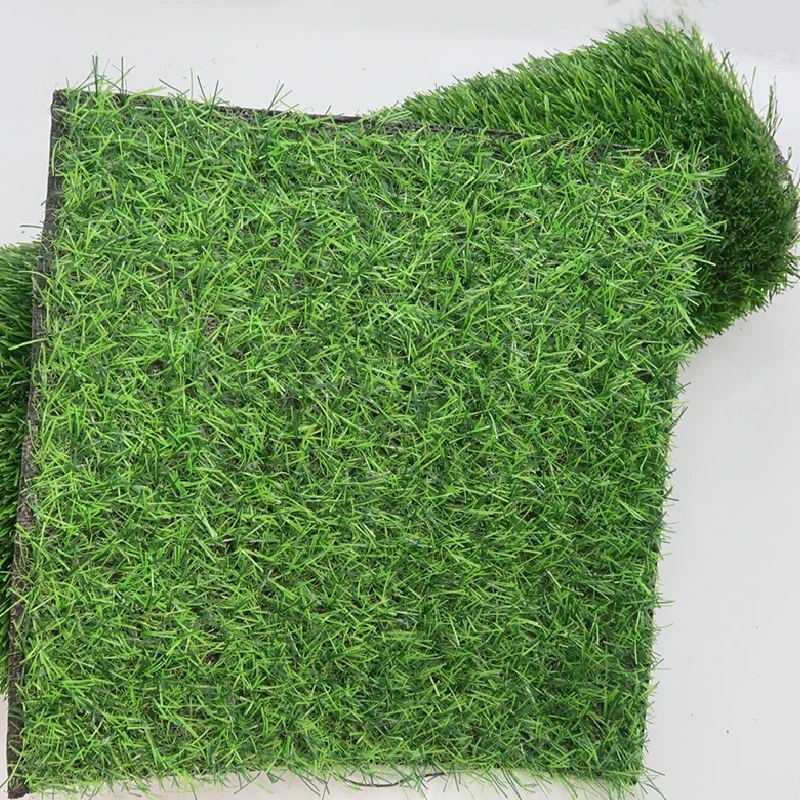
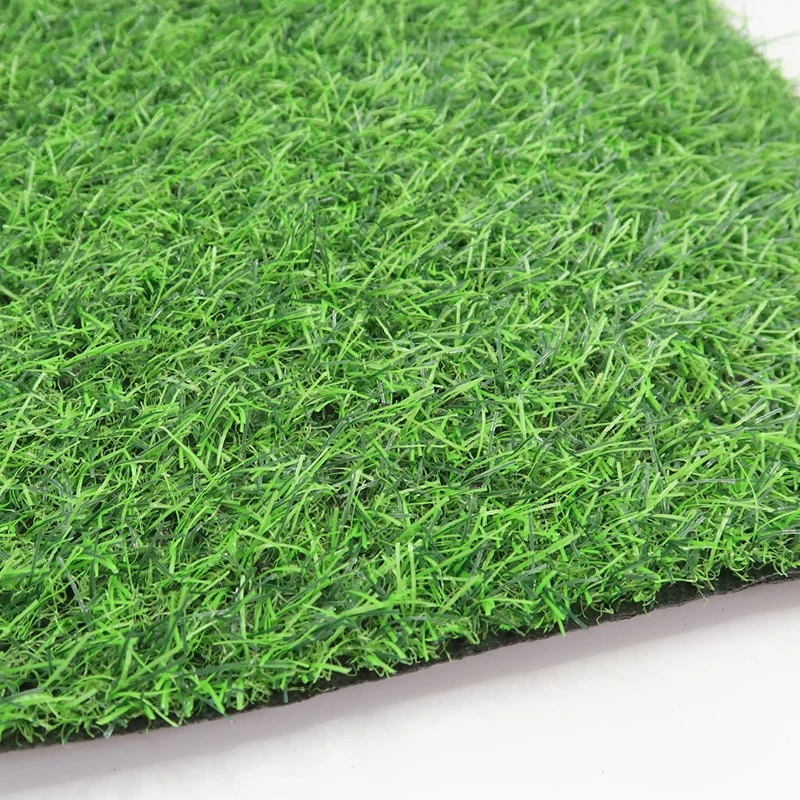
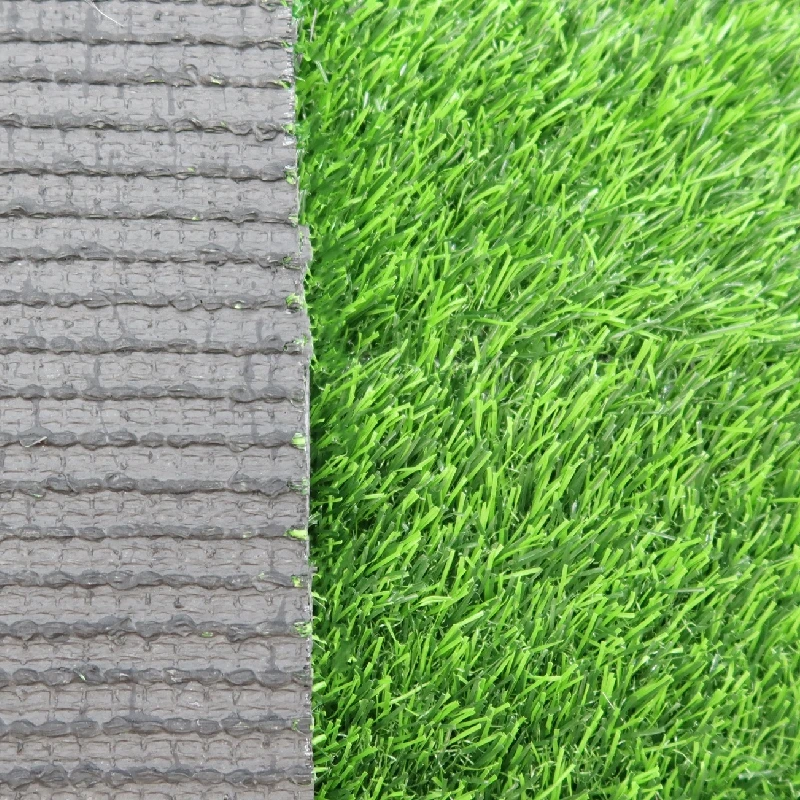
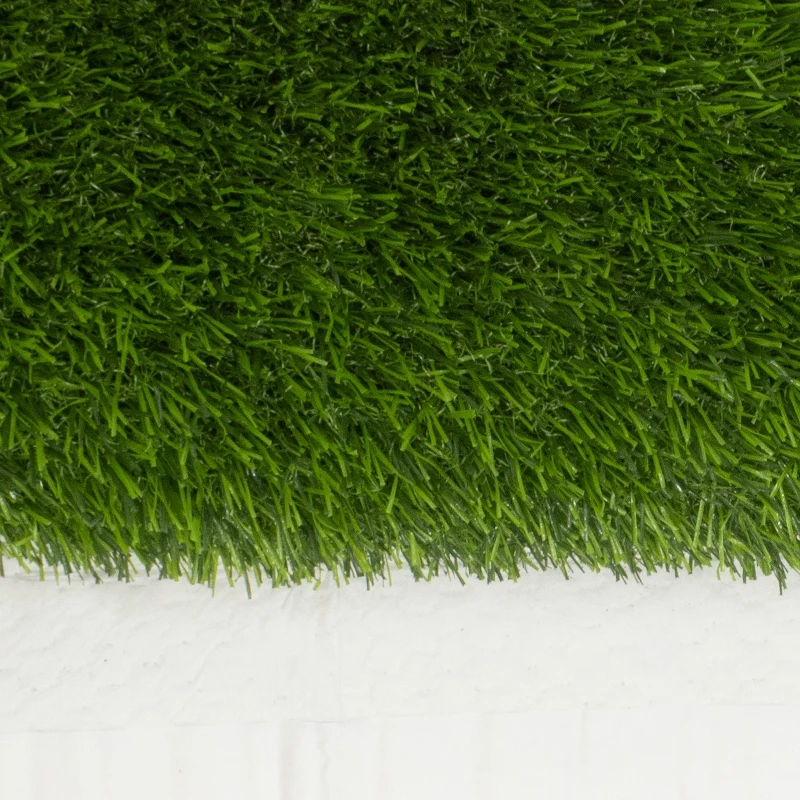
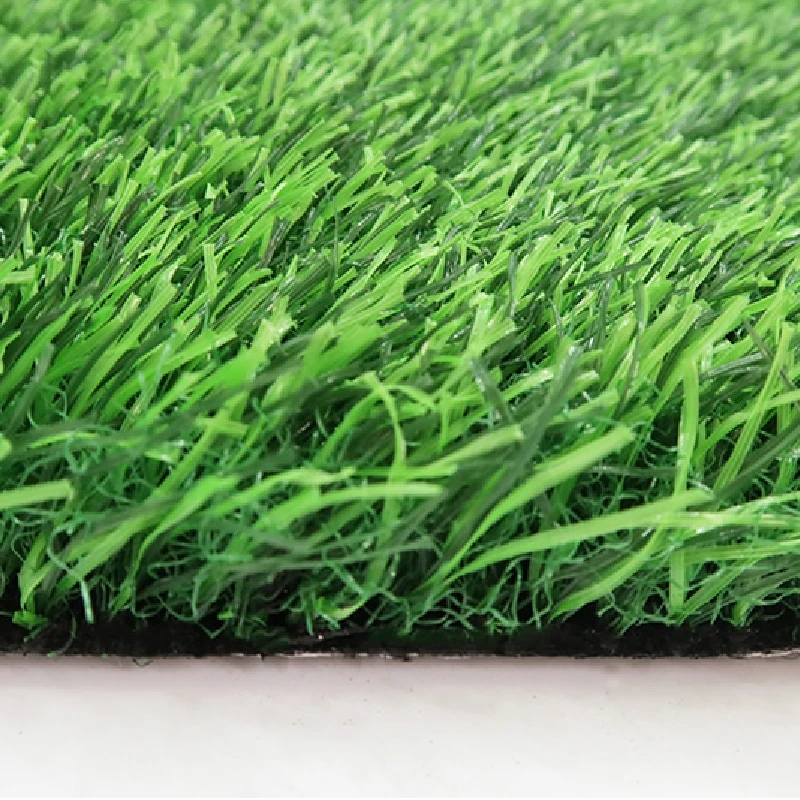
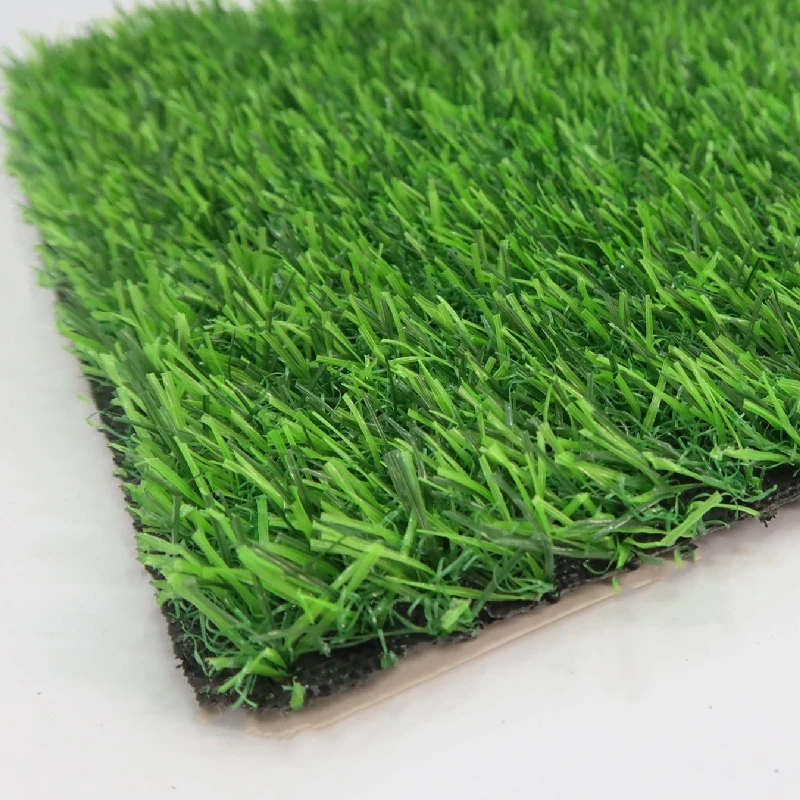
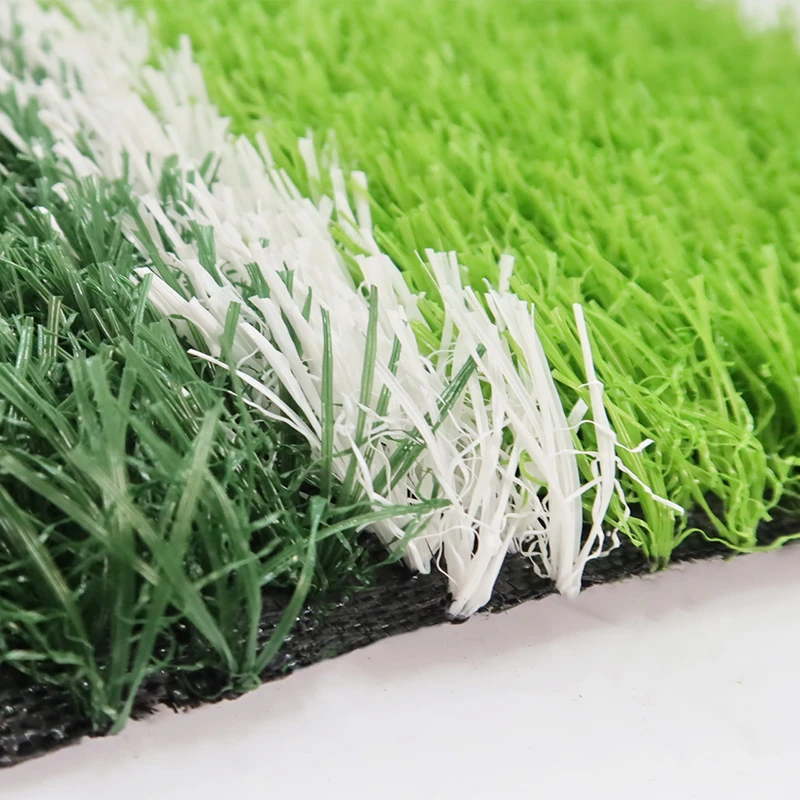
There’s a big difference between natural grass species and artificial turf—and prices vary accordingly. Natural Grade A Kentucky Bluegrass may cost more but offers a lush, cool aesthetic. On the other hand, synthetic turfs save water and require less maintenance but come with a higher initial price.
2. Soil and Site Preparation
Preparing the backyard surface, which may include soil aeration, grading, and drainage setup, significantly impacts the total cost. Poor soil conditions can mean extra fertilization or even soil replacement.
3. Installation Labor
Skilled labor to lay turf properly ensures longevity and a seamless look but varies greatly by region and project complexity.
4. Maintenance Needs
Consider ongoing watering, fertilizing, aeration, mowing, and pest control for natural turf; cost to turf backyard includes these lifetime expenses, often overlooked upfront but potentially significant.
5. Water and Environmental Constraints
In drought-prone areas, turf requiring less water or synthetic options may be more cost-effective long term despite upfront investment.
Typical Product Specs for Backyard Turf Options
| Feature | Natural Turf | Synthetic Turf |
|---|---|---|
| Average Cost per Sq. Ft. | $1.50 - $3.00 | $5.00 - $12.00 |
| Installation Time | 1-3 days | A few hours |
| Lifespan | 5-20 years (with care) | 10-15 years |
| Water Use | High | None |
Global Applications & Use Cases: Beyond Home Gardens
Around the world, turf installation isn’t just about beautifying a backyard. In urban environments like Singapore or Dubai, artificial turf is often chosen for rooftop gardens and sports fields due to water scarcity and maintenance convenience.2 In the US and Australia, drought-resistant grass blends are preferred for residential neighborhoods to balance greenery and conservation.
Many municipal projects globally leverage turfing to improve citizen wellbeing, reduce urban heat islands or curb soil erosion in parks, or emergency housing developments. Oddly enough, even humanitarian groups sometimes use turf installations to create safe play areas for children in refugee camps, a small but meaningful touch of normality.
Advantages & Long-Term Value of Turfing Your Backyard
- Cost-effective landscaping: Natural turf installations tend to be affordable initially, but synthetic turfs promise savings on water and maintenance longer term.
- Environmental benefits: Choosing drought-tolerant turf or artificial turf reduces water use and chemical fertilizers, supporting sustainability goals.
- Enhanced property value: A well-kept lawn improves curb appeal — key for selling or simply appreciating your home.
- Social & emotional impact: Green outdoor spaces foster community interaction, relaxation, and even reduced stress.3
In real terms, it’s about balancing cost with ecological and personal benefits — a challenge but also an opportunity.
Emerging Trends in Turfing: What’s Next?
The turf industry keeps evolving. For example, smart irrigation systems are becoming mainstream, drastically lowering water waste by only watering when needed. Meanwhile, innovations in biodegradable synthetic turf backing could reduce environmental footprints.
Green certifications and urban planning policies are pushing for more sustainable materials, and use of drones or AI for monitoring turf health offers futuristic but practical maintenance methods. So if your interest in the cost to turf backyard comes with a sustainability mindset, there are exciting developments ahead.
Challenges & How Experts Are Overcoming Them
Admittedly, turfing can be expensive upfront and demands some upkeep. Issues like soil compaction, drainage problems, or turf diseases challenge durability and increase lifetime costs. Experts recommend robust soil analysis before installation and adaptive maintenance plans that account for local climate variability.
In drought zones, combining native drought-resistant species with synthetic turf patches is one innovative compromise, optimizing cost without sacrificing green coverage. Plus, community education efforts about sustainable garden care can make a huge difference.
FAQ: Frequently Asked Questions About Cost to Turf Backyard
- What factors most influence turf installation costs?
- Material choice, site preparation complexity, local labor rates, and maintenance commitments all weigh heavily on costs.
- Is synthetic turf more expensive than natural turf?
- Initially yes, synthetic turf costs more per square foot but saves money long-term by eliminating watering, mowing, and pesticides.
- How long does backyard turf typically last?
- Natural turf lasts around 5-20 years with care; synthetic turf typically endures 10-15 years depending on quality.
- Can turfing be eco-friendly?
- Absolutely! Choosing drought-resistant grasses, organic fertilizers, and smart irrigation boosts eco-friendliness significantly.
- How do I estimate the total cost for my backyard turf project?
- Calculate area size, select turf type, add costs for soil prep, installation, and factor in maintenance expenses over 5-10 years.
Vendor Comparison Table: Popular Turf Providers
| Vendor | Natural Turf ($/sq.ft.) | Synthetic Turf ($/sq.ft.) | Warranty | Service Area |
|---|---|---|---|---|
| GreenScape Lawns | $1.75 - $2.80 | $6.00 - $10.00 | 5 years | US & Canada |
| EcoTurf Solutions | $2.00 - $3.00 | $5.50 - $11.50 | 8 years | North America & Europe |
| UrbanGreens | $1.50 - $2.50 | $7.00 - $12.00 | 10 years | Worldwide |
Conclusion: Why Investing Wisely in Turf Matters
The cost to turf backyard is more than a price tag—it's a key decision impacting comfort, sustainability, and home value for years. Taking the time to understand varying turf types, installation needs, and maintenance realities can save money and frustration down the road. Plus, it helps contribute to greener, healthier communities worldwide.
Thinking about your backyard’s turf future? I encourage you to dig a little deeper by visiting our detailed guide, which covers everything from budgeting to choosing materials that fit your climate and lifestyle.
Isn't it nice when something green can also be smart?
Mini takeaway: Understanding the full scope of the cost to turf backyard—including upfront, environmental, and upkeep factors—empowers smarter, more sustainable landscaping choices that benefit both property and planet.
Latest news
-
Creating the Perfect Fake Grass Area for Dogs Complete Guide
NewsApr.16,2026
-
Guide to Using Fake Grass and Pets for a Pet Friendly Lawn
NewsApr.09,2026
-
Fake Grass and Dogs Creating a Pet Friendly and Durable Yard
NewsApr.07,2026
-
Maintaining a Pristine Lawn with Fake Grass and Dog Wee Management Solutions
NewsApr.04,2026
-
The Ultimate Guide to Choosing the Perfect Fake Dog Grass Patch for Your Pet
NewsMar.31,2026
-
Discover the Benefits of High Quality Fake Dog Grass for Potty Training
NewsMar.28,2026
Products categories