Welcome to Hoyarn
Call Us Any Time:+86 19801805999
Email Us: info@hoyarn.cn
Understanding the Cost of Laying Artificial Grass: A Comprehensive Guide
Dec . 02, 2025 06:05 Back to list
Understanding the Cost of Laying Artificial Grass: A Comprehensive Guide
Understanding the Cost of Laying Artificial Grass: A Practical Guide
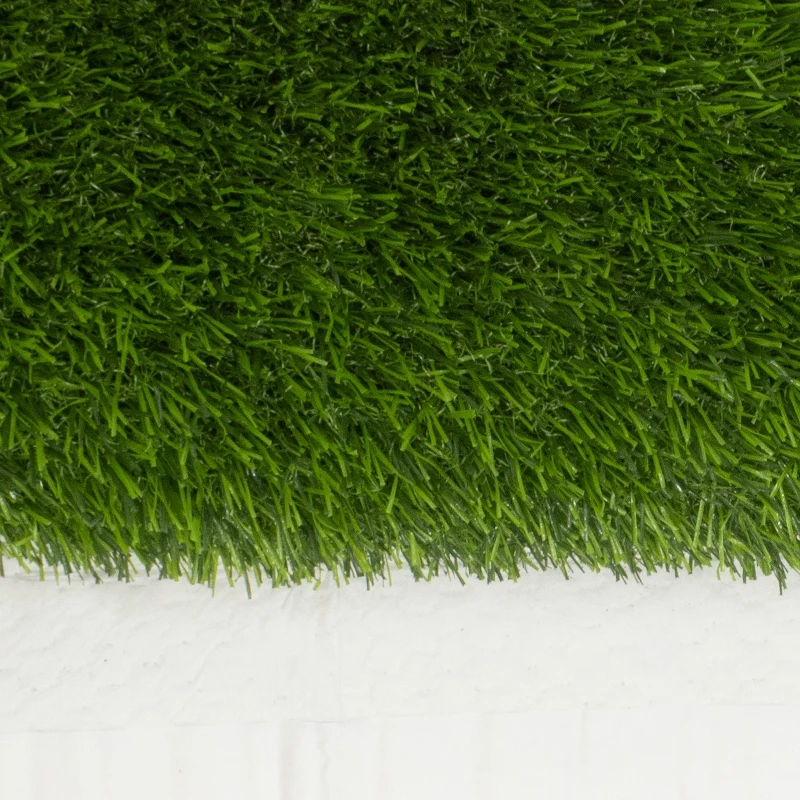
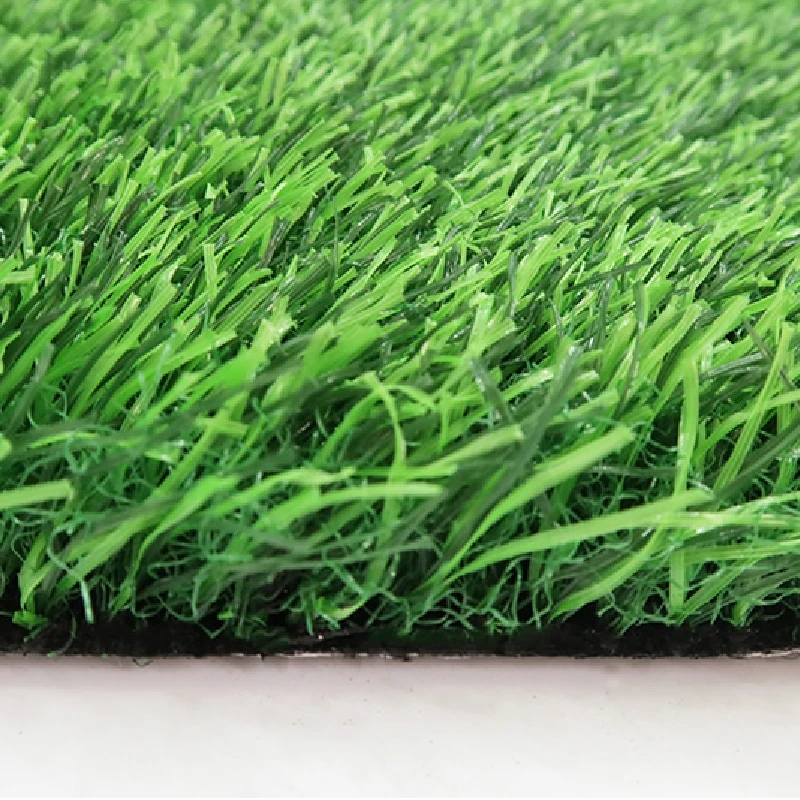
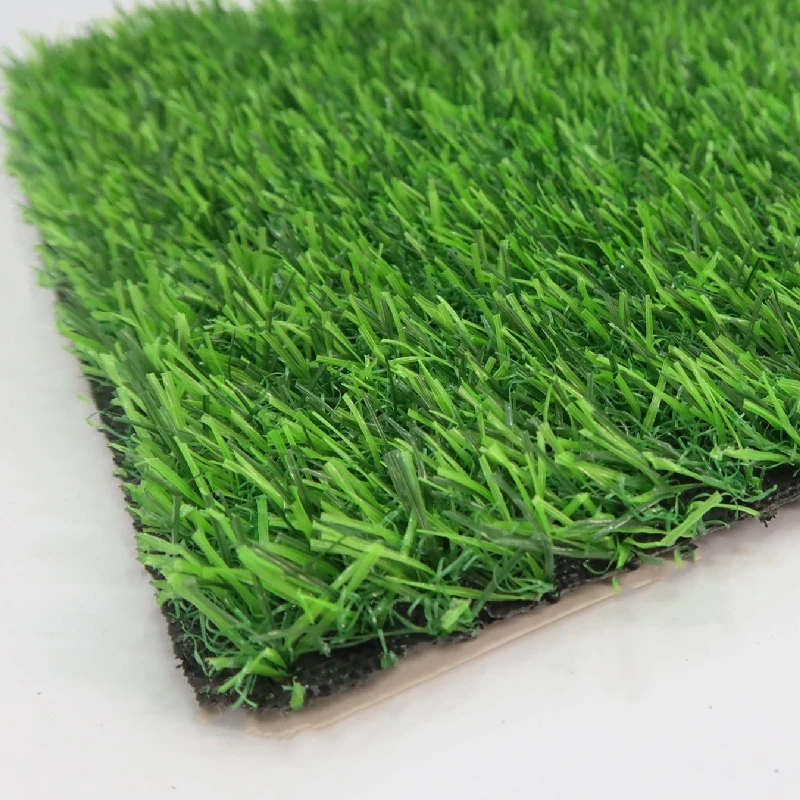
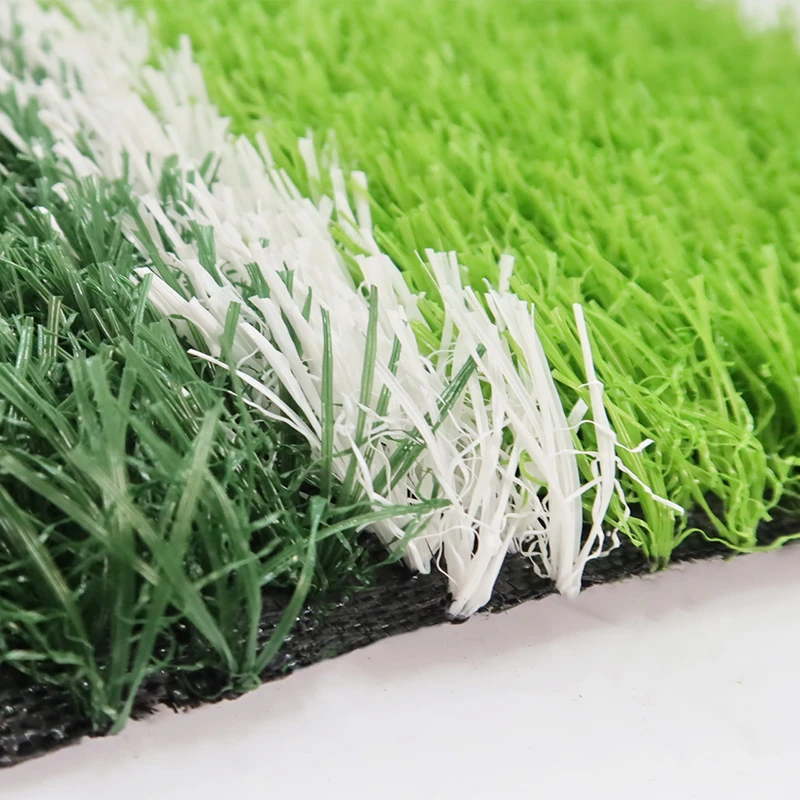
Artificial grass has morphed from novelty to necessity in many scenarios worldwide. But the cost of laying artificial grass isn’t just about dollars and cents — it entwines practicality, sustainability, and even aesthetics. Whether you’re a homeowner dreaming of a perfectly lush lawn with zero maintenance, or an urban planner aiming to reduce water use and upkeep in communal spaces, knowing these costs upfront is crucial.
Why Does the Cost of Laying Artificial Grass Matter Globally?
Globally, with increasing urbanization and climate stress, the demand for resilient, low-maintenance landscaping is surging. The United Nations estimates that by 2050, nearly 68% of the world’s population will live in urban areas (UN DESA, 2018). Lawns and green roofs are no longer just decorative; they’re vital for urban heat mitigation and stormwater management. Yet, traditional grass demands vast water resources — water scarcity being a pressing issue in many regions (WHO, 2024).
Here, artificial grass plays a pivotal role. It offers zero irrigation needs, resilience to heavy use, and cutbacks on fertilizers and pesticides. But these benefits come linked with the critical question: what does it really cost to install, and keep, artificial turf? Understanding these costs, honestly and in detail, helps buyers make informed, future-proof choices.
What Does the Cost of Laying Artificial Grass Actually Mean?
Put simply, the cost of laying artificial grass includes everything from materials (the turf itself), site preparation, installation labor, and the specialized groundwork needed — think base layers, drainage, edging, and infill. It can also factor in maintenance and potential repairs over the years. So, it’s a multi-layered price tag, not just the square footage times a number.
Industries like sports, landscaping, and public works view this cost in terms of return on long-term investment and environmental impact. Humanitarian projects, like building durable play areas in drought-prone zones or safe areas for communities, also consider cost as more than initial outlay — it’s about longevity and sustainability.
Key Factors Affecting the Cost of Laying Artificial Grass
1. Quality & Durability of the Turf
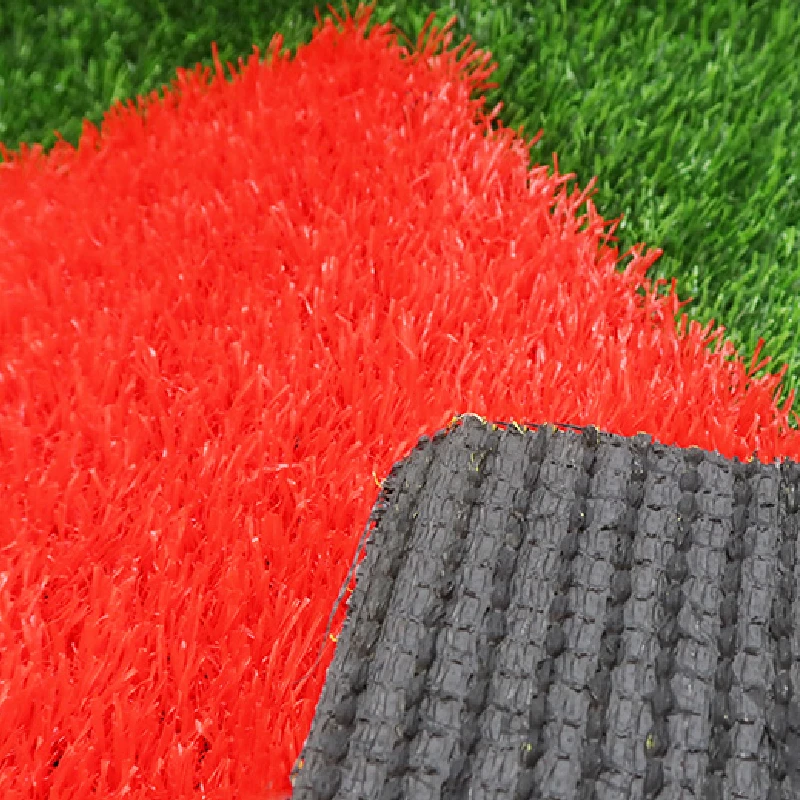
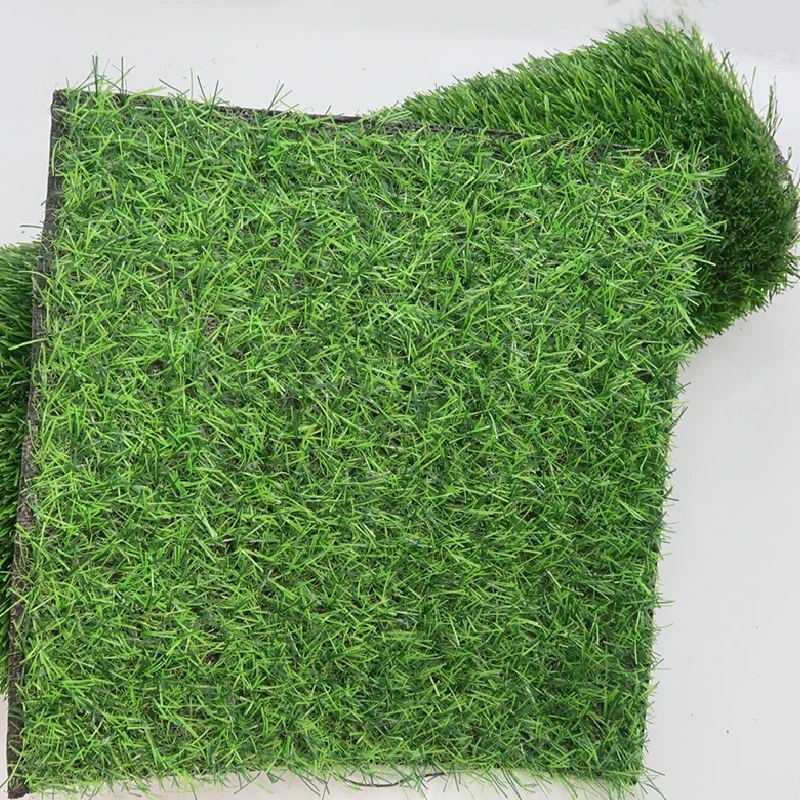
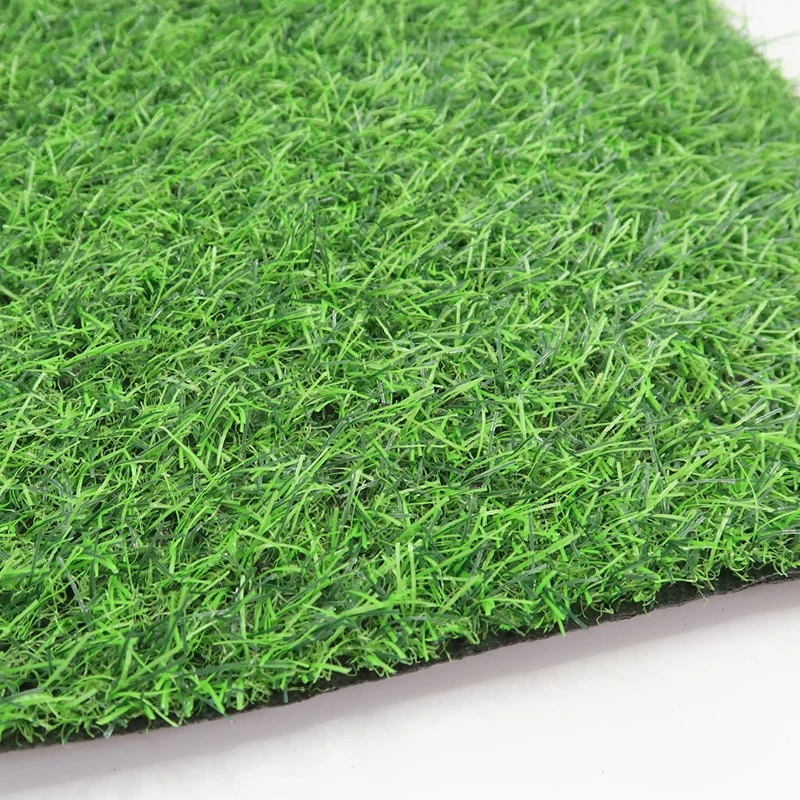
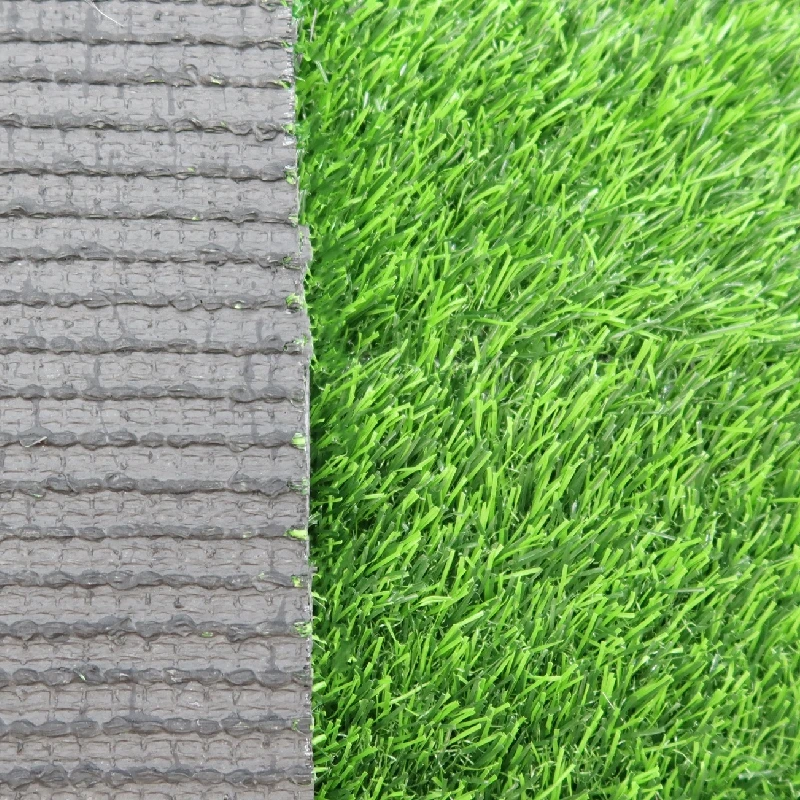
Not all artificial grass is created equal. Turf made from high-grade polyethylene fibers and UV-resistant coatings can last 15+ years but comes at a premium. Cheaper alternatives may feel less natural and degrade sooner, raising costs down the line due to earlier replacement.
2. Site Preparation and Groundwork
This is often overlooked but hugely important. Uneven or poorly drained land requires excavation, grading, and layers of crushed stone or sand for stability, which can push installation costs up substantially.
3. Installation Complexity
Areas with intricate edges, stairs, or slopes might need more labor and custom cutting — naturally intensifying expenses.
4. Infill Materials
Often sand, rubber, or organic materials are brushed into the turf to weigh it down and keep blades upright. The type and amount used influence both cost and performance. For example, eco-friendly organic infills can be pricier but environmentally preferable.
5. Maintenance Requirements
While often touted as “zero maintenance,” periodic cleaning and infill topping are usually necessary, adding to the lifecycle costs.
6. Vendor & Warranty
Reputable vendors offer warranties (5 to 15 years), but this often affects initial pricing.
Global Applications & Use Cases
Lately, I noticed artificial grass isn’t limited to just backyards anymore. It’s thriving in sports arenas, rooftop gardens, school play areas, and even community parks across water-stressed regions like California, Australia, and parts of the Middle East.
In post-disaster relief efforts, NGOs deploy artificial turf to create quickly usable community spaces that resist wear and won’t muddy in rains. Remote industrial sites find it invaluable, reducing maintenance efforts where labor costs and resource availability are high.
In commercial real estate, green rooftops with artificial turf are trendy for their environmental benefits combined with lower upkeep. This helps reduce urban heat island effect, a concern highlighted in multiple ISO environmental management standards (ISO 14001).
Advantages & Long-Term Value
You know, what really strikes me is how the initial cost can feel daunting, but the long-term savings and benefits often outweigh this. Artificial grass eliminates costly watering bills, reduces chemical use, and requires next to no mowing. For families, it means safe play areas without muddy messes. For businesses, it means consistently neat premises that foster a welcoming vibe without weekly landscaper visits.
On a broader, emotional level, it’s about trusting in an innovation that aligns with environmental stewardship and social responsibility. Less water waste, fewer polluting chemicals, and no emissions from mowing machinery make artificial grass a silent but potent part of greener cities.
Future Trends & Innovations
Oddly enough, the landscape of artificial grass is evolving fast. New biodegradable infills reduce microplastic pollution concerns. Smart turf systems with embedded sensors are emerging — ones that can monitor usage, temperature, and wear, providing data for optimal maintenance.
Plus, the push for circular economy practices is inspiring manufacturers to develop turf that’s fully recyclable at end-of-life, reducing landfill burden. Combining solar energy integration for lighting or heating systems with turf installations is another futuristic step.
Challenges & Solutions
One issue often raised is the upfront cost — honestly, it can be intimidating. Then there’s the environmental debate around synthetic materials and microplastics washing into waterways. But solutions are on the horizon: innovations in green polymers and organic infills help mitigate these challenges.
Installation complexity can also trip up budgets, especially when firms don’t assess sites thoroughly. Experienced installers who emphasize groundwork can deliver smoother projects that avoid costly callbacks.
FAQ: Frequently Asked Questions About Cost of Laying Artificial Grass
- How much does it typically cost per square foot to lay artificial grass?
Prices generally range from $5 to $15 per square foot, depending on turf quality, site prep, and installation complexity. - Is artificial grass more cost-effective than natural grass in the long run?
Despite higher upfront costs, artificial grass usually saves money over time on watering, maintenance, and repairs. - How long does artificial grass typically last after installation?
With proper installation and care, most quality turf lasts 10 to 15 years, sometimes longer. - Can I install artificial grass myself to save money?
DIY installation is possible but site prep and drainage are key; professional installation is recommended for best results and warranty protection. - Are eco-friendly artificial grass options available?
Yes, some vendors offer recycled or bio-based materials and organic infills that reduce environmental impact.
Conclusion + Call to Action
Ultimately, the cost of laying artificial grass is a blend of upfront investment and long-term value. The savings on water, maintenance, and chemicals, paired with environmental benefits, make it worthy of consideration for residential, commercial, and humanitarian projects. For a detailed, no-obligation estimate based on your site, I recommend checking out cost of laying artificial grass — they provide thorough consultations and eco-friendly options that fit various budgets.
Artificial grass isn’t just turf — it’s a smart, sustainable investment into how we live with nature rather than against it.
Takeaway: When exploring landscaping options, consider artificial grass for its blend of beauty, economy, and environmental mindfulness.
Latest news
-
Creating the Perfect Fake Grass Area for Dogs Complete Guide
NewsApr.16,2026
-
Guide to Using Fake Grass and Pets for a Pet Friendly Lawn
NewsApr.09,2026
-
Fake Grass and Dogs Creating a Pet Friendly and Durable Yard
NewsApr.07,2026
-
Maintaining a Pristine Lawn with Fake Grass and Dog Wee Management Solutions
NewsApr.04,2026
-
The Ultimate Guide to Choosing the Perfect Fake Dog Grass Patch for Your Pet
NewsMar.31,2026
-
Discover the Benefits of High Quality Fake Dog Grass for Potty Training
NewsMar.28,2026
Products categories