Welcome to Hoyarn
Call Us Any Time:+86 19801805999
Email Us: info@hoyarn.cn
Affordable Artificial Grass for Balcony Price | Quality & Durability Explained
Dec . 01, 2025 04:10 Back to list
Affordable Artificial Grass for Balcony Price | Quality & Durability Explained
Why Understanding Artificial Grass for Balcony Price Matters Globally
Artificial grass for balconies is, frankly, a small detail with surprisingly wide implications. Whether you’re a city dweller craving a touch of green above concrete or an urban developer considering cost-effective solutions, knowing the ins and outs of artificial grass for balcony price helps balance aesthetics, budget, and sustainability. Globally, as urban areas densify and outdoor space shrinks, people everywhere — from Tokyo to Toronto — seek ways to create pleasant green environments without expensive gardening or maintenance hassles.
Understanding this niche market aids in smarter purchasing, better design decisions, and even influences how cities incorporate green spaces. It’s one of those things that seems trivial at first glance but proves deeply practical when you think about worldwide trends toward eco-friendly urban living.
Mini takeaway: Artificial grass for balcony price is more than a cost figure — it reflects evolving urban needs and greener living aspirations worldwide.
The Global Context: Why Artificial Grass on Balconies Is a Growing Trend
Globally, around 56% of the population now lives in urban areas, a number projected to reach 68% by 2050 (UN Urbanization Report). With natural green space limited, and rooftop or balcony gardening vying for attention, artificial grass has emerged as a practical alternative. According to the ISO standards for synthetic turf (ISO 9001), modern artificial turf offers durability and safety, making it increasingly accepted not just for sports fields but also for residential balconies.
But here’s the crux: the price of artificial grass for balconies varies widely based on quality, materials, and installation — factors crucial for making such innovations accessible globally. In places like Singapore or Dubai, premium installations come with hefty price tags, while emerging markets seek cost-effective, sustainable alternatives. It’s a balancing act — offering green solutions that are affordable and ecologically sound.
Mini takeaway: Urban growth and sustainability pressures are pushing suppliers and consumers to rethink artificial turf pricing and value.
What Exactly Is Artificial Grass for Balcony Price?
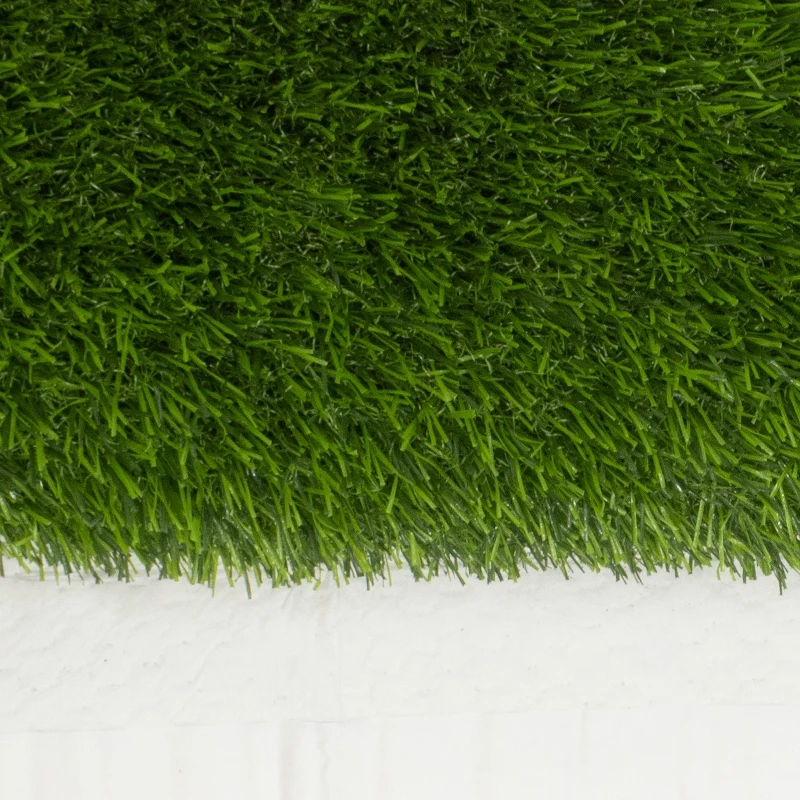
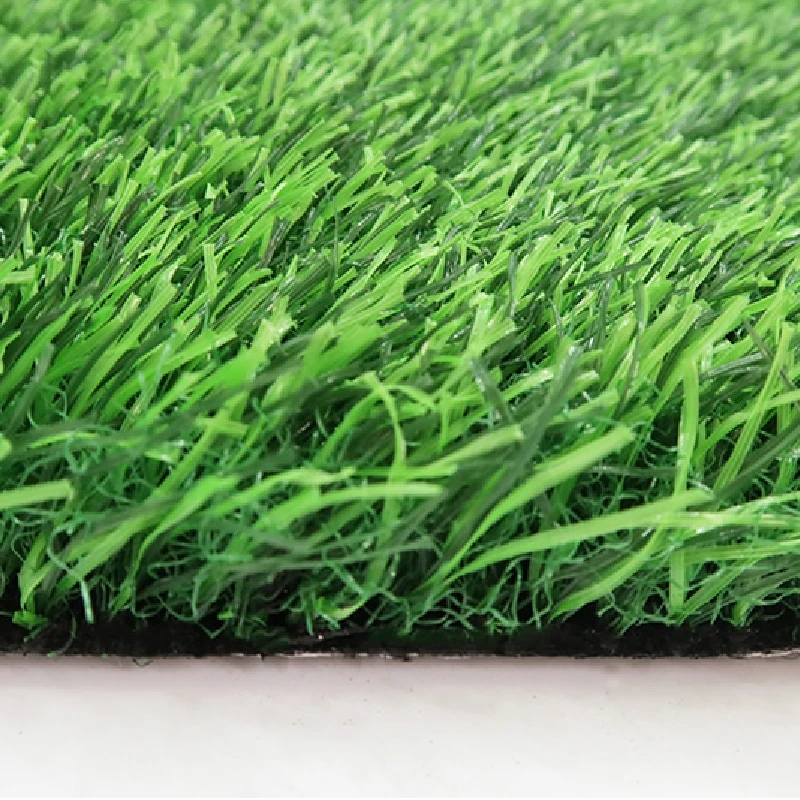
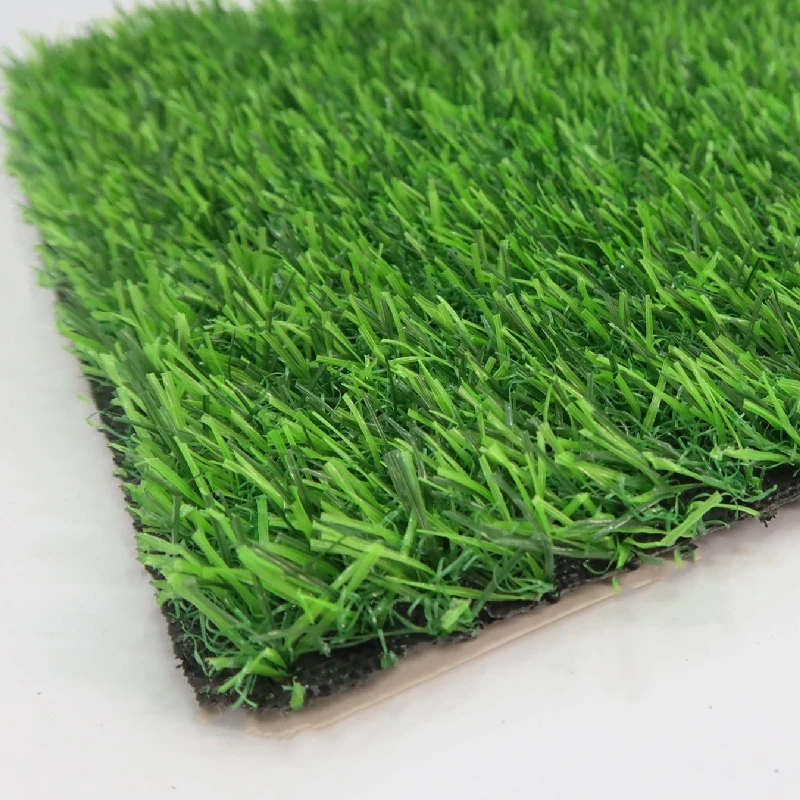
Simply put, artificial grass for balcony price refers to the cost associated with purchasing and installing synthetic turf designed specifically for balcony spaces. This product differs from ordinary lawn turf in thickness, drainage properties, UV resistance, and sometimes plushness — all tailored for compact and often shaded balcony environments.
It’s a fusion of landscaping and construction sectors, addressing modern needs where real grass isn’t practical due to weight or watering issues. In humanitarian contexts, affordable artificial grass can even improve living standards in densely populated areas where access to green space impacts mental health and well-being (WHO Mental Health Facts).
Mini takeaway: Artificial grass for balconies adapts landscaping innovation toward urban and social needs, with price being a key accessibility factor.
Key Factors Influencing Artificial Grass for Balcony Price
1. Durability
Durability is huge. Artificial turf exposed to sun, rain, and foot traffic on balconies must resist fading, matting, and wear. Higher durability typically means higher material and manufacturing costs but longer service life. Many engineers say that longevity pays off, especially in rooftop environments.
2. Material Quality & Composition
The base fiber materials — usually polyethylene, polypropylene, or nylon — impact softness, drainage efficiency, and weather resistance. Premium blades mimic real grass more convincingly but naturally cost more. You get what you pay for in aesthetics and lifespan.
3. Installation Complexity
Installation cost varies — some turf rolls require cutting to perfection, adhesives, drainage installation, and sometimes padding beneath for comfort and insulation. DIY kits reduce cost but professional installation can guarantee longevity.
4. Environmental and Safety Certifications
Due to increasing demand for eco-friendly products, some artificial grasses come certified non-toxic and free from heavy metals or harmful phthalates. These certifications raise price but align with sustainability goals widely promoted in construction codes.
5. Customization & Design Options
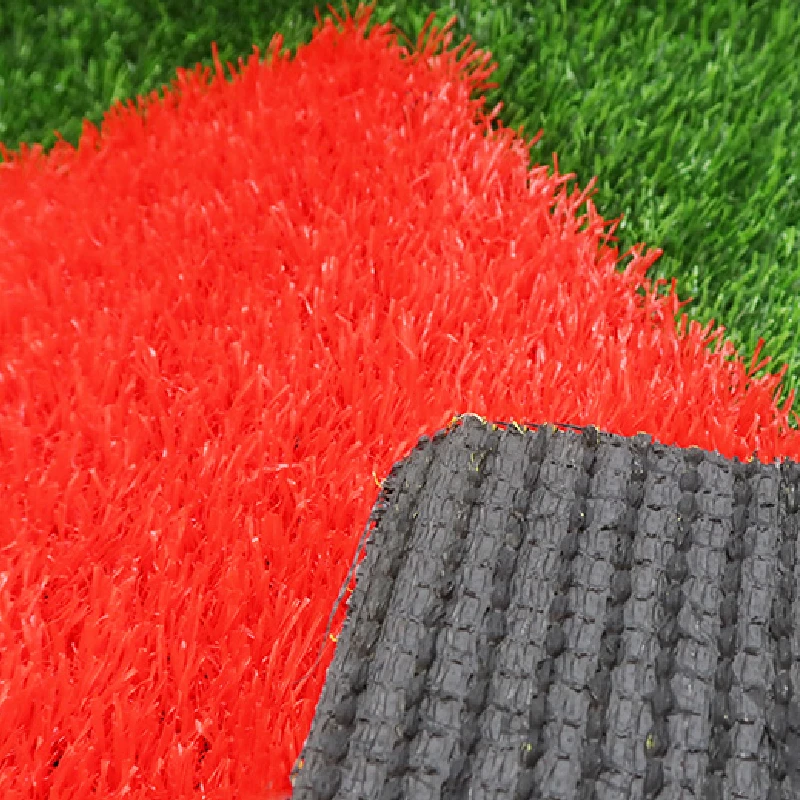
Thickness, color variations, and backing material affect pricing. Some suppliers offer bespoke cuts or included drainage systems suited for rooftop balconies, which also impacts price.
Mini takeaway: Artificial grass pricing reflects a complex balance of quality, durability, installation, and environmental factors.
Product Specification Table: Typical Artificial Grass for Balcony
| Specification | Details |
|---|---|
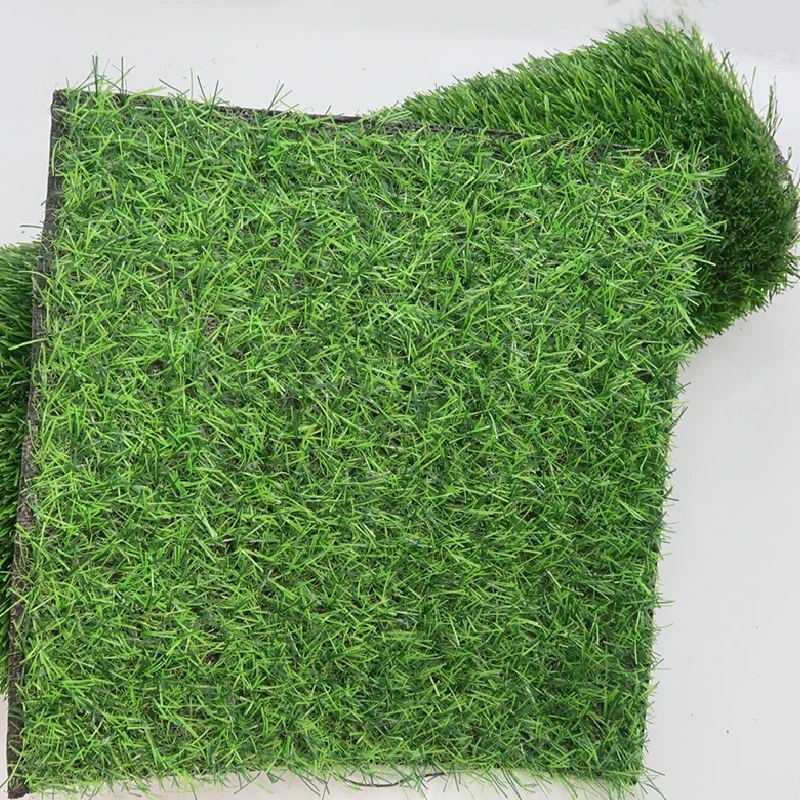
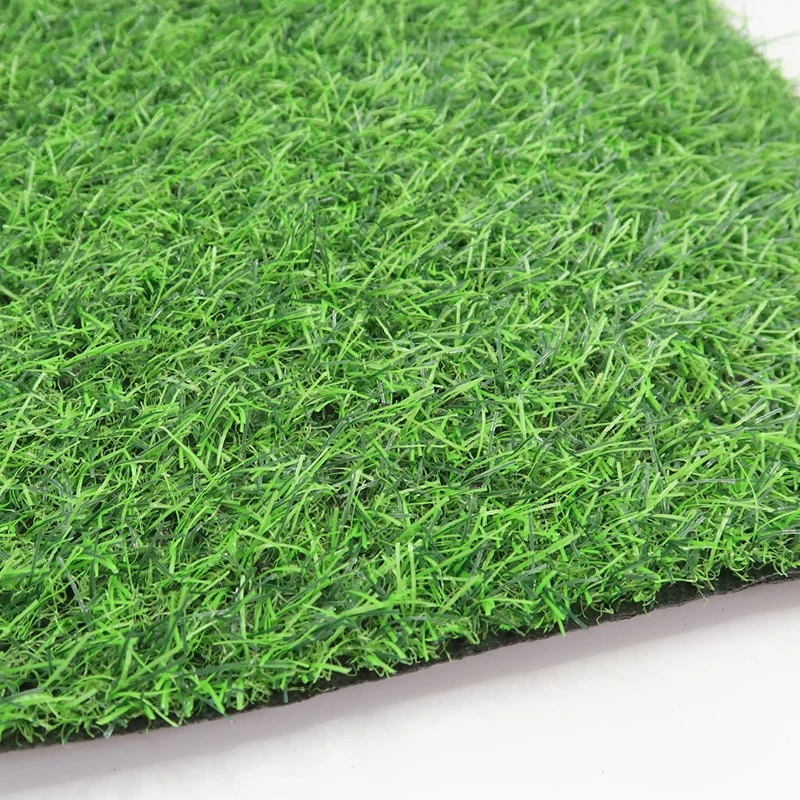
| Pile Height | 15–25 mm (soft, balcony-friendly) |
| Fiber Material | Polyethylene with UV inhibitors |
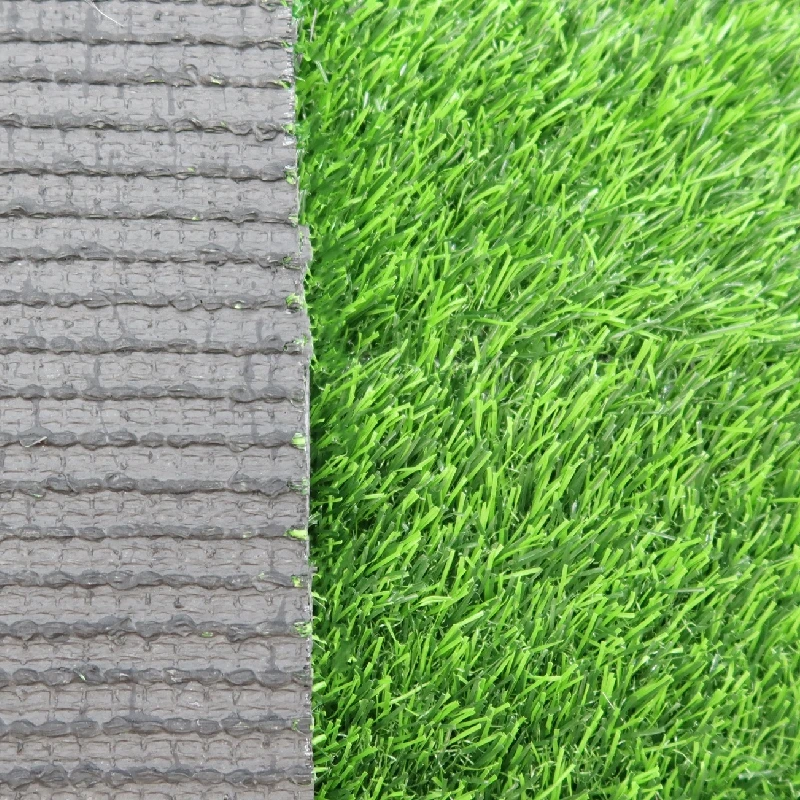
| Backing | Perforated latex or polyurethane for drainage |
| Weight | 1.5–2.0 kg/m² |
| Color | Multiple green shades with brown thatches |
| Warranty | 5–10 years depending on supplier |
Global Applications and Use Cases
From cramped high-rise flats in Hong Kong to community housing projects in Europe, artificial grass fulfills the craving for greenery without the fuss. Post-disaster urban redevelopment often includes affordable synthetic landscaping that reclaims bleak balconies for residents, improving mental health and community feel. I recently read a case in Spain where a social housing block installed synthetic turf on balconies, boosting tenant satisfaction dramatically.
Remote offshore industrial platforms and research stations also benefit — where real plants simply can’t survive, artificial grass provides ergonomic comfort and reduces slip injury risk.
Mini takeaway: Artificial grass transforms balcony spaces across diverse contexts, blending aesthetics and practicality.
Advantages & Long-Term Value
- Cost-effective maintenance: No watering, mowing, or fertilizing means significant savings.
- Durability: High resistance to fading and crushing keeps balconies looking fresh.
- Environmental impact: Though synthetic, many modern products are recyclable or made with recycled materials.
- Emotional benefit: Provides safe, soft green space in urban homes — comfort in concrete.
- Versatility: Fits varied balcony sizes and designs, usable indoors or outdoors.
In real terms, it’s the balance of these factors that convinces buyers — cheaper upfront versions tend to disappoint quickly, while premium options last and enhance lifestyle. It feels like investing not just in turf but in daily well-being.
Vendor Comparison Table: Popular Artificial Grass Brands for Balcony
| Brand | Average Price (USD/m²) | Warranty | Sustainability Certifications | Installation Support |
|---|---|---|---|---|
| GreenLawn | $25 - $35 | 8 years | ISO 14001 certified | Professional or DIY options |
| BalcoTurf | $20 - $30 | 5 years | Recycled content | DIY guides online |
| EcoGrass Pro | $30 - $40 | 10 years | GreenGuard Gold, low-VOC | Full installation service |
Emerging Trends & Innovations
The artificial grass industry isn’t standing still. New turf products are integrating recycled plastic sourced from ocean waste — a neat way to close the environmental loop. Manufacturers are developing turf with embedded solar fibers that can modestly power LED strips, perfect for balcony ambiance.
Also, digitization impacts pricing transparency and customization. Online configurators let customers estimate costs tailored to balcony size, improving decision-making. A few companies are experimenting with antimicrobial and cooling-infused fibers, helping urban dwellers combat heat and germs.
Challenges & Expert Solutions
Of course, there are hurdles. The “plastic” nature of artificial turf raises concerns about microplastics and disposal. Experts recommend choosing products with recyclable backing and fibers to support circular economy goals.
Installation on balconies poses waterproofing and weight constraints. Partnering with experienced installers who consider drainage and weight load mitigates these issues. Educating consumers on proper cleaning and care also extends longevity, keeping prices down long term.
Frequently Asked Questions About Artificial Grass for Balcony Price
- Q1: What factors cause artificial grass prices for balconies to vary so much?
- A1: Pricing depends on fiber quality, pile height, backing type, installer rates, and regional material costs. Also, eco-certifications and warranties influence final price. In real terms, higher upfront investment often means longer lifespan.
- Q2: Is DIY installation recommended to save costs?
- A2: DIY kits can reduce installation expenses but may risk incorrect drainage or durability issues if not installed properly. Professional installation is advised for complex balconies or premium products to protect your investment.
- Q3: How long does artificial balcony grass typically last?
- A3: Depending on quality and usage, most balcony turf lasts 5 to 10 years. High-UV resistance and proper maintenance play big roles in longevity.
- Q4: Are there sustainable options for balcony artificial grass?
- A4: Yes! Many modern turf products use recycled plastics, are certified for low VOC emissions, and come with recyclable backing. Choosing such products helps reduce environmental impact.
Conclusion
Artificial grass for balcony price is more than a mere cost tag — it’s the gateway to greener, more livable urban spaces that combine durability, sustainability, and well-being. With smart purchasing and installation, synthetic lawn on balconies can transform concrete real estate into relaxing green retreats.
Ready to explore options that balance cost, quality, and style? Visit artificial grass for balcony price to discover practical solutions tailored for your urban space.
References:
1. United Nations, Department of Economic and Social Affairs, Population Division (2018). World Urbanization Prospects.
2. International Organization for Standardization (ISO) 9001 & ISO 14001 standards
3. World Health Organization. (2021). Mental Health Strengthening Our Response Fact Sheet.
1. United Nations, Department of Economic and Social Affairs, Population Division (2018). World Urbanization Prospects.
2. International Organization for Standardization (ISO) 9001 & ISO 14001 standards
3. World Health Organization. (2021). Mental Health Strengthening Our Response Fact Sheet.
Latest news
-
Creating the Perfect Fake Grass Area for Dogs Complete Guide
NewsApr.16,2026
-
Guide to Using Fake Grass and Pets for a Pet Friendly Lawn
NewsApr.09,2026
-
Fake Grass and Dogs Creating a Pet Friendly and Durable Yard
NewsApr.07,2026
-
Maintaining a Pristine Lawn with Fake Grass and Dog Wee Management Solutions
NewsApr.04,2026
-
The Ultimate Guide to Choosing the Perfect Fake Dog Grass Patch for Your Pet
NewsMar.31,2026
-
Discover the Benefits of High Quality Fake Dog Grass for Potty Training
NewsMar.28,2026
Products categories