Welcome to Hoyarn
Call Us Any Time:+86 19801805999
Email Us: info@hoyarn.cn
Understanding Artificial Grass Price Per m2 - A Practical Guide for Professionals
Dec . 01, 2025 13:50 Back to list
Understanding Artificial Grass Price Per m2 - A Practical Guide for Professionals
A Closer Look at Artificial Grass Price Per m2: Why It Matters Today
Artificial grass price per m2 might sound like a niche detail, but considering the rapid urbanization and growing environmental concerns worldwide, it's a topic that quietly matters a lot more than you'd think. Whether you’re in landscaping, facility management, sports infrastructure, or even humanitarian planning, understanding the price metric for artificial turf can guide smarter choices. From water conservation to long-term cost-saving, this number encapsulates not just budget decisions but also sustainability and design innovation—elements increasingly pivotal in a resource-thin world.
Why the Artificial Grass Price Per m2 Is Gaining Global Relevance
Think about it: artificial grass price per m2 connects to everything from urban landscaping trends to climate adaptation strategies. In several regions, including parts of North America, Europe, and Asia-Pacific, water shortages and rising maintenance costs have led to a surge in turf alternatives. According to Wikipedia, around 200 million square meters of artificial turf were produced globally by 2020—with growth expected to continue.
But pricing remains a puzzle. Different quality levels, fiber types, and backing materials mean costs vary widely, affecting installation feasibility and lifecycle value. It’s a challenge industry insiders and buyers continuously grapple with—balancing the upfront investment against durability and environmental footprint. As the UN pushes for sustainable urban planning (UN-Habitat reports) and ISO outlines environmental standards, artificial grass pricing gains a role that’s more than just financial—it becomes a piece in a complex puzzle of green infrastructure.
What Does Artificial Grass Price Per m2 Really Mean?
Breaking it down, artificial grass price per square meter (m2) is the unit cost reflecting the material, labor, and often related expenses (like installation and base preparation) required for covering one square meter of surface. Simple, right? Yet it’s not just a number — it’s a reflection of quality grades, technology used (like UV resistance), and even post-sale support or warranties included by suppliers.
In the commercial world, it’s a key metric for budgeting landscape projects, sports fields, or decorative green areas where natural grass may be impractical. Humanitarian projects — say, temporary shelters or playgrounds in relief zones — sometimes rely on affordable, easy-to-deploy turf as well, linking price per m2 to social impact. So, it's a crossroads where industry, environment, and social goals meet.
Key Factors Influencing Artificial Grass Price Per m2
1. Durability and Fiber Quality
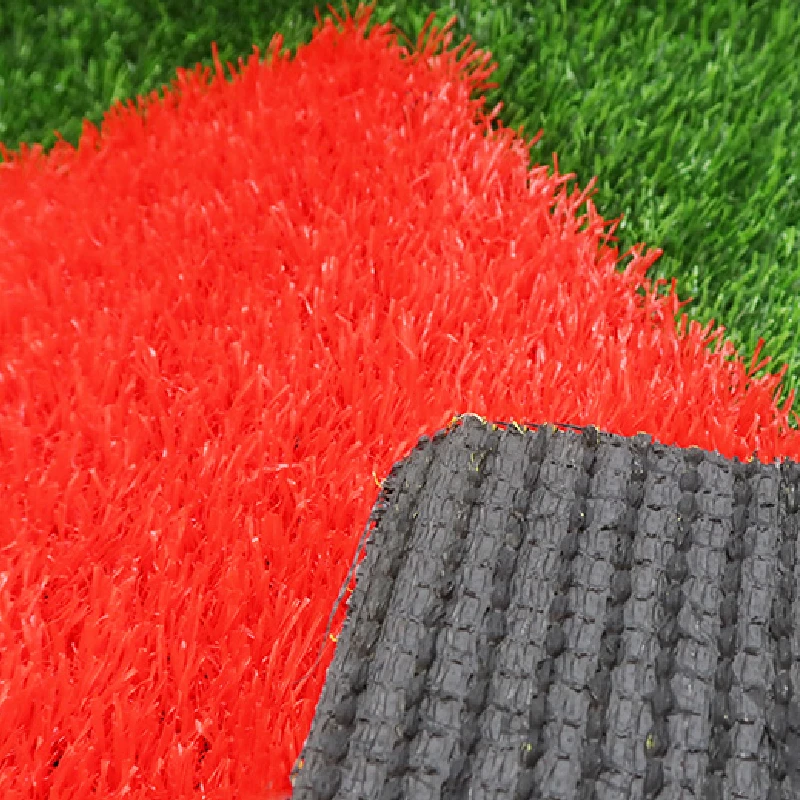
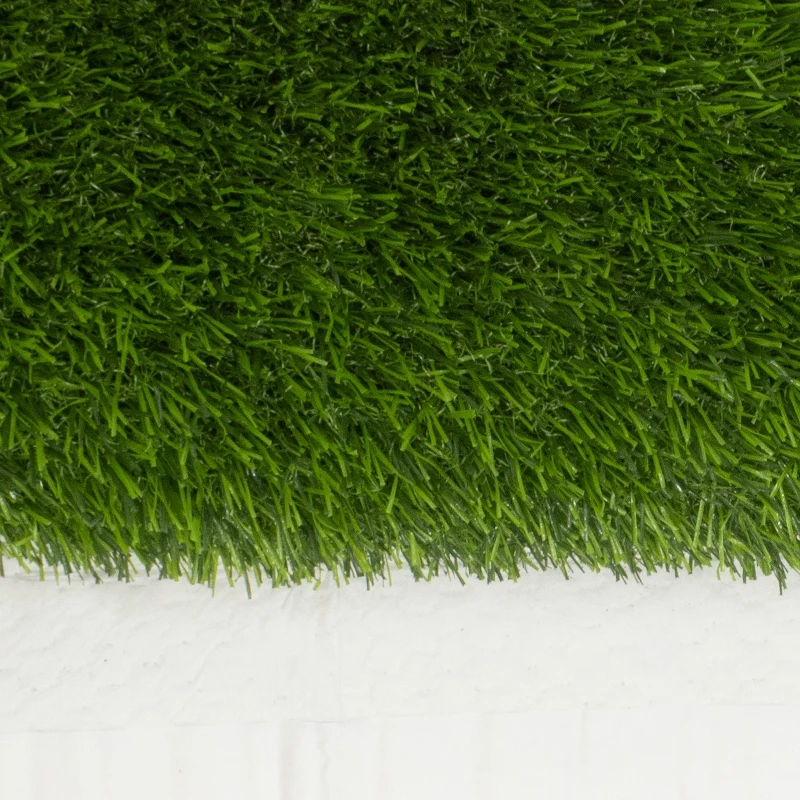
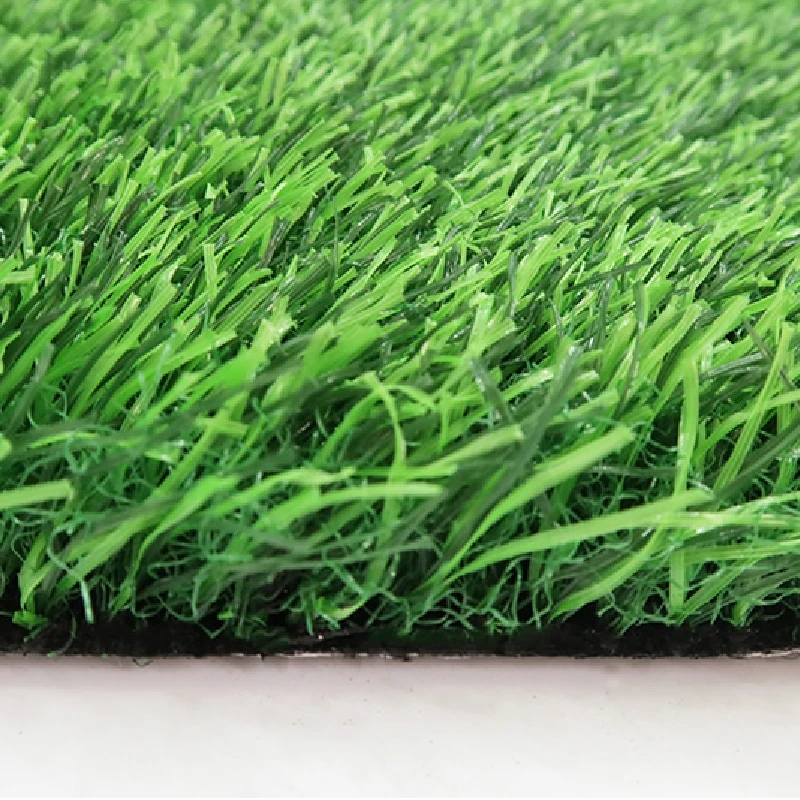
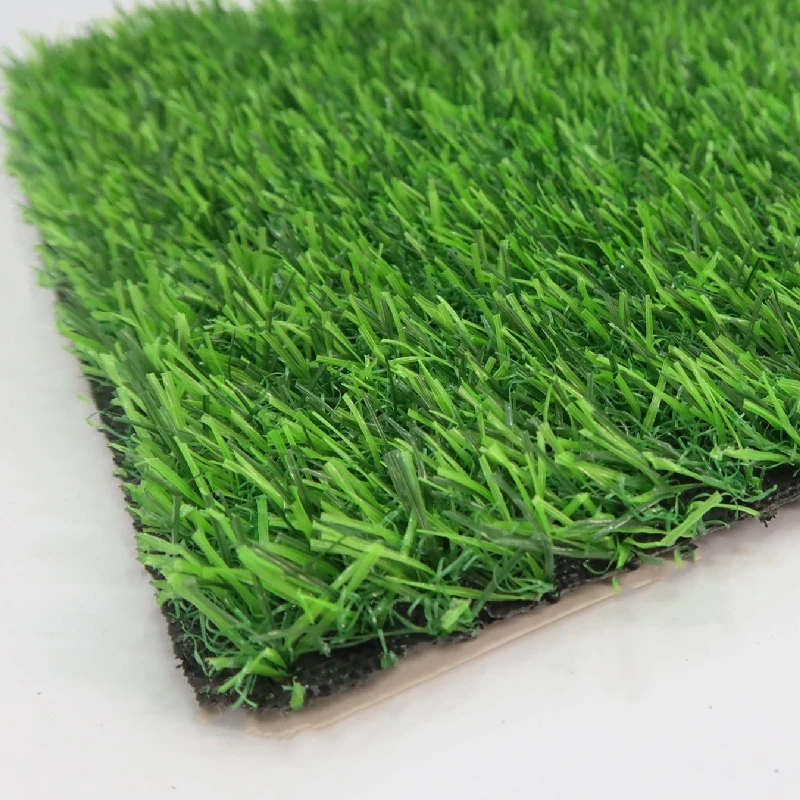
The fiber type—polyethylene, polypropylene, or nylon—drastically affects lifespan and price. Polyethylene tends to be more expensive but softer & more durable for high-traffic areas; polypropylene is cheaper but wears faster. A good product balances softness with resilience.
2. Pile Height and Density
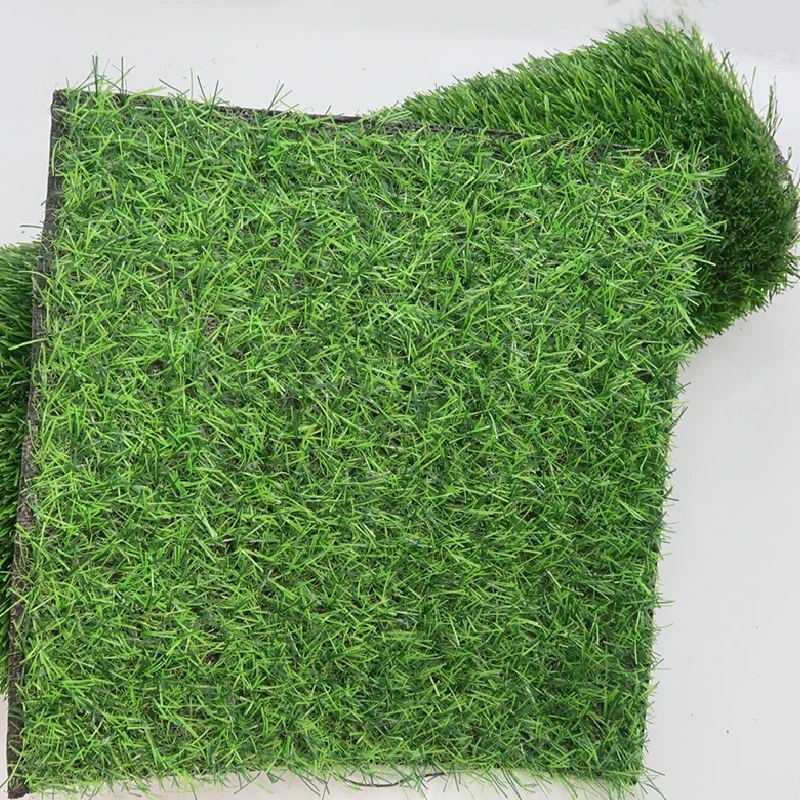
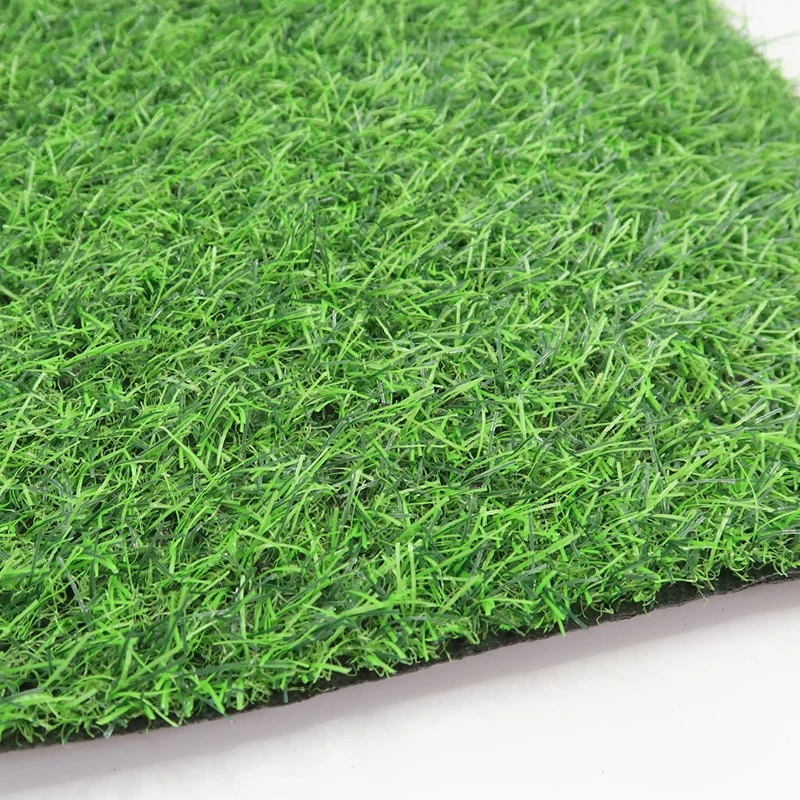
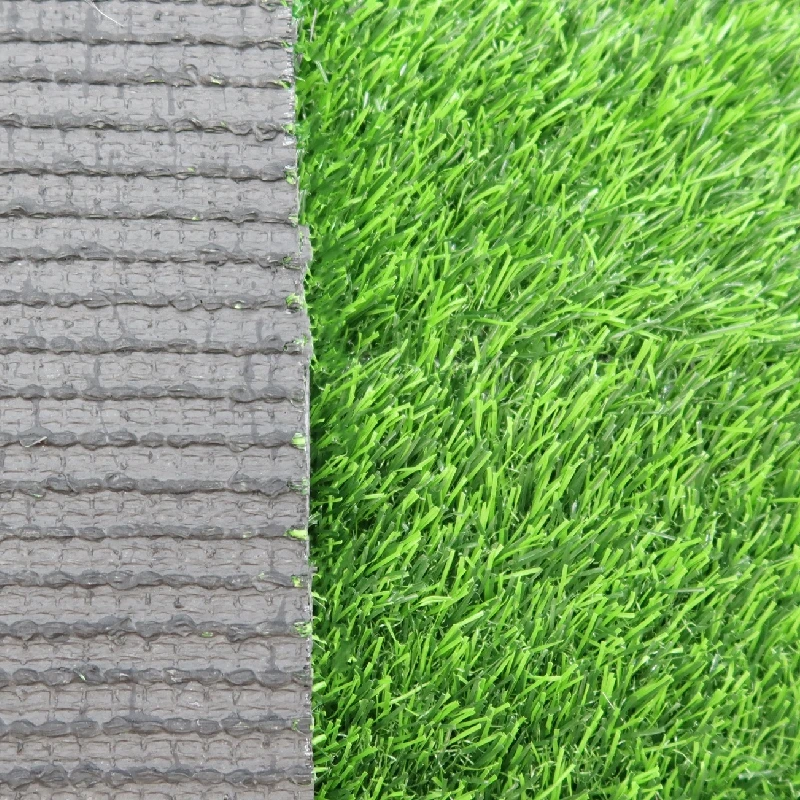
The “pile” describes the length and density of the synthetic blades. Longer, denser piles usually mean higher prices due to increased raw material and a more natural look, but ironically, can reduce visible wear over time.
3. Backing and Drainage Systems
The backing stability, including how well the turf drains water, impacts both cost and installation complexity. Advanced drainage backing can push the price up but prevents costly drainage problems later.
4. Installation Complexity
Site preparation varies—some projects need extensive ground leveling or base reinforcement, which adds to the effective price per m2. More straightforward sites make turf installation cheaper and faster.
5. Environmental Features
Increasingly, eco-friendly artificial grass options—made from recycled materials or designed for recyclability—command premiums but appeal to sustainability-focused buyers.
6. Supplier and Warranty
Last but definitely not least, vendor reputation, support, and warranty offerings shape value. Sometimes a slightly higher price per m2 pays off in peace of mind or longevity.
Mini takeaway: Artificial grass price per m2 depends on a complex mix of technical specs and practical factors; it’s key to balance upfront cost with expected performance.
Where and How This Price Metric Shapes Decisions Worldwide
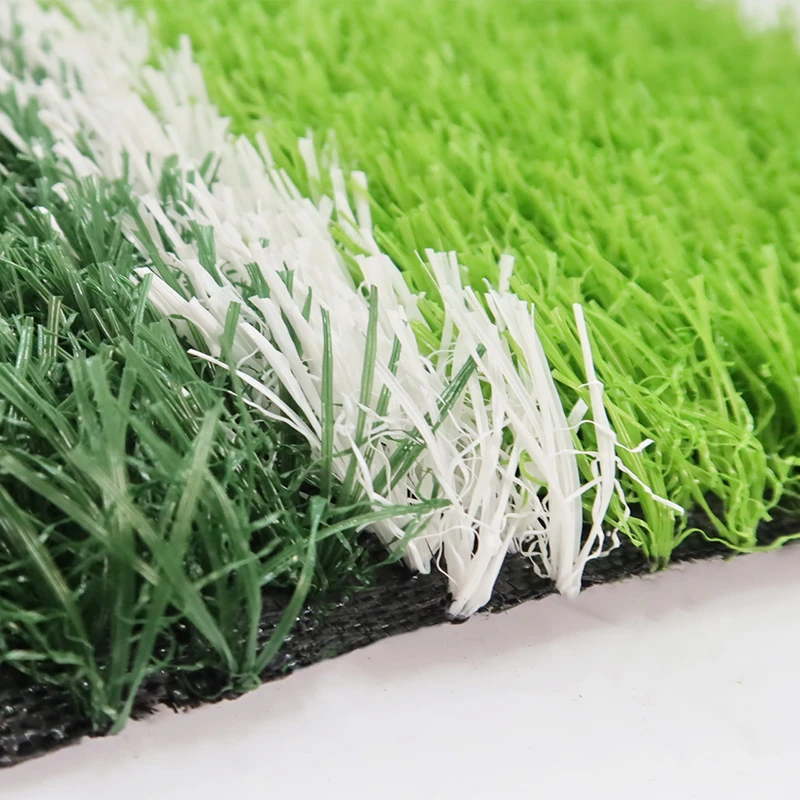
Take the sports industry: stadiums across Europe and the USA use artificial turf to reduce water use and maintenance, where knowing exact price per m2 helps prioritize premium artificial turf grades that last a decade under massive wear.
In the Middle East, where desert landscaping demands minimal irrigation, artificial lawns save thousands of liters yearly—while the price per m2 affects urban planners’ budgets.
NGOs operating in disaster-affected zones sometimes deploy turf to create safe, clean play or gathering spaces rapidly, relying on affordable price points for quick rollout.
Interestingly, fast-growing residential developments in Asia-Pacific often choose synthetic turf for balconies and courtyards, weighing costs carefully against aesthetic satisfaction.
Artificial Grass Price Per m2: Advantages and Long-Term Value
- Cost Savings: While upfront prices may seem high compared to seed or sod, maintenance is minimal—no watering, no mowing, no fertilizers—saving money in the long run.
- Environmental Impact: Less water use means a smaller footprint, and durable products avoid frequent replacement waste.
- Social Benefits: Safe, reliable surfaces boost community spaces and sports programs, which frankly feels good to support.
- Reliability: Artificial turf is weather-resistant and consistent, perfect for harsh climates or high-traffic.
There’s something comforting about a green space you don’t have to babysit, isn’t there?
Emerging Trends That Could Affect Prices and Use
Going forward, expect more innovation in materials, like bio-based polymers that dissolve into nature, and smarter backing systems that speed installation. Automation and digital ordering platforms are making price transparency sharper, too. Sustainability certifications may soon influence pricing tiers, nudging costs higher but rewarding green-friendly buyers with branding advantages.
Addressing Common Challenges
One challenge is buyer confusion—lots of jargon and variations make comparing artificial grass price per m2 tricky. Education and standardized specs help, but the industry is evolving. Disposal and recyclability also remain issues, but circular economy models and R&D in returning turf materials to the supply chain are promising solutions.
Quick FAQs About Artificial Grass Price Per m2
- Q: What factors most influence the artificial grass price per m2?
- A: Mainly fiber type, pile height/density, backing quality, and installation needs. Environmental and warranty features add to the cost but improve value over time.
- Q: How long does artificial grass typically last once installed?
- A: With quality materials and proper installation, turf can last 8–15 years, sometimes longer in low-traffic areas.
- Q: Is artificial grass cost-effective compared to natural grass?
- A: Though upfront prices can be higher, artificial grass generally saves money in maintenance, watering, and replacement expenses.
- Q: Can I find affordable artificial grass options for small-scale projects?
- A: Yes, there are budget-friendly grades suitable for DIY or minor landscaping, but quality and warranty are key to watch.
- Q: How do environmental standards impact artificial grass pricing?
- A: Eco-certified or recycled content products often have slightly higher prices, reflecting innovation and reduced environmental impact.
Artificial Grass Price Per m2: A Reality Check With Data
| Specification | Value Range | Notes |
|---|---|---|
| Fiber Material | Polyethylene / Polypropylene / Nylon | Polyethylene is premium and softer |
| Pile Height | 15mm to 50mm | Higher pile = higher price & more realism |
| Backing Type | Latex / PU Coated / Perforated for Drainage | Drainage influences installation cost |
| Standard Price per m2 | $15 – $45 USD | Depends on quality, supplier & location |
| Warranty | 5 to 10 years | Longer coverage boosts price slightly |
Comparing Artificial Grass Vendors: What to Watch For
| Vendor | Price Range (per m2) | Warranty | Eco Certification | Customer Support |
|---|---|---|---|---|
| GreenFields Corp. | $25–40 | 10 years | Yes | 24/7 dedicated line |
| EcoTurf Solutions | $20–35 | 7 years | Yes, recycled materials | Email and chat support |
| BudgetGrass Inc. | $15–25 | 5 years | No | Basic phone support |
A Final Word on Understanding Artificial Grass Price Per m2
So, when you ask about artificial grass price per m2, you’re really peering into a microcosm of technical specs, environmental philosophy, and practical economics all rolled into one. The trick is to look beyond just that dollar figure—think ahead about durability, environmental impact, and the support you’ll need over years, not just the day of installation.
Ultimately, consumers and professionals tapping into this knowledge gain access to better project planning and smarter resource use. If this piqued your interest, why not learn more and see current price trends for yourself? Visit us at Hoyarn Grass where we keep pricing transparent and packs of turf ready for your next green move.
References:
Latest news
-
Creating the Perfect Fake Grass Area for Dogs Complete Guide
NewsApr.16,2026
-
Guide to Using Fake Grass and Pets for a Pet Friendly Lawn
NewsApr.09,2026
-
Fake Grass and Dogs Creating a Pet Friendly and Durable Yard
NewsApr.07,2026
-
Maintaining a Pristine Lawn with Fake Grass and Dog Wee Management Solutions
NewsApr.04,2026
-
The Ultimate Guide to Choosing the Perfect Fake Dog Grass Patch for Your Pet
NewsMar.31,2026
-
Discover the Benefits of High Quality Fake Dog Grass for Potty Training
NewsMar.28,2026
Products categories