Welcome to Hoyarn
Call Us Any Time:+86 19801805999
Email Us: info@hoyarn.cn
Discover Durable and Eco-Friendly 10mm Artificial Grass for Urban Spaces
Nov . 27, 2025 16:55 Back to list
Discover Durable and Eco-Friendly 10mm Artificial Grass for Urban Spaces
10mm Artificial Grass: A Closer Look at Its Growing Global Relevance
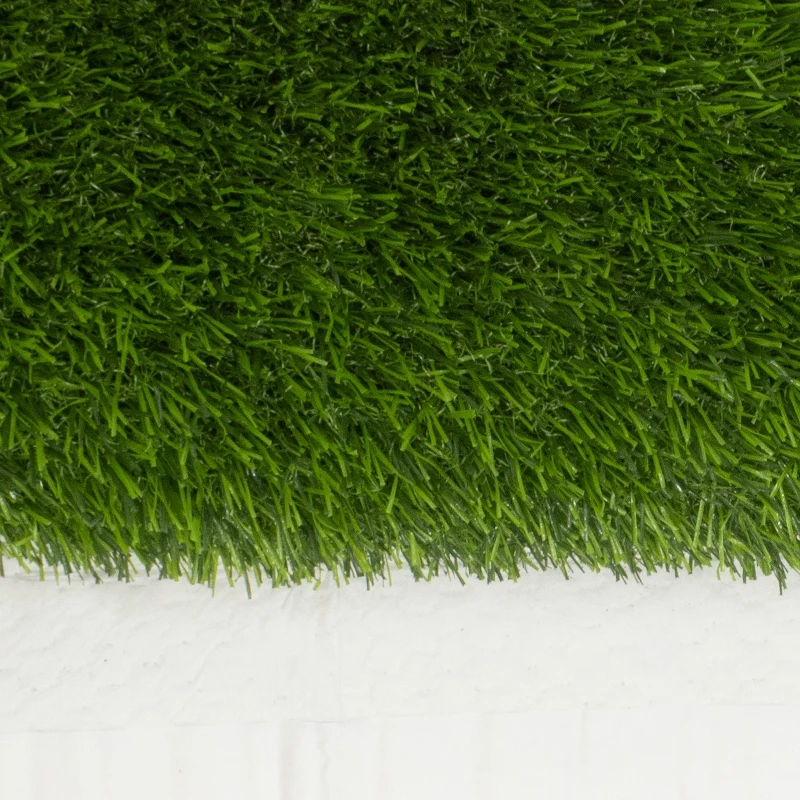
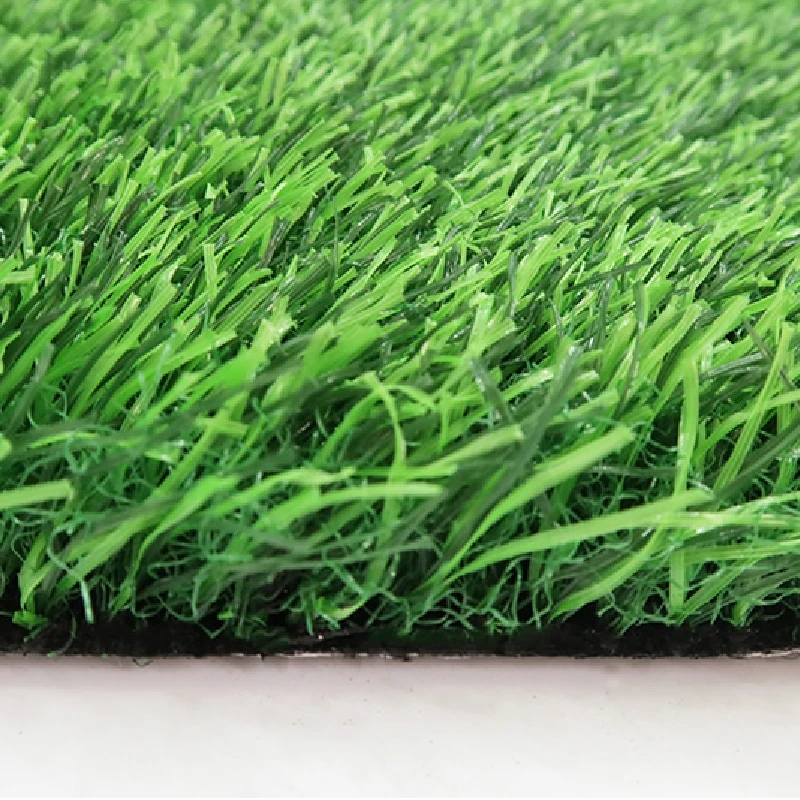
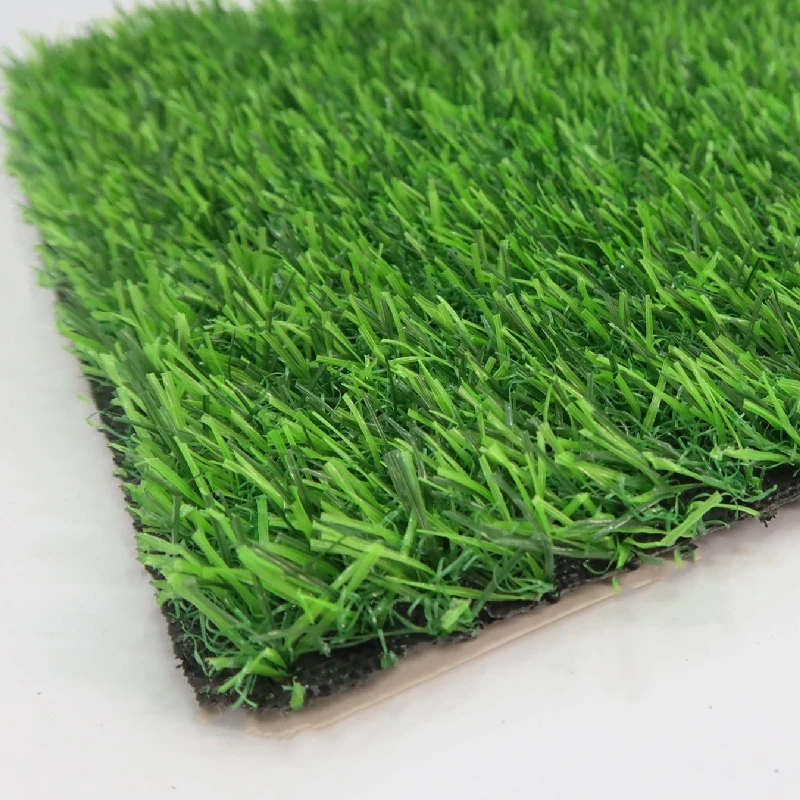
Artificial grass isn’t just for putting greens or sports stadiums anymore. The humble 10mm artificial grass — referring to the pile height of the synthetic turf — has quietly become a versatile player in both residential and commercial applications worldwide. Why does this matter? At a glance, 10mm turf strikes a balance between aesthetics, durability, and low maintenance, making it ideal for a range of industries grappling with sustainability and resource conservation. As water scarcity and urbanization become pressing concerns, understanding and adopting solutions like 10mm artificial grass offers real wins on environmental and economic fronts.
Global Context: Meeting Urban and Environmental Challenges Head-On
Globally, urban areas are projected to increase their population density rapidly — the UN estimates nearly 70% of the world’s population will live in cities by 2050[1]. This growth puts enormous pressure on green spaces and water resources. Lawns and natural grass, as pretty as they are, consume vast amounts of water and require constant upkeep. Here is where 10mm artificial grass steps in (and yes, it’s more than just a convenience).
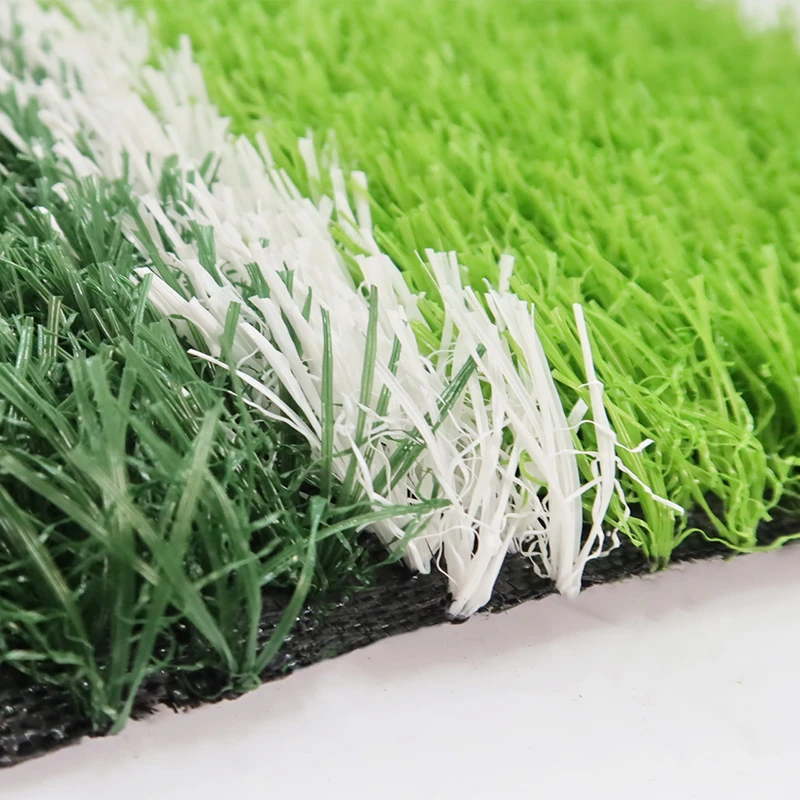
For industries and municipalities alike, including public parks in arid climates or rooftop gardens on skyscrapers, this turf height boasts a low profile that balances realistic texture with resilience. In industrial zones or humanitarian relief areas (ever thought about temporary soccer fields in refugee camps?), artificial grass like this can transform tough spaces into safe, usable grounds.
Defining 10mm Artificial Grass: What Exactly Are We Talking About?
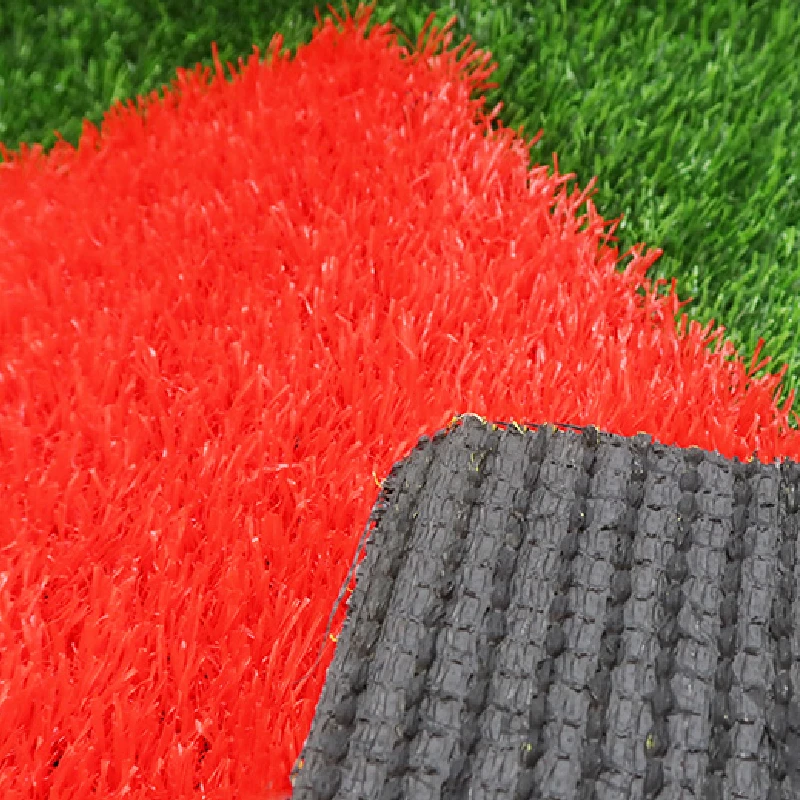
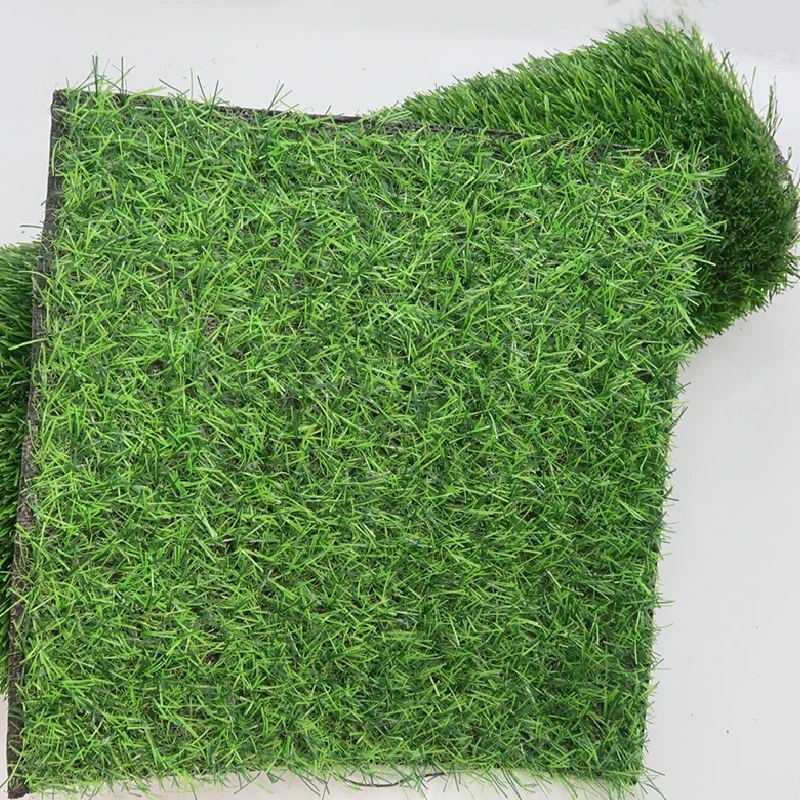
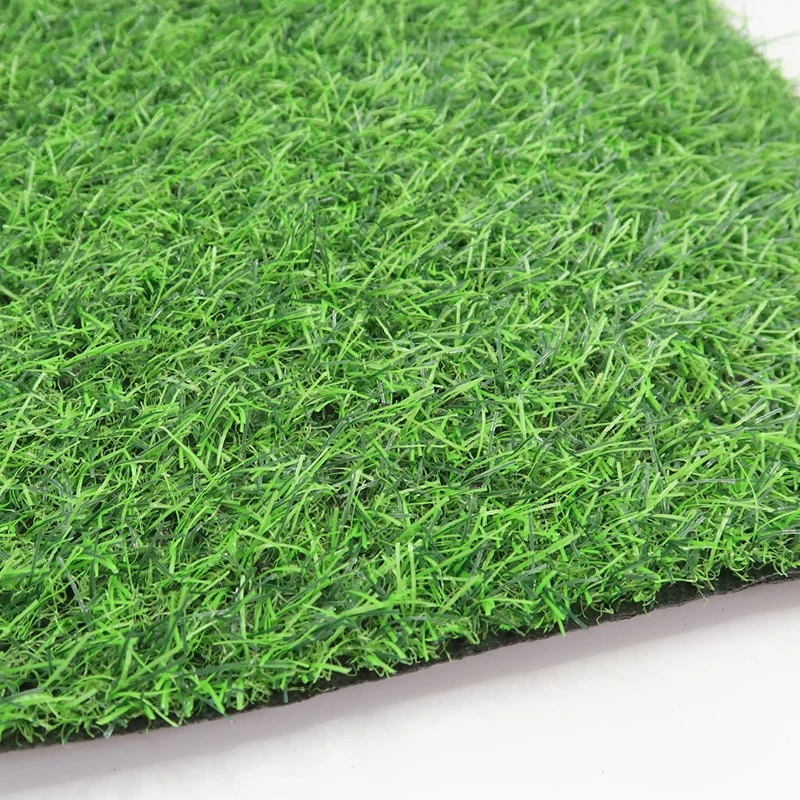
Simply put, 10mm artificial grass refers to synthetic turf whose blades (or “pile height”) stand roughly 10 millimeters tall. That’s about the length of a standard pencil eraser—compact yet enough to offer visual softness and cushioning. It’s kind of the Goldilocks of turf heights: not too long to be hard to maintain, not too short to feel artificial or rough underfoot.
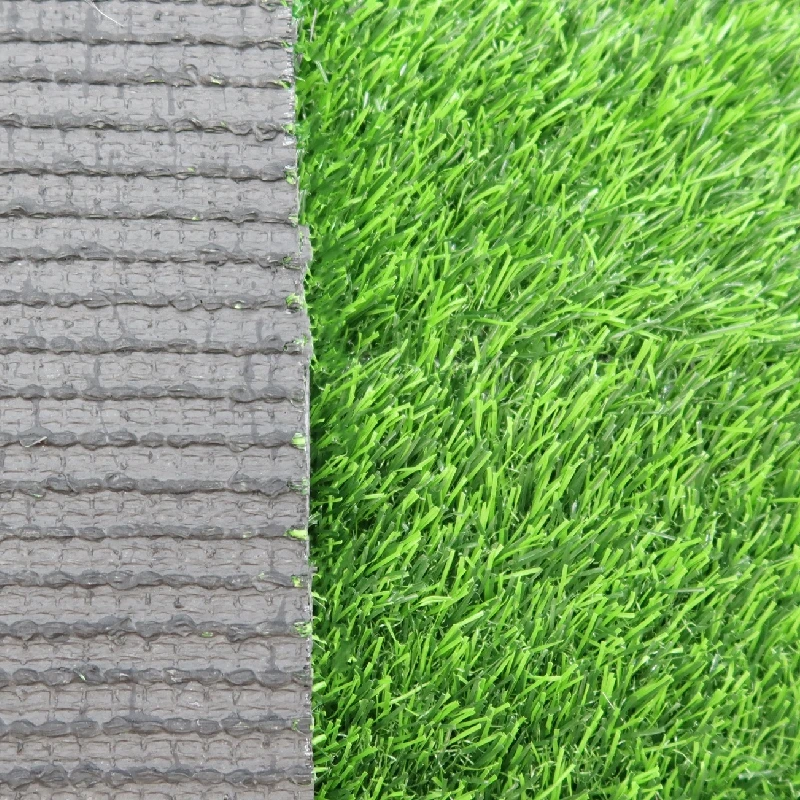
This product typically uses polyethylene or polypropylene fibers, engineered for UV resistance and durability, backed by latex or polyurethane backing layers for stability. The “10mm” designation means it’s often favored for putting greens, balcony landscaping, indoor spaces, pet areas, or playgrounds where comfort and appearance matter without the fuss of long blades.
Mini Takeaway:
- 10mm artificial grass offers an ideal blend of durability and natural look for many modern applications.
- It conserves water and reduces upkeep compared to natural lawns, essential for sustainability efforts worldwide.
Key Factors Behind the Popularity of 10mm Artificial Grass
Durability
For starters, the shorter blade length means less wear-and-tear during high-traffic use. Many suppliers test their 10mm turfs according to ISO 9001 standards for tensile strength and abrasion resistance, ensuring they won’t fray or flatten quickly. In urban settings, this durability translates to lower replacement frequency — a win for budgets and the environment.
Cost Efficiency
Installed costs are generally moderate with 10mm grass compared to longer options, and maintenance is minimal. No mowing, fertilizing, or irrigation needed — which can shave off significant expenses over the turf’s lifespan.
Versatility & Scalability
Whether it’s a small balcony garden in Tokyo or a sprawling rooftop in Dubai, 10mm artificial grass suits many scales and surfaces. Its lightweight backing and modest thickness facilitate easy transportation and installation, even in constrained urban locations.
Aesthetic Appeal
While short, the grass fibers can be manufactured in mixed tones of green for a more “living” appearance. Advanced yarn extrusion technology lets designers mimic the way real grass subtly varies in color, adding a sense of depth and vibrancy.
Eco-friendliness
Though not biodegradable per se, many vendors now produce 10mm artificial grass using recyclable polymers and sustainable production processes, helping to reduce environmental footprint. Plus, fewer lawn chemicals mean safer environments from both a human and wildlife perspective.
Mini Takeaway:
- It balances durability, cost, and looks — explaining its strong global uptake.
- Its lightweight, eco-conscious materials open doors for future sustainable landscaping projects.
Real-World Uses and Benefits of 10mm Artificial Grass
From playgrounds in Scandinavia to apartment balconies in São Paulo, 10mm artificial grass has found a surprisingly broad footing. Urban planners appreciate its water-saving properties in drought-prone areas like California or Australia, where restrictions on outdoor watering limit natural turf viability.
In humanitarian contexts, NGOs use synthetic grass extensively for temporary recreational areas in refugee camps — a small luxury providing kids the joy of play with minimal setup. Industrial zones also lean on this turf to reduce dust and mud problems around factory entrances and walkways.
Even indoors, lighter 10mm turf serves well in offices or exhibition spaces where a touch of greenery without the mess is valued. It's a cost-effective and simple way to bring nature inside, which studies like those from the Human Spaces report have shown can increase worker wellbeing.[2]
Mini Takeaway:
- Its adaptability powers projects from private homes to humanitarian aid.
- Reducing natural grass use especially in water-scarce locations cuts environmental stress drastically.
Advantages and Long-Term Values of Incorporating 10mm Artificial Grass
- Water Conservation: Saves thousands of liters annually versus natural lawns.
- Health and Safety: Reduces allergens, pesticides, and mud-related hazards.
- Economic Savings: Cuts maintenance and landscaping labor costs substantially.
- Aesthetics: Maintains a fresh, green look year-round, rain or shine.
- Social Impact: Creates play spaces and green zones for urban residents, boosting quality of life.
Frankly, it provides practical peace of mind for users — imagine the confidence in knowing your green space won’t brown out or need constant fixing. It’s innovation that’s a little bit beautiful and a lot responsible.
What’s Next? Future Innovations and Trends in 10mm Artificial Grass
Looking ahead, the turf industry is integrating smarter materials — bio-based polymers that degrade safely or resist microbial buildup. Also, hybrid turfs combining natural fibers with artificial blades offer new textures and environmental performance.
With smart cities on the rise, expect AI and IoT sensors embedded beneath the turf to monitor usage or moisture levels for enhanced landscape management. Urban farming initiatives may even combine these surfaces with drip irrigation or solar panels for dual-function green roofs.
And let’s not forget, ongoing regulatory pushes toward sustainability will keep driving innovation in production techniques, rewarding companies investing in circular economy solutions.
Challenges and Solutions Worth Noting
Of course, no product’s perfect. Critics sometimes point out that artificial grass can get hot to the touch in direct sun, or that end-of-life disposal remains a hurdle. Many designers are tackling these issues through:
- Heat-reducing pigments and fiber shapes
- Recycling schemes and second-life applications
- Improved underlay materials for drainage and cooling
Many engineers suggest thoughtful placement and periodic grooming can also prolong the turf’s lifespan—and frankly, having some shading around (trees or pergolas) never hurts.
Product Specifications at a Glance
| Specification | Details |
|---|---|
| Pile Height | 10mm |
| Material | Polyethylene / Polypropylene |
| Backing | Latex or Polyurethane |
| UV Resistance | Yes, >3000 hours |
| Roll Width | 2m to 4m |
| Weight per m² | ~1200g |
Vendor Comparison: Navigating the Market
| Vendor | Price Range ($/m²) | UV Warranty | Eco Certifications | Lead Time |
|---|---|---|---|---|
| GreenTex | 15 - 20 | 5 Years | ISO 14001 | 2 weeks |
| EcoLawn | 18 - 22 | 7 Years | Global Recycle Standard | 3 - 4 weeks |
| UrbanGreen | 13 - 17 | 3 Years | None | 1 week |
FAQs About 10mm Artificial Grass
- Is 10mm artificial grass suitable for pets?
- Yes. Its short pile height makes cleaning easier and prevents dirt from settling too deeply. Plus, it's soft enough for pet comfort and durable enough to withstand playful activity.
- How long can 10mm turf last when exposed to sunlight?
- With proper UV stabilization, it typically lasts 5-7 years outdoors without significant fading or degradation, though this can vary by climate and installation conditions.
- Does it require infill material?
- Generally, 10mm turf may not need as much infill due to its shorter fibers but light sand infill can enhance stability and drainage depending on the use case.
- Can I install 10mm artificial grass myself?
- Absolutely. It's one of the easier turfs to install due to its manageable thickness and weight, but ensure the base is properly prepared for best results.
- Where can I buy quality 10mm artificial grass?
- Several suppliers offer it globally, but for a reliable source, check out 10mm artificial grass vendors with good reviews, eco certifications, and warranty options.
Wrapping Up: Why 10mm Artificial Grass Deserves Your Attention
In short, 10mm artificial grass isn’t just another landscaping fad. It’s a pragmatic response to the water shortages, urban density, and lifestyle needs of a rapidly changing planet. Its blend of durability, eco-friendliness, and versatility makes it a smart choice for flooring, playgrounds, balconies, and more — all with lower environmental impact than natural grass.
If you’re curious about how 10mm artificial grass can elevate your space while cutting maintenance headaches, I encourage you to explore options online and see firsthand the subtle yet effective difference it offers. Visit our website: https://www.hoyarngrass.com for more info and personalized advice.
References
- United Nations, Department of Economic and Social Affairs, World Urbanization Prospects, 2018.
- Human Spaces Report: The Global Impact of Biophilic Design in the Workplace, 2015.
- ISO 9001 & 14001 Standards governing turf materials and sustainable production.
Latest news
-
Creating the Perfect Fake Grass Area for Dogs Complete Guide
NewsApr.16,2026
-
Guide to Using Fake Grass and Pets for a Pet Friendly Lawn
NewsApr.09,2026
-
Fake Grass and Dogs Creating a Pet Friendly and Durable Yard
NewsApr.07,2026
-
Maintaining a Pristine Lawn with Fake Grass and Dog Wee Management Solutions
NewsApr.04,2026
-
The Ultimate Guide to Choosing the Perfect Fake Dog Grass Patch for Your Pet
NewsMar.31,2026
-
Discover the Benefits of High Quality Fake Dog Grass for Potty Training
NewsMar.28,2026
Products categories