Welcome to Hoyarn
Call Us Any Time:+86 19801805999
Email Us: info@hoyarn.cn
Effective Management of Dog Wee on Fake Grass for a Fresh Lawn
Mar . 12, 2026 02:25 Back to list
Effective Management of Dog Wee on Fake Grass for a Fresh Lawn
Dealing with Dog Wee on Fake Grass: A Comprehensive Guide
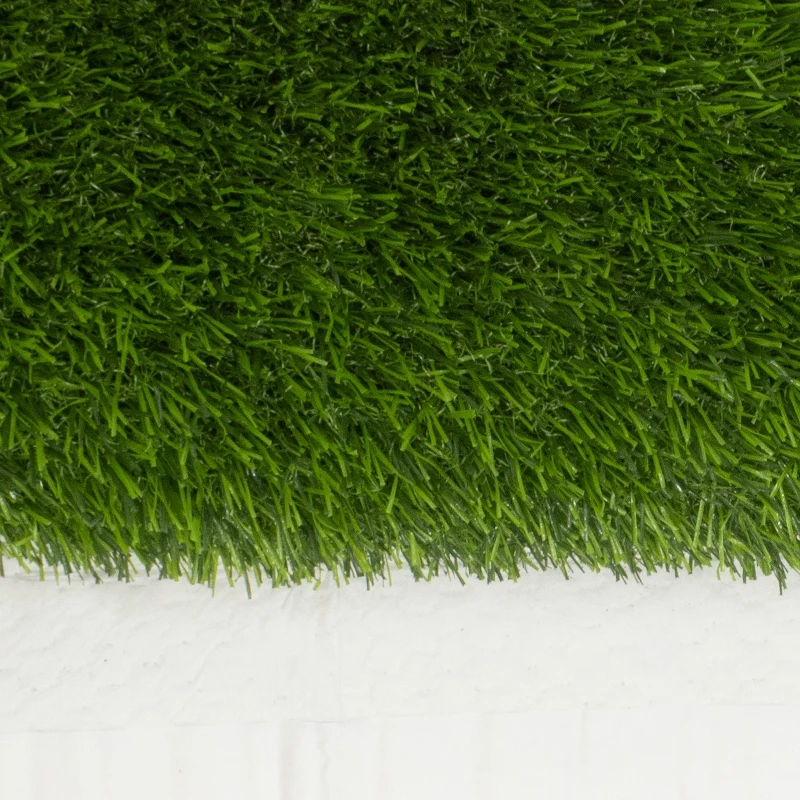
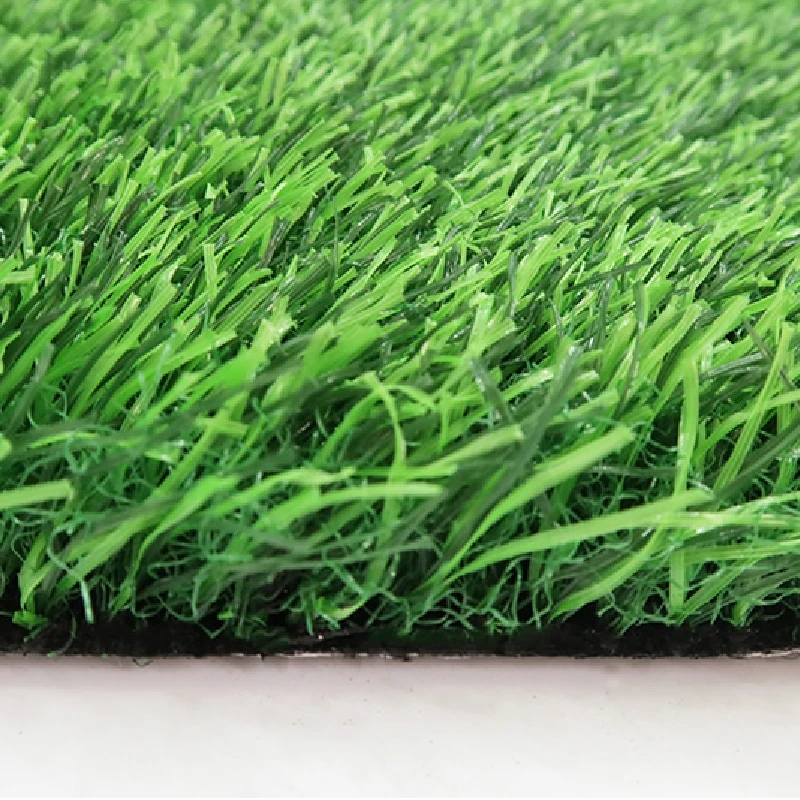
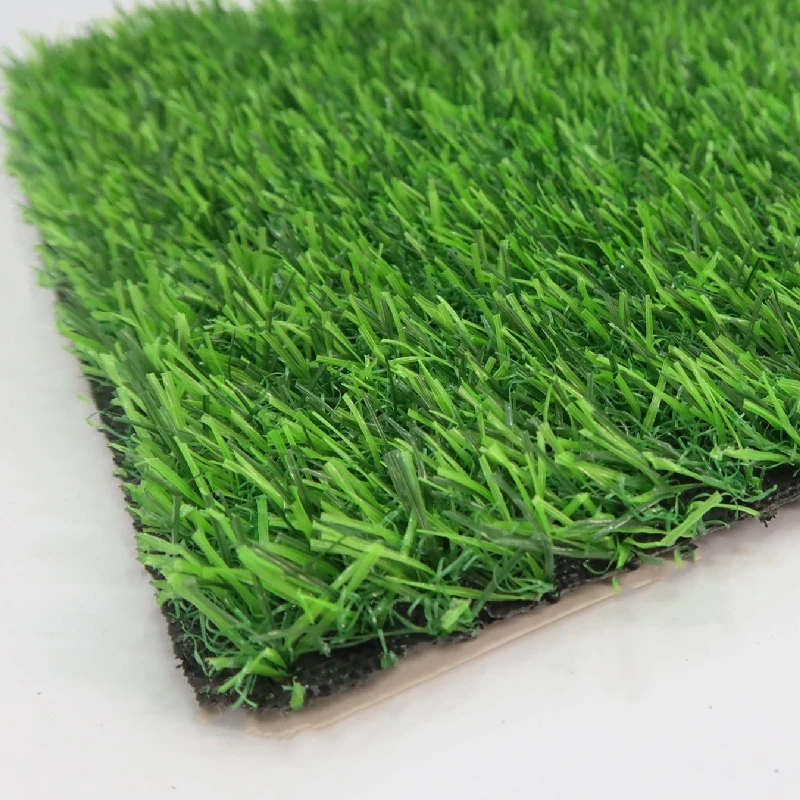
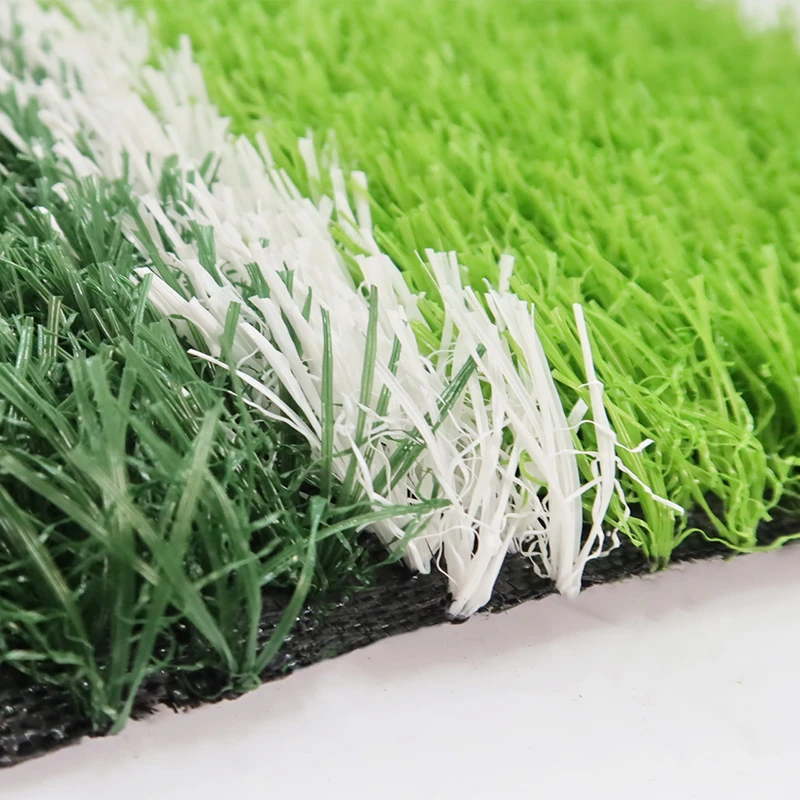
Artificial turf has become a popular choice for pet owners, offering a convenient and aesthetically pleasing alternative to natural grass. However, dealing with dog wee on fake grass is a common concern. Unlike natural grass, artificial turf doesn't absorb urine as readily, which can lead to odors and potential damage over time. This article provides a detailed guide on how to effectively manage and neutralize dog urine on artificial grass, ensuring a clean, hygienic, and pleasant outdoor space for both you and your furry friend. We'll cover preventative measures, cleaning solutions, and best practices for maintaining your artificial grass, extending its lifespan and keeping it fresh.
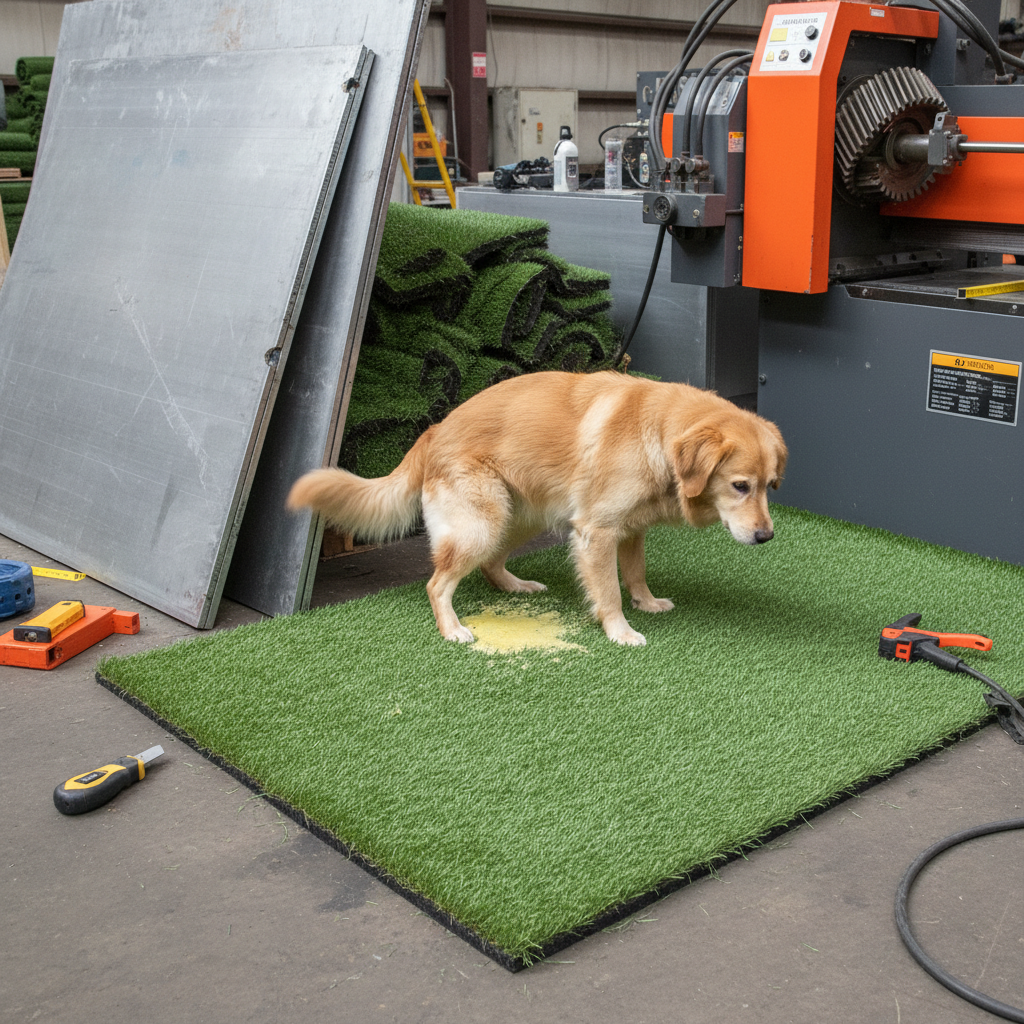
Understanding the Challenges of Dog Urine on Artificial Grass
The primary challenge with dog urine on artificial grass stems from its composition. Dog urine contains high levels of urea, which breaks down into ammonia, creating a strong and unpleasant odor. Because artificial turf lacks the natural absorption capabilities of soil, the urine tends to sit on the surface and can eventually damage the fibers. Over time, this can lead to discoloration and a build-up of bacteria. Choosing the right type of artificial grass with effective drainage is the first step in mitigation. Proper maintenance and timely cleaning are essential to prevent long-term issues and preserve the appearance and hygiene of your lawn.
Key Highlights: Dog urine contains high levels of urea which turns into ammonia causing discoloration, odor and bacterial buildup.
Preventative Measures: Minimizing Urine Build-Up
Proactive measures can significantly reduce the impact of dog urine on your artificial grass. Training your dog to urinate in a designated area is a highly effective strategy. You can encourage this by placing a pee pad or a patch of real grass in a specific location. Regularly rinsing the area where your dog urinates with water will help dilute the urine and prevent build-up. Consider the type of artificial grass you choose; those with superior drainage systems minimize the pooling of liquids. Hoyarngrass offers a range of options designed for pet owners with excellent drainage capabilities.
Preventative Care:
• Train your dog to urinate in a designated area.
• Regularly rinse the area with water.
• Choose artificial grass with superior drainage.
Effective Cleaning Solutions for Dog Wee on Fake Grass
When cleaning up dog urine, avoid harsh chemicals like bleach, as they can damage the artificial grass fibers. Instead, opt for enzyme-based cleaners specifically designed for pet urine. These cleaners break down the urine's components, eliminating odors and preventing staining. A diluted solution of white vinegar and water (1:1 ratio) can also be effective. Apply the chosen cleaner to the affected area, let it sit for the recommended time (check the product instructions), and then rinse thoroughly with water. Always test the cleaner on a small, inconspicuous area first to ensure it doesn't cause discoloration.
Maintaining Your Artificial Grass: Long-Term Care
Regular brushing of your artificial grass helps to lift the fibers and prevent matting, improving drainage and overall appearance. Deep cleaning, performed 1-2 times per year, can remove stubborn stains and odors. Consider using a specialized artificial grass cleaning solution and a power washer with a low-pressure nozzle. Inspect your artificial grass periodically for any signs of damage, such as torn fibers or loose seams, and address them promptly. Hoyarngrass offers professional installation and maintenance services to help you keep your lawn looking its best.
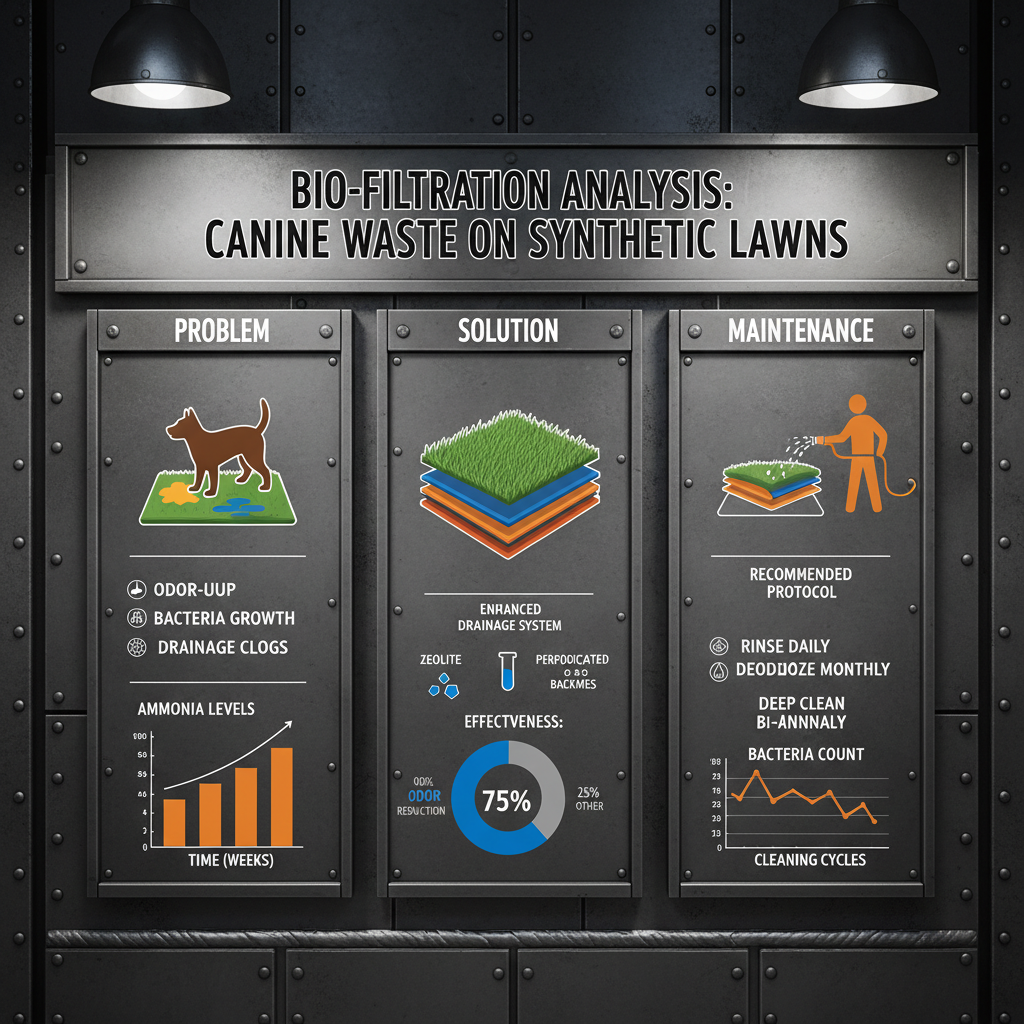
Dog Wee on Fake Grass: Product Specifications
Choosing the right artificial grass can make a significant difference in managing pet waste. Here's a look at some key specifications to consider:
Conclusion: Enjoying a Clean and Fresh Artificial Lawn
Managing dog wee on fake grass is achievable with the right knowledge and proactive measures. By implementing preventative strategies, using appropriate cleaning solutions, and performing regular maintenance, you can enjoy a beautiful, hygienic, and pet-friendly outdoor space for years to come. Don't hesitate to explore the pet-friendly turf options available at Hoyarngrass, designed to make pet ownership even more enjoyable.
Frequently Asked Questions (FAQs)
How often should I clean artificial grass after my dog urinates on it?
Ideally, you should rinse the area with water immediately after your dog urinates. This will help dilute the urine and prevent the build-up of ammonia. If you can't rinse it right away, use an enzyme-based cleaner as soon as possible. Regular rinsing, even if it's just a quick spray with a hose, will significantly reduce odors and maintain the cleanliness of your artificial grass. A deep cleaning with a specialized solution should be done every few months, or as needed based on your dog's urination frequency.
Can I use baking soda to neutralize dog urine on artificial grass?
While baking soda can help absorb some odors, it's not as effective as enzyme-based cleaners for breaking down the components of dog urine. Baking soda can also leave a residue on the artificial grass fibers. If you choose to use baking soda, apply a generous amount to the affected area, let it sit for several hours, and then vacuum or brush it away thoroughly. However, for optimal results, we recommend using a dedicated pet urine cleaner specifically designed for artificial turf.
What type of artificial grass is best for dogs?
Artificial grasses with a high drainage rate and a shorter pile height are generally best for dogs. A shorter pile makes it easier to clean up messes and prevents urine from soaking down to the backing. A high drainage rate ensures that liquids quickly pass through, minimizing odors and preventing bacteria growth. Hoyarngrass offers a range of pet-friendly turf options specifically designed to address these concerns.
Latest news
-
Creating the Perfect Fake Grass Area for Dogs Complete Guide
NewsApr.16,2026
-
Guide to Using Fake Grass and Pets for a Pet Friendly Lawn
NewsApr.09,2026
-
Fake Grass and Dogs Creating a Pet Friendly and Durable Yard
NewsApr.07,2026
-
Maintaining a Pristine Lawn with Fake Grass and Dog Wee Management Solutions
NewsApr.04,2026
-
The Ultimate Guide to Choosing the Perfect Fake Dog Grass Patch for Your Pet
NewsMar.31,2026
-
Discover the Benefits of High Quality Fake Dog Grass for Potty Training
NewsMar.28,2026
Products categories