Welcome to Hoyarn
Call Us Any Time:+86 19801805999
Email Us: info@hoyarn.cn
Understanding Artificial Grass Cost Per Sq Ft: Smart Insights for Sustainable Landscaping
Dec . 10, 2025 11:04 Back to list
Understanding Artificial Grass Cost Per Sq Ft: Smart Insights for Sustainable Landscaping
Understanding Artificial Grass Cost Per Sq Ft: Why it Matters Globally
Artificial grass has become more than just a lawn alternative in recent years; it’s an evolving industry addressing sustainability, water conservation, and urban landscaping challenges worldwide. With cities growing, droughts becoming common, and maintenance costs rising, knowing the artificial grass cost per sq ft is crucial for homeowners, businesses, and governments aiming to balance aesthetics and budgets. It’s surprisingly complex — a blend of technical specs, installation nuances, material quality, and long-term value — all wrapped into that simple but key metric of cost per square foot.
If you’ve ever wondered how much to budget for a durable, low-maintenance synthetic lawn or commercial landscape, the numbers matter — not just for your wallet but for environmental impacts as well.
The Global Context of Artificial Grass Pricing
Globally, urbanization pushes green space management into a tricky corner. According to the UN's Sustainable Cities Report, cities are seeking greener solutions that also conserve water and reduce carbon footprint. Artificial turf has stepped in as a contender in regions with water scarcity like California, Australia, and parts of Southern Europe.
But there’s a catch — upfront costs versus long-term savings. The average artificial grass cost per sq ft varies worldwide, influenced by manufacturing, shipping, labor, and economic factors. For example, cost uncertainty often discourages decision-makers even though research shows sustainable turf can reduce maintenance expenses by as much as 50% over ten years.
So, exploring what exactly goes into the cost — and what you get for it — helps dispel myths and chart realistic investment paths. It’s a long-term game, after all.
What Does “Artificial Grass Cost Per Sq Ft” Actually Mean?
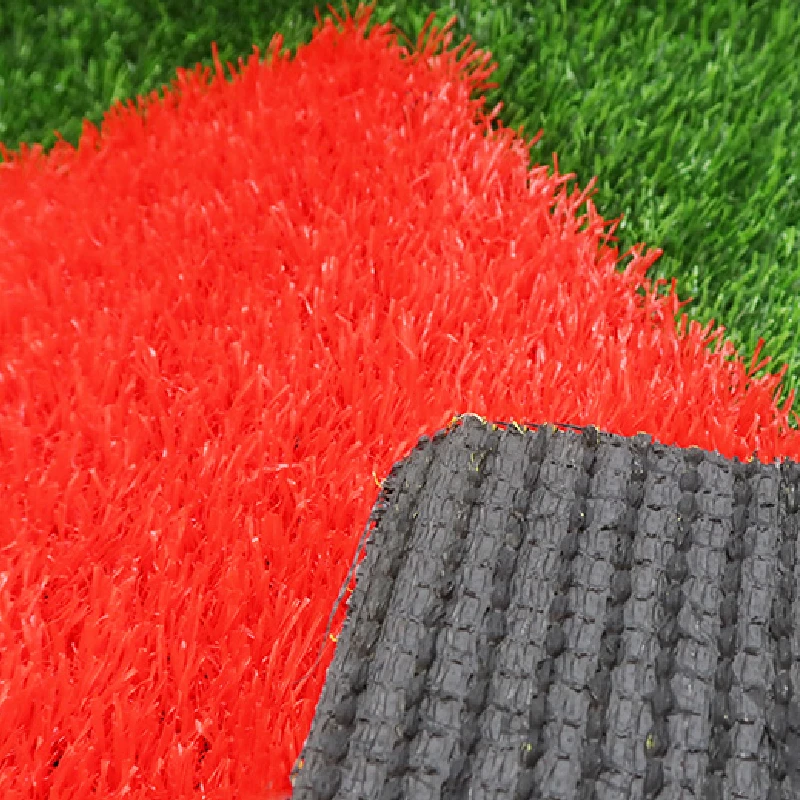
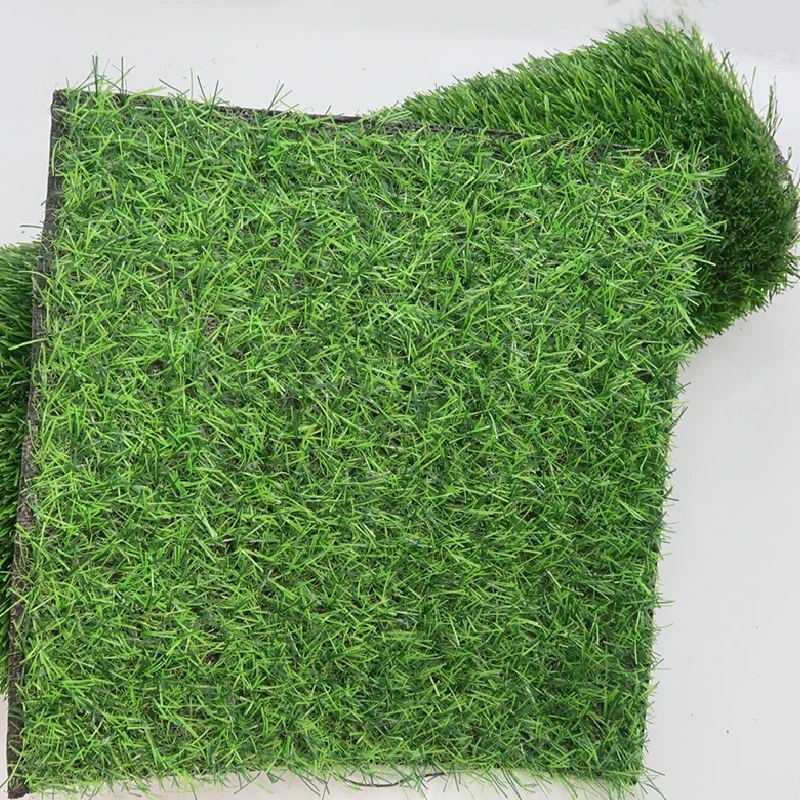
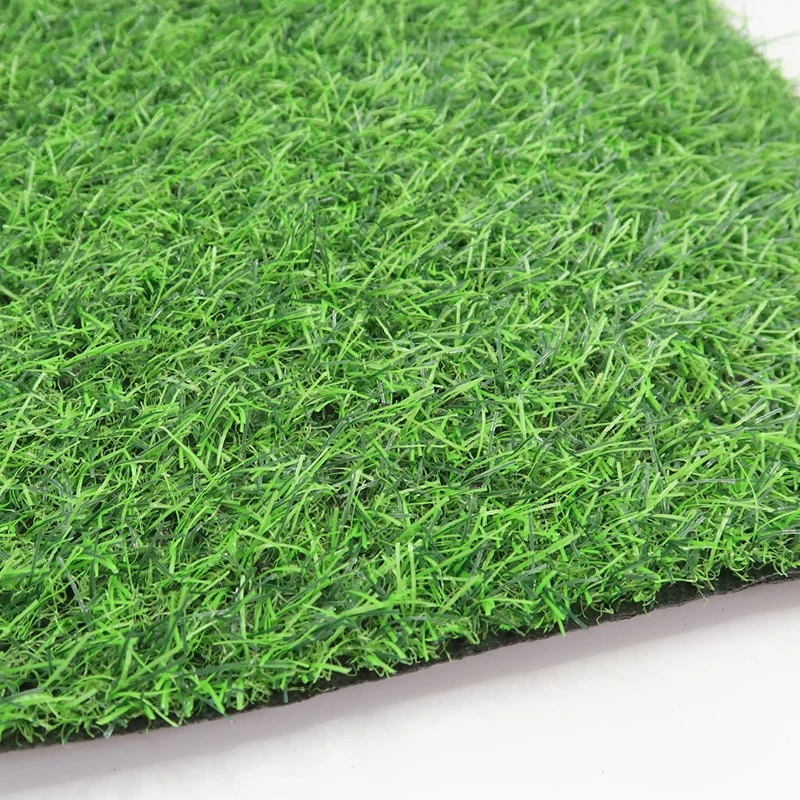
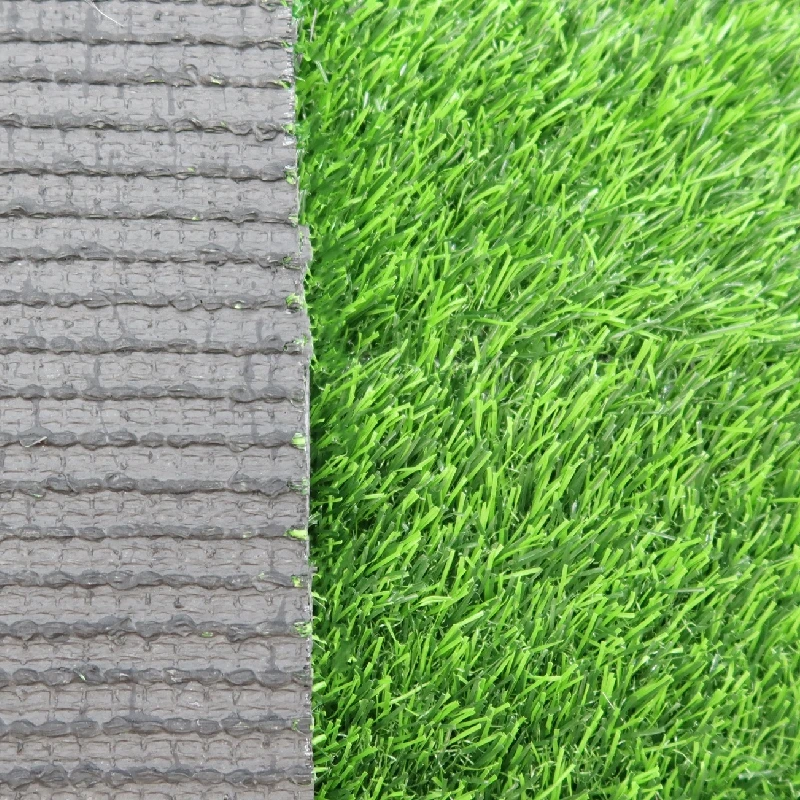
In plain terms, artificial grass cost per sq ft is the money needed to purchase and install synthetic turf for one square foot of surface area. This figure includes the turf material (usually polyethylene, polypropylene, or nylon fibers), infill materials (like sand, rubber, or organic blends), labor for installation, and sometimes site prep.
Beyond simple pricing, it reflects the quality, durability, and features of the turf — like UV resistance, pile height, and drainage capabilities. These factors tie directly into modern needs such as reducing water usage and ensuring a low-maintenance surface for playgrounds, sports fields, or residential gardens.
Key Factors Driving Artificial Grass Cost Per Sq Ft
1. Material Quality & Fiber Type
The turf fiber is the workhorse. Polyethylene is soft and common for landscaping; polypropylene is less expensive but less durable, often reserved for indoor or low-traffic areas. Nylon, known for high resilience, elevates the cost but lasts longer especially in heavy-use scenarios.
2. Pile Height & Density
Taller fibers (pile height) give a more natural look but increase cost. Density (stitch count per sq ft) affects softness and durability — think of it as turf “thread count.” More density = higher price.
3. Infill Material
Infill supports the blades and cushions impact. Rubber crumb infill is standard but can be expensive or raise environmental concerns. Alternative organic infills or coated sand offer eco-friendly options at varying costs.
4. Installation Complexity
A flat, accessible surface costs less to install artificial grass on than a site requiring grading, weed barriers, or drainage solutions. Labor rates also vary based on locale.
5. Warranty & Brand Reputation
Trusted brands often charge a premium but back their products with better warranties — a vital consideration given how long you want your lawn to last.
Practical Product Specifications at a Glance
| Specification | Typical Range | Impact on Cost |
|---|---|---|
| Fiber Material | Polyethylene / Polypropylene / Nylon | Medium to High |
| Pile Height (mm) | 10 - 50 | Medium |
| Infill Type | Rubber / Sand / Organic | Low to Medium |
| Backing Material | Latex / Polyurethane | Medium |
| Installation Labor | $5 - $15 per sq ft | High |
Mini takeaway: The cost per square foot is a composite of materials and installation. Ignoring either can produce sticker shock or unexpected maintenance headaches.
How Different Vendors Stack Up: A Comparison
| Vendor | Cost per Sq Ft | Warranty | Material Quality | Sustainability Features |
|---|---|---|---|---|
| GreenTurf Co. | $8.50 | 10 years | Premium Nylon | Recycled infill + Low VOC |
| EcoLawn Retailers | $6.75 | 7 years | Polyethylene | Organic infill option |
| BudgetGrass Ltd. | $4.90 | 3 years | Polypropylene | - |
Mini takeaway: Price isn’t everything — warranties and sustainability certifications often tip the scales for long-term value.
Real-World Use Cases Around The Globe
From drought-stricken neighborhoods in California replacing thirsty turf grass to Saudi Arabian football stadiums benefitting from synthetic fields that withstand punishing sunlight and heat, synthetic grass is proving versatile. International aid agencies use artificial turf in refugee camps to quickly establish clean play areas that require minimal upkeep — saving crucial resources.
Additionally, commercial properties in Europe often opt for artificial grass rooftops that reflect heat while offering an evergreen aesthetic, boosting energy savings and wellbeing simultaneously.
Advantages and Long-Term Value
Sure, initial costs can seem high, but artificial grass pays off by slashing water bills, mowing, fertilizers, and pest control expenses. It's also kinder to the environment by conserving millions of gallons of water and reducing carbon emissions from lawn equipment. Emotionally, it gives communities and families peace of mind — a green, safe play or gathering space that looks good year-round.
Plus, many homeowners appreciate the reliability — no muddy patches, no brown spots. One local landscaper said, “I’ve seen gardens flourish after installation because clients finally spend time enjoying their outdoor spaces rather than tending to them.”
Emerging Innovations in Artificial Grass Costs
The sector’s evolving along with smart materials: bio-based fibers, recyclable backing, and antimicrobial infills that reduce odors are moving into mainstream markets. Add to that digital tools estimating cost per square foot more precisely using drone topography and AI-based installation planning — minimizing waste and labor hours.
The future might just bring “smart” grass that monitors soil health or integrates solar micro-panels. It’s not sci-fi anymore; R&D budgets are huge.
Facing the Challenges Head-On
The challenges are mostly upfront — price perceptions, installation complexities, and the old concern about “plastic lawns” harming ecosystems. However, greater transparency in material sourcing, longer warranties, and environmental certifications help combat skepticism. Some companies offer take-back programs for used turf, closing material loops.
Frequently Asked Questions About Artificial Grass Cost Per Sq Ft
- Q: What factors can make artificial grass installation more expensive than expected?
A: Uneven terrain needing grading, poor drainage solutions, or customized shapes can raise labor costs. Also, selecting high-end fibers or eco-friendly infill impacts materials price. - Q: How long does artificial grass last, and how does that affect cost per sq ft?
A: Typically 10-15 years, depending on usage and UV exposure. A higher initial cost often means better durability, lowering effective yearly expenses. - Q: Is artificial grass environmentally sustainable despite plastic components?
A: Advances in recyclable materials, reduced water usage, and elimination of pesticides make synthetic turf a greener choice vs. traditional lawns, although end-of-life disposal needs careful management. - Q: Can artificial grass costs be lowered by DIY installation?
A: Yes, skilled DIYers may save on labor, but any mistakes can be costly to fix later. It’s usually worth getting professional quotes. - Q: How do regional factors influence artificial grass cost per sq ft?
A: Local labor rates, shipping distance, taxes, and climate requirements all play a role and can shift prices between regions dramatically.
Conclusion: Investing Smartly in Artificial Grass
Understanding the true artificial grass cost per sq ft empowers you to make informed decisions balancing price, performance, and sustainability. Whether for your home, a school, or an urban park, factoring long-term maintenance savings and ecological benefits reveals synthetic turf’s impressive value proposition.
Ready to explore options or get a precise estimate? Visit our website at https://www.hoyarngrass.com — your smart first step to greener, hassle-free outdoor spaces.
References
Latest news
-
Creating the Perfect Fake Grass Area for Dogs Complete Guide
NewsApr.16,2026
-
Guide to Using Fake Grass and Pets for a Pet Friendly Lawn
NewsApr.09,2026
-
Fake Grass and Dogs Creating a Pet Friendly and Durable Yard
NewsApr.07,2026
-
Maintaining a Pristine Lawn with Fake Grass and Dog Wee Management Solutions
NewsApr.04,2026
-
The Ultimate Guide to Choosing the Perfect Fake Dog Grass Patch for Your Pet
NewsMar.31,2026
-
Discover the Benefits of High Quality Fake Dog Grass for Potty Training
NewsMar.28,2026
Products categories