Welcome to Hoyarn
Call Us Any Time:+86 19801805999
Email Us: info@hoyarn.cn
Understanding the Average Cost for Turf Installation: Factors, Benefits & Trends
Dec . 10, 2025 11:21 Back to list
Understanding the Average Cost for Turf Installation: Factors, Benefits & Trends
Understanding the Average Cost for Turf Installation: Why It Matters
When you think about turf installation, you might picture a lush green lawn, a fresh sports field, or maybe the perfectly manicured surfaces of golf courses. But behind those vibrant greens lies a question that homeowners, landscapers, and industry professionals constantly ask: What is the average cost for turf installation? This figure, oddly enough, has implications far beyond aesthetics. It’s central to budgeting, sustainable landscaping, urban planning, and even humanitarian efforts around the world.
Understanding this average cost is more than just knowing a price tag. It helps communities plan public spaces, assists environment-conscious investors in making green choices, and, frankly, informs the very future of turf technology that blends nature and modern science.
Global Context: Why Turf Installation Costs Are a Worldwide Concern
Across the globe, turf installation isn’t simply a landscaping luxury. In rapidly urbanizing regions—consider Europe, North America, even parts of Asia—green spaces are vital for health, environment, and social cohesion. According to the United Nations Environment Programme, urban green spaces improve air quality and reduce urban heat islands, both crucial in the fight against climate change.
At the same time, budgets are tight. Cities and property owners want cost-effective solutions that last. The World Bank notes that municipal budgets increasingly prioritize sustainable urban infrastructure — and the cost of turf installation fits right into those calculations. So, understanding the average cost is crucial to balancing benefits with realistic expenditures. Otherwise, you end up with either unsustainable projects or neglected landscapes.
Defining Average Cost for Turf Installation
Simply put, the average cost for turf installation refers to the typical price paid to have turf laid in a designated area. This encompasses material costs, labor, preparation of soil, possible drainage solutions, and initial maintenance. It varies widely depending on whether you're installing natural grass sod, synthetic turf, or blends thereof.
In modern practice, this cost also connects with sustainability goals, irrigation technology, and longevity considerations. For example, synthetic turf might have a higher initial cost but lower water requirements, making it attractive in arid zones. So the average cost isn’t just a dollar figure — it’s a factor in a complex environmental and economic puzzle.
Key Factors Influencing the Average Cost for Turf Installation
1. Type of Turf Material
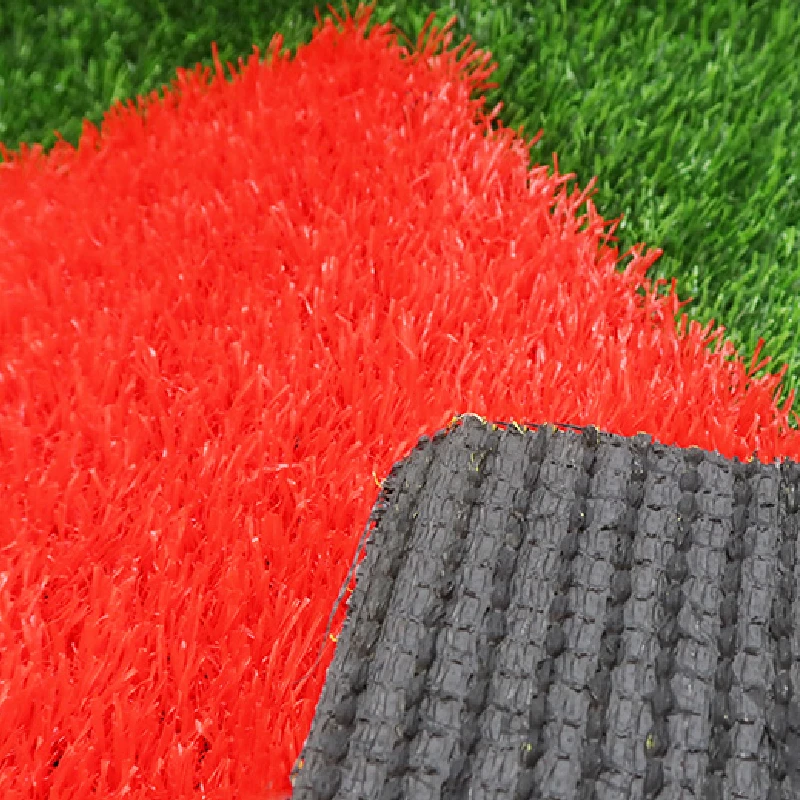
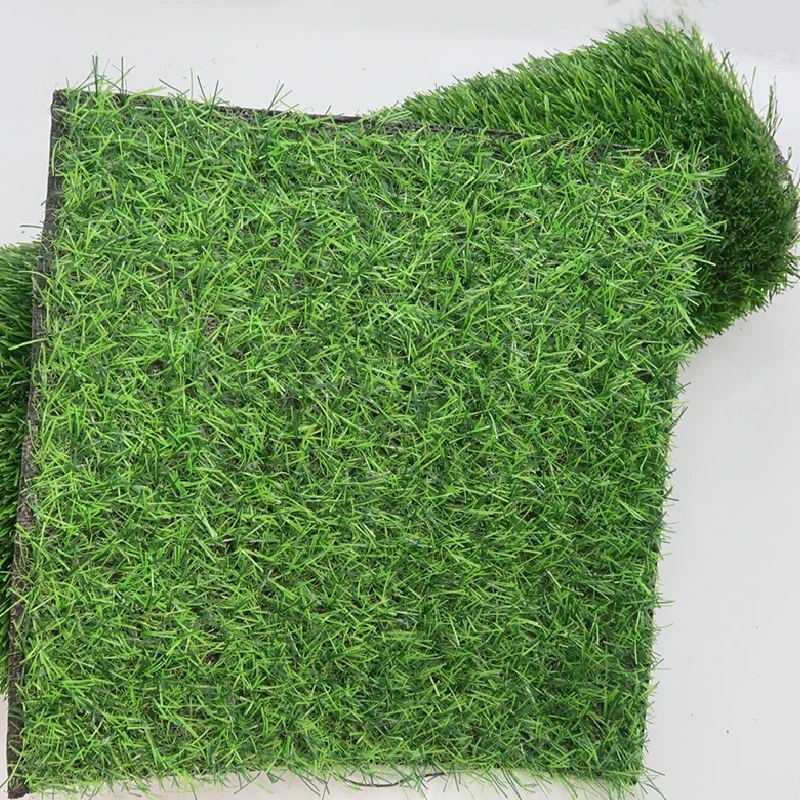
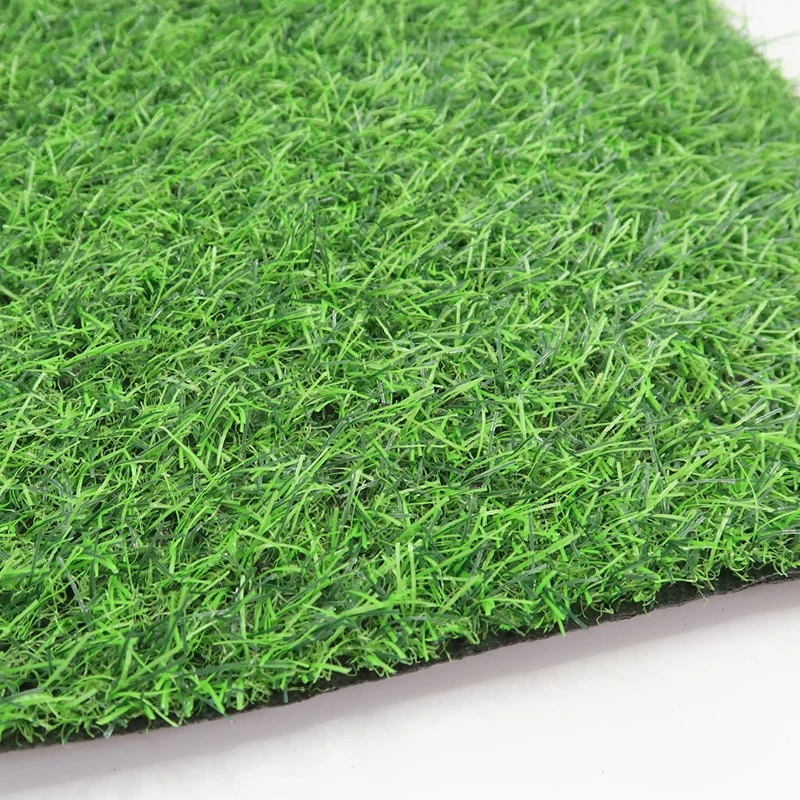
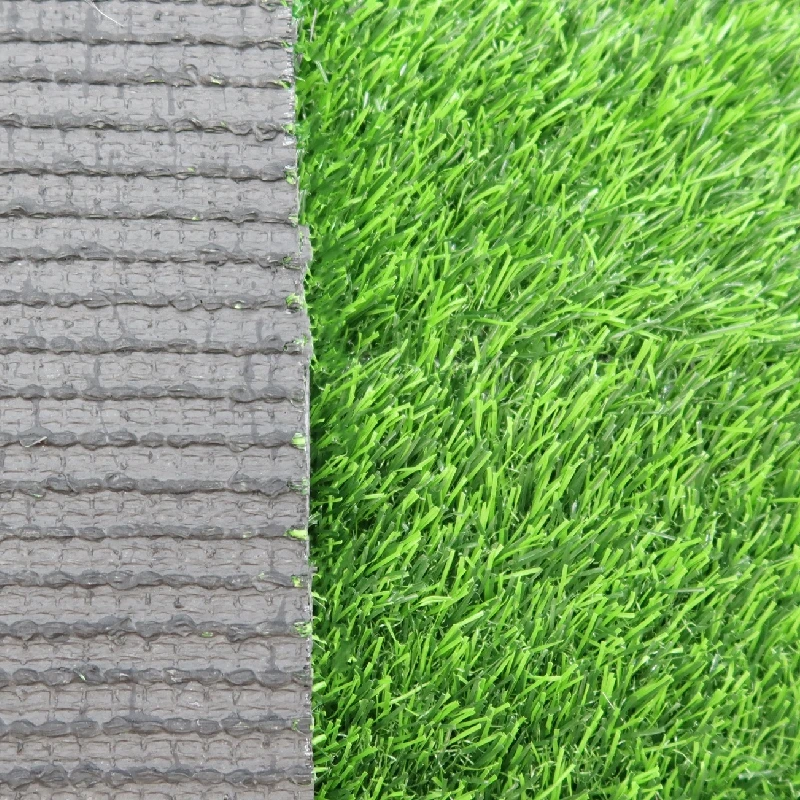
Natural sod is generally less expensive upfront but demands ongoing watering and maintenance. Synthetic turf requires more investment initially but usually offers durability and water savings. Many clients now look at a “life-cycle cost” rather than just upfront expenses.
2. Soil Preparation and Site Conditions
This step is often underestimated. Rocky soil, poor drainage, or uneven ground can add significantly to costs. Preparing a site properly can help turf last longer and reduce maintenance bills.
3. Labor Costs and Expertise
Depending on region and project complexity, labor costs vary. Installing sports-grade turf or complex landscaping can require specialized skills, raising costs further.
4. Size and Scale of Installation
Larger projects sometimes benefit from economies of scale, though unusual shapes or difficult access areas can push prices up. Oddly enough, a modest garden can sometimes cost more per square foot because of the customized care needed.
5. Maintenance and Warranty Provisions
Some turf providers bundle maintenance packages or warranties in their pricing. While this adds to initial costs, it often protects your investment over time.
6. Geographic Location
Climate influences not only the type of turf chosen but installation timing and approach too. Areas with harsh winters may require different materials or installation practices.
Mini Takeaway:
The average cost for turf installation isn’t a simple number — it’s a blend of multiple technical, environmental, and practical factors. Knowing these helps avoid surprises and ensures value for money.
Product Specifications: Typical Turf Installation Options
| Specification | Natural Grass Sod | Synthetic Turf |
|---|---|---|
| Average Cost per Square Foot | $0.50 - $1.50 | $5.00 - $10.00 |
| Installation Time | 1-2 days for 1000 sq ft | 2-4 days for 1000 sq ft |
| Maintenance | Frequent watering, mowing | Occasional cleaning, no watering |
| Lifespan | 5-10 years (with care) | 8-15 years |
Global Applications & Use Cases
It may surprise you how diverse turf installation applications are. Beyond the typical lawns, we see significant uses in:
- Sports Facilities: Football pitches, golf courses, and arenas worldwide rely on precise turf choices to improve performance and safety.
- Urban Green Spaces: Public parks in cities like London, Tokyo, and New York aim for cost-effective, attractive turf for community well-being.
- Post-Disaster Rebuilding: For example, after floods or hurricanes, NGOs use turf installations—sometimes synthetic—to quickly restore green zones that help with soil stabilization.
- Remote Industrial Sites: Mining or energy sectors with limited water access lean towards synthetic turf for operational zones or housing areas.
In each case, the average cost for turf installation informs decisions that balance environmental, economic, and social priorities.
Vendor Comparison: Cost and Features
| Vendor | Average Cost (per sq. ft.) | Warranty | Sustainability Features | Installation Time |
|---|---|---|---|---|
| GreenTurf Ltd. | $1.20 | 5 years | Uses recycled materials | 2 days / 1,000 sq ft |
| EcoSynthetics | $7.50 | 10 years | Low water consumption | 3 days / 1,000 sq ft |
| LawnMasters | $0.75 | 3 years | Organic fertilizers | 1.5 days / 1,000 sq ft |
Advantages & Long-Term Value
There’s a lot to love about investing in quality turf installation. From a financial perspective, a well-installed lawn or field can increase property values and reduce long-term maintenance costs. Socially, green spaces enhance community wellness, encouraging outdoor activity and improving mental health.
In environmental terms, turf can contribute to reducing soil erosion and improving air quality — especially when paired with sustainable irrigation. Emotionally, walking barefoot on fresh grass or watching kids safely play outdoors provides a tangible sense of trust and comfort.
And oddly enough, these benefits ripple out to industries as diverse as real estate, sports, and even disaster resilience.
Future Trends & Innovations
The turf industry is embracing innovation faster than you might expect. Smart irrigation systems combined with sensors allow precise watering, slashing waste and bills. Synthetic turf manufacturers explore bio-based fibers and recyclable backing materials, merging durability with sustainability.
Automation also trickles into installation — drones and AI-powered landscaping machinery help prepare and lay turf faster and with remarkable precision. For those concerned with environmental impact, newly emerging policies promote carbon-neutral landscaping, influencing turf choices globally.
Challenges & Practical Solutions
But it’s not all sunshine and roses. Some common hurdles include initial investment barriers, uneven quality from suppliers, and local climate challenges—like drought or excessive rainfall—that can affect turf lifespan.
Innovative approaches to these problems involve modular turf panels that simplify replacement, public-private partnerships lowering costs for community projects, and enhanced soil amendments to improve site compatibility.
FAQ: Your Turf Installation Questions Answered
- Q: How much does turf installation usually cost for a typical backyard?
A: Costs vary, but natural grass sod averages between $0.50 and $1.50 per square foot, while synthetic turf tends to range from $5.00 to $10.00. Site specifics like soil prep and acreage influence the final price. - Q: Is synthetic turf more cost-effective long-term?
A: Generally, yes. Though upfront costs are higher, synthetic turf requires less water, fertilizer, and mowing, often saving money over its 8-15 year lifespan. - Q: What maintenance should I expect after installation?
A: Natural turf demands watering, mowing, and aeration. Synthetic turf needs occasional brushing and rinsing, mainly to remove debris. - Q: Can turf installation be done year-round?
A: Perhaps not always. Weather conditions matter: very cold or wet seasons can delay natural sod installation, but synthetic turf is more flexible year-round.
Conclusion: The Value in Knowing the Average Cost for Turf Installation
To sum up, understanding the average cost for turf installation is key not only to budget planning but also to making smarter decisions that balance sustainability, practicality, and longevity. Whether you're planting a simple lawn, outfitting a sports complex, or reconstructing a disaster-hit area, these insights can save you headaches — and dollars — down the line.
If you’re weighing options or curious about how to optimize turf investment, feel free to learn more about the average cost for turf installation and advanced turf solutions.
For me, it’s always fascinating how something as “simple” as turf encapsulates science, economics, and social value — all rolled into green.
References
Latest news
-
Creating the Perfect Fake Grass Area for Dogs Complete Guide
NewsApr.16,2026
-
Guide to Using Fake Grass and Pets for a Pet Friendly Lawn
NewsApr.09,2026
-
Fake Grass and Dogs Creating a Pet Friendly and Durable Yard
NewsApr.07,2026
-
Maintaining a Pristine Lawn with Fake Grass and Dog Wee Management Solutions
NewsApr.04,2026
-
The Ultimate Guide to Choosing the Perfect Fake Dog Grass Patch for Your Pet
NewsMar.31,2026
-
Discover the Benefits of High Quality Fake Dog Grass for Potty Training
NewsMar.28,2026
Products categories