Welcome to Hoyarn
Call Us Any Time:+86 19801805999
Email Us: info@hoyarn.cn
Protecting Your Turf A Guide to Managing Dog Pee on Artificial Turf
Jan . 27, 2026 18:05 Back to list
Protecting Your Turf A Guide to Managing Dog Pee on Artificial Turf
Dealing with Dog Pee on Turf: A Comprehensive Guide
Dog urine on artificial turf can be a frustrating problem for pet owners. Not only does it create an unpleasant odor, but it can also damage the turf fibers over time. Understanding how to effectively neutralize the urine and maintain your artificial turf is crucial for its longevity and hygiene. This guide will explore the causes, consequences, and most importantly, the solutions for dealing with dog pee on turf. We'll cover everything from cleaning products to preventative measures to keep your lawn fresh and inviting.
Why Dog Urine is Harmful to Artificial Turf
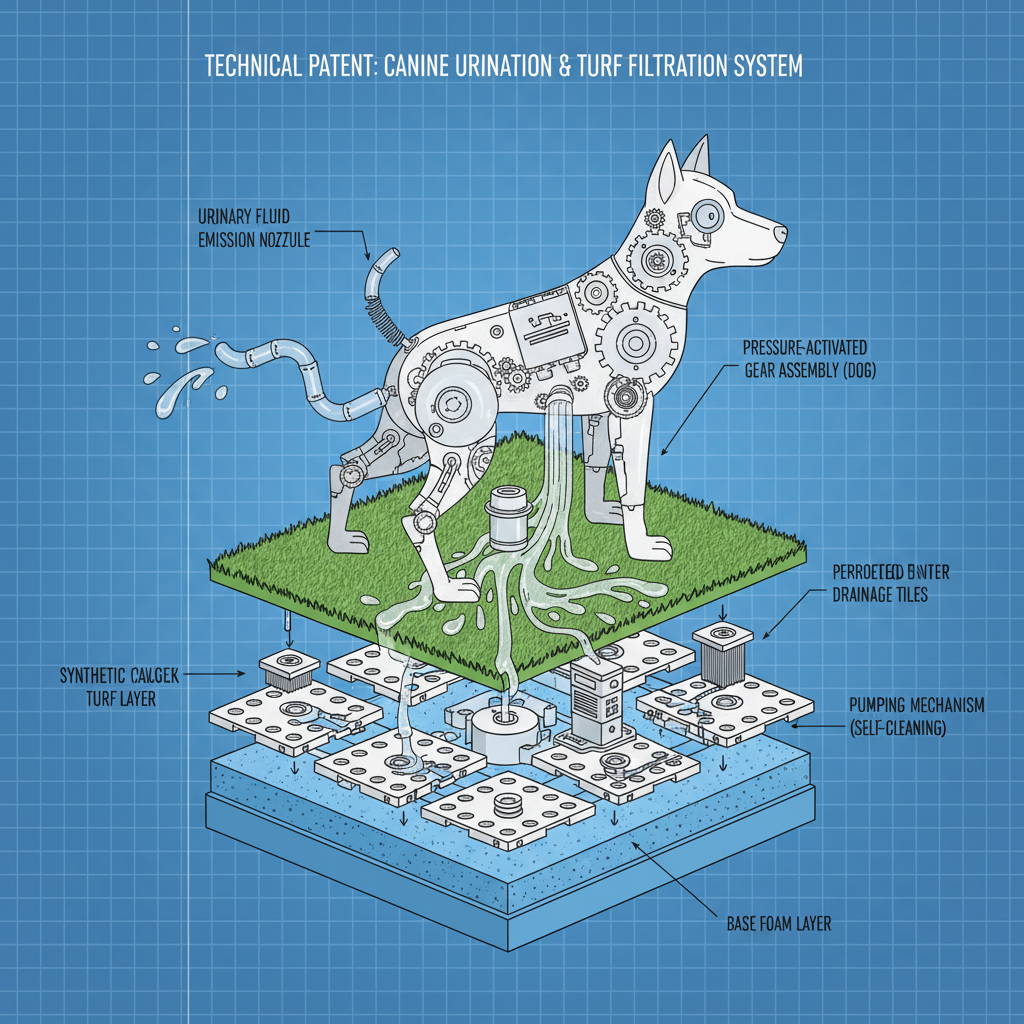
Unlike natural grass, artificial turf doesn't have the biological processes to break down dog urine naturally. The high nitrogen content in urine can damage the synthetic fibers, causing them to become brittle and discolored. This is particularly true for turf with a thatch layer. The ammonia in the urine is also a major contributor to the unpleasant odor. Over time, untreated urine can lead to permanent staining and even structural damage, shortening the lifespan of your turf investment. Regular cleaning and preventative measures are essential to protect your artificial lawn.
Key Concerns: Damage to turf fibers, unpleasant odors, discoloration, and reduced turf lifespan.
Effective Cleaning Solutions for Dog Pee on Turf
Several cleaning solutions can effectively tackle dog pee on turf. Avoid harsh chemicals like bleach, as they can damage the fibers and are harmful to pets. Enzyme-based cleaners are your best bet. These cleaners contain enzymes that break down the uric acid in the urine, neutralizing the odor and preventing re-marking. A diluted solution of white vinegar and water (1:1 ratio) can also be used, but always test it in an inconspicuous area first. For a quick clean, rinsing the affected area with water immediately after your dog urinates can help minimize damage. Remember to follow the instructions on any cleaning product carefully.
Cleaning Solution Options:
• Enzyme-based cleaners
• Diluted white vinegar (1:1 with water)
• Water (for immediate rinsing)
Dog Pee on Turf: Comparing Cleaning Methods
Choosing the right cleaning method depends on the severity of the stain and your personal preference. Enzyme cleaners are generally the most effective for eliminating odors and preventing future issues, but they can be more expensive. Vinegar is a budget-friendly option, but it may not be as effective on older, set-in stains. Rinsing with water is a good preventative measure, but it won't eliminate existing odors. Regular maintenance using a combination of these methods is key to keeping your turf clean and fresh. Check out Hoyarngrass for more information on turf maintenance.
Preventative Measures to Minimize Dog Urine Issues
Preventing dog pee on turf is always better than curing it. Train your dog to urinate in a designated area of your yard, preferably on natural grass or a designated dog potty patch. Ensure your dog is well-hydrated, as concentrated urine is more damaging. Consider providing a designated "potty spot" on a different surface, such as gravel or mulch, to redirect your dog. Regularly rinsing the turf with water, even if there’s no visible urine, can help dilute any residue and prevent buildup. Ultimately, proactive steps will save you time and effort in the long run.
Hoyarngrass Turf Solutions for Pet Owners
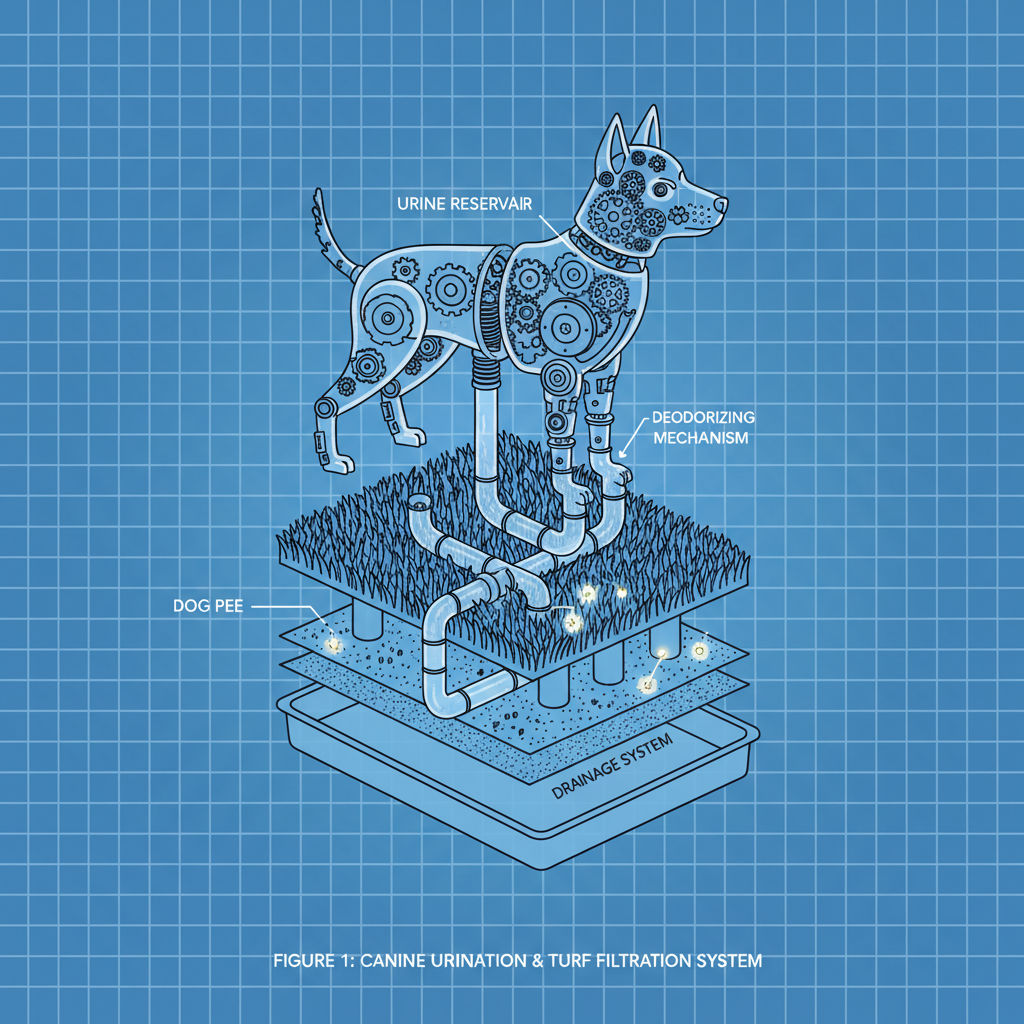
At Hoyarngrass, we understand the needs of pet owners. Our artificial turf products are designed for durability and ease of maintenance, even with pets. We offer various turf options with enhanced drainage systems to help flush away liquids and minimize odor. Our team can provide expert advice on selecting the right turf for your specific needs and lifestyle. We also carry a range of cleaning products specifically formulated for artificial turf, including enzyme-based cleaners.
Conclusion: Maintaining a Pet-Friendly Lawn
Keeping your artificial turf clean and fresh despite having pets is achievable with the right knowledge and care. By understanding the impact of dog pee on turf and implementing preventative measures and effective cleaning routines, you can enjoy a beautiful, hygienic, and long-lasting lawn. Visit Hoyarngrass today to learn more about our pet-friendly turf options and maintenance solutions.
Frequently Asked Questions (FAQs)
How often should I clean my artificial turf if I have a dog?
The frequency of cleaning depends on your dog's habits and the size of your turf area. As a general guideline, a thorough cleaning with an enzyme-based cleaner should be done at least once a month. Spot cleaning after each urination is highly recommended. Regular rinsing with water, even if there is no visible urine, is also beneficial to prevent buildup of odors and harmful substances. More frequent cleaning may be necessary if you have multiple dogs or your dog tends to urinate frequently in the same spot.
Can I use a pressure washer to clean my artificial turf?
While a pressure washer can be used to clean artificial turf, it's crucial to use it with caution. High pressure can damage the fibers and the backing of the turf. If you choose to use a pressure washer, use a low-pressure setting and a wide fan nozzle. Always test the pressure washer in an inconspicuous area first to ensure it doesn’t cause any damage. It is generally recommended to avoid pressure washing altogether and opt for gentler cleaning methods like rinsing with a hose and using enzyme-based cleaners.
What type of artificial turf is best for dogs?
Turf with a shorter pile height and a dense weave is generally best for dogs. Shorter pile heights are easier to clean and prevent urine from soaking down to the backing. A dense weave provides better drainage and prevents digging. Also, look for turf with antimicrobial infill to help inhibit bacteria growth and reduce odors. Hoyarngrass offers several turf options specifically designed for pet owners.
Are there any turf infills that help with odor control?
Yes, several turf infills can help with odor control. Silica sand is a common and affordable option, but it doesn't offer much odor control. However, there are specialized infills like Zeolite and Microban that are designed to absorb odors and inhibit bacterial growth. These infills can significantly improve the cleanliness and freshness of your artificial turf, especially for pet owners.
Latest news
-
Creating the Perfect Fake Grass Area for Dogs Complete Guide
NewsApr.16,2026
-
Guide to Using Fake Grass and Pets for a Pet Friendly Lawn
NewsApr.09,2026
-
Fake Grass and Dogs Creating a Pet Friendly and Durable Yard
NewsApr.07,2026
-
Maintaining a Pristine Lawn with Fake Grass and Dog Wee Management Solutions
NewsApr.04,2026
-
The Ultimate Guide to Choosing the Perfect Fake Dog Grass Patch for Your Pet
NewsMar.31,2026
-
Discover the Benefits of High Quality Fake Dog Grass for Potty Training
NewsMar.28,2026
Products categories