Welcome to Hoyarn
Call Us Any Time:+86 19801805999
Email Us: info@hoyarn.cn
Guide to Using Fake Grass and Pets for a Pet Friendly Lawn
Apr . 09, 2026 02:25 Back to list
Guide to Using Fake Grass and Pets for a Pet Friendly Lawn
Fake Grass and Pets: The Ultimate Guide to a Pet-Friendly Lawn
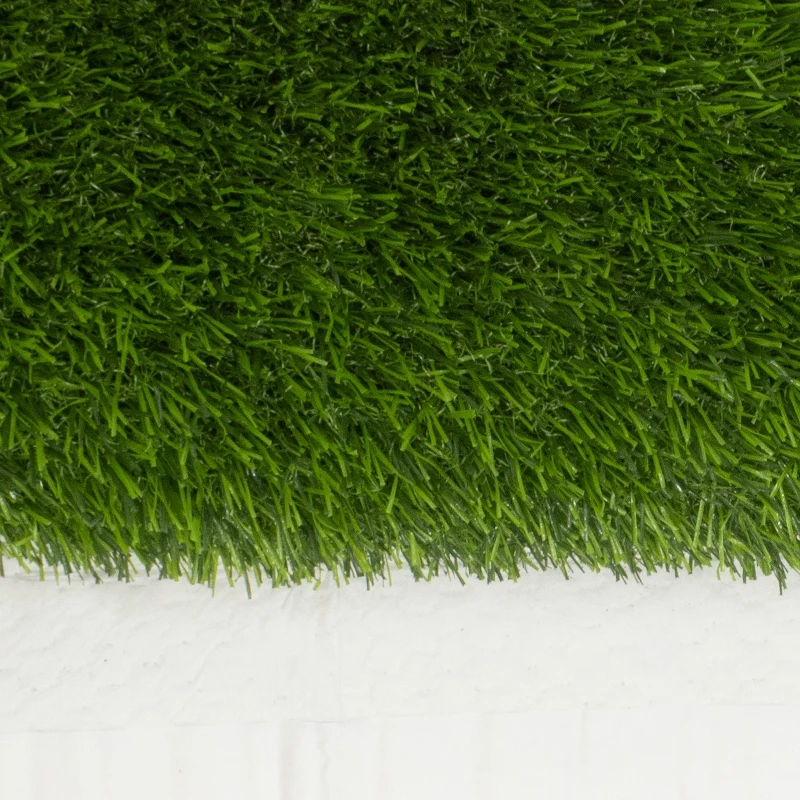
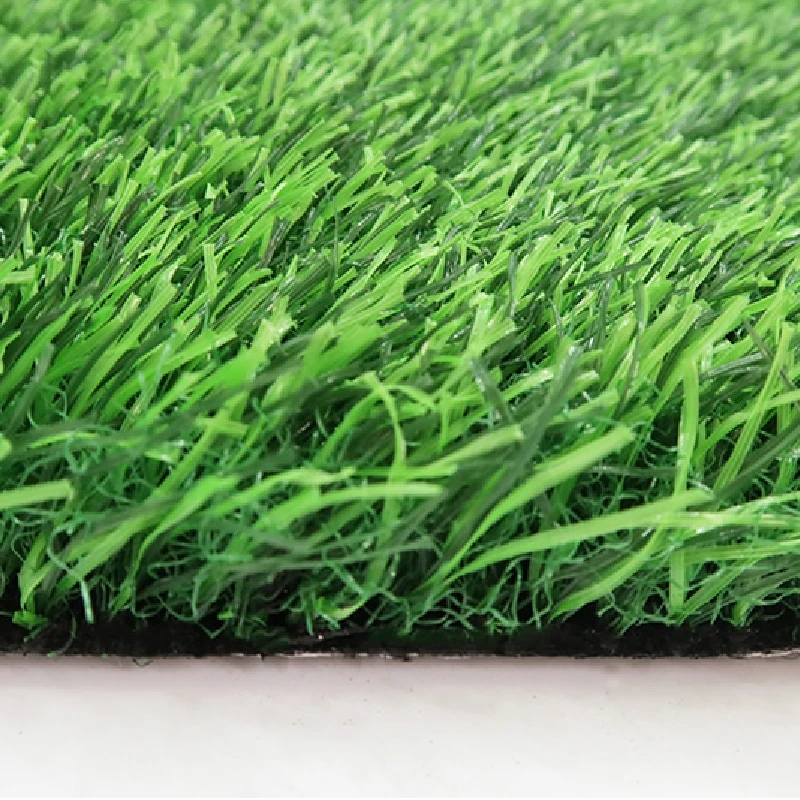
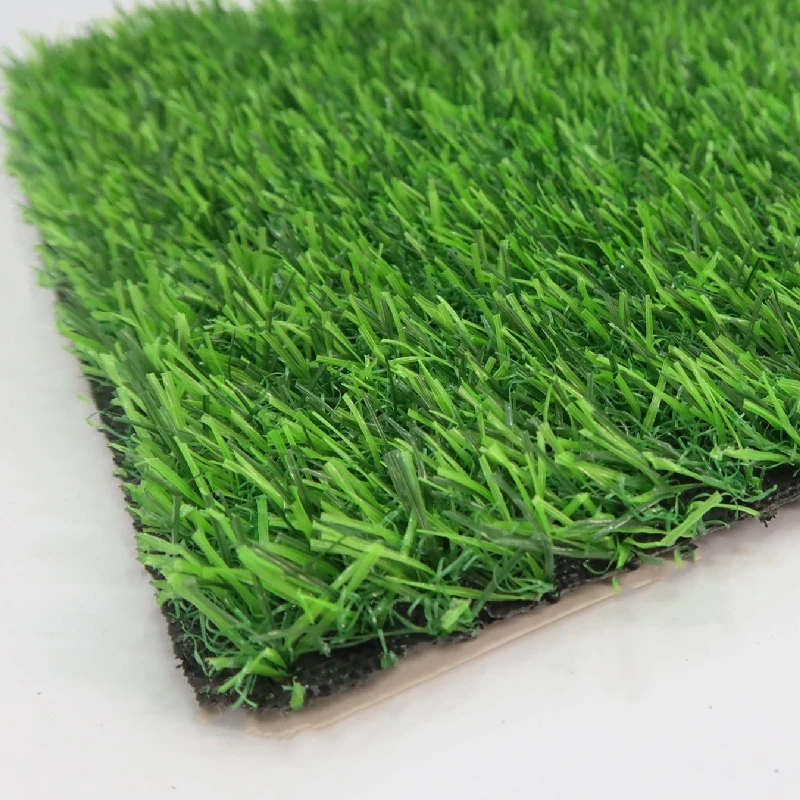
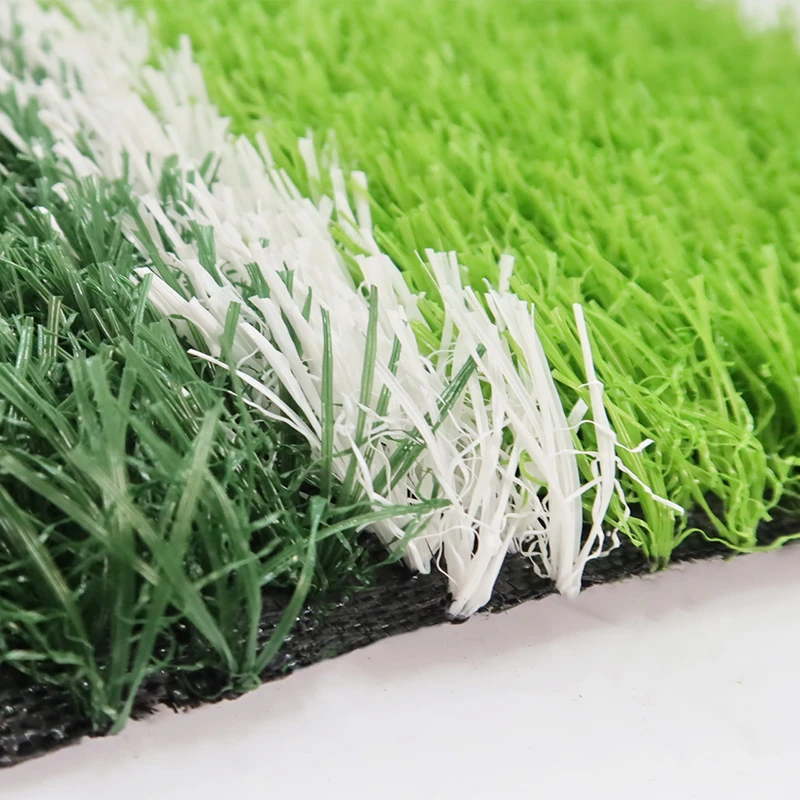
For many pet owners, the dream of a pristine, green backyard often clashes with the reality of muddy paws, dug-up flower beds, and yellow patches caused by pet waste. This is where the synergy between fake grass and pets becomes a game-changer. Modern synthetic turf has evolved far beyond the scratchy plastic carpets of the past, offering a safe, durable, and aesthetically pleasing alternative to natural grass. Whether you have an energetic puppy or a senior dog, choosing the right artificial lawn can transform your outdoor space into a stress-free zone for both you and your furry friends.
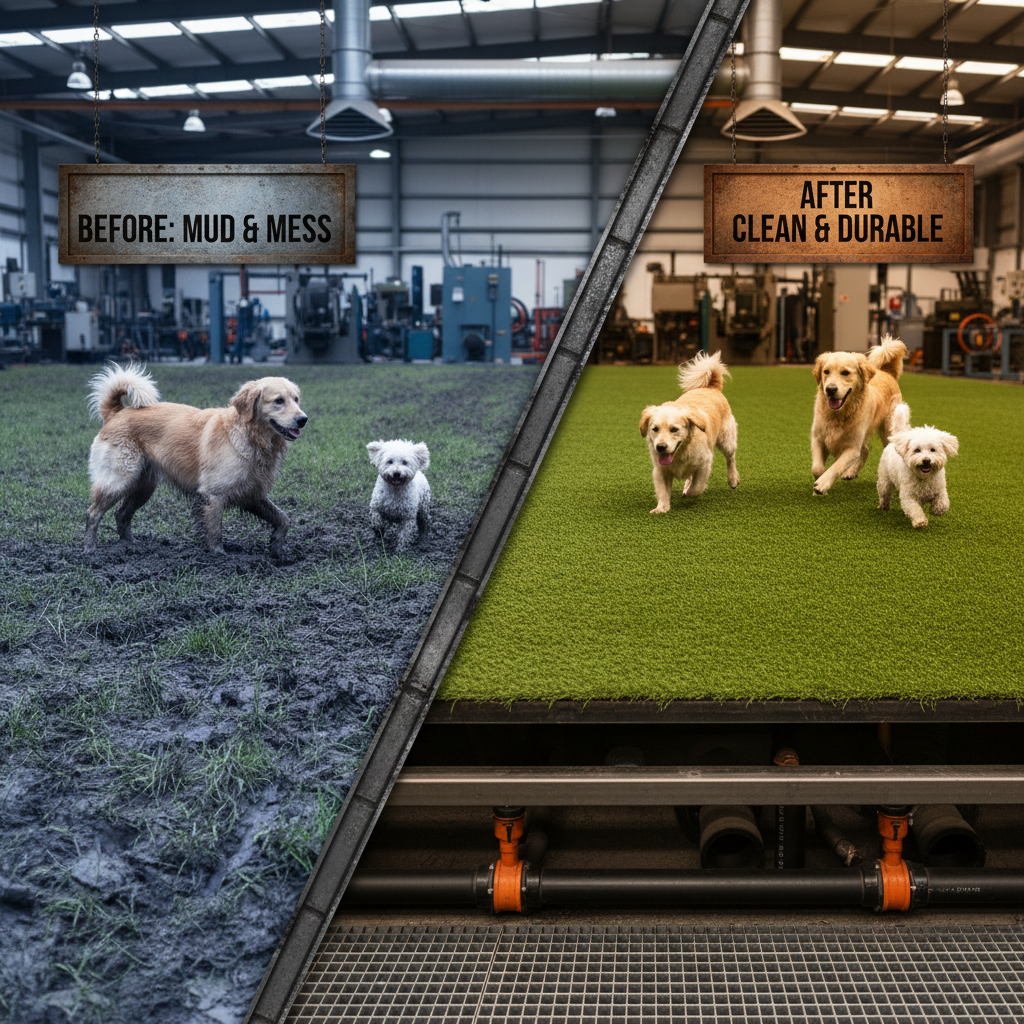
Why Choose Artificial Turf for Your Pets?
The primary appeal of using fake grass and pets together is the elimination of maintenance fatigue. Natural grass often struggles to survive in high-traffic areas where dogs frequently run or dig. Synthetic turf provides a consistent surface that doesn't wear down, meaning no more unsightly bald spots. Additionally, it removes the need for pesticides and herbicides, which can be toxic to pets. By switching to a high-quality artificial lawn, you provide your pets with a soft landing surface while ensuring your home maintains its curb appeal year-round without the endless mowing and watering.
Pro Tip: Look for turf with a "pet-specific" designation, which usually features enhanced drainage systems and antimicrobial properties to handle urine and odors more effectively.
Comparing Natural Grass vs. Pet-Friendly Synthetic Turf
When deciding between the two, it's essential to look at the long-term impact on your lifestyle. While natural grass feels traditional, the wear and tear from fake grass and pets often tips the scale toward synthetic options. Synthetic turf is designed to withstand the claws of large dogs and the constant activity of multiple pets. The following table highlights the key differences in performance, maintenance, and durability to help you make an informed decision.
Essential Maintenance for Fake Grass and Pets
While synthetic turf is "low maintenance," it is not "no maintenance." To keep the environment hygienic for fake grass and pets, a simple routine is required. First, remove solid waste promptly to prevent stains. Second, rinse the area with water periodically to flush out urine. For deep cleaning, using a pet-safe enzymatic cleaner can break down odors at the molecular level. Finally, using a synthetic turf rake will keep the blades standing upright, maintaining that lush look even after your pets have spent the day wrestling on the lawn.
Key Specifications for Pet-Ready Turf
Not all artificial grass is created equal. When shopping for the perfect match for fake grass and pets, you should focus on the drainage rate, the pile height, and the material composition. A shorter, denser pile is often easier to clean, while a higher drainage capacity ensures that liquid waste doesn't pool on the surface. Below are the recommended specifications for those with active dogs.
Safety and Comfort: Ensuring Pet Well-being
A common concern for pet parents is whether synthetic surfaces get too hot in the summer. To ensure the safety of fake grass and pets, it is recommended to use "cool-fill" infills or simply sprinkle the lawn with water during peak heat hours. High-quality turf is designed to be soft on the paws, reducing the risk of abrasions that can occur on concrete or gravel. Furthermore, because there are no thorns, burrs, or ticks hidden in the grass, your pets can play freely without the risk of bringing pests into your home.
Installation Tips for Pet Owners
Proper installation is the secret to a long-lasting pet lawn. We recommend a multi-layered base consisting of crushed stone and a permeable membrane to ensure that liquids drain away quickly. This prevents the "smell" from lingering under the turf. For pets that love to dig, ensuring the edges are securely pinned and the base is well-compacted is crucial. By investing in professional installation or following a strict guide, the relationship between fake grass and pets will be one of convenience and joy for many years to come.
Conclusion: A Smarter Way to Manage Your Pet's Outdoor Space
Integrating fake grass and pets into your home is a strategic decision that balances luxury with practicality. By eliminating mud, reducing maintenance, and removing harmful chemicals, you create a safer and more inviting environment for your animals. While it requires a bit of initial planning and occasional rinsing, the reward is a perpetually green paradise that can withstand the chaos of pet ownership. Upgrade your backyard today and give your pets the playground they deserve.
Frequently Asked Questions (FAQs)
Does fake grass smell when pets use it?
High-quality synthetic turf designed for pets does not inherently smell, but urine can accumulate if not managed. To prevent odors, it is essential to have a high-permeability base that allows liquids to drain into the soil. Additionally, regular rinsing with water and the use of pet-safe enzymatic cleaners will break down the organic compounds in urine, keeping your lawn smelling fresh. Many homeowners find that this is far easier than dealing with the yellow, dying patches of natural grass.
Is artificial grass safe for dogs' paws?
Yes, modern artificial grass is made from soft, non-toxic materials like polyethylene, which are gentle on paws. Unlike concrete or rough gravel, it provides a cushioning effect. The only concern is temperature; in extreme summer heat, synthetic grass can get warmer than natural grass. However, this can be easily managed by spraying the lawn with water or choosing a "cool-turf" technology product from a reputable provider like Hoyar Grass.
Can dogs dig up artificial turf?
While no surface is 100% "dig-proof" against a determined dog, artificial turf is significantly more resistant than soil. When installed with a proper crushed stone base and securely fastened edges, it is very difficult for pets to dig through. Most dogs actually stop digging once they realize they cannot break the surface. For heavy diggers, we recommend reinforced backing options to provide an extra layer of security and durability.
How do I clean fake grass after a pet accident?
Cleaning is straightforward. For solid waste, simply pick it up with a scooper. For liquid waste, the best method is to hose down the area to dilute the urine. For tougher stains or lingering smells, apply a pet-specific enzymatic cleaner. These cleaners contain bacteria that "eat" the odor-causing proteins. Avoid using bleach or harsh chemicals, as these can damage the synthetic fibers and may be harmful to your pet's paws. A quick rinse and a light brush will leave the lawn looking and smelling like new.
Latest news
-
Creating the Perfect Fake Grass Area for Dogs Complete Guide
NewsApr.16,2026
-
Fake Grass and Dogs Creating a Pet Friendly and Durable Yard
NewsApr.07,2026
-
Maintaining a Pristine Lawn with Fake Grass and Dog Wee Management Solutions
NewsApr.04,2026
-
The Ultimate Guide to Choosing the Perfect Fake Dog Grass Patch for Your Pet
NewsMar.31,2026
-
Discover the Benefits of High Quality Fake Dog Grass for Potty Training
NewsMar.28,2026
Products categories