Welcome to Hoyarn
Call Us Any Time:+86 19801805999
Email Us: info@hoyarn.cn
Maintaining a Pristine Lawn with Dog Wee and Artificial Grass Solutions
Mar . 10, 2026 02:15 Back to list
Maintaining a Pristine Lawn with Dog Wee and Artificial Grass Solutions
Dog Wee and Artificial Grass: Maintaining a Fresh and Clean Lawn
Artificial grass offers a beautiful, low-maintenance alternative to natural lawns. However, pet owners often wonder about managing dog wee on artificial grass. Unlike natural grass which absorbs and breaks down urine, artificial turf requires a different approach. This article will explore how dog urine interacts with artificial grass, effective cleaning methods, preventative measures, and the types of artificial grass that best manage pet waste. We’ll cover everything you need to know to keep your artificial lawn fresh, hygienic, and enjoyable for both you and your furry friend.
How Dog Urine Affects Artificial Grass
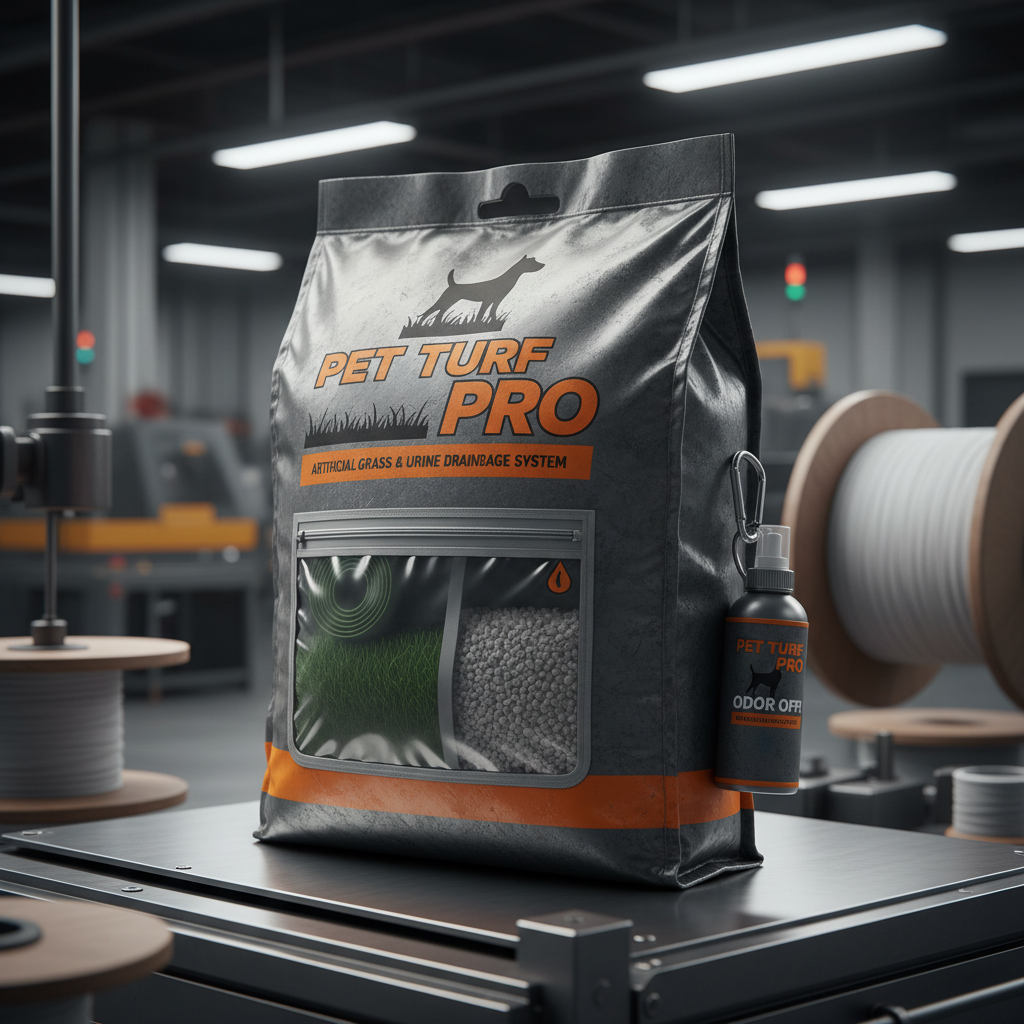
Dog urine primarily consists of water, urea, and salts. While the water evaporates, the urea and salts can build up on the artificial grass fibers and infill (the material that supports the grass blades). This buildup can lead to several issues: unpleasant odors, discoloration of the turf, and potentially damage the infill over time. The ammonia in urine is the main contributor to the smell, while the salts can create a sticky residue. Different dogs produce urine with varying concentrations, affecting the rate of buildup. Understanding these effects is crucial for implementing effective cleaning strategies. Hoyarngrass provides solutions specifically designed for pet owners.
Key Concerns: Odor, discoloration, infill damage, potential bacterial growth.
Effective Cleaning Methods for Dog Wee on Artificial Grass
Prompt cleaning is key to preventing long-term issues. Here's a breakdown of effective methods:
- Immediate Rinse: The most effective first step is to immediately rinse the affected area with water. This dilutes the urine and helps prevent bonding with the fibers.
- Enzyme Cleaners: Enzyme cleaners are specifically designed to break down the urea in dog urine, eliminating both the odor and the source of the discoloration. Look for products formulated for artificial grass.
- Diluted Vinegar Solution: A mixture of equal parts white vinegar and water can neutralize odors. Apply, let sit for 15-20 minutes, then rinse thoroughly.
- Baking Soda: Sprinkle baking soda over the affected area, let it sit overnight, and then brush or vacuum it up. Baking soda helps absorb odors.
Avoid using harsh chemicals like bleach, as they can damage the artificial grass fibers. Always test cleaning solutions in an inconspicuous area first.
Cleaning Tips:
• Rinse thoroughly after each cleaning treatment.
• Address accidents immediately for best results.
• Use a soft brush or artificial turf cleaning machine.
Dog Wee and Artificial Grass: Comparing Turf Types
Not all artificial grass is created equal. Some turf types are specifically designed to better manage pet waste. The key difference lies in the infill and drainage capabilities.
Preventative Measures: Minimizing Odor and Discoloration
Proactive steps can significantly reduce the impact of dog urine on your artificial lawn:
- Dedicated Potty Area: Designate a specific area of the lawn for your dog to use.
- Water Dilution: Encourage your dog to drink plenty of water to dilute their urine.
- Regular Brushing: Brushing the turf helps lift fibers and distribute cleaning solutions.
- Professional Cleaning: Consider professional artificial turf cleaning services annually to deep clean and rejuvenate your lawn.
By combining these preventative measures with regular cleaning, you can maintain a pristine and odor-free artificial lawn for years to come. Hoyarngrass offers expert advice and maintenance solutions for pet owners.
Product Spotlight: Hoyarngrass Pet-Friendly Turf
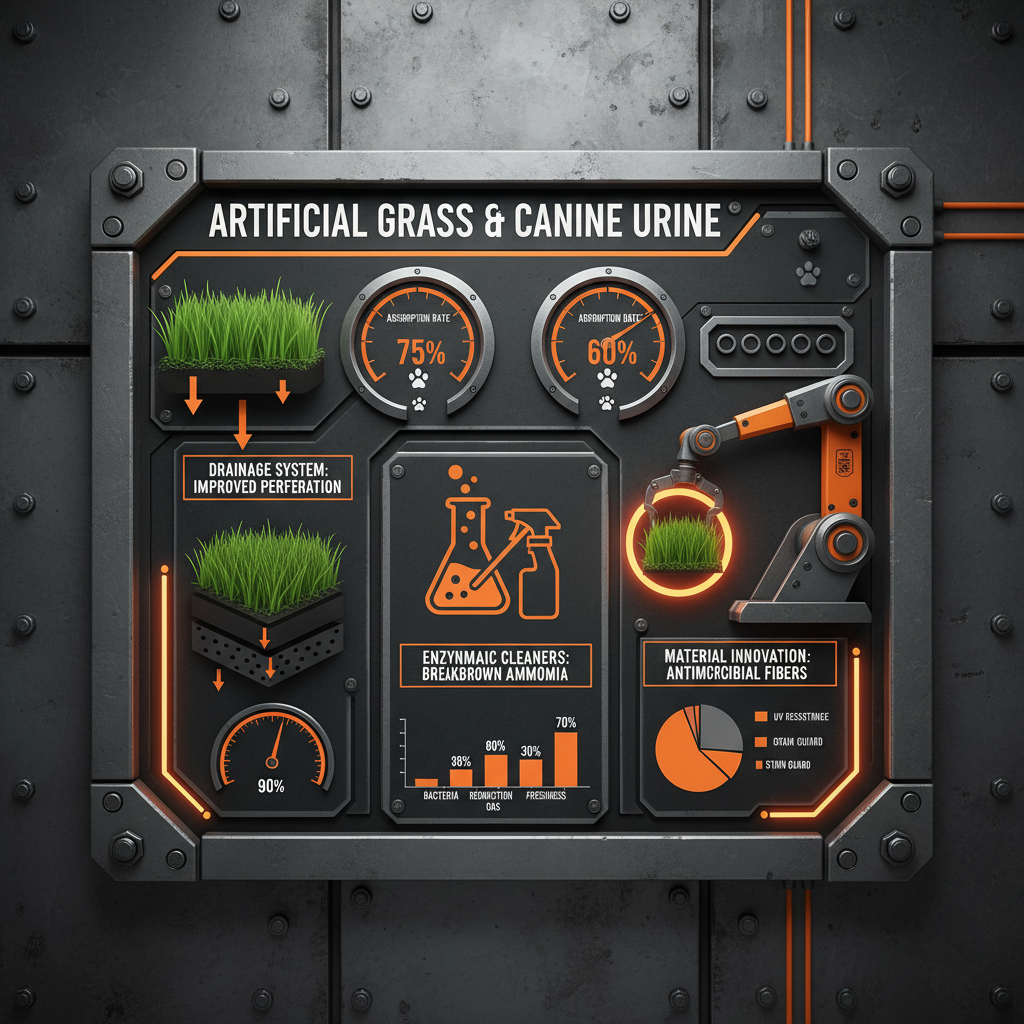
At Hoyarngrass, we offer a range of pet-friendly artificial grass options designed to withstand pet activity and minimize odor. Our turf features advanced drainage systems and antimicrobial infill to ensure a clean, hygienic, and beautiful lawn for you and your furry friends. Here are some key specifications:
Conclusion: Enjoy a Pet-Friendly and Beautiful Lawn
With the right approach to cleaning, preventative measures, and choosing the right artificial grass, you can enjoy a beautiful, low-maintenance lawn that’s perfect for both you and your canine companion. Hoyarngrass is committed to providing high-quality, pet-friendly turf solutions and expert advice to help you create the outdoor space of your dreams.
Frequently Asked Questions (FAQs)
How often should I clean my artificial grass if I have a dog?
The frequency of cleaning depends on your dog's habits and the size of your lawn. However, a good rule of thumb is to rinse the lawn thoroughly after each urination. For a single dog, a more thorough cleaning with an enzyme cleaner every 2-4 weeks is recommended. If you have multiple dogs, you might need to increase the frequency to weekly. Regular preventative maintenance will significantly reduce the buildup of odor-causing substances and maintain the appearance of your lawn.
Are enzyme cleaners safe for my dog?
Yes, enzyme cleaners specifically formulated for pet waste are generally considered safe for dogs. These cleaners use natural enzymes to break down urine, eliminating odors and stains without harmful chemicals. However, always read the product label and follow the manufacturer's instructions carefully. It's also a good idea to keep your dog off the treated area until it is completely dry, just to be safe.
Can I use bleach to disinfect my artificial grass?
No, you should avoid using bleach on artificial grass. Bleach is a harsh chemical that can damage the fibers, causing them to become brittle and discolored. It can also harm the infill and potentially contaminate the surrounding environment. Enzyme cleaners and diluted vinegar solutions are much safer and more effective alternatives for disinfecting and deodorizing your artificial lawn.
What type of infill is best for pet owners?
Zeolite and antimicrobial infills are the best options for pet owners. Zeolite is a natural mineral that absorbs odors and moisture, while antimicrobial infills inhibit the growth of bacteria. These infills help to keep your lawn fresh, clean, and hygienic. They also offer excellent drainage, preventing urine from pooling and causing odor buildup.
Latest news
-
Creating the Perfect Fake Grass Area for Dogs Complete Guide
NewsApr.16,2026
-
Guide to Using Fake Grass and Pets for a Pet Friendly Lawn
NewsApr.09,2026
-
Fake Grass and Dogs Creating a Pet Friendly and Durable Yard
NewsApr.07,2026
-
Maintaining a Pristine Lawn with Fake Grass and Dog Wee Management Solutions
NewsApr.04,2026
-
The Ultimate Guide to Choosing the Perfect Fake Dog Grass Patch for Your Pet
NewsMar.31,2026
-
Discover the Benefits of High Quality Fake Dog Grass for Potty Training
NewsMar.28,2026
Products categories