Welcome to Hoyarn
Call Us Any Time:+86 19801805999
Email Us: info@hoyarn.cn
Choosing the Best Dog Wee Artificial Grass for a Pet Friendly Yard
Mar . 11, 2026 02:25 Back to list
Choosing the Best Dog Wee Artificial Grass for a Pet Friendly Yard
Choosing the Right Artificial Grass for Dog Urine: A Guide to Dog Wee Artificial Grass
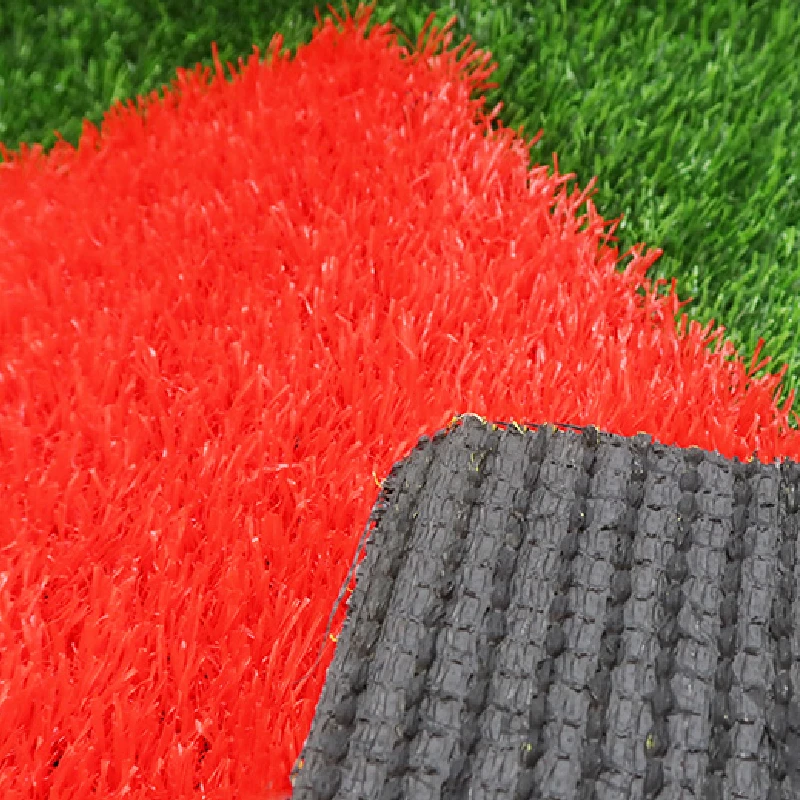
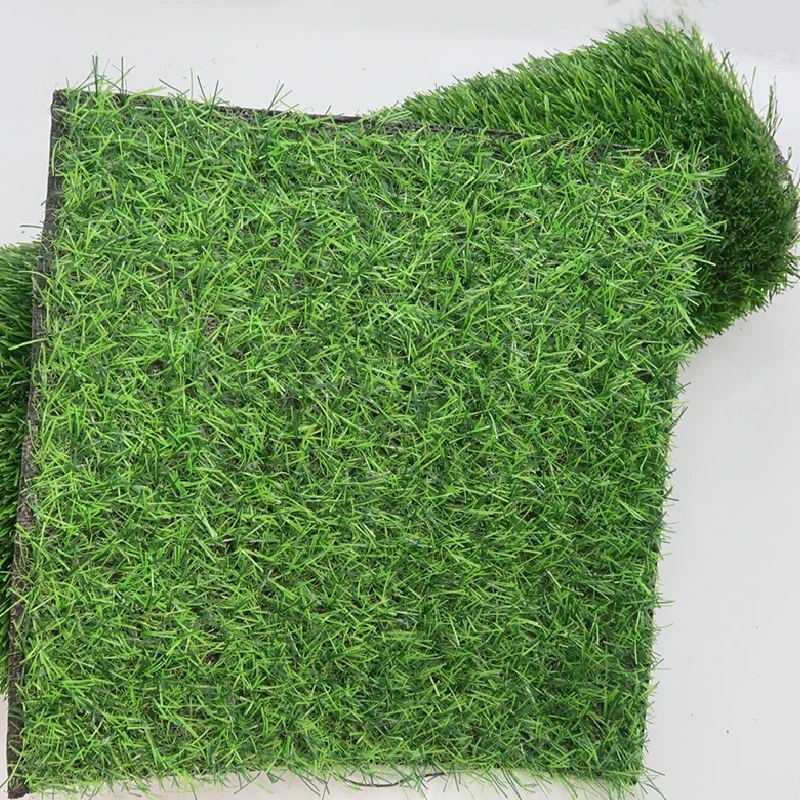
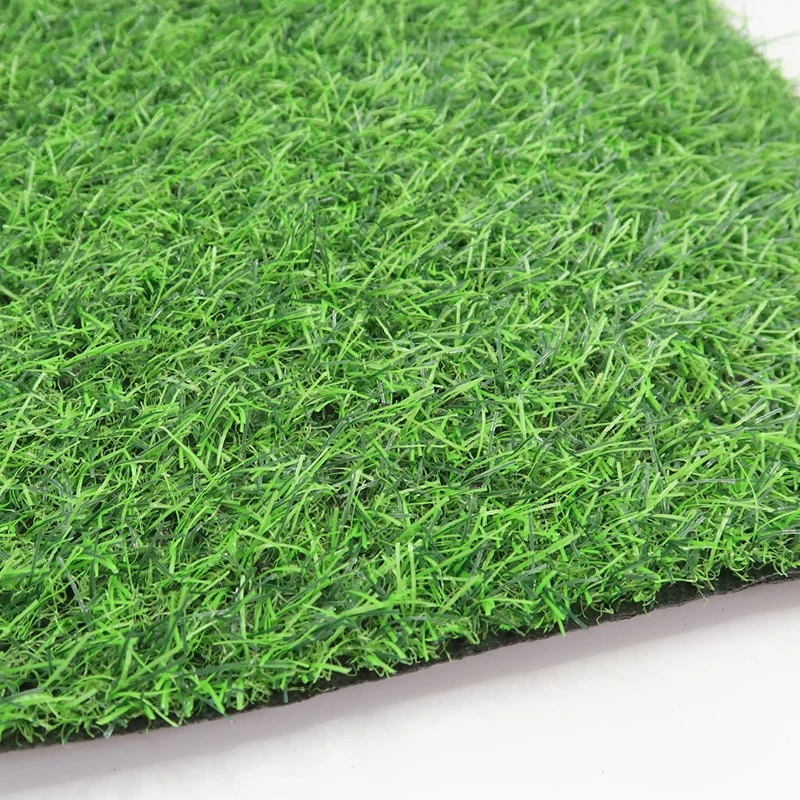
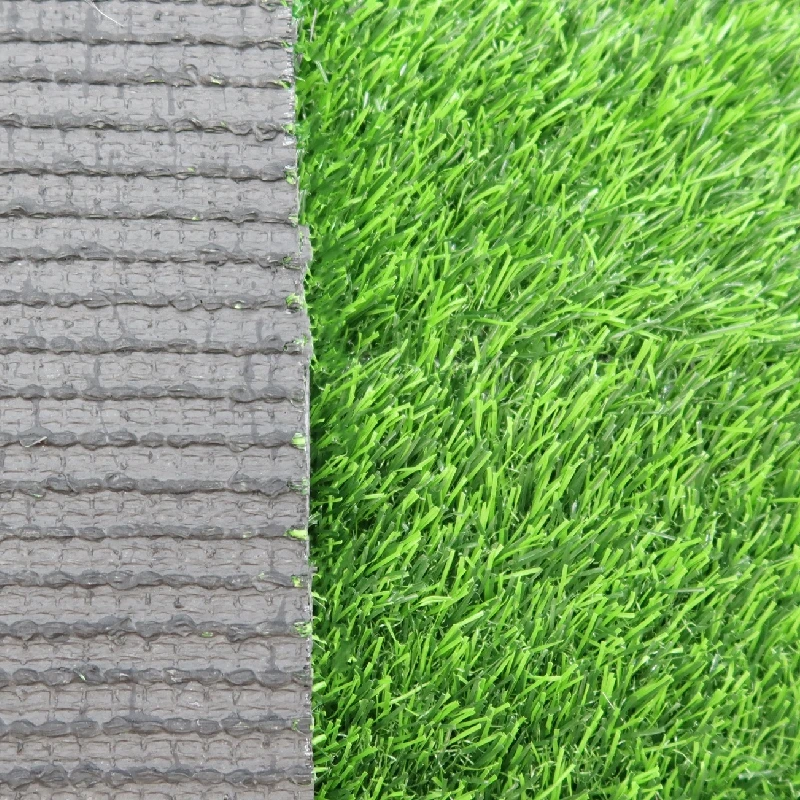
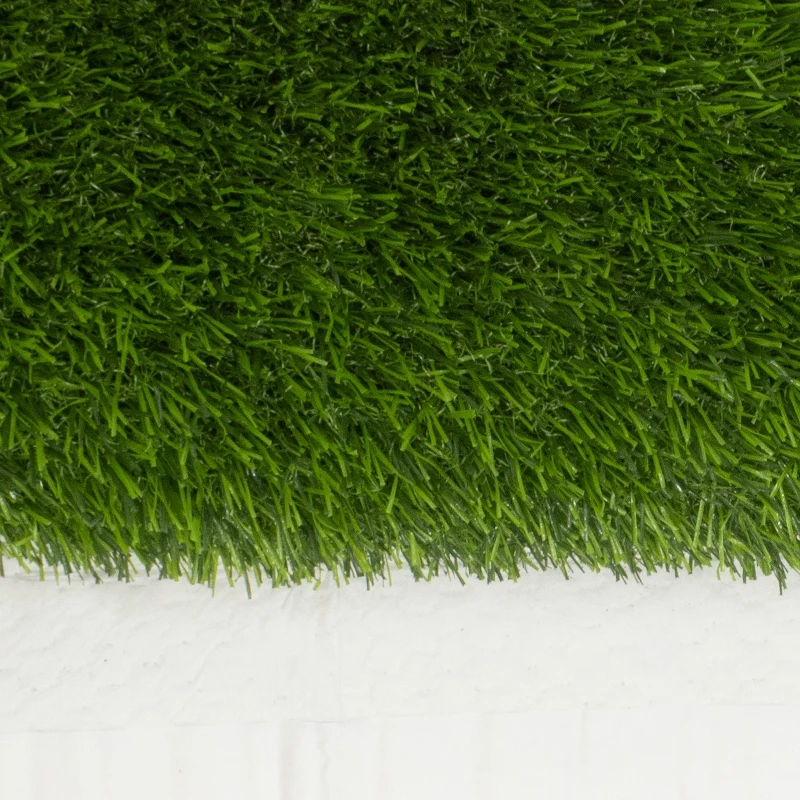
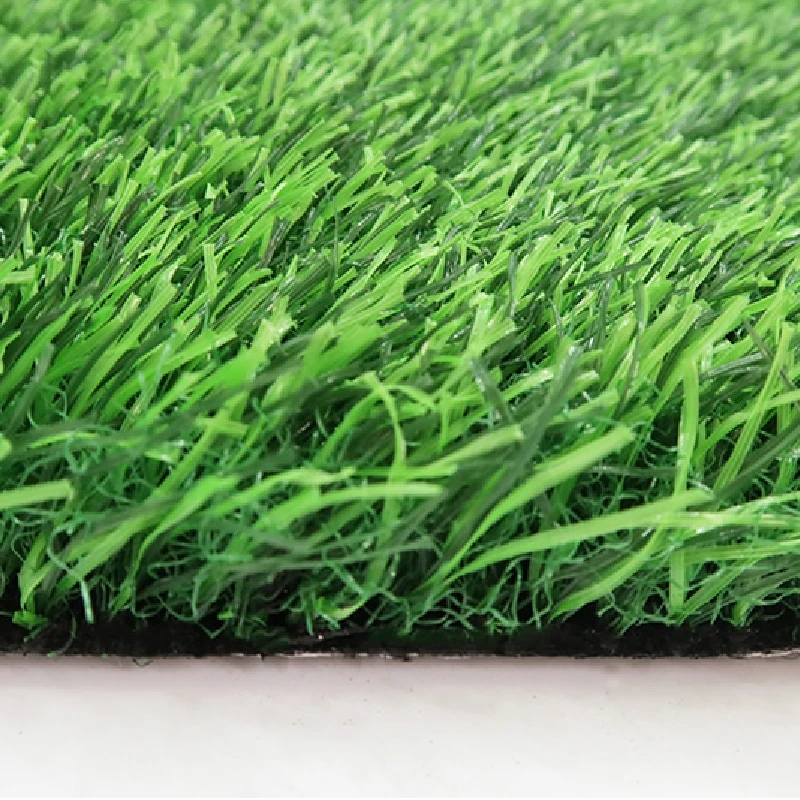
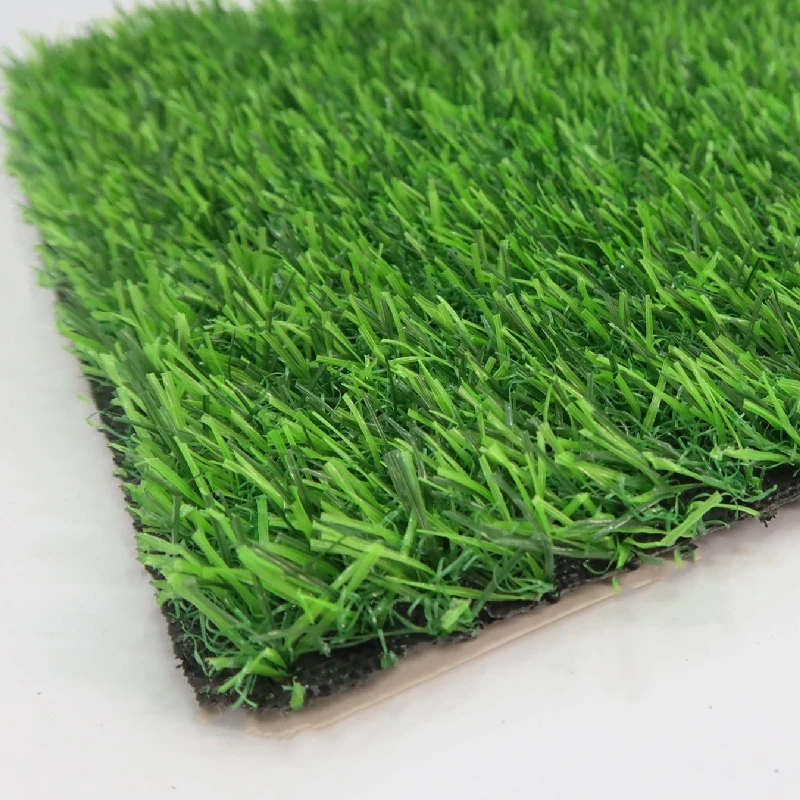
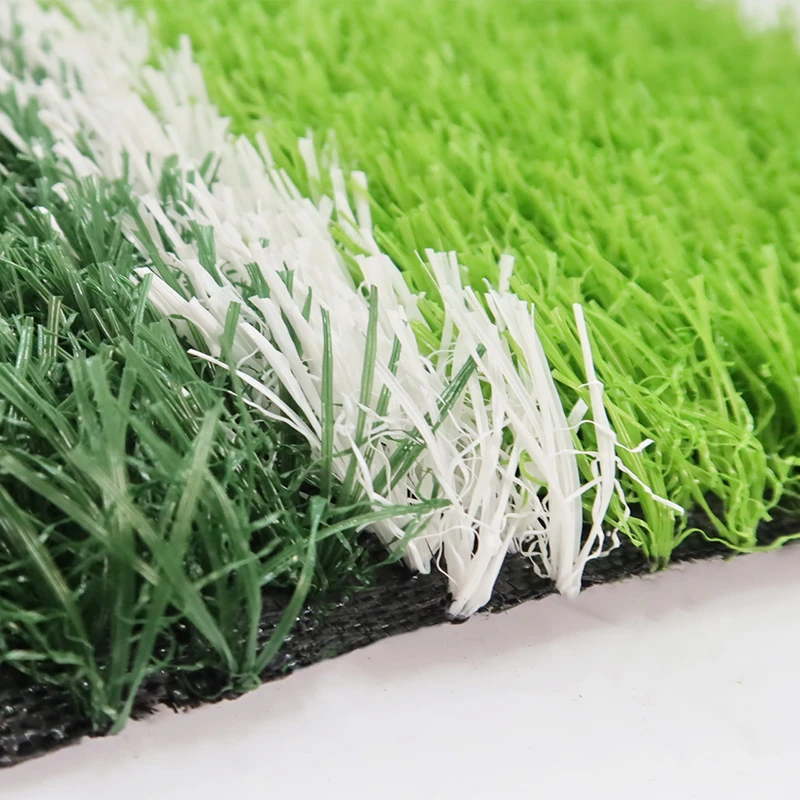
Maintaining a beautiful lawn can be challenging, especially for pet owners. Dog urine can quickly damage natural grass, leaving unsightly brown spots. Dog wee artificial grass offers a durable and aesthetically pleasing solution. This article will explore the benefits of artificial grass designed for pets, focusing on its ability to withstand dog urine, easy cleaning, and overall suitability for a pet-friendly yard. We'll discuss how to choose the best option for your furry friend and create a long-lasting, vibrant outdoor space.
Understanding the Challenges of Dog Urine on Natural Grass
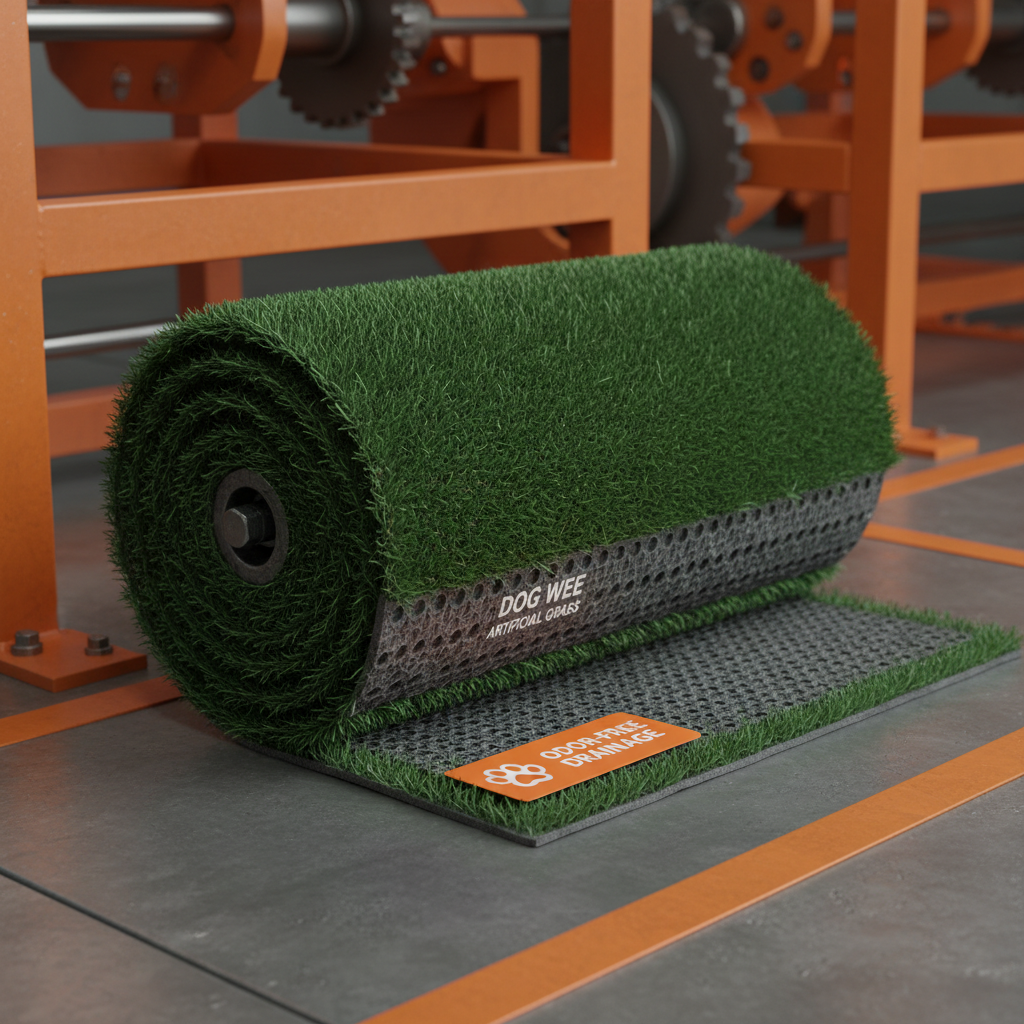
Dog urine is high in nitrogen, which, in concentrated amounts, burns and kills natural grass. This results in dead patches and an uneven lawn appearance. Frequent urination can create widespread damage, requiring constant reseeding and repair. Beyond the aesthetic concerns, dog urine can also create an unpleasant odor. Artificial grass eliminates these issues by providing a non-organic surface that isn't susceptible to damage from nitrogen. It’s a stress-free alternative for pet owners who want a lush, green lawn without the constant maintenance and repair. Hoyarngrass specializes in artificial turf solutions designed specifically for pet owners.
Key Benefit: Artificial grass eliminates the damage caused by dog urine, preventing unsightly brown spots and creating a consistently green lawn.
Dog Wee Artificial Grass: Key Features & Benefits
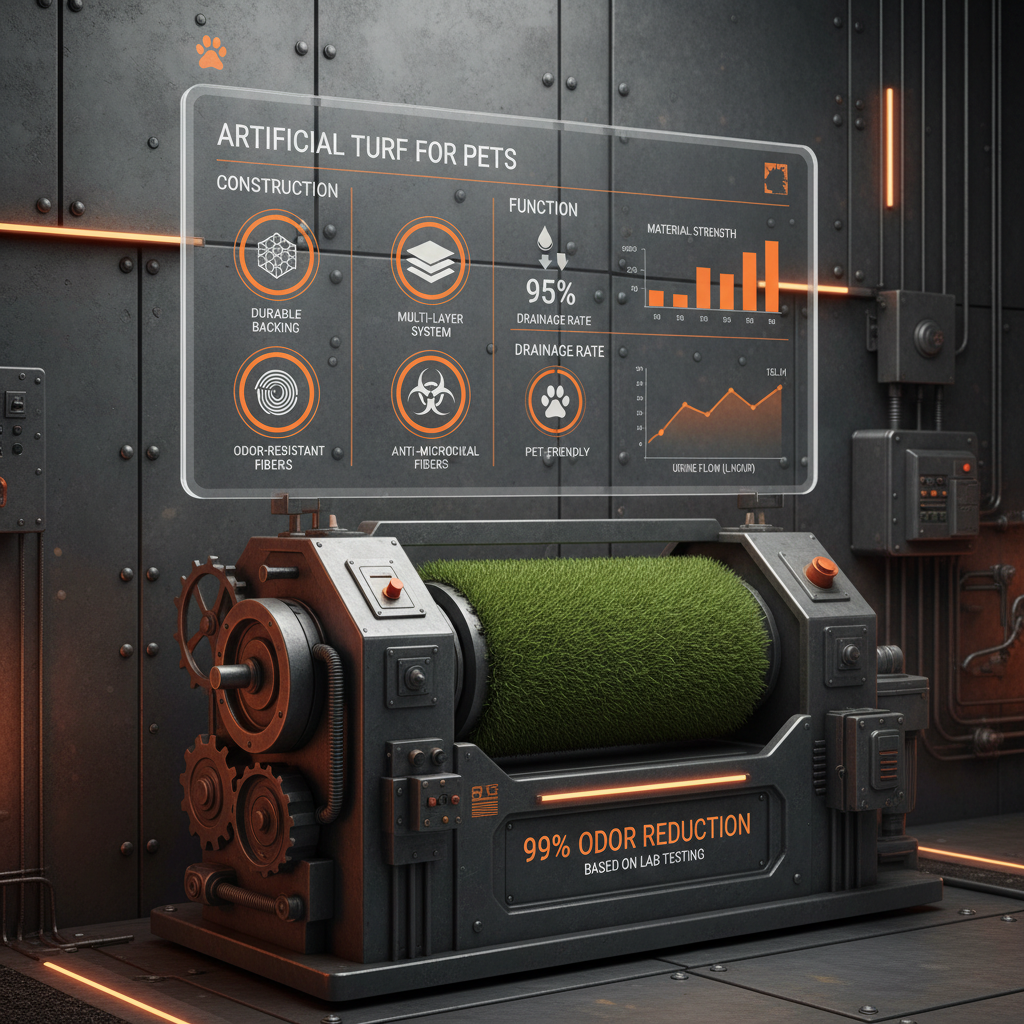
Not all artificial grass is created equal when it comes to pet use. Dog wee artificial grass typically features enhanced drainage systems to quickly carry away urine and prevent odors. The blades are often designed to be more durable and resistant to wear and tear from pet activity. Here are some key benefits:
- Excellent Drainage: Prevents urine from pooling and creating odors.
- Durability: Resists wear and tear from digging, running, and playing.
- Easy Cleaning: Can be easily rinsed with water.
- Odor Control: Special coatings inhibit bacterial growth, reducing unpleasant smells.
- Non-Toxic Materials: Ensures the safety of your pet.
Essential Features to Look For:
• High drainage rate
• Durable fiber construction
• Antimicrobial infill
• UV resistance
Comparing Artificial Grass Types for Pet Use
Several types of artificial grass are available, each with its own advantages and disadvantages. When choosing dog wee artificial grass, consider the pile height, fiber material, and infill. Here’s a comparison:
Infill Options and Their Impact on Odor Control
The infill material used with artificial grass plays a crucial role in drainage, cushioning, and odor control. Silica sand is a common choice, but for pet owners, antimicrobial infills are highly recommended. These infills contain agents that inhibit bacterial growth, reducing unpleasant odors caused by pet waste. Popular options include:
- Silica Sand: Affordable, good drainage, but doesn’t offer odor control.
- Acrylic Coated Sand: Provides better cushioning and some odor control.
- Zeolite: A natural mineral with excellent odor absorption properties.
- Antimicrobial Infill: Specifically designed to kill bacteria and reduce odors.
Cleaning and Maintenance of Dog Wee Artificial Grass
While artificial grass requires less maintenance than natural grass, regular cleaning is still necessary. For dog wee artificial grass, the key is to rinse the area frequently with water to flush away urine. You can also use a specialized artificial grass cleaner to disinfect and further eliminate odors. Regular brushing will help maintain the pile’s upright position. Consider investing in a pet waste removal tool to make cleaning more efficient. Hoyarngrass provides detailed maintenance guides with every purchase.
Conclusion: A Pet-Friendly Lawn Solution
Choosing dog wee artificial grass is a practical and aesthetically pleasing solution for pet owners. By selecting the right type of grass and implementing a regular cleaning routine, you can enjoy a beautiful, durable, and odor-free lawn for years to come. Invest in quality and create a safe and enjoyable outdoor space for both you and your furry companion.
Frequently Asked Questions (FAQs)
How often should I clean dog wee artificial grass?
The frequency of cleaning depends on how often your dog urinates on the grass. As a general guideline, rinsing the area with water after each urination is ideal. A more thorough cleaning with an artificial grass cleaner should be done at least once a month, or more frequently if you notice any lingering odors. Regular maintenance prevents the buildup of bacteria and keeps your lawn fresh. Proactive cleaning is far easier than trying to remove set-in odors. Hoyarngrass offers specialized cleaning solutions specifically designed for pet urine.
Will the color of the artificial grass fade over time with dog urine?
High-quality dog wee artificial grass is manufactured with UV-resistant materials. However, prolonged exposure to sunlight and the chemicals in dog urine can cause some fading over time. Choosing a grass with a high UV resistance rating and regularly rinsing the area helps minimize fading. Proper infill selection also contributes to color retention.
Is artificial grass safe for my dog to ingest?
The artificial grass fibers themselves are generally non-toxic. However, the infill material is the primary concern. Always choose artificial grass with a pet-safe infill, such as coated sand or zeolite. Avoid infills that contain harmful chemicals or materials. While some ingestion is unlikely to cause serious harm, it's best to discourage your dog from eating the grass. Regular cleaning and maintenance help remove any potential contaminants.
How does artificial grass compare to real grass in terms of temperature?
Artificial grass can get hotter than natural grass in direct sunlight, particularly darker-colored options. However, newer technologies and lighter-colored grasses minimize this effect. You can cool down artificial grass by lightly spraying it with water. Choosing a grass with reflective properties and using a cooling infill can further reduce surface temperature, keeping it comfortable for your dog.
Latest news
-
Creating the Perfect Fake Grass Area for Dogs Complete Guide
NewsApr.16,2026
-
Guide to Using Fake Grass and Pets for a Pet Friendly Lawn
NewsApr.09,2026
-
Fake Grass and Dogs Creating a Pet Friendly and Durable Yard
NewsApr.07,2026
-
Maintaining a Pristine Lawn with Fake Grass and Dog Wee Management Solutions
NewsApr.04,2026
-
The Ultimate Guide to Choosing the Perfect Fake Dog Grass Patch for Your Pet
NewsMar.31,2026
-
Discover the Benefits of High Quality Fake Dog Grass for Potty Training
NewsMar.28,2026
Products categories