Welcome to Hoyarn
Call Us Any Time:+86 19801805999
Email Us: info@hoyarn.cn
What Is the Average Cost of Artificial Grass? A Comprehensive Guide
Dec . 02, 2025 01:15 Back to list
What Is the Average Cost of Artificial Grass? A Comprehensive Guide
Understanding the Average Cost of Artificial Grass: What You Need to Know
Artificial grass has become a fixture in modern landscaping, sports, and even humanitarian projects worldwide. Knowing the average cost of artificial grass isn’t just a budgeting matter—it reflects deeper trends in sustainability, urbanization, and resource management that affect millions globally. Whether you’re a homeowner, a facility manager, or a project planner, grasping the nuances of these costs helps make smarter, more sustainable decisions for your outdoor spaces.
Global Context: Why the Average Cost of Artificial Grass Matters
Globally, the artificial turf market is booming. According to Statista, the market is expected to exceed $4 billion by 2027. The increasing demand is partly driven by water scarcity, especially in drought-prone regions like California and parts of Australia, where natural grass is drying up. The average cost of artificial grass is also influenced by industry-wide technological developments—better materials, less maintenance, and higher durability reduce long-term expenses. Yet, upfront cost remains a key decision factor for many internationally.
Oddly enough, while cost pressures rise in urban centers, some developing regions see artificial grass as a reliable alternative to natural turf where maintenance is challenging. So, understanding the average cost extends beyond price tags—it's about durability, social impact, and sustainable land use worldwide.
What Exactly Does “Average Cost of Artificial Grass” Mean?
Simply put, the average cost of artificial grass refers to the typical price per square foot or meter that consumers, businesses, or governments pay for synthetic turf installation. This cost includes not just the material itself, but also preparation, installation labor, infill materials, and sometimes maintenance. It’s a figure that varies depending on quality, location, and intended use.
In modern industry, this cost ties directly into how artificial grass supports conservation efforts, sports infrastructure, and urban beautification. For example, municipal governments adopting artificial turf for parks aim to reduce water usage and maintenance budgets—so average cost averages might initially seem high but pay back over time.
Key Factors Influencing the Average Cost of Artificial Grass
1. Material Quality and Durability
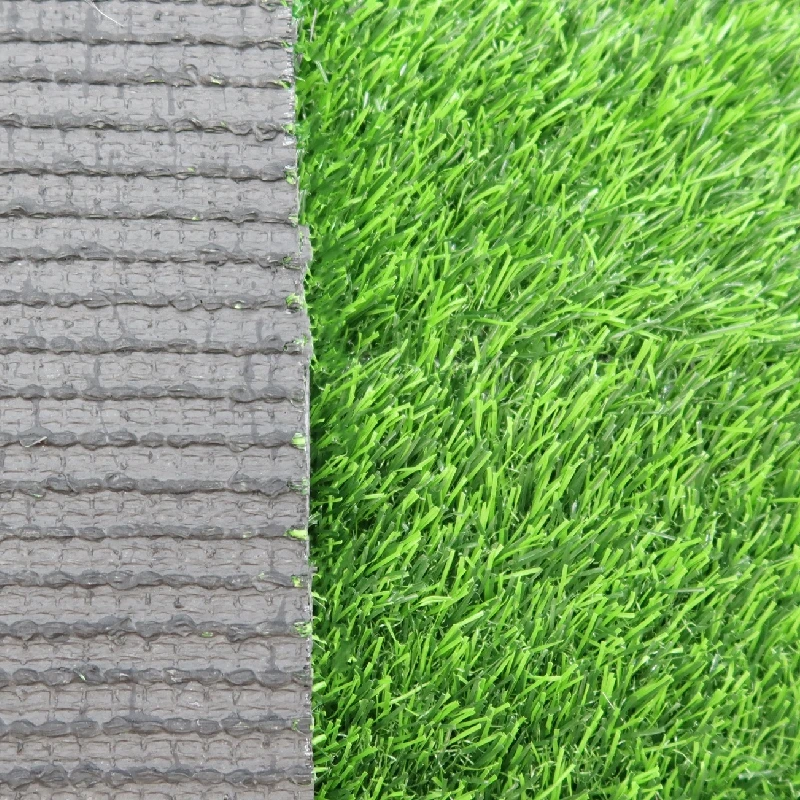
The turf fibers’ density, polymer type (like polyethylene versus polypropylene), and backing material greatly affect price. Higher-quality products resist UV damage and last longer, justifying their higher initial cost through savings on replacements.
2. Installation Complexity
Site preparation—drainage, grading, or old turf removal—adds to costs. Complex layouts or slopes heighten this. For large sports fields, costs might differ notably from residential lawns.
3. Infill Choices
Infill materials, such as crumb rubber, silica sand, or organic infill, impact price and performance. Eco-friendly options tend to cost more but align with sustainability goals.
4. Geographic Location
Labor and shipping costs fluctuate by region. Installing artificial grass in an urban U.S. city is typically pricier than in rural or developing areas.
5. Maintenance Requirements
Though typically lower than natural grass, some systems require periodic brushing or infill replenishment. These influence the total cost of ownership consideration.
Product Specification Table: Common Artificial Grass Options
| Specification | Low-End Product | Premium Product |
|---|---|---|
| Fiber Material | Polypropylene | UV-Stabilized Polyethylene |
| Pile Height | 15 mm | 35 mm |
| Backing | Single-layer | Dual-layer perforated |
| Warranty | 5 years | 15 years |
| Average Cost per sqft | $2.50 – $3.50 | $5.00 – $7.00 |
Global Applications and Use Cases of Artificial Grass
Across continents, artificial grass adapts to an impressive range of needs:
- Sports Facilities: Football pitches, tennis courts, and playgrounds—nearly worldwide. The UK and Europe extensively use turf for professional leagues.
- Residential Landscaping: Homeowners in water-scarce Western U.S. states or Middle Eastern countries prefer artificial grass to maintain green yards without wasting water.
- Commercial Spaces: Retail centers and office plazas opt for artificial turf to reduce maintenance costs while enhancing aesthetic appeal.
- Post-Disaster Relief: Surprisingly, some NGOs employ artificial turf in temporary housing zones or public spaces where natural grass won’t grow quickly.
- Remote Industrial Sites: In mining camps or desert research stations, synthetic turf provides a dust-free surface that’s safe and easy to maintain.
One case in point is how several California school districts switched playgrounds to artificial grass after prolonged droughts, cutting water bills by up to 70%. Practical, yes—but also a step toward sustainability and resilience.
Vendor Comparison Table: Key Players in Artificial Grass Market
| Vendor | Price Range ($/sqft) | Average Warranty | Eco Certifications |
|---|---|---|---|
| Hoya Yarn | $3.00 - $6.00 | 12 years | ISO 14001, LEED |
| GreenField Co. | $2.00 - $4.50 | 8 years | FSC, ISO 9001 |
| EcoTurf Solutions | $4.00 - $7.50 | 15 years | Cradle to Cradle Certified |
Advantages and Long-Term Value of Artificial Grass
Why do people keep investing in artificial turf despite its sometimes steep price? Here’s the kicker: it’s about savings, sustainability, and peace of mind over years—not just immediate expenditures.
- Water Savings: Up to 55 gallons saved per square foot annually in drought-prone areas.
- Lower Maintenance: No mowing, fertilizing, or watering—which also means fewer greenhouse gas emissions.
- Durability: High-quality turf withstands harsh weather and heavy traffic, lasting up to 15 years or more.
- Consistent Appearance: Green all year round, enhancing curb appeal and property value.
- Social Impact: Safe, allergen-free surfaces for kids and pets improve community health and well-being.
Plus, there’s an emotional value: it feels good to contribute to resource conservation. Many homeowners say it brings a kind of quiet satisfaction.
Future Trends and Innovations
Looking ahead, the average cost of artificial grass might dip or rise depending on innovations like:
- Advanced Polymers: Biodegradable or recycled fibers that reduce environmental footprint.
- Smart Turf: Embedded sensors for moisture, temperature, or usage tracking—handy for sports fields.
- Green Energy Manufacturing: Processes powered by solar or wind lower production costs and carbon emissions.
- Regulations: Tighter environmental standards and certifications to ensure quality and sustainability.
Digital tools may help customize turf layout and installation, reducing labor hours and thus costs in the near future.
Challenges and Expert Solutions
Despite all the benefits, challenges remain:
- High Upfront Cost: A tough pill for budget-conscious buyers. Solution: phased installations and financing plans.
- Heat Retention: Artificial turf can get hot under direct sun. Solution: new fiber coatings and infill materials reduce surface temperatures.
- Disposal Concerns: Synthetic materials pose recycling challenges. Solution: vendors promote take-back programs and recycled turf products.
Experts emphasize choosing certified products and proper installation techniques as key to maximizing value and avoiding common pitfalls.
FAQ: Frequently Asked Questions About Average Cost of Artificial Grass
- Q: What is the typical price range for installing artificial grass?
- A: Most projects fall between $2.50 to $7.00 per square foot, depending on material quality and installation complexity. Premium turf with advanced features sits at the higher end.
- Q: How long does artificial grass usually last?
- High-quality synthetic turf can last 10-15 years or more, especially with minimal wear and proper maintenance.
- Q: Is artificial grass eco-friendly?
- While using less water and chemicals, artificial grass is made from plastics. Sustainable choices include recycled materials and manufacturer recycling programs.
- Q: How much maintenance does artificial grass require?
- Maintenance is minimal—mostly brushing, occasional rinsing, and infill replacement every few years.
- Q: Can artificial grass be installed in all climates?
- Yes, but heat retention may be a concern in very hot climates; newer products mitigate this with cooling technologies.
Conclusion: Making Sense of the Average Cost of Artificial Grass
Ultimately, the average cost of artificial grass is not just a line item—it’s a gateway to long-lasting savings, water conservation, and beautiful outdoor spaces that stand the test of time. Choosing the right product and partner, like those listed above, can transform your investment into value for years. So, if you’re considering a greener lawn or a maintenance-free athletic field, head over to https://www.hoyarngrass.com to explore options that fit your needs and budget.
It’s fascinating how something as seemingly simple as turf connects ecology, economy, and lifestyle in surprising ways...
References
In real terms, investing in artificial grass is a nuanced choice—one that’s quietly shaping green space management worldwide.
Latest news
-
Creating the Perfect Fake Grass Area for Dogs Complete Guide
NewsApr.16,2026
-
Guide to Using Fake Grass and Pets for a Pet Friendly Lawn
NewsApr.09,2026
-
Fake Grass and Dogs Creating a Pet Friendly and Durable Yard
NewsApr.07,2026
-
Maintaining a Pristine Lawn with Fake Grass and Dog Wee Management Solutions
NewsApr.04,2026
-
The Ultimate Guide to Choosing the Perfect Fake Dog Grass Patch for Your Pet
NewsMar.31,2026
-
Discover the Benefits of High Quality Fake Dog Grass for Potty Training
NewsMar.28,2026
Products categories