Welcome to Hoyarn
Call Us Any Time:+86 19801805999
Email Us: info@hoyarn.cn
Understanding Artificial Turf Price Per Sq Ft: Comprehensive Guide to Costs and Benefits
Dec . 01, 2025 23:45 Back to list
Understanding Artificial Turf Price Per Sq Ft: Comprehensive Guide to Costs and Benefits
Understanding Artificial Turf Price Per Sq Ft: What You Need to Know
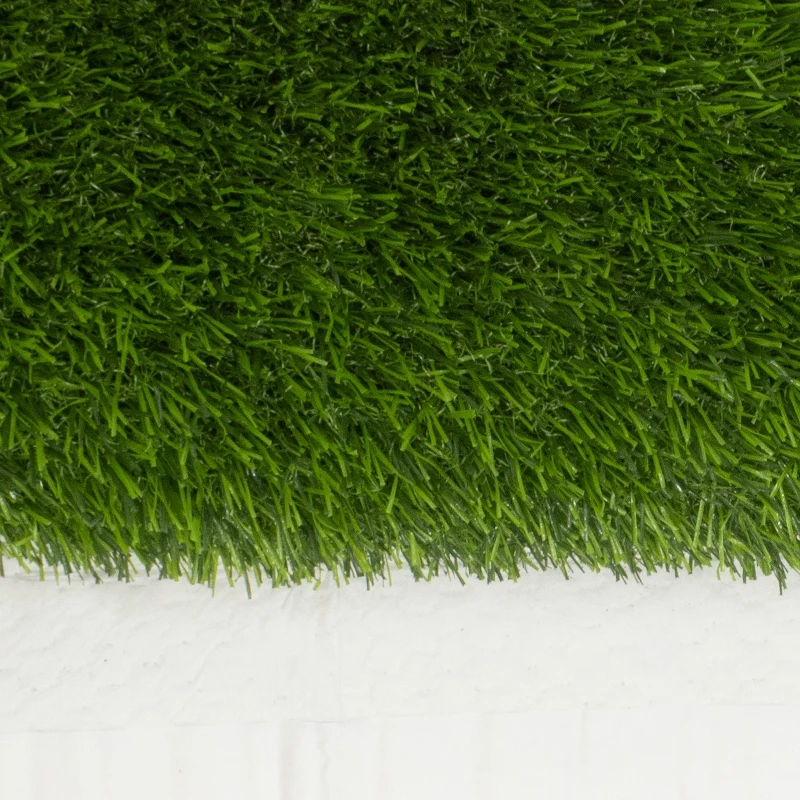
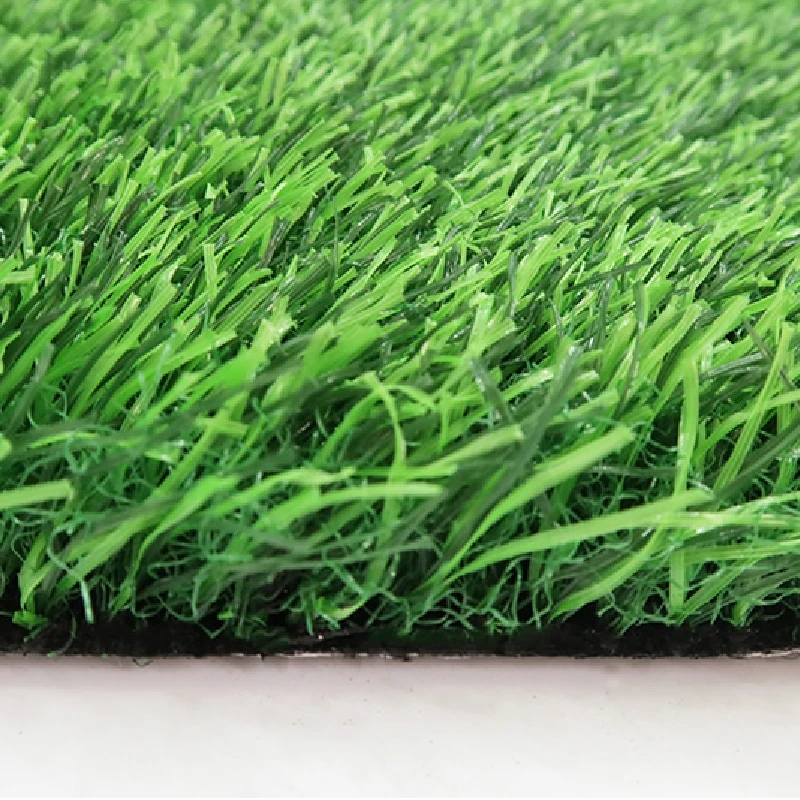
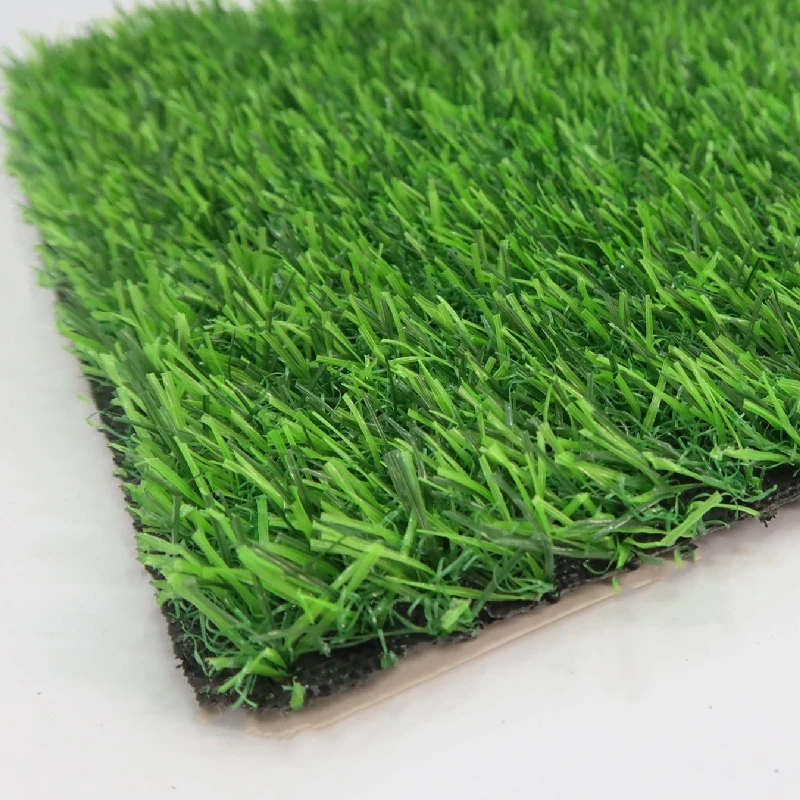
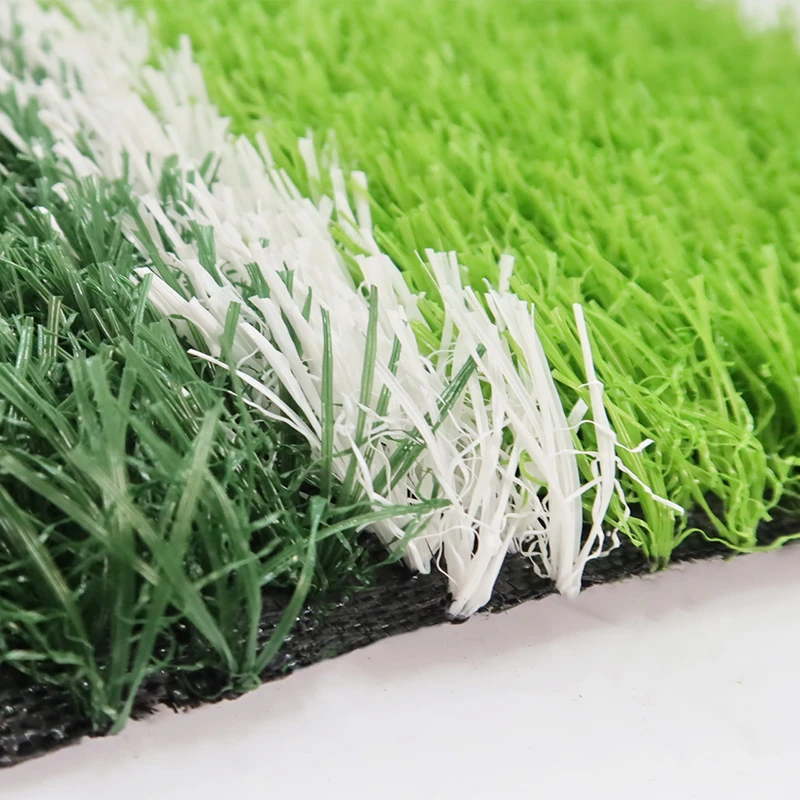
Artificial turf has become a staple in landscaping, sports fields, and even residential backyards worldwide. But if you’re diving into this subject, it’s clear you’re curious about the artificial turf price per sq ft—a key factor that influences whether it’s a smart investment. Knowing how this price is calculated, what affects it, and why it matters can save you a bundle and help you make more sustainable and practical choices.
Why Does Artificial Turf Pricing Matter Globally?
Well, for starters, artificial turf is not just about looks or convenience anymore. With increasing water scarcity and rising maintenance costs worldwide, especially in arid regions, this industry is booming. According to the United Nations environment program, landscaping takes about 50% of residential water use in dry climates, so turf alternatives can be a game-changer. Plus, with sports infrastructure surging globally, from community fields in the US to recreational parks in the Middle East, understanding turf costs — specifically, artificial turf price per square foot — matters for planners and homeowners alike.
But here’s the rub: the price varies drastically based on several factors, so clocking a one-size-fits-all number is tricky. That’s why knowing what drives the price helps align expectations and budgets better.
What Does Artificial Turf Price Per Sq Ft Really Mean?
In simplest terms, the artificial turf price per sq ft refers to the total cost of purchasing and sometimes installing synthetic grass materials calculated per square foot of coverage. It’s not just the turf itself but often includes underlays, infill materials, and installation charges if you hire professionals. This price reflects quality, durability, and the complexity of the project, linking directly with modern landscaping industry needs and evolving sustainability concerns.
Core Components Affecting Artificial Turf Price
1. Quality & Durability
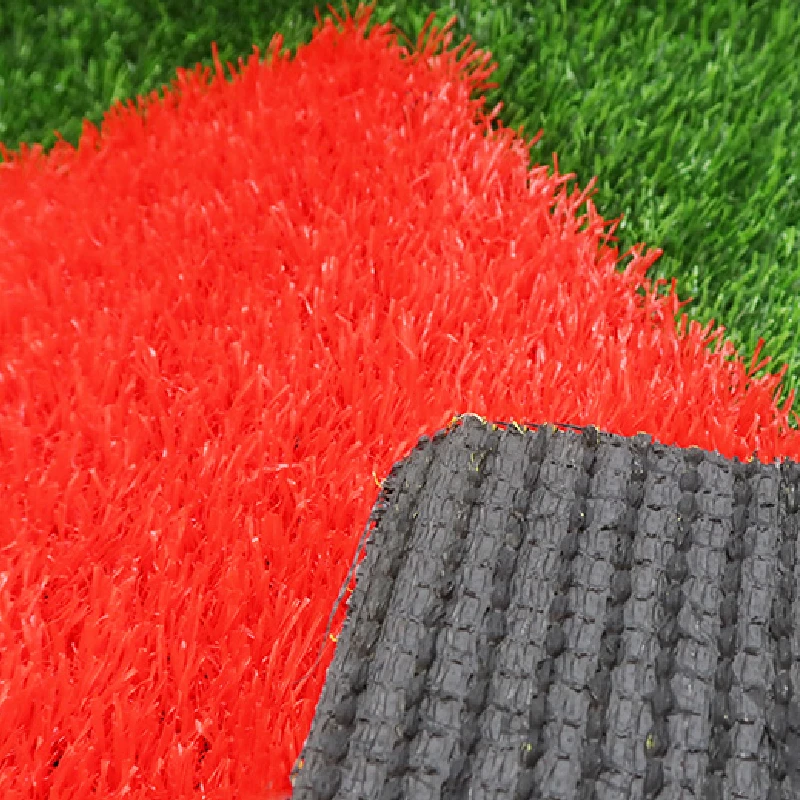
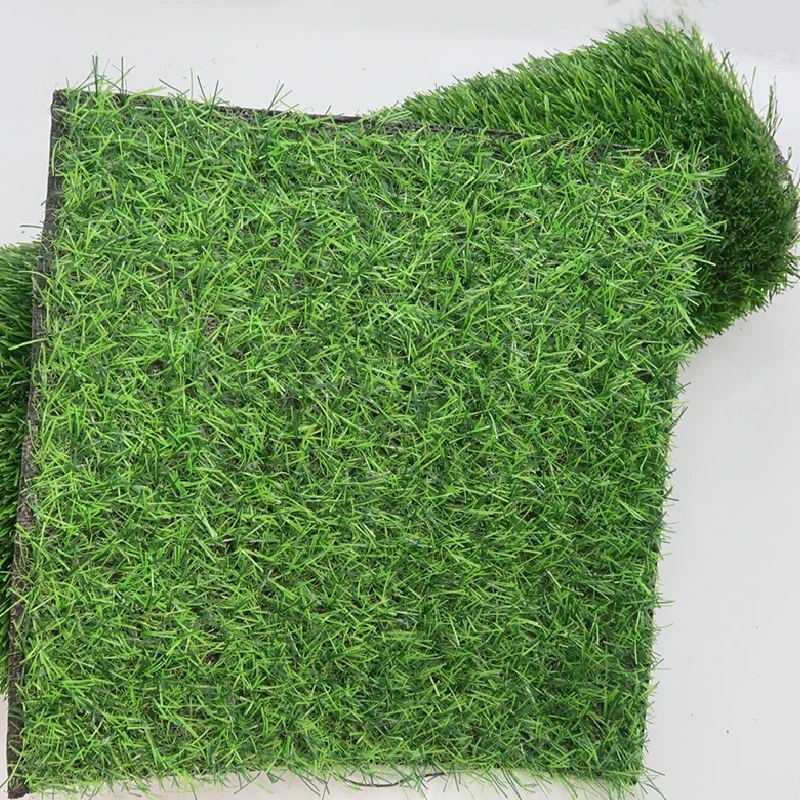
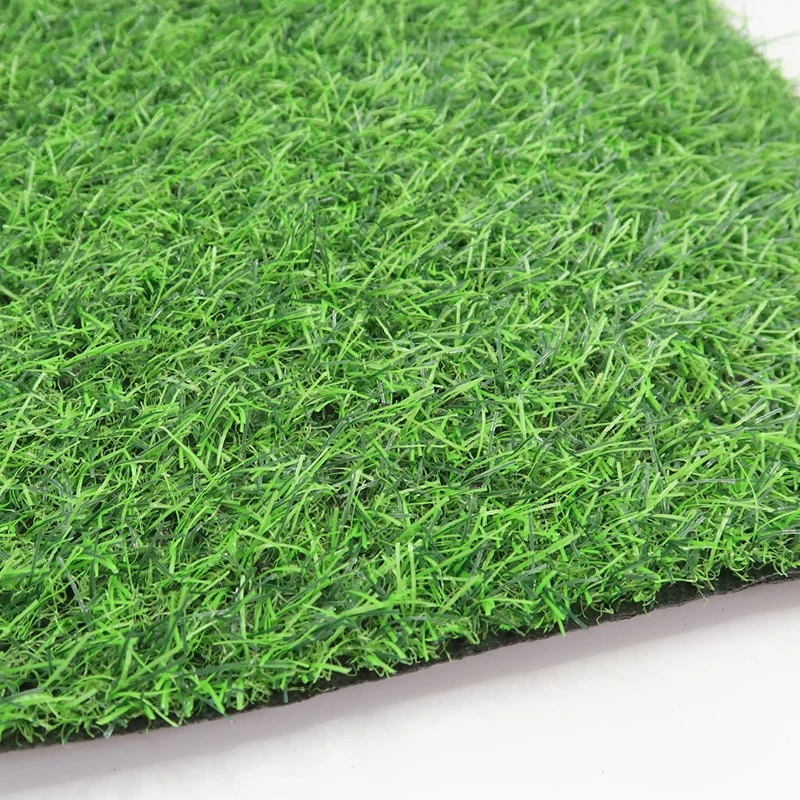
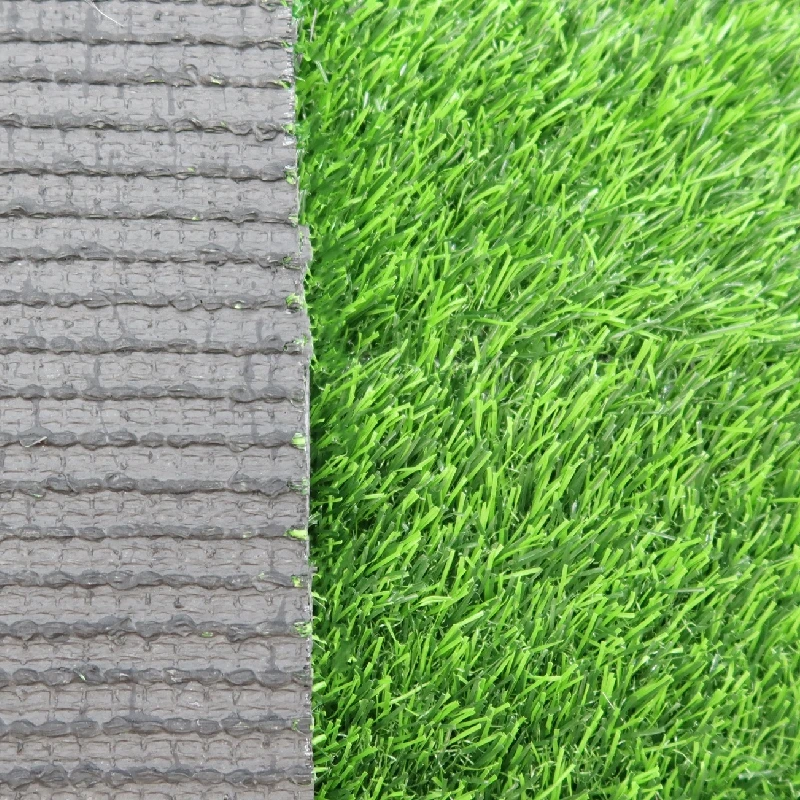
The thickness, material density, and UV resistance of the turf affect its longevity. Higher durability means higher upfront cost but less frequent replacement. For example, polyethylene fibers cost more but feel softer and last longer.
2. Installation Complexity
Installation costs vary based on ground preparation, drainage setup, and labor intensity. Rocky or uneven terrain requires extra work, driving prices up.
3. Infill Material Type
Infill adds cushioning and ballast. Options include crumb rubber, sand, or organic alternatives, affecting both safety and price.
4. Geographic Location
Shipping costs and local labor rates influence final pricing. For instance, turf delivered to remote industrial zones often sees higher price per sq ft.
5. Warranty & Brand Reputation
Trusted brands offering longer warranties usually priced higher but come with reliability and peace of mind.
Artificial Turf Specification Snapshot
| Specification | Typical Range/Value | Comments |
|---|---|---|
| Material | Polyethylene, Polypropylene, Nylon | Polyethylene is common for residential/sports use |
| Pile Height | 20–50 mm (0.8–2 inches) | Longer pile feels more natural but costs more |
| Density (Stitches per sq meter) | 10,000–20,000 | Denser turf offers better appearance |
| Infill Type | Rubber crumb, sand, organic | Safety and weight vary based on infill |
| Estimated Price Range | $5 - $20 per sq ft | Includes materials and installation |
Vendor Price Comparison
| Vendor | Price Per Sq Ft | Warranty | Installation Included |
|---|---|---|---|
| GreenField Turf | $7.50 | 10 years | Yes |
| Urban Lawn Pros | $5.90 | 7 years | No |
| EcoGrass Solutions | $8.80 | 12 years | Yes |
Global Applications & Use Cases
The scope of artificial turf’s use globally is quite vast. In the Middle East, for example, turf reduces water demand dramatically, a vital factor in desert cities like Dubai or Riyadh. Sporting venues from high school fields in the US to professional stadiums in Europe rely heavily on artificial turf to maintain playability year-round regardless of weather. Oddly enough, NGOs and disaster relief agencies have started considering synthetic turf for temporary shelters or community zones — it’s low-maintenance, durable, and hygienic compared to dirt or grass in makeshift camps. Industrial zones in remote areas also use it to improve worker safety and dust control with minimal fuss.
These cases illustrate how knowing the artificial turf price per sq ft helps stakeholders budget accordingly and weigh benefits against costs practically.
Mini takeaway: Artificial turf pricing varies widely based on where and how it’s used, reflecting local needs, supply chains, and quality demands.
Advantages & Long-Term Value
- Cost Saving: Less water use and minimal maintenance trim traditional lawn expenses.
- Sustainability: Many products now incorporate recycled materials and lower carbon footprints.
- Safety & Comfort: High-quality turf offers cushioning, reducing injuries on sports fields.
- Reliability: Resistant to weather extremes, artificial turf ensures year-round use.
- Aesthetic Appeal: Offers a green, manicured look regardless of season or location.
Future Trends & Innovations
Manufacturers are pushing boundaries with bio-based fibers and infills that biodegrade safely. Digital technologies enable better measurement of turf wear, and automation in installation speeds up deployment time—important for large sports venues or rapid development projects. Green energy use in production and circular economy principles are also gaining traction, which should influence how artificial turf price per sq ft evolves.
Challenges & Practical Solutions
Despite its benefits, artificial turf faces criticism for heat retention and microplastic runoff. Experts suggest innovations in cooling infills and water-permeable backing to mitigate these. Additionally, upfront costs can be a barrier—bundling installation with warranty services helps make overall ownership more affordable and trusted.
Frequently Asked Questions About Artificial Turf Price Per Sq Ft
- What factors primarily affect artificial turf pricing?
- Material quality, installation complexity, infill type, geographic location, and vendor reputation all influence price per square foot.
- Is installation always included in the artificial turf price per sq ft?
- Not necessarily; some vendors quote turf only, while others provide full installation packages—always clarify this upfront.
- How long can quality artificial turf last?
- Typically between 8 and 15 years depending on use and maintenance. High durability products and proper care can extend life significantly.
- Can artificial turf be eco-friendly?
- Yes! Many modern turfs use recycled materials, eco-friendly infills, and manufacturing processes aiming to reduce environmental impact.
- Are there regional price differences for artificial turf?
- Absolutely. Shipping, labor costs, and local demand heavily influence the price per sq ft in different parts of the world.
Conclusion: Why Understanding Artificial Turf Price Per Sq Ft Benefits You
Knowing the realities behind artificial turf price per sq ft empowers buyers to make smarter, more cost-effective choices. It’s not just a number — it’s the key to balancing quality, durability, and sustainability in landscaping or sporting projects. If you’re exploring options, dive deeper into product specs, vendor services, and installation factors to avoid surprises. For a practical start, consider visiting our website to browse options and get tailored quotes.
After all, an informed decision today means greener, safer, and more durable spaces tomorrow — and that’s worth the attention.
Latest news
-
Creating the Perfect Fake Grass Area for Dogs Complete Guide
NewsApr.16,2026
-
Guide to Using Fake Grass and Pets for a Pet Friendly Lawn
NewsApr.09,2026
-
Fake Grass and Dogs Creating a Pet Friendly and Durable Yard
NewsApr.07,2026
-
Maintaining a Pristine Lawn with Fake Grass and Dog Wee Management Solutions
NewsApr.04,2026
-
The Ultimate Guide to Choosing the Perfect Fake Dog Grass Patch for Your Pet
NewsMar.31,2026
-
Discover the Benefits of High Quality Fake Dog Grass for Potty Training
NewsMar.28,2026
Products categories