Welcome to Hoyarn
Call Us Any Time:+86 19801805999
Email Us: info@hoyarn.cn
Understanding Turf Lawn Cost: Factors, Benefits, and Global Applications
Dec . 02, 2025 15:46 Back to list
Understanding Turf Lawn Cost: Factors, Benefits, and Global Applications
Understanding Turf Lawn Cost: Why It Matters Globally
When we talk about turf lawn cost, it’s more than just dollars spent on grass or synthetic surfaces. It’s a key consideration that resonates worldwide—from urban planners in bustling cities to homeowners looking for sustainable gardening solutions. Turf lawns, whether natural or artificial, have applications that ripple across environmental, economic, and social spheres. Understanding their cost helps us make informed decisions about land use, maintenance budgets, and long-term sustainability.
Oddly enough, the price tag attached to turf lawns often determines the feasibility of urban green spaces, sports stadiums, and climate adaptation projects—places and initiatives that impact millions. With increasing urbanization and climate change, figuring out the real cost of turf lawns is more urgent than ever.
Mini takeaway:
- Turf lawn cost is a global concern with implications for sustainability and urban planning.
- Knowing turf lawn expenditures helps balance environmental and economic priorities.
Global Context: Turf Lawn Cost in the Bigger Picture
Globally, green spaces contribute to health, recreation, and climate mitigation, but these benefits come at a cost. According to the United Nations Sustainable Development Goals, maintaining urban greenery is part of achieving sustainable cities. Yet, turf lawns require water, fertilizers, upkeep, and sometimes replacement—expenses often underestimated.
In the United States alone, turf grass covers over 40 million acres and accounts for more than $30 billion in annual expenses related to installation and care, according to studies collated by the USDA Cooperative Extension. In developing nations, cost constraints often lead to compromises on green spaces, affecting air quality and well-being.
This juxtaposition creates a challenge: how can communities and industries worldwide optimize turf lawn cost to maximize benefits and minimize environmental impact?
Mini takeaway:
- Turf lawn cost is linked tightly with urban sustainability efforts worldwide.
- Balancing turf investment against environmental concerns is a growing global challenge.
What Is Turf Lawn Cost?
In simple terms, turf lawn cost refers to the total expenses associated with installing, maintaining, and replacing turf grass or artificial turf surfaces. This includes the initial price of turf material, groundwork preparation, irrigation systems, fertilizers, labor, and periodic upkeep over the lifespan of the lawn.
For professionals, this cost directly influences landscaping choices, budget allocations, and project longevity. For humanitarian and industrial needs—think large-scale sports fields, green roofing, or post-disaster site rehabilitation—understanding these costs shapes both feasibility and impact.
Mini takeaway:
- Turf lawn cost encompasses installation, maintenance, and replacement expenses.
- It’s critical for decision-making in both commercial and humanitarian contexts.
Key Factors Influencing Turf Lawn Cost
1. Turf Type: Natural vs. Synthetic
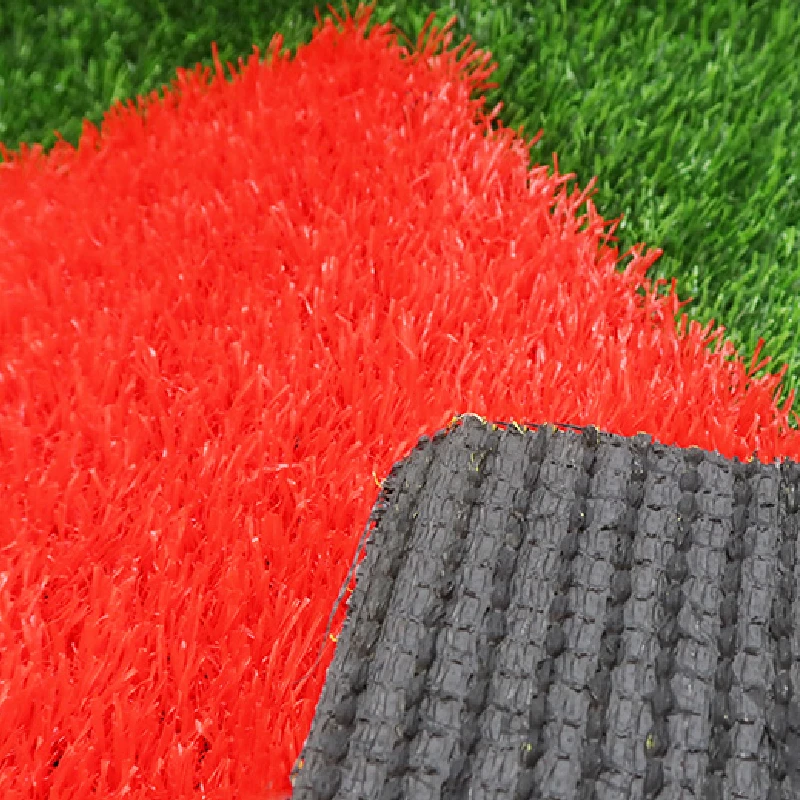
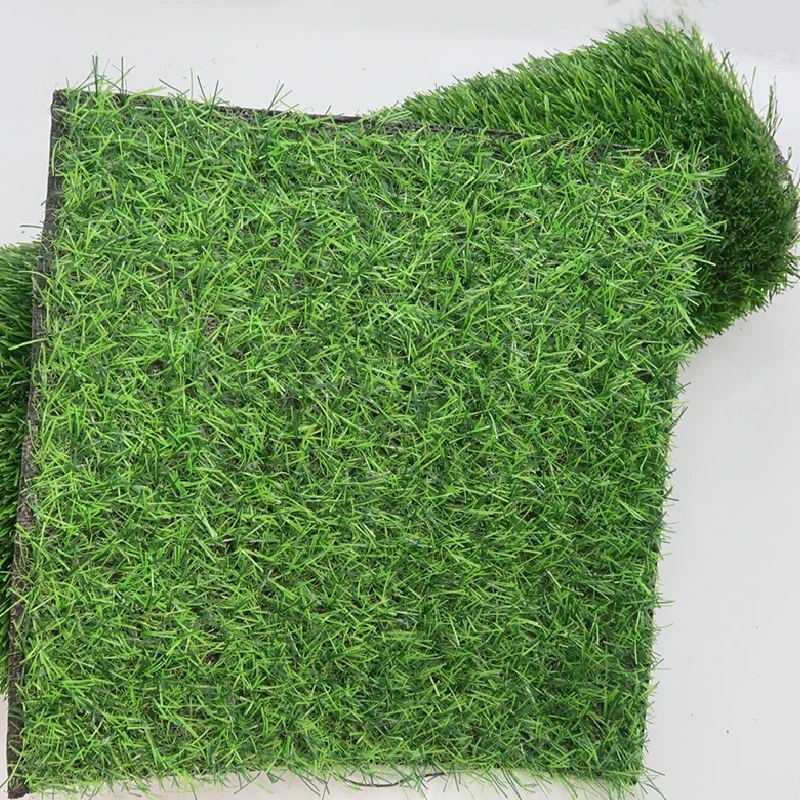
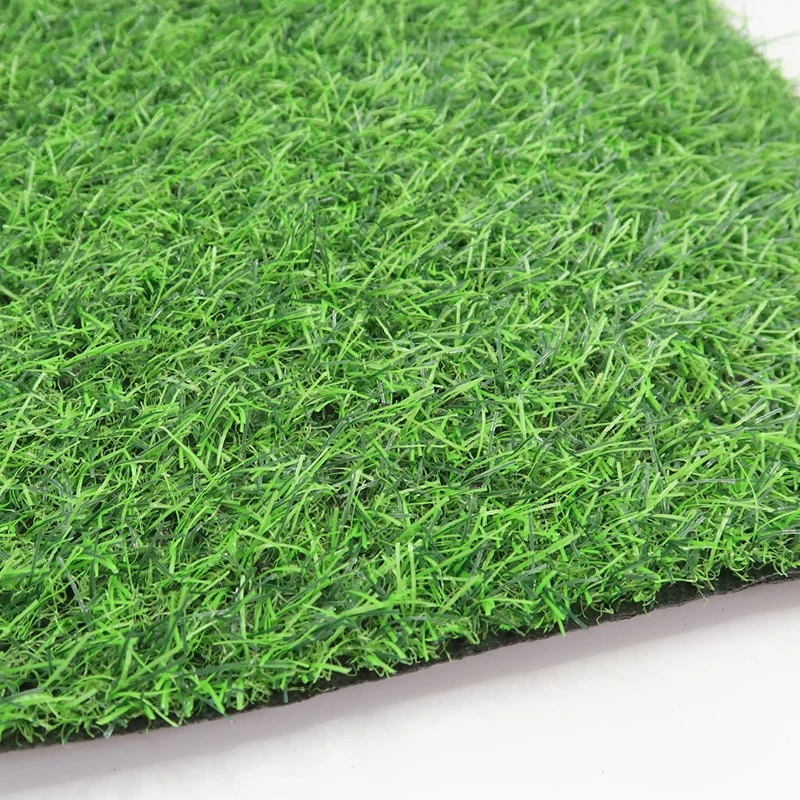
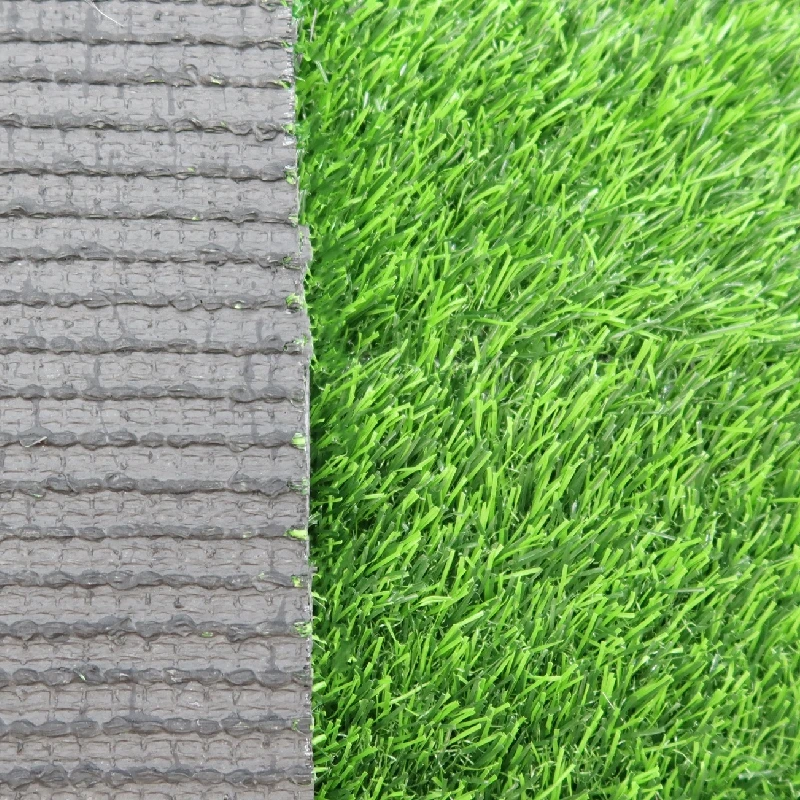
Natural turf entails seed or sod, with costs dependent on quality, species selected, and regional availability. Synthetic turf often demands higher initial investment but can lower maintenance expenses long-term.
2. Installation and Preparation
Ground conditions can drastically impact cost—poor soil may require removal, grading, or drainage improvements. Labor costs and machinery involved also factor in.
3. Water and Maintenance
Natural grass needs irrigation, mowing, and fertilizing, which add recurring costs. Artificial turf might require specialized cleaning and occasional repairs but is generally less water-intensive.
4. Climate and Environmental Impact
Regions with arid climates experience higher natural turf upkeep costs, whereas cooler climates might reduce watering but increase mowing frequency.
5. Longevity and Replacement Frequency
Artificial surfaces last 8-15 years typically, while natural lawns need reseeding or replacement depending on wear and tear.
Mini takeaway:
- Turf choice, installation, and upkeep are major cost drivers.
- Local climate and expected lifespan shift the economics significantly.
Global Applications and Real-World Use Cases
Throughout the world, turf lawns serve many purposes:
- Sports & Recreation: Stadiums from the UK’s Premier League to Australian cricket grounds rely on turf type and cost-efficiency.
- Urban Landscaping: Cities like Singapore emphasize green spaces, carefully balancing turf lawn costs with sustainability goals.
- Post-Disaster Rehabilitation: In flood-affected zones, synthetic turf can expedite community recreation restoration where natural grass would struggle with recovery.
- Industrial Sites: In mining or remote operations, turf solutions help mitigate dust and erosion while controlling expenditures.
These use cases underline how turf lawn cost considerations relate broadly across sectors and geographies.
Mini takeaway:
- Turf lawn costs shape decisions in sports, urban development, disaster relief, and industry.
- Choosing the right turf impacts operational success globally.
Table: Typical Turf Lawn Product Specifications
| Specification | Natural Turf | Synthetic Turf |
|---|---|---|
| Installation Cost (per sq ft) | $0.50 - $1.50 | $5.00 - $10.00 |
| Maintenance Frequency | Weekly mowing, seasonal fertilizing | Annual cleaning and infill topping |
| Expected Lifespan | 5–10 years (with proper care) | 8–15 years |
| Water Usage | High | Minimal |
Advantages and Long-term Value
Both turf types carry benefits shaped by turf lawn cost. Natural turf brings ecological value—oxygen production, heat reduction, and biodiversity support. Synthetic turf shines in durability, water savings, and low ongoing labor costs.
From a social perspective, accessible and attractive lawns foster community engagement and mental health benefits, which — frankly — money can’t always buy. The upfront investment in quality turf pays dividends in user satisfaction and operational ease.
Mini takeaway:
- Natural turf supports ecosystems but requires more upkeep.
- Synthetic turf offers durability and lower water usage, balancing cost over time.
Vendor Comparison: Turf Lawn Solutions
| Features | GreenFields Turf | EcoLawn Supply | Duracover Artificial |
|---|---|---|---|
| Turf Type | Natural Sod | Natural Seed Mix | Synthetic |
| Price Range per sq ft | $0.75 - $1.25 | $0.50 - $1.00 | $6.00 - $9.00 |
| Average Lifespan | 7 years | 5 years | 12 years |
| Water Usage | High | Moderate | Low |
| Warranty | 2 years | 1 year | 8 years |
Future Trends and Innovations Affecting Turf Lawn Costs
Technological leaps have started altering the turf cost landscape. Smart irrigation systems, capable of reducing water waste by up to 30%, are becoming more affordable and common. Digital soil sensors and automated maintenance schedules improve natural turf health without ballooning costs.
Further, innovations in synthetic materials promise more recyclable, UV-resistant turfs that could last beyond current lifespans—lowering replacement frequency and environmental footprint.
Policymakers are also encouraging sustainable landscaping through incentives and regulations, nudging markets to favor turf options that balance cost with eco-friendliness.
Mini takeaway:
- Smart tech and recyclable materials are reshaping turf cost dynamics.
- Policy shifts increasingly favor sustainable, cost-effective turf solutions.
Challenges and Solutions in Managing Turf Lawn Cost
Cost predictability is tricky—weather extremes can spike maintenance bills, and user wear can shorten turf life. Plus, upfront costs of synthetic turf deter many stakeholders.
However, solutions exist. Combining drought-tolerant grass seed with efficient irrigation curtails water bills. Phased installation spreads expenses, and leasing or modular turf systems provide flexibility.
Mini takeaway:
- Managing turf lawn cost requires adaptability to environmental conditions.
- Creative financing and technology reduce financial risks.
FAQ: Frequently Asked Questions About Turf Lawn Cost
- How does natural turf maintenance impact long-term costs?
- Natural turf requires regular watering, mowing, and fertilization, which can add up over time. While initial installation might be less costly than synthetic options, maintenance often accounts for the majority of the total cost in the long run.
- Is synthetic turf more cost-effective in dry climates?
- Yes, because synthetic turf eliminates watering expenses, which are significant in arid regions. Although the upfront installation cost is higher, reduced maintenance and water savings often offset this over several years.
- Can turf lawn cost be reduced through technology?
- Absolutely. Smart irrigation systems and soil health monitoring reduce waste and maintenance needs. These improvements can lower expenses and extend turf lifespan.
- What are common hidden costs when installing turf lawns?
- Hidden costs include soil preparation, drainage solutions, and unexpected repairs. It’s important to consider these when budgeting to avoid surprises later.
- How do climate factors affect turf lawn cost?
- Extreme temperatures and rainfall patterns influence durability and maintenance frequency. For instance, harsh winters might cause more reseeding, while droughts increase irrigation costs.
Conclusion: A Long-Term Perspective on Turf Lawn Cost
Frankly, turf lawn cost is a multifaceted topic with ripples far beyond turf itself. Recognizing the interplay between initial outlay, operational expenses, environmental impact, and social value helps us make smarter choices—whether you’re planning a community park, upgrading a sports field, or landscaping your own backyard. It’s about balancing budgets with benefits.
For tailored advice and solutions that align with your project’s goals and constraints, visit https://www.hoyarngrass.com. There, you’ll find resources and experts ready to help navigate turf lawn cost effectively.
Ultimately, investing wisely in turf means nurturing healthier spaces that sustain us all—environmentally, socially, and economically.
References
Latest news
-
Creating the Perfect Fake Grass Area for Dogs Complete Guide
NewsApr.16,2026
-
Guide to Using Fake Grass and Pets for a Pet Friendly Lawn
NewsApr.09,2026
-
Fake Grass and Dogs Creating a Pet Friendly and Durable Yard
NewsApr.07,2026
-
Maintaining a Pristine Lawn with Fake Grass and Dog Wee Management Solutions
NewsApr.04,2026
-
The Ultimate Guide to Choosing the Perfect Fake Dog Grass Patch for Your Pet
NewsMar.31,2026
-
Discover the Benefits of High Quality Fake Dog Grass for Potty Training
NewsMar.28,2026
Products categories