Welcome to Hoyarn
Call Us Any Time:+86 19801805999
Email Us: info@hoyarn.cn
A Complete Guide to Turf Yard Cost: Factors, Benefits, and Future Trends
Dec . 02, 2025 15:32 Back to list
A Complete Guide to Turf Yard Cost: Factors, Benefits, and Future Trends
Understanding Turf Yard Cost: What It Means and Why It Matters
Turf yard cost — it sounds straightforward, right? But frankly, it's a lot more layered than most realize. Globally, maintenance and establishment of sports fields, landscaping projects, and green urban spaces depend heavily on understanding this cost. Not just price tags, but the value hidden in durability, installation methods, climatic adaptability, and lifecycle expenses. In other words: grasping turf yard cost well helps cities, businesses, and communities invest smarter, build greener, and save over time.
Whether you’re a municipality looking to rejuvenate a park, a school planning a new playing field, or a sports club preparing a stadium, knowing what drives turf yard cost impacts your project’s success. Plus, it ties into sustainability goals — blueprints for future urban planning where water conservation and eco-friendly materials reign supreme.
Global Context: The Significance of Turf Yard Cost Worldwide
Oddly enough, turf installation might seem niche, but its global footprint is massive. According to the United Nations Environment Programme (UNEP), urban green spaces correlate with healthier cities and reduced pollution (source: UNEP). However, building and maintaining these spaces requires budgets that balance upfront and ongoing costs.
World Bank data underscores that billions are spent annually on landscaping and recreational spaces in cities worldwide, with turf taking a significant slice. Yet, inconsistent knowledge about turf yard cost often leads to overspending or underestimating maintenance. For example, in arid regions, the cost shifts due to irrigation needs and special turf varieties, a challenge common in parts of Australia, the Middle East, and southern US states.
In real terms, if we're talking “turf yard cost,” it’s not just about the square foot price—it’s total cost over years. So, it’s an economic and environmental conversation. And certainly, one that’s growing as urban populations swell, and green spaces become more vital for mental and physical health.
Defining Turf Yard Cost
Simply put, turf yard cost is the total expense involved in establishing and maintaining a turf yard, usually measured per square yard or foot. This includes initial purchase of turf (natural or synthetic), soil preparation, installation labour, irrigation setup if required, fertilization schedules, and ongoing upkeep like mowing and pest control.
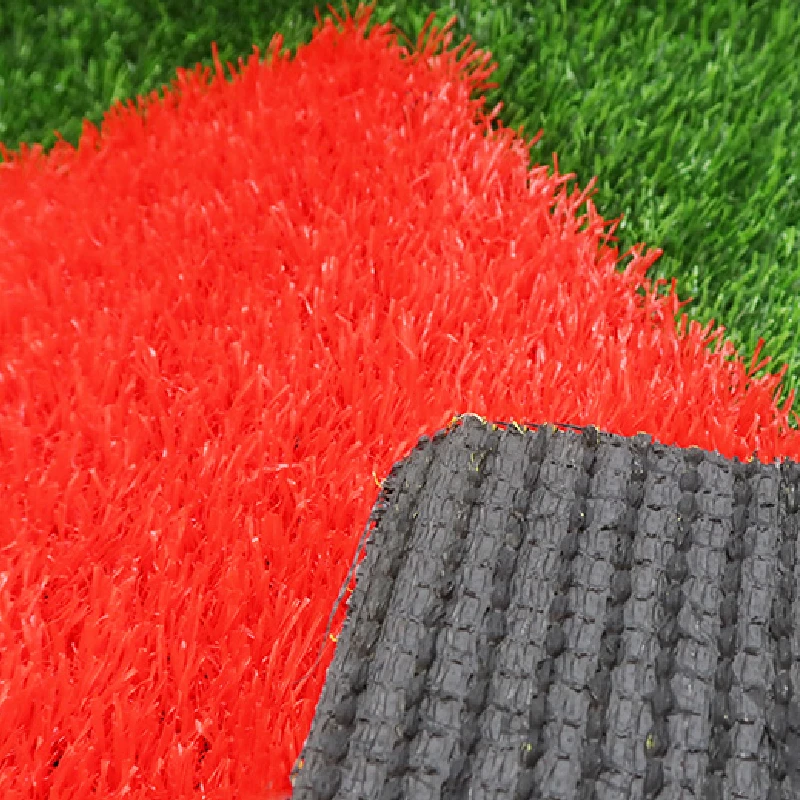
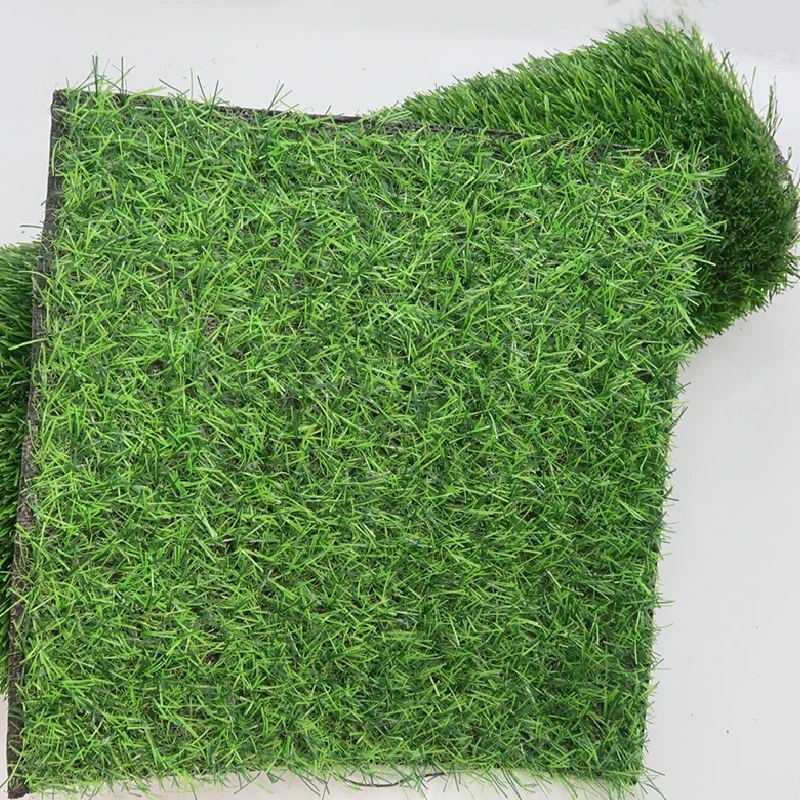
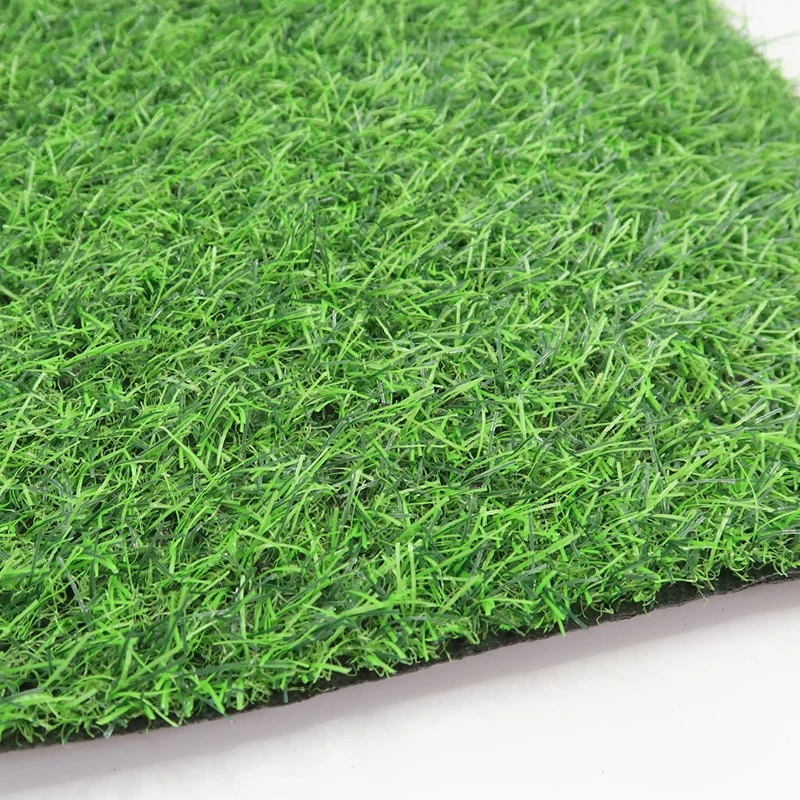
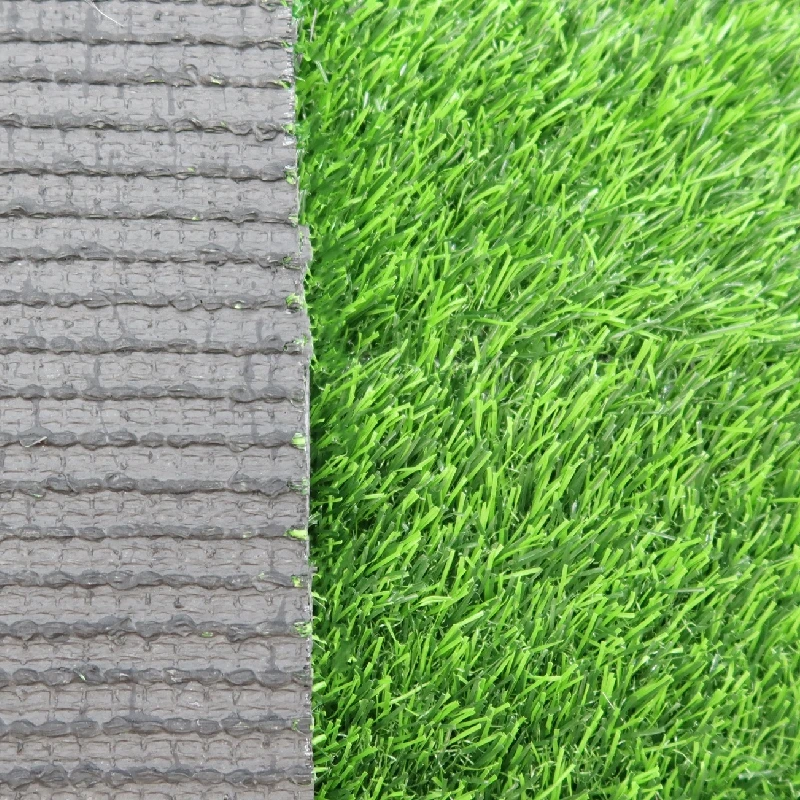
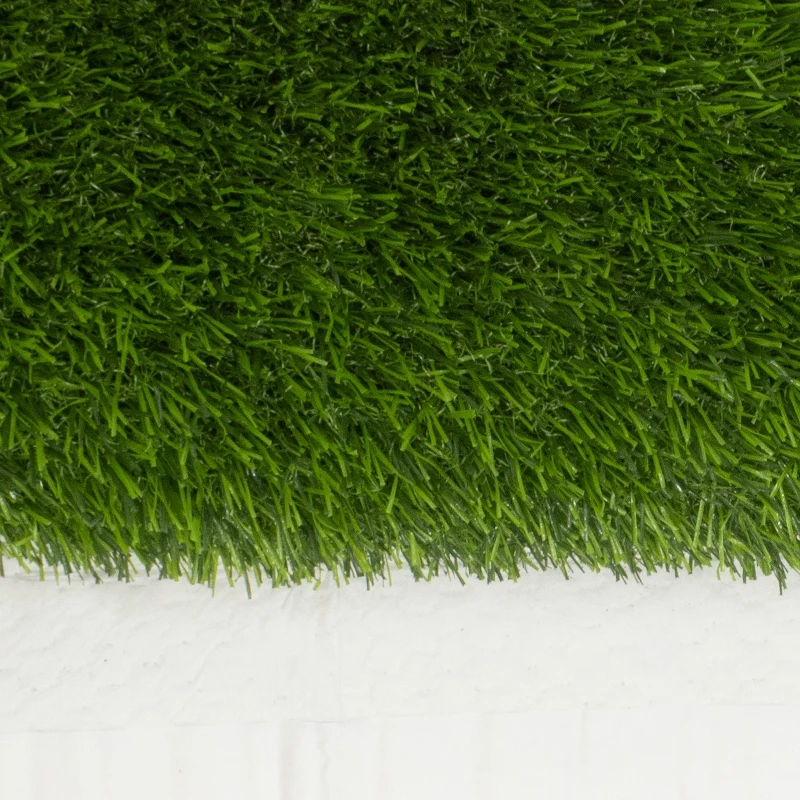
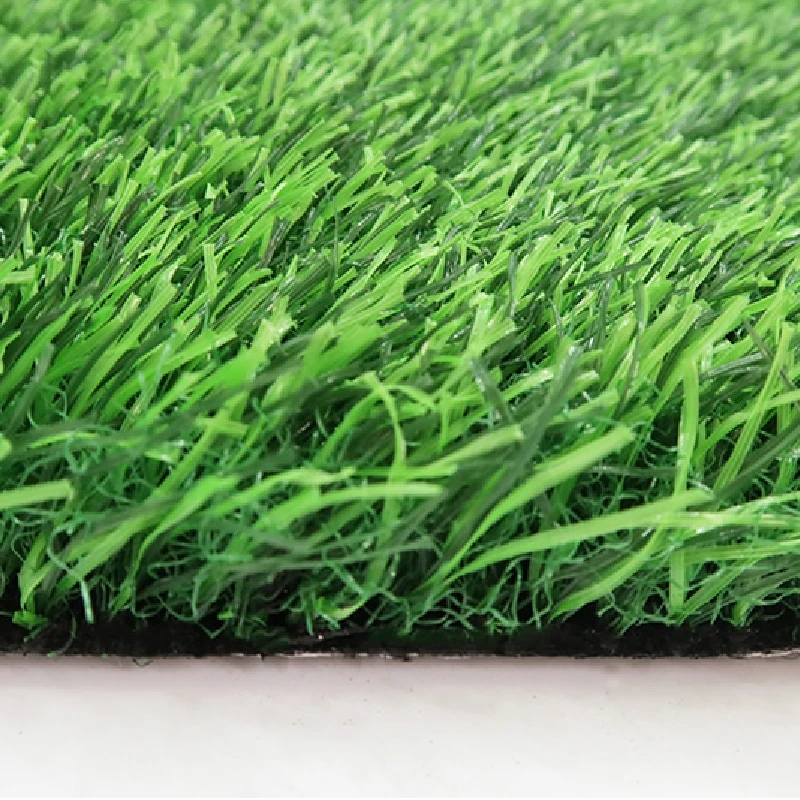
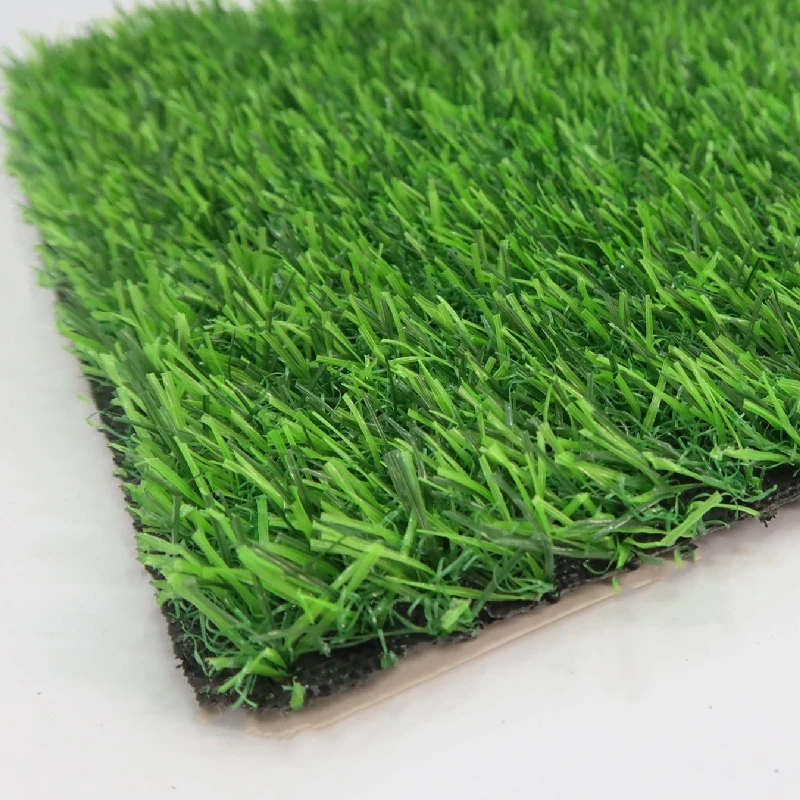
The “cost” can vary wildly depending on turf type, local climate, project scale, and end use. For instance, artificial turf typically demands a higher initial investment but might lower water and maintenance bills.
This cost is not just an abstract number—it’s tightly tied to the modern need for resilient, sustainable outdoor spaces in everything from civic parks to athletic stadiums and commercial properties.
Key Factors Influencing Turf Yard Cost
1. Type of Turf: Natural vs Synthetic
Natural turf has ongoing upkeep costs: watering, mowing, reseeding. Synthetic turf demands upfront expense but offers lower water use and less maintenance. Choice impacts budget dramatically.
2. Soil and Site Preparation
Uneven or poor soil requires significant groundwork—grading, aeration, and soil enhancement—adding labour and materials cost before turf goes down.
3. Installation Method
Whether laying sod rolls manually or installing modular synthetic turf can affect both time and cost. Skilled labour and machinery availability are also factors here.
4. Irrigation and Drainage Systems
Systems to manage water precisely add complexity and price but can extend turf life and reduce waste, especially critical in drought-prone areas.
5. Maintenance Regimen
Ongoing expenses—fertilizers, pest control, mowing, infill replacement for artificial turf—accumulate and must be factored in for a realistic overall cost forecast.
Mini Takeaway:
In sum, turf yard cost isn’t just turf price x area. It relates to turf type, site prep, installation, irrigation, and maintenance. Understanding these lets planners strike balance between investment and longevity.
Global Applications & Use Cases
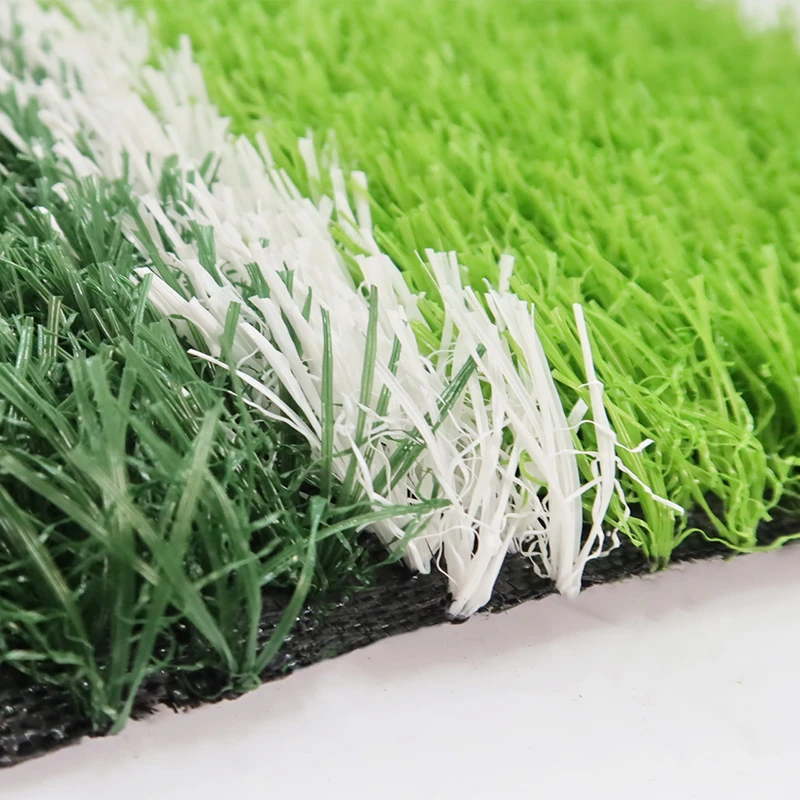
- Sports Complexes: Football, soccer, rugby fields worldwide require tailored turf solutions to balance performance and wear.
- Urban Parks: Cities like London and Vancouver invest billions in green infrastructure where turf cost impacts ongoing accessibility.
- Commercial Landscaping: Businesses from shopping malls to office parks use turf to enhance curb appeal and employee wellbeing.
- Disaster Relief & Military: Temporary turf solutions can create functional spaces quickly, essential in harsh conditions.
For example, the UAE, facing desert climates, invests heavily in synthetic turf fields minimizing water use while supporting professional sports. Meanwhile, Scandinavian countries lean towards natural turf with highly engineered drainage for rainy conditions.
Advantages and Long-Term Value of Well-Managed Turf Costs
Beyond aesthetics, investing thoughtfully in turf can mean:
- Cost Savings: Reduced water, less replacement need.
- Sustainability: Eco-friendly materials and smart irrigation minimize environmental impact.
- Social Impact: Safe, attractive spaces promote community health and wellbeing.
- Reliability: Turf built to withstand weather extremes means fewer disruptions.
Emotionally, there’s also trust in quality — stakeholders know their investment holds value. Innovation here feels personal, like planting roots for future generations.
Product Specifications of Popular Turf Types
| Turf Type | Material | Lifespan (Years) | Water Usage | Installation Cost per yd² |
|---|---|---|---|---|
| Natural Cool-Season | Kentucky Bluegrass Mix | 8 - 12 | High (Regular Irrigation) | $3.50 - $5.00 |
| Natural Warm-Season | Bermuda Grass, Zoysia | 6 - 10 | Moderate | $2.50 - $4.00 |
| Synthetic Turf | Polyethylene & Nylon Fibers | 10 - 15 | Minimal | $7.00 - $12.00 |
Vendor Comparison: Finding the Right Turf Yard Cost Partner
| Vendor | Product Range | Warranty | Price Range per yd² | Sustainability Practices |
|---|---|---|---|---|
| GreenFields Turf Co. | Natural & Synthetic | 8-12 Years | $4.00 - $10.00 | Uses recycled fibers in synthetic turf |
| EcoLawn Systems | Organic Natural Turf | 5-8 Years | $3.00 - $6.00 | Certified organic fertilizers only |
| FastTurf Solutions | Synthetic Turf Only | 10-15 Years | $7.00 - $12.00 | Uses low-pollution manufacturing processes |
Future Trends & Innovations in Turf Yard Cost
As sustainability moves front and center, greener materials and water-saving smart irrigation are reshaping how turf yard cost breaks down. For example, innovations like solar-powered watering systems and turf with enhanced UV resistance extend lifespan. Digital tools now optimize maintenance scheduling, lowering operational costs.
Scientists explore bioengineered turf varieties that need less fertilizer and resist pests better. Frankly, these advances make me optimistic about how green urban spaces will evolve in the coming decades—balancing cost and ecology.
Challenges and Solutions
It’s not all smooth sailing. High upfront expenses and technical installation needs often deter smaller cities or non-profits. Water scarcity complicates natural turf usage in many regions. Synthetic turf raises recycling and microplastic concerns.
But experts recommend lifecycle cost analysis to highlight long-term savings. Also, combining natural and synthetic components (“hybrid turf”) offers balanced performance and lower cumulative costs. NGO partnerships and government grants can ease financial burdens, supporting greener infrastructure.
FAQ: Frequently Asked Questions About Turf Yard Cost
- Q: How does turf yard cost differ between natural and synthetic turf?
- A: Natural turf often costs less initially but requires ongoing watering, mowing, and fertilizing—raising long-term expenses. Synthetic turf has higher upfront installation costs but minimizes water use and lower maintenance expenses over time.
- Q: What affects turf yard cost most in drought-prone areas?
- A: Water usage is the major factor. Choosing drought-resistant turf types or synthetic options can reduce irrigation needs and costs significantly, which is crucial in arid climates.
- Q: Can turf installation costs vary due to soil conditions?
- A: Absolutely. Poor drainage or uneven terrain means more prep work—grading, soil amendment, and drainage installation—that raise both cost and project time.
- Q: Is synthetic turf environmentally friendly?
- A: It depends. While it reduces water and chemical use, manufacturing and disposal pose challenges. Innovations like recycled fibers and better end-of-life programs are improving its eco-profile.
- Q: How can organizations budget effectively for turf yard cost?
- A: By considering total lifecycle costs, including installation, maintenance, and replacement, instead of just upfront price. Consulting vendors and reviewing case studies helps create realistic budgets.
Conclusion
To sum it up, understanding turf yard cost unlocks smarter, more sustainable decisions that pay off emotionally, financially, and environmentally. It’s a multi-layered, global conversation connecting technology, ecology, and good old-fashioned planning.
For those looking to dive deeper or start a project, I encourage you to visit our website: turf yard cost for comprehensive guides, vendor contacts, and updated pricing insights.
Here's to greener, smarter yards ahead.
Latest news
-
Creating the Perfect Fake Grass Area for Dogs Complete Guide
NewsApr.16,2026
-
Guide to Using Fake Grass and Pets for a Pet Friendly Lawn
NewsApr.09,2026
-
Fake Grass and Dogs Creating a Pet Friendly and Durable Yard
NewsApr.07,2026
-
Maintaining a Pristine Lawn with Fake Grass and Dog Wee Management Solutions
NewsApr.04,2026
-
The Ultimate Guide to Choosing the Perfect Fake Dog Grass Patch for Your Pet
NewsMar.31,2026
-
Discover the Benefits of High Quality Fake Dog Grass for Potty Training
NewsMar.28,2026
Products categories