When budgeting for urban development or residential landscaping, the artificial grass roll price is rarely a fixed number but rather a reflection of material density, pile height, and specialized functional coatings. For procurement managers and homeowners alike, understanding the variables that drive these costs is essential to avoid overpaying for unnecessary features or compromising on the longevity of the installation.
The complexity of pricing arises from the diverse application requirements. A high-traffic sports area demands a completely different fiber resilience than a decorative indoor home artificial grass or a specialized pet training area. Consequently, the price per roll is intrinsically linked to the polymer quality—typically polyethylene (PE) or polypropylene (PP)—and the precision of the manufacturing process used to simulate natural turf.
This analysis explores the technical drivers of cost, the long-term return on investment compared to natural alternatives, and how to evaluate suppliers based on product specifications. By examining the intersection of material science and application needs, we provide a comprehensive framework for securing the best artificial grass roll price without sacrificing environmental or aesthetic standards.


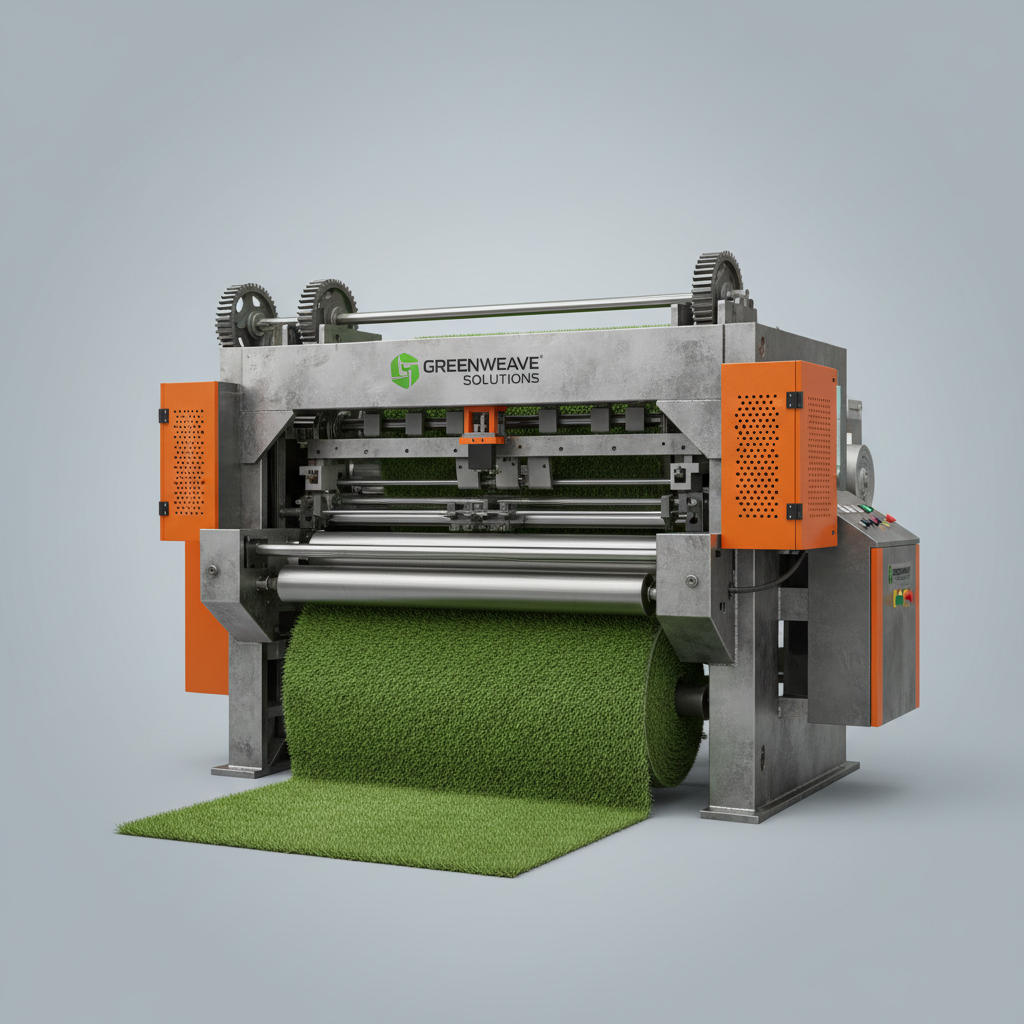
Synthetic turf is not a monolithic product; it is a complex multi-layered system designed to mimic the biological properties of real grass. The upper layer consists of synthetic fibers made from polyethylene (PE) or polypropylene (PP), which provide the visual appeal and tactile feel. These fibers are tufted into a reinforced backing that ensures the roll maintains its dimensional stability under tension and environmental stress.
The quality of the backing material—whether it is a primary woven fabric or a secondary latex or polyurethane coating—significantly influences the overall durability and the final artificial grass roll price. High-grade rolls utilize environmentally friendly polymer materials through a precision process to ensure that the fibers remain upright and resilient even under heavy foot traffic.
The pricing of a turf roll is primarily dictated by the density of the stitches and the quality of the raw polymers. A higher stitch rate means more fibers per square meter, which results in a lusher appearance and better shock absorption. This increase in raw material consumption and the extended machine time required for high-density tufting naturally elevate the production cost.
The most critical value driver is the balance between fiber resilience and permeability. For instance, rolls designed for construction enclosures must prioritize dust reduction and sound insulation, necessitating a specific fiber structure that adds to the technical cost but reduces urban noise pollution.
Additionally, specialized additives for UV resistance and antimicrobial properties—essential for pet training artificial grass—add another layer of cost. These chemical enhancements prevent the grass from fading under intense sunlight and ensure hygiene in sensitive environments, making these specialized rolls more expensive than standard decorative options.
While the initial artificial grass roll price may be higher than the cost of sodding a lawn, the operational ROI is realized through the complete elimination of irrigation, fertilization, and mowing costs. Over a five-to-ten-year lifecycle, the cumulative savings on water and labor often outweigh the upfront capital expenditure.
Furthermore, for commercial entities, the value extends to "up-time." Artificial turf does not have "off-seasons" or muddy periods that restrict access. In sports and entertainment settings, this means more usable hours per year and higher revenue potential from facility rentals.
One of the most innovative uses of synthetic turf is in building enclosure systems for construction sites. Traditional construction fencing is often unsightly and noisy; however, integrating artificial turf into these hoardings transforms a functional barrier into a green urban asset. This approach beautifies the city landscape while providing practical benefits like dust absorption and noise reduction for pedestrians.
Moreover, these enclosure systems serve as a safety mechanism, preventing unauthorized entry into dangerous sites and absorbing the impact of external shocks. The ability to customize the surface with corporate logos or project information turns a simple construction fence into a high-visibility marketing platform, adding brand value to the operational cost of the site.
The industry is moving toward a "circular economy" model where the focus is not just on the initial roll price but on the end-of-life recyclability. New developments in biodegradable polymers and recyclable PE are expected to reduce the environmental footprint of synthetic lawns, potentially altering the cost structure as sustainable materials scale in production.
Technological advancements in "cool-yarn" technology are also emerging to address the heat-island effect in urban areas. By integrating infrared-reflective pigments into the fiber, manufacturers can produce turf that remains cool to the touch, which is a critical requirement for pet training and residential barefoot areas.
We anticipate that the integration of smart sensors within the turf backing—to monitor soil moisture or foot traffic—could become a plausible direction for high-end commercial installations, shifting the product from a passive surface to an active data-gathering asset.
The primary risk for buyers is "under-specifying," where a low artificial grass roll price leads to the purchase of a product unsuitable for the intended environment. For example, using a decorative indoor turf in a high-traffic outdoor area will result in rapid fiber collapse and premature backing failure.
To mitigate these risks, procurement should focus on a technical matrix rather than a price list. This includes verifying the Dtex (yarn linear density), the gauge (distance between rows), and the drainage capacity of the backing. A product that costs 20% more but lasts twice as long provides a far superior total cost of ownership.
Ensuring the supplier uses environmentally friendly polymers is also a risk management strategy. Compliance with non-toxic material standards prevents potential legal liabilities and health risks, particularly in areas designed for children and pets.
| Application | Priority Metric | Typical Fiber | ROI Factor |
|---|---|---|---|
| Construction Site | Sound Insulation | PP/PE Blend | Urban Aesthetics |
| Pet Training | Drainage Rate | Antimicrobial PE | Hygiene/Cleanup |
| Indoor Decor | Tactile Softness | High-Density PE | Low Maintenance |
| Sports Field | Resilience/Recovery | C-Shape PE | Facility Revenue |
| Residential Lawn | UV Stability | Polyethylene | Water Savings |
| Public Park | Wear Resistance | Reinforced PE | Labor Reduction |
The primary factor is the fiber density and material quality. A higher stitch rate and the use of premium polyethylene (PE) increase the cost but significantly enhance the durability and realism of the turf. Specialized coatings for UV protection and antimicrobial properties also add to the final price.
Construction site turf is engineered for environmental mitigation. While residential grass focuses on aesthetics and softness, enclosure turf prioritizes dust reduction and sound insulation to protect the surrounding urban area from construction noise and pollution.
Yes, typically within 3 to 7 years. Although the initial purchase and installation cost is higher, the elimination of monthly watering, mowing, and fertilizing costs creates a positive return on investment, especially in drought-prone regions.
Modern high-quality turf uses polyethylene (PE) and polypropylene (PP) produced through precision processes that avoid harmful chemicals. Many manufacturers are now focusing on lead-free and non-toxic polymers to ensure safety for children and pets.
Choose shorter pile heights (under 30mm) for high-traffic sports areas to ensure faster fiber recovery. For residential or decorative indoor use, longer pile heights (35mm+) provide a more luxurious feel and better cushioning.
Yes, specifically for construction hoardings and commercial events. The surface can be customized with logos, patterns, or text using precision cutting or printing techniques, turning the turf into a professional advertising medium.
Evaluating the artificial grass roll price requires a shift in perspective from initial cost to total lifecycle value. By analyzing the specific needs of the application—whether it be the noise-reducing properties needed for a construction site or the resilience required for a pet area—buyers can select a material that optimizes both budget and performance. The intersection of polymer science and precise manufacturing ensures that synthetic turf is no longer just a substitute for grass, but a strategic tool for urban and residential improvement.
For those seeking to balance aesthetic excellence with industrial-grade durability, collaborating with a manufacturer that prioritizes material transparency and application-specific engineering is key. To explore a variety of high-performance turf solutions tailored to your specific project requirements, you are welcome to visit the resources available at https://www.hoyarngrass.com.