Welcome to Hoyarn
Call Us Any Time:+86 19801805999
Email Us: info@hoyarn.cn
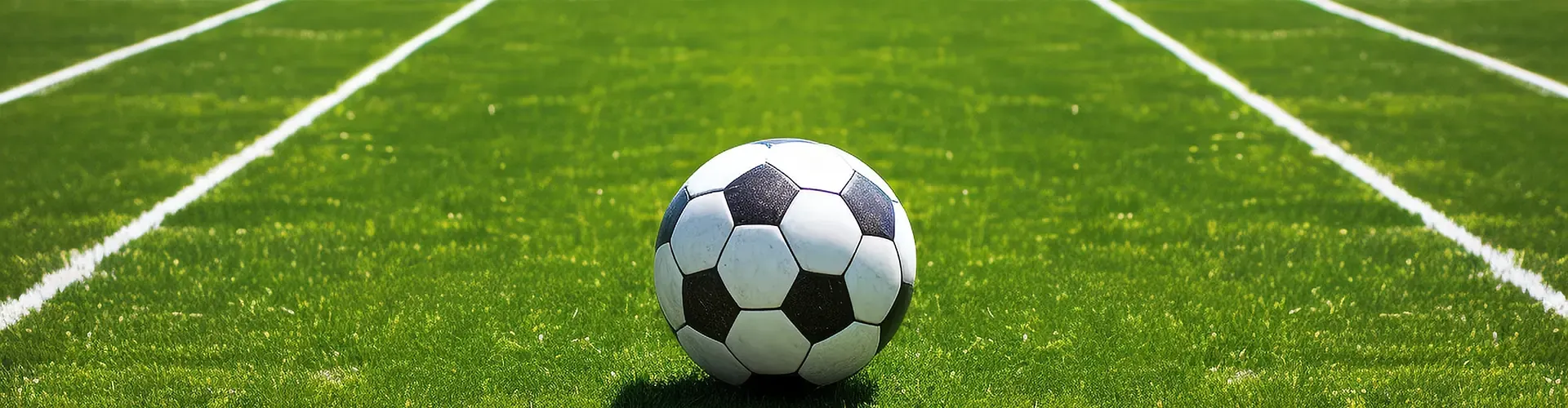
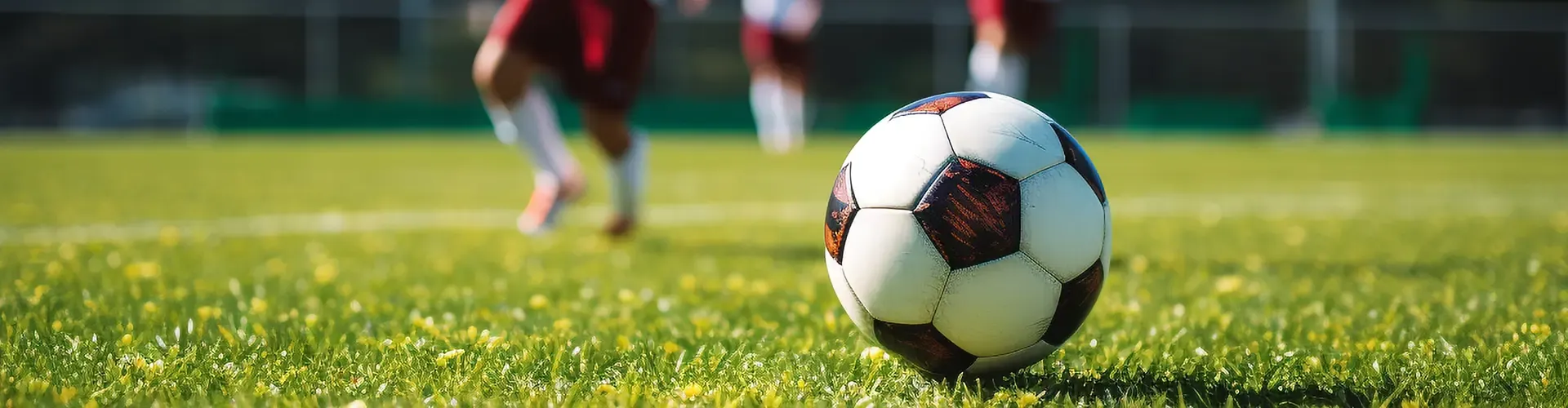
Play Ground Grass: Solutions for Safe, Sustainable Play Spaces
Dec . 10, 2025 11:22 Back to list
Play Ground Grass: Solutions for Safe, Sustainable Play Spaces
Understanding Play Ground Grass: The Growing Importance of Synthetic Turf
Play ground grass — you’ve probably walked on it, whether real or artificial — is more than just a surface for kids to run around on. Globally, it's a crucial element in urban planning, sports field maintenance, and even ecological management. Given rapid urbanization (the UN reports that by 2050, nearly 70% of the world’s population will live in cities), green spaces like playgrounds are shrinking. Play ground grass solutions offer a way to preserve safe, durable recreational areas without the constant water use and upkeep of natural grass.
Why the World Needs Reliable Play Ground Grass
According to the United Nations’ Sustainable Development Goals, access to safe public spaces promotes well-being and supports social cohesion. Play ground grass plays a big role here. Natural turf struggles to survive under heavy foot traffic, especially in drought-prone or heavily urbanized regions. Synthetic or hybrid grass systems solve this, providing consistent safety, low maintenance, and environmental benefits like water conservation.
But this is more than just about aesthetics or sports — it’s about human dignity and sustainability. Playgrounds are where children develop physical skills and social bonds, so the surface really matters.
Mini takeaway: Play ground grass isn’t just green padding; it underpins urban health and social well-being worldwide.
What Is Play Ground Grass?
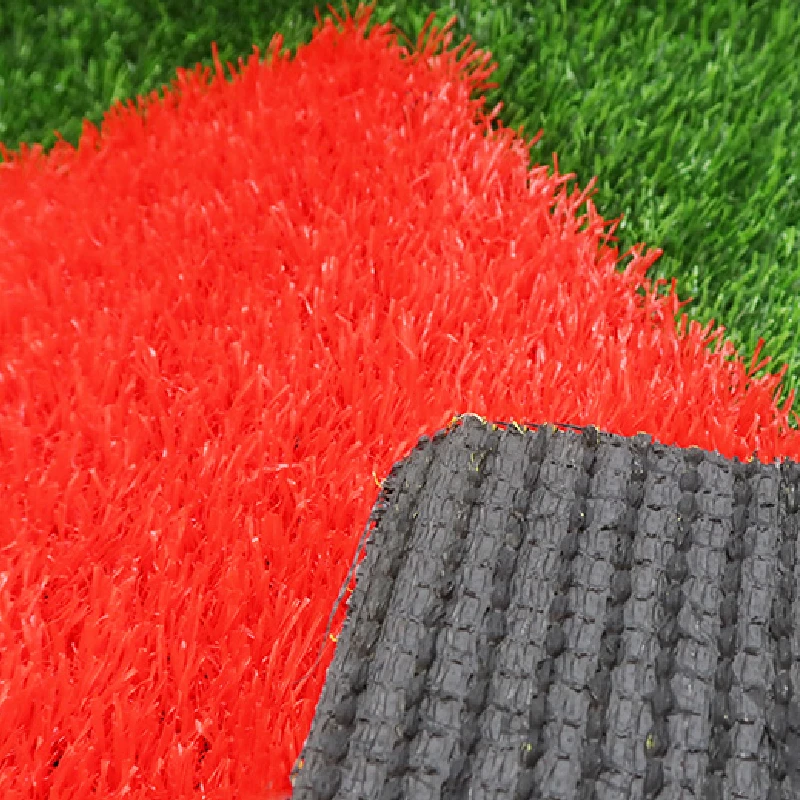
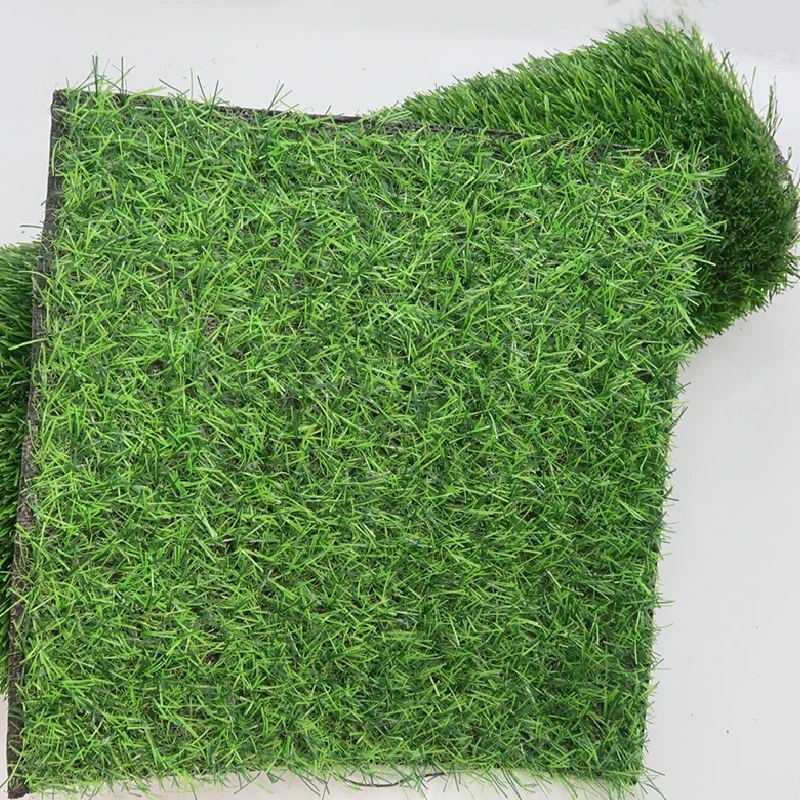
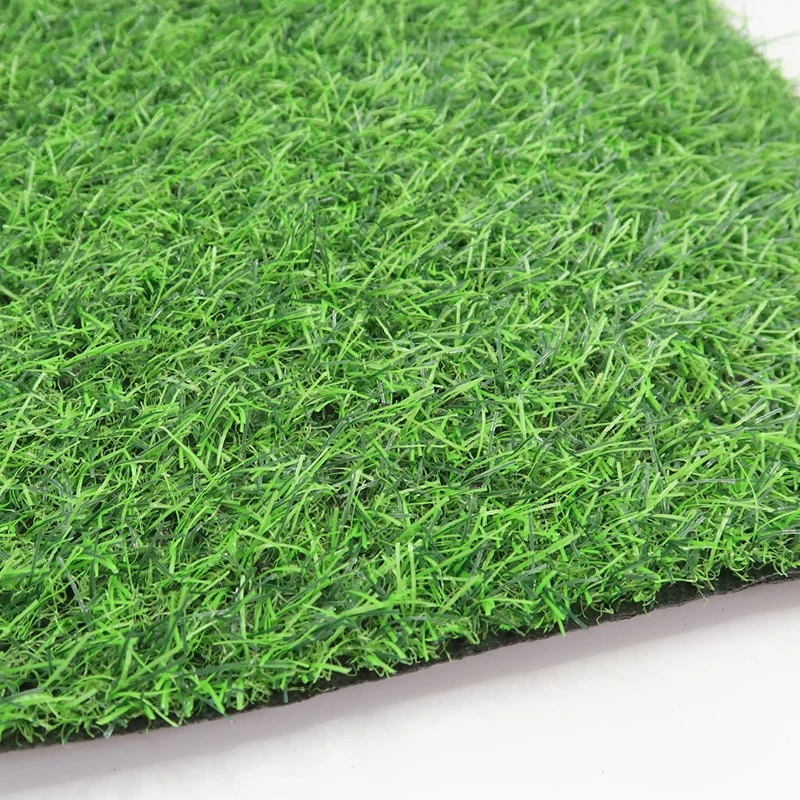
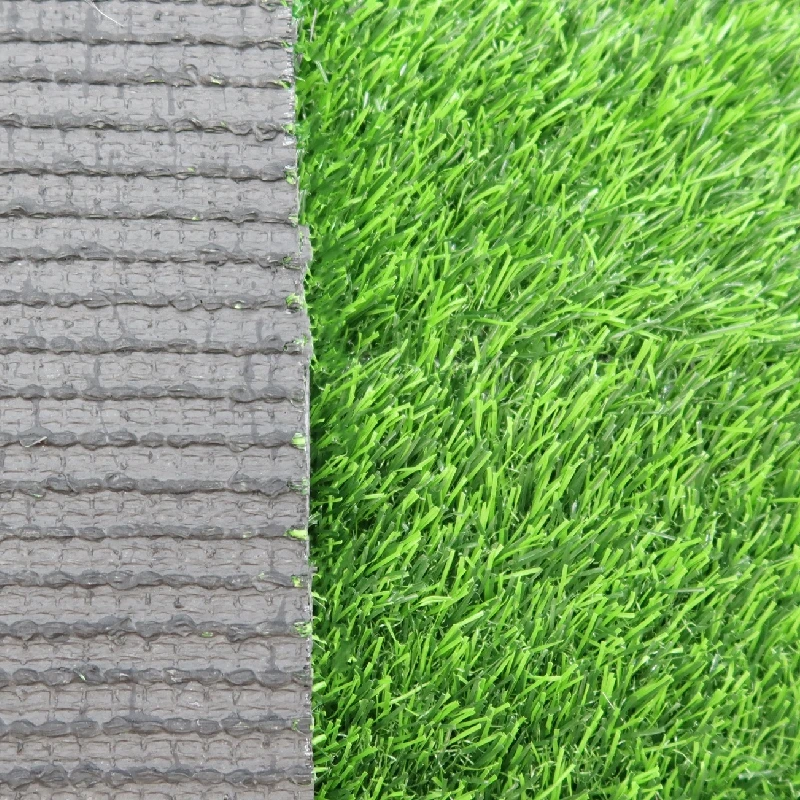
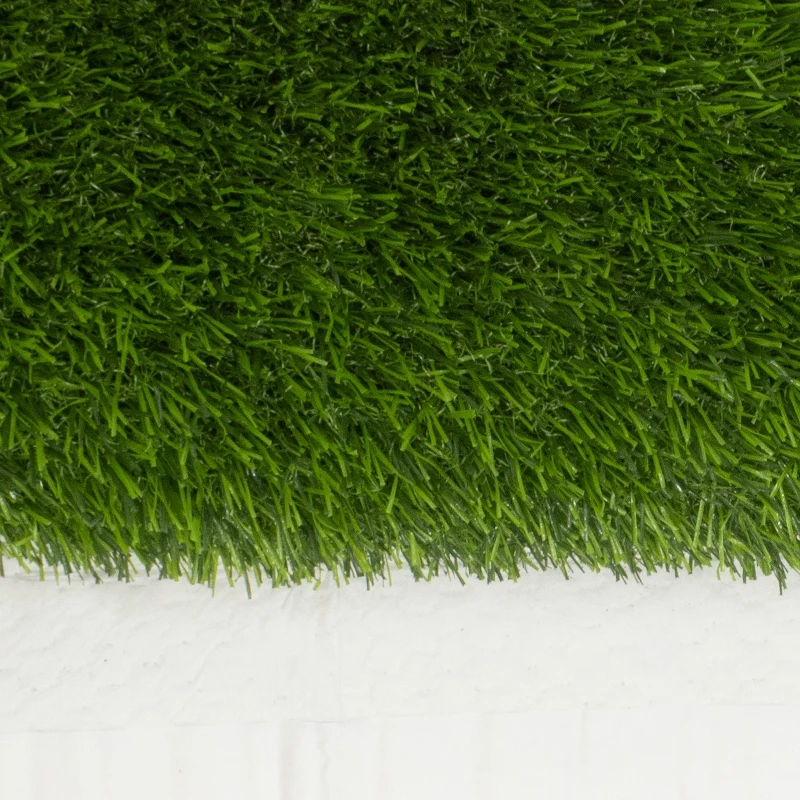
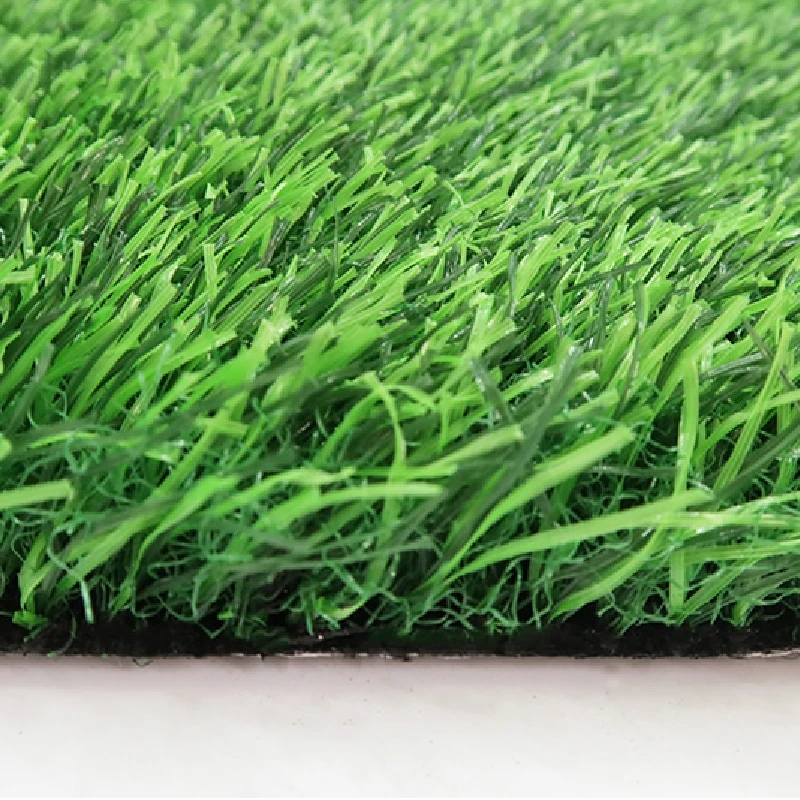
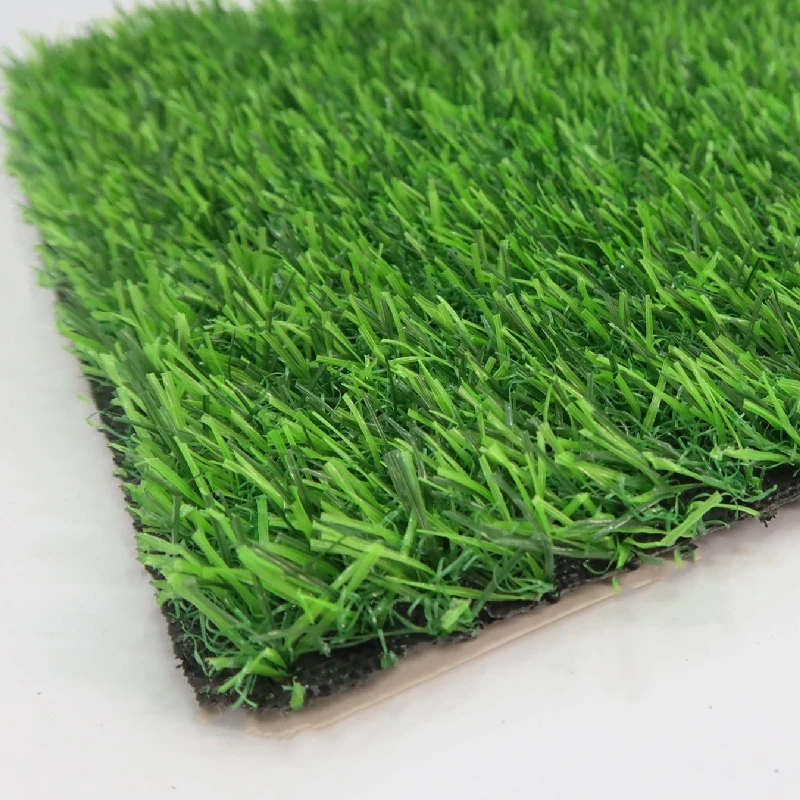
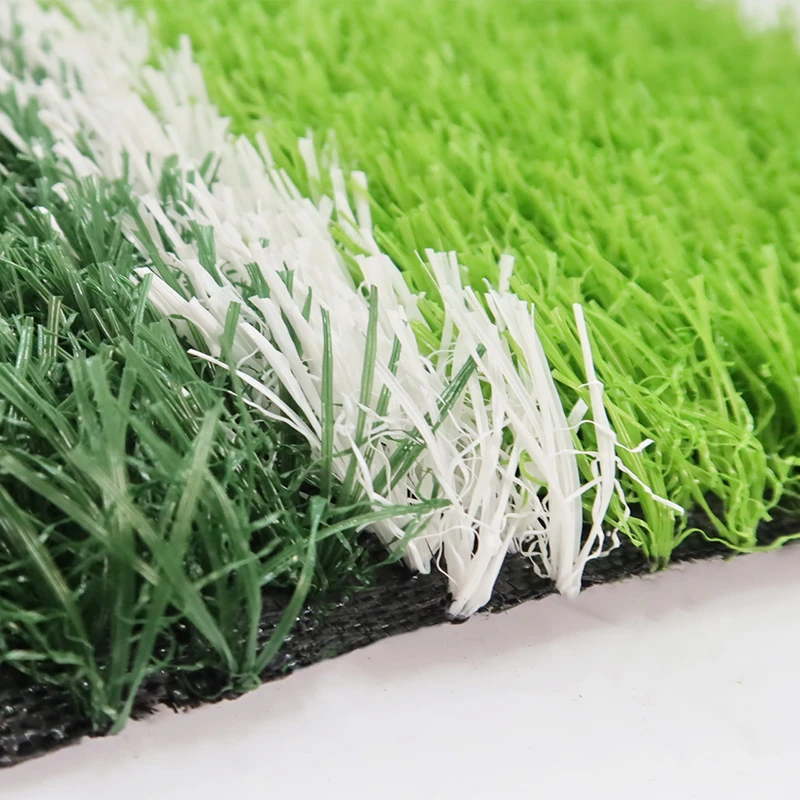
Simply put, “play ground grass” refers to any grass surface used in children's playgrounds and recreational areas. This can be natural grass, but increasingly it means artificial turf solutions specially engineered for safety and durability. Modern play ground grass involves technical design—fiber type, infill materials, drainage, and shock-absorbency metrics all matter.
In industry terms, it intersects landscape architecture, sports engineering, and environmental science. NGOs, schools, city planners, and sports facilities all work with variants of play ground grass to meet different needs.
Key Factors to Consider in Play Ground Grass
1. Durability
The playground bears thousands of jumps, falls, and scrapes every day. The grass surface must withstand wear and tear without turning into a muddy or uneven mess. Synthetic turf offers consistent durability, resisting UV degradation and heavy foot traffic better than natural grass.
2. Safety and Shock Absorption
Kids fall. That’s a given. So, playground surfaces have strict safety standards, like those set by the Consumer Product Safety Commission (CPSC). Play ground grass systems often include padding or specific infill to reduce injury risk.
3. Maintenance & Water Usage
Natural grass needs watering, mowing, and fertilizers—often challenging in drought zones or urban centers. Artificial grass significantly cuts down water usage, aligning with ISO standards on sustainable water management.
4. Environmental Impact
While synthetic turf reduces water use, the materials often come from plastics. Innovations focus on recyclable fibers and eco-friendly infills, striving to balance environmental impact versus benefits.
5. Installation & Cost Efficiency
Installation varies from quick-rolling mats to fully integrated systems with drainage layers. Though upfront costs are higher for artificial options, long-term maintenance savings and year-round usability balance the scales.
| Specification | Natural Grass | Artificial Turf |
|---|---|---|
| Water Usage | High (weekly irrigation) | Minimal (occasional rinsing) |
| Maintenance | Weekly mowing & fertilizing | Periodic brushing & cleaning |
| Lifespan | 3–5 years (depending on climate) | 8–12 years |
| Shock Absorption | Variable, often poor when wet | Designed to meet ASTM safety standards |
Real-World Applications of Play Ground Grass
In Europe, schools often prefer hybrid systems combining natural and synthetic fibers to balance eco-friendliness and durability. In the U.S., synthetic turf dominates sports complexes and community playgrounds where usage is heavy year-round.
Disaster relief and refugee camps have also adopted modular artificial grass mats as part of child-friendly spaces, aiding psychological well-being and physical safety in harsh environments. For example, in temporary shelters following natural disasters, play ground grass prevents muddy, unsafe conditions and creates a sense of normalcy.
Industrial zones with remote operations use specialized synthetic turf playgrounds in employee family zones, ensuring that workers' children have safe places to play despite harsh site conditions.
Mini takeaway: Play ground grass is versatile—from city parks to remote crisis zones—helping communities maintain safe, sustainable play spaces.
Advantages and Long-Term Value of Play Ground Grass
- Cost Savings Over Time: Reduced water bills, lower maintenance labor, and longer lifespan reduce total cost of ownership.
- Environmental Benefits: Conservation of scarce water and reduction of chemical fertilizer runoff helps sustainability goals.
- Enhanced Safety: Engineered shock absorption reduces injury risks, easing parental and institutional concerns.
- Social Value: Playgrounds promote childhood development, community connection, and well-being. Reliable surfaces keep these benefits accessible year-round.
Emerging Trends & Innovations in Play Ground Grass
Oddly enough, one of the fastest-growing areas is “smart turf” — embedded sensors that monitor usage, wear, and even weather conditions to optimize maintenance. Others focus on biodegradable infills made from cork or coconut shells, replacing traditional crumb rubber. Green energy sourced manufacturing plants also reduce the carbon footprint of artificial turf production.
Digital design tools allow tailored playground surfaces adapted to local climates and use cases. Some manufacturers explore modular systems for rapid installation or relocation to suit evolving urban landscapes.
Challenges and How They’re Being Addressed
Concerns about microplastic pollution from synthetic turf are real and well-documented. Manufacturers and researchers are actively developing closed-loop recycling programs and exploring natural fiber alternatives. Also, issues around heat retention in artificial grass can make playgrounds uncomfortable in hot climates, so innovations include cooling infills or hybrid surfaces.
In terms of cost, some schools or NGOs struggle with upfront investments. Leasing programs or government grants help bridge the gap.
| Vendor | Material Type | Eco Solutions | Warranty | Price Range |
|---|---|---|---|---|
| Hoya Synthetic Turf Co. | Polyethylene fibers | Recyclable infill, low VOC | 12 years | $$$ |
| EcoTurf Solutions | Hybrid with coconut infill | Biodegradable infill | 8 years | $$ |
| PlaySafe Group | Nylon fibers | Recycling program included | 10 years | $$$ |
Frequently Asked Questions About Play Ground Grass
Q1: How long does artificial play ground grass usually last?
A1: Most well-maintained artificial playground turfs last between 8 and 12 years, depending on foot traffic, weather exposure, and the quality of installation. Regular cleaning and infill topping can extend life expectancy.
Q2: Is synthetic turf safe for children with allergies?
A2: Yes. Unlike natural grass, synthetic turf does not produce pollen. However, some children may react to certain infill materials or latex components, so it’s advisable to check product specs for hypoallergenic certifications.
Q3: Can play ground grass be installed on uneven or sloped areas?
A3: Generally yes, but it requires proper groundwork and drainage preparation. Many vendors offer customized solutions to manage slopes and ensure safety.
Q4: How does artificial play ground grass perform in extreme weather?
A4: High-quality synthetic turfs resist UV damage, heavy rain, and freezing temperatures well. Still, extremely hot climates may necessitate cooling infills to reduce surface heat.
Mini takeaway: Choosing the right play ground grass involves understanding lifespan, safety, allergy concerns, and site conditions.
Conclusion
Play ground grass is more than just a green surface. It embodies today's challenges and innovations in urban design, safety, and sustainability. Whether natural, synthetic, or hybrid, selecting the right solution ensures kids have a fun, safe place to play—something we all should care about.
Your next step? Explore reliable, eco-conscious options at https://www.hoyarngrass.com and help transform your playground into a safe green haven.
Quick Reflection: The evolving tech and increasing emphasis on sustainability are reshaping how playgrounds are built and cared for globally. It feels like we're just scratching the surface of what's possible here.
References
Latest news
-
Creating the Perfect Fake Grass Area for Dogs Complete Guide
NewsApr.16,2026
-
Guide to Using Fake Grass and Pets for a Pet Friendly Lawn
NewsApr.09,2026
-
Fake Grass and Dogs Creating a Pet Friendly and Durable Yard
NewsApr.07,2026
-
Maintaining a Pristine Lawn with Fake Grass and Dog Wee Management Solutions
NewsApr.04,2026
-
The Ultimate Guide to Choosing the Perfect Fake Dog Grass Patch for Your Pet
NewsMar.31,2026
-
Discover the Benefits of High Quality Fake Dog Grass for Potty Training
NewsMar.28,2026
Products categories