Welcome to Hoyarn
Call Us Any Time:+86 19801805999
Email Us: info@hoyarn.cn
Understanding Synthetic Putting Green Cost: Factors, Benefits, and Trends
Dec . 02, 2025 14:05 Back to list
Understanding Synthetic Putting Green Cost: Factors, Benefits, and Trends
Understanding Synthetic Putting Green Cost: Why It Matters and What Drives It
Synthetic putting greens have steadily transformed how golf enthusiasts and commercial venues approach landscaping their greens. But talk about synthetic putting green cost often trips up novices and even some industry insiders. Why? Because it’s not just about buying fake grass. It’s a mix of materials, installation, maintenance benefits, and long-term value. Grasping these elements is more than curiosity—it’s a smart move for homeowners, golf course managers, and developers who want to balance quality and budget effectively.
Globally, the green industry is evolving fast. The demand for low-maintenance, sustainable sports surfaces is surging in the US, Europe, and Asia. According to the International Federation of Sports Turf Associations (IFSTA), the synthetic turf market is expected to grow significantly—partly driven by rising water conservation needs and urban landscaping trends. Understanding the cost dynamics of synthetic putting greens helps businesses and hobbyists alike navigate choices with confidence.
Definition & Meaning of Synthetic Putting Green Cost
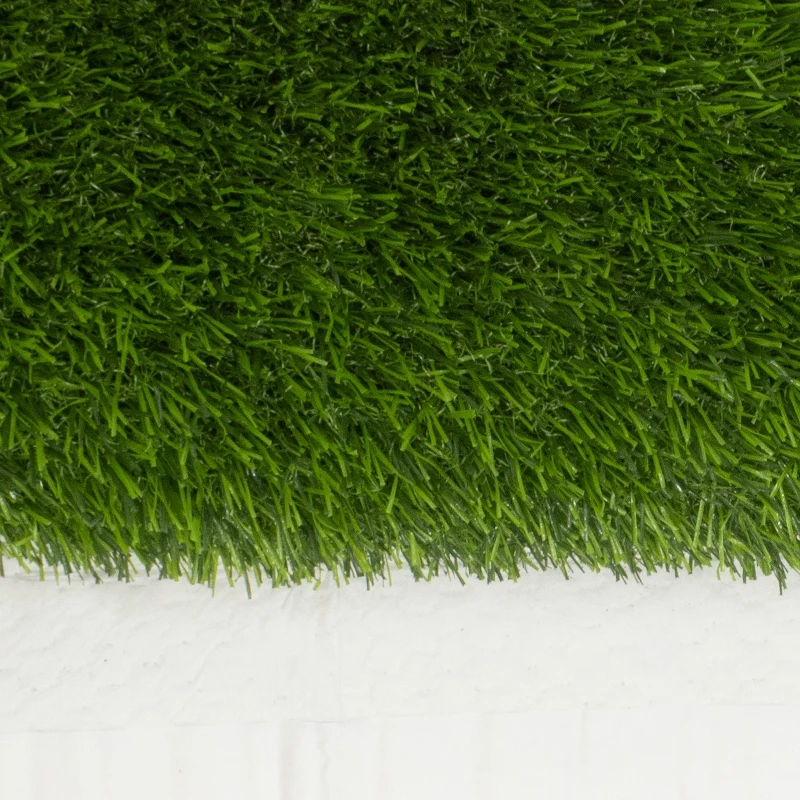
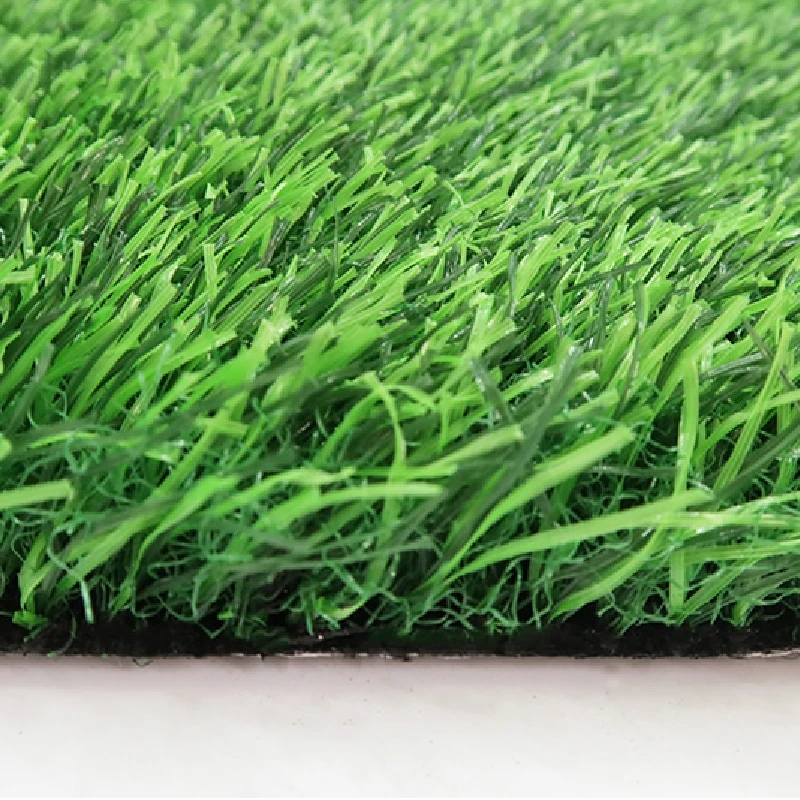
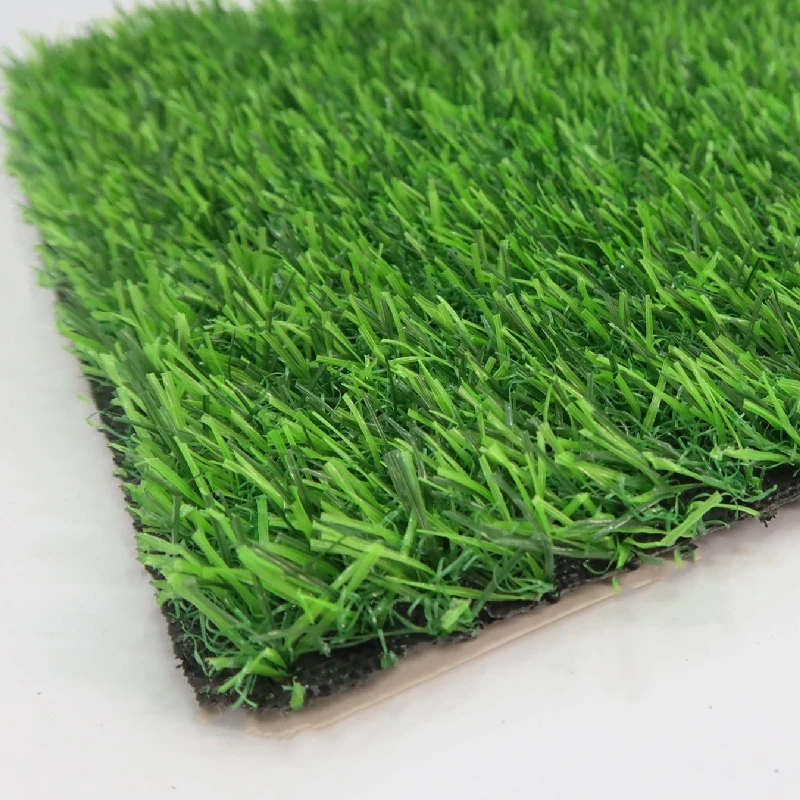
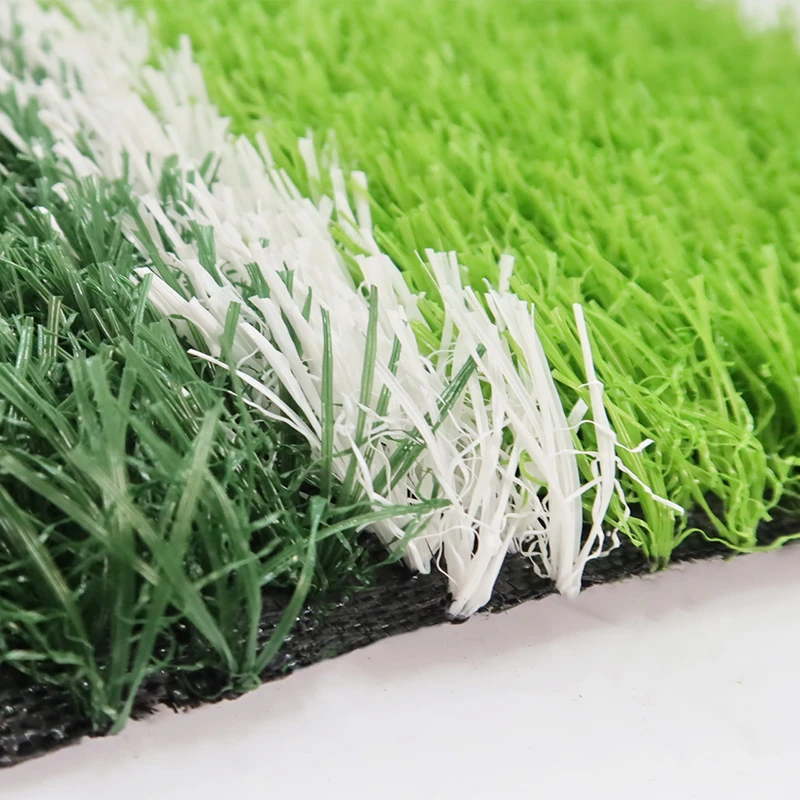
Simply put, synthetic putting green cost encompasses all expenses involved in acquiring and installing artificial turf designed specifically for putting greens. This includes the turf material itself, base preparations, infill types, labor, and any additional features like drainage or edging. It directly influences decisions in landscaping, real estate value, and even environmental sustainability. The costs tie closely to industry trends aiming to reduce water use and maintenance burdens while delivering a consistently smooth and playable surface.
Key Factors Determining Synthetic Putting Green Cost
1. Turf Material Quality
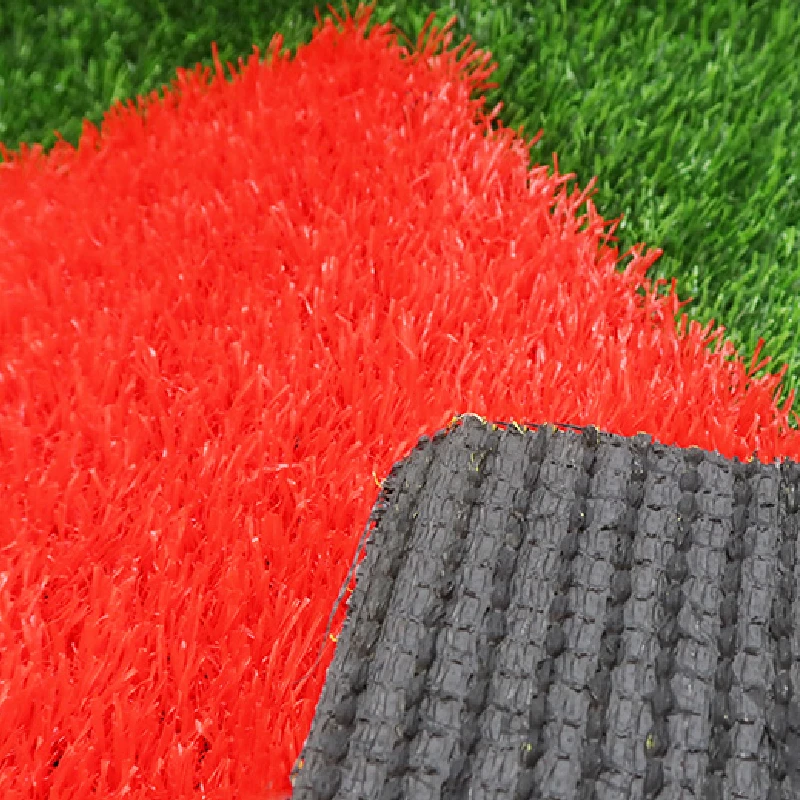
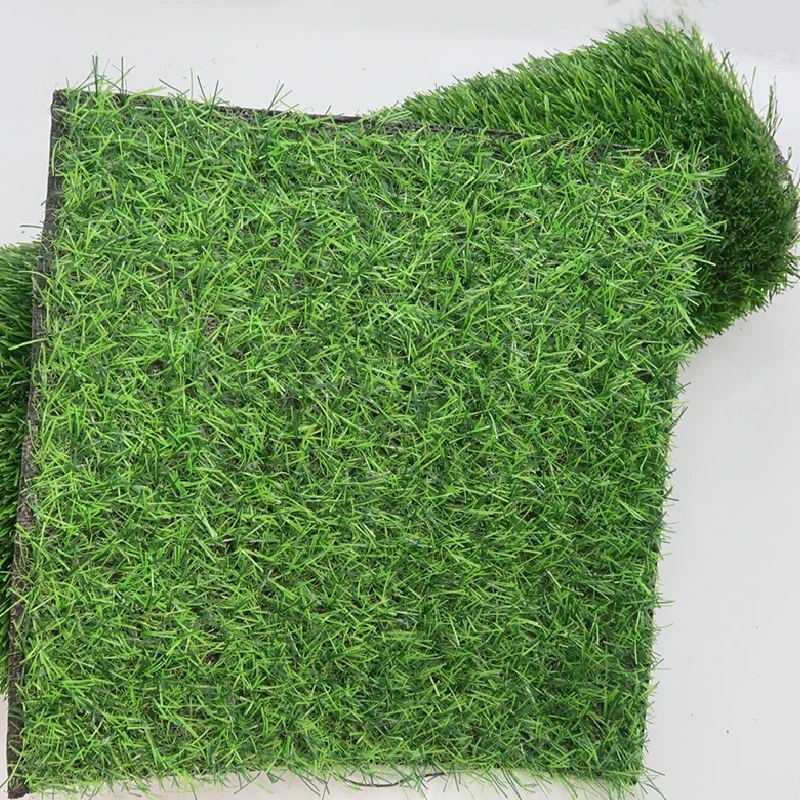
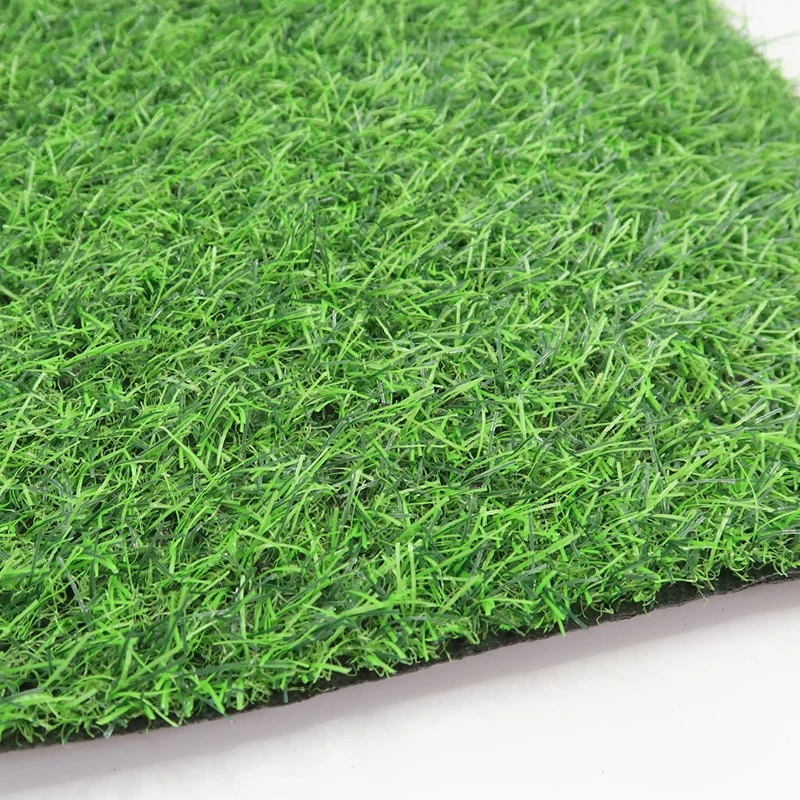
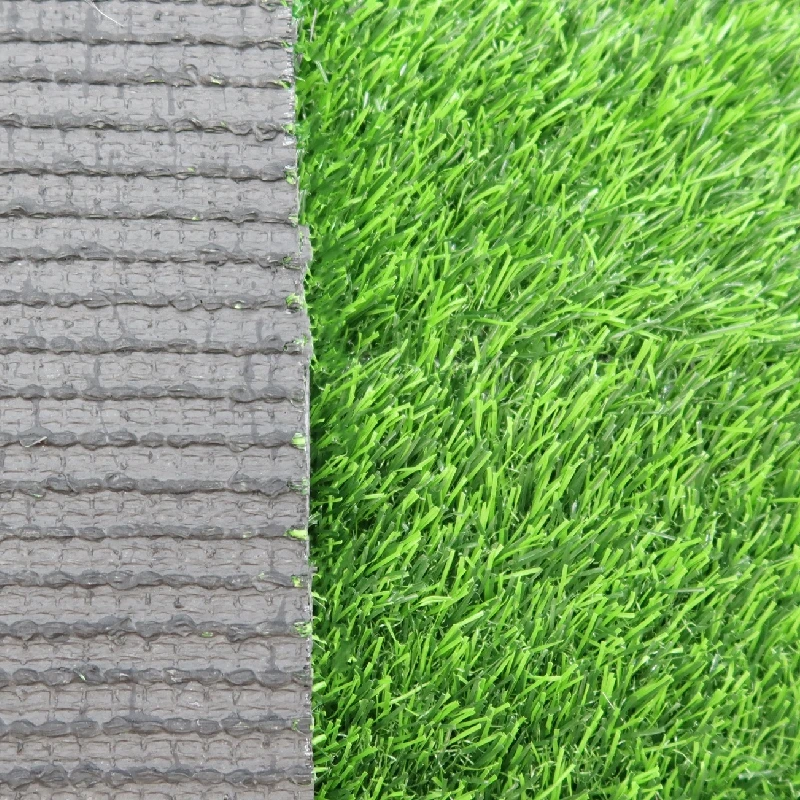
The kind of polymer fibers, density, and backing materials play a big role in price. Premium polyethylene turf with UV protection and thatch layers costs more but lasts longer and offers a more authentic feel.
2. Installation Complexity
Site grading, drainage, and base materials like crushed rock or decomposed granite impact labor and equipment needs. Flat, accessible spaces cost less compared to challenging terrains.
3. Infill Type and Amount
Infill materials like silica sand, rubber granules, or organic options influence both performance and budget. High-quality infill smooths ball roll and supports turf blades but adds to upfront and replacement costs.
4. Size and Custom Design Elements
Larger greens naturally scale up costs. Custom slopes, contours, and additional hazards increase labor and material expenses as installers spend more time on precision work.
5. Maintenance Requirements
Oddly enough, a higher initial synthetic putting green cost can bring maintenance savings with no watering or mowing, which has a ripple effect on long-term budgets.
Mini takeaway:
- The synthetic turf type and installation intricacy are the main cost drivers.
- Thinking beyond upfront price to maintenance and lifespan pays dividends.
Product Specification Table
| Specification | Standard Range | Premium Option |
|---|---|---|
| Turf Fiber Material | Polyethylene | Polyethylene + Nylon blend |
| Pile Height | 12-14mm | 15-18mm |
| Backing Type | Latex bonded | Urethane coated with perforation |
| Infill Material | Silica sand | Silica sand + organic crumb rubber |
| Expected Lifespan | 8-12 years | 12-15 years |
Global Applications & Use Cases
Across North America, synthetic putting greens pop up in backyards, hotels, golf training facilities, and even corporate campuses. They offer a year-round playing surface, particularly in regions where water scarcity or freezing winters make natural grass tough to maintain.
In arid zones—think the US Southwest or parts of Australia—fake greens drastically reduce irrigation needs, directly linking to water conservation efforts endorsed by environmental groups and municipalities.
Oddly enough, synthetic turfs also feature in rehabilitation centers and schools, where smooth, safe surfaces help with physical therapy and children’s recreation regardless of weather conditions. Additionally, some golf resorts in Europe and Asia invest heavily because it guarantees pristine putting conditions, attracting international players all year.
Advantages & Long-Term Value
- Cost savings: Though initial synthetic putting green cost can be steep, the lack of mowing, watering, fertilizing, and pesticide use brings real savings over time.
- Sustainability: Reducing water consumption and chemical runoff supports environmental stewardship—good for CSR and community image.
- Reliability: Synthetic turf doesn’t brown or die, ensuring consistent playability which builds trust among golfers.
- Emotional perks: You enjoy the dignity of a beautiful green space with less hassle and risk of injury from uneven turf.
Mini takeaway:
High upfront cost often masks significant long-term operational savings and environmental benefits, making synthetic solutions compelling over natural grass in many settings.
Future Trends & Innovations
The synthetic turf industry is beginning to embrace greener materials like bio-based polymers and recycled backing—a promising direction for reducing environmental footprints. Manufacturers also explore integrating smart sensors to monitor turf wear and moisture, helping maintenance teams optimize care remotely.
Automation figures into this future too—not just drones inspecting, but advanced installation robotics which could cut labor costs. Then there’s a rising push to certify synthetic putting greens under international sustainability standards like ISO 14001, making cost assessments more transparent and globally comparable.
Challenges & Solutions
Still, challenges remain. Installation costs can deter smaller customers, and improper installation risks water pooling or reduced turf lifespan. Many engineers stress the importance of professional site evaluation and quality base materials to avoid these pitfalls. At the same time, some consumers worry about microplastic runoff; thus, eco-friendlier infill options are gaining momentum.
Vendor Comparison Table
| Vendor | Starting Cost per Sq Ft | Warranty | Special Features |
|---|---|---|---|
| Hoyarn Grass | $8.50 | 10 years | Eco-friendly infill, UV resistant |
| GreenTurf Solutions | $7.80 | 8 years | Custom slope design, quick install |
| Synthetic Greens Co. | $9.20 | 12 years | Smart sensors integration, recycled materials |
FAQ: Frequently Asked Questions About Synthetic Putting Green Cost
- What factors most influence synthetic putting green cost?
- Material quality, installation complexity, infill type, and design customization are the primary cost drivers. Site prep and drainage needs can add significantly to labor costs.
- Is synthetic turf more cost-effective than natural grass in the long run?
- Generally yes. Despite higher upfront costs, savings on watering, mowing, and chemicals can offset initial investments within a few years, especially in drought-prone areas.
- How long does a synthetic putting green typically last?
- Most quality synthetic putting greens last 8 to 15 years depending on usage, climate, and maintenance. Premium turf and proper installation extend longevity.
- Can synthetic putting greens be recycled or eco-friendly?
- Increasingly so. Some manufacturers use recyclable backing materials and bio-based polymers, while eco-friendly infills reduce environmental impact.
- Should I hire a professional for installation?
- Absolutely. Proper installation is critical for drainage, smoothness, and durability. DIY options often risk problems and void warranties.
Conclusion
In real terms, while the synthetic putting green cost might seem intimidating at first glance, the long-term advantages—ranging from monetary savings to sustainability and reliability—speak volumes. For anyone contemplating a turf upgrade, it’s worth weighing these factors carefully. To explore affordable, high-quality options, be sure to visit our website: Hoyarn Grass.
Even if you’re not a pro golfer, backyards and business landscapes alike gain from this innovation—making that green as close to perfect as can be.
Quick take: Don't underestimate the hidden savings and environmental wins that make synthetic putting greens smart investments over time.
Latest news
-
Creating the Perfect Fake Grass Area for Dogs Complete Guide
NewsApr.16,2026
-
Guide to Using Fake Grass and Pets for a Pet Friendly Lawn
NewsApr.09,2026
-
Fake Grass and Dogs Creating a Pet Friendly and Durable Yard
NewsApr.07,2026
-
Maintaining a Pristine Lawn with Fake Grass and Dog Wee Management Solutions
NewsApr.04,2026
-
The Ultimate Guide to Choosing the Perfect Fake Dog Grass Patch for Your Pet
NewsMar.31,2026
-
Discover the Benefits of High Quality Fake Dog Grass for Potty Training
NewsMar.28,2026
Products categories