Welcome to Hoyarn
Call Us Any Time:+86 19801805999
Email Us: info@hoyarn.cn
Synthetic Turf Cost Explained: Factors, Benefits, and Global Trends
Dec . 02, 2025 14:34 Back to list
Synthetic Turf Cost Explained: Factors, Benefits, and Global Trends
Synthetic Turf Cost: Understanding a Key Player in Sustainable Surfaces
When we talk about synthetic turf cost, we’re really digging into a topic that blends economics, sustainability, and technology. It’s more than just the price tag of fake grass — it reflects decades of engineering, environmental trade-offs, and global demand. Whether you’re a facility manager deciding on a sports field, a city planner aiming to cut water waste, or just curious about modern landscaping trends, understanding the real factors behind synthetic turf cost helps you make smarter, greener choices.
Why the Synthetic Turf Cost Matters Globally
Globally, the push for sustainable land use and water conservation is intense. The United Nations consistently highlights water scarcity as a looming crisis—affecting more than 40% of the world’s population (UN Water, 2023). Synthetic turf is often touted as a practical solution to reduce water consumption and maintenance expenses for large green spaces. Yet, the upfront and maintenance costs vary widely depending on materials, installation complexity, and geographic factors. So, understanding synthetic turf cost is crucial for governments and private sectors aiming for cost-effective, environmental gains.
To put it into perspective, the global synthetic turf market was valued at about $3.5 billion in 2022 and is expected to grow steadily as urbanization and sports infrastructure expand (Industry Reports, 2023). However, without clear insight into costs, stakeholders risk overinvesting or choosing subpar solutions.
What Does Synthetic Turf Cost Actually Mean?
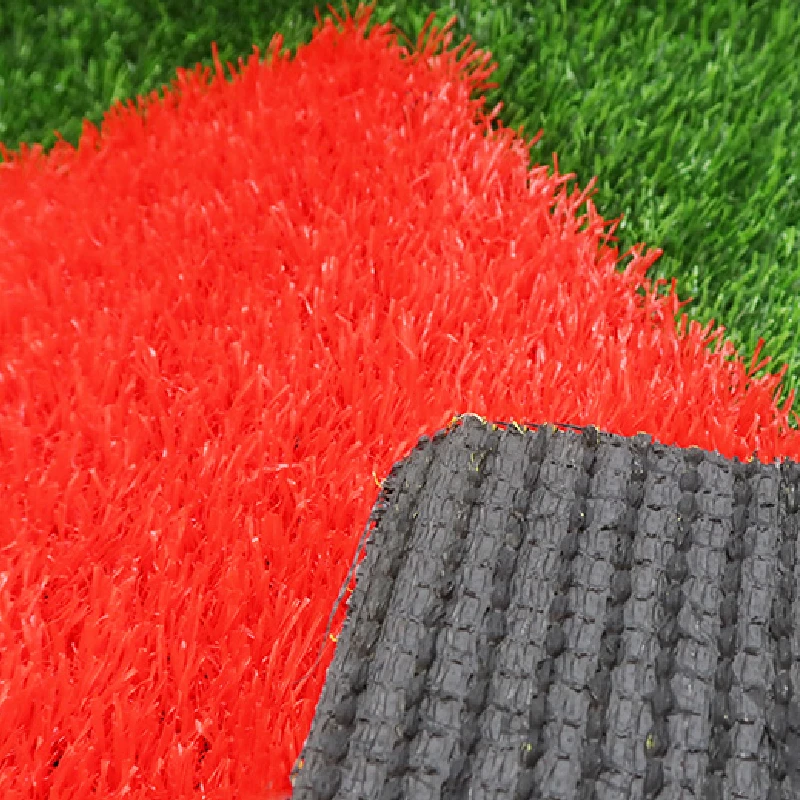
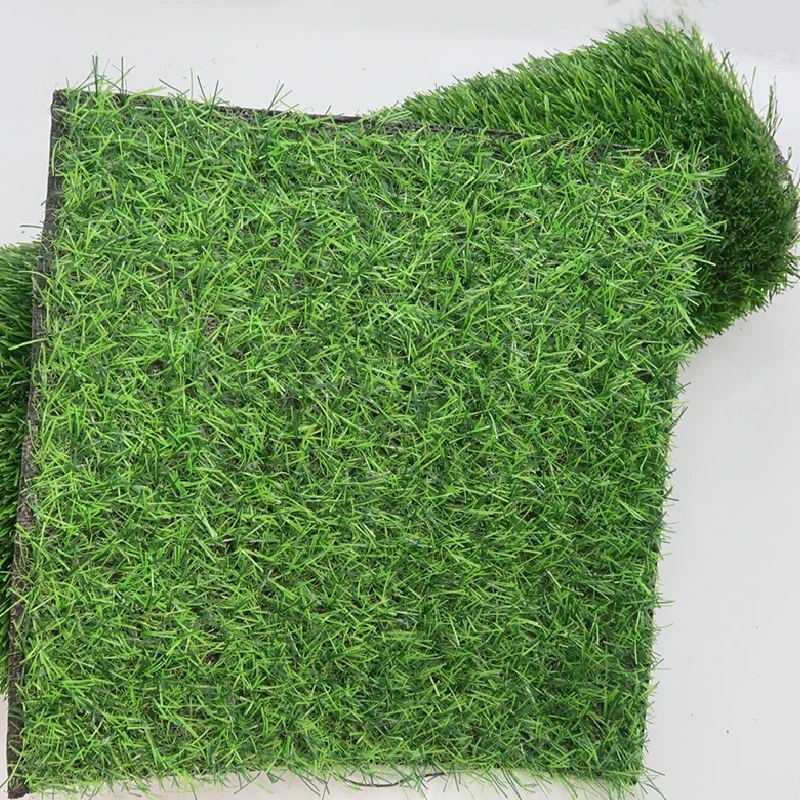
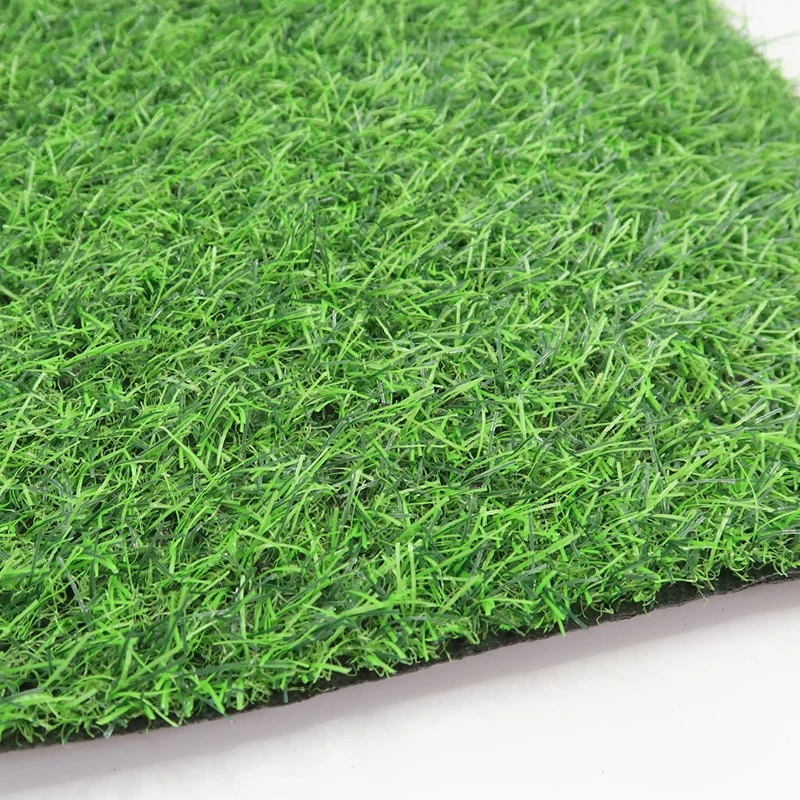
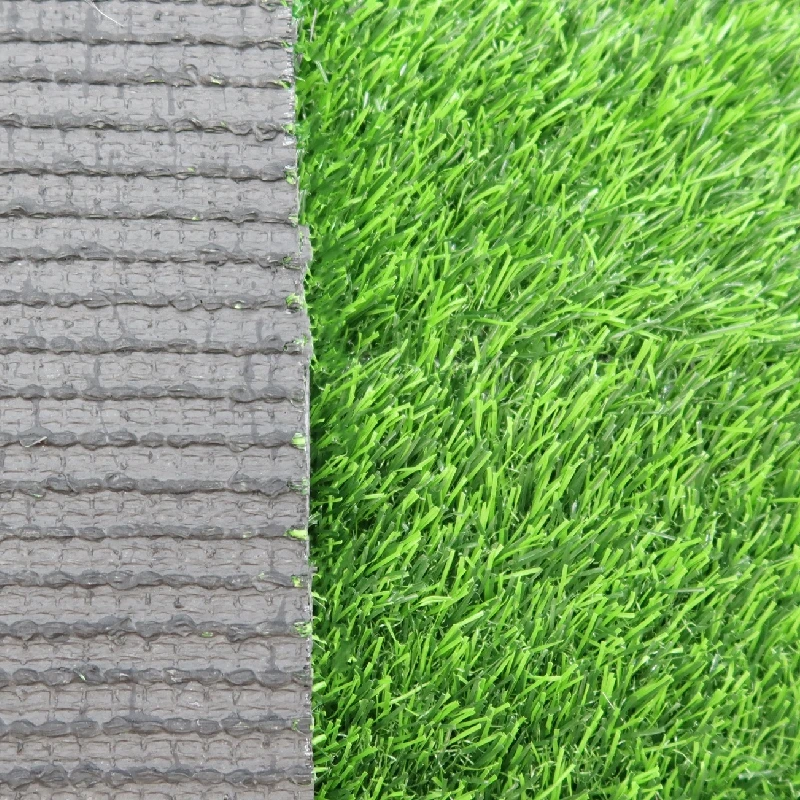
Simply put, synthetic turf cost includes all expenses related to the purchase, installation, and upkeep of artificial grass systems. From raw materials like polyethylene fibers to infill substrates such as rubber crumb or sand, every component influences the final price.
Its connection to modern industry goes beyond landscaping: synthetic turf links to sports venues, disaster relief housing playgrounds, even industrial zones where real lawns are impractical. Hence, cost evaluation must consider durability, longevity, and operational savings over a turf’s lifecycle.
Key Factors Influencing Synthetic Turf Cost
1. Material Quality and Type
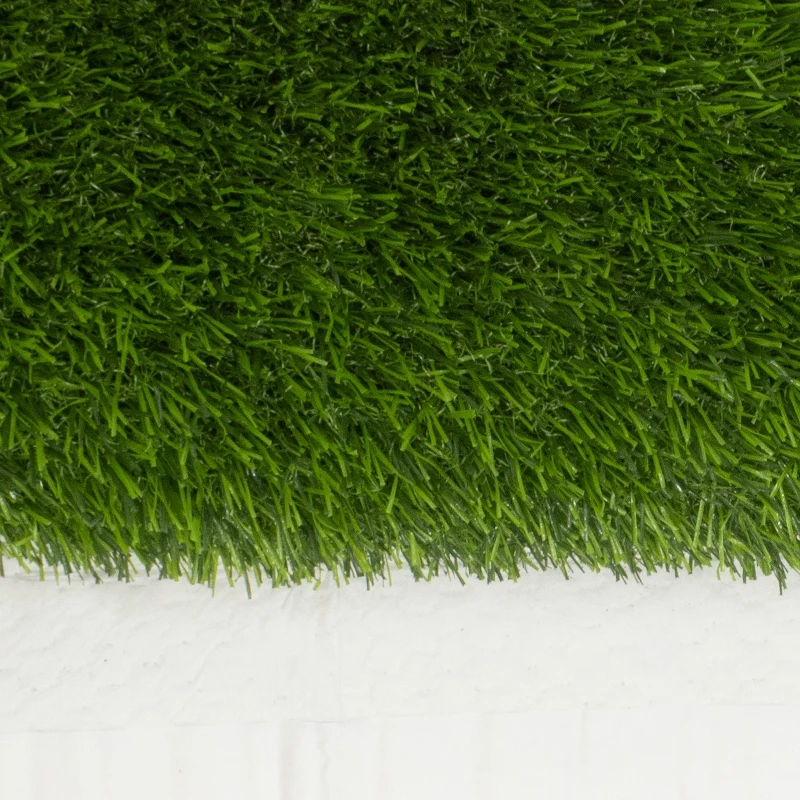
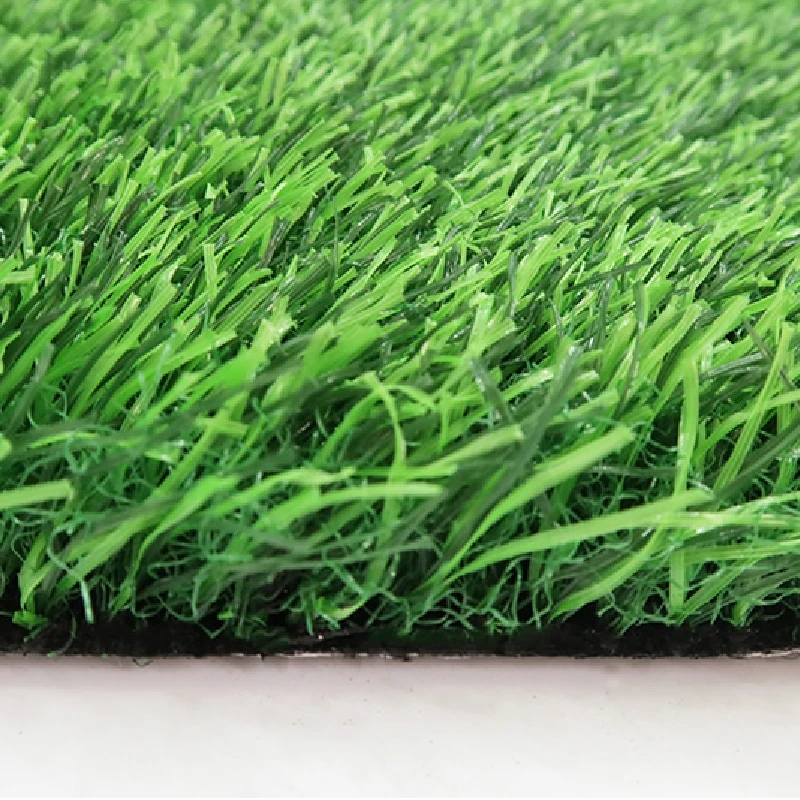
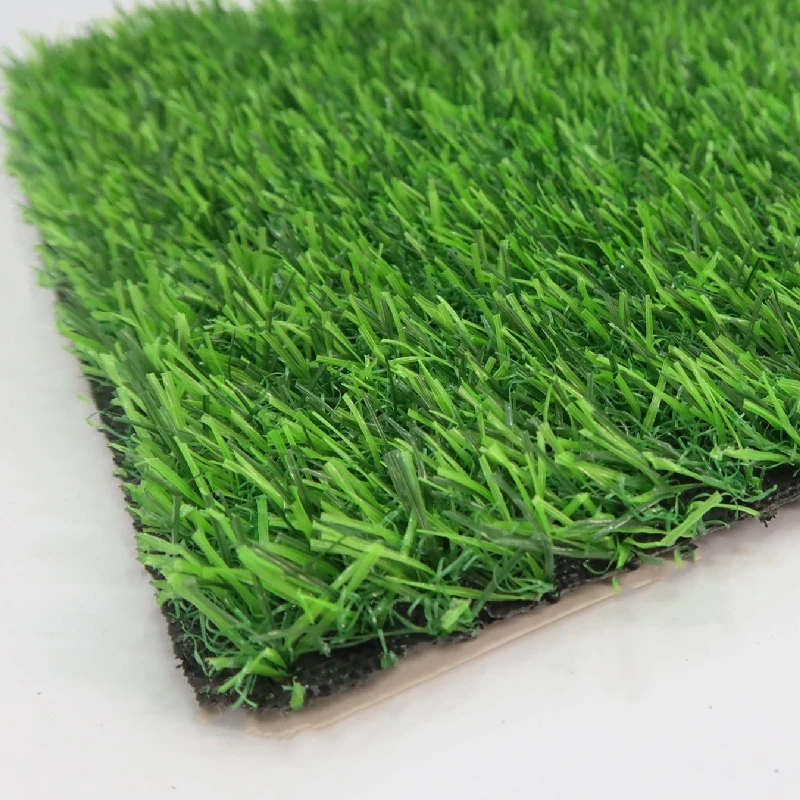
The synthetic fibers can be nylon, polyethylene, or polypropylene. Nylon tends to be more expensive but offers higher durability; polyethylene is common and balances cost and performance; polypropylene is cheaper but less durable. The infill choice—rubber, sand, organic matter—also shifts cost and maintenance needs.
2. Installation Complexity
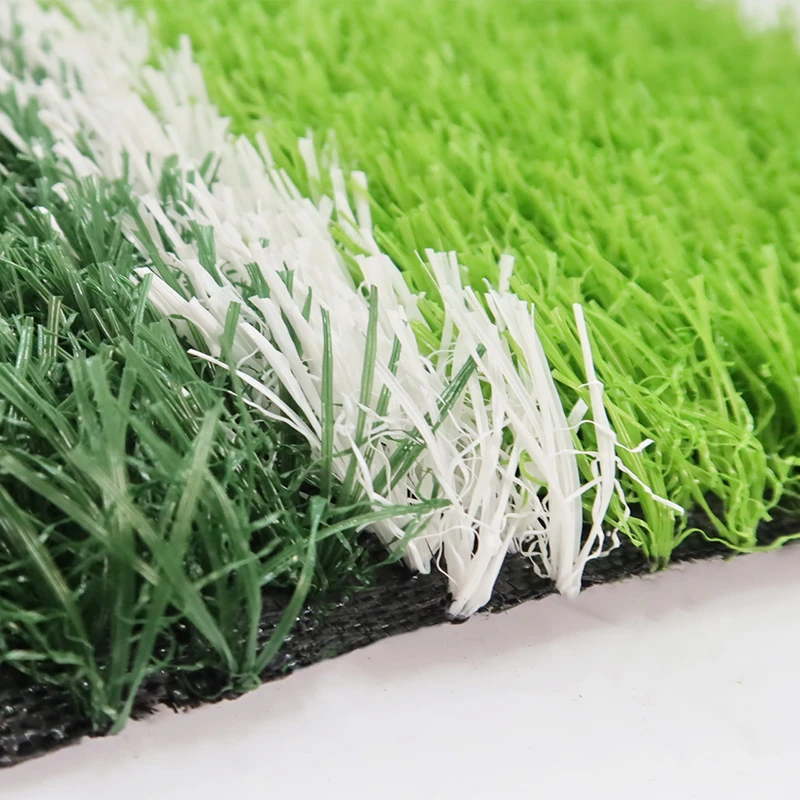
Is the surface flat or uneven? Are drainage and ground prep needed? Installation labor can sometimes equal or exceed material costs. For example, stadium-grade turf installation can be quite intricate, requiring expert crews.
3. Durability and Lifecycle
Cheaper turf might save money upfront but often lasts 5–7 years, while premium systems push beyond a decade with minimal repairs. When you factor in replacement frequency, the cost picture changes considerably.
4. Maintenance Requirements
Unlike natural grass, synthetic turf avoids mowing and watering but needs regular brushing, infill replenishment, and occasional sanitizing. Some systems require special cleaners, affecting ongoing expenses.
5. Environmental Impact and Sustainability
Eco-conscious clients often seek recyclable turf or options made from recycled materials. These variants sometimes cost more, but yield long-term benefits.
Product Specification Snapshot
| Spec | Basic Turf | Premium Turf |
|---|---|---|
| Fiber Material | Polyethylene | Nylon + Polyethylene blend |
| Pile Height | 20 mm | 40 mm |
| Infill Type | Sand | Rubber crumb + organic mix |
| Warranty | 5 years | 10+ years |
| Estimated Cost per sqft | $4 - $7 | $10 - $15 |
Mini takeaway: Quality and installation complexity largely dictate synthetic turf cost, and investing upfront can pay dividends in durability and reduced maintenance.
Global Applications and Use Cases
You’d be surprised just how widespread synthetic turf is now. For sports stadiums in the U.S., it’s a mainstay—cutting water bills and ensuring playability year-round. In drought-prone Australia and parts of the Middle East, entire parks have shifted to synthetic surfaces for environmental resilience.
In humanitarian contexts, like post-disaster relief playgrounds or community spaces, synthetic turf offers a quick, safe solution when natural lawns aren’t feasible. Remote industrial zones, such as mining camps in Chile, also adopt turf to improve comfort with minimal landscaping upkeep.
Vendor Comparison: Popular Synthetic Turf Brands
| Vendor | Average Cost ($/sqft) | Warranty | Eco-Friendly Options | Key Markets |
|---|---|---|---|---|
| GreenGrass Pro | $8 – $12 | 8 years | Yes | Sports, Residential |
| EcoTurf Industries | $10 – $15 | 10 years | 100% recyclable turf | Urban Parks, Commercial |
| PlaySafe Turf Co. | $6 – $9 | 5 years | Limited eco range | Schools & Playground |
Mini takeaway: Choosing a vendor balances cost, eco credentials, and warranty—key to long-term satisfaction.
Advantages and Long-Term Value of Synthetic Turf
- Cost Savings: Reduced water use and no fertilizer speeds ROI.
- Durability: Stands up to weather and heavy foot traffic.
- Environmental Benefits: Lower carbon footprint over time compared to maintaining natural grass.
- Enhanced Safety: Uniform surface and softer underfoot reduce injury risks in sports.
Beyond numbers, synthetic turf can elevate community pride and encourage healthy outdoor activity year-round. That mix of practical savings and emotional value is why so many decision-makers lean into it.
Future Trends & Innovations
The green tech sphere is buzzing with advances. Biodegradable infills and UV-stabilized fibers push sustainability forward. Also, automating installation with drones and robots promises cost reductions and higher precision. Digital monitoring systems track wear patterns, enabling predictive maintenance—a sort of smart turf.
Policy shifts worldwide increasingly support water-saving infrastructure, likely boosting synthetic turf adoption in public projects.
Challenges and Potential Solutions
No solution is perfect. Critics point to microplastic shedding and heat retention as concerns. Industry experts recommend choosing certified turf with special backing layers to reduce microplastics and incorporating cooling infills or shade structures to combat heat buildup.
Moreover, proper end-of-life recycling programs are emerging but still lag behind demand. Innovators in circular economy models are addressing these gaps.
FAQ: Frequently Asked Questions About Synthetic Turf Cost
- Q: What factors most influence synthetic turf installation cost?
A: Installation costs depend primarily on site preparation, labor expertise, and turf type. Complex terrain or drainage needs increase expense. Material quality plays a big role, too. - Q: Is synthetic turf more cost-effective than natural grass long term?
A: Generally yes, especially when water savings and maintenance reductions are factored in. Lifespan and warranty terms also influence overall cost-effectiveness. - Q: Can synthetic turf be used in extreme climates?
A: Modern synthetic turfs are designed for durability in wide temperature ranges, but high UV levels and heat do require specialized products with UV stabilizers and heat-reflective properties. - Q: How environmentally friendly is synthetic turf compared to real grass?
A: It reduces water use and pesticides but may have concerns related to plastics. Choosing recyclable turf and proper disposal mitigates environmental impact.
Conclusion
In real terms, understanding synthetic turf cost means recognizing the balance between upfront investment and long-term savings—and how modern synthetic turf aligns with sustainability goals. As materials and tech evolve, the value proposition grows clearer. For anyone considering synthetic turf, knowledge is power.
Ready to learn more or get a customized quote? Visit https://www.hoyarngrass.com — your partner in smart surface solutions.
Mini takeaway: Smart turf investment today yields greener, cost-efficient landscapes tomorrow.
References:
- UN Water (2023) – Water Scarcity Issues
- Wikipedia – Synthetic Turf
- ISO Standards for Artificial Turf Materials
It's fascinating how a simple surface can tell such a complex sustainability story...
Latest news
-
Creating the Perfect Fake Grass Area for Dogs Complete Guide
NewsApr.16,2026
-
Guide to Using Fake Grass and Pets for a Pet Friendly Lawn
NewsApr.09,2026
-
Fake Grass and Dogs Creating a Pet Friendly and Durable Yard
NewsApr.07,2026
-
Maintaining a Pristine Lawn with Fake Grass and Dog Wee Management Solutions
NewsApr.04,2026
-
The Ultimate Guide to Choosing the Perfect Fake Dog Grass Patch for Your Pet
NewsMar.31,2026
-
Discover the Benefits of High Quality Fake Dog Grass for Potty Training
NewsMar.28,2026
Products categories