Welcome to Hoyarn
Call Us Any Time:+86 19801805999
Email Us: info@hoyarn.cn
Turf Golf: Sustainable, Efficient, and High-Performance Golf Turf Solutions
Dec . 03, 2025 16:01 Back to list
Turf Golf: Sustainable, Efficient, and High-Performance Golf Turf Solutions
What Is Turf Golf and Why It’s Gaining Global Attention
At first glance, “turf golf” might just sound like a fancy name for putting greens at your local country club. But dive a bit deeper, and you realize this concept is tied to sustainability, advanced sports technology, and even economic impact around the world. Turf golf represents the intersection of engineered grass systems designed specifically for golf courses and multi-use outdoor recreational spaces. Its relevance extends beyond aesthetics — it addresses water conservation, maintenance costs, and environmental footprints globally. Understanding turf golf is essential for course managers, environmentalists, and amateur enthusiasts alike because it can save water, lower long-term spending, and preserve play quality.
Mini takeaway: Turf golf isn’t just about the game; it’s a global solution balancing sport with sustainable land use.
The Global Context: Why Turf Golf Matters More Than Ever
Worldwide, the golf industry accounts for over $84 billion in economic activity, with millions of jobs dependent on it (Source: World Golf Foundation). However, traditional golf courses are notorious for their water-hungry nature — consuming up to 300,000 gallons per day for a single course in arid climates. With climate change and fresh water becoming scarcer, there’s a major reckoning. Turf golf solutions, featuring drought-resistant grasses, efficient irrigation, and recycled materials, directly combat these challenges. They also align with international sustainability goals such as those laid out in the UN’s Sustainable Development Goals (SDG 15: Life on Land).
Plus, with over 38,000 golf courses worldwide, shifts towards eco-friendly turf systems can have truly massive environmental ripple effects.
Mini takeaway: Turf golf is a natural response to the pressing global challenge of water scarcity combined with the huge economic footprint of golf.
What Exactly Is Turf Golf?
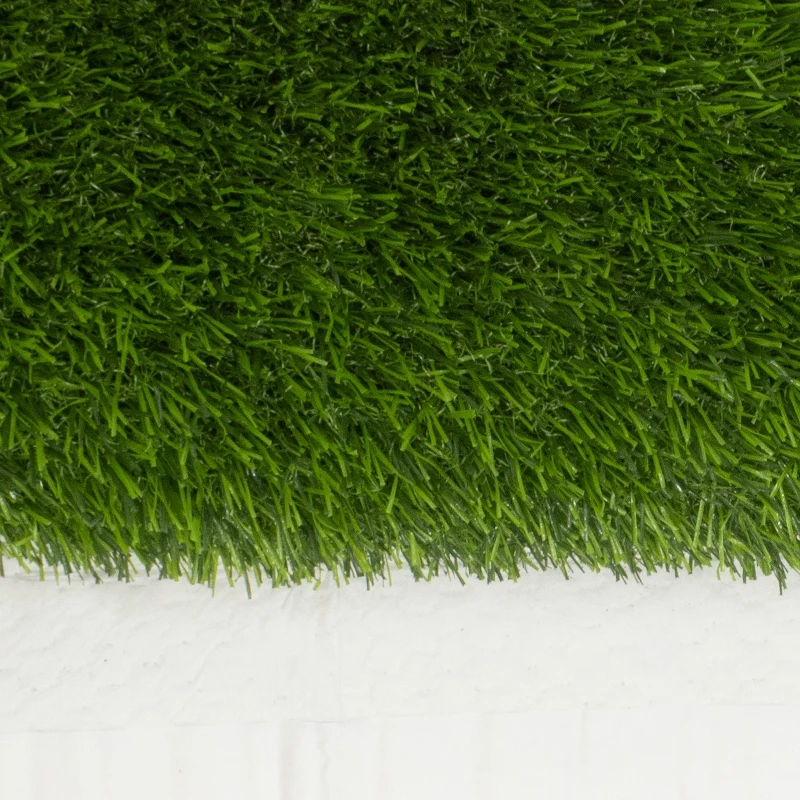
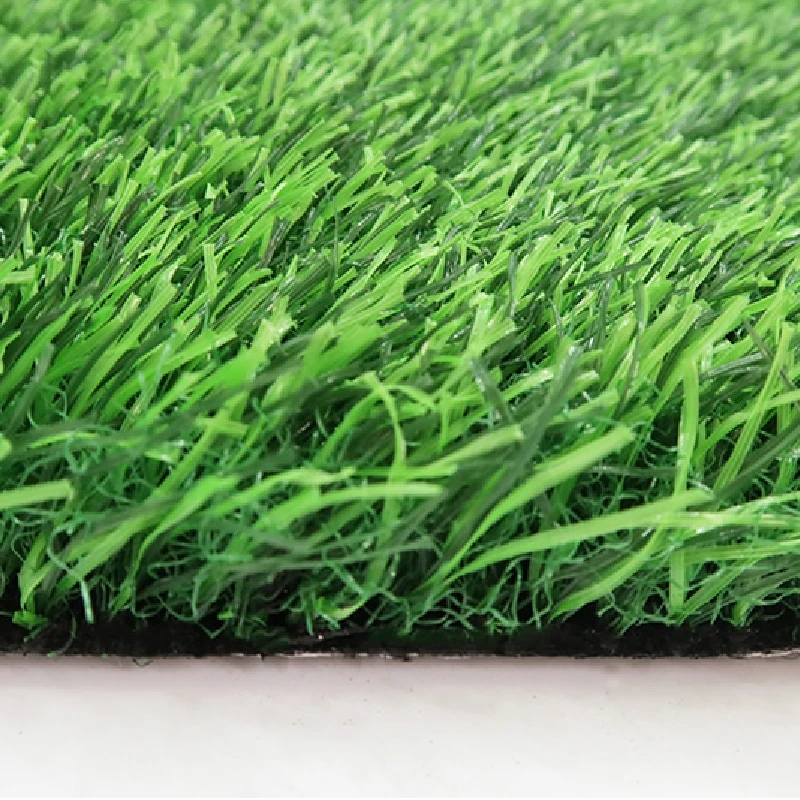
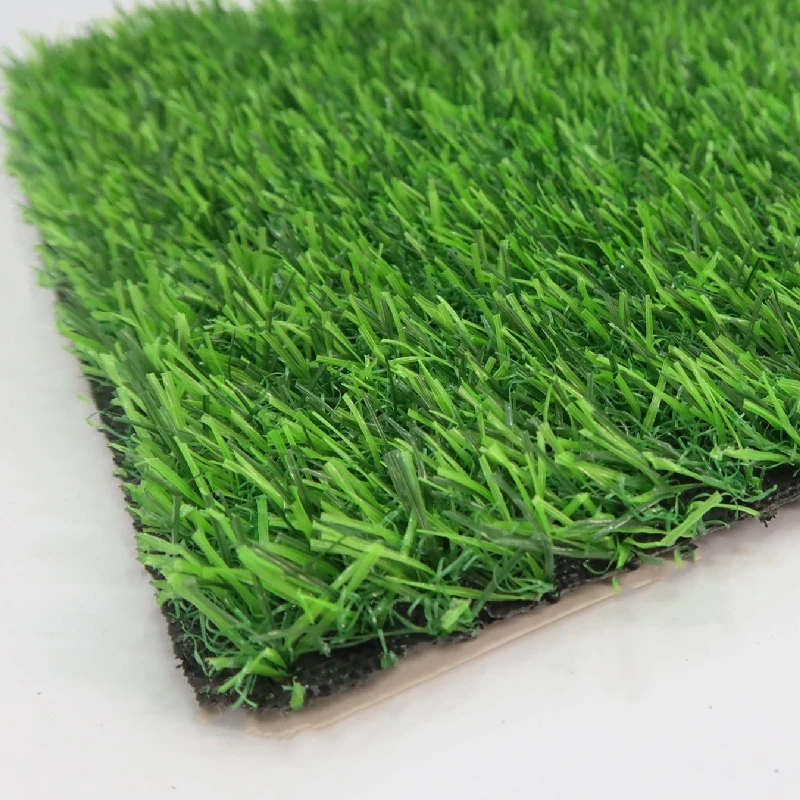
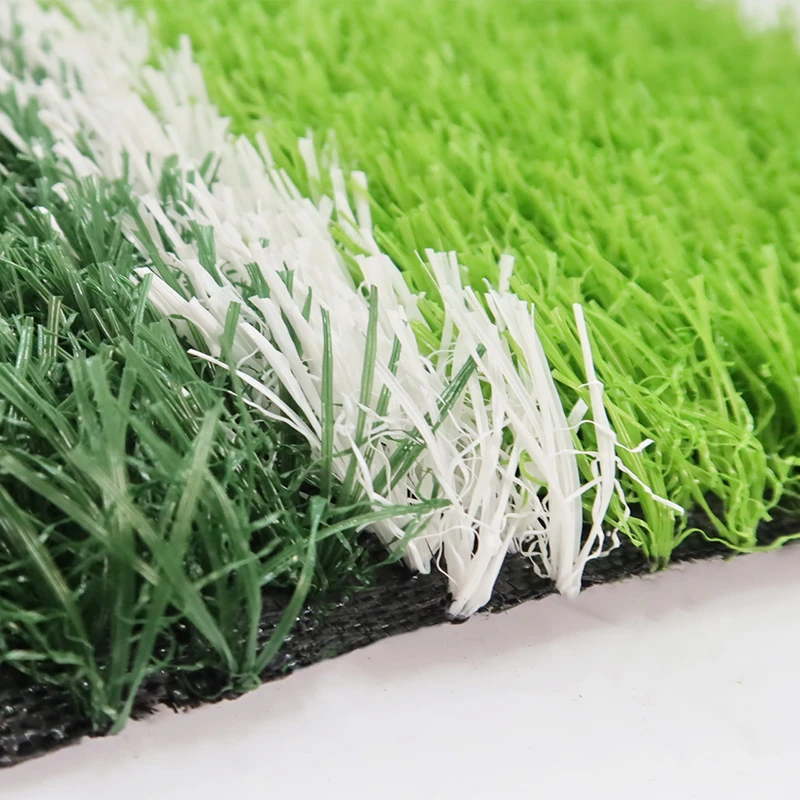
Simply put, turf golf refers to the specialized cultivation and maintenance of grass surfaces tailored for golf play, prioritizing durability, aesthetics, and environmental responsibility. It combines natural grasses, synthetic blends, or hybrid turf technologies engineered to optimize ball roll, reduce erosion, and minimize resource consumption on golf courses.
In modern industry terms, turf golf stands at the crossroads of agronomy, sports engineering, and ecological stewardship — where science meets leisure and economic pragmatism.
Core Components of Effective Turf Golf
Durability: Standing Up to Wear and Tear
A golf green sees thousands of footsteps, rolling carts, and errant golf balls daily. The grass selected must withstand damage without losing play quality. For many courses, this means using Bermuda or Bentgrass varieties, though hybrid synthetic blends are increasingly common — they reduce recovery time and resist patchiness.
Water Efficiency: Doing More with Less
This might be the most critical factor. Turf golf grass systems aim to use drought-tolerant species combined with smart irrigation technologies like drip and moisture sensors. Advances in soil moisture detection mean groundskeepers only water what’s needed — not a drop more.
Scalability: From Tiny Putting Greens to Championship Courses
Whether it’s a 9-hole course for beginners or an 18-hole professional venue, turf systems must be customizable. Modular sod sections, hybrid mixes, and zoning of irrigation all make it easier to scale your turf project according to budget and space.
Maintenance and Cost Efficiency
Reducing mowing frequency, optimizing fertilizer use, and preventing soil compaction dramatically cut upkeep prices. Some newer turf varieties even resist common diseases and pests, further trimming costs.
Environmental Impact and Sustainability
Zero pesticide use and organic turf management regimes are growing trends in parks and golf resorts. Composting clippings and recycling water aligns turf golf with green certification programs such as Audubon Cooperative Sanctuary Program (ACSP) for golf courses.
Mini takeaway: Turf golf is a layered play — from strong plants to smart economics and eco-sense all rolled into one.
Global Applications & Real-World Use Cases
In the southwestern US, courses are shifting swiftly to native drought-tolerant turf blends, saving millions of gallons of water annually. Across Europe, synthetic turf golf courses thriving in urban areas bring the sport closer to city dwellers with a low-maintenance pitch. Meanwhile, developing countries are experimenting with resilient turf in remote golf resorts, combining tourism revenue with sustainability.
Organizations like the PGA and Environmental Defense Fund have piloted turf golf projects integrating recycled water and solar-powered irrigation, particularly in arid African regions where tourism could flourish with smart infrastructure.
Even in humanitarian contexts, turf golf systems have been adapted for quick landscaping of recreational spaces in post-disaster zones, fostering community rebuilding through sport.
Mini takeaway: Turf golf’s reach is broad — from luxury courses to community relief efforts, adapting internationally to local challenges.
Product Specification Table: Example Turf Golf Technology
| Specification | Description | Example Model |
|---|---|---|
| Grass Type | Hybrid Bermuda with synthetic fibers | EcoTurf Hybrid 2024 |
| Water Usage | Down by 40% compared to traditional Bermuda | Smart Irrigation System V2 |
| Durability | High traffic tolerance, quick recovery in 7 days | RegenRoot Enhanced |
| Maintenance Frequency | Mowing bi-weekly, low fertilizer use | AutomaMow Compatible |
Advantages & Long-term Value of Turf Golf
For course owners and players alike, turf golf systems promise lower water bills, less chemical use, and improved play experiences. Socially, courses that invest in sustainable turf communicate a commitment to environmental stewardship, a message increasingly valued by communities and patrons.
Emotionally, knowing you’re playing on a surface designed with care for the planet, not just profit, creates a subtle yet meaningful connection — it’s innovation meeting trust. Reliability means fewer closed greens and better game scheduling. Long term, smart turf golf strategies contribute to overall climate resilience of the venue.
Mini takeaway: Turf golf is more than grass — it’s trust, sustainability, and financial sense combined.
Vendor Comparison Table: Leading Turf Golf Solutions
| Vendor | Product Range | Sustainability Score | Price Range | Ideal Use Case |
|---|---|---|---|---|
| GreenTurf Pro | Organic Bermudas, Sensor Tech | 8.7/10 | $$$ | Championship courses |
| EcoPlay Turf | Hybrid Synthetic Blends | 9.2/10 | $$ | Urban & Recreational fields |
| SafeGreen Solutions | Drought-Resistant Natives | 8.0/10 | $ | Golf resorts in dry climates |
Looking Ahead: Future Trends in Turf Golf
Tech innovation is speeding forward. We’re seeing the integration of IoT sensors that constantly monitor grass health and soil moisture in real time. Some turf blends now harbor microbes engineered to enhance root strength and resist disease naturally. There’s also a definite push toward carbon negative turf maintenance — powered by solar irrigation controllers and electric mowers.
Climate adaptive turf is likely the next big thing; grasses that acclimate to unpredictable rains and temperature swings would save countless dollars and headaches. Couple this with AI-driven groundskeeping robots, and turf golf grows more automated and resilient.
Mini takeaway: Turf golf’s future is greener, smarter, and probably a little robot-assisted.
Common Challenges and How Experts Overcome Them
Of course, turf golf isn’t magic. Some turf types still struggle in extreme heat or heavy rains. The initial investment can be steep, and adoption sometimes slow among traditionalists. There are also issues with synthetic blends and microplastics, which require careful environmental vetting.
Experts recommend phased rollouts — starting with synthetic-synthetic hybrids and progressively shifting to drought-tolerant natives. Testing irrigation with data analytics before scaling is another key to success. More collaboration between turf scientists, environmental agencies, and clubs will bridge gaps going forward.
FAQ: Frequently Asked Questions About Turf Golf
- What makes turf golf surfaces better than natural grass?
- Turf golf surfaces, especially hybrids and engineered grasses, balance durability, water efficiency, and lower maintenance. They resist wear better than natural grass and often use less water thanks to drought-tolerant genetics and smart irrigation systems.
- Can turf golf reduce water consumption significantly?
- Yes, modern turf golf installations can reduce water use by 30–50% compared to traditional golf courses, thanks to advances in drought-resistant grasses and precision watering technologies.
- Is synthetic turf a sustainable option for golf?
- Synthetic turf lasts longer with fewer chemicals and less water but comes with concerns around microplastics and end-of-life disposal. Many courses use hybrid systems that combine the best of both worlds.
- How do turf golf solutions benefit golf course operators economically?
- Lower maintenance costs, reduced water bills, and less frequent re-sodding mean operators save money in the long run, even if upfront installation costs are higher.
- Where can I learn more and purchase turf golf products?
- For detailed specs and buying options, visit trusted suppliers like turf golf specialists who offer tailored solutions for various climates and budgets.
Conclusion & Next Steps
In an era where sports and sustainability must go hand in hand, turf golf stands out as a vital innovation. It merges high-performance play surfaces with responsible land use, water conservation, and reduced environmental harm — a win-win for players, operators, and the planet.
If you’re managing a course or planning a new project, it’s worth exploring the turf golf options available today. You might find that the upfront effort to switch pays dividends in cost savings, player satisfaction, and community goodwill for years to come.
Curious to learn more? Visit turf golf experts online and start building your course’s sustainable future.
References:
Latest news
-
Creating the Perfect Fake Grass Area for Dogs Complete Guide
NewsApr.16,2026
-
Guide to Using Fake Grass and Pets for a Pet Friendly Lawn
NewsApr.09,2026
-
Fake Grass and Dogs Creating a Pet Friendly and Durable Yard
NewsApr.07,2026
-
Maintaining a Pristine Lawn with Fake Grass and Dog Wee Management Solutions
NewsApr.04,2026
-
The Ultimate Guide to Choosing the Perfect Fake Dog Grass Patch for Your Pet
NewsMar.31,2026
-
Discover the Benefits of High Quality Fake Dog Grass for Potty Training
NewsMar.28,2026
Products categories