Welcome to Hoyarn
Call Us Any Time:+86 19801805999
Email Us: info@hoyarn.cn
The Comprehensive Guide to Turf on Concrete: Benefits, Applications & Future Trends
Dec . 03, 2025 16:04 Back to list
The Comprehensive Guide to Turf on Concrete: Benefits, Applications & Future Trends
Why Turf on Concrete Matters More Than Ever
In cities and industrial hubs worldwide, the marriage of natural green surfaces with hard infrastructure is a trending solution, and turf on concrete has quietly taken center stage. Why? Because it blends the best of both worlds — the durability of concrete with the visual and environmental benefits of turf. Whether for sports arenas, urban parks, or temporary event spaces, understanding this hybrid concept holds the key to sustainable urban development and smarter use of space.
Globally, the UN highlights rapid urbanization as a challenge — green spaces shrink while concrete jungles spread. Turf on concrete helps us rethink urban greenery without sacrificing structural integrity. But its importance goes beyond aesthetics: it affects drainage, heat retention, safety, and even social wellbeing. Let’s dig deeper.
Global Context: How Turf on Concrete Addresses Urban Challenges
Concrete covers about 70% of city landscapes in many developed regions, according to ISO urban studies. The problem? Heat islands, poor surface drainage, and a lack of green spaces persist. Surprisingly, laying turf directly on concrete, once considered impractical, offers a clever fix. The World Bank’s urban resilience report emphasizes such "hybrid landscaping" techniques for mitigating climate effects and improving quality of life.
Even humanitarian groups see value here. Post-disaster zones often have bare concrete slabs after demolition, and installing turf over these surfaces can quickly restore safe, usable outdoor spaces with minimal resources.
Mini takeaway: Turf on concrete isn’t just about looks. It’s a practical, scalable solution for pressing urban and industrial challenges worldwide.What Does Turf on Concrete Actually Mean?
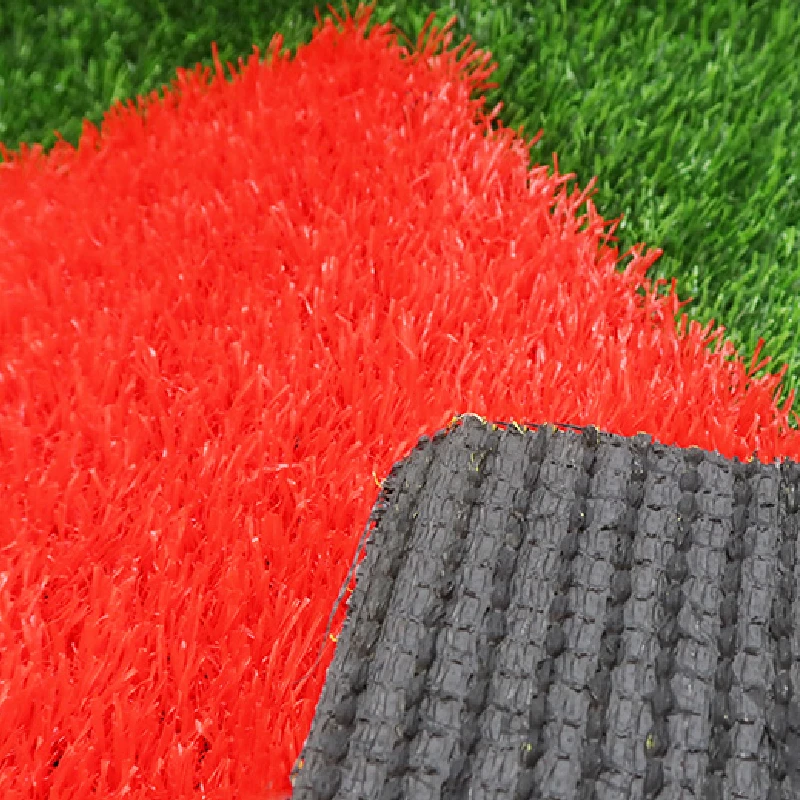
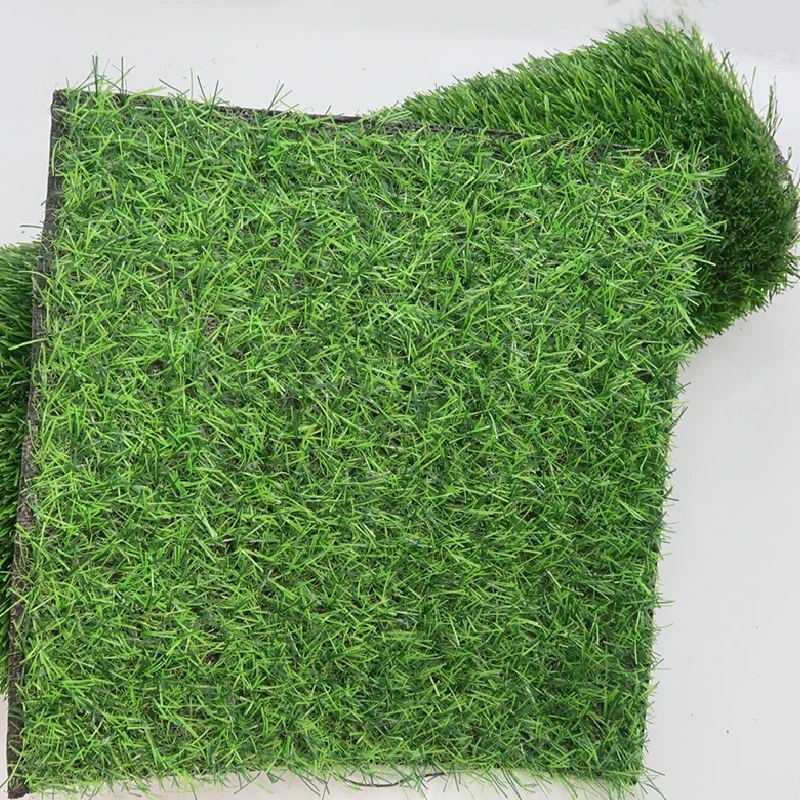
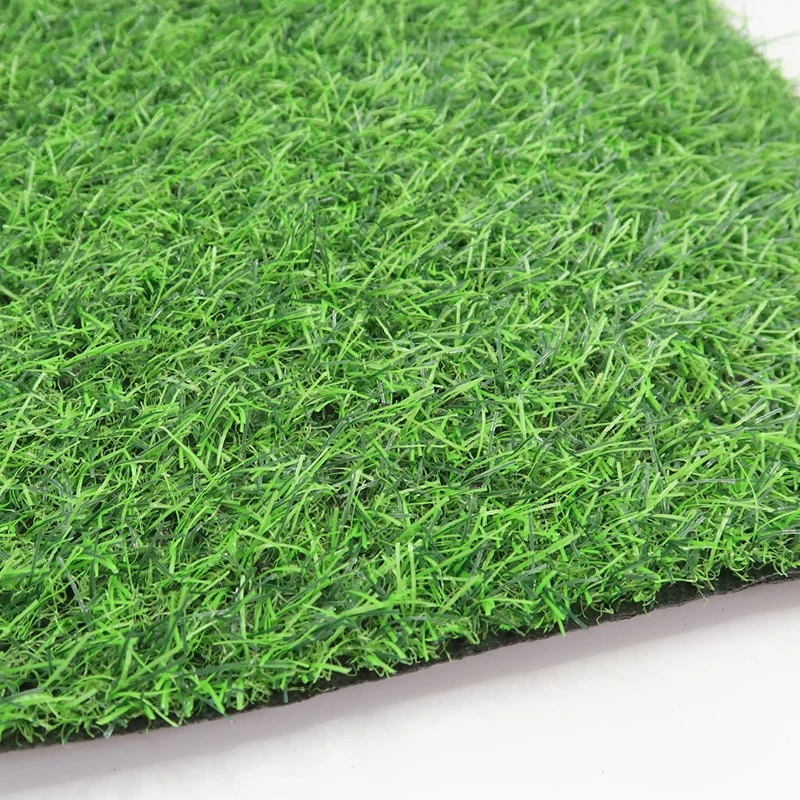
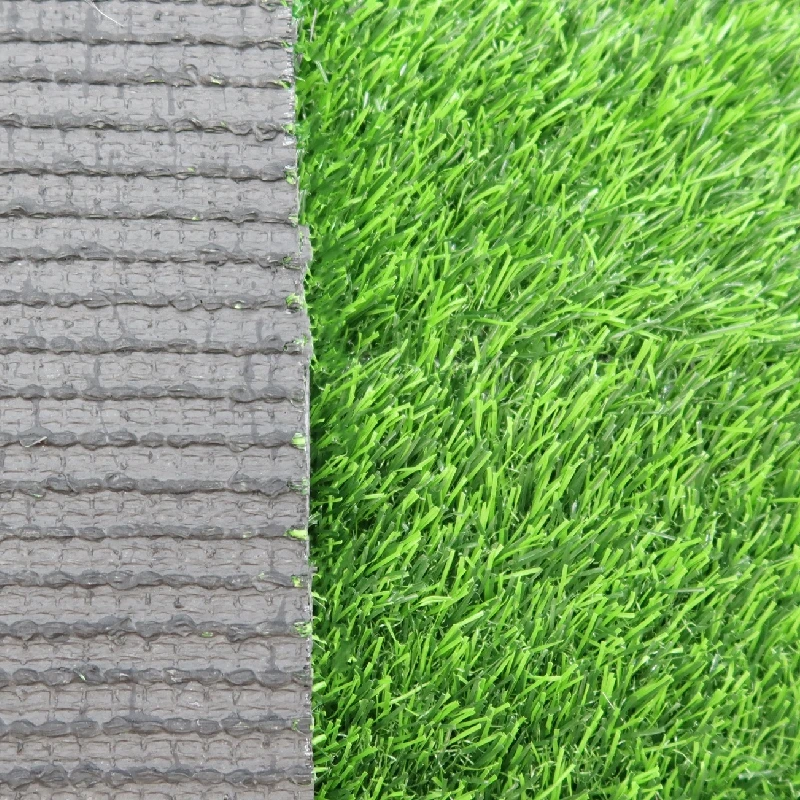
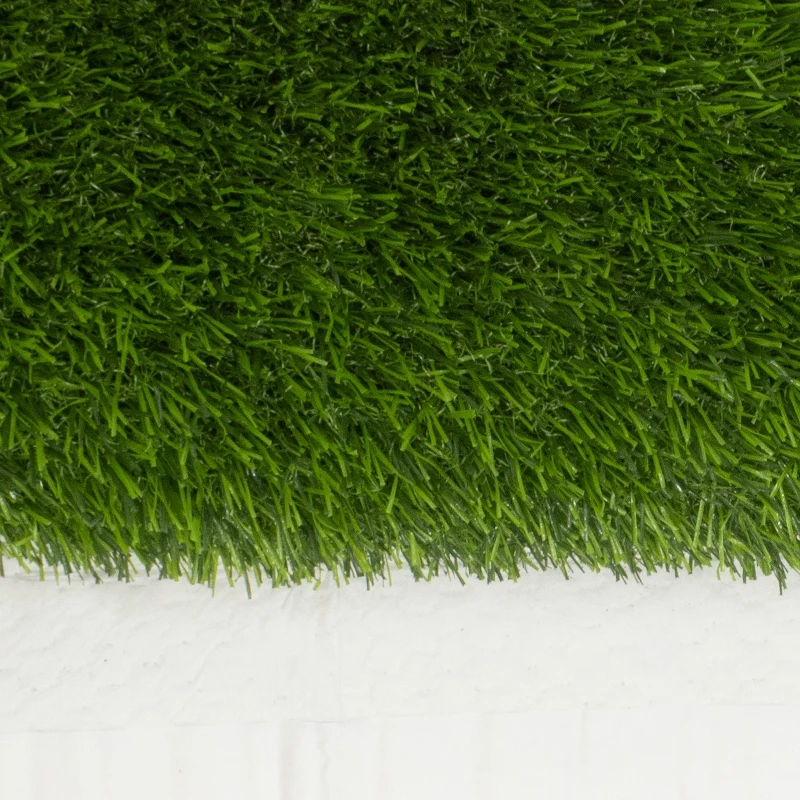
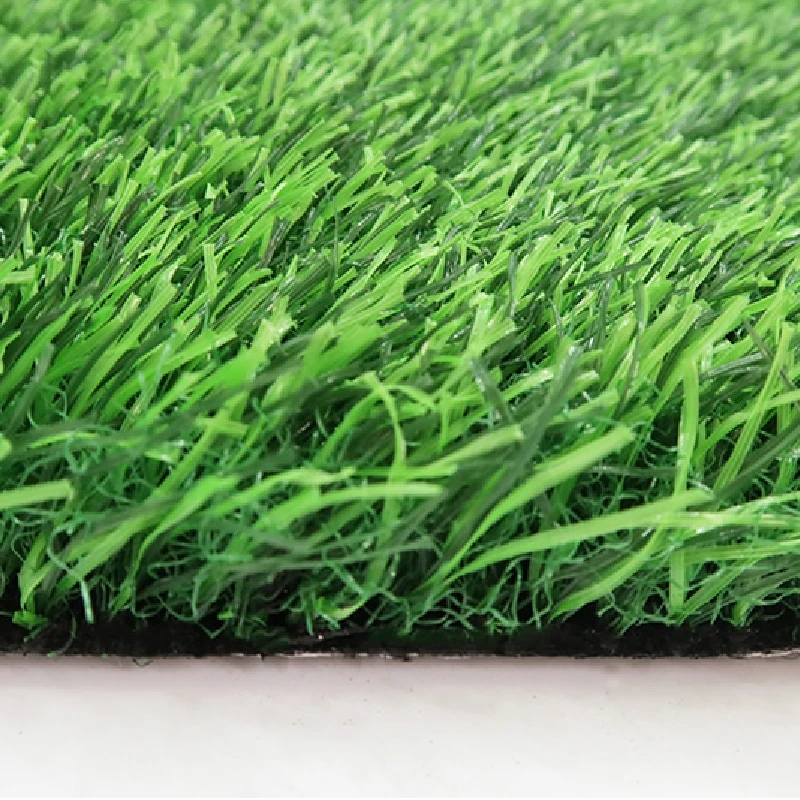
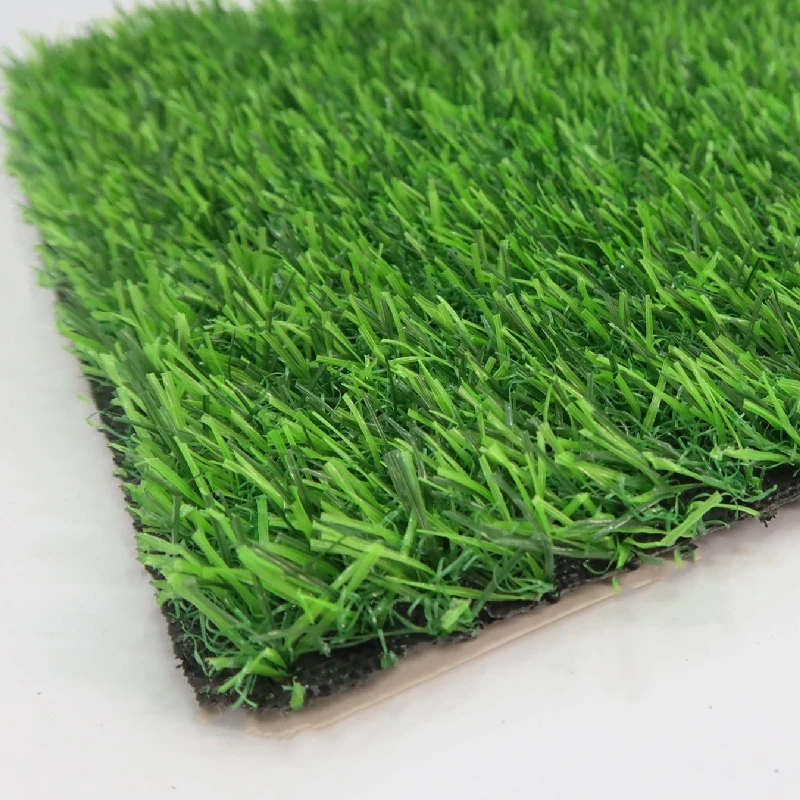
In simple terms, turf on concrete refers to the installation of synthetic or natural turf over concrete surfaces. Sounds straightforward, but it involves engineering considerations — drainage layers, root barriers, and often specialized adhesives or infill materials.
This approach connects industry demands for long-lasting durable surfaces with the human need for natural-feeling environments. It’s common in stadiums, playgrounds, and even factory floors where workers appreciate a softer walking surface without losing concrete’s structural benefits.
Core Components That Make Turf on Concrete Work
1. Durability
Concrete provides a stable, solid foundation that resists shifting or settling, which means the turf installed atop it isn’t prone to uneven wear or sinking. This durability translates into lower maintenance costs over time.
2. Drainage Solutions
Since concrete is impermeable, establishing effective drainage layers beneath the turf is essential. Perforated layers or drainage mats keep moisture from pooling, preventing mold or turf degradation. A well-designed system manages rainwater efficiently and ensures usability in all conditions.
3. Cost Efficiency
Installing turf on existing concrete avoids costly excavations or soil replacement. For urban spaces with limited space or budget, this makes renovation or new projects much more affordable and faster to deploy.
4. Safety & Comfort
Artificial turf, in particular, adds a cushioning effect, reduces slip hazards, and can be engineered to meet sports safety standards. Some turf products even have UV resistance and antimicrobial treatments for longer life.
5. Environmental Impact
Using turf on concrete helps mitigate urban heat islands, absorbing less heat than bare concrete. It’s also a water-wise choice since synthetic turf needs no irrigation, and natural turf can be grown in controlled substrate layers over concrete.
Mini takeaway: The combination’s success hinges on thoughtful integration of layers — durability, drainage, cost, safety, and environmental factors all play roles.Real-World Applications of Turf on Concrete
Across continents, turf on concrete solutions pop up in ways you might not expect:
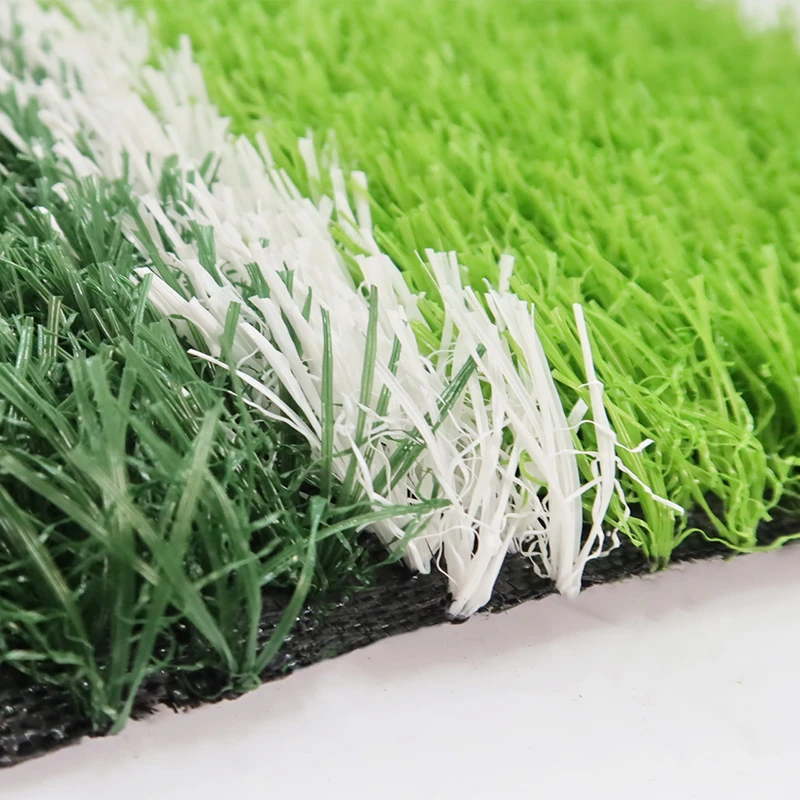
- Sports Complexes: Stadiums routinely use artificial turf atop concrete slabs to offer consistent playing surfaces that withstand heavy foot traffic and weather.
- Urban Plazas and Rooftop Gardens: Cities like Tokyo and New York leverage turf on concrete roofs to increase green area without overhauling existing structures.
- Disaster Recovery Zones: NGOs and relief agencies deploy turf on cleared concrete lots to create safe play areas or temporary community zones.
- Industrial Facilities: Some factories use synthetic turf in break areas, combining cleanability and comfort without disrupting hard operational surfaces.
Notably, North American metropolitan areas like Chicago or Toronto have experimented widely with this combination, as have Middle Eastern countries where water scarcity makes natural grass difficult but scale demands large green areas.
Advantages & Long-Term Value of Turf on Concrete
Where do we really win with turf on concrete? The tangible benefits stack up:
- Cost savings: Reduced groundwork, minimal irrigation, and lasting durability slash operational expenses.
- Eco-benefits: Less water use, lower heat absorption, and improved air quality contribute to urban sustainability.
- Social impact: Residents feel safer and more satisfied with accessible green spaces, enhancing wellbeing and community pride.
- Reliability: A durable surface that performs year-round gives managers peace of mind, especially in harsh climates.
Behind the logical reasons is a more emotional dimension: safety for kids playing, dignity in living spaces, and a sense of innovation that cities and companies take pride in.
The Future of Turf on Concrete: Innovation & Trends
The trend is definitely evolving. Here are some developments you’ll want to watch:
- Eco-friendly materials: Biodegradable infills and recycled plastics are becoming industry standards to reduce synthetic turf’s footprint.
- Smart turf systems: Sensors integrated to monitor moisture, temperature, and wear to optimize maintenance and energy use.
- Modular turf panels: Fast-install kits that allow easy repairs or relocations.
- Hybrid natural-synthetic blends: Combining best attributes of both for durability and natural feel.
Policy-wise, several cities have started incentivizing green rooftops and permeable surfaces — turf on concrete fits perfectly here.
Common Challenges & How to Overcome Them
It’s not all roses, of course. A few sticking points are:
- Heat retention: Concrete beneath can make turf hotter than turf on soil. Using cooling infills or lighter color base layers can help.
- Drainage failures: Improper installation leads to pooling. Always invest in quality drainage mats and design.
- Initial cost: Though cheaper long-term, upfront costs can be deterrents for smaller projects.
Industry experts recommend involving turf manufacturers early in design and hiring certified installers to avoid costly mistakes. In fact, many engineers I spoke to swear by the “layered approach” — no shortcuts!
Frequently Asked Questions About Turf on Concrete
Q1: Can natural grass survive when grown directly on concrete?
A1: Natural grass needs soil for roots, so it won’t thrive if placed directly on bare concrete. However, using a specially designed substrate or raised bed systems atop concrete can make natural turf viable, though maintenance is more intensive than synthetic alternatives.
Q2: How long does turf on concrete typically last?
A2: Artificial turf installed on concrete can last anywhere from 8 to 15 years depending on quality and usage, while natural turf’s longevity varies widely with maintenance and environmental factors.
Q3: Is turf on concrete suitable for high-traffic areas?
A3: Yes, especially synthetic turf is designed to handle heavy foot traffic without deterioration. Proper installation with adequate drainage is key to preventing premature wear.
Q4: Are there eco-friendly options for turf on concrete?
A4: Absolutely. Many manufacturers now offer turf made from recycled materials with biodegradable infills. These innovations reduce environmental impact and often meet international sustainability standards.
Q5: How do I maintain turf installed on concrete?
A5: Maintenance involves regular brushing to keep fibers upright, cleaning debris, inspecting drainage layers, and periodic disinfection if used in public or sports settings. Synthetic turf requires less water and fertilizer than natural turf, making upkeep easier overall.
Product Specifications for Turf on Concrete Installation
| Feature | Typical Specs | Notes |
|---|---|---|
| Base Layer | Perforated drainage mats (10-15 mm thick) | Ensures water runoff and ventilation |
| Turf Type | Synthetic polyethylene or nylon turf | UV and antimicrobial treated |
| Infill | Rubber crumb or silica sand | Provides cushioning and fiber stability |
| Adhesive | Polyurethane-based glue | Bonds turf securely to concrete |
| Maintenance | Brushing, cleaning, periodic inspection | Minimal compared to natural turf |
Comparing Leading Vendors in Turf on Concrete Solutions
| Vendor | Product Range | Lead Times | Eco Credentials | Warranty |
|---|---|---|---|---|
| GreenField Solutions | Synthetic turf, modular kits | 4-6 weeks | Recycled materials, organic infill | 10 years |
| UrbanTurf Co. | Synthetic and natural hybrid turf | 6-8 weeks | Low-carbon manufacturing | 8 years |
| SafePlay Surfaces | Sports-grade turf, custom drainage options | 3-5 weeks | UV stable, recycled infill | 12 years |
Wrapping Up: Why Turf on Concrete Is a Smart Move
Turf on concrete strikes an appealing balance between nature and infrastructure. It’s a practical choice for organizations, municipalities, and industrial sites seeking long-term green solutions that don’t break the bank or compromise durability. The combination supports environmental goals, enhances community wellbeing, and keeps maintenance low — a rare triple win.
If this blend sounds like the right fit for your next project, why not explore your options? Visit our website for detailed guides, product selections, and expert advice: turf on concrete.
References
Latest news
-
Creating the Perfect Fake Grass Area for Dogs Complete Guide
NewsApr.16,2026
-
Guide to Using Fake Grass and Pets for a Pet Friendly Lawn
NewsApr.09,2026
-
Fake Grass and Dogs Creating a Pet Friendly and Durable Yard
NewsApr.07,2026
-
Maintaining a Pristine Lawn with Fake Grass and Dog Wee Management Solutions
NewsApr.04,2026
-
The Ultimate Guide to Choosing the Perfect Fake Dog Grass Patch for Your Pet
NewsMar.31,2026
-
Discover the Benefits of High Quality Fake Dog Grass for Potty Training
NewsMar.28,2026
Products categories