Welcome to Hoyarn
Call Us Any Time:+86 19801805999
Email Us: info@hoyarn.cn
The Practical Guide to 25mm Artificial Grass: Benefits, Specs & Trends
Nov . 28, 2025 13:25 Back to list
The Practical Guide to 25mm Artificial Grass: Benefits, Specs & Trends
What Makes 25mm Artificial Grass a Game-Changer?
If you’ve ever considered upgrading your garden or commercial space with artificial turf, the term 25mm artificial grass probably came up. But why does that 25mm pile height matter? And why are more industries globally paying attention to this seemingly simple product? Well, the story isn’t just about aesthetics or cutting down on lawn maintenance. It touches on sustainability, urban planning, environmental challenges — and yes, even socio-economic issues.
In an era where water conservation and low-maintenance landscaping are becoming non-negotiable, knowing your turf’s specs isn't just trivia, it’s critical. So, buckle up — let's explore why this particular grass length is growing fast in popularity worldwide.
Global Context: Why 25mm Artificial Grass Is More Than Just Lawn Décor
According to the UN, global urban population has been steadily climbing, now making up over 56% of all people (United Nations, 2019). More urban living means less natural green space — a problem planners and homeowners grapple with. Traditional lawns require frequent watering, fertilizing, and mowing — costly and often unsustainable, especially in drought-prone regions like parts of Australia, California, and the Mediterranean.
That’s exactly where 25mm artificial grass steps in as a viable alternative. Thanks to its optimal pile height, it strikes a balance between natural look and practical durability — not too lush and tall that it looks synthetic, and not so short that it feels scratchy underfoot.
In fact, the ISO 9001 standard for landscaping products has begun recognizing artificial solutions for urban beautification and water conservation — a sign that industry acceptance is catching up with environmental urgency.
What Exactly Is 25mm Artificial Grass?
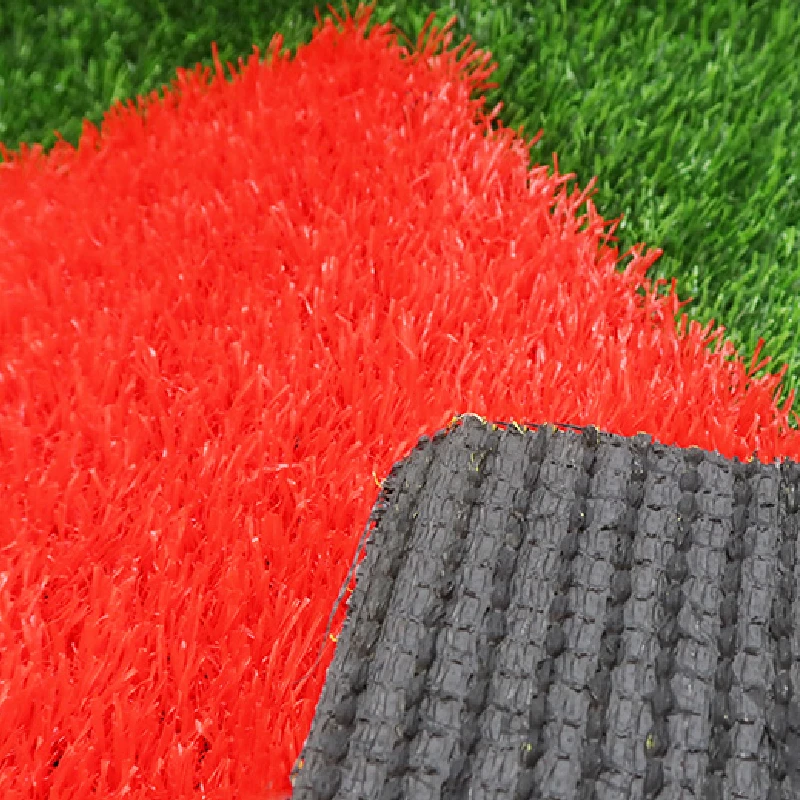
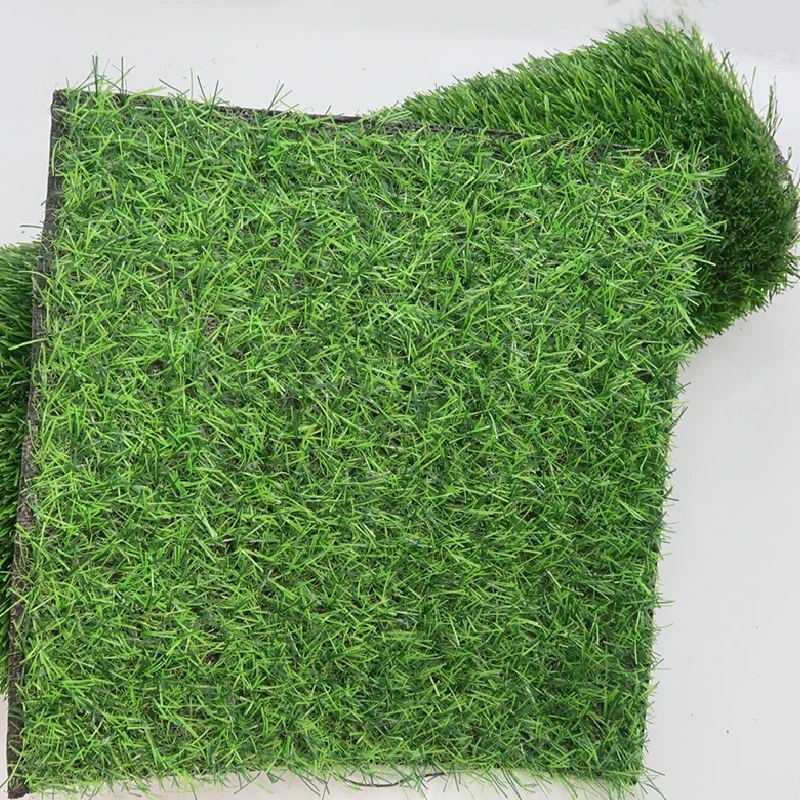
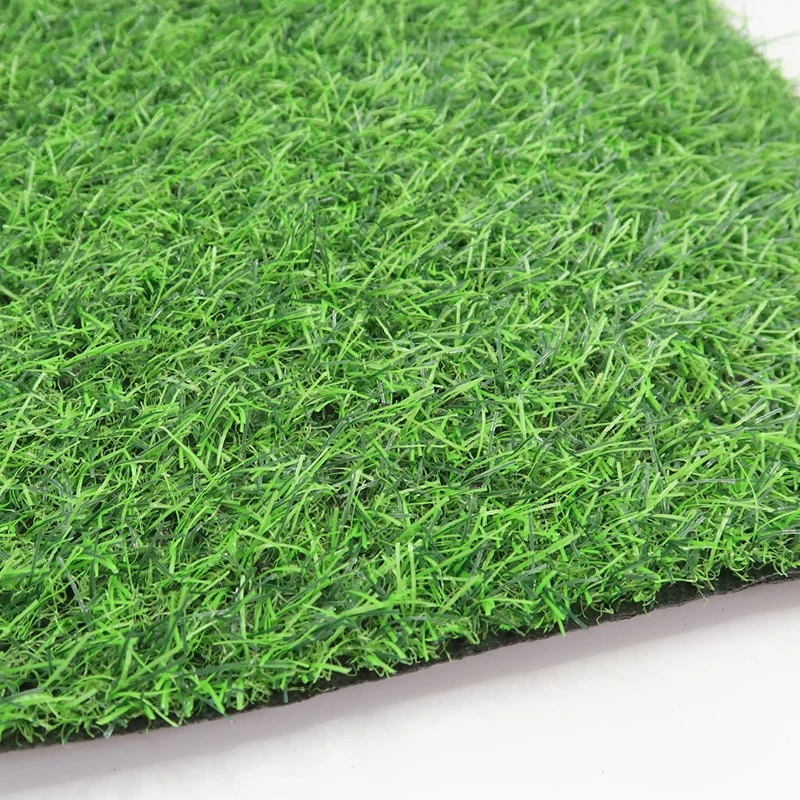
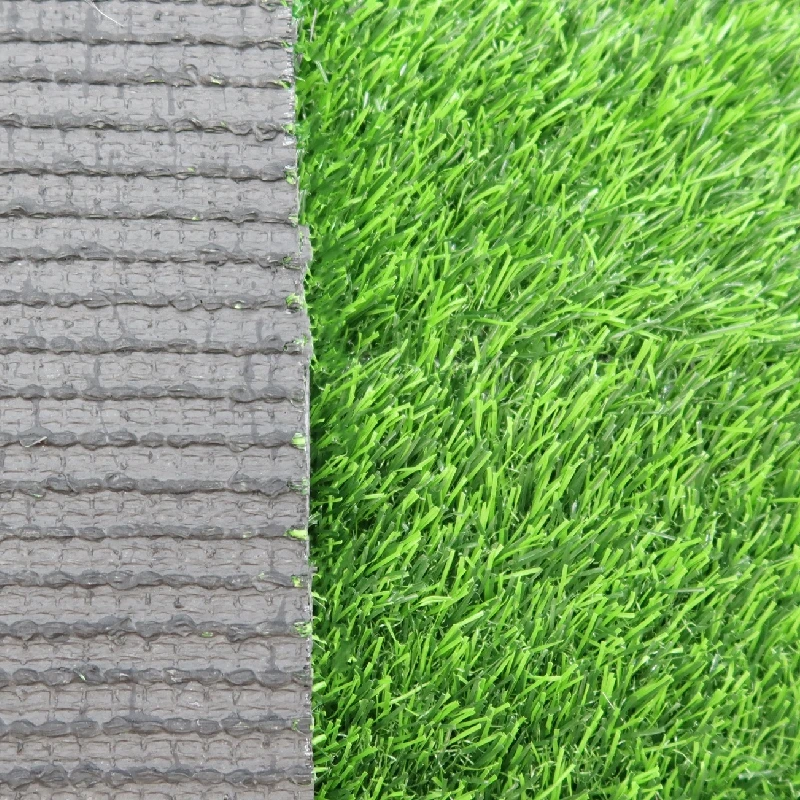
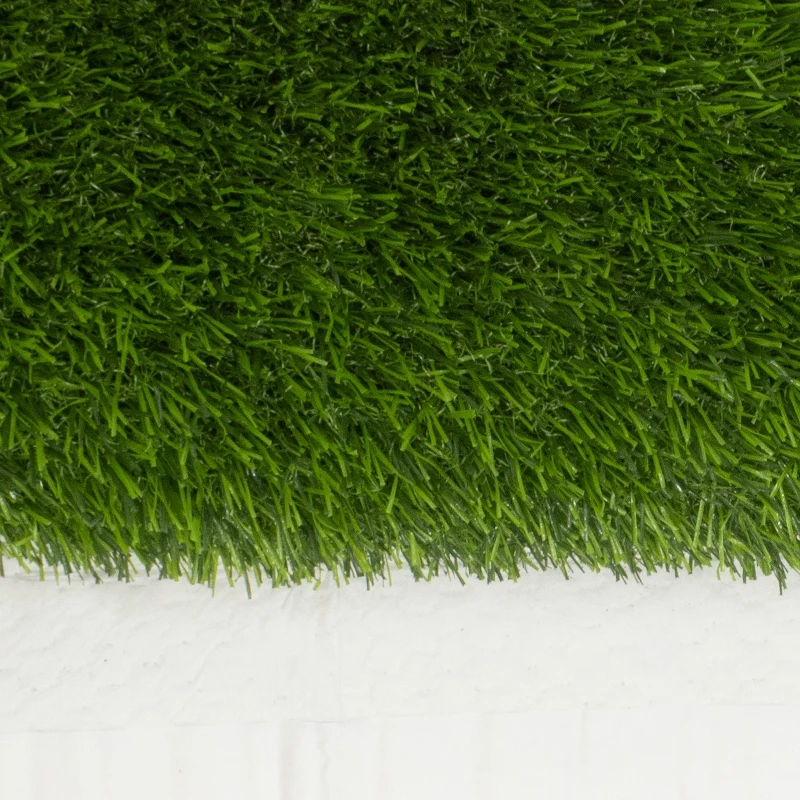
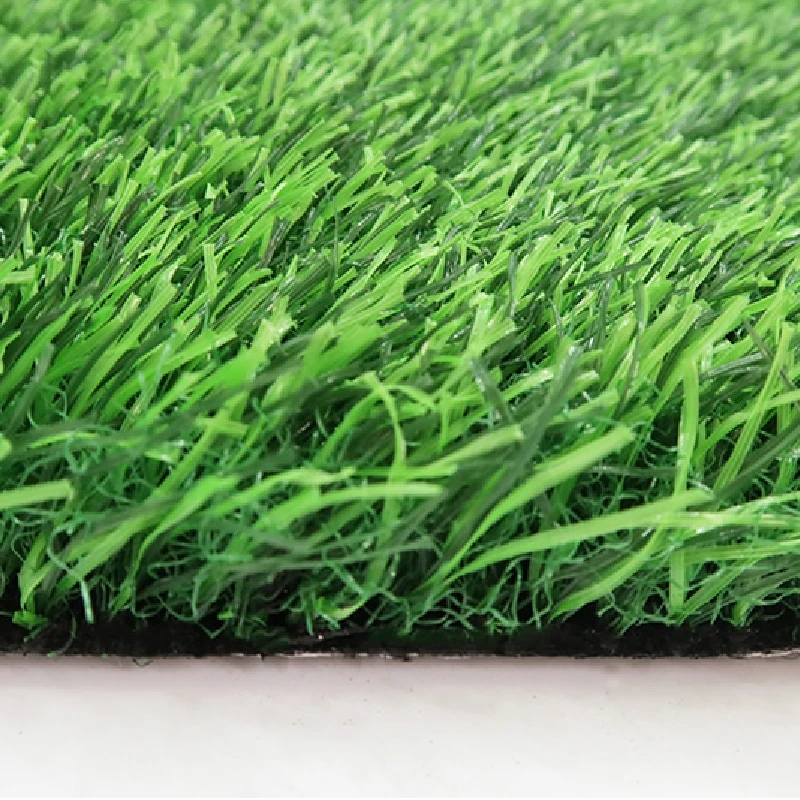
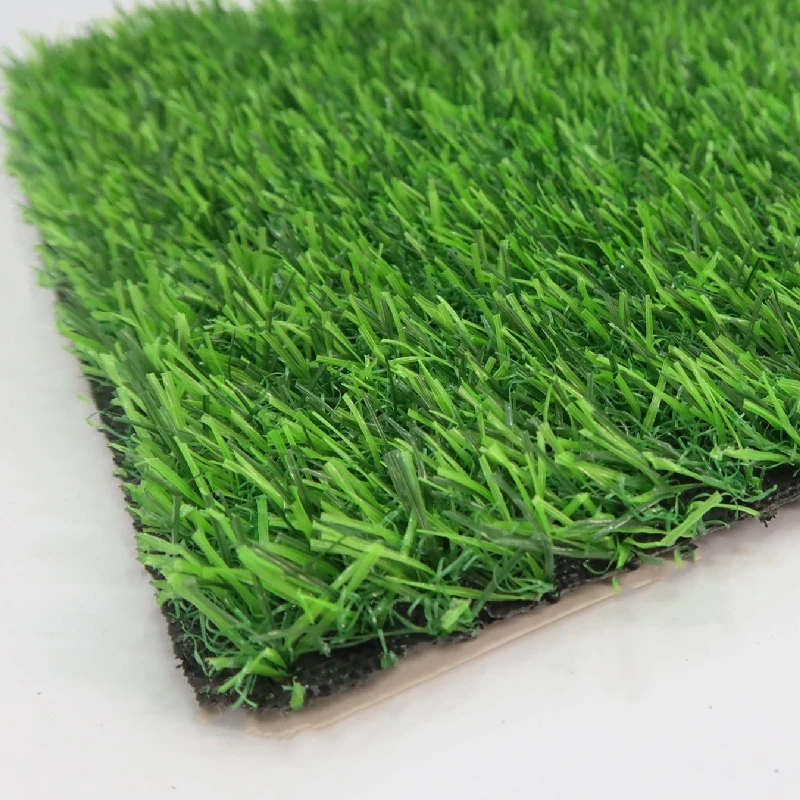
Simply put, it’s synthetic turf with a pile height of 25 millimeters (about one inch). This measurement refers to the length of the individual grass blades from base to tip. The resulting turf feels soft yet robust, perfect for areas with moderate foot traffic like gardens, balconies, schoolyards, and even some sports applications.
But here’s the kicker: it’s not just about the grass length. 25mm turf typically uses modern polymers like polyethylene or polypropylene, often UV-protected to prevent fading — factors crucial in making this grass suitable for outdoor use worldwide.
So it fits neatly into modern landscaping’s push for low-maintenance, high-appearance solutions, while also filling roles in humanitarian relief zones or commercial projects where natural grass won’t thrive.
Key Features That Make 25mm Artificial Grass Stand Out
1. Durability and UV Resistance
This length strikes a sweet spot for durability. Not too delicate, not too tough. Many manufacturers embed UV stabilizers to avoid fading — a must-have especially under blazing summers. The grass holds up well through rainstorms and foot traffic without matting.
2. Realistic Appearance
Oddly enough, many users say 25mm grass blades look the most natural when you consider blade thickness and color blending. You get that soft, lush look without it turning “plastic garden party”.
3. Cost Efficiency
While not as cheap as the shortest turfs, 25mm strikes a good balance. You don’t need to replace it as often, and no watering or fertilizers = lower upkeep bills.
4. Environmental Impact
Compared to natural lawns thirsty for water and chemicals, this artificial grass drastically reduces water waste. Plus, made from recyclable materials increasingly, it fits into circular economy efforts.
5. Comfort and Safety
Soft enough for kids and pets, it also avoids the scratchiness common in shorter blades. Great for playgrounds but with less risk of harboring pests or mud.
6. Easy Installation
Perfect for DIY or professional fitters; its manageable pile allows easier cutting and seams concealment.
Mini takeaway:
Basically, 25mm artificial grass feels like the Goldilocks of synthetic turf — not too short, not too long, just right.
Where Around the World Is 25mm Artificial Grass Making a Mark?
Surprisingly widespread. In Europe, countries like the UK have seen it replace natural grass in urban parks where water restrictions bite. Australia, with its harsh summers, uses this turf in residential and commercial settings to conserve precious water supplies.
In the Middle East and North Africa, where desert conditions dominate, NGOs deploy 25mm artificial grass in refugee camps to help create safer play areas and reduce dust. Meanwhile, industries like hospitality and sports (not professional sports requiring longer blades, mind you) turn to it for resort lawns and recreation areas.
Even schools in sub-Saharan Africa, where grass care is tricky, use it for multipurpose playground fields — making a tangible social impact.
Real-world example:
In California’s drought-stricken Central Valley, several school districts retrofitted playgrounds with 25mm artificial grass, slashing water use by 65% annually and dramatically reducing maintenance costs.
Advantages and Long-Term Value of Choosing 25mm Artificial Grass
- Water Conservation: Saves thousands of gallons of water per year per installation.
- Durability: Maintains look and feel for 8-12 years on average.
- Low Maintenance: No mowing, no fertilizing, very little cleaning.
- Social Benefits: Provides safe, clean play and leisure spaces in tough environments.
- Cost Savings: Reduced labor and long replacement intervals.
Emotionally, there’s peace of mind. Knowing your garden or facility won’t look patchy or brown when the drought hits — or that kids have a safe place to run around when nature isn’t cooperating — goes a long way.
Product Specification Table
| Specification | Details |
|---|---|
| Pile Height | 25mm (1 inch) |
| Material | Polyethylene (PE) with UV stabilizers |
| Backing | Double-layer latex / polyurethane for drainage |
| Weight | Approx. 1.2 kg/m² |
| Warranty | 8-12 years UV and wear warranty |
| Colors | Various green shades with brown thatch |
Comparing Vendors: What to Look For?
| Feature | Vendor A | Vendor B | Vendor C |
|---|---|---|---|
| Price per m² | $22.50 | $19.99 | $24.75 |
| Warranty | 10 years | 8 years | 12 years |
| UV Protection | Advanced | Standard | Advanced |
| Drainage Quality | Excellent | Good | Excellent |
| Eco-friendly Materials | Yes | Limited | Yes |
Looking Ahead: Innovations Shaping the Future of 25mm Artificial Grass
Technology and sustainability goals are driving next-gen artificial turf. Biodegradable backing materials, integration with smart irrigation sensors, and even antimicrobial coatings for hygiene are already in testing. Imagine artificial grass that tells your garden when it’s time to water plants nearby or turf that breaks down safely after its lifecycle.
Then there’s recycling innovations. Some companies now reclaim old turf and respin it into new products — cutting landfill waste.
Challenges and Solutions: What You Should Know
Not everything’s rosy. Some folks worry about microplastics leaching from turf or heat retention on hot days. True, improper installation can result in heat buildup — making the grass uncomfortable. But clever infilling options, reflective pigments, and well-designed drainage mitigate these issues.
Meanwhile, as with any synthetic product, choosing certified suppliers and ensuring proper installation remain critical. Thankfully, improvements in installation guides and professional training programs mean fewer headaches these days.
FAQs About 25mm Artificial Grass
- Is 25mm artificial grass suitable for pets?
- Absolutely. Its moderate pile height provides a soft surface for pets while being durable enough to withstand scratching and running. Plus, synthetic grass cleans more easily than natural turf.
- How long does 25mm artificial grass typically last outdoors?
- With proper installation and care, it usually lasts between 8 and 12 years before you might consider replacement, depending on exposure and use.
- Can I install 25mm artificial grass myself?
- Yes, it’s one of the more DIY-friendly artificial grasses due to reasonable pile height. However, professional installation is recommended for large or high-traffic areas to ensure drainage and stability.
- Does 25mm artificial grass help reduce water consumption?
- Significantly. By replacing natural lawns, which generally require regular watering, artificial turf cuts water usage dramatically — a major advantage in drought areas.
In Conclusion: Why 25mm Artificial Grass Makes Sense Today and Tomorrow
Choosing 25mm artificial grass isn’t just about a neat, neat lawn. It’s about sustainability, durability, and creating spaces that can thrive with less water and less worry. From drought-affected suburbs in California to playgrounds in developing countries, this turf level offers an excellent balance of practicality and comfort.
If you’re weighing options for your next landscaping or commercial project, don’t overlook it. Curious? Take a closer look and get supplies at 25mm artificial grass.
References
Latest news
-
Creating the Perfect Fake Grass Area for Dogs Complete Guide
NewsApr.16,2026
-
Guide to Using Fake Grass and Pets for a Pet Friendly Lawn
NewsApr.09,2026
-
Fake Grass and Dogs Creating a Pet Friendly and Durable Yard
NewsApr.07,2026
-
Maintaining a Pristine Lawn with Fake Grass and Dog Wee Management Solutions
NewsApr.04,2026
-
The Ultimate Guide to Choosing the Perfect Fake Dog Grass Patch for Your Pet
NewsMar.31,2026
-
Discover the Benefits of High Quality Fake Dog Grass for Potty Training
NewsMar.28,2026
Products categories