Welcome to Hoyarn
Call Us Any Time:+86 19801805999
Email Us: info@hoyarn.cn
Discover the Benefits and Applications of 20mm Artificial Grass | Sustainable Landscaping Solutions
Nov . 28, 2025 11:55 Back to list
Discover the Benefits and Applications of 20mm Artificial Grass | Sustainable Landscaping Solutions
The Growing Importance of 20mm Artificial Grass — A Quick Overview
Artificial grass, specifically the 20mm pile height variety, has rapidly gained ground worldwide. You might think, “It’s just turf, right?” Well, not quite. From eco-conscious landscaping to sports pitches and playgrounds, this synthetic grass balances looks, durability, and cost. And thanks to modern manufacturing, it’s surprisingly close to the real deal without the intense maintenance. Globally, understanding 20mm artificial grass unlocks smart choices in urban planning, water conservation, and aesthetic design — areas increasingly critical as climate change and urban density push us toward sustainable alternatives.
Mini takeaway: 20mm artificial grass isn’t just decorative; it’s a practical, eco-friendly solution gaining global relevance.
Why 20mm Artificial Grass Matters in Today’s Global Context
Looking at the big picture, outdoor space utilization is evolving everywhere. According to the World Bank, urban populations are expected to swell to 68% by 2050. This urbanization surge means green space demands outpace what nature can provide. Meanwhile, water scarcity affects over 2 billion people worldwide, making water-saving landscaping essential. Here’s where 20mm artificial grass steps in as a savior — requiring no irrigation, no fertilizers, and offering a consistently green aesthetic.
But beyond sustainability, there’s a nuanced problem space: traditional lawns can be expensive to maintain and aren’t feasible in many climates, leaving urban planners and homeowners searching for alternatives that combine function and flair.
Mini takeaway: Urban growth and water shortages fuel the rise of synthetic turf, with 20mm artificial grass hitting the sweet spot of usability and efficiency.
Defining 20mm Artificial Grass: What Exactly Is It?
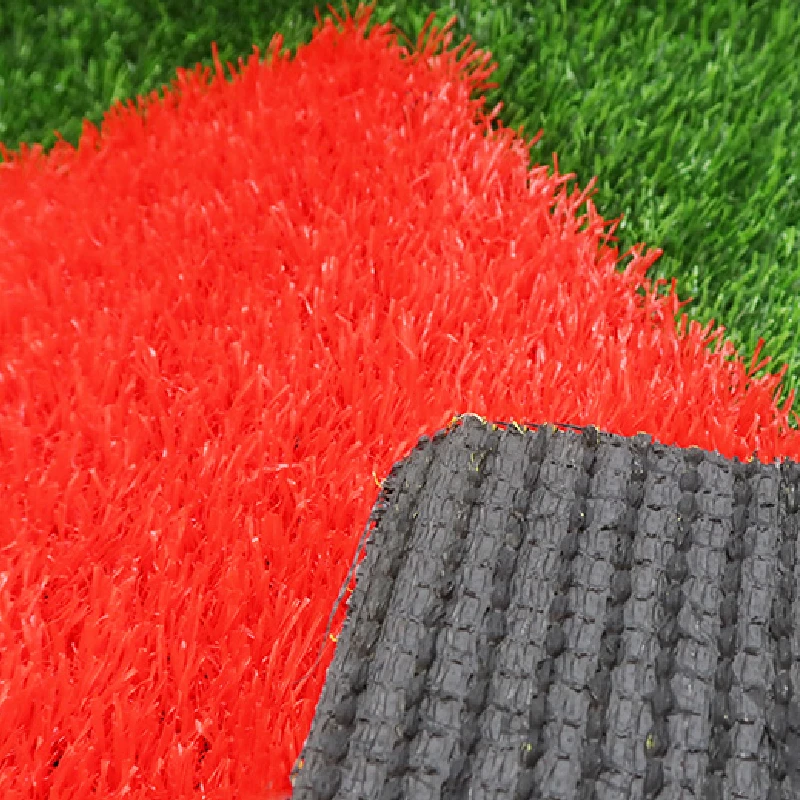
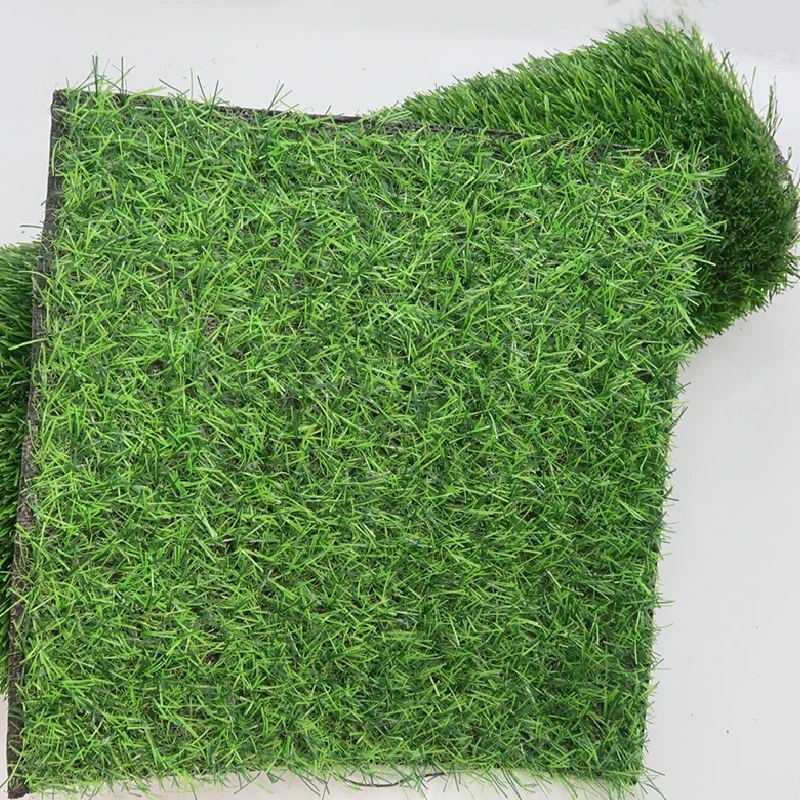
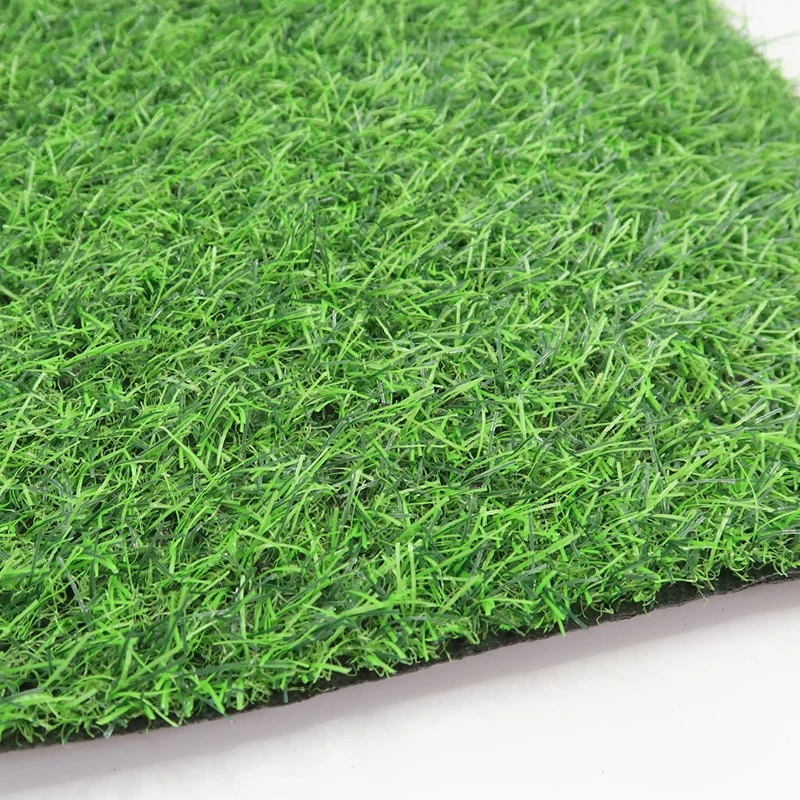
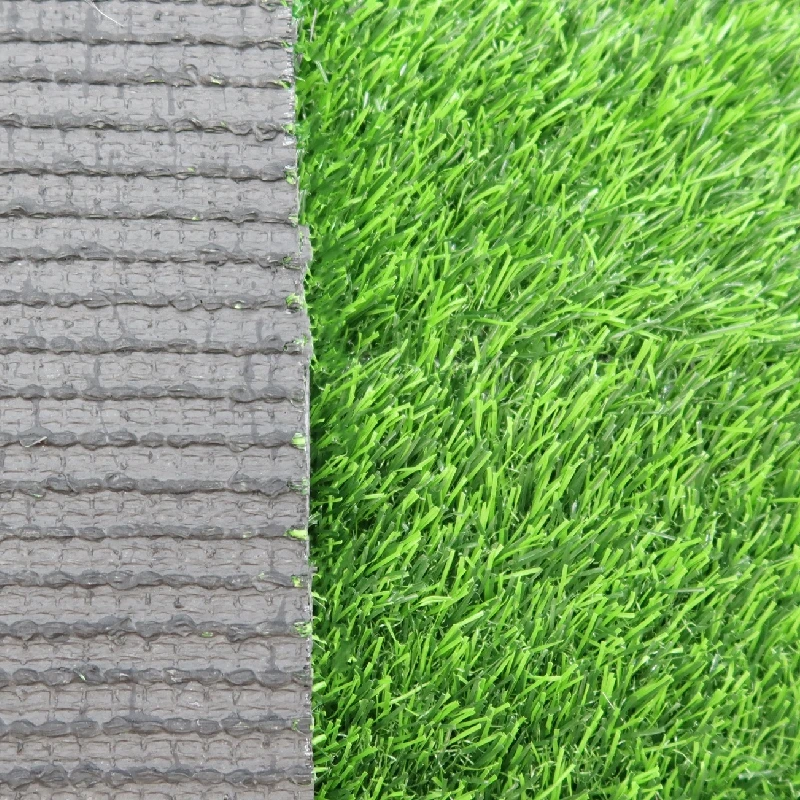
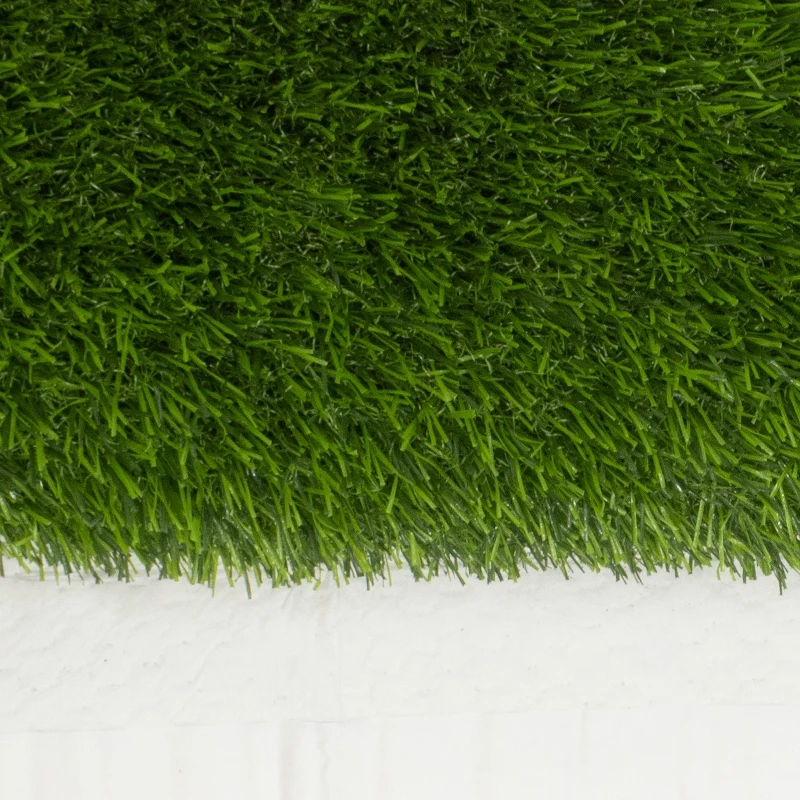
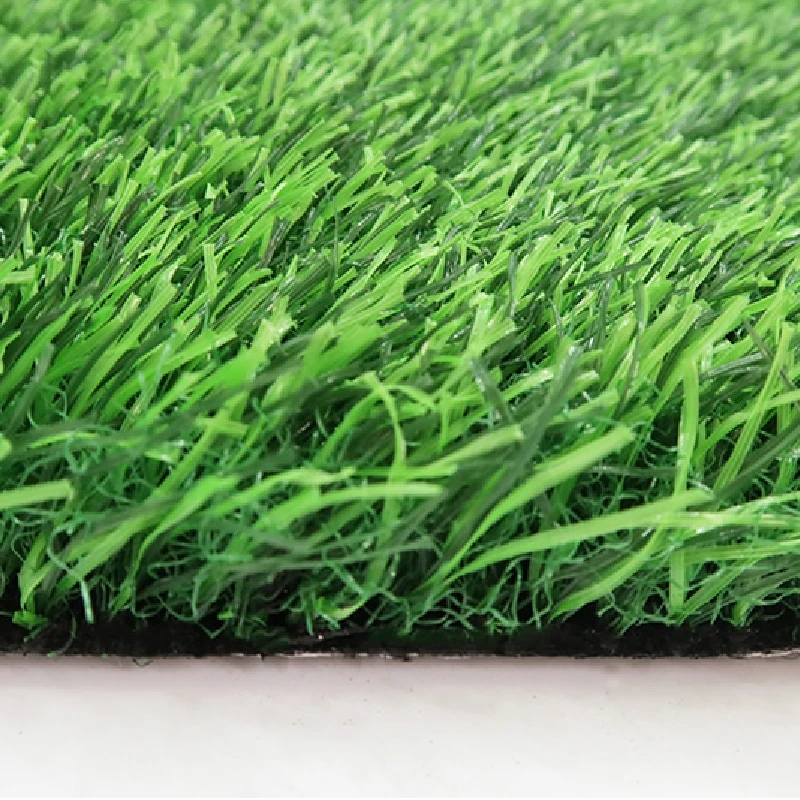
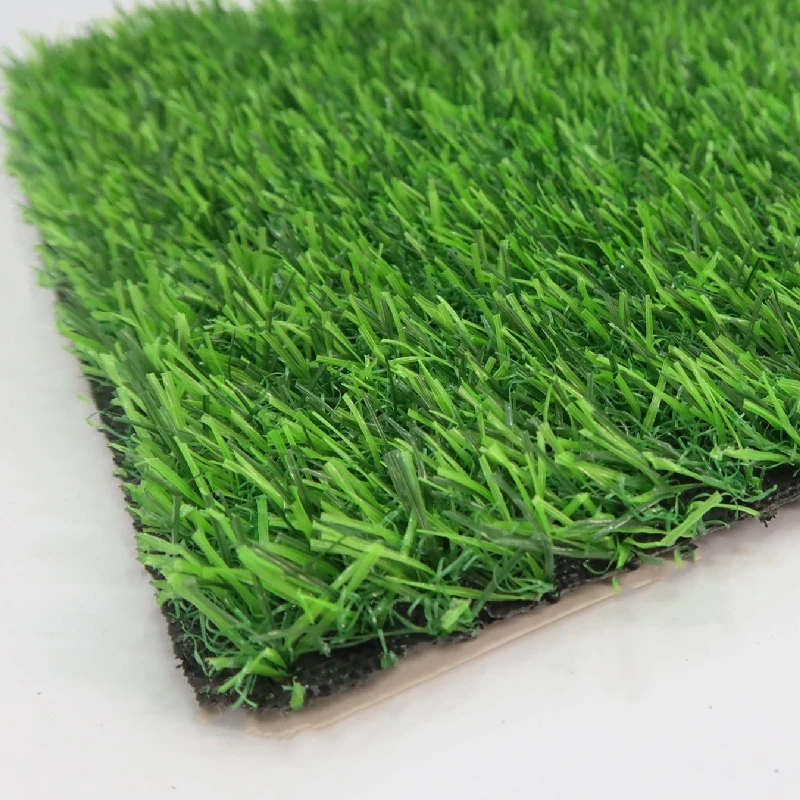
Simply put, 20mm artificial grass is synthetic turf with a pile height — the length of the individual grass blades — of roughly 20 millimeters. This thickness offers a “just right” feel: not too dense or tall like plush sports turfs, yet thick enough to look natural and withstand foot traffic better than shorter variants. It’s often made from polyethylene or polypropylene fibers backed with a durable, breathable membrane.
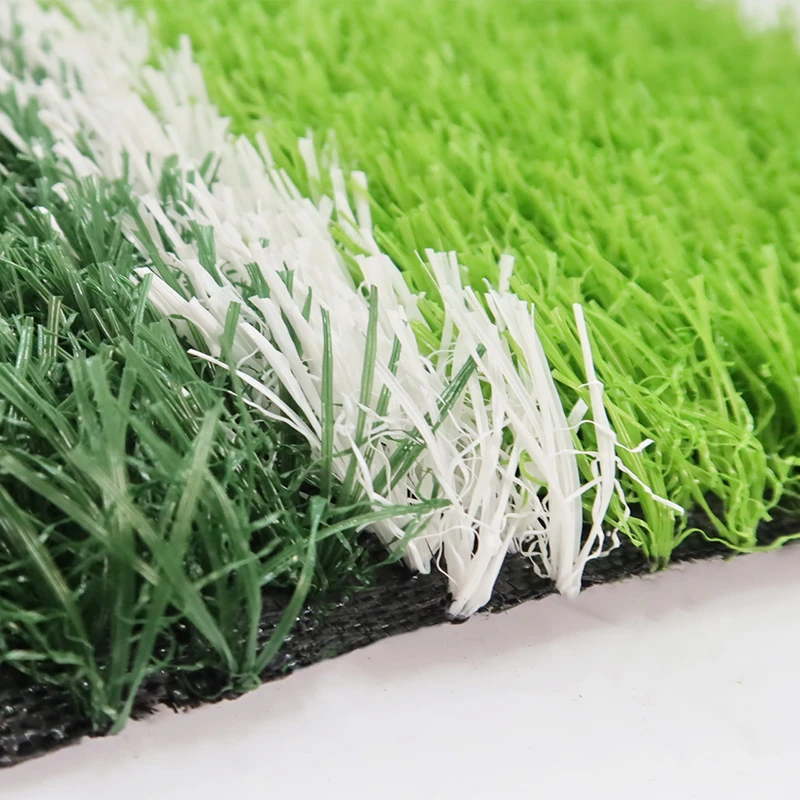
This grass type fits neatly between decorative turf — often around 10–15mm — and performance sports turf that can be 30mm or taller. So, the 20mm kind tends to appeal to residential lawns, commercial landscapes, rooftop gardens, and lightweight play areas where aesthetics still matter alongside durability.
Mini takeaway: 20mm artificial grass hits a versatile balance, blending natural look with resilience suitable for various environments.
Key Characteristics of 20mm Artificial Grass
Durability That Holds Up
Many engineers say that a turf’s longevity hinges heavily on its pile density and fiber quality. At 20mm, the grass is thick enough to resist matting and flattening under regular footfalls but short enough to avoid excessive debris buildup. UV resistance treatments ensure the color stays vibrant through intense sun exposure.
Drainage and Breathability
The backing layer usually features micro-perforations or a mesh design, enabling rapid water drainage. That means after heavy rain, the grass doesn’t pool or get soggy — which is crucial if you’re putting it on hard surfaces or slightly sloped areas.
Cost Efficiency Compared to Longer Pile Turf
Because 20mm artificial grass uses less material than premium sports turfs, costs often drop by roughly 15-20%. Installation is simpler, too, reducing labor. For homeowners or small businesses, this can make a big difference in upfront budget without compromising much on feel or appearance.
Environmental Benefits
- Zero irrigation required, conserving precious water
- Minimal maintenance without chemicals or fertilizers
- Often recyclable materials included, reducing landfill impact
Aesthetic Flexibility
With advances in fiber dyeing and weaving, 20mm artificial grass comes in varying shades of green, subtle color blends, and even “thatch” layers that mimic dried grass, enhancing realism.
Mini takeaway: Durability, drainage, cost, eco-friendliness, and aesthetics all entwine to make 20mm artificial grass a practical, versatile choice.
Global Applications: Where and Who Benefits from 20mm Artificial Grass?
It’s hardly just for suburban backyards. Take, for example, drought-prone regions in Australia and California, where this turf helps communities save millions of liters of water annually yet keeps public parks visually inviting.
In post-disaster relief operations, organizations like the Red Cross have turned to artificial grass overlays to quickly create safe, dust-free play areas for children — a simple way to restore normalcy amid chaos.
Urban rooftops in dense cities like Tokyo and London are increasingly installing 20mm systems to establish green zones without the need for soil or intense maintenance. Some industrial zones even use turf patches to reduce dust and noise.
Not to forget, educational institutions worldwide choose this turf to provide safe, durable playgrounds with lower running costs.
Mini takeaway: From drought hotspots to disaster zones and rooftops alike, 20mm artificial grass spans diverse needs worldwide.
The Long-Term Value — Why Invest in 20mm Artificial Grass?
- Cost savings: Less water, fewer labor hours, minimal upkeep.
- Environmental impact: Conserves precious resources and reduces chemicals.
- Reliability: Retains look and integrity through seasons without patchy wear.
- Comfort and safety: Reduces allergens and pests vs natural grass, provides even surfaces.
Emotional satisfaction often goes overlooked here: knowing your outdoor space is lush and evergreen despite droughts or urban stresses feels pretty great. It’s like having your cake and eating it too — nature’s beauty without nature’s demanding tantrums.
Mini takeaway: The tangible plus intangible benefits make 20mm artificial grass a wise, future-proof investment.
Looking Ahead: Future Trends in 20mm Artificial Grass
The turf industry is quietly booming with innovation. We’re talking about bio-based polymers replacing petrochemicals to lower carbon footprints. Smart turf embedded with sensors to monitor moisture or foot traffic could be just a few years away, offering unprecedented maintenance control.
Policies promoting green infrastructure, including incentivizing water-saving landscaping, also hint at bigger market demand. And, oddly enough, digital design tools now enable tailored turf layouts optimized for spaces — helping architects blend utility and style like never before.
Mini takeaway: Expect sustainability and smart tech to shape the 20mm artificial grass future.
Challenges and Practical Solutions
No product is perfect. With 20mm artificial grass, concerns often arise around microplastic shedding, initial installation costs, and heat retention on sunny days. The good news? New fiber coatings cut shedding by over 70% (ISO tested), while reflective pigments reduce surface heat. And companies are offering leasing or phased-installation schemes to ease upfront financial burdens.
Moreover, end-of-life recycling programs are slowly becoming standard, helping close the loop and mitigate environmental issues.
Mini takeaway: Innovations and smart practices are tackling 20mm turf challenges head-on, making it progressively greener and friendlier.
Frequently Asked Questions About 20mm Artificial Grass
- Q: How durable is 20mm artificial grass compared to natural lawns?
- A: Typically, 20mm artificial grass can last 8–15 years with proper care, resisting wear and weather better than natural grass that can patch or die off. Plus, it doesn’t need mowing or irrigation.
- Q: Is this turf safe for kids and pets?
- A: Absolutely. Most 20mm turf options are non-toxic, UV-stabilized, and designed to offer a cushioned, allergen-free surface, ideal for play areas and backs yards.
- Q: What about installation — can I do it myself or need professionals?
- A: Small-scale projects can be DIY-friendly, but professional installation is recommended for larger or high-traffic areas to ensure proper drainage and longevity.
- Q: Does 20mm artificial grass get hot in the sun?
- A: It can reach higher surface temperatures than natural grass, especially in direct sunlight. Treatments with reflective pigments help, as does shading or watering before use.
Technical Specification Table
| Specification | Details |
|---|---|
| Pile Height | 20mm ± 2mm |
| Material | Polyethylene & Polypropylene blend |
| Backing | Perforated latex or polyurethane |
| UV Resistance | Grade 8+ (ISO 4892-3:2016 standard) |
| Roll Width | 4 meters |
| Installation Type | Glue or sand infill optional |
Vendor Comparison: Choosing the Right Supplier
| Feature | Supplier A | Supplier B | Supplier C |
|---|---|---|---|
| Pile Height Consistency | ±1mm | ±2mm | ±1.5mm |
| UV Warranty | 8 years | 5 years | 7 years |
| Recycling Program | Yes | No | Yes |
| Average Cost per m² | $25 | $22 | $27 |
| Lead Time | 2 weeks | 3 weeks | 1.5 weeks |
Wrapping Up: The Evergreen Appeal of 20mm Artificial Grass
So, what’s the big deal with 20mm artificial grass? Frankly, it’s a genuine answer to modern landscaping’s competing demands: cost, durability, eco-friendliness, and beauty. Whether you're a homeowner tired of watering every week, a city planner facing green space shortages, or an NGO creating safe play zones post-disaster, this turf offers a flexible, sustainable, and visually pleasing solution. As the world warms and water grows scarcer, it’s one of those underrated tech advances quietly making a meaningful impact.
If you’re curious to explore how 20mm artificial grass might fit your landscape or project plans, why not start a conversation with the experts?
Remember: The future of green spaces might just be synthetic, but the benefits are as natural as they come.
References:
1. World Bank Urbanization Data
2. Wikipedia: Water Scarcity
3. ISO 4892-3:2016 - Plastics — Methods of exposure to laboratory light sources
Latest news
-
Creating the Perfect Fake Grass Area for Dogs Complete Guide
NewsApr.16,2026
-
Guide to Using Fake Grass and Pets for a Pet Friendly Lawn
NewsApr.09,2026
-
Fake Grass and Dogs Creating a Pet Friendly and Durable Yard
NewsApr.07,2026
-
Maintaining a Pristine Lawn with Fake Grass and Dog Wee Management Solutions
NewsApr.04,2026
-
The Ultimate Guide to Choosing the Perfect Fake Dog Grass Patch for Your Pet
NewsMar.31,2026
-
Discover the Benefits of High Quality Fake Dog Grass for Potty Training
NewsMar.28,2026
Products categories