Welcome to Hoyarn
Call Us Any Time:+86 19801805999
Email Us: info@hoyarn.cn
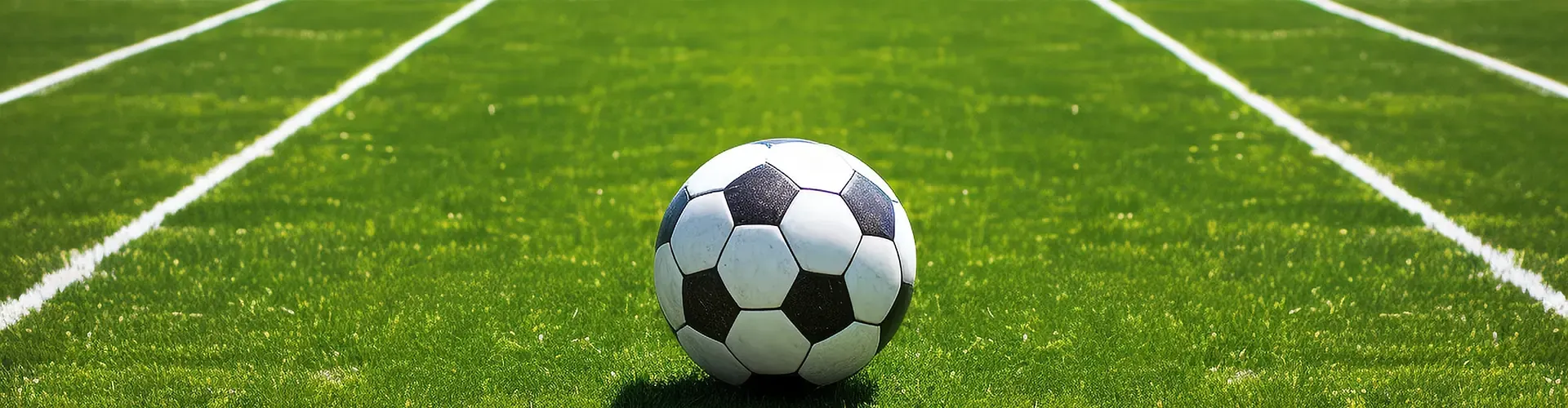
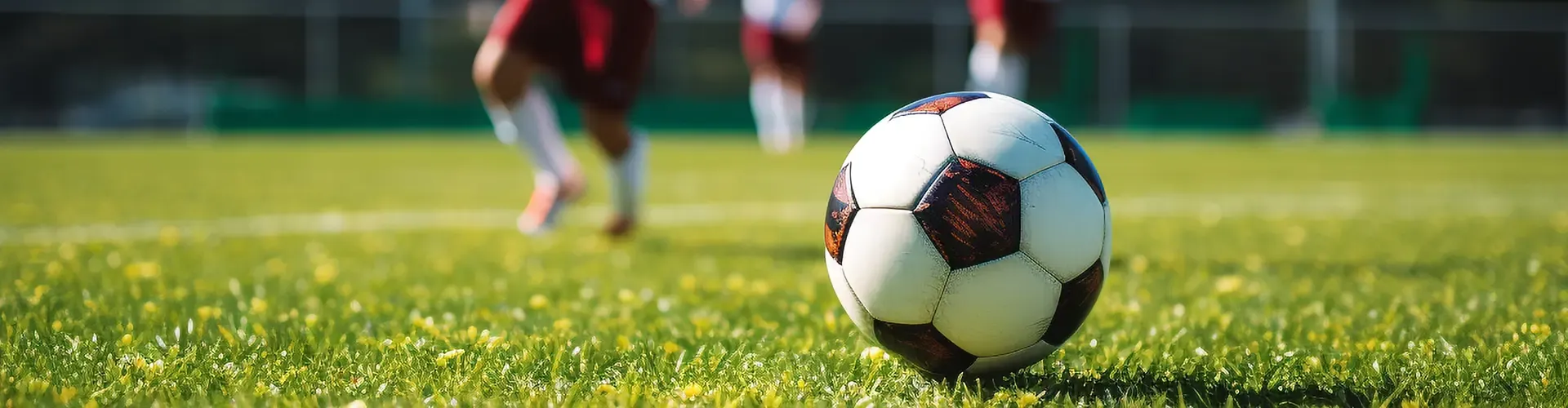
Synthetic Grass Play Area – Safe, Sustainable Outdoor Solutions Worldwide
Dec . 03, 2025 15:22 Back to list
Synthetic Grass Play Area – Safe, Sustainable Outdoor Solutions Worldwide
Synthetic Grass Play Area: A Modern Solution for Safe, Sustainable Outdoor Spaces
Let’s face it — playgrounds and recreational spaces are essential for communities worldwide, but maintaining natural grass play areas that stay intact and safe year-round is a challenge. Enter the synthetic grass play area: a high-tech alternative that’s catching everyone’s attention. Beyond just green turf that looks great, these systems bring cost savings, safety, and environmental benefits that are crucial globally in the face of urbanization and climate unpredictability.
Why Synthetic Grass Play Areas Matter Globally
Urban populations have swelled to over 56% worldwide, according to the UN's 2022 report, and green open spaces are shrinking. Synthetic turf offers a durable, low-maintenance alternative that supports children’s play and community well-being even in water-scarce or heavily trafficked cities. Furthermore, playground injuries remain a top concern for parents and municipalities alike. In fact, playgrounds without proper surfacing contribute substantially to childhood injury statistics reported by the CDC. Synthetic grass surfaces provide consistent cushioning and stay usable across seasons.
Defining Synthetic Grass Play Area
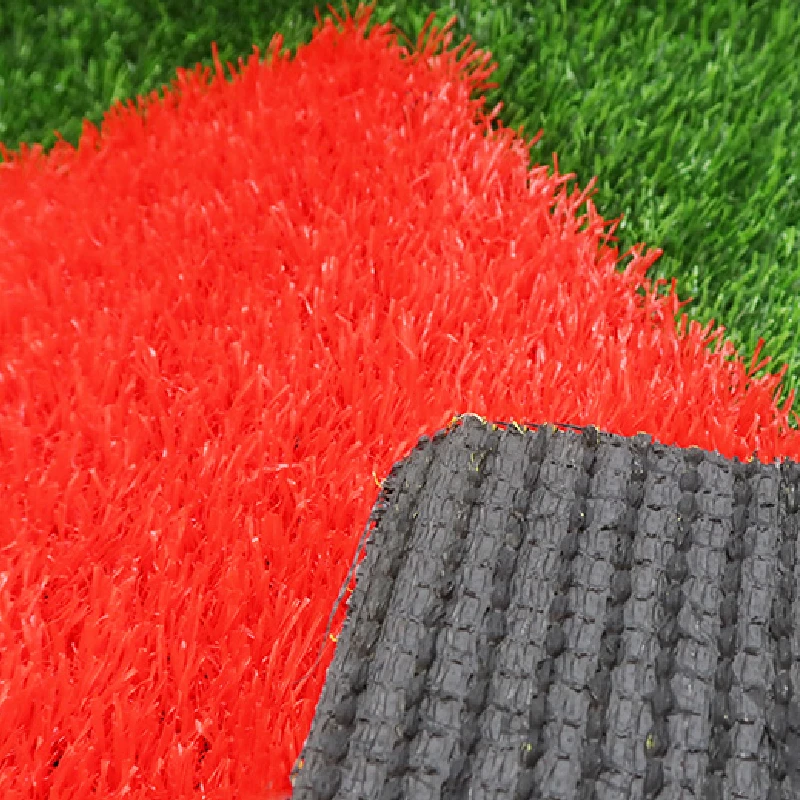
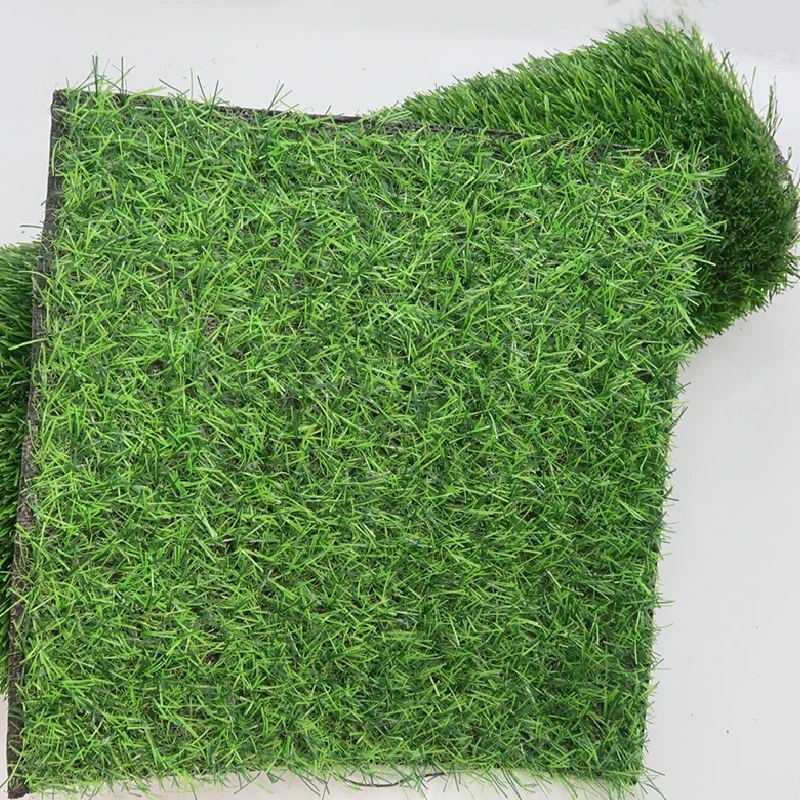
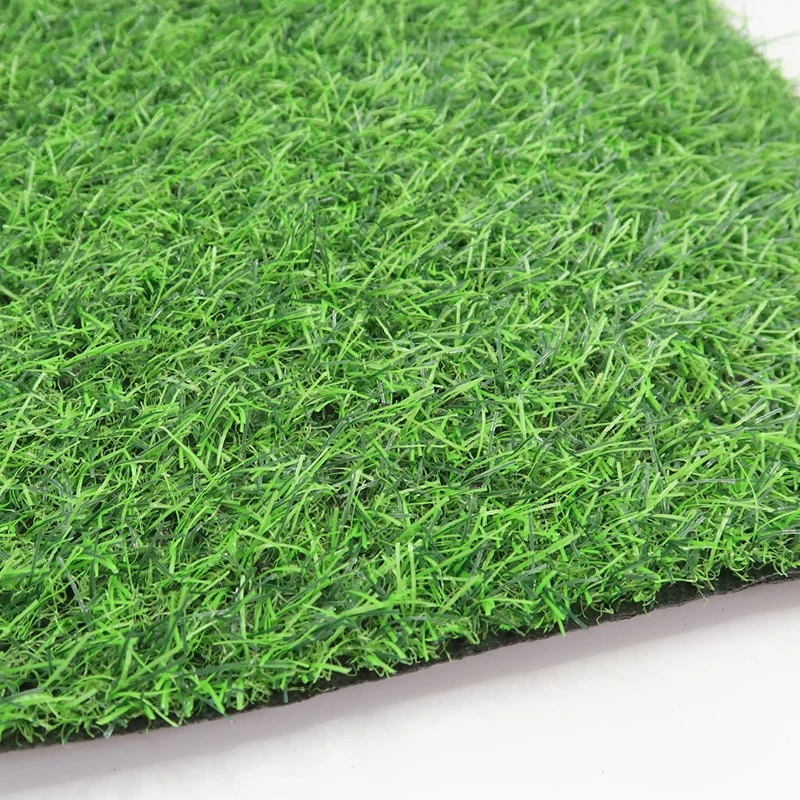
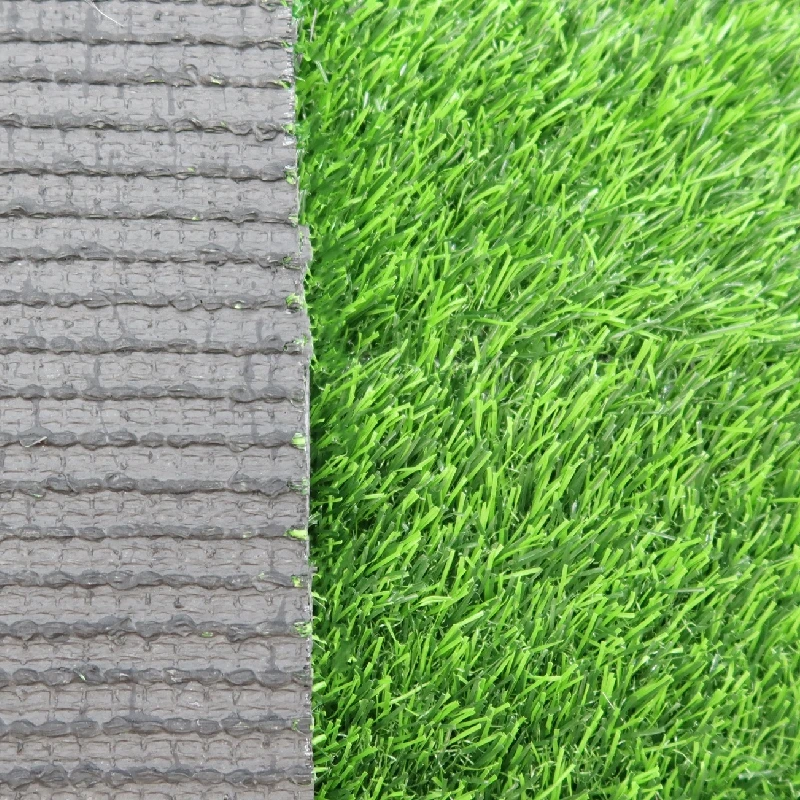
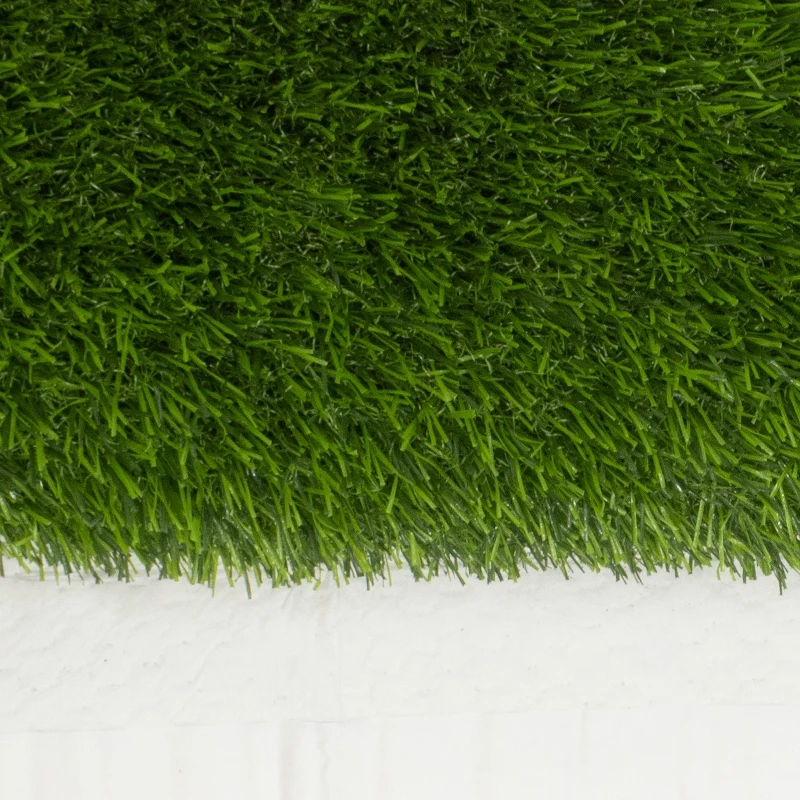
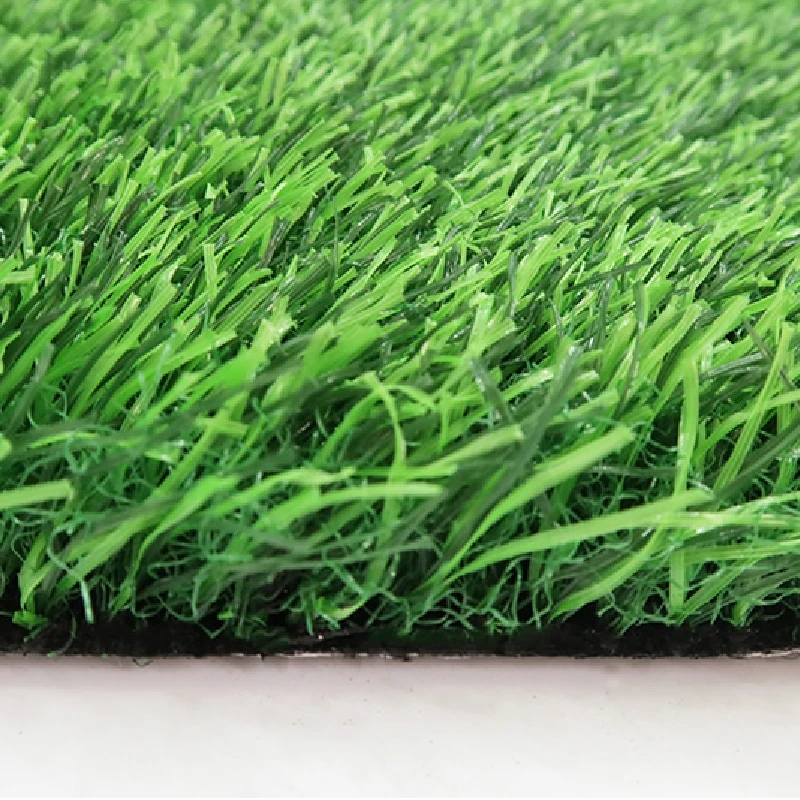
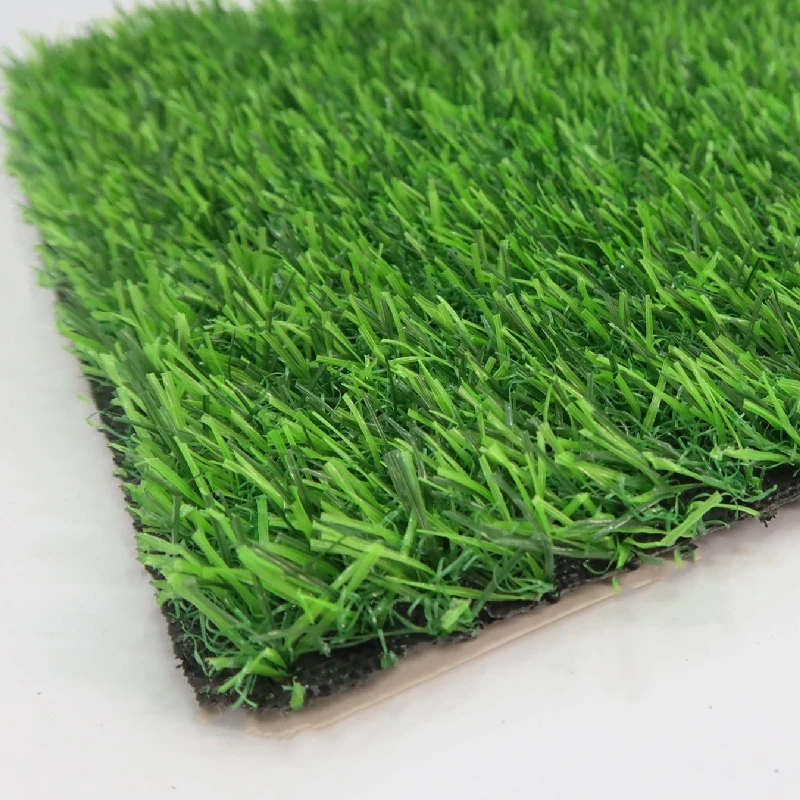
Simply put, a synthetic grass play area is an engineered outdoor or indoor play surface that uses artificial fibers woven into a backing material, replicating natural grass’s look and feel but with far greater durability and resistance to wear. It’s more than just plastics spread on soil — it involves layered systems designed to cushion impacts, drain water efficiently, and inhibit bacterial growth, meeting both industrial and humanitarian standards for safe play.
Core Components of Synthetic Grass Play Areas
Durability & Resilience
These surfaces are engineered to withstand heavy foot traffic, weather extremes, and UV exposure without fading or patching. This kind of durability ensures that a synthetic grass play area can sustain years of use, especially in busy urban environments or harsh climates.
Safety & Impact Absorption
Safety is paramount — the underlying shock pads or infill layers are designed to reduce common playground injuries from falls. Many synthetic lawns meet ASTM and EN standards for impact attenuation, providing peace of mind for caretakers.
Water Efficiency & Maintenance
Unlike traditional turf, synthetic grass doesn’t require watering, fertilizing, or mowing. This significantly reduces maintenance costs, saves water — a huge deal in drought-prone areas — and minimizes chemical runoff that might contaminate local ecosystems.
Scalability & Customization
From small backyards to sprawling community parks, these systems can be tailored to size, color, and texture needs, even accommodating accessibility requirements with softer, even surfaces.
Environmental Impact
While synthetic turf is plastic-based, advancements in recyclable materials and infill alternatives like cork or coconut fibers are reducing ecological footprints. Plus, the lowered water and pesticide use is a net positive for many ecosystems.
Mini Takeaway:
Synthetic grass play areas combine technological prowess and thoughtful design to offer resilient, safe, and eco-conscious outdoor solutions, answering many modern-day urban challenges.
Global Applications & Use Cases
These systems have found homes worldwide — from bustling cities in Europe and Asia to remote community centers in Australia and North America. Notably:
- Urban Development: Cities like Tokyo and New York install synthetic play areas to maximize green space usability all year.
- Post-Disaster Relief: NGOs deploy portable synthetic turf mats in refugee camps to create safe play zones quickly.
- Schools & Daycare Centers: Many institutions benefit from low-maintenance, injury-reducing surfaces that withstand daily use.
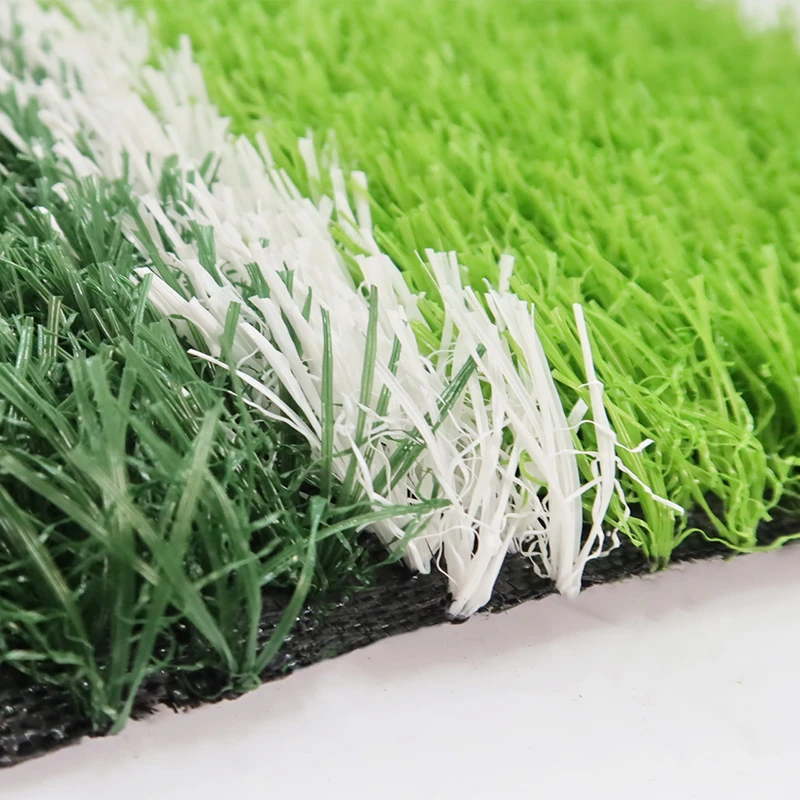
- Sports Facilities: Football and playground fields increasingly use advanced synthetic systems tailored to specific sports needs.
Product Specification Table
| Feature | Typical Value | Unit |
|---|---|---|
| Pile Height | 30–38 | mm |
| Infill Type | Rubber crumb / organic | - |
| Weight | 1.5–2.2 | kg/m² |
| Shock Pad Thickness | 15–25 | mm |
| UV Resistance | 10+ years | Years |
Vendor Comparison: Top Synthetic Grass Suppliers
| Vendor | Durability (Years) | Warranty | Eco-Friendly Options | Special Features |
|---|---|---|---|---|
| GreenPlay Turf | 12+ | 10 years | Yes (Organic Infill) | Anti-microbial fibers |
| SafeGround Solutions | 10 | 8 years | Limited (Recycled Rubber) | Shock pad included |
| EcoTurf International | 15+ | 12 years | Yes (Biodegradable Backing) | Custom color blends |
Advantages & Long-Term Value of Synthetic Grass Play Areas
The benefits go beyond aesthetics. For starters, the water savings alone are staggering — it takes approximately 55 gallons to water a natural grass lawn daily during summer months. This turf eliminates that, making it a champion for drought-prone areas. Maintenance costs drop significantly without mowing or fertilizers.
On the safety front, parents and caretakers appreciate the consistent surface, which reduces trip hazards or slippery patches common in worn natural turf. The surfaces retain their cushioned effect over years without compaction. Psychologically, having accessible play areas all year encourages socialization and healthy childhood development, a less tangible but equally critical advantage.
Future Trends & Innovations
Looking forward, synthetic grass technology is evolving rapidly. The integration of smart sensors to monitor turf temperature and integrity is underway — helpful for extra safety on hot days or extreme weather. Recycling technologies aim to turn old synthetic turf into new products, addressing plastic waste concerns.
We're also seeing greener infill materials like coconut fibers or cork replacing crumb rubber, reducing potential inflammability and toxicity. Digital fabrication techniques let installers customize turf with logos or patterns tailored for community identity.
Challenges & Expert Solutions
Of course, it’s not a perfect world. Synthetic turf’s upfront cost can be intimidating for some small communities. Installation requires trained professionals to ensure proper drainage and shock absorption layers are installed correctly — otherwise, you might lose the safety benefits. Some concerns remain about microplastic runoff during cleaning.
Experts recommend choosing certified materials that comply with ISO and ASTM standards and consulting with vendors who provide detailed installation guidance. Ongoing research into bio-based polymers may eventually reduce dependency on traditional plastics.
FAQ: Frequently Asked Questions about Synthetic Grass Play Areas
- How long does a synthetic grass play area last?
- Typically, high-quality synthetic grass systems last between 10 to 15 years with proper maintenance. UV resistance and durable fibers help sustain appearance and safety.
- Is synthetic turf safe for children’s play?
- Yes, when installed with appropriate shock pads and infills, synthetic turf meets safety standards to reduce injuries from falls and offers a clean, allergen-reduced surface compared to natural grass.
- Can synthetic grass be installed in all climates?
- Synthetic turf is designed to cope with a wide range of climates, including hot deserts and cold regions, though installation techniques may vary to optimize drainage and durability.
- How environmentally friendly is artificial turf?
- While synthetic turf does use plastics, reduction in water use, fertilizers, and pesticides offers significant sustainability benefits. Newer eco-friendly materials and recycling programs are also making strides toward improving its environmental profile.
- Where can I find certified synthetic grass for play areas?
- Reputable suppliers like synthetic grass play area specialists offer ISO and ASTM-certified turf designed specifically for playground safety and durability.
Conclusion
Overall, the synthetic grass play area emerges as a smart, forward-looking solution for communities who want safe, reliable, and sustainable green play surfaces. With responsible material choices and expert installation, these systems enrich outdoor environments — enhancing social, environmental, and economic value. If you’re ready to explore modern, low-maintenance playground options that meet global standards, visit our website to learn more.
It feels like synthetic grass is not just turf — it’s a bridge to safer, greener, more accessible play for all of us.
References:
1. United Nations, World Urbanization Prospects Report, 2022
2. CDC, Playground Safety Data & Resources, 2023
3. ASTM International, Standards on Synthetic Turf, 2023
Latest news
-
Creating the Perfect Fake Grass Area for Dogs Complete Guide
NewsApr.16,2026
-
Guide to Using Fake Grass and Pets for a Pet Friendly Lawn
NewsApr.09,2026
-
Fake Grass and Dogs Creating a Pet Friendly and Durable Yard
NewsApr.07,2026
-
Maintaining a Pristine Lawn with Fake Grass and Dog Wee Management Solutions
NewsApr.04,2026
-
The Ultimate Guide to Choosing the Perfect Fake Dog Grass Patch for Your Pet
NewsMar.31,2026
-
Discover the Benefits of High Quality Fake Dog Grass for Potty Training
NewsMar.28,2026
Products categories