Welcome to Hoyarn
Call Us Any Time:+86 19801805999
Email Us: info@hoyarn.cn
Synthetic Grass For Playgrounds – Durable & Safe Solutions for B2B | HOYAN Grass
Dec . 03, 2025 15:02 Back to list
Synthetic Grass For Playgrounds – Durable & Safe Solutions for B2B | HOYAN Grass
Synthetic Grass For Playgrounds is a key solution in the industry, specifically within commercial, educational, and recreational sectors. This article explores how https://www.hoyarngrass.com supports professionals with durable, high-performance products, and explains why this product is an ideal choice for businesses in these sectors.
Table of Contents
- Synthetic Grass For Playgrounds Overview
- Benefits & Use Cases of Synthetic Grass For Playgrounds
- Cost, Maintenance & User Experience
- Sustainability & Market Trends
Synthetic Grass For Playgrounds Overview
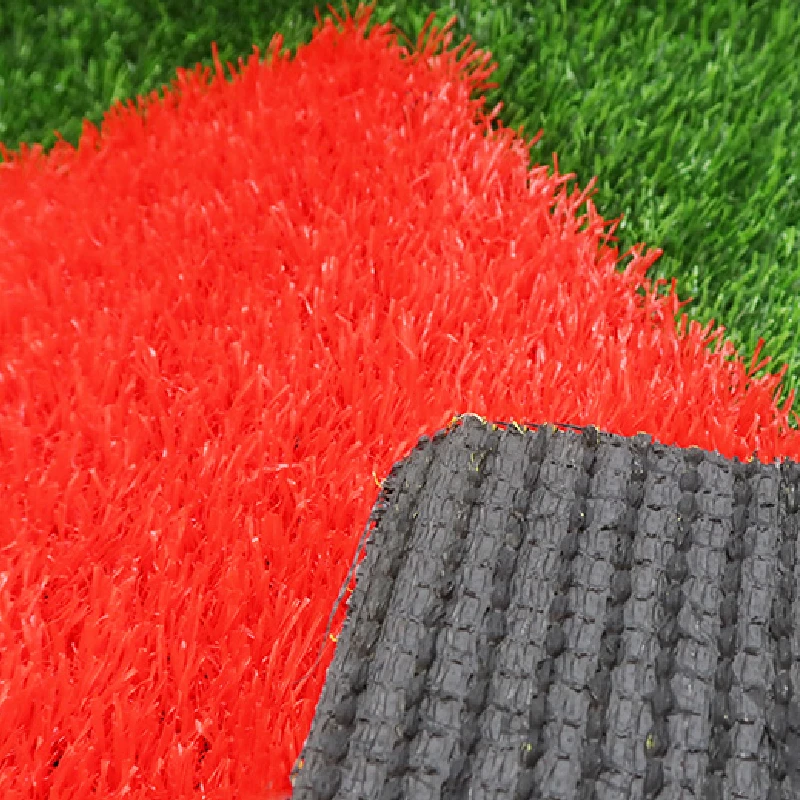
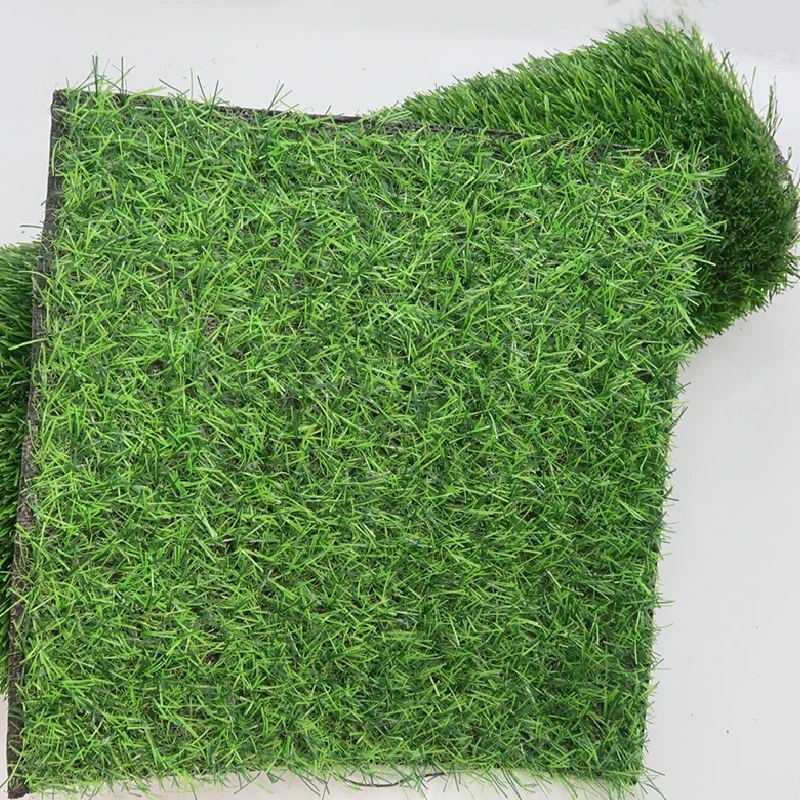
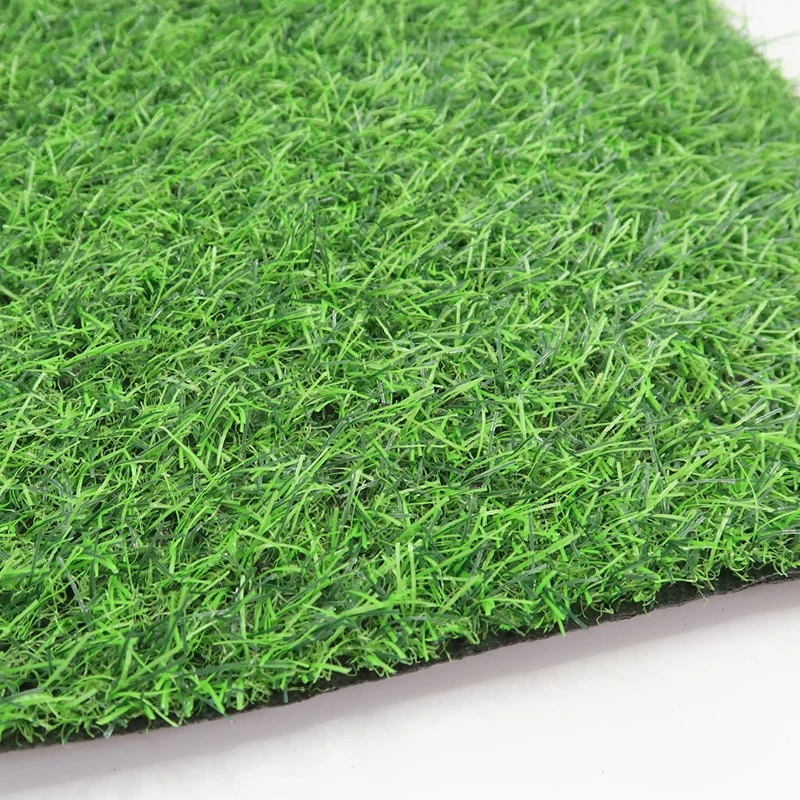
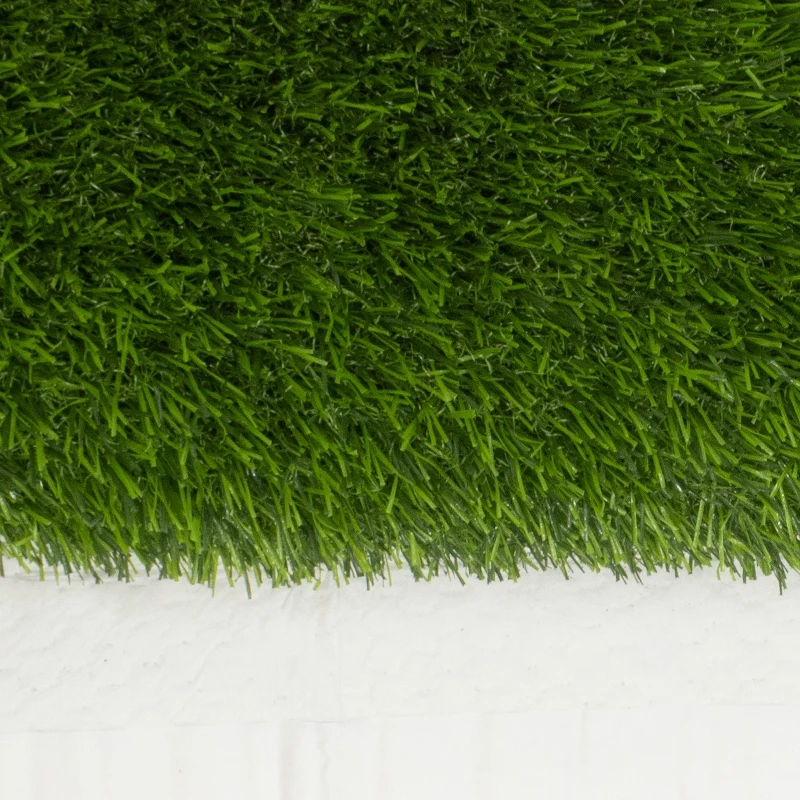
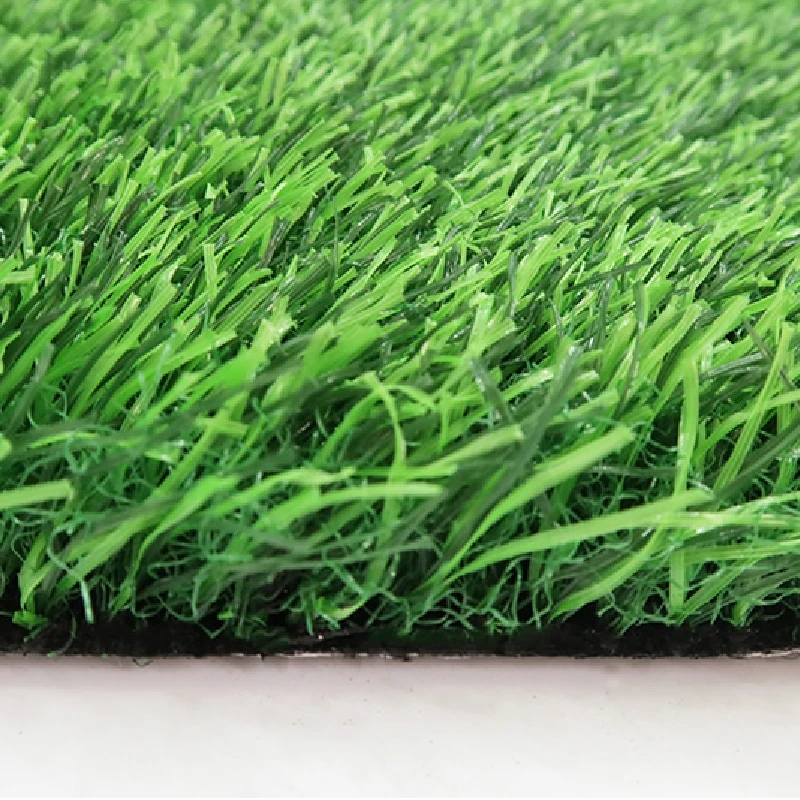
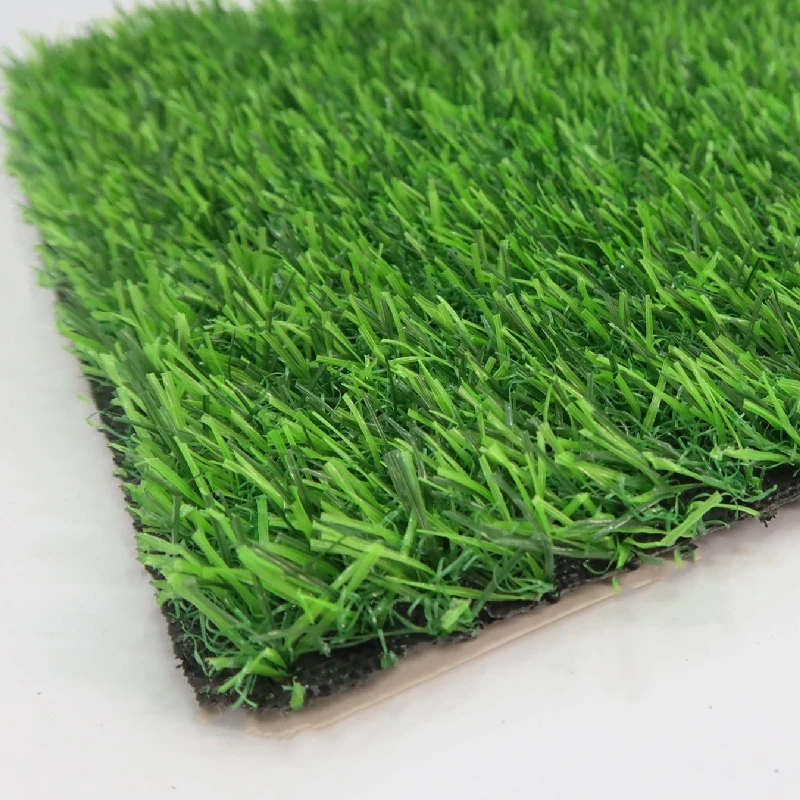
When it comes to ensuring safe, durable, and visually appealing play areas, Synthetic Grass For Playgrounds stands out. Simply put, it’s an engineered turf made from polyethylene or polypropylene fibers designed to mimic natural grass but without the hassle of watering or regular upkeep. It’s highly relevant in places where children’s safety, surface performance, and upkeep costs are paramount — think schools, parks, daycare centers, and even commercial playgrounds.
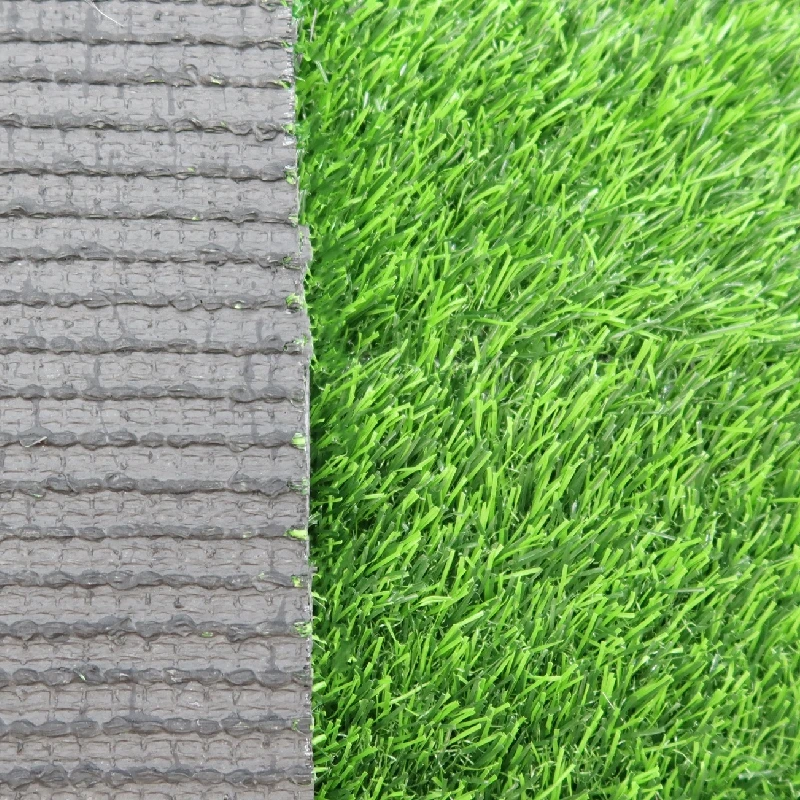
Technically, modern synthetic playground turf usually features a dense, UV-resistant fiber structure with a thick, shock-absorbing backing system to protect against falls and bruises. Often, infill materials like sand or rubber granules are added — helping with durability and cushioning. To get a little concrete, HOYAN’s playground turf is tested to comply with international playground safety standards (like ASTM F1292 for impact attenuation), which many playground architects and facility managers hold as a must. There’s even a case study where installing synthetic grass cut annual maintenance costs by over 60% while enhancing durability under heavy use.
| Specification | Description |
|---|---|
| Material | Polyethylene UV-Stabilized Fibers |
| Pile Height | 25–35 mm (optimal for cushioning) |
| Backing | Dual-layered non-woven + polyurethane coating |
| Infill | Silica sand &/or Rubber crumb options |
| UV Protection | Additives for 5+ years resilient outdoor exposure |
Benefits & Use Cases of Synthetic Grass For Playgrounds
There are plenty of ways synthetic grass delivers on its promise — beyond just looking neat and green all year long. In educational institutions, it creates a safe, slip-resistant surface that’s clean and easy to maintain, even under heavy foot traffic. Commercial playgrounds use it for its shock absorption and weather resilience. Oddly enough, one facility manager recently told me it’s “like having a fresh lawn that never gets muddy or worn down.” Some playground operators even swear by synthetic grass for lowering injury rates compared to hardened dirt or uneven asphalt.
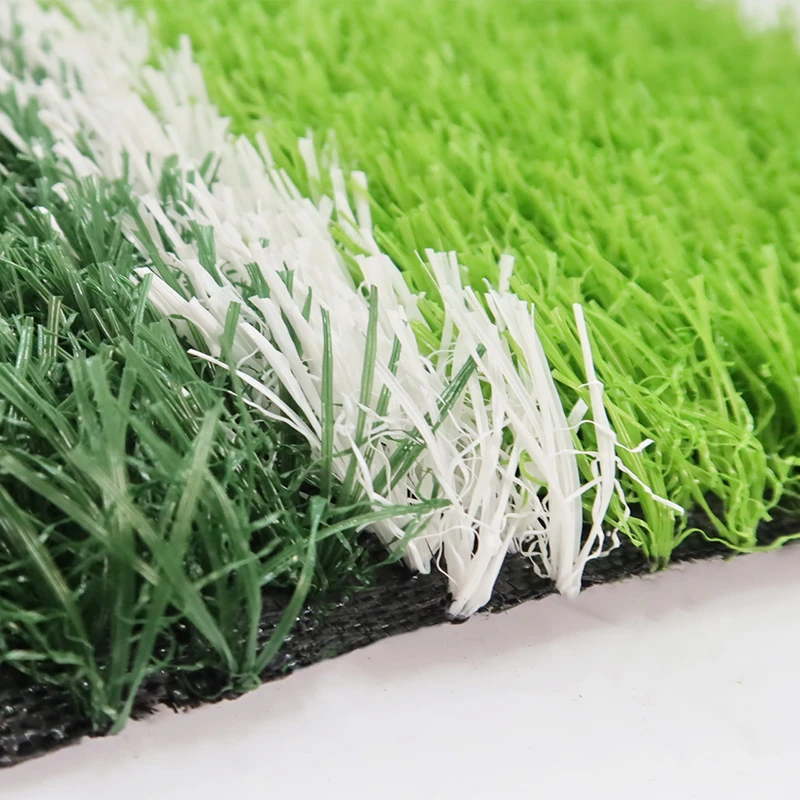
From a product feature standpoint, HOYAN’s synthetic turf is bleach resistant and engineered to avoid matting — which means it keeps that natural springy feel kids love. Another advantage is customization: the turf can be cut to fit oddly shaped play areas and even printed with colorful markings or logos, so you’re not stuck with generic green. Plus, since it’s drought-proof and insect-resistant, it saves businesses both money and headaches related to upkeep.
Cost, Maintenance & User Experience
When you factor in the upfront cost of synthetic grass for playgrounds, some B2B buyers hesitate, thinking natural grass is cheaper. But here’s the thing: natural turf requires regular watering, mowing, fertilizing, and often re-seeding, especially in high-traffic spots — which racks up both labor and water bills. Synthetic grass, while costlier initially, tends toward a lower total cost of ownership over a 7–10 year period. Many users report ROI by the third year simply because maintenance drops dramatically.
User experience is also key — playground surfaces made with synthetic turf often feel softer and more consistent than patchy dirt or worn-out grasses, reducing trip hazards and enhancing play comfort. Feedback from several schools indicates increased satisfaction among staff and parents, citing fewer injuries and cleaner play zones. It’s not just about looks; it’s about practical benefits that speak volumes in day-to-day use.
| Vendor | Material Quality | Price Range | Warranty | Customization Options |
|---|---|---|---|---|
| HOYAN Grass | Premium polyethylene fibers, UV stabilized | $$$ (mid-high) | 10 years | Cut shapes, colors, logos |
| Competitor A | Basic polypropylene | $$ (mid) | 5 years | Limited |
| Competitor B | Polyethylene blend | $$$ (mid-high) | 8 years | Color only |
Sustainability & Market Trends
Sustainability is growing from a buzzword into a baseline expectation, and frankly, synthetic grass for playgrounds fits well here — especially when manufacturers incorporate recycled materials and use eco-friendly infills. HOYAN, for example, emphasizes recyclable backing materials and low VOC emissions, which aligns with tightening government regulations on playground surfaces worldwide.
The market is also responding to the desire for safer, cleaner, and longer-lasting play areas. Demand has been steadily climbing in both developed and emerging regions. Oddly enough, there's also interest from unexpected sectors like pet care facilities and exhibition venues for children’s entertainment, broadening the use cases beyond traditional playgrounds. Technology continues evolving — from antimicrobial fibers to better drainage systems — so it's worth keeping an eye on.
Frequently Asked Questions about Synthetic Grass For Playgrounds
- What is Synthetic Grass For Playgrounds and how does it work?
- In simple terms, synthetic grass for playgrounds is a manufactured turf that simulates real grass for a clean, durable surface play area. It’s made of plastic fibers set into a backing, often layered with cushioning infill, to create a safe and comfortable outdoor surface that reduces maintenance and handles heavy use.
- What are the main benefits of using Synthetic Grass For Playgrounds in industrial applications?
- Key advantages include excellent durability under constant traffic, significant reductions in water and maintenance costs, UV and weather resistance, and improved safety through impact absorption. These make it attractive in schools, parks, and commercial recreational zones.
- How does Synthetic Grass For Playgrounds compare to traditional alternatives?
- Compared to natural grass, it offers consistent playing conditions year-round, is less prone to wear, doesn’t require watering or pesticides, and reduces mud and dust problems. Against hard surfaces like asphalt, it provides better cushioning and lowers injury risk.
- What industries can benefit most from Synthetic Grass For Playgrounds implementation?
- Beyond education and municipal parks, industries like commercial playground operators, daycare centers, sports facilities, pet care centers, and event venues have all found value in switching to synthetic grass to enhance safety, aesthetics, and long-term cost savings.
Conclusion on Synthetic Grass For Playgrounds from china
In real terms, synthetic grass for playgrounds offers B2B decision makers a compelling mix of safety, durability, and cost-effectiveness — crucial factors when maintaining busy facilities. HOYAN’s offerings from China provide trusted quality with flexibility in design and sustainability, helping businesses future-proof their playground investments.
- Recap the value of Synthetic Grass For Playgrounds.
- - Visit our website: https://www.hoyarngrass.com
Reflecting on the evolving playground landscape, it feels like synthetic turf is not just a luxury but becoming a standard — one that balances fun, safety, and sustainable use. As regulations tighten and user expectations rise, the trend only seems set to grow.
References:
1. ASTM International. Playground Impact Attenuation Testing Standards.
2. HOYAN Grass Case Study: Maintenance Cost Reduction.
3. Industry reports from Global Synthetic Turf Market, 2023.
Latest news
-
Creating the Perfect Fake Grass Area for Dogs Complete Guide
NewsApr.16,2026
-
Guide to Using Fake Grass and Pets for a Pet Friendly Lawn
NewsApr.09,2026
-
Fake Grass and Dogs Creating a Pet Friendly and Durable Yard
NewsApr.07,2026
-
Maintaining a Pristine Lawn with Fake Grass and Dog Wee Management Solutions
NewsApr.04,2026
-
The Ultimate Guide to Choosing the Perfect Fake Dog Grass Patch for Your Pet
NewsMar.31,2026
-
Discover the Benefits of High Quality Fake Dog Grass for Potty Training
NewsMar.28,2026
Products categories