Welcome to Hoyarn
Call Us Any Time:+86 19801805999
Email Us: info@hoyarn.cn
Durable Playground with Artificial Turf Solutions | Hoyarngrass
Dec . 03, 2025 12:34 Back to list
Durable Playground with Artificial Turf Solutions | Hoyarngrass
Playground With Artificial Turf: A Practical Look From the Field
Having worked in the industrial equipment and surfacing sector for years, I’ve seen playgrounds evolve in ways that are actually pretty fascinating. One trend that has particularly caught on — and frankly, it’s no surprise — is the use of artificial turf for playgrounds. It’s not just about making things look green year-round; there are some real, tangible benefits and considerations behind these synthetic surfaces that deserve a closer look.
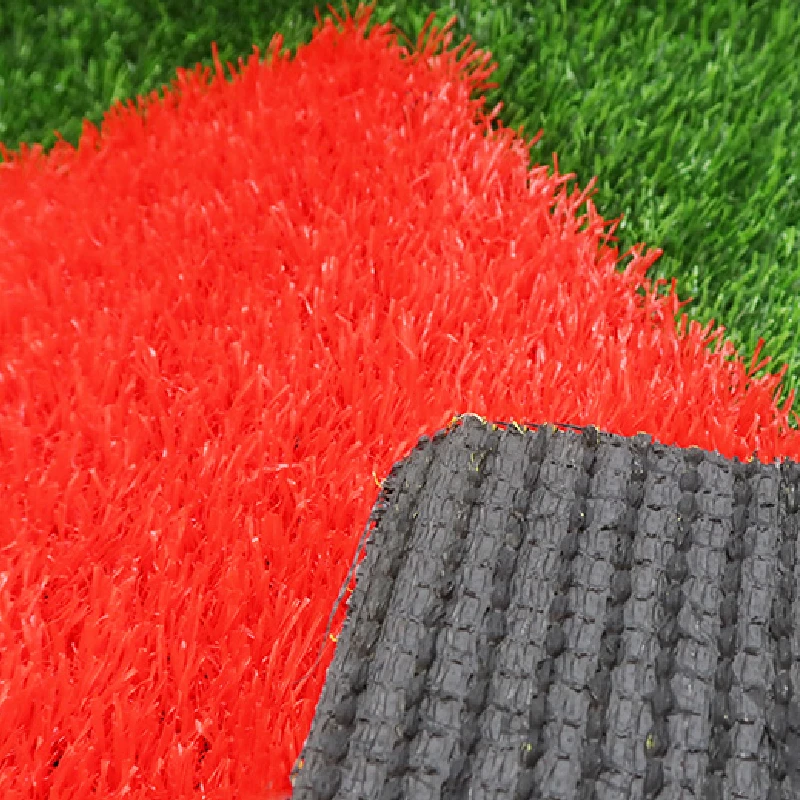
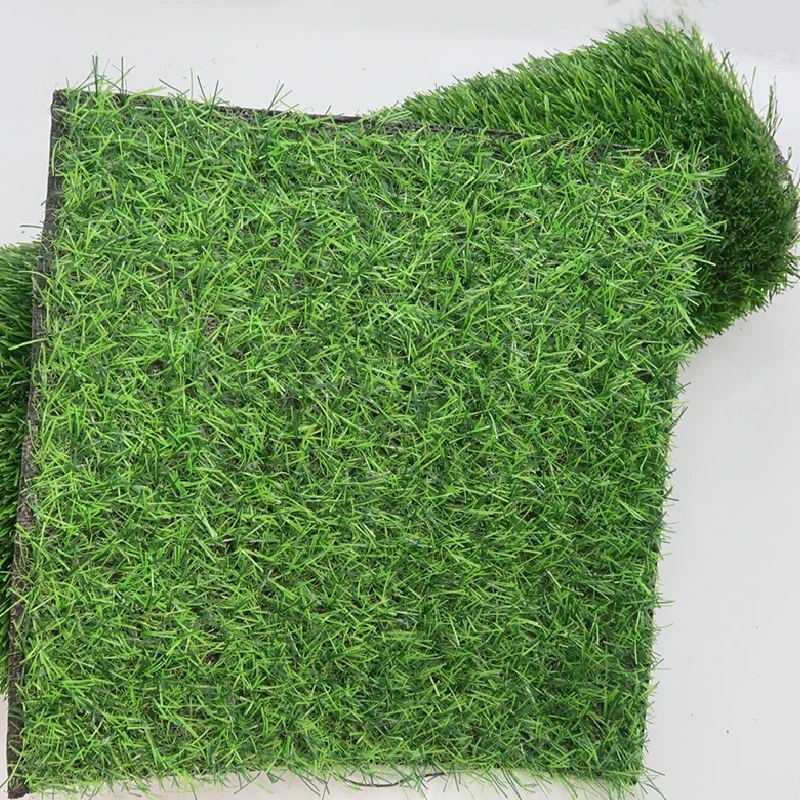
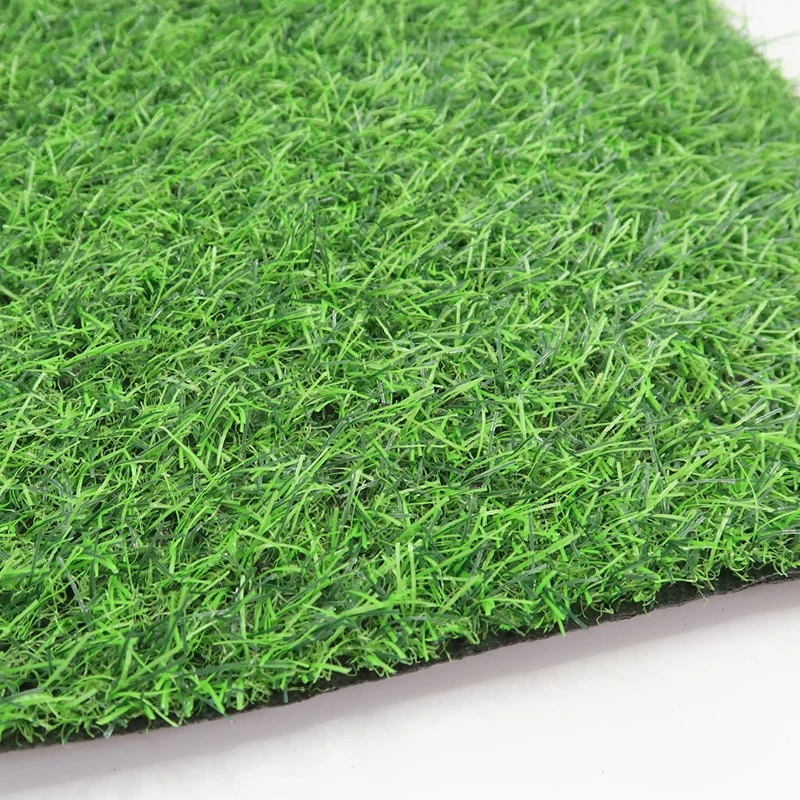
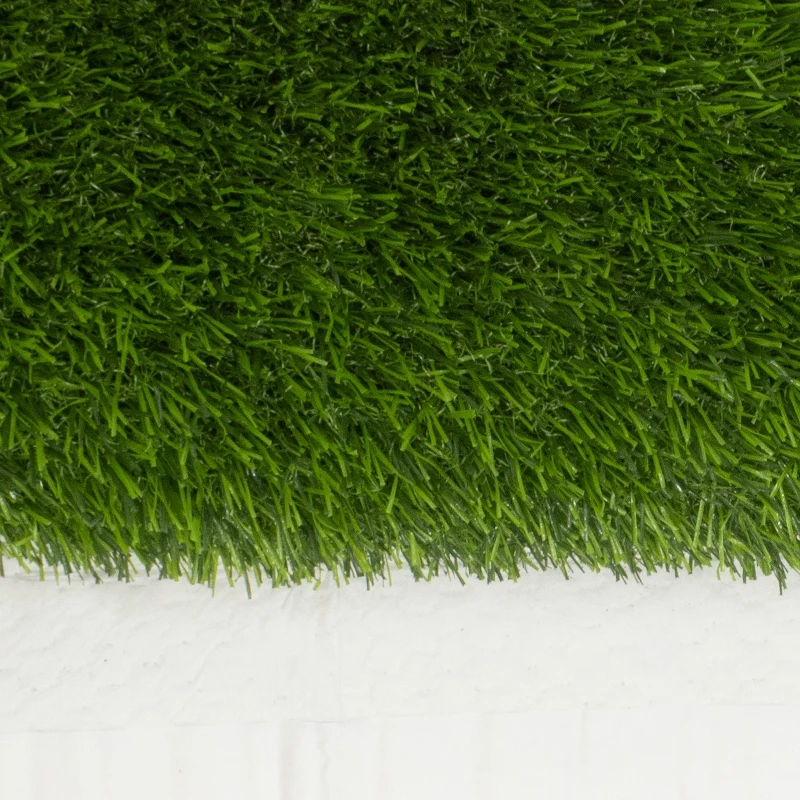
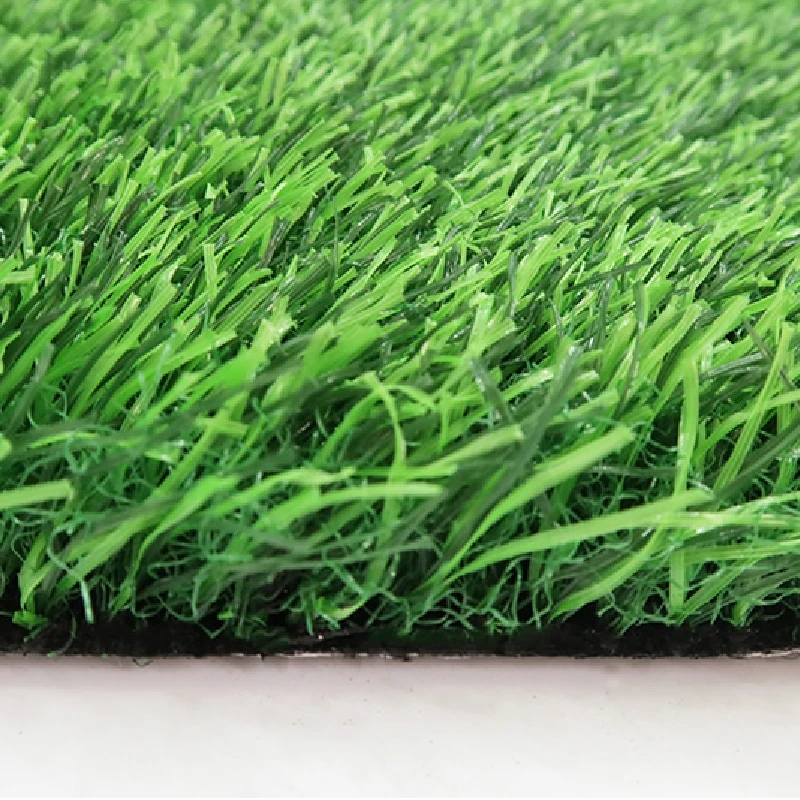
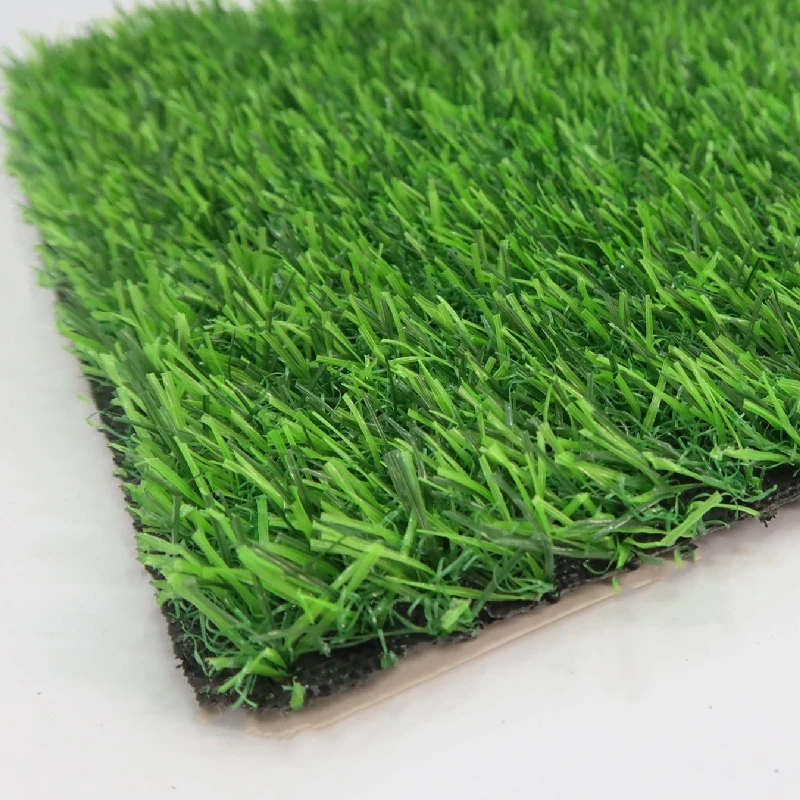
What strikes me first is how engineered these turfs have become. It used to be that artificial turf was fairly basic — a sort of plastic carpet — but nowadays, the materials and construction mimic natural grass better than you’d expect. In real terms, manufacturers have developed advanced polyethylene fibers and backing systems that can stand up to the kind of heavy foot traffic you get in schoolyards or community parks. And not only that, the turf's shock-absorbing qualities—critical for playground safety—have improved a lot, complying with ASTM and EN standards for impact attenuation.
Speaking of safety, I recall one local school that upgraded from worn-out rubber mats to an artificial turf surface last year. The playground not only looks vibrant and inviting, but teachers reported fewer scrapes and slips—kids are more confident running and playing on it. It’s those real-world outcomes that often matter most. Plus, it's much easier to maintain than natural grass, particularly in areas with limited sunlight or high foot traffic where grass dies off.
Here’s a quick rundown of typical specifications for a quality artificial turf system tailored for playgrounds:
| Specification | Details |
|---|---|
| Pile Material | UV-resistant polyethylene fibers |
| Pile Height | 25–35 mm (1–1.4 inches) |
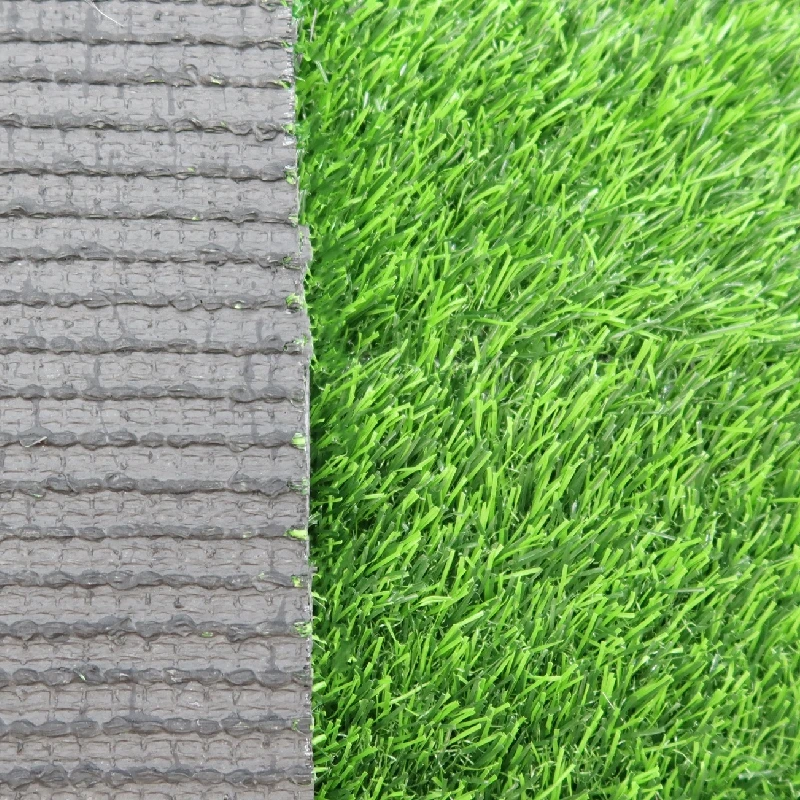
| Backing | Latex or polyurethane with perforations for drainage |
| Infill | Rubber crumb or silica sand for durability & cushioning |
| Shock Pad Optional | Closed-cell foam layer for impact attenuation |
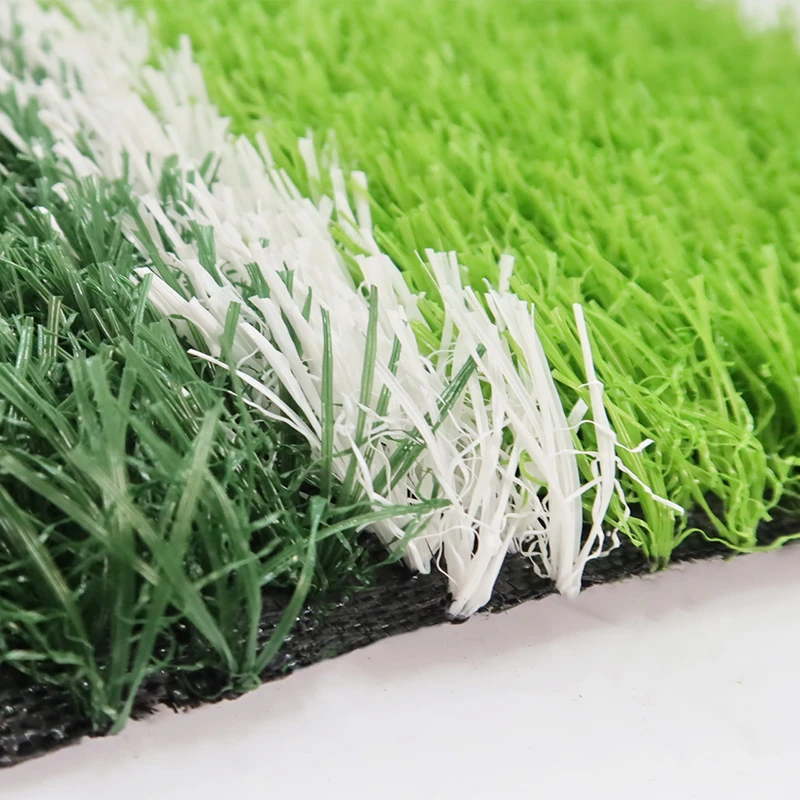
| Color Options | Various greens plus safe bright colors for zoned play areas |
| Warranty | 8 to 12 years typical manufacturer coverage |
Now, from a buyer’s perspective, a common question is: "Who does this well?" I’ve examined some of the major playground turf suppliers and thought it might help to lay out a quick comparison. This is based on my conversations with vendors, product data sheets, and frankly, feedback from the field.
| Supplier | Material Quality | Safety Certifications | Color Variety | Typical Price Range |
|---|---|---|---|---|
| Hoyarngrass | Premium UV-resistant polyethylene | ASTM F1292, EN 1177 | Wide, including custom branding | $$$ |
| PlayTurf Pro | Good, medium durability fibers | ASTM certified | Limited | $$ |
| GreenPlay Surfaces | Standard polyethylene | No specific playground certs | Basic greens only | $ |
Of course, price is always relative. For schools or municipalities, the initial investment in a quality turf like the one from Hoyarngrass might be somewhat steeper, but when you factor in maintenance savings and increased playground usage, it feels justified. Plus, I think the adaptability — customizing color zones or logos — can make playgrounds feel more welcoming, even culturally relevant. I’ve seen it first-hand where a local neighborhood had their community logo woven into the turf layout. That kind of personal touch… well, it matters.
Maintenance-wise, I’d say it’s straightforward, but don’t underestimate the importance of proper installation and infill selection. Many engineers I’ve worked with emphasize that if the drainage system isn’t right, or if the infill isn’t periodically redistributed, the turf’s lifespan and safety can suffer. It’s a bit of a dance between the manufacturer’s specs and the ground conditions, but once nailed, it’s low hassle for years.
Looking ahead, I suppose synthetic playground surfaces will keep innovating — possibly integrating antimicrobial coatings or recycled materials. Oddly enough, the notion of “fake” grass feeling more natural is becoming mainstream. For playgrounds, that means safer, greener, and more fun spaces that don’t degrade as fast as conventional alternatives.
So, if you’re in the market for playground surfacing, artificial turf is certainly worth a close look. Just remember, it’s not a one-size-fits-all — choose your specs thoughtfully and bring in trusted vendors who have the experience and warranty to back it up. It feels like one of those rare cases where investing upfront pays off in spades down the line.
Takeaway: Artificial turf playgrounds are no longer just a budget-friendly alternative — they’re an engineered, adaptable solution that improves safety, accessibility, and long-term value.
References:
- ASTM Standards for Playground Surfacing (F1292 Impact Attenuation)
- EN 1177 European Impact Test on Educational Playgrounds
- Hoyarngrass Official Product Catalogue and Technical Data (2024)
Latest news
-
Creating the Perfect Fake Grass Area for Dogs Complete Guide
NewsApr.16,2026
-
Guide to Using Fake Grass and Pets for a Pet Friendly Lawn
NewsApr.09,2026
-
Fake Grass and Dogs Creating a Pet Friendly and Durable Yard
NewsApr.07,2026
-
Maintaining a Pristine Lawn with Fake Grass and Dog Wee Management Solutions
NewsApr.04,2026
-
The Ultimate Guide to Choosing the Perfect Fake Dog Grass Patch for Your Pet
NewsMar.31,2026
-
Discover the Benefits of High Quality Fake Dog Grass for Potty Training
NewsMar.28,2026
Products categories