Welcome to Hoyarn
Call Us Any Time:+86 19801805999
Email Us: info@hoyarn.cn

Benefits and Innovations of a Playground with Grass for Safer, Sustainable Play Areas
Dec . 03, 2025 12:50 Back to list
Benefits and Innovations of a Playground with Grass for Safer, Sustainable Play Areas
Playground with Grass: Combining Nature and Play for Healthier Communities
When you think of a playground with grass, you might picture a sprawling green field where kids run freely, their laughter mingling with the gentle rustling of blades beneath their feet. But this isn’t just about nostalgic playtime; it’s a global conversation touching on urban planning, child safety, environmental sustainability, and even social equity. In cities worldwide, playgrounds serve as vital spaces for children’s development, and the choice of ground surface - grass, in this case - plays a surprisingly big role.
Understanding the nuances of grassy playgrounds isn’t merely a niche topic for landscapers or city councils — it’s about improving public health, fostering safer play environments, and addressing environmental challenges that affect communities on every continent.
Introduction: Why a Playground with Grass Matters Globally
The United Nations reports that over half the world’s population lives in urban areas, a figure expected to rise to 68% by 2050 [1]. This rapid urbanization puts pressure on green spaces, including playgrounds, which are critical for children’s physical and emotional well-being. But many playground surfaces today are concrete, asphalt, or synthetic turf — materials that often fall short on safety and environmental impact.
Here’s the rub: playgrounds with grass offer a natural, low-impact surface that can promote safer, more active play while also contributing to urban cooling and carbon sequestration. However, challenges like maintenance and durability keep some stakeholders hesitant.
What Exactly is a Playground with Grass?
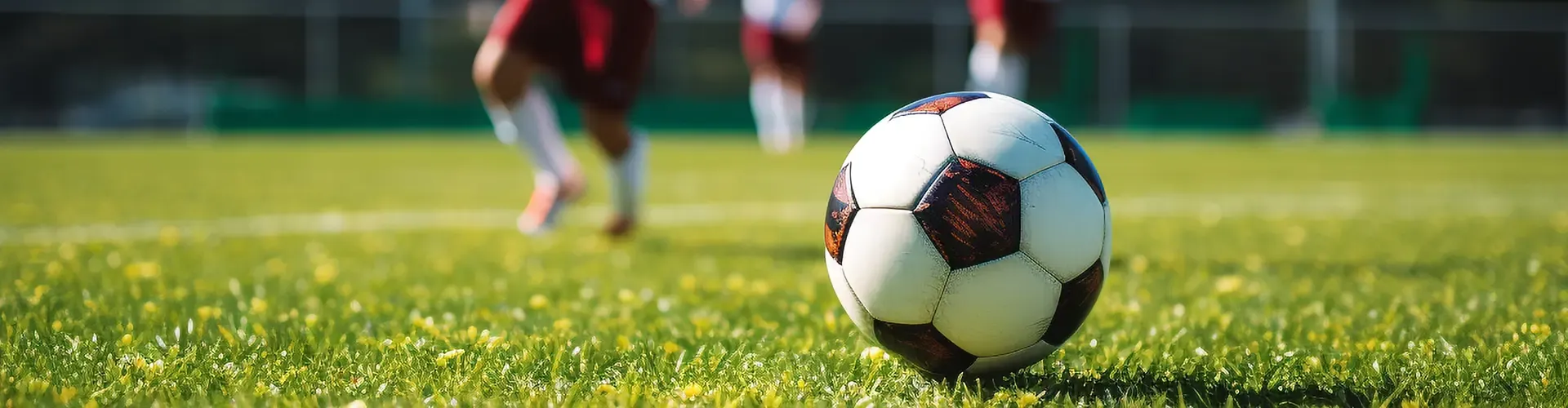
A playground with grass is simply a designated play area where natural grass covers the ground instead of rubber mats, plastic tiles, or artificial turf. The grass might be standard varieties, engineered sod, or reinforced natural grass capable of withstanding heavy foot traffic.
Importantly, grassy playgrounds blend landscaping and design with a focus on child safety and environmental sustainability. They’re increasingly recognized in urban development policies and humanitarian efforts, especially in areas where eco-friendly play areas are scarce.
Core Components of a Playground with Grass
1. Durability and Traffic Resistance
Grass is traditionally known to wear down quickly under constant use. But innovations in resilience, such as reinforced hybrid turf and root zone stabilization techniques, are changing the game. A playground must endure running, jumping, and even occasional sports without turning into a mud pit or barren dirt.
2. Safety and Comfort
One big advantage of natural grass is its cushion effect, softer than concrete and sometimes even synthetic materials. This cushion reduces injury risks from falls — a crucial factor because, frankly, playgrounds are where kids test their limits (and often fall).
3. Environmental Sustainability
Grass absorbs carbon dioxide, helps reduce urban heat islands, and improves air quality. Unlike synthetic surfaces, it supports local biodiversity and can be maintained with eco-conscious watering and mowing techniques.
4. Cost Efficiency Over Time
Initial installation might be pricier or more labor-intensive, but ongoing costs can be lower when managed well, especially with rainwater harvesting and organic maintenance. Of course, this varies with climate and usage intensity.
5. Aesthetic and Social Appeal
Green play areas foster social interaction by providing a pleasant environment that invites families and communities to gather, relax, and connect. Oddly enough, the simple presence of living grass encourages stewardship and respect for nature among children.
Product Specifications of a Typical Playground Grass System
| Feature | Specification |
|---|---|
| Grass Type | Kentucky Bluegrass or Hybrid Bermuda |
| Soil Base | Well-drained loam with sand mix for drainage |
| Reinforcement | Rootzone stabilization mesh or geotextile fabrics |
| Maintenance | Seasonal mowing, organic fertilization, efficient irrigation |
| Safety Standard | ASTM F1292 (impact attenuation) |
Global Applications and Real-World Use Cases
In Scandinavia, playgrounds with grass reflect longstanding commitments to environmentalism — in urban centers like Stockholm, they’re common in schoolyards, encouraging children to engage with nature daily. In the United States, many cities have started to replace costly synthetic turf sections with grass to moderate community heat pockets and improve local air quality.
In post-disaster relief, particularly in places like New Zealand where earthquakes disrupt urban infrastructure, temporary grassy playgrounds provide children with safe spaces outdoors while rebuilding efforts happen. Meanwhile, schools in emerging economies often have large grassy fields that double as play areas, yet may lack the resources for proper maintenance — a challenge we’ll touch on shortly.
The rise in playgrounds integrating grass also ties into global sustainability goals — especially UN Sustainable Development Goal 11, which calls for inclusive, safe, resilient, and sustainable cities [2].
Vendor Comparison of Popular Playground Grass Solutions
| Vendor | Grass Type | Maintenance Solutions | Safety Certification | Average Cost per sq. meter |
|---|---|---|---|---|
| GreenPlay Systems | Hybrid Kentucky Bluegrass | Organic fertilization & automated irrigation | ASTM F1292 & EN 1177 | $45 |
| EcoLawn Innovations | Reinforced Bermuda Grass | Soil aeration and drought resistant coating | ASTM F1292 | $40 |
| NaturePlay Solutions | Natural Grass with Geotextile Reinforcement | Manual maintenance & water recycling systems | EN 1177 | $38 |
Why Choose a Playground with Grass? Advantages and Long-Term Gains
- Safety First: Natural grass has impact-absorbing qualities that reduce the severity of falls and scrapes.
- Environmental Benefits: Grass acts as a carbon sink, improves soil health, and reduces urban heat, fostering greener cities.
- Economic Sense: Though initial investments might be higher, organic maintenance costs and lower synthetic waste disposal make grassy playgrounds more sustainable financially in the long run.
- Community Wellbeing: Green spaces contribute to mental health, facilitate social connections, and encourage outdoor activity — especially vital in an increasingly digital age.
So, there’s a kind of logic and heart behind choosing grass, beyond the obvious visual appeal.
Future Trends & Innovations in Playground Grass Technology
Materials science is advancing fast. Hybrid turf blending natural grass with subtle synthetic fibers is creating super-resilient surfaces. Add to that smart irrigation systems using sensors and AI to optimize water usage — turning maintenance into a high-tech affair.
Plus, several cities are promoting green infrastructure policies, incentivizing playgrounds with natural elements over synthetic alternatives as part of climate resilience plans. Future playgrounds might feature solar-powered lighting and interactive educational tech embedded in grassy fields.
Challenges and How Experts Suggest Overcoming Them
Maintaining a playground with grass isn’t always straightforward. Heavy foot traffic can cause turf wear, muddy conditions might arise after rain, and budgets can be tight for consistent upkeep.
Solutions? Reinforced grass technology is one. Another approach is hybrid surfaces where grass is combined with eco-friendly protective mats in high-impact zones — offering a balanced approach. Community programs that engage local caretakers also improve sustainability, fostering pride and reducing vandalism.
FAQ: Common Questions About Playgrounds with Grass
- Is natural grass safer than synthetic turf for playgrounds?
- Generally, natural grass provides better impact absorption and stays cooler under the sun, though proper maintenance is key. Synthetic turf offers consistency but can get hot and sometimes harder on falls.
- How often does a grass playground need maintenance?
- Depending on usage and climate, mowing might be weekly in growing seasons, with occasional aeration, fertilization, and irrigation. Technologies like automated sprinklers can ease the workload.
- Are grassy playgrounds suitable for all climates?
- While grass thrives in many temperate areas, arid and extremely cold regions pose challenges. Drought-resistant or hybrid grass varieties, combined with modern maintenance strategies, expand suitability.
- Can playgrounds with grass be ADA compliant?
- Yes, with thoughtful design and reinforced surfaces, grassy playgrounds can meet accessibility standards, ensuring inclusivity for all children.
Conclusion
Playgrounds with grass represent more than just a soft play surface; they symbolize a thoughtful intersection of nature, safety, and social spaces. They answer modern global challenges by fostering healthier environments for children and communities alike — in real, tangible ways. If you’re considering a greener, safer place for play and growth, this might just be your next best bet.
Visit our website for more insights and solutions: playground with grass.
Short reflection: It feels like we’re rediscovering the benefits of the natural world, even in something as everyday as a playground — and that’s pretty encouraging.
Latest news
-
Creating the Perfect Fake Grass Area for Dogs Complete Guide
NewsApr.16,2026
-
Guide to Using Fake Grass and Pets for a Pet Friendly Lawn
NewsApr.09,2026
-
Fake Grass and Dogs Creating a Pet Friendly and Durable Yard
NewsApr.07,2026
-
Maintaining a Pristine Lawn with Fake Grass and Dog Wee Management Solutions
NewsApr.04,2026
-
The Ultimate Guide to Choosing the Perfect Fake Dog Grass Patch for Your Pet
NewsMar.31,2026
-
Discover the Benefits of High Quality Fake Dog Grass for Potty Training
NewsMar.28,2026
Products categories