Welcome to Hoyarn
Call Us Any Time:+86 19801805999
Email Us: info@hoyarn.cn
Construction Hoarding Solutions and Artificial Grass Price per m2
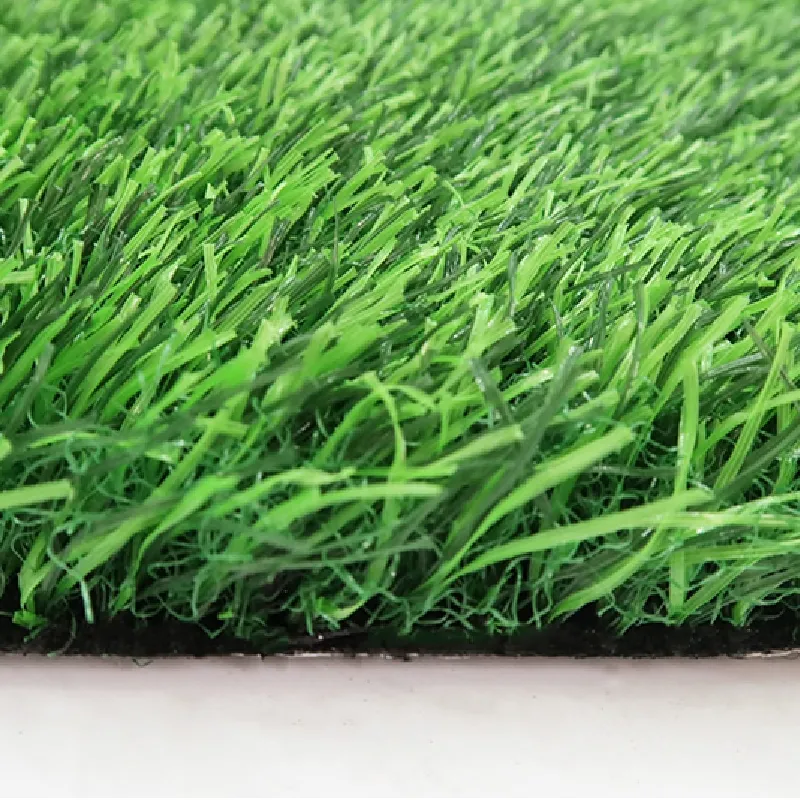
Integrating greenery into urban development often presents a conflict between aesthetic goals and the harsh realities of construction sites. For project managers and city planners, the challenge lies in mitigating the visual blight of building enclosures while managing dust and noise pollution. This is where specialized artificial turf for construction hoardings becomes a strategic asset. By transforming cold metal fences into lush, green walls, developers can significantly enhance the public perception of a site and align their projects with modern urban sustainability standards.
Beyond mere decoration, these innovative solutions utilize high-performance polyethylene (PE) and polypropylene (PP) polymers to provide functional benefits. From sound insulation to dust reduction, the utility of this material extends far beyond the surface. When evaluating the artificial grass price per m2 for large-scale building enclosures, the focus shifts from simple procurement to long-term value, encompassing site safety, environmental compliance, and corporate brand visibility.

The Structural Synergy of Building Enclosure Artificial Turf Systems
Artificial turf for construction sites is not a standalone product but a composite system designed for durability and rapid deployment. The architecture of these installations consists of two primary components: a robust supporting structure and the synthetic turf cladding. The supporting fence can be engineered from metal, wood, or high-density plastics, depending on the required wind load and site duration. This structure provides the necessary stability to keep the turf taut and professional in appearance.
The cladding itself is manufactured through a precision process using environmentally friendly polymer materials. By utilizing PE and PP, the turf achieves a highly simulated texture that mimics natural grass while remaining impervious to the typical wear and tear of a construction environment. This synergy ensures that the enclosure remains visually appealing throughout the project lifecycle, preventing the "industrial wasteland" look common in traditional city construction zones.
Furthermore, the integration of these materials allows for a seamless blend into the surrounding city landscape. Instead of jarring gray barriers, the green facades create a psychological buffer for pedestrians and residents, making the construction process feel less intrusive and more integrated into the urban fabric.

Operational Advantages for Urban Construction Environments
Implementing artificial turf on building enclosures provides four critical operational advantages that directly benefit both the contractor and the public. First is the environmental enhancement; by adding vertical greenery, the site contributes to the city's aesthetic value and reduces the "heat island" effect associated with large metal surfaces. Second is the air quality improvement; the dense fibers act as a physical filter, absorbing airborne dust and reducing the amount of particulate matter that escapes the site into the streets.
Thirdly, the acoustic properties of synthetic turf are highly effective for noise mitigation. The material provides sound insulation, absorbing high-frequency noise generated by machinery and construction activities, which is essential for projects located in densely populated residential or commercial districts. Finally, there is the element of enhanced safety. The turf barriers prevent accidental pedestrian entry and act as a shock absorber for external impacts, reducing the risk of injury from fence collisions.
These combined factors transform a simple boundary fence into a multi-functional tool for site management, ensuring that the project meets local environmental regulations and maintains a positive relationship with the community.
Strategic Branding and Corporate Image through Customization
In the competitive world of commercial construction, a project site is often the first point of contact between a developer and the public. Traditional fences are missed opportunities for communication. However, construction hoarding turf can be customized with various patterns, corporate logos, and project information. This turns the building enclosure into a massive, high-visibility marketing platform that displays the corporate image and project milestones in a sophisticated manner.
The use of customized turf allows developers to convey a message of sustainability and innovation. When a passerby sees a green wall instead of a corrugated steel sheet, they associate the project with environmental consciousness and quality. This strategic branding is particularly effective for luxury residential developments or high-end commercial hubs where the perceived value of the final product begins with the quality of the construction phase.
By integrating project data directly onto the surface of the turf, companies can provide essential information to the public—such as expected completion dates or architectural renders—while maintaining a clean, natural aesthetic that softens the industrial nature of the work site.
Technical Evaluation for Construction Hoarding Turf Selection
| Evaluation Factor | Traditional Metal Fence | Standard Synthetic Turf | HOYARN Premium Turf |
|---|---|---|---|
| Visual Impact | Industrial/Cold | Green/Simulated | Natural/High-Fidelity |
| Dust Suppression | None | Medium | High Absorption |
| Noise Reduction | Low (Reflective) | Medium | High Insulation |
| Brand Display | Paint/Banners | Limited | Custom Logos/Patterns |
| Installation Speed | Fast | Moderate | Optimized Modular |
Procurement Considerations for Large-Scale Urban Projects
When procuring materials for construction enclosures, buyers must look beyond the initial artificial grass price per m2 and consider the Total Cost of Ownership (TCO). This includes the durability of the polymer against UV radiation, the ease of installation, and the ability to reuse the material across multiple project sites. High-quality turf made from stabilized PE and PP prevents fading and degradation, ensuring that the greenery remains vibrant for the entire duration of the build.
Procurement managers should also evaluate the supplier's ability to provide customized solutions. A manufacturer that can integrate logos and specific patterns into the turf weaving process offers far more value than a supplier of generic rolls. Additionally, the weight of the material is a key engineering consideration; the turf must be light enough to not overstress the fence structure but dense enough to provide the required sound and dust insulation properties.
Selecting a partner like HOYARN, which specializes in diverse applications from sports fields to commercial decor, ensures that the product delivered is engineered for the specific rigors of an outdoor construction environment, providing a balance of aesthetics and industrial-grade resilience.
Future Trends in Sustainable Urban Site Management
The trend in urban development is moving toward "invisible construction," where the impact on the surrounding city is minimized. We are seeing an increase in the requirement for green buffers in city planning permits. The adoption of synthetic turf on hoardings is a precursor to more integrated biological systems, but synthetic solutions remain the gold standard due to their low maintenance and reliability in high-pollution areas where real plants would struggle to survive.
Future iterations of construction turf are expected to incorporate even more functional additives, such as advanced UV blockers and antimicrobial coatings to further enhance public health. The shift toward modular, snap-on turf systems will also reduce installation time and waste, making the process more sustainable and cost-effective for contractors.
Ultimately, the transition from traditional fencing to green enclosures reflects a broader change in the construction industry: a move toward empathy for the urban resident and a commitment to enhancing the city's visual and environmental quality during the growth process.
Frequently Asked Questions About Construction Site Turf
What materials are used in artificial turf for building enclosures?
These products are typically manufactured using high-quality polyethylene (PE) and polypropylene (PP). These environmentally friendly polymers are chosen for their durability, weather resistance, and ability to simulate the look and feel of natural grass.
How does artificial grass on fences help with dust and noise?
The dense fiber structure of the turf acts as a physical trap for airborne dust particles, preventing them from spreading. For noise, the material absorbs sound waves rather than reflecting them, which significantly reduces the decibel levels reaching the surrounding area.
Can we put our company logo on the construction turf?
Yes, the surface of the artificial turf for building enclosures can be customized. We can integrate various patterns, text, or corporate logos, turning your construction fence into an effective branding and information platform.
Is this type of turf suitable for long-term projects?
Absolutely. Because it is made from resilient synthetic polymers, it is designed to withstand outdoor exposure and the rigors of a construction site without losing its color or structural integrity over several years.
What are the main safety benefits of using turf hoardings?
Beyond aesthetics, the turf provides a physical barrier that prevents pedestrians from accidentally entering the site. Additionally, the soft texture absorbs the force of external shocks, making the perimeter safer for the general public.
How do I determine the correct amount of turf needed for my site?
The requirement is based on the total linear length and height of your fencing structure. We recommend contacting our technical team with your site dimensions to receive an accurate specification and quote based on your project needs.
Technical and Industry References
- ISO Standards for Polymer Materials
- EPA Guidelines on Urban Dust Control
- ASTM International Synthetic Turf Testing
- World Green Building Council Urban Greening Reports
If you are looking to elevate your project's professional image while meeting strict urban environmental standards, HOYARN Artificial Grass provides the ideal blend of functionality and aesthetics. Transform your construction site today.
Related Professional Turf Solutions