Welcome to Hoyarn
Call Us Any Time:+86 19801805999
Email Us: info@hoyarn.cn
Exploring the Benefits of Artificial Turf for Dogs and Pet Owners
Mar . 24, 2026 02:35 Back to list
Exploring the Benefits of Artificial Turf for Dogs and Pet Owners
Dogs on Artificial Turf: A Comprehensive Guide
Artificial turf is becoming increasingly popular for pet owners, offering a convenient and clean alternative to natural grass. But is it truly a good surface for dogs on artificial turf? This article explores the benefits, considerations, cleaning tips, and best practices for creating a pet-friendly artificial lawn. We'll cover everything from choosing the right turf to maintaining a hygienic environment for your furry friend. Ultimately, we want to help you make an informed decision about whether artificial turf is the right choice for you and your canine companion.
The Benefits of Artificial Turf for Dogs
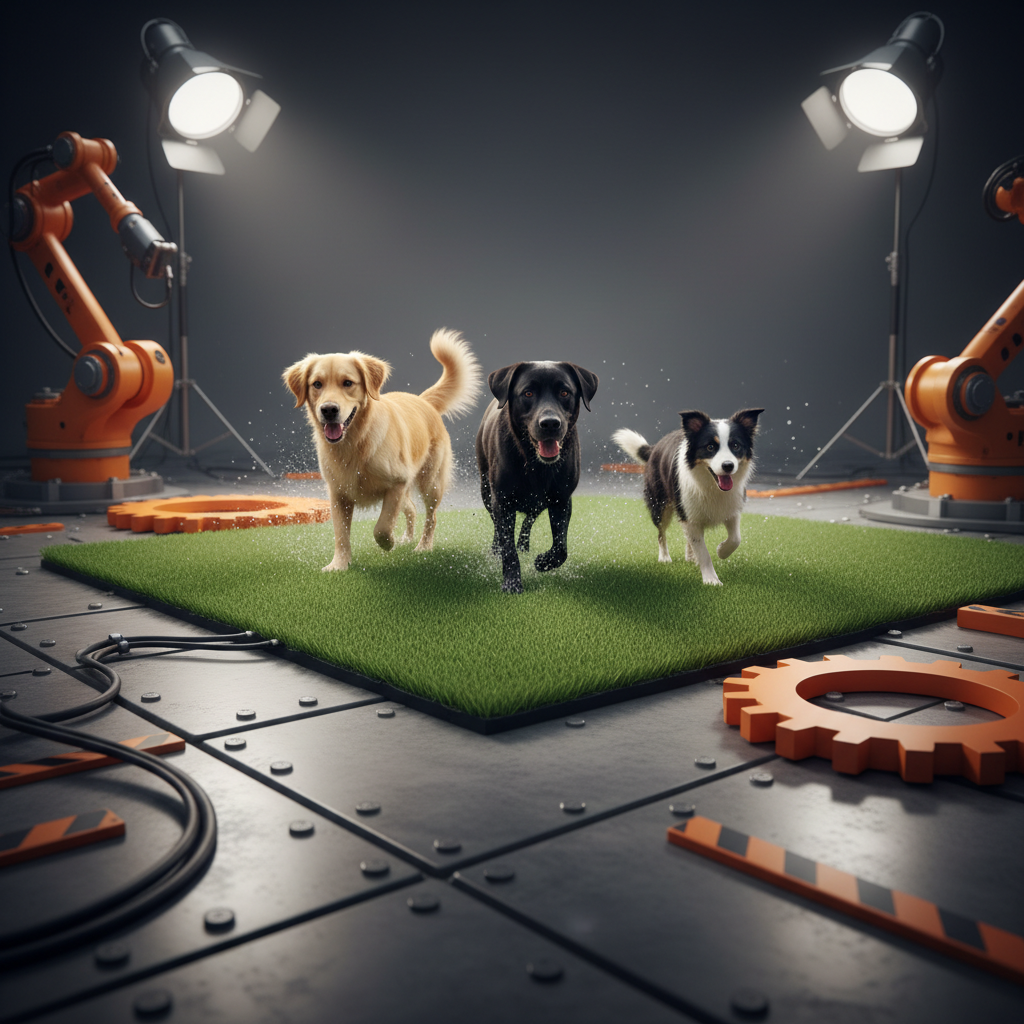
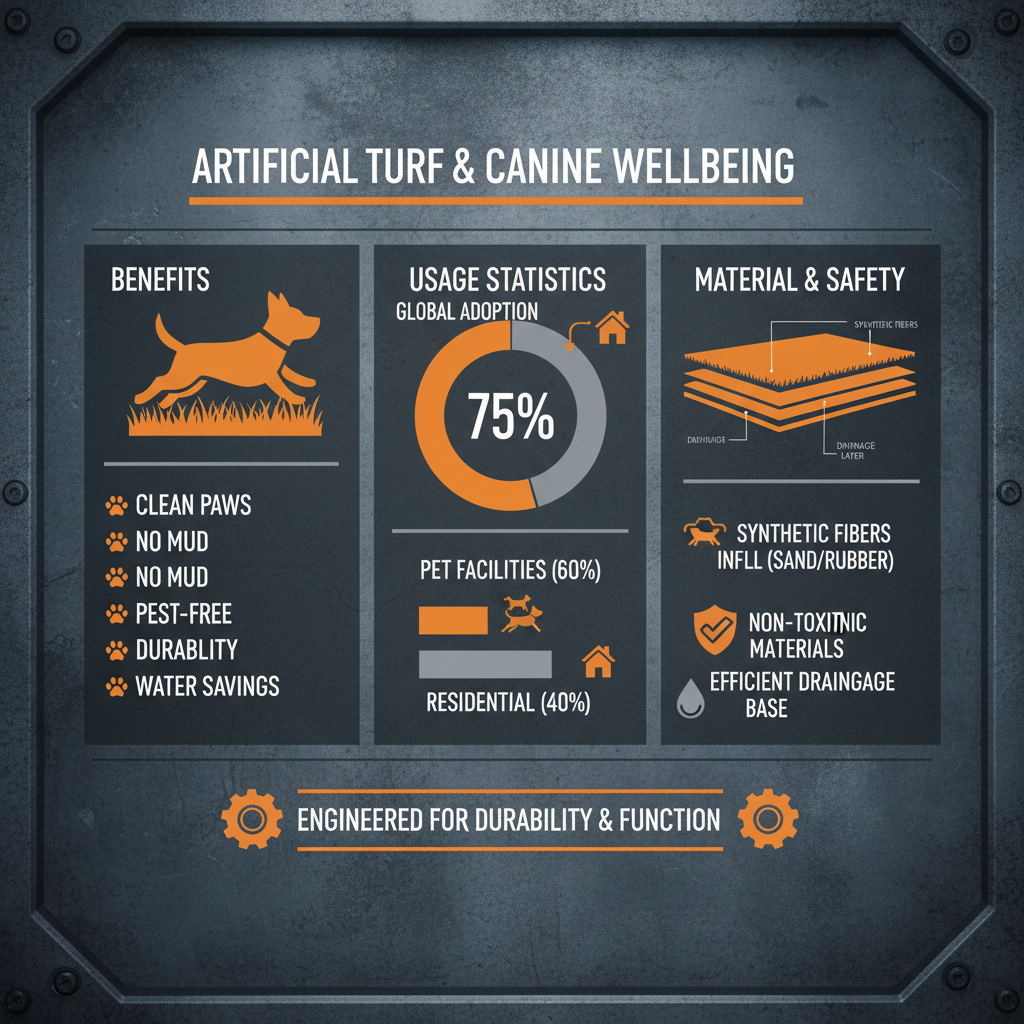
Artificial turf offers several advantages for dog owners. Unlike natural grass, it doesn’t get muddy or torn up by digging and running. This leads to cleaner paws and less mess tracked into your home. It also eliminates the need for pesticides and fertilizers, creating a safer environment for your pet. Furthermore, artificial turf requires minimal maintenance compared to a natural lawn, freeing up your time and energy. The consistent surface is easier on a dog's joints, especially for older dogs or those with mobility issues. It's a win-win for both you and your furry friend! Explore our selection of pet-friendly artificial grass options today.
Key Highlights: Eliminates mud and dirt, pesticide-free, low maintenance, consistent surface, safer for pets.
Choosing the Right Artificial Turf for Your Dog
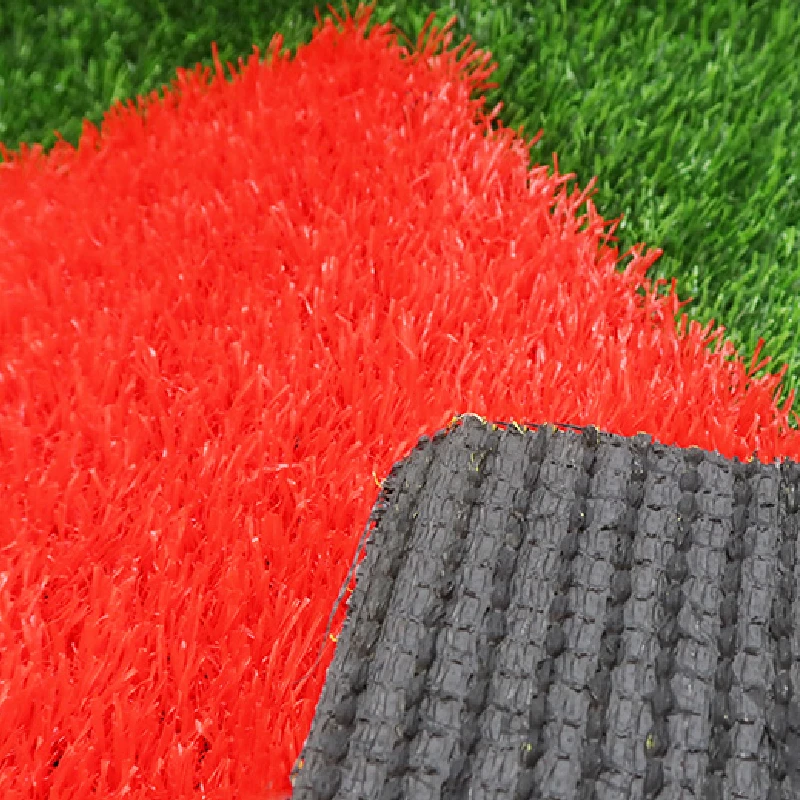
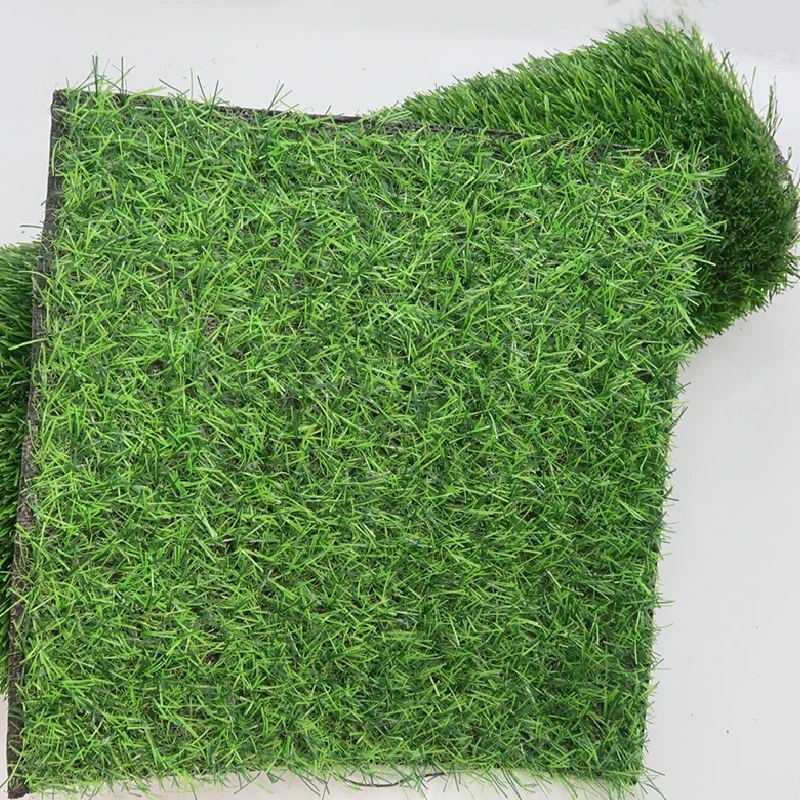
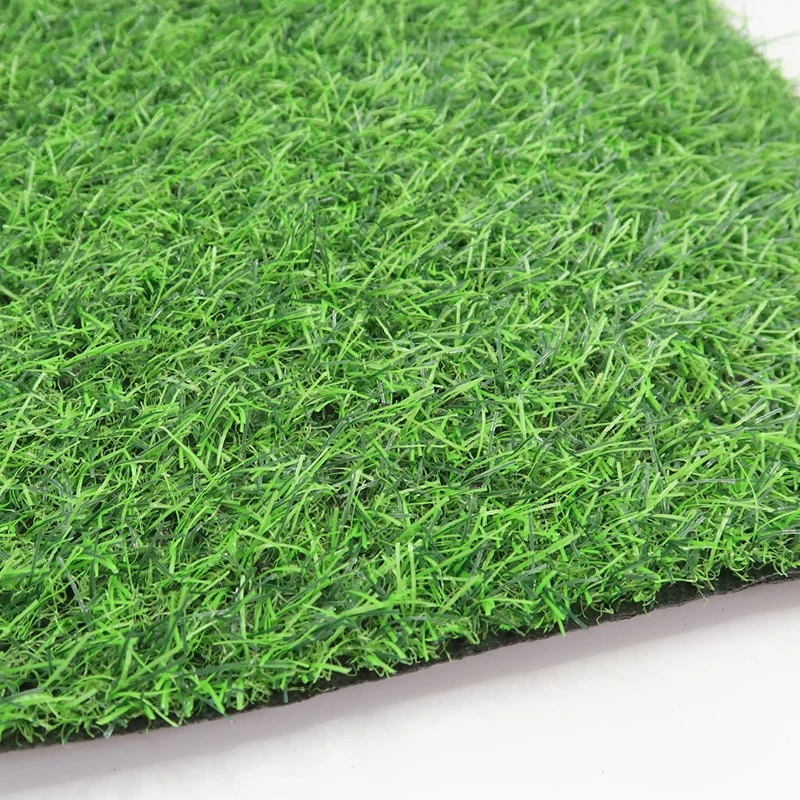
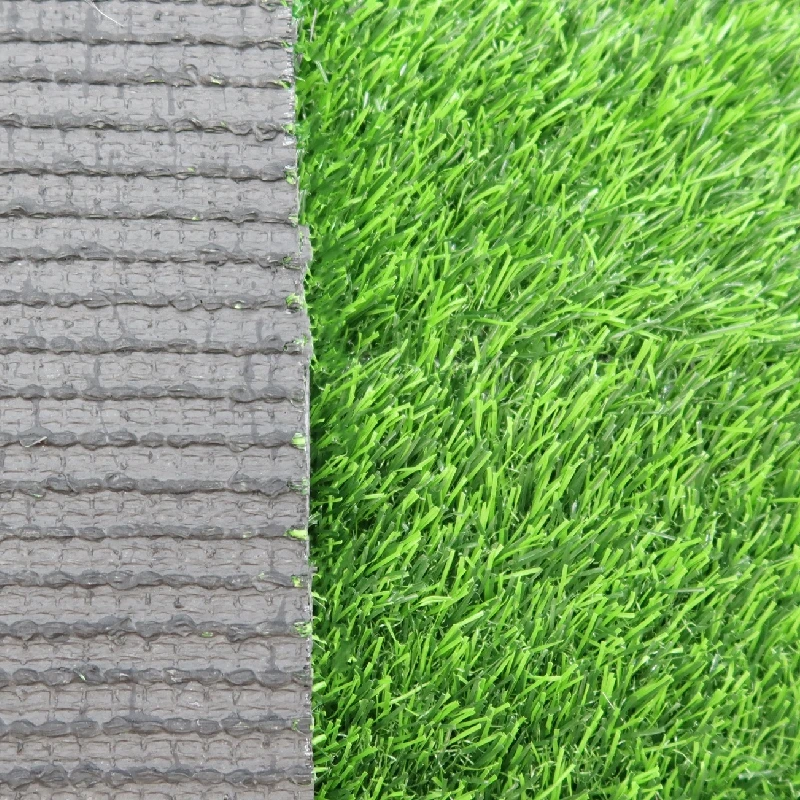
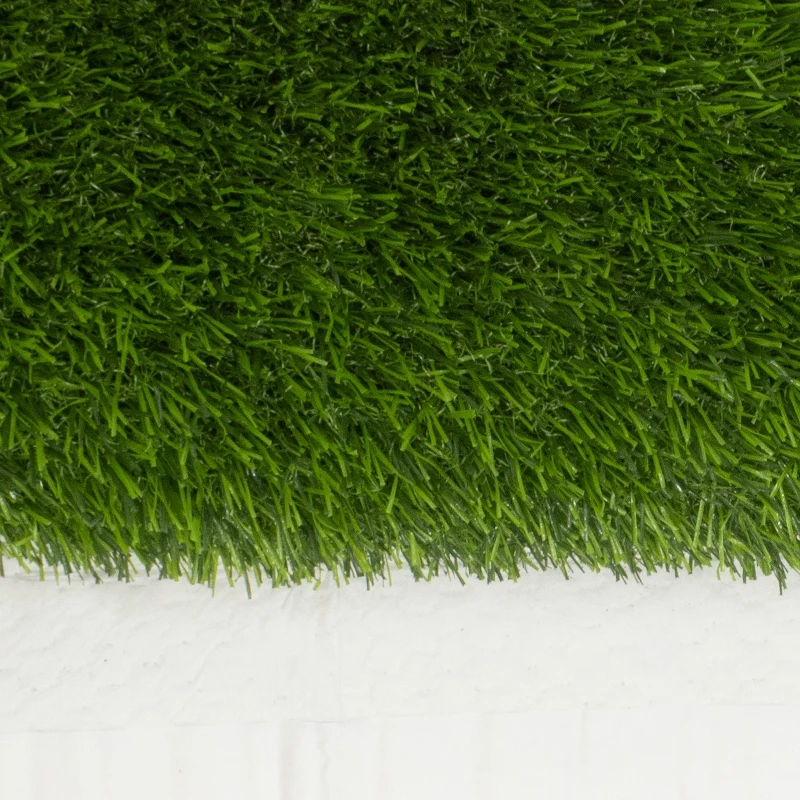
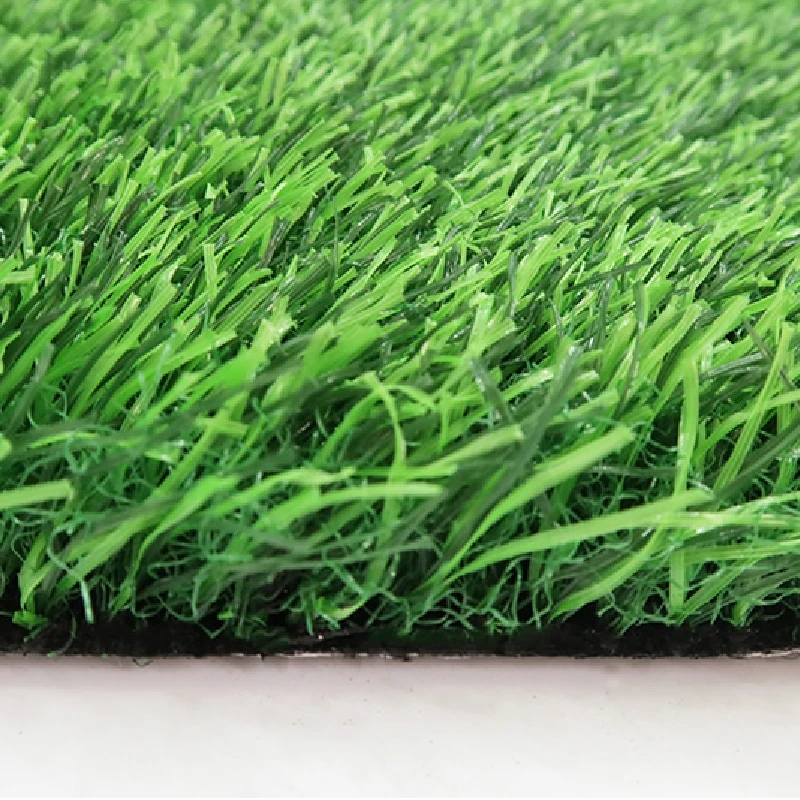
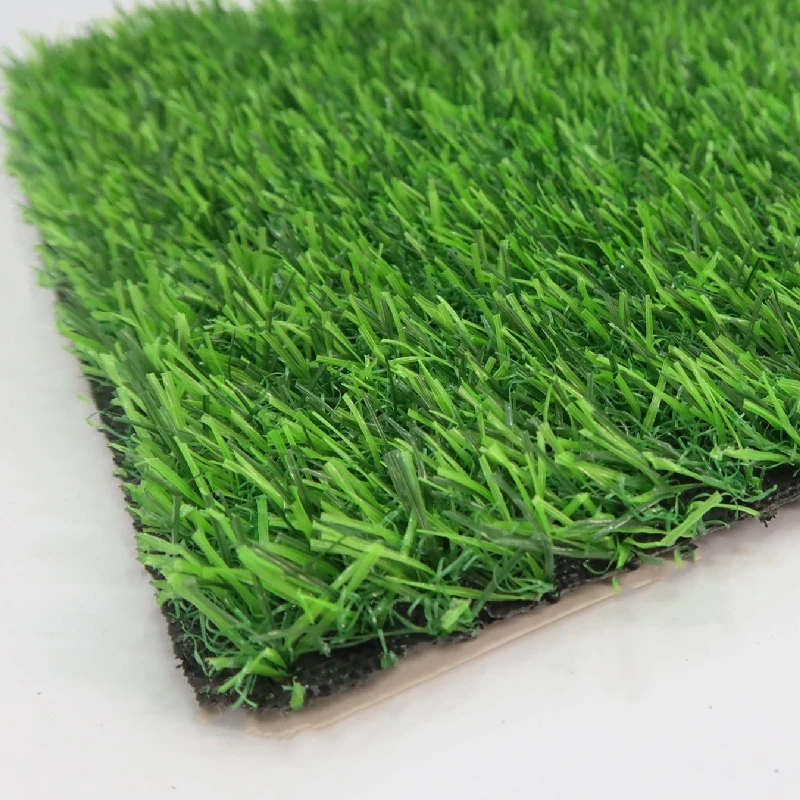
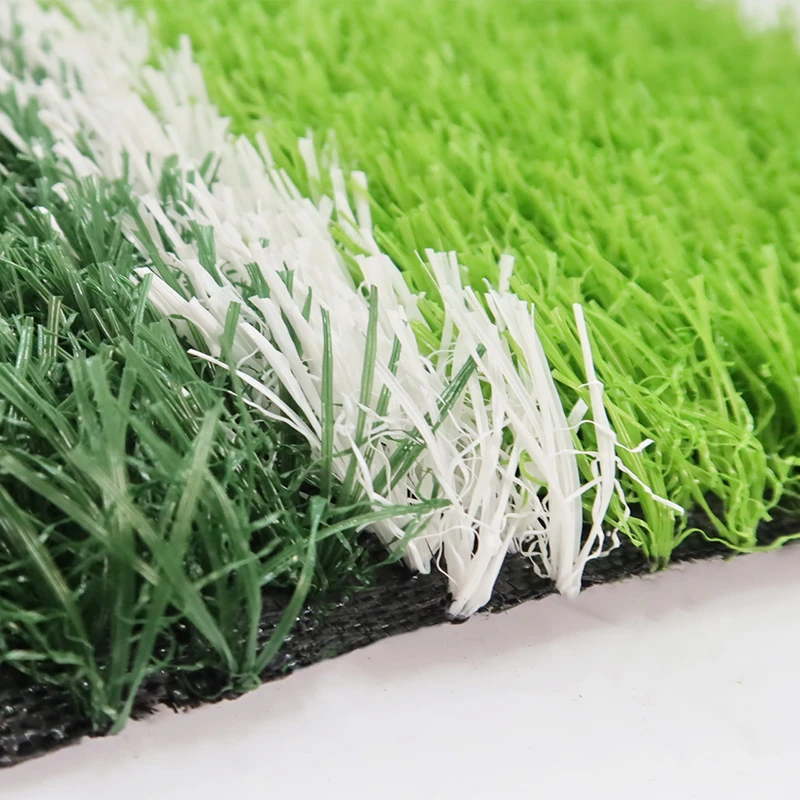
Not all artificial turf is created equal, especially when you have a dog. You’ll want to consider factors like pile height, fiber type, and drainage. Shorter pile heights are generally easier to clean, while longer piles can provide a more cushioned surface. Look for turf made with polyethylene or polypropylene fibers, as they are more durable and resistant to wear and tear. Excellent drainage is crucial to prevent urine from pooling and causing odors. Choosing a turf specifically designed for pets is the best option, as these often feature antimicrobial technology and enhanced drainage systems. At HoyaRngrass, we offer a range of pet-friendly turf solutions tailored to your needs.
Key Considerations:
• Pile height (shorter is easier to clean)
• Fiber type (polyethylene or polypropylene)
• Drainage capabilities (essential for hygiene)
• Antimicrobial technology (reduces odors and bacteria)
Artificial Turf vs. Natural Grass for Dogs: A Side-by-Side Comparison
Deciding between artificial turf and natural grass for your dog requires weighing the pros and cons of each. Natural grass provides a more natural digging experience for some dogs, but it requires significant maintenance and is susceptible to damage. Artificial turf, while initially more expensive, offers long-term savings on water, fertilizer, and lawn care. It’s also a more hygienic option, as it doesn't harbor fleas or ticks as easily as natural grass. Consider your dog’s behavior and your lifestyle when making your decision.
Maintaining a Clean and Hygienic Artificial Lawn for Your Dog
Regular cleaning is essential to keep your artificial turf looking and smelling fresh. Remove solid waste immediately and rinse the area thoroughly with water. For urine, a simple hose-down often suffices, but you can also use an enzymatic cleaner specifically designed for artificial turf to neutralize odors. Brushing the turf regularly helps to keep the fibers upright and prevent matting. Avoid harsh chemicals and abrasive cleaners, as these can damage the turf. Investing in a dedicated turf cleaning kit can make maintenance even easier.
HoyaRngrass Pet-Friendly Turf Specifications
At HoyaRngrass, we understand the unique needs of pet owners. Our pet-friendly turf is designed with superior drainage, antimicrobial protection, and durability in mind. Here's a quick overview of our most popular pet turf option:
Conclusion: A Paw-sitive Choice for Your Furry Friend
Investing in high-quality artificial turf from HoyaRngrass offers a durable, clean, and convenient solution for pet owners. With proper maintenance and the right turf selection, you can create a safe and enjoyable outdoor space for your dog, while also simplifying your life. Browse our collection today and discover the perfect turf for your needs!
Frequently Asked Questions (FAQs)
Will my dog dig through artificial turf?
While some dogs may initially try to dig, most will quickly realize it's not as satisfying as digging in natural soil. Choosing a turf with a dense pile and a strong backing can further deter digging. Providing alternative digging areas, such as a designated sandbox, can also redirect your dog's natural instincts. Reinforcement training can also help to discourage digging on the turf.
How do I remove pet odors from artificial turf?
Regular rinsing with water is the first step. For more stubborn odors, use an enzymatic cleaner specifically designed for artificial turf. These cleaners break down the organic compounds causing the odor. Avoid harsh chemicals like bleach, as they can damage the turf and are harmful to pets. Regular cleaning and prompt removal of solid waste will help minimize odors.
Is artificial turf hot for dogs' paws in the summer?
Artificial turf can get warmer than natural grass in direct sunlight. However, there are ways to mitigate this. Choosing a turf with a lighter color can reflect more sunlight. You can also water the turf periodically to cool it down. Providing shade and ensuring your dog has access to cool water are essential during hot weather. Certain turf types are designed with cooling technology to minimize heat absorption.
How long does artificial turf last with dogs?
With proper care and maintenance, high-quality artificial turf can last 15-20 years, even with dogs. The key is to choose a durable turf designed for pets and to follow a regular cleaning schedule. Regularly brushing the turf, removing solid waste promptly, and addressing any spills will significantly extend its lifespan. Inspect the turf annually for any signs of wear and tear and address them promptly.
Latest news
-
Creating the Perfect Fake Grass Area for Dogs Complete Guide
NewsApr.16,2026
-
Guide to Using Fake Grass and Pets for a Pet Friendly Lawn
NewsApr.09,2026
-
Fake Grass and Dogs Creating a Pet Friendly and Durable Yard
NewsApr.07,2026
-
Maintaining a Pristine Lawn with Fake Grass and Dog Wee Management Solutions
NewsApr.04,2026
-
The Ultimate Guide to Choosing the Perfect Fake Dog Grass Patch for Your Pet
NewsMar.31,2026
-
Discover the Benefits of High Quality Fake Dog Grass for Potty Training
NewsMar.28,2026
Products categories