Welcome to Hoyarn
Call Us Any Time:+86 19801805999
Email Us: info@hoyarn.cn
Comprehensive Guide to Choosing the Best Dog Toilet Turf for Your Pet
Feb . 26, 2026 02:25 Back to list
Comprehensive Guide to Choosing the Best Dog Toilet Turf for Your Pet
Choosing the Right Dog Toilet Turf: A Comprehensive Guide
Finding the perfect solution for your dog’s bathroom needs can be a challenge, especially for pet parents living in apartments or with limited outdoor access. Dog toilet turf offers a convenient and hygienic alternative to traditional potty training methods. This guide will explore the benefits, types, and essential considerations for selecting the ideal dog toilet turf to keep your furry friend happy and your home clean. We'll cover everything you need to know, from understanding different turf materials to setting up and maintaining your dog's indoor potty area.
Understanding the Benefits of Dog Toilet Turf
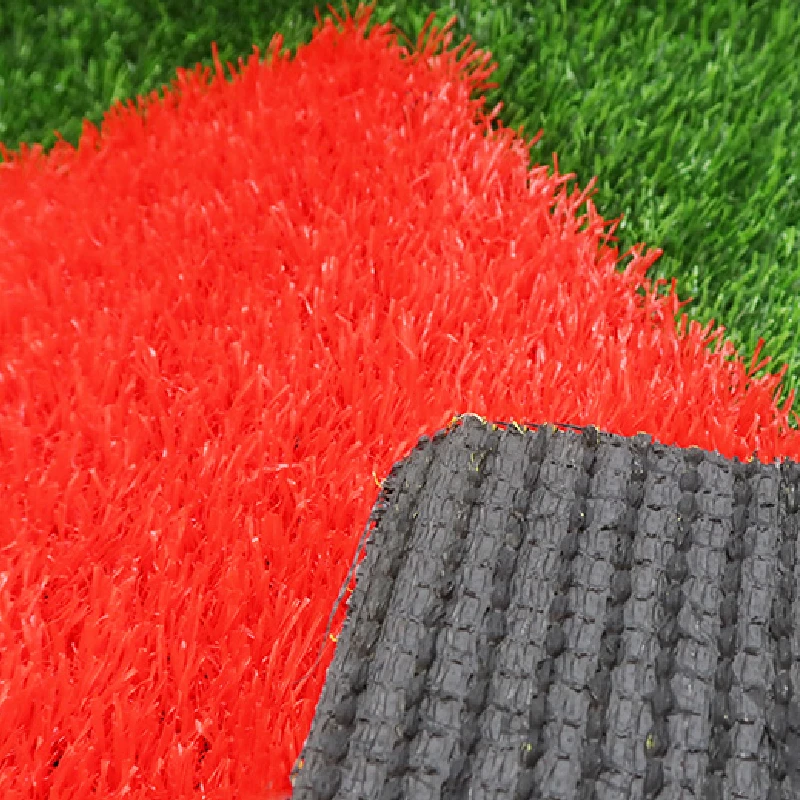
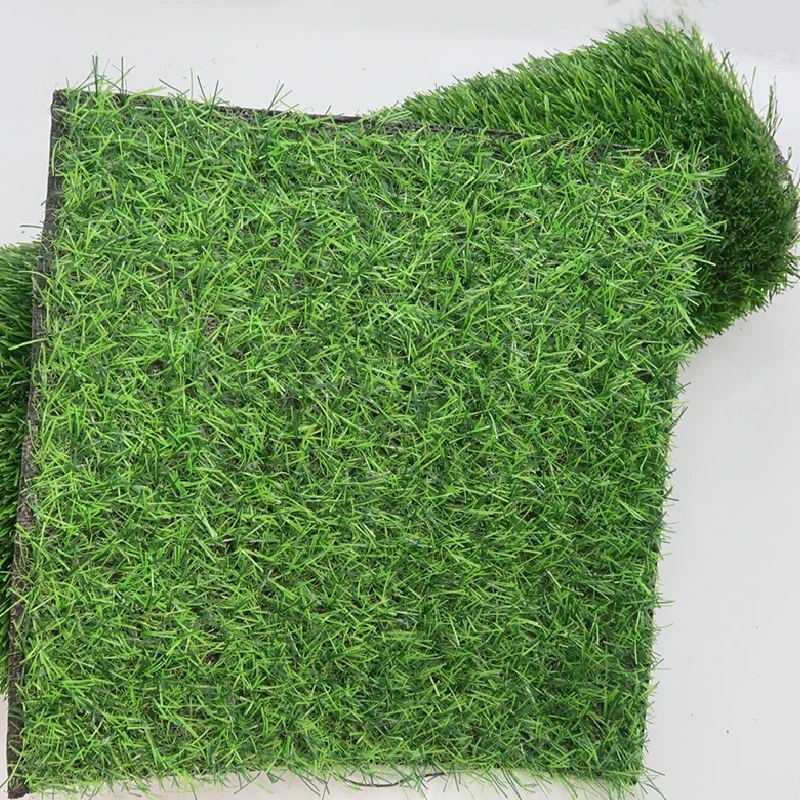
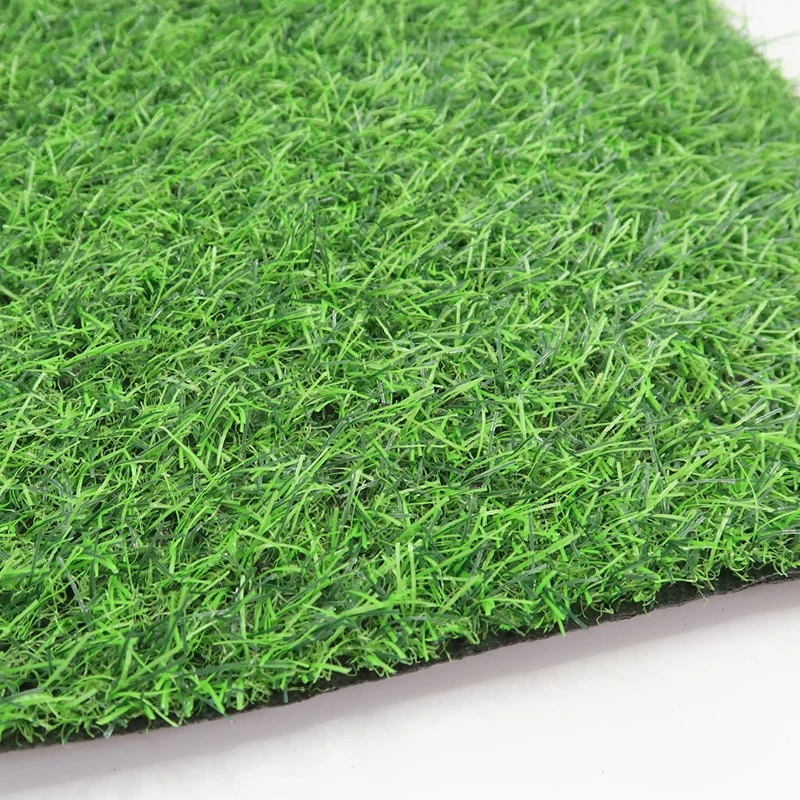
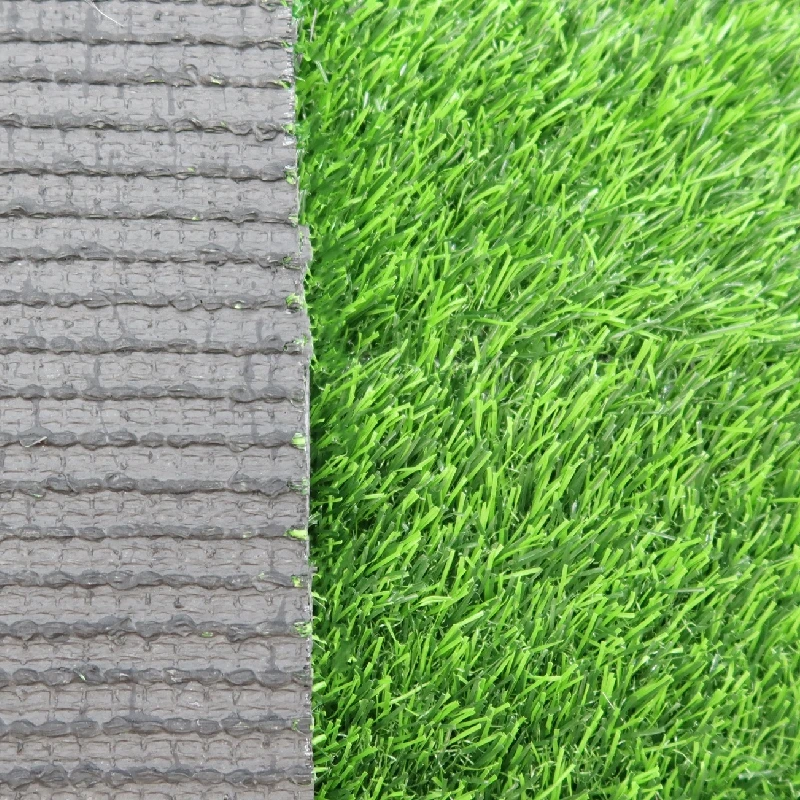
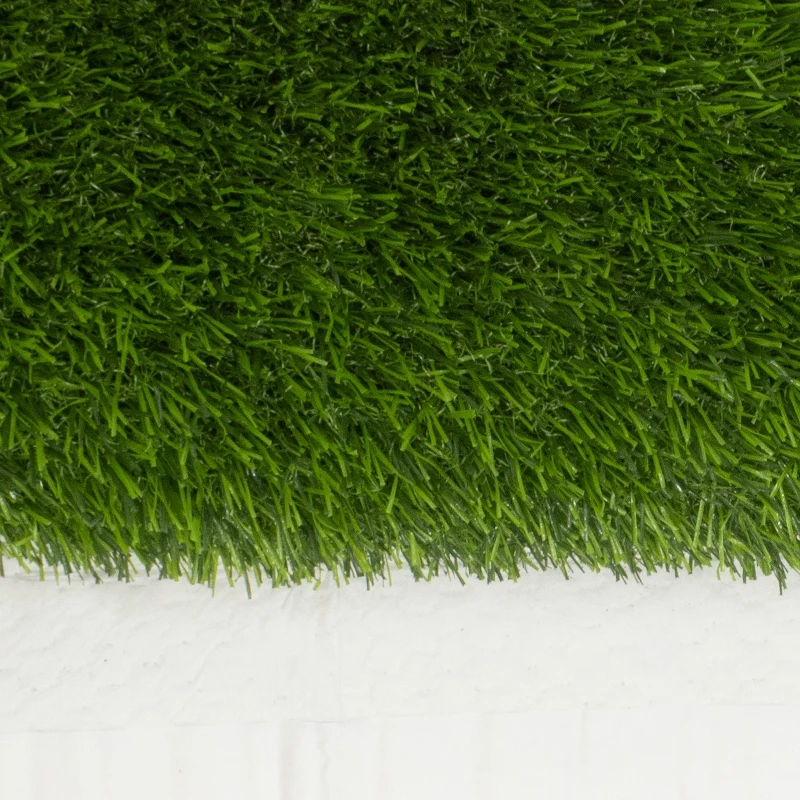
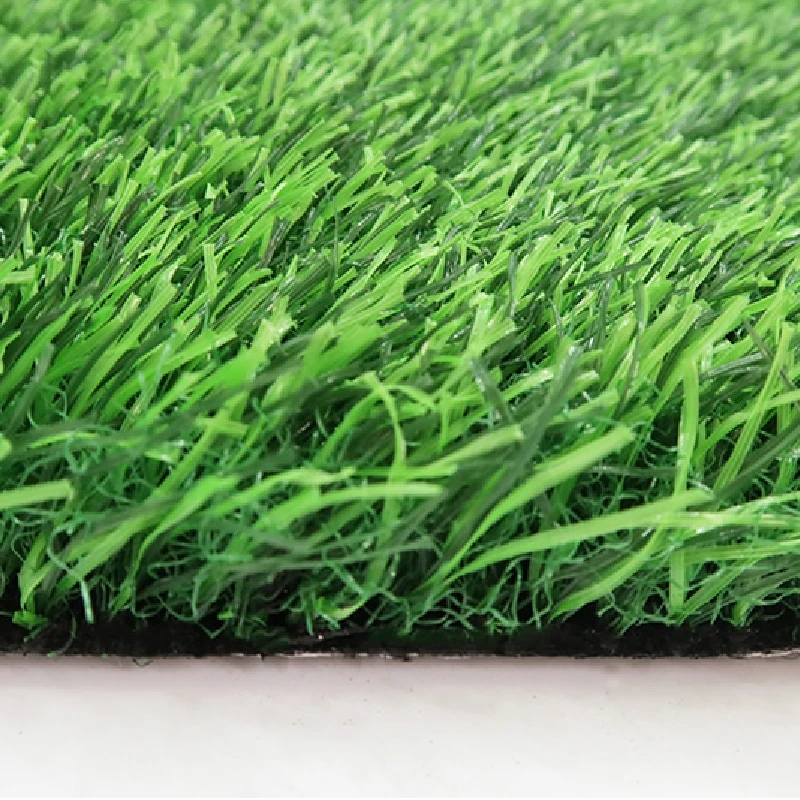
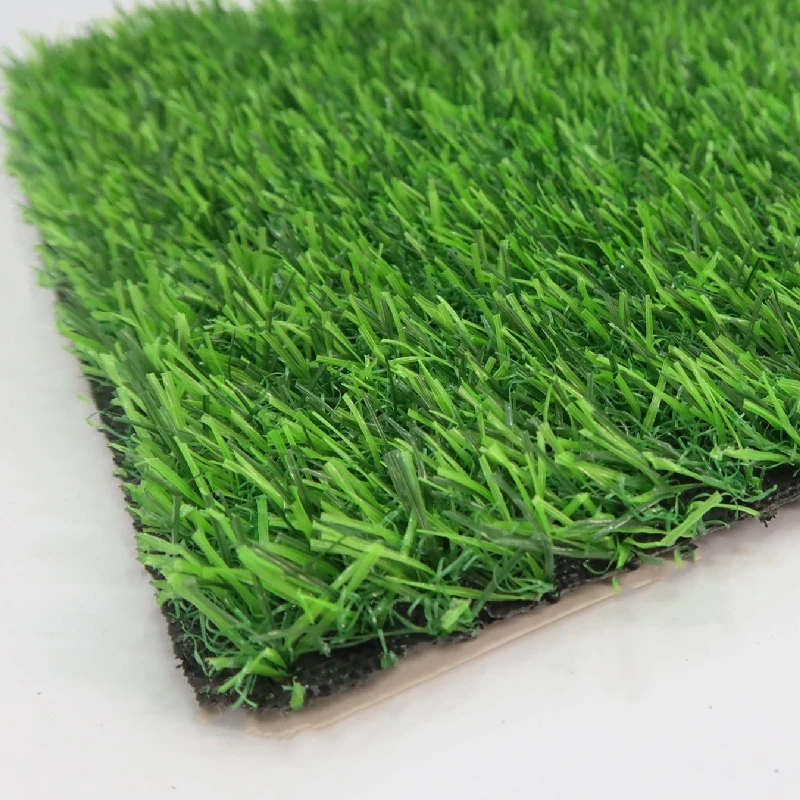
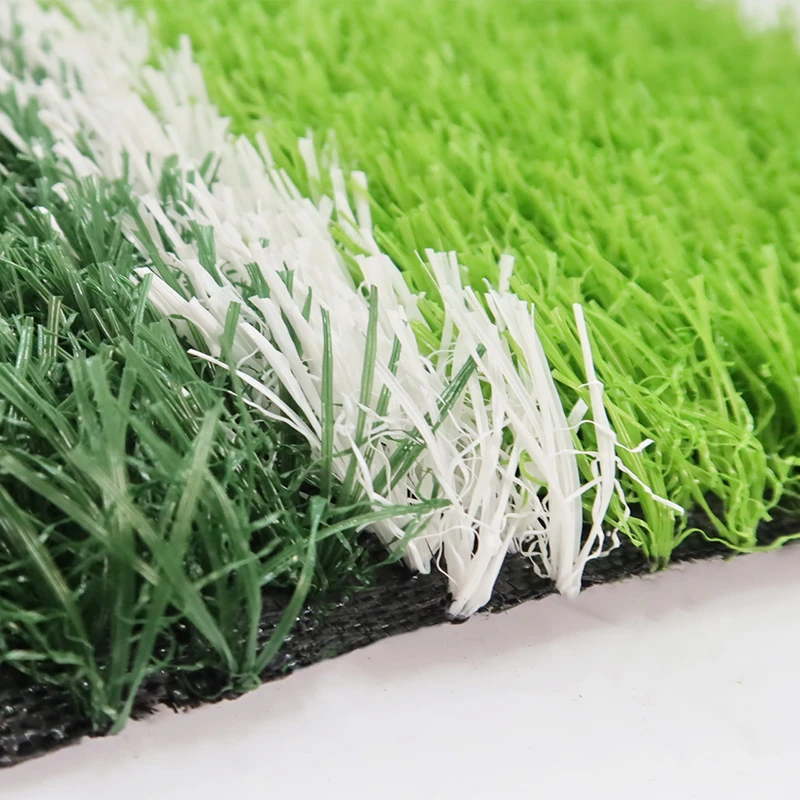
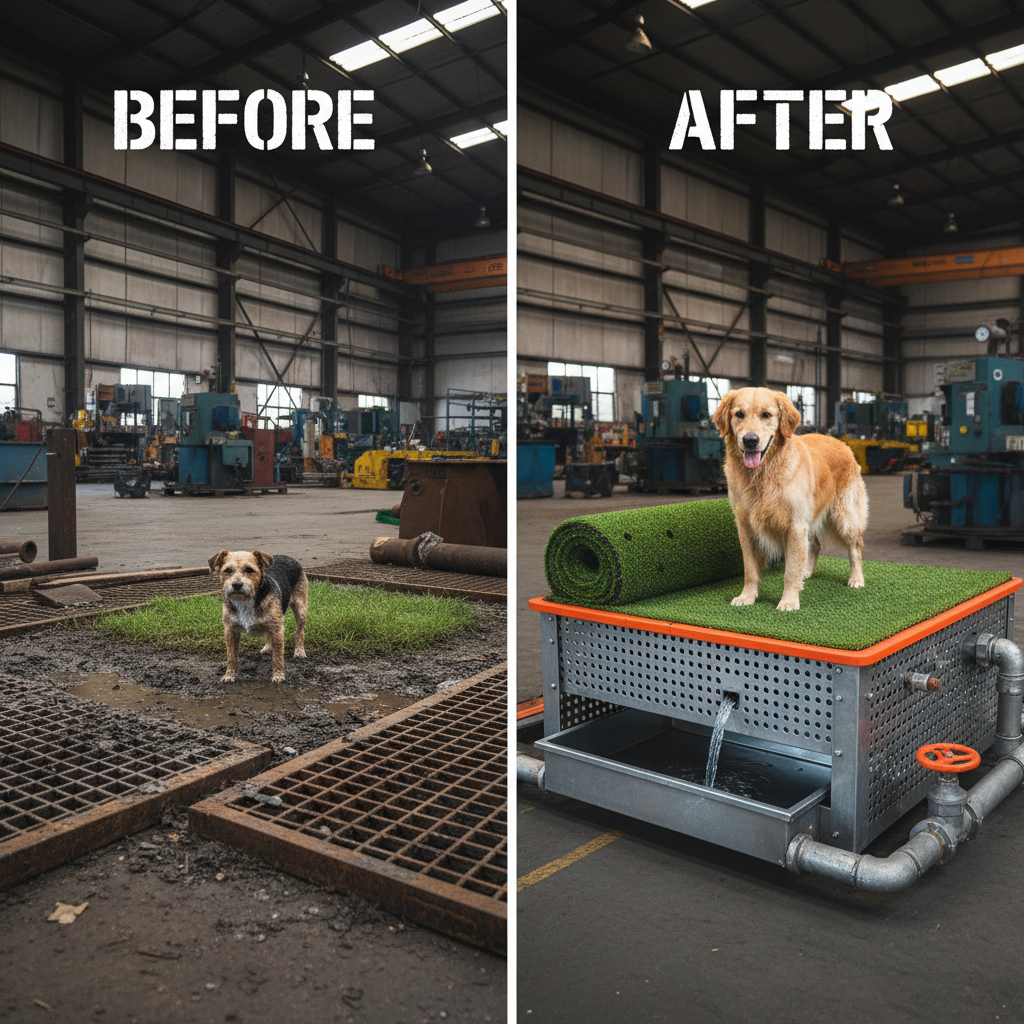
Dog toilet turf offers a multitude of benefits for both pets and their owners. It provides a consistent and predictable potty area, especially helpful for puppies undergoing house training or senior dogs with incontinence issues. Unlike outdoor grass, turf is always available, regardless of weather conditions. It’s also a sanitary solution, minimizing odors and the spread of bacteria when paired with appropriate cleaning products. Moreover, it's an excellent option for apartment dwellers or those without easy access to a yard. The Hoyarngrass dog toilet turf provides a comfortable and natural feel, encouraging your dog to use it consistently.
Key Highlights: Provides a consistent potty area, ideal for puppies and senior dogs. Offers sanitary benefits, reducing odors and bacteria. Perfect for indoor use, particularly in apartments.
Choosing the Right Dog Toilet Turf: Material Matters
The material of your dog toilet turf is a critical factor. Common options include polyethylene (PE), polypropylene (PP), and a combination of both. PE turf generally offers a softer feel, mimicking natural grass more closely, while PP turf is more durable and resistant to wear and tear. Consider your dog's size and habits when making your selection. Larger breeds and active dogs may benefit from the robustness of PP turf, whereas smaller breeds might prefer the comfort of PE. Hoyarngrass offers a variety of turf materials tailored to different dog breeds and lifestyles.
Material Comparison:
• Polyethylene (PE): Softer, more natural feel.
• Polypropylene (PP): More durable, wear-resistant.
• PE/PP Blend: Combines benefits of both materials.
Dog Toilet Turf vs. Puppy Pads: A Comparison
While puppy pads are a common starting point for house training, dog toilet turf presents a more sustainable and natural alternative. Puppy pads can contribute to landfill waste and may not effectively mimic the feeling of real grass, potentially prolonging the training process. Turf encourages a more natural posture for urination and defecation, promoting better habits. Furthermore, turf can be reused repeatedly with proper cleaning, making it a cost-effective long-term solution. The Hoyarngrass dog toilet turf provides a superior alternative to disposable puppy pads.
Setting Up Your Dog's Indoor Potty Area
Creating a designated potty area is crucial for success. Choose a location that’s easily accessible for your dog and away from their eating and sleeping areas. Place the dog toilet turf on a waterproof tray to contain any spills or accidents. Consider using an odor eliminator specifically designed for pet waste to maintain a fresh environment. Positive reinforcement, such as praise and treats, will encourage your dog to use the turf consistently. Gradually introduce the turf, allowing your dog to explore and become comfortable with it.
Maintaining Cleanliness and Hygiene
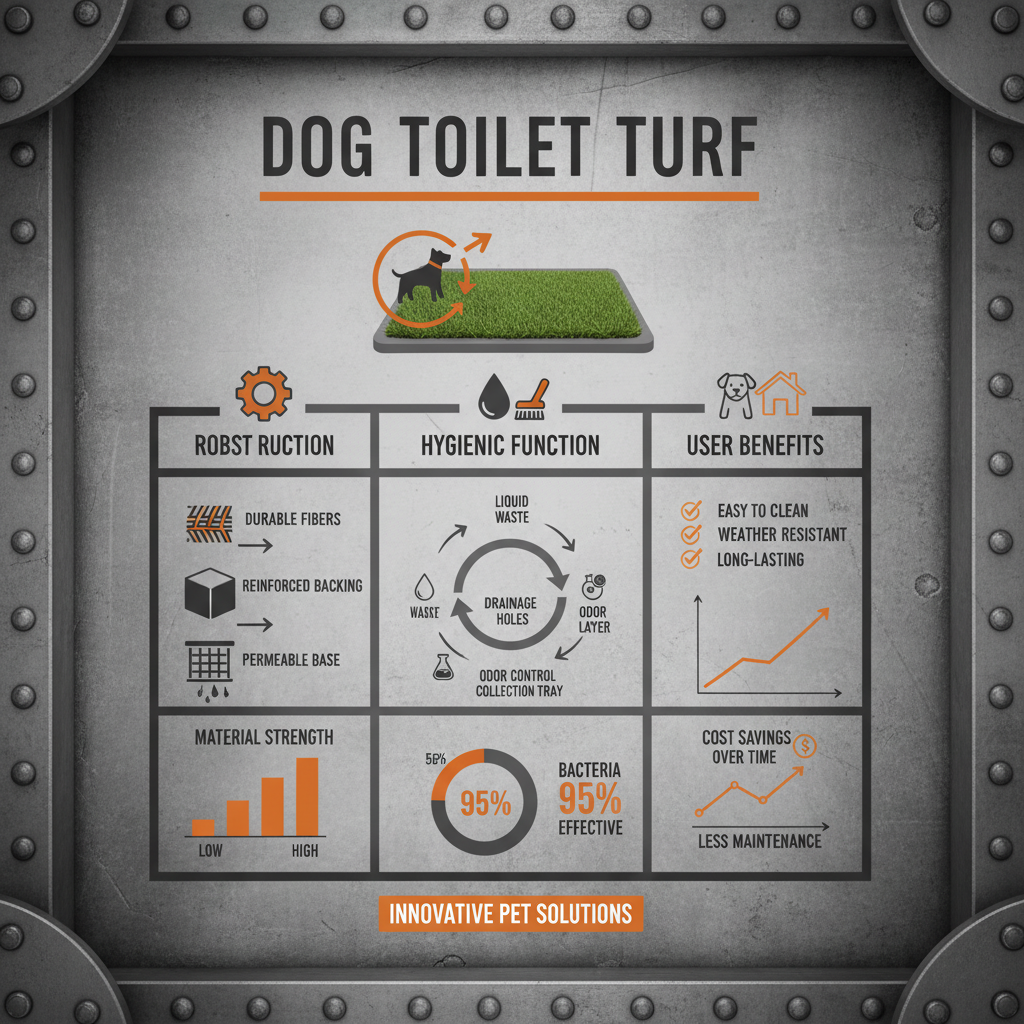
Regular cleaning is essential to maintain a hygienic potty area. Remove solid waste promptly and rinse the turf with water. Use an enzymatic cleaner specifically formulated for pet waste to eliminate odors and prevent staining. Avoid harsh chemicals, as they may be harmful to your dog. Deep clean the turf periodically by soaking it in a solution of water and enzymatic cleaner. With proper maintenance, your Hoyarngrass dog toilet turf will remain fresh and inviting for your furry friend.
Conclusion: A Convenient and Hygienic Solution
Investing in a dog toilet turf from Hoyarngrass provides a convenient, hygienic, and sustainable solution for your dog’s bathroom needs. By carefully considering material, setup, and maintenance, you can create a comfortable and inviting potty area for your furry friend. Say goodbye to accidents and hello to a cleaner, happier home.
Frequently Asked Questions (FAQs)
How often should I clean the dog toilet turf?
You should remove solid waste immediately and rinse the turf with water daily. A more thorough cleaning with an enzymatic cleaner should be done 2-3 times a week, depending on usage. Regular cleaning prevents odor buildup and maintains hygiene. Deep cleaning, involving soaking the turf in a cleaning solution, should be done monthly. The frequency of cleaning can be adjusted based on your dog's habits and the size of the turf area.
Is dog toilet turf suitable for all dog breeds?
Generally, yes. However, the type of turf matters. Smaller breeds may prefer softer PE turf, while larger, more active breeds may benefit from the durability of PP turf. Consider your dog’s size, habits, and any physical limitations when choosing a turf. Ensure the turf area is easily accessible for your dog, regardless of their breed or age.
How do I introduce my dog to the turf?
Start by placing the turf in a familiar location and allowing your dog to explore it. Place a familiar scent, like a used blanket or toy, on the turf to encourage investigation. Reward your dog with praise and treats when they sniff or step onto the turf. Gradually guide your dog to urinate and defecate on the turf. Be patient and consistent with positive reinforcement.
Latest news
-
Creating the Perfect Fake Grass Area for Dogs Complete Guide
NewsApr.16,2026
-
Guide to Using Fake Grass and Pets for a Pet Friendly Lawn
NewsApr.09,2026
-
Fake Grass and Dogs Creating a Pet Friendly and Durable Yard
NewsApr.07,2026
-
Maintaining a Pristine Lawn with Fake Grass and Dog Wee Management Solutions
NewsApr.04,2026
-
The Ultimate Guide to Choosing the Perfect Fake Dog Grass Patch for Your Pet
NewsMar.31,2026
-
Discover the Benefits of High Quality Fake Dog Grass for Potty Training
NewsMar.28,2026
Products categories