Welcome to Hoyarn
Call Us Any Time:+86 19801805999
Email Us: info@hoyarn.cn
Creating the Perfect Fake Grass Area for Dogs Complete Guide
Apr . 16, 2026 02:25 Back to list
Creating the Perfect Fake Grass Area for Dogs Complete Guide
Creating the Perfect Fake Grass Area for Dogs: A Complete Guide
Every pet owner wants a backyard that is both beautiful and functional. However, natural lawns often struggle to survive the combination of heavy paw traffic and pet waste. This is where a fake grass area for dogs becomes a game-changer. By installing high-quality synthetic turf, you can eliminate mud, reduce allergies, and provide a clean, evergreen space for your furry friends to play year-round. In this guide, we will explore how to choose the right materials, installation tips, and maintenance secrets to keep your pet-friendly lawn in pristine condition.
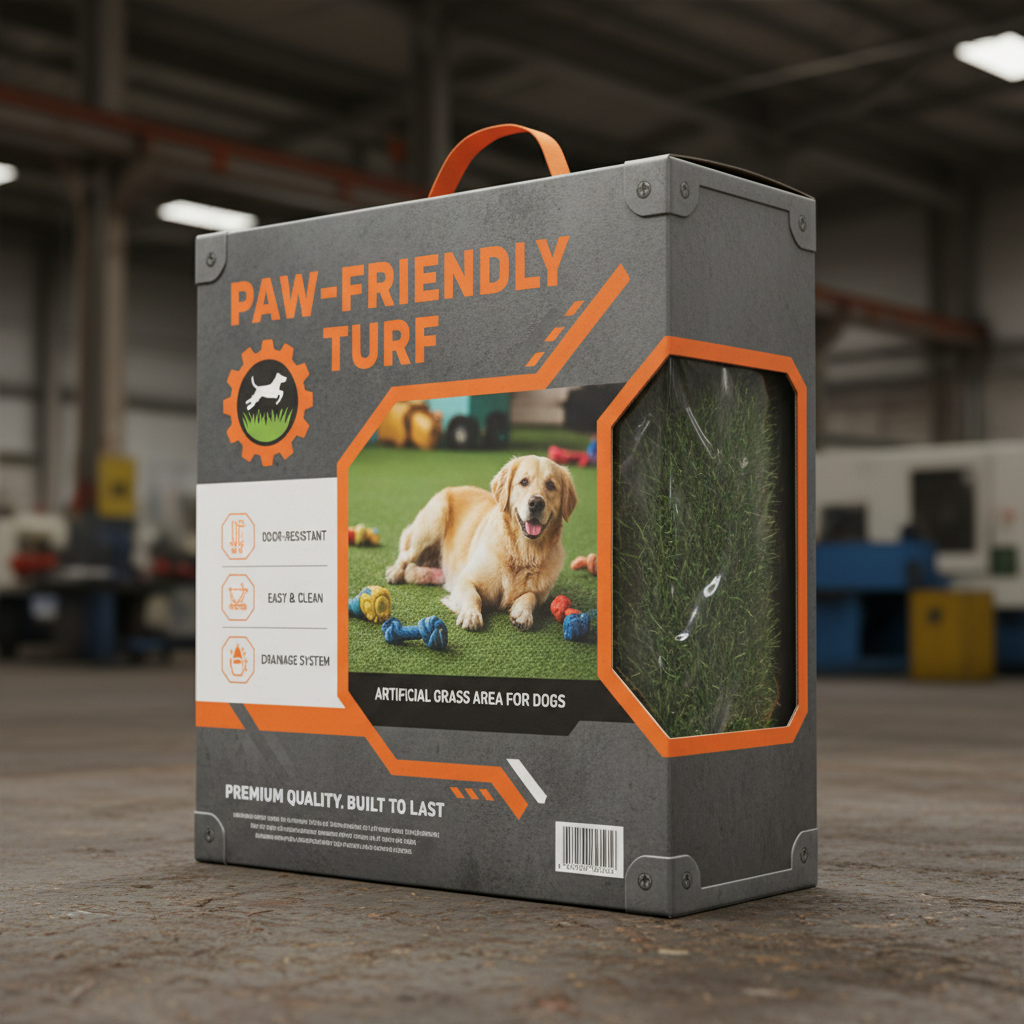
Why Choose a Fake Grass Area for Dogs?
Traditional grass often turns into a muddy mess during rainy seasons or becomes scorched and brown during the summer. A fake grass area for dogs solves these problems by providing a consistent surface that doesn't require mowing, watering, or fertilizing. More importantly, synthetic turf is designed to be durable enough to withstand digging and running without creating holes. This means no more tracking mud into your living room and no more expensive lawn repairs every spring.
Top Benefits: No more mud puddles, zero mowing time, hypoallergenic surface, and a permanent "lush green" look regardless of the weather.
Selecting the Right Turf for Your Pet's Needs
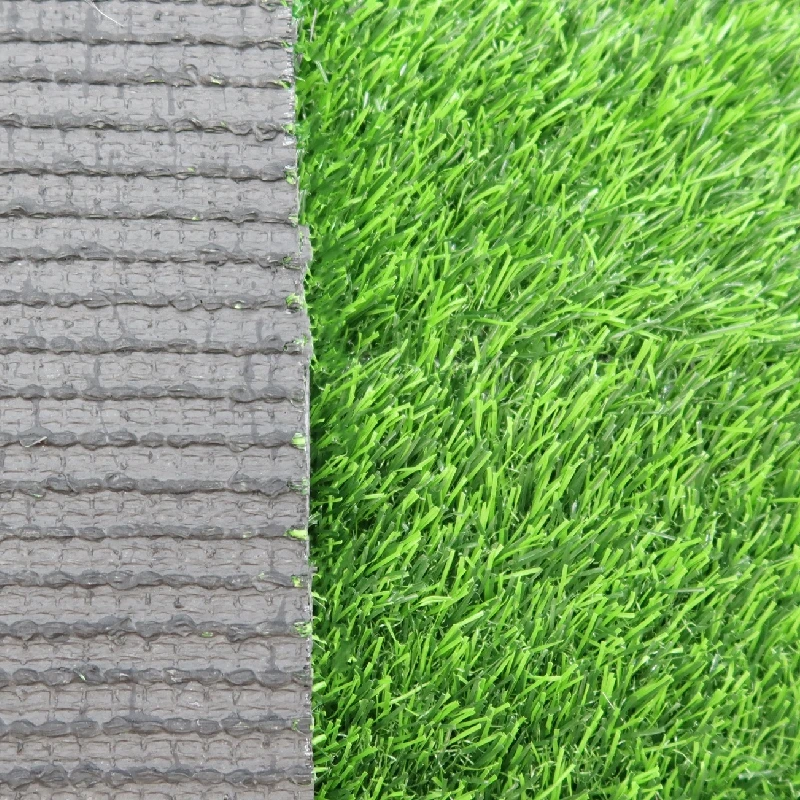
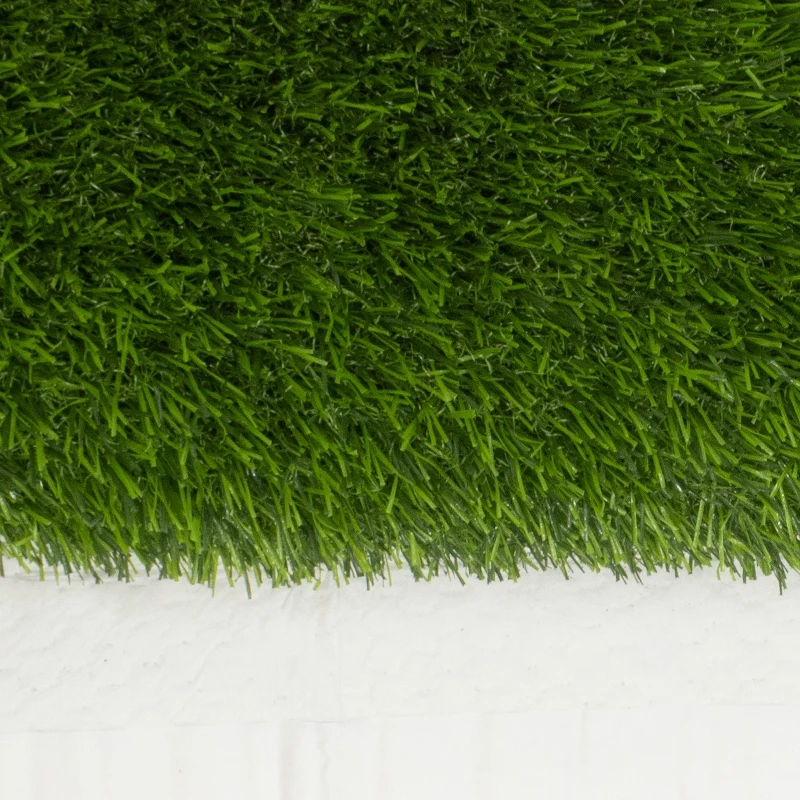
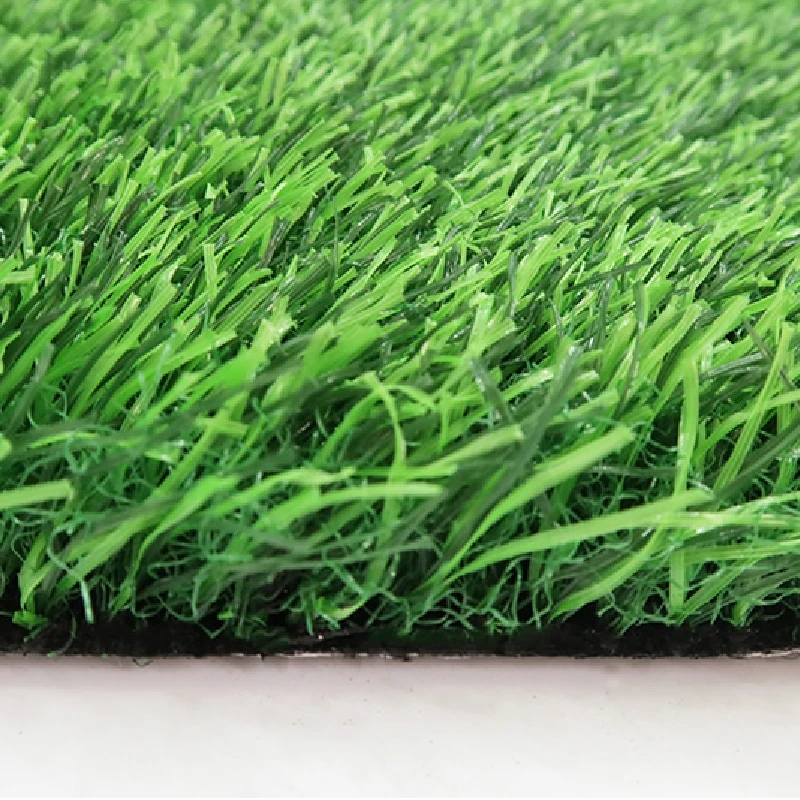
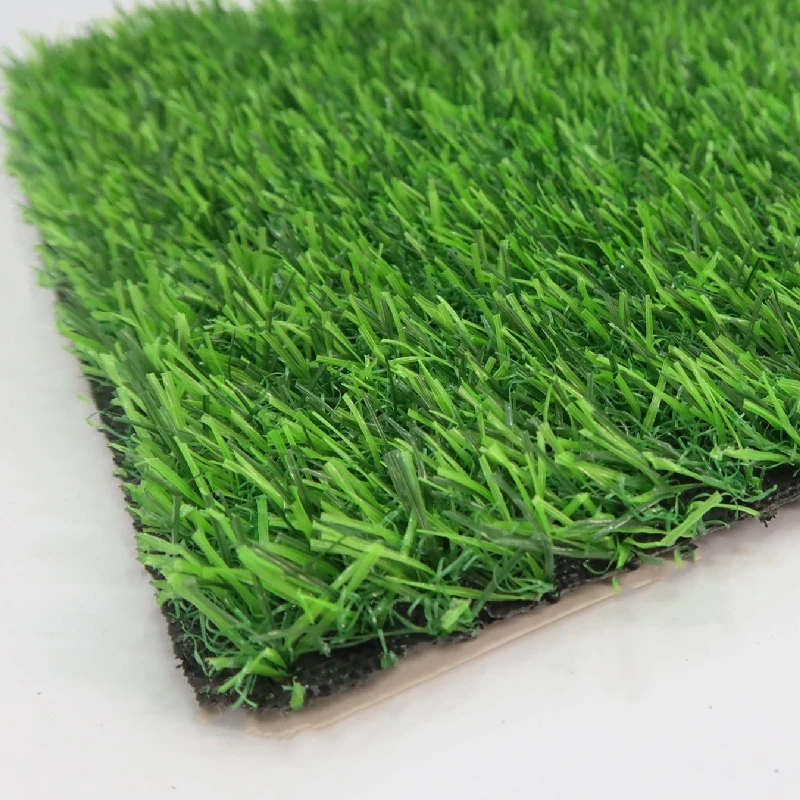
Not all synthetic grass is created equal. When designing a fake grass area for dogs, you must prioritize drainage and durability. Pets produce a significant amount of moisture, and without a high-permeability backing, odors can become trapped. Look for turf with a "pet-specific" perforation that allows liquids to flow through quickly into the base layer. Additionally, the pile height should be short enough for easy cleaning but dense enough to provide cushioning for your dog's joints.
Comparing Natural Grass vs. Fake Grass Area for Dogs
When deciding between a traditional lawn and a fake grass area for dogs, it is helpful to look at the long-term costs and efforts. Natural grass requires constant attention and often fails in high-traffic "potty spots." Synthetic grass, while requiring a higher initial investment, eliminates monthly water bills and the need for chemical pesticides that could be harmful to your pets.
Installation Tips for a Long-Lasting Lawn
The secret to a successful fake grass area for dogs lies beneath the surface. A professional installation involves removing existing sod and replacing it with a multi-layered base of crushed stone and sand. This base ensures that urine and water drain away from the surface quickly, preventing odors. Once the base is compacted, the turf is rolled out, secured with landscape staples, and filled with an infill (such as antimicrobial sand) to keep the blades standing upright and provide extra cushioning.
Installation Checklist:
• Remove old grass and debris
• Install a high-drainage aggregate base
• Lay weed barrier fabric
• Secure edges and apply professional infill
Maintenance and Specifications for Dog Turf
To keep your fake grass area for dogs smelling fresh, regular maintenance is key. While it doesn't need mowing, a weekly rinse with a garden hose helps wash away debris. For tougher odors, a pet-safe enzymatic cleaner is highly recommended. Understanding the technical specifications of your turf will help you manage expectations regarding its lifespan and performance.
Environmental Impact and Pet Safety
Modern synthetic turf is engineered with safety in mind. High-quality options from Hoyarngrass are free from harmful chemicals and heavy metals, making them safe for paws and tongues. Additionally, by switching to a fake grass area for dogs, you significantly reduce your water consumption and eliminate the need for chemical fertilizers that often leak into local groundwater. It is a sustainable choice that benefits both your pet and the planet.
Conclusion: The Ultimate Upgrade for Your Pet
Investing in a fake grass area for dogs is more than just a home improvement—it's a lifestyle upgrade for you and your pet. By eliminating mud, reducing maintenance, and ensuring a safe, clean environment, you create a stress-free outdoor space. Whether you have a playful puppy or a senior dog, the durability and comfort of premium synthetic turf provide the perfect sanctuary. Choose quality, prioritize drainage, and enjoy a lush green yard all year long.
Frequently Asked Questions (FAQs)
Does fake grass get hot in the summer?
Yes, synthetic turf can absorb heat and become warmer than natural grass. However, there are several ways to manage this. You can lightly spray the area with water before your dog goes out, or choose a turf with heat-reflective technology. Many pet owners also install a small shaded area or a "cooling station" with water to ensure their pets stay comfortable during peak summer hours.
How do I stop my dog from digging up the fake grass?
While high-quality synthetic turf is much more resistant to digging than natural sod, some persistent dogs may still try. To prevent this, ensure the turf is professionally installed with a compacted base and secure edges. You can also provide a designated "digging pit" filled with sand in another part of the yard to redirect their natural instincts away from the fake grass area for dogs.
How do I clean pet odors from synthetic turf?
The most effective way to maintain a fresh-smelling lawn is regular rinsing. For deeper cleaning, use an enzymatic cleaner specifically designed for pets. These cleaners break down the uric acid crystals that cause odors. Avoid using harsh bleach or strong chemicals, as they can damage the turf fibers and may be irritating to your dog's paws. Regular maintenance ensures your backyard remains a pleasant space for everyone.
Is artificial grass safe for all dog breeds?
Absolutely. As long as the turf is made from non-toxic, lead-free materials, it is safe for all breeds. In fact, for larger breeds or dogs with joint issues, the cushioning provided by a professional turf installation and infill can be more comfortable than hard-packed dirt or uneven natural ground. Always check the specifications of your provider to ensure the product is certified pet-safe.
Latest news
-
Guide to Using Fake Grass and Pets for a Pet Friendly Lawn
NewsApr.09,2026
-
Fake Grass and Dogs Creating a Pet Friendly and Durable Yard
NewsApr.07,2026
-
Maintaining a Pristine Lawn with Fake Grass and Dog Wee Management Solutions
NewsApr.04,2026
-
The Ultimate Guide to Choosing the Perfect Fake Dog Grass Patch for Your Pet
NewsMar.31,2026
-
Discover the Benefits of High Quality Fake Dog Grass for Potty Training
NewsMar.28,2026
Products categories