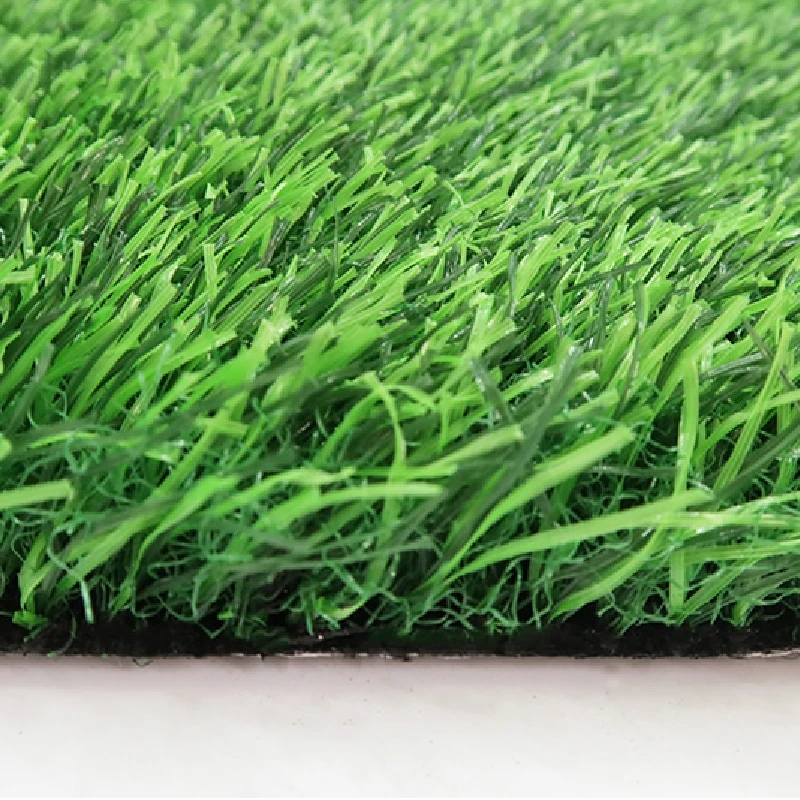
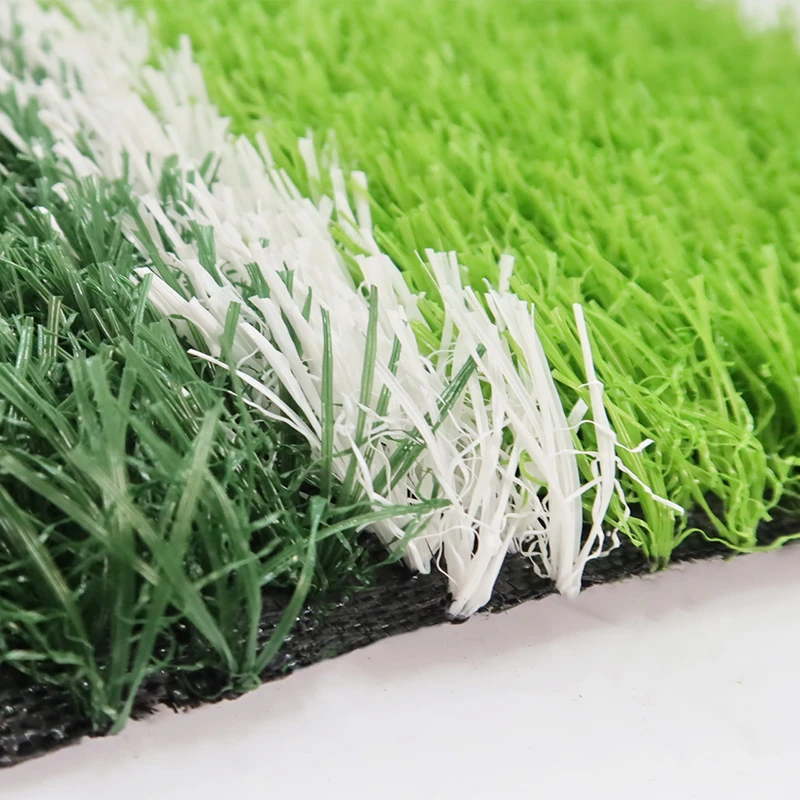
In Egypt, the extreme heat and scarcity of water resources have made traditional landscaping unsustainable. The demand for artificial grass for football has surged, as sports clubs seek surfaces that do not require constant irrigation and can withstand the intense Sahara sunlight without fading.
Urbanization in Cairo and Alexandria has led to a rise in compact living, driving the trend of artificial grass interior design. Property developers are increasingly integrating synthetic fibers into balconies and rooftops to create "green lungs" in concrete-dense environments.
The Egyptian market is currently transitioning from basic polyethylene grass to high-performance, antimicrobial polymers. This shift is particularly evident in the growth of animal friendly artificial grass, as pet ownership increases among the urban middle class who require durable, non-toxic surfaces.