Welcome to Hoyarn
Call Us Any Time:+86 19801805999
Email Us: info@hoyarn.cn
Why Artificial Grass and Pets Are the Perfect Match: Durability, Hygiene & Sustainability
Dec . 08, 2025 09:50 Back to list
Why Artificial Grass and Pets Are the Perfect Match: Durability, Hygiene & Sustainability
Understanding Artificial Grass and Pets: A Growing Global Trend
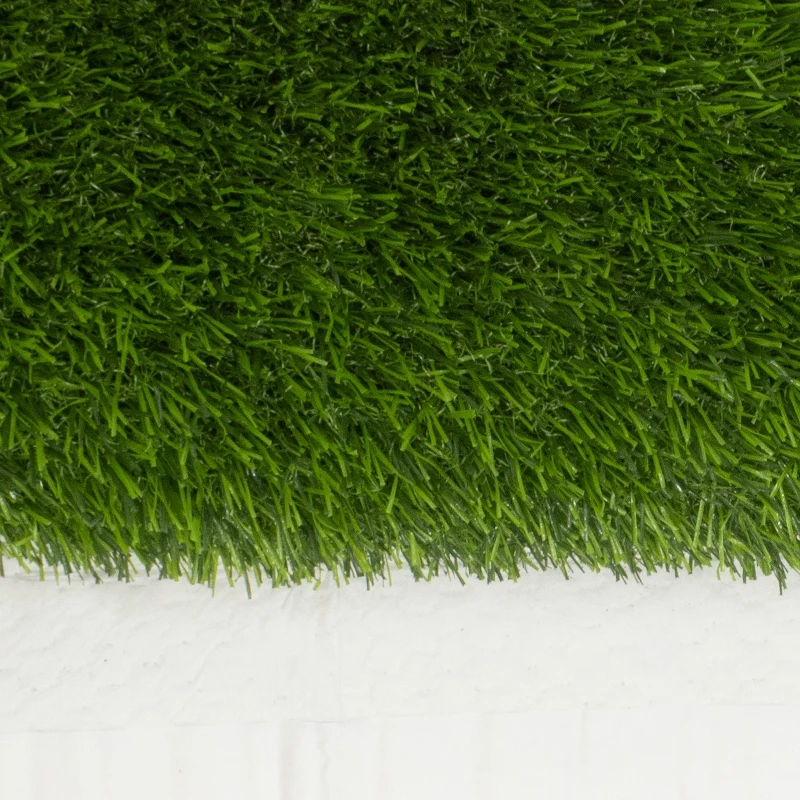
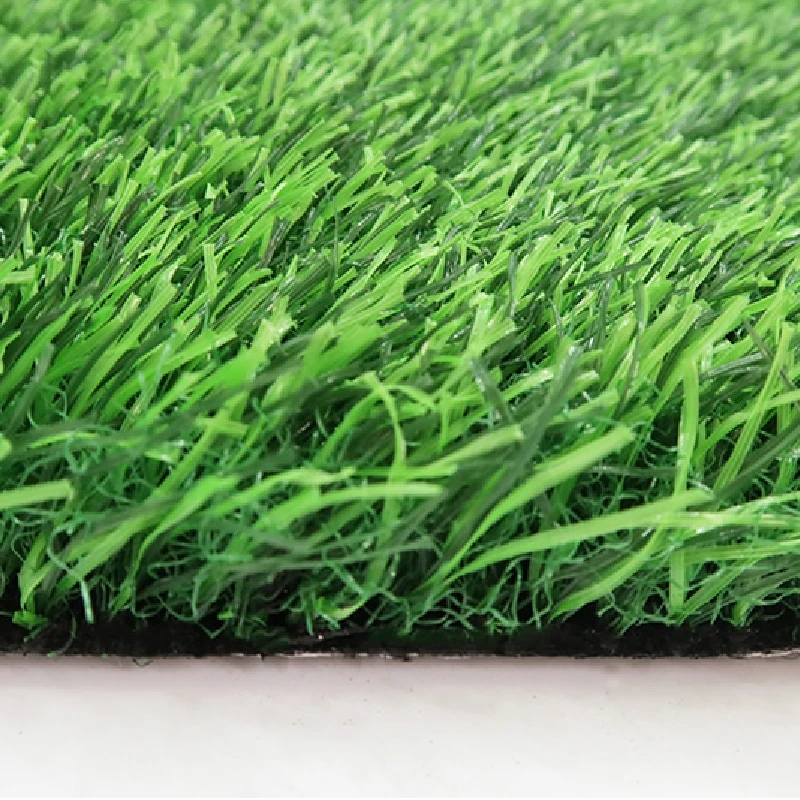
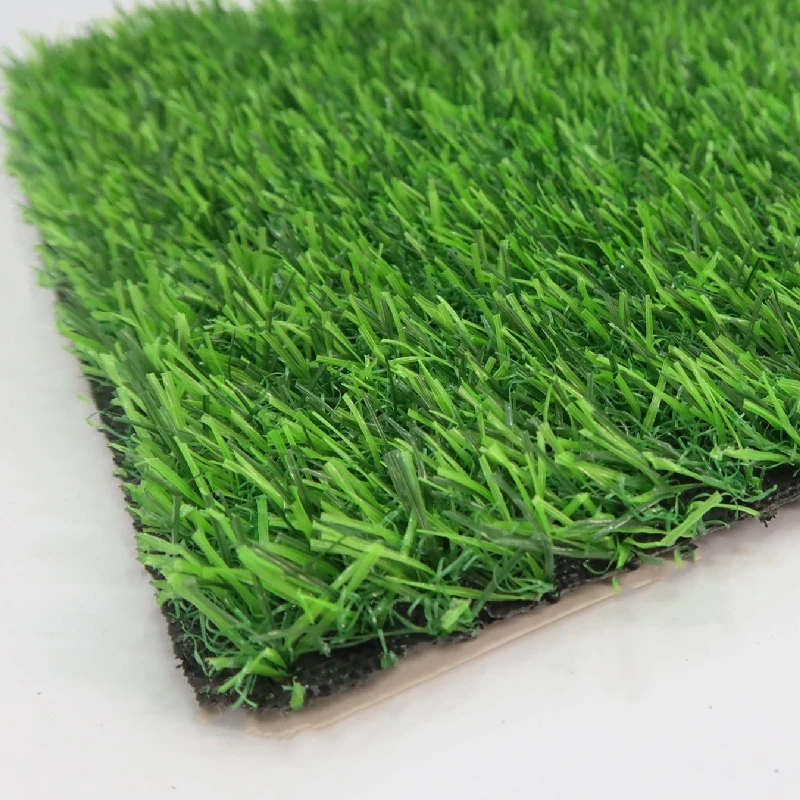
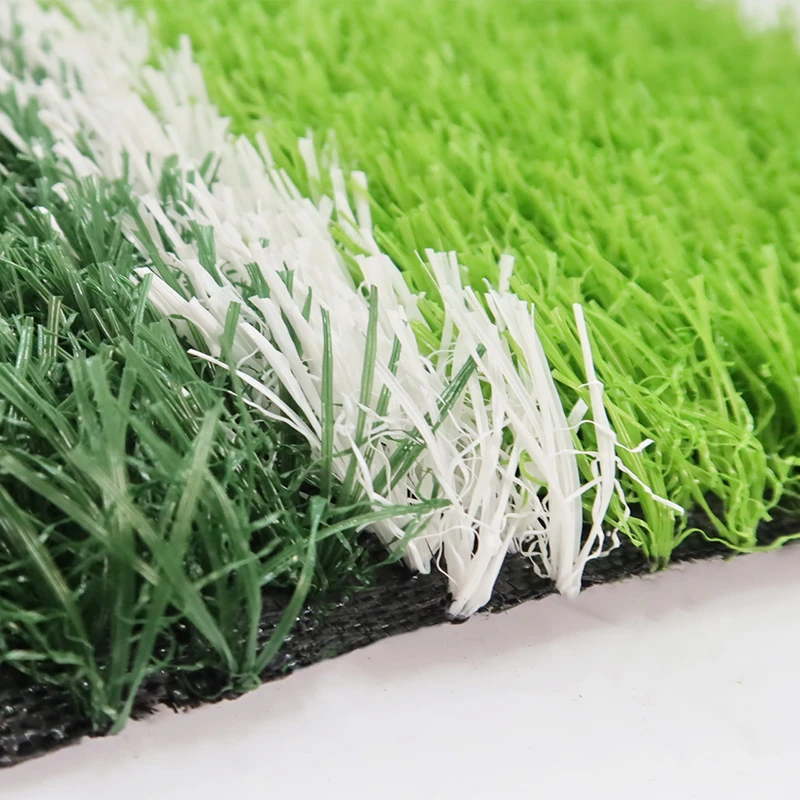
Artificial grass and pets have become a topic of growing interest worldwide as more pet owners seek practical, clean, and sustainable solutions to outdoor living spaces. It's fascinating when you think about it—backyards, patios, and even urban balconies are now outfitted with fake turf that caters specifically to pets, balancing durability with the comforts our furry friends deserve. This isn’t just about aesthetics. It’s tied to bigger issues such as water conservation, pet hygiene, and the urban lifestyle’s impact on animals’ well-being. Understanding this topic helps pet owners make informed decisions that benefit both their four-legged companions and the environment.
Introduction: Why Are Artificial Grass and Pets So Relevant Globally?
Globally, pet ownership is skyrocketing—according to the World Pet Association, over 67% of U.S. households own a pet, a figure rising steadily across many countries. Simultaneously, climate concerns have led to water restrictions and a push for eco-friendly landscaping. Artificial grass for pets serves at the crossroads of these trends, offering a solution that thrives in drought-prone regions while catering safely to animals. The UN has repeatedly emphasized sustainability, and water preservation is a core goal for communities worldwide. Artificial grass and pets address these environmental challenges while supporting a pet-friendly lifestyle. (Oddly enough, the demand for pet-safe, clean, and odor-resistant surfaces is booming in dense urban environments across Europe, Asia, and America.)
What Is Artificial Grass and Pets?
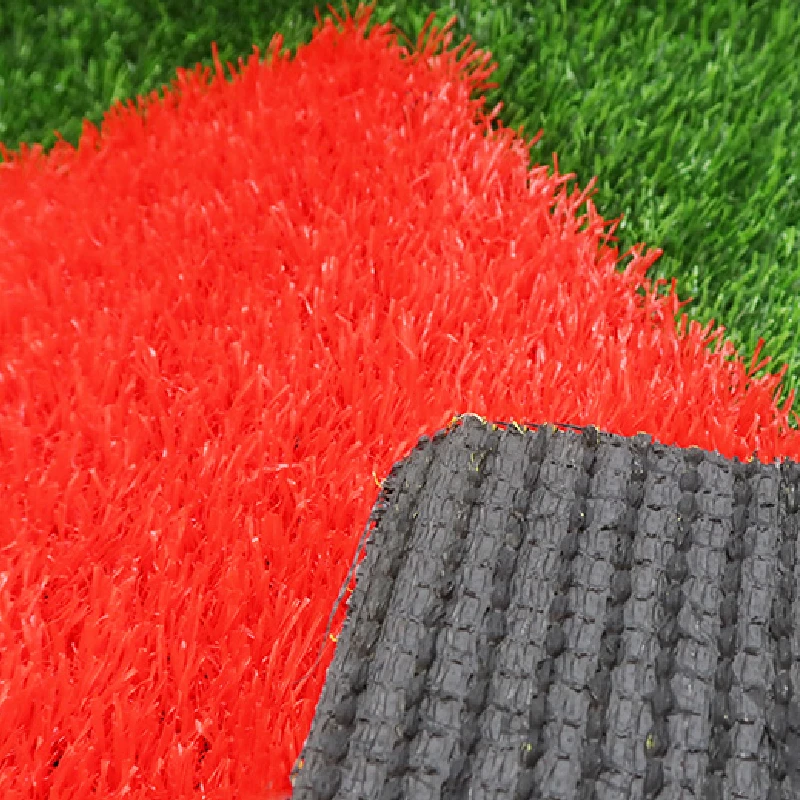
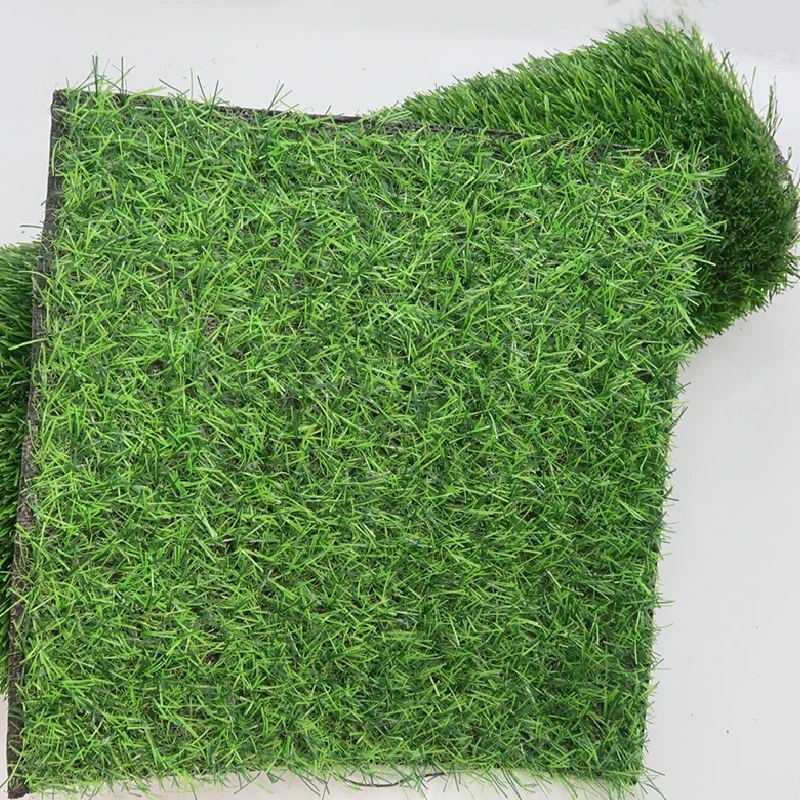
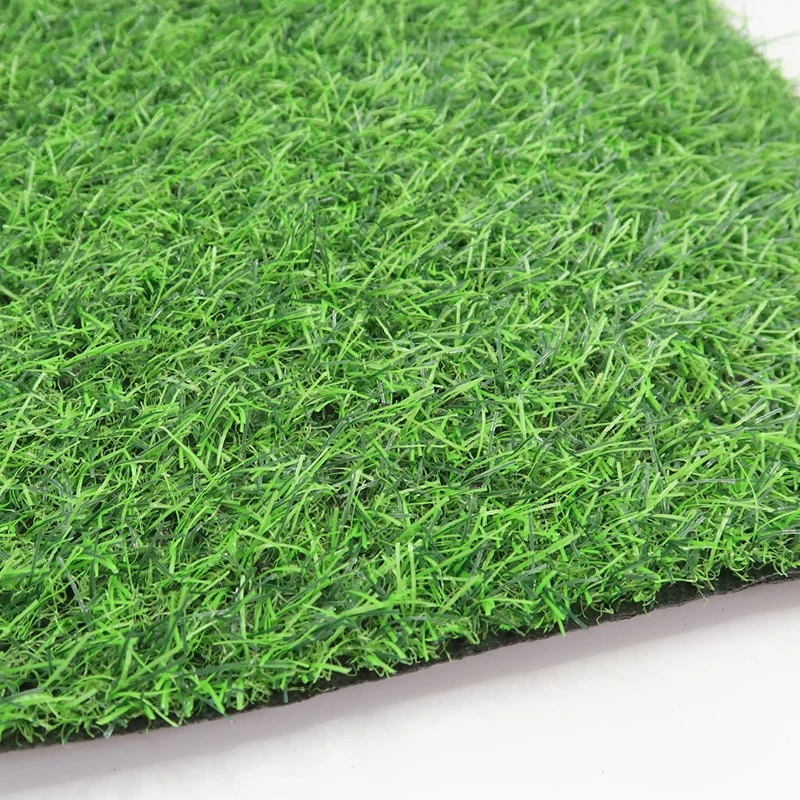
Simply put, artificial grass and pets refers to synthetic turf systems designed especially with pets in mind. Unlike generic synthetic lawns, these turfs prioritize pet safety, drainage, odor control, and durability against claws and frequent use. This concept connects deeply to modern pet care practices, especially as many urban pet owners lack green space access. In humanitarian or institutional settings—think animal shelters or disaster relief camps—pet-friendly artificial grass also meets practical needs for easy maintenance and hygiene.
Key Factors in Artificial Grass Designed for Pets
1. Durability and Resistance
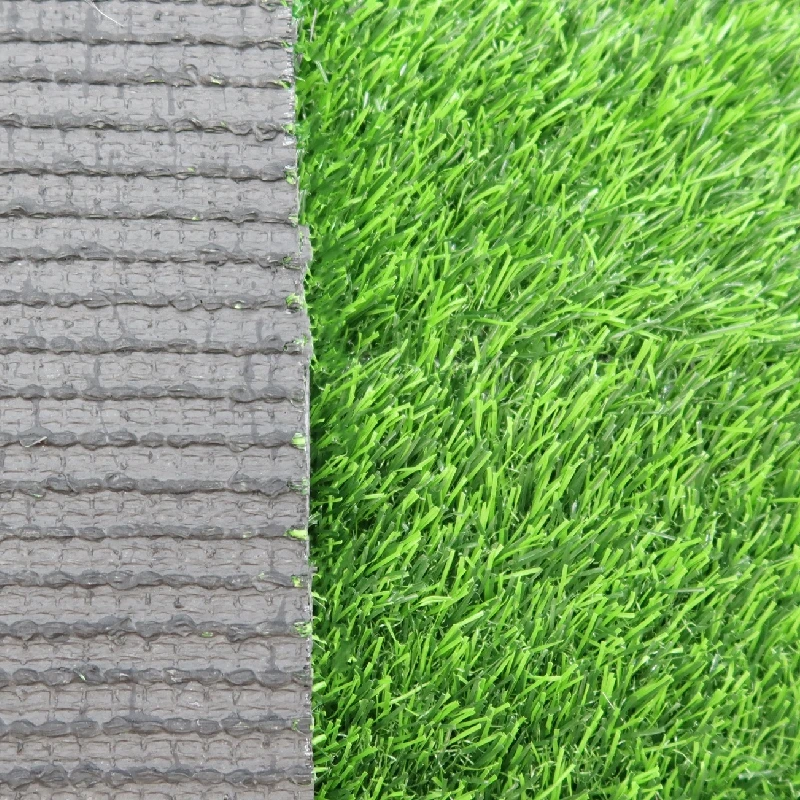
Pet turf must withstand heavy foot traffic, scratching, and occasional digging. Manufacturers use high-density fibers and UV-stabilized materials to ensure longevity. This durability means fewer replacements, improving sustainability.
2. Drainage and Odor Control
A big concern for pet turf is managing urine and moisture. Specialized backing materials and perforations promote rapid drainage, while infills like zeolites aid odor neutralization, making spaces hygienic and comfortable.
3. Softness and Comfort
Unlike hard surfaces, pet-specific artificial grass balances firm footing with softness, so paws don’t get irritated. Some products incorporate cushioning layers that also serve as thermal insulators, keeping lawns cool in summer.
4. Easy Maintenance
Unlike natural grass which needs watering, mowing, or fertilizers, artificial grass is easy to clean—regular rinsing and occasional brushing suffice. This efficiency attracts busy urbanites and reduces environmental impacts.
Global Applications and Use Cases
From private homes in drought-afflicted California to bustling condos in Tokyo, artificial grass designed for pets has found a diverse range of applications. Animal shelters use it to create hygienic runs; dog parks in Europe leverage it for maintenance ease; even luxury resorts in the Middle East adopt it to provide greener spaces that conserve water. In emergency shelters during disasters, synthetic turf can quickly create safe dog exercise spots with minimal upkeep. The versatility is striking.
Advantages & Long-Term Value of Artificial Grass and Pets
- Cost-efficiency: No watering or fertilizers lowers household budgets over time.
- Sustainability: Saves thousands of gallons of water annually — key in drought-prone zones.
- Health & Hygiene: Anti-microbial coatings and quick drainage support pet comfort and reduce bacteria.
- Durability: Holds up against wear and tear better than natural grass subjected to pet use.
- Social Impact: Enables pet ownership in apartments or spaces without natural lawns, improving quality of life.
Frankly, it’s a fusion of smart design and empathy for pet needs, coupled with ecological sensitivity.
Product Specification Table: Popular Artificial Grass Options for Pets
| Product | Fiber Type | Pile Height | Odor Control | Drainage Rate (inches/hr) |
|---|---|---|---|---|
| EcoPet Turf | Nylon blend | 1.5 inches | Zeolite infill | 1.2 |
| PawClean Synthetic | Polyethylene | 1.75 inches | Activated carbon | 1.5 |
| FreshPaws Turf | Polypropylene | 1.6 inches | Silver ions | 1.3 |
Vendor Comparison: Top Suppliers of Artificial Grass for Pets
| Vendor | Warranty | Installation Options | Pet-Specific Features | Price Range (USD/sq.ft.) |
|---|---|---|---|---|
| GreenPaw Turf Co. | 10 years | DIY & professional | Antimicrobial backing, odor control | $6 - $9 |
| PetTurf Solutions | 8 years | Professional installation only | Quick-drain technology, zeolite infill | $7 - $10 |
| UrbanPet Lawns | 12 years | DIY, Franchise network | Cooling technology, antimicrobial fibers | $8 - $12 |
Future Trends and Innovations in Artificial Grass for Pets
What’s coming? Expect more eco-conscious materials—biodegradable infills or recycled fibers inspired by circular economy principles. Integration with digital monitoring systems might help owners track lawn cleanliness or pet activity. Moreover, some vendors are exploring cooling gels and anti-bacterial coatings that activate under sunlight, reducing odors naturally. There’s also an emerging focus on automation in installation processes, making pet-friendly synthetic lawns accessible for larger urban populations. The intersection of sustainability and technology here is frankly quite exciting.
Challenges and Expert Solutions
Now, no solution is perfect. Artificial turf can sometimes heat up excessively on hot days or feel less breathable. Pet waste management also remains a hurdle—while odor control has improved, consistent cleaning is necessary to prevent bacteria buildup. Experts recommend combining pet turf with shade structures or cooling systems and using enzymatic cleaners regularly. Manufacturers are also innovating better drainage layers and antimicrobial agents to ease maintenance.
Frequently Asked Questions About Artificial Grass and Pets
Q1: Is artificial grass safe for all pets?
A1: Yes, most pet-specific artificial grass products are designed with non-toxic materials and safe fibers to prevent paws from getting irritated. However, pets with sensitive skin may react differently, so it’s wise to test a small patch first.
Q2: How do you clean artificial grass used by pets?
A2: Cleaning usually involves rinsing with water and occasionally using pet-safe enzymatic cleaners to remove odors and bacteria. Proper drainage under the turf ensures quick drying and hygiene.
Q3: Does artificial grass get too hot for pets in summer?
A3: Artificial grass can heat up more than natural lawn, especially under direct sunlight. Some products include cooling technologies or you can add shade trees or structures to keep it comfortable.
Q4: What about the environmental impact of synthetic lawns?
A4: While synthetic grass reduces water use significantly, production involves plastics, which can impact the environment. Advances in recycled materials and lifespan extension help mitigate these concerns.
Conclusion: Why Artificial Grass and Pets Are Here to Stay
To sum it up: artificial grass tailored to pets represents an increasingly popular solution combining sustainability, convenience, and pet welfare. Whether you’re in a high-rise apartment in a city with water restrictions or a suburban home seeking less yard maintenance, pet turf offers tangible benefits that align with modern lifestyles. I suppose the key takeaway is how innovation can meet ecology and animal care—helping us coexist better with our beloved pets in a changing world. For more details, solutions, and expert advice, visit artificial grass and pets.
Oddly enough, these products don’t just change yards—they’re part of a global shift in how we think about space, sustainability, and companionship.
- World Pet Association, Annual Industry Statistics Report, 2023.
- United Nations Water Conservation Guidelines, UN Water, 2022.
- ISO 9001 Standards on Synthetic Products, ISO.org, 2021.
Latest news
-
Creating the Perfect Fake Grass Area for Dogs Complete Guide
NewsApr.16,2026
-
Guide to Using Fake Grass and Pets for a Pet Friendly Lawn
NewsApr.09,2026
-
Fake Grass and Dogs Creating a Pet Friendly and Durable Yard
NewsApr.07,2026
-
Maintaining a Pristine Lawn with Fake Grass and Dog Wee Management Solutions
NewsApr.04,2026
-
The Ultimate Guide to Choosing the Perfect Fake Dog Grass Patch for Your Pet
NewsMar.31,2026
-
Discover the Benefits of High Quality Fake Dog Grass for Potty Training
NewsMar.28,2026
Products categories