Welcome to Hoyarn
Call Us Any Time:+86 19801805999
Email Us: info@hoyarn.cn
Understanding 35mm Artificial Grass Price: Insights, Applications & Trends
Nov . 30, 2025 13:25 Back to list
Understanding 35mm Artificial Grass Price: Insights, Applications & Trends
Understanding 35mm Artificial Grass Price: Why It Matters Globally
If you’ve ever strolled through a commercial sports field or admired a neat urban park, chances are you’ve encountered artificial grass. More specifically, the “35mm artificial grass” variety is kind of the sweet spot for many landscaping and sporting projects — striking a fine balance between natural look and durability. But why do we even care about the 35mm artificial grass price globally? Well, it’s not just about how green your football pitch looks; it’s about sustainability, cost efficiency, resource management, and even environmental impact in a world increasingly pushed for greener, smarter infrastructure.
Understanding the price point of this 35-millimeter artificial turf has implications beyond just the budget — it reflects innovations in materials science, manufacturing processes, and global supply chains. For landscapers, sports facilities, architects, and even humanitarian projects, knowing what drives the cost of this popular turf helps make smarter choices and promotes greener alternatives to natural grass, especially in water-scarce regions.
Mini takeaway: The 35mm artificial grass price is more than a number — it’s a window into a global shift towards sustainable, functional, and cost-effective outdoor solutions.
The Global Context: Where 35mm Artificial Grass Price Fits In
Artificial turf, especially 35mm variants, are increasingly popular worldwide. According to industry reports aligned with ISO standards for synthetic turf — the global market size is anticipated to reach billions by 2028, fuelled by urbanization and the decreasing availability of water for conventional lawns.
That said, managing the cost of materials like polypropylene or polyethylene fibers, UV stabilizers, backing textures, and even transportation significantly shapes how affordable 35mm artificial grass ends up on final projects.
Water scarcity, urban heat island effects, and rising maintenance costs of natural turf pose serious challenges, especially in regions like the Middle East, Africa, and parts of Australasia. Hence, understanding the price dynamics is crucial for governments, municipalities, and private sectors to adopt smart landscaping that conserves water and reduces upkeep.
Mini takeaway: The growing global demand highlights not just environmental concerns but also economic ones driving the market for quality yet affordable 35mm artificial grass.
What Exactly is 35mm Artificial Grass Price?
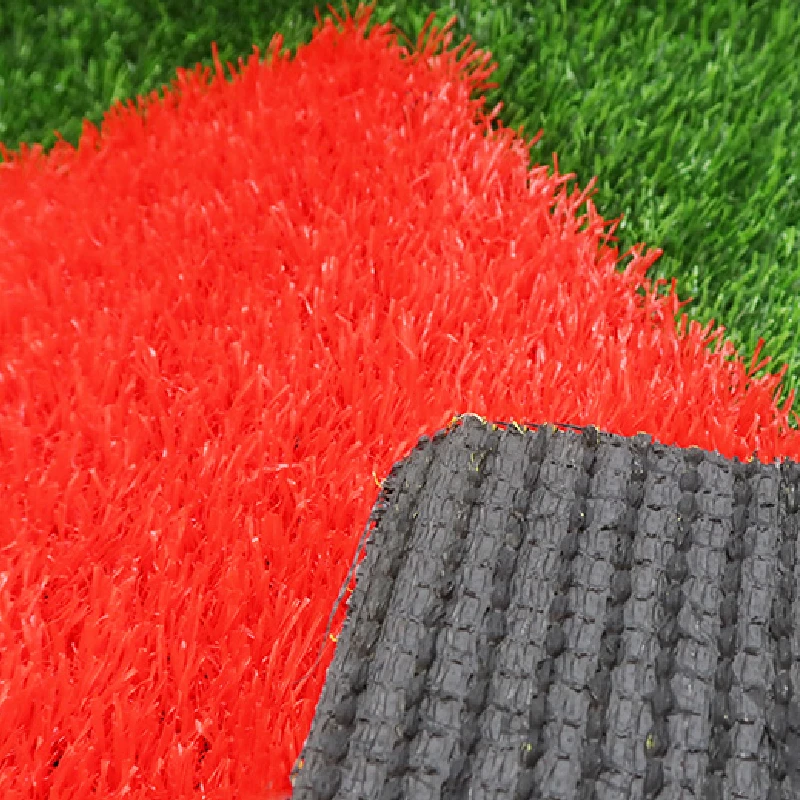
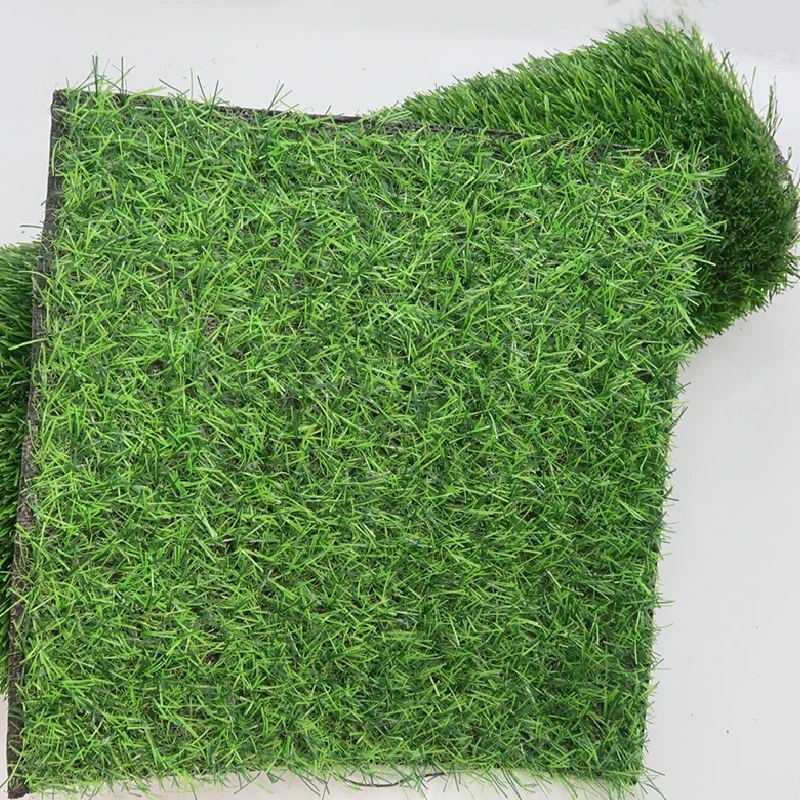
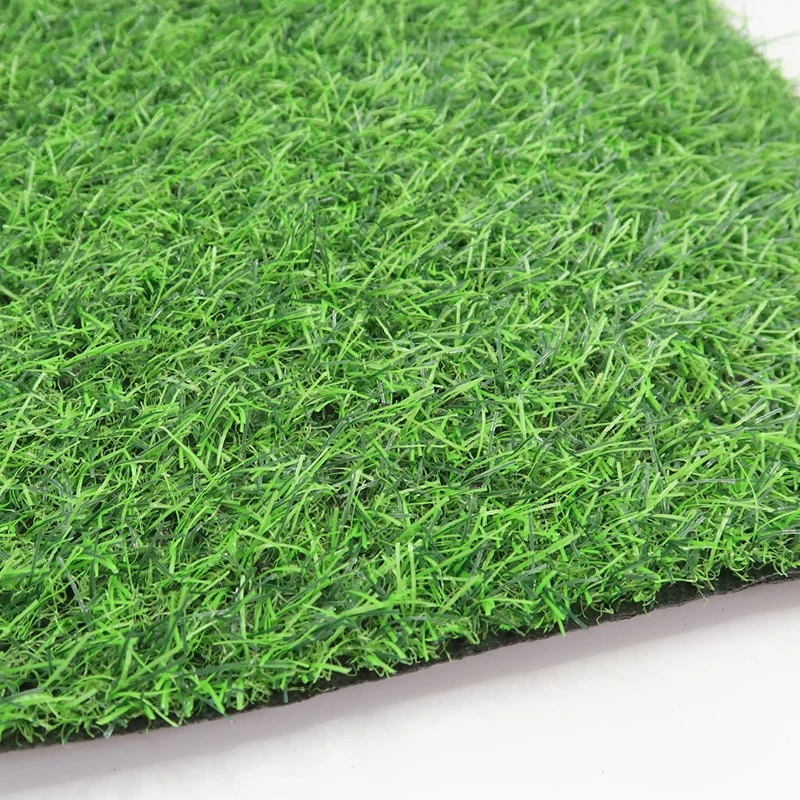
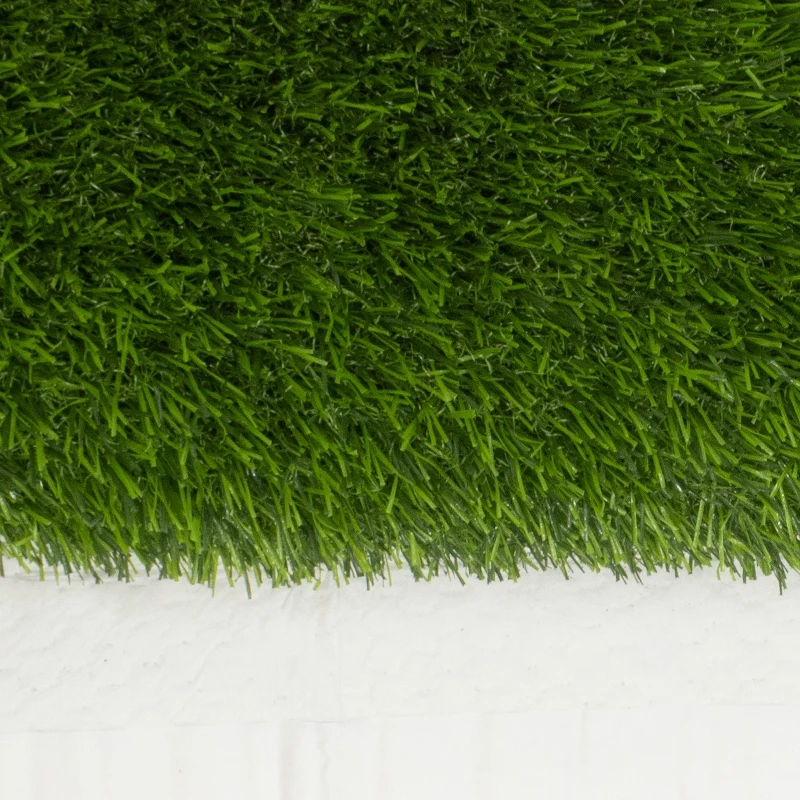
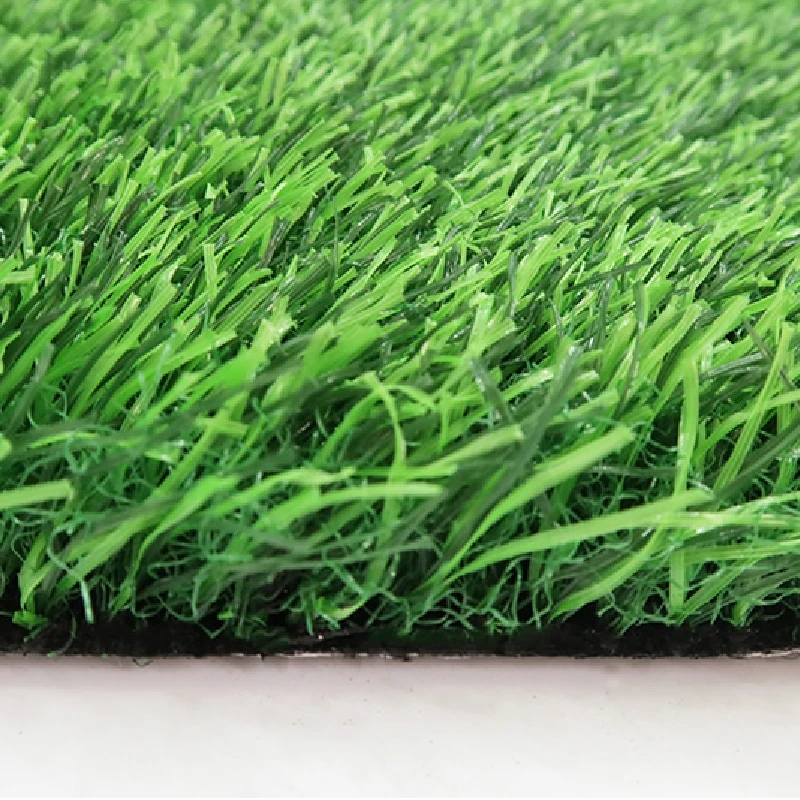
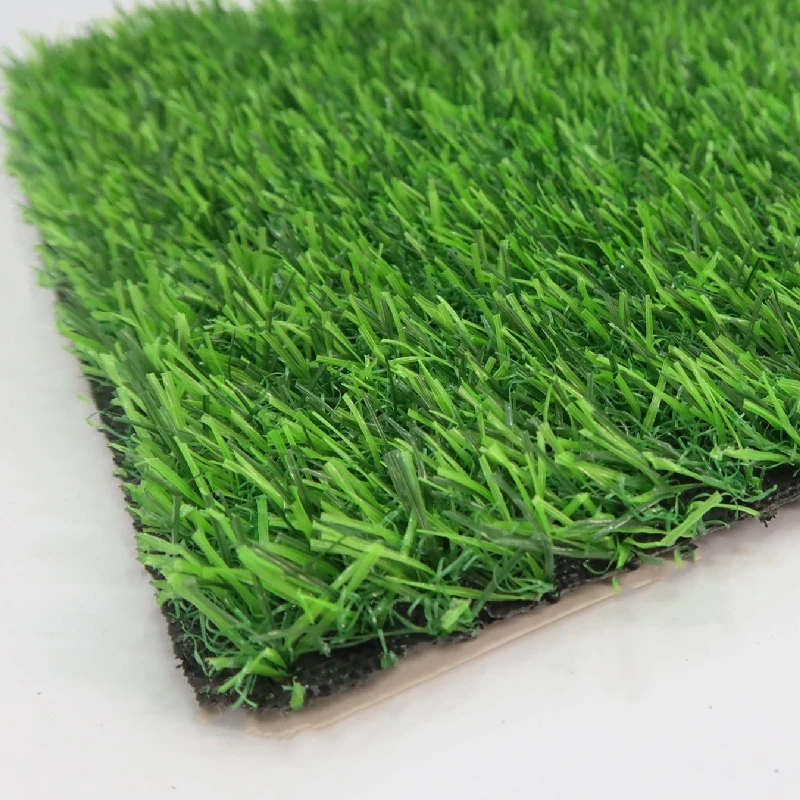
In its simplest form, the term “35mm artificial grass price” refers to the cost of purchasing synthetic turf strands that are approximately 35 millimeters in height. This length is popular because it mimics natural grass blades closely yet offers enhanced durability. Prices typically reference costs per square meter or yard, often including the backing, infill materials, and installation.
This pricing metric connects deeply with modern industries such as sports surfaces, urban landscaping, playgrounds, and even humanitarian projects where rapid deployment and minimal maintenance are key. In real terms, understanding the price provides insights into product quality, fiber density, UV resistance, and manufacturer expertise.
Mini takeaway: The 35mm artificial grass price is a practical indicator of turf quality and suitability across multiple applications.
Key Factors Influencing 35mm Artificial Grass Pricing
1. Material Composition
The type of fibers—most commonly polyethylene (PE) or polypropylene (PP)—forms the main cost driver. PE tends to be more expensive due to its softness and UV resistance, whereas PP is a cheaper alternative but less resilient over time. The backing’s composition, often made from latex or polyurethane, also affects durability and price.
2. Pile Height and Density
“35mm” denotes the blade length, but the density of yarns (how many stitches per square meter) determines feel and longevity. Denser piles mean more material used, pushing the price higher but improving wear resistance.
3. UV and Weather Resistance
Special additives and coatings protect turf from sun damage and fading. High-end artificial grass with superior UV resistance costs more upfront but usually pays off with a longer lifespan.
4. Backing and Drainage Systems
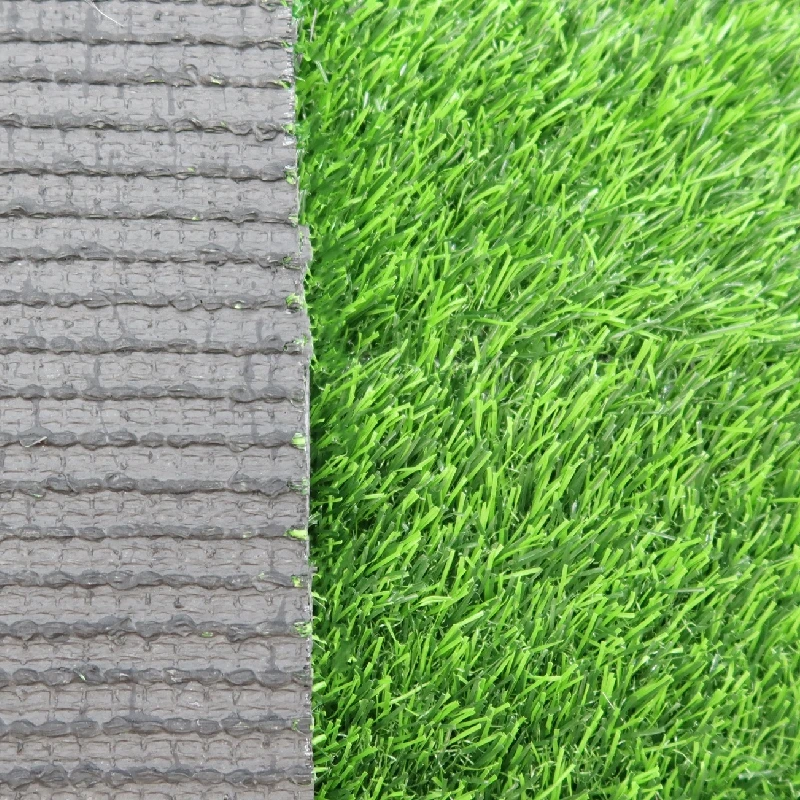
Modern artificial turf uses multi-layered backing designed to speed up drainage and prevent mold. Backing thickness and material technology can vary costs by up to 20%.
5. Manufacturing Location and Logistics
Turf made closer to your location typically means lower shipping charges, which noticeably impact final 35mm artificial grass price. Trade tariffs and supply chain hiccups have made this an unpredictably variable factor.
6. Installation and Warranty
While technically outside raw material costs, many vendors include installation packages or extended warranties—these bundled services influence the effective price considerably.
| Specification | Details |
|---|---|
| Pile Height | 35 mm |
| Material | Polyethylene / Polypropylene blend |
| Density | 16,000-20,000 stitches/m² |
| Backing | Polyurethane with drainage holes |
| UV Resistance | Up to 5 years warranty |
| Approximate Price | $10-$15 per m² (varies by region) |
Mini takeaway: Price is a multifaceted beast shaped by materials, quality, and practical installation factors.
Global Uses: Where 35mm Artificial Grass Adds Value
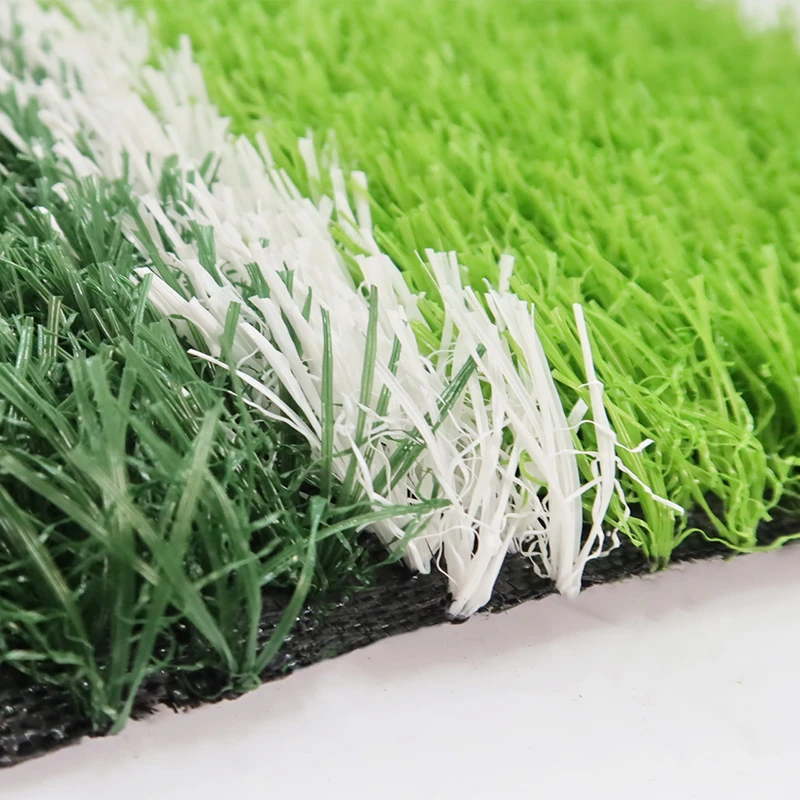
Sports fields — think football pitches, tennis courts — often prefer 35mm turf for its natural feel and durability. But beyond sports, urban planners in water-stressed regions, such as California or the UAE, use this turf to maintain green spaces without irrigation. Humanitarian organizations have even adopted artificial grass in post-disaster housing projects to quickly create comfortable outdoor environments where natural grass is impossible to grow.
Interestingly, many corporate campuses and remote industrial zones employ 35mm artificial grass for low-maintenance aesthetics and safety, reducing slips and surface degradation compared to concrete or gravel.
Advantages & Long-Term Value of 35mm Artificial Grass
- Cost Savings: Reduced water bills and lawn maintenance costs quickly offset initial purchase price.
- Sustainability: Conserves water and reduces pesticide/herbicide usage.
- Reliability: Consistent appearance year-round regardless of weather.
- Social Impact: Provides clean, safe play surfaces for kids in urban areas lacking green space.
- Emotional Appeal: Offers dignity and normalcy in disaster relief or refugee camps.
Many users testify that the investment feels more like a long-term asset rather than a fleeting landscaping expense.
Future Trends & Innovations Shaping 35mm Artificial Grass Price
We’re seeing a shift toward bio-based yarns, recyclable backings, and even digital ordering systems to reduce waste and ensure better quality control — all of which will recalibrate prices in the coming years.
Smart turf technology—integrating sensors to monitor usage and condition—may become mainstream, adding a new dimension of value and cost considerations.
Additionally, policy pushes worldwide for greener building materials (ISO 14000 family standards, for example) encourage manufacturers to innovate toward more sustainable, affordable solutions.
Challenges & Solutions
Installation can be tricky, especially in uneven terrain or regions lacking skilled labor. Plus, there’s concern over microplastics and end-of-life disposal. To combat these, manufacturers are exploring biodegradable fiber options and modular turf systems that can be replaced or recycled in segments, reducing waste.
Many engineers recommend partnering with experienced vendors who provide warranties and post-sale support to mitigate installation hassles.
| Vendor | Material Quality | Price Range (per m²) | Warranty (years) | Installation Support |
|---|---|---|---|---|
| GreenTurf Inc. | High-density PE | $12 - $16 | 5 | Full |
| EcoGrass Solutions | Bio-based fibers | $14 - $18 | 4 | Partial |
| UrbanLawn Co. | Standard PE/PP blend | $10 - $14 | 3 | Limited |
FAQs About 35mm Artificial Grass Price
Q1: What factors most influence the cost of 35mm artificial grass?
A: The main drivers are fiber material (PE vs. PP), pile density, UV treatment, backing quality, and shipping logistics. Installation and vendor support add extra costs but improve long-term outcomes.
Q2: Can 35mm synthetic turf withstand harsh weather conditions?
A: Yes, especially when treated with UV stabilizers and with multi-layer backing designed for drainage. It’s ideal for regions with strong sun or heavy rainfall.
Q3: How long does 35mm artificial grass typically last?
A: With proper installation and maintenance, quality turf can look good for 7–10 years, sometimes longer, depending on use intensity.
Q4: Is artificial grass environmentally friendly?
A: While it conserves water and reduces chemical use, concerns about microplastics and disposal remain. Emerging bio-based and recyclable options are improving eco-friendliness.
Q5: How do I find competitive 35mm artificial grass prices internationally?
A: Research vendors with transparent pricing, reliable logistics, and certification compliance. Using trusted portals like 35mm artificial grass price guides can help compare offers globally.
Wrapping Up: Why the 35mm Artificial Grass Price Is Worth Knowing
So, after all this, it feels pretty clear that understanding the 35mm artificial grass price isn’t just about budgeting for green outdoor spaces — it’s about investing in smart, sustainable, and adaptable infrastructure all around the world. Whether you’re planning a sports field in New York, a park in Dubai, or a temporary setup in a refugee camp, knowing what shapes price and quality can make all the difference.
For those interested in more detailed products and competitive pricing, I definitely recommend visiting our website for in-depth guides and vendor connections. Because in this business, a well-informed choice reaps green rewards, literally.
References
Latest news
-
Creating the Perfect Fake Grass Area for Dogs Complete Guide
NewsApr.16,2026
-
Guide to Using Fake Grass and Pets for a Pet Friendly Lawn
NewsApr.09,2026
-
Fake Grass and Dogs Creating a Pet Friendly and Durable Yard
NewsApr.07,2026
-
Maintaining a Pristine Lawn with Fake Grass and Dog Wee Management Solutions
NewsApr.04,2026
-
The Ultimate Guide to Choosing the Perfect Fake Dog Grass Patch for Your Pet
NewsMar.31,2026
-
Discover the Benefits of High Quality Fake Dog Grass for Potty Training
NewsMar.28,2026
Products categories