Welcome to Hoyarn
Call Us Any Time:+86 19801805999
Email Us: info@hoyarn.cn
Turf Under Playground – Safe, Durable, and Sustainable Play Surfaces
Dec . 03, 2025 18:34 Back to list
Turf Under Playground – Safe, Durable, and Sustainable Play Surfaces
Turf Under Playground: Foundations of Safe and Sustainable Play Spaces
Playgrounds are essential for childhood. But beyond the swings and slides, the very ground children play on—what we call turf under playground—matters a great deal. Globally, playground safety and environmental sustainability have become focuses for municipalities, schools, and communities alike. This is because the quality of playground turf impacts child safety, maintenance costs, and even ecological footprints.
In practical terms, having the right kind of turf beneath playground equipment significantly reduces injury risk from falls, while also creating spaces that are healthier and more durable. Over the past decade, awareness has grown considerably: The World Health Organization emphasizes safe play environments as a key factor in child well-being, while many cities are pushing greener, more sustainable playground designs.
What Is Turf Under Playground?
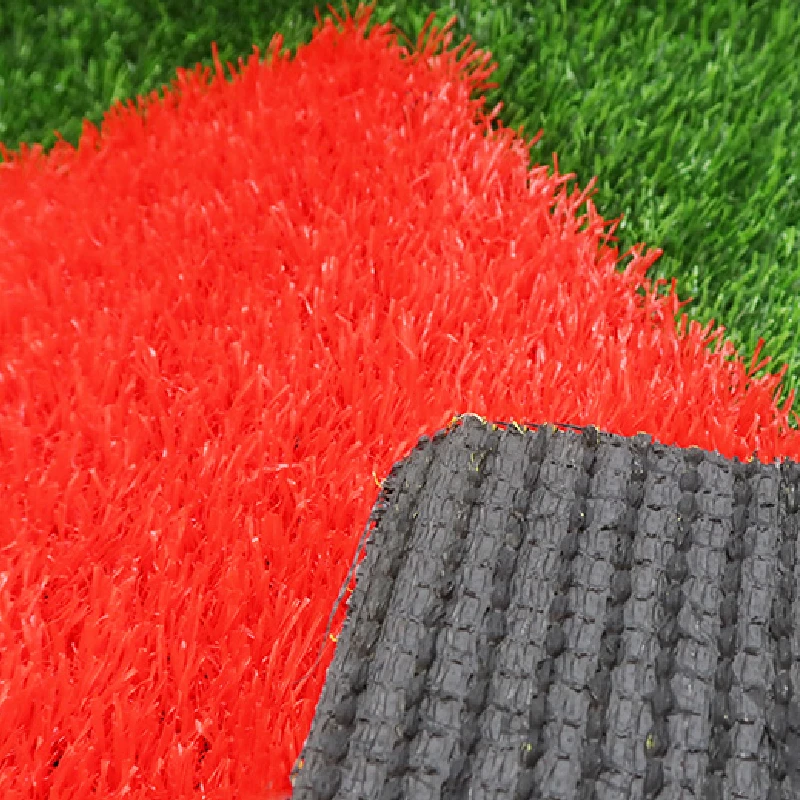
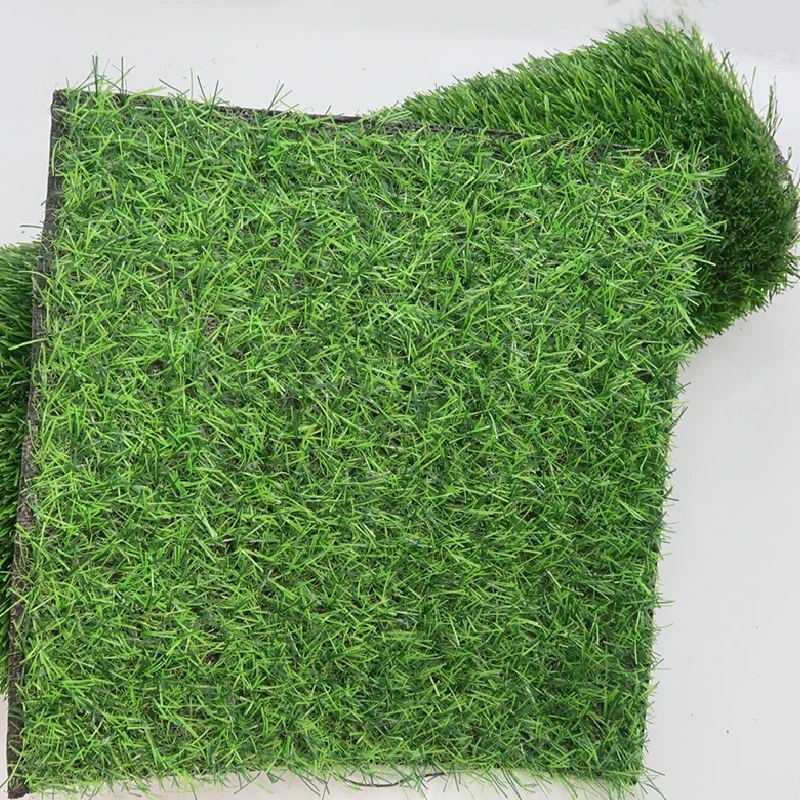
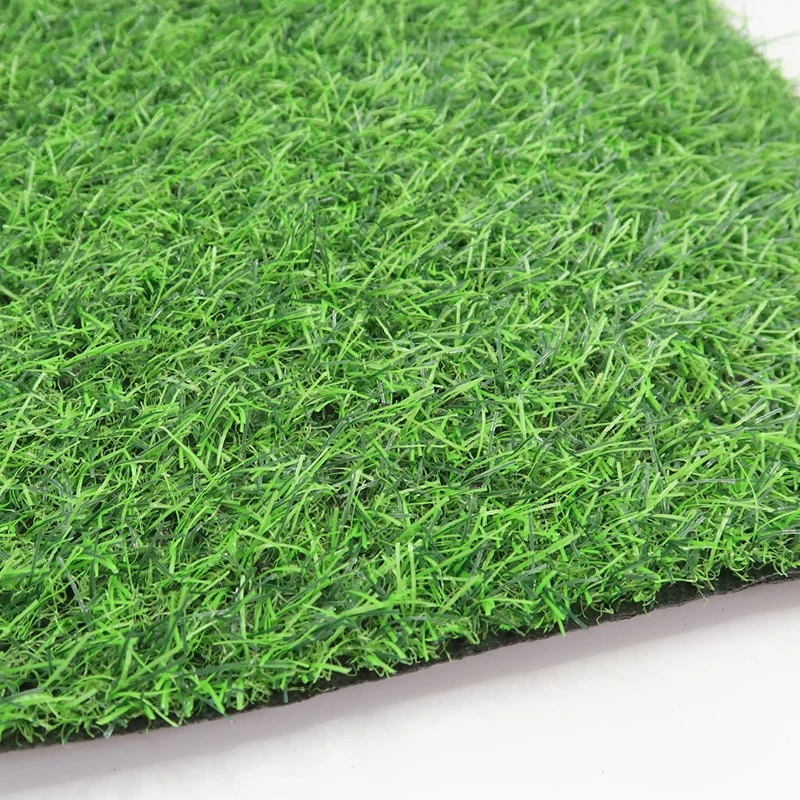
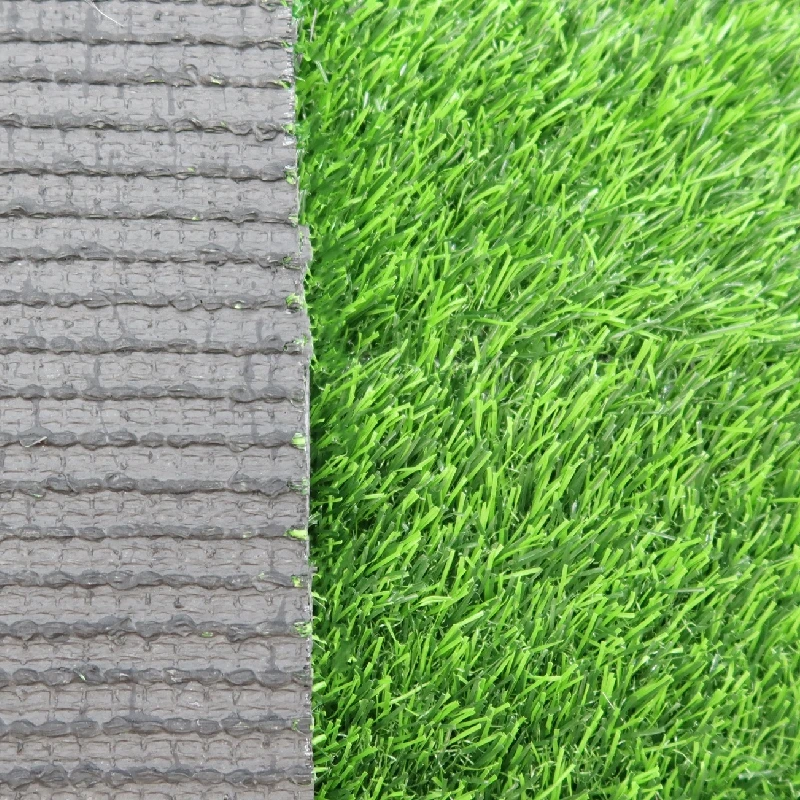
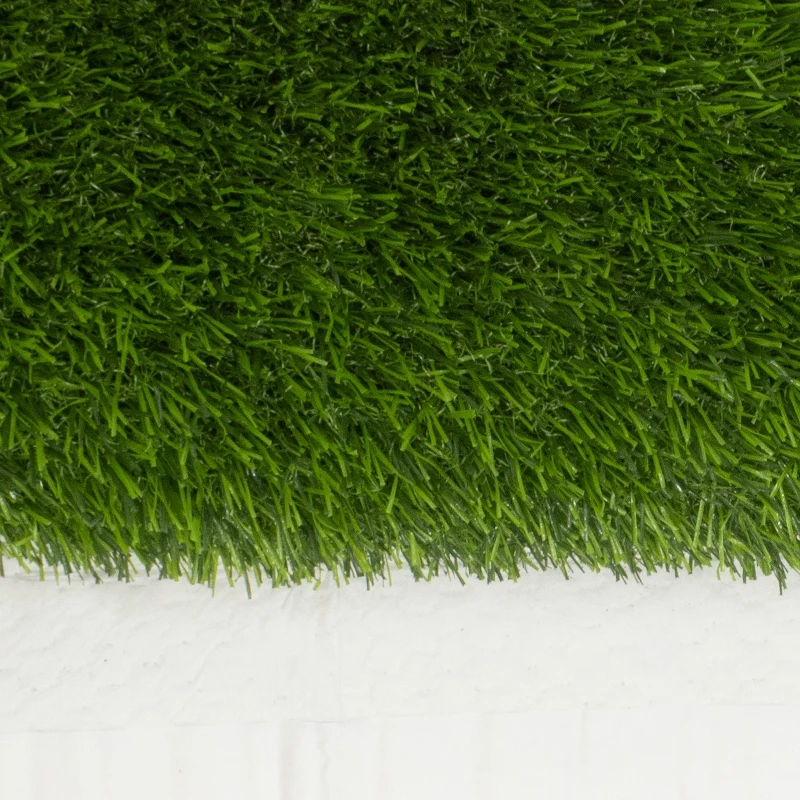
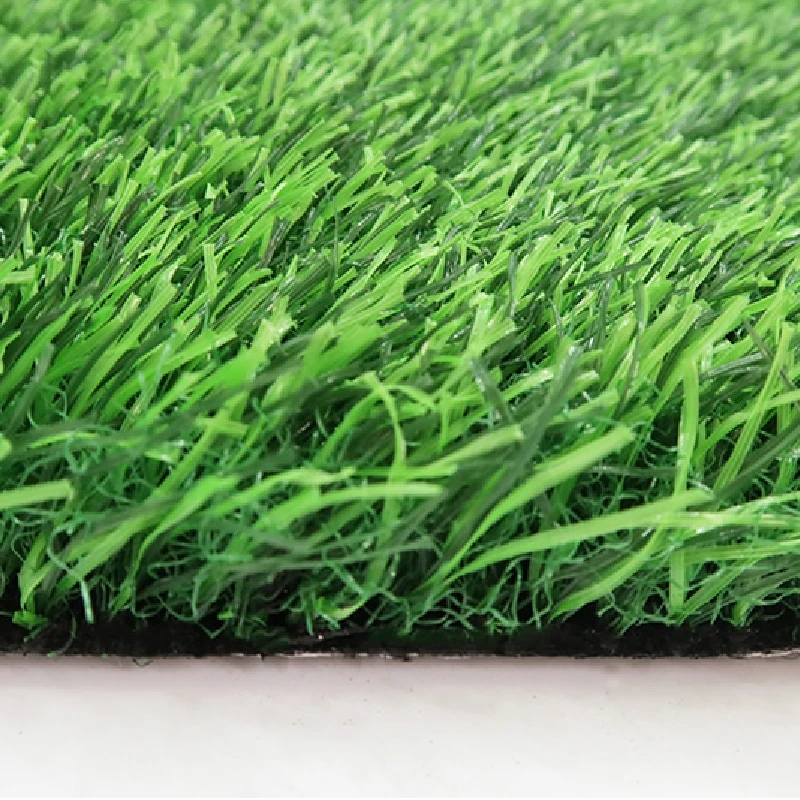
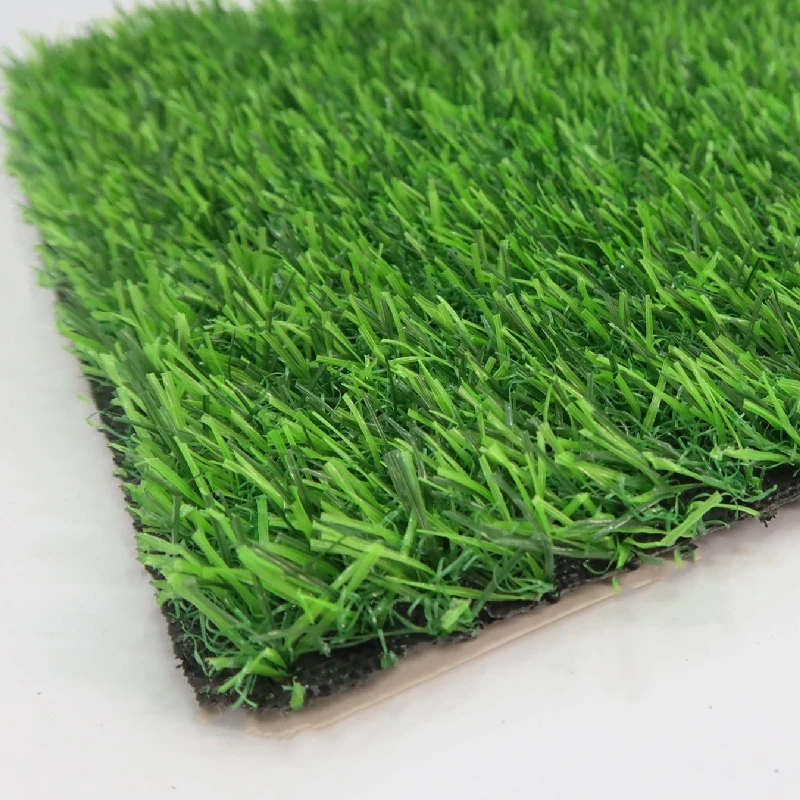
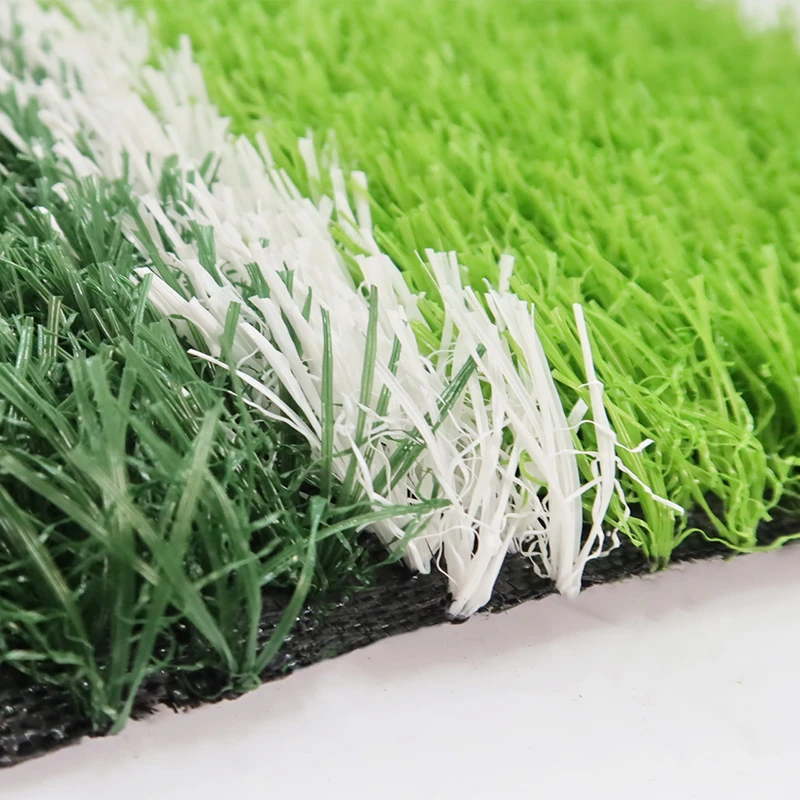
Simply put, turf under playground refers to the surface material installed beneath playground equipment — slides, swings, climbing frames — designed to cushion falls and provide a safe, attractive ground covering. It can be natural grass, synthetic turf, rubber mats, or engineered mulches. The choice has to balance safety standards, environmental impact, maintenance effort, and costs.
Modern playground design increasingly prioritizes sustainability and accessibility. Synthetic turf, for example, often combines impact-absorbing layers with durable fibers made from recycled materials. It’s not just about plopping down some grass; it’s a sophisticated assembly aligned with standards like ASTM F1292 (impact attenuation) and ISO 1163.
Key Aspects of Turf Under Playground
1. Safety & Impact Absorption
Safety is king. Playground turf must reduce injury severity from falls, especially from equipment up to 2-3 meters high. Certified impact-absorbing turfs meet specific fall height criteria. This makes sure when kids tumble, the surface can dissipate force effectively.
2. Durability & Maintenance
Playgrounds receive heavy foot traffic, wet weather, and seasonal changes. Turf materials must withstand wear without losing cushioning or appearance over years. Synthetic turf often requires less watering and mowing compared to natural grass, but it still needs care against UV damage and debris.
3. Environmental Sustainability
It’s a hot topic worldwide: how can playgrounds be eco-friendly? Many synthetic turf under playgrounds are now made from recycled plastics and incorporate permeable backing for water drainage, reducing erosion and runoff.
4. Cost Efficiency
Cost is crucial for schools and local governments. While synthetic turf installation may be costlier upfront than natural turf, its longer lifespan and lower water use often lead to savings over 10-15 years.
5. Accessibility & Aesthetics
Some turfs are designed to be wheelchair-accessible, compliant with ADA standards, allowing inclusive play. Color options and textures also contribute to more engaging and attractive playgrounds.
Product Specification Table: Typical Turf Under Playground
| Feature | Natural Grass Turf | Synthetic Turf | Rubber Mulch |
|---|---|---|---|
| Impact Absorption | Moderate | High (Meets ASTM) | High |
| Maintenance Needs | High (water, mowing) | Low (occasional cleaning) | Moderate (raking) |
| Environmental Impact | Positive (natural) | Varies (recycled materials used) | Mixed (recycled rubber) |
| Cost (Initial) | Low | Medium to High | Low to Medium |
| Lifespan | 1-2 years (seasonal) | 8-15 years | 5-10 years |
Global Applications of Turf Under Playground
Playgrounds exist everywhere — from suburban schools in the US to community parks in Japan, refugees camps in Jordan, or public parks in Nairobi. The use of quality turf under playground structures improves safety and play quality everywhere.
In the United States, the Consumer Product Safety Commission estimates that proper impact-absorbing surfaces reduce playground injury severity by up to 74%. In Europe, many urban centers are replacing traditional gravel or asphalt playground bases with synthetic turf to boost accessibility and reduce heat exposure.
Post-disaster areas often need quick but safe playground rebuilds for children’s mental health recovery. Here, modular artificial turf systems are preferred for rapid deployment and durable cushioning.
| Vendor | Product Range | Sustainability Features | Price Range (USD/sq.ft.) |
|---|---|---|---|
| GreenPlay Corp. | Synthetic turf with safety padding | Uses recycled yarns, permeable backing | 4.50 - 7.00 |
| SafeGround Systems | Rubber mulch and turf hybrids | 100% recycled rubber mulch content | 3.50 - 5.50 |
| EcoTurf Solutions | Natural and bio-based turf mixes | Organic materials, biodegradable infill | 5.00 - 8.00 |
Advantages & Long-Term Value of Turf Under Playground
- Safety first: Cushioned surfaces reduce injuries and create peace of mind for parents and schools.
- Sustainability: Eco-friendly materials help reduce environmental impact, preserving local ecology.
- Cost savings: Lower maintenance, reduced water use, and longer lifespans balance initial expenses.
- Social benefits: Safer, inclusive playgrounds encourage children’s social and physical development.
In short, investing in quality turf beneath playgrounds means safer, longer-lasting, and greener play spaces — a win-win that tends to repay communities many times over.
Future Trends & Innovations
We’re seeing cool advances like smart play surfaces embedded with sensors to monitor footfall and wear, or materials integrating green energy tech (like solar-powered lighting). New bio-based polymers promise turf that decomposes safely after use, reducing landfill waste.
Plus, digital design tools are making it easier for planners to customize fields that balance aesthetics, safety, and environmental impact. It’s a brave new green playground world, frankly.
Challenges & Solutions
Challenges remain. Synthetic turf can get hot under strong sun, impacting comfort and safety. Some natural turfs struggle with muddy conditions after rain, and initial costs deter some buyers.
Solutions include integrating shading elements, improved infill materials that stay cool, and modular turf systems allowing phased installation. Grants and community partnerships often help cover up-front costs.
FAQ: Frequently Asked Questions About Turf Under Playground
- What turf thickness is recommended for playground safety?
- A thickness of 2 to 4 inches combined with shock-absorbing padding is typically recommended to comply with ASTM standards for fall heights up to 8 feet.
- How often should playground turf be replaced?
- Depends on material and use, but synthetic turfs generally last 8-15 years, while natural turf may need re-seeding or replacement annually following wear and weather.
- Is synthetic turf safe for children with allergies?
- Yes, synthetic turf reduces exposure to pollen and soil microbes present in natural grass, often lowering allergy risks, but confirming specific material safety is prudent.
- Can turf under playgrounds be wheelchair accessible?
- Absolutely. Many synthetic turf systems are designed with ADA compliance in mind, providing smooth, firm surfaces suitable for mobility devices.
- Are there environmentally-friendly options for playground turf?
- Yes, many vendors now offer turf made from recycled plastics, biodegradable infill materials, and designs that improve water drainage to support sustainability goals.
Conclusion
Ultimately, turf under playground is more than just a surface—it's a foundational element of safe, inclusive, and sustainable play spaces. Whether prioritizing fall protection, environmental responsibility, or long-term cost efficiency, choosing the right turf pays dividends. Curious to explore the latest options? Visit our website: https://www.hoyarngrass.com to see how modern turf solutions can transform your playground.
Sometimes, it’s the ground beneath our feet — or our kids’ feet — that supports the biggest leaps.
References
- U.S. Consumer Product Safety Commission (CPSC) Playground Safety Data
- ISO 1163 Playground Impact Standards
- World Health Organization: Children's Play and Development
Latest news
-
Creating the Perfect Fake Grass Area for Dogs Complete Guide
NewsApr.16,2026
-
Guide to Using Fake Grass and Pets for a Pet Friendly Lawn
NewsApr.09,2026
-
Fake Grass and Dogs Creating a Pet Friendly and Durable Yard
NewsApr.07,2026
-
Maintaining a Pristine Lawn with Fake Grass and Dog Wee Management Solutions
NewsApr.04,2026
-
The Ultimate Guide to Choosing the Perfect Fake Dog Grass Patch for Your Pet
NewsMar.31,2026
-
Discover the Benefits of High Quality Fake Dog Grass for Potty Training
NewsMar.28,2026
Products categories